
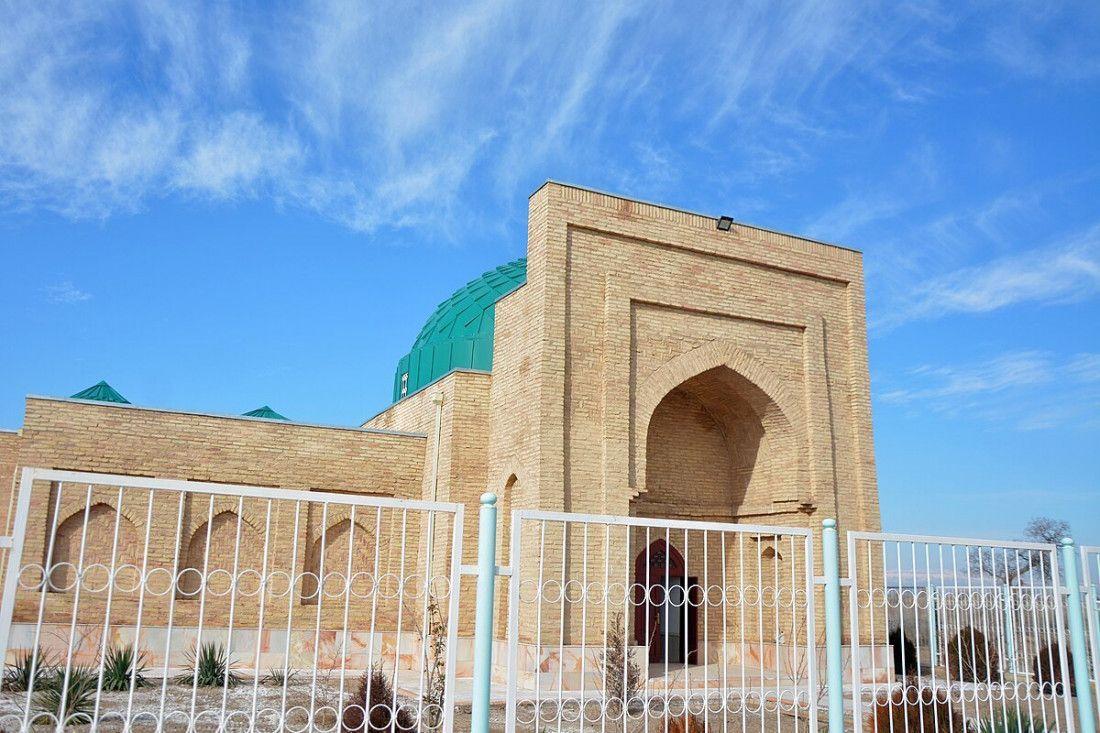
Mausoleum · 11th–12th centuries; restored in the 2020s
Zul-Kifl Mausoleum on Aral-Paygambar Island
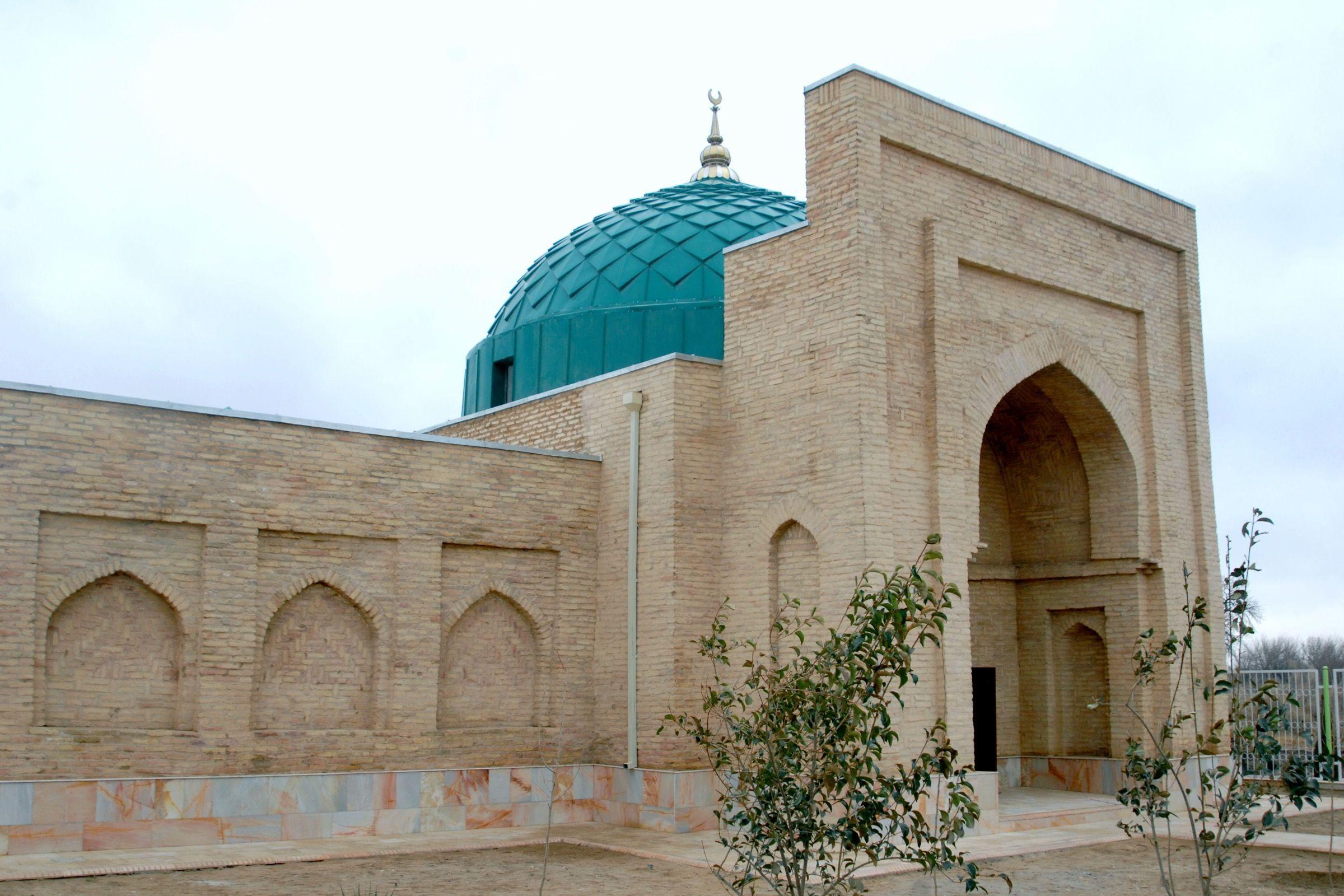
A brick mausoleum of the 11th–12th centuries on an island in the Amu Darya, venerated as the tomb of the prophet Dhu'l-Kifl. The island is a nature reserve on the Afghan border and one of the most unusual pilgrimages in Uzbekistan.
About
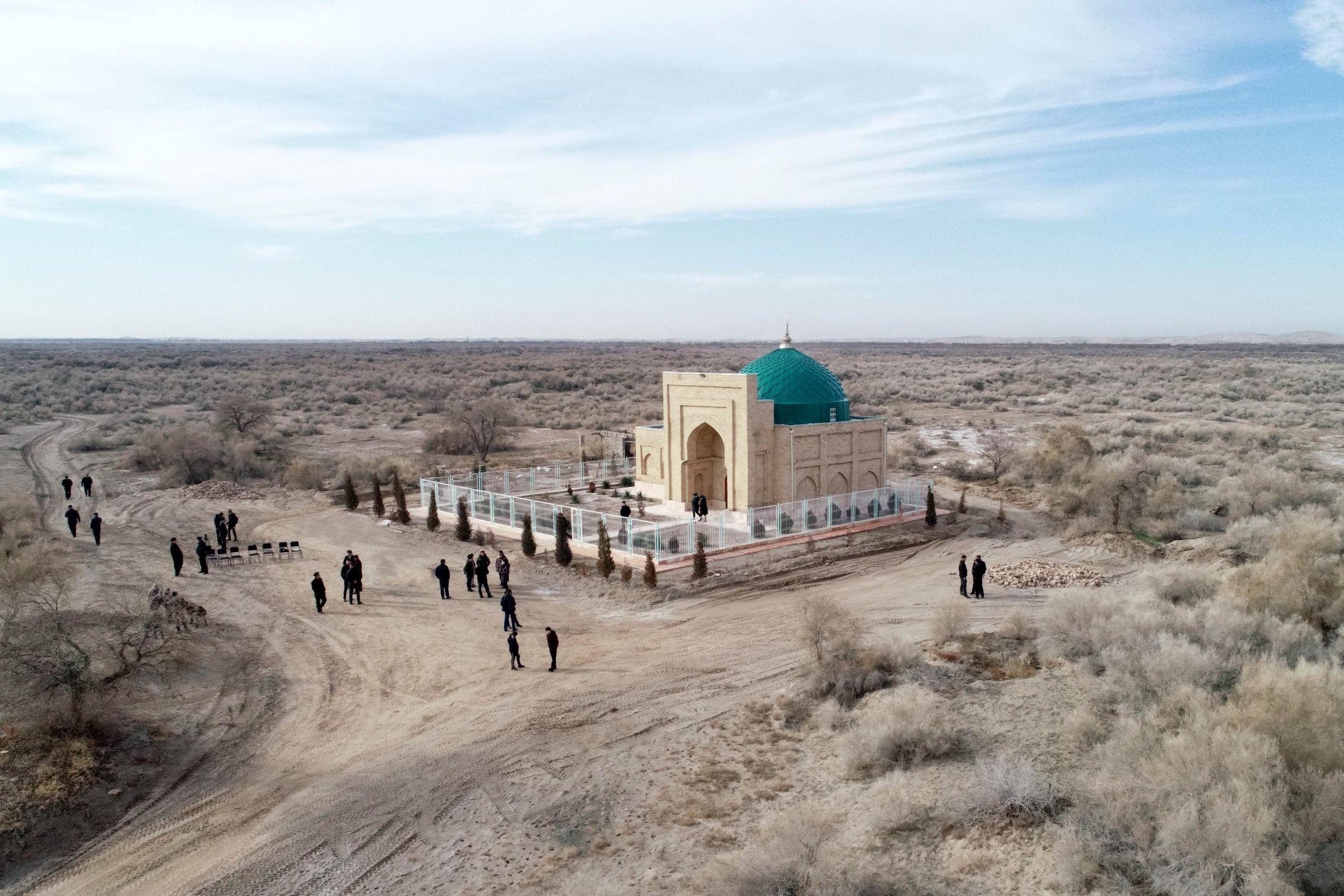
Aral-Paygambar, the Island of the Prophet, lies in the Amu Darya a short distance downstream of Termez, with Afghanistan on the far bank. On its southern part stands a plain mausoleum of fired brick that pilgrims have visited for nine centuries as the resting place of Dhu'l-Kifl (Zul-Kifl), one of the prophets named in the Quran. The combination of a holy grave, a river island and a wild tugai forest full of deer makes this one of the strangest and most memorable places in the Termez region.
Who is buried here
Dhu'l-Kifl is mentioned twice in the Quran among the patient and righteous; Muslim tradition often identifies him with the biblical Ezekiel, though scholars disagree. Local legend tells that the prophet asked to be buried wherever the river carried his body, and that the coffin stopped against this island. Medieval sources also record the burial here of Ishaq ibn Kunaja, a 10th-century military commander, which suggests the island was already a place of honour before the present mausoleum was built. The building is dated by its brickwork and decoration to the 11th–12th centuries, the Ghaznavid and Seljuk period when Termez was a major city.
The building
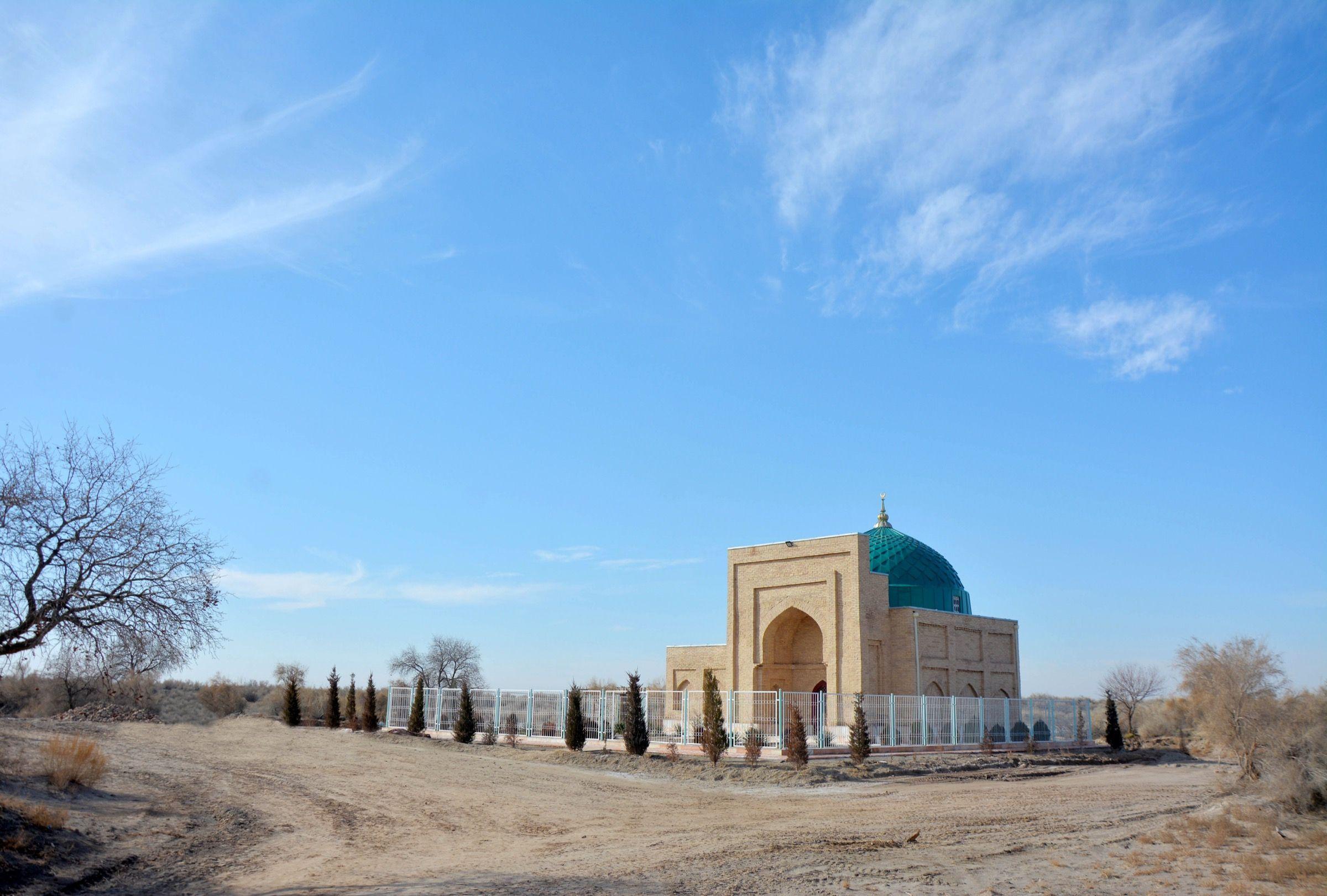
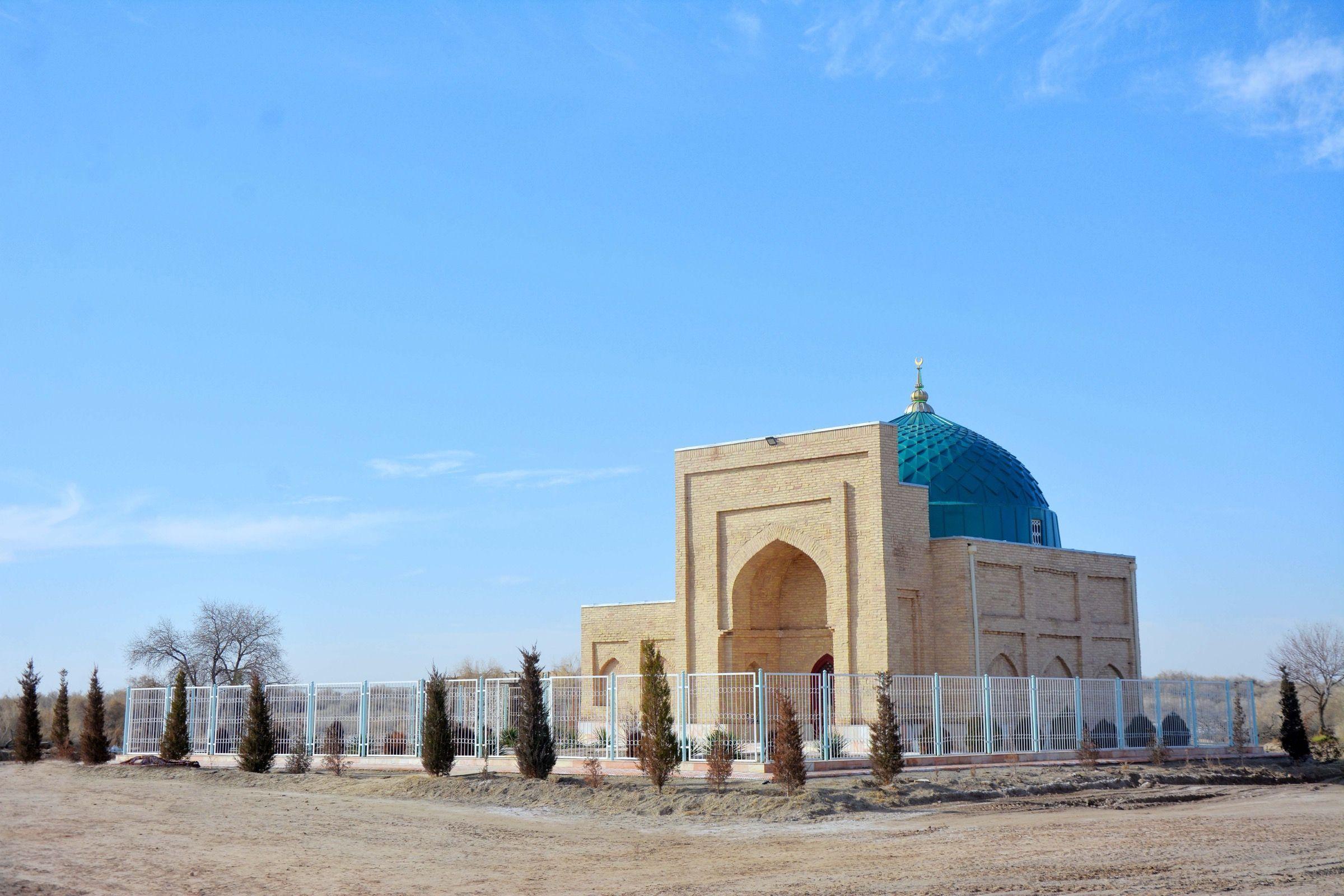
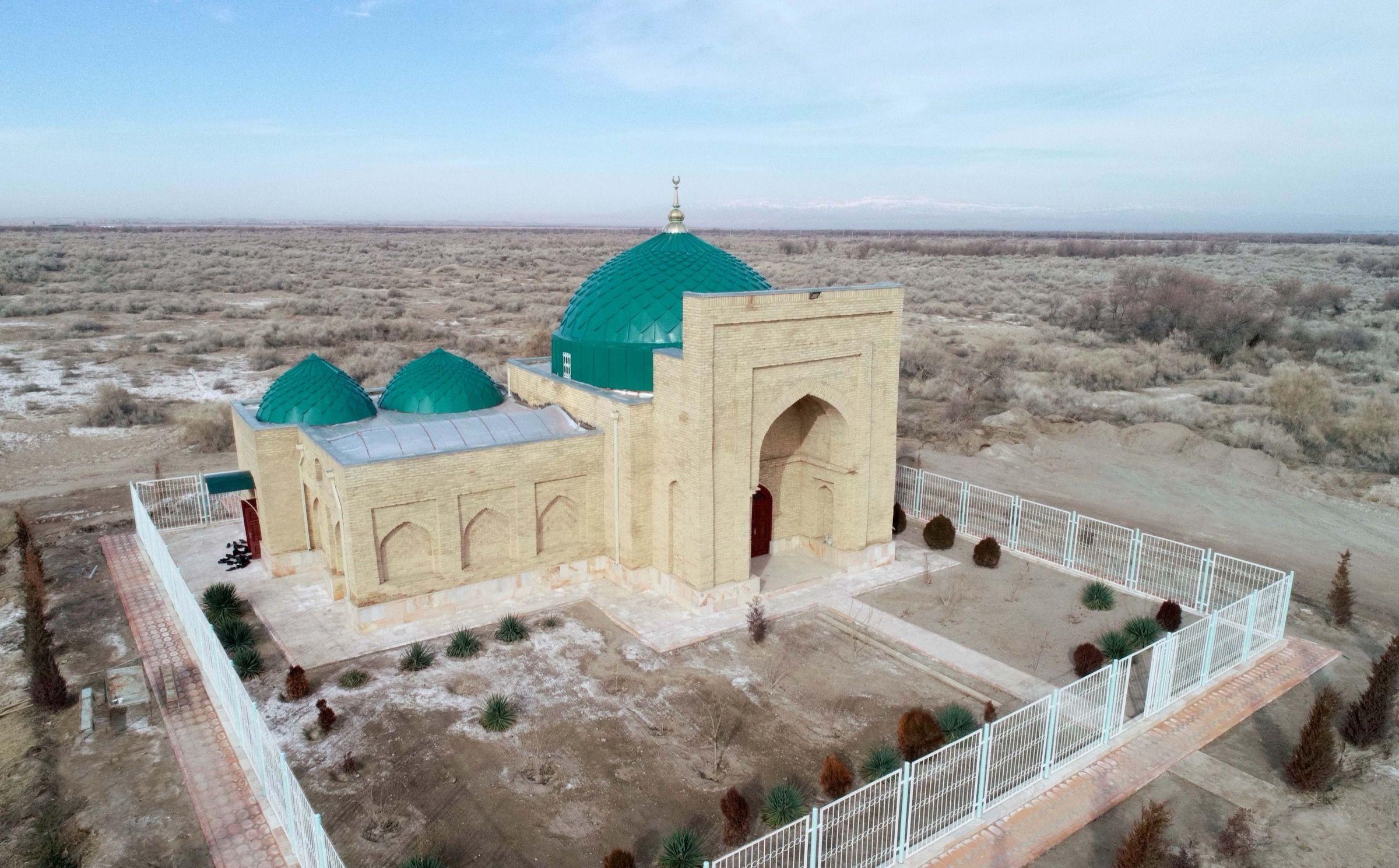
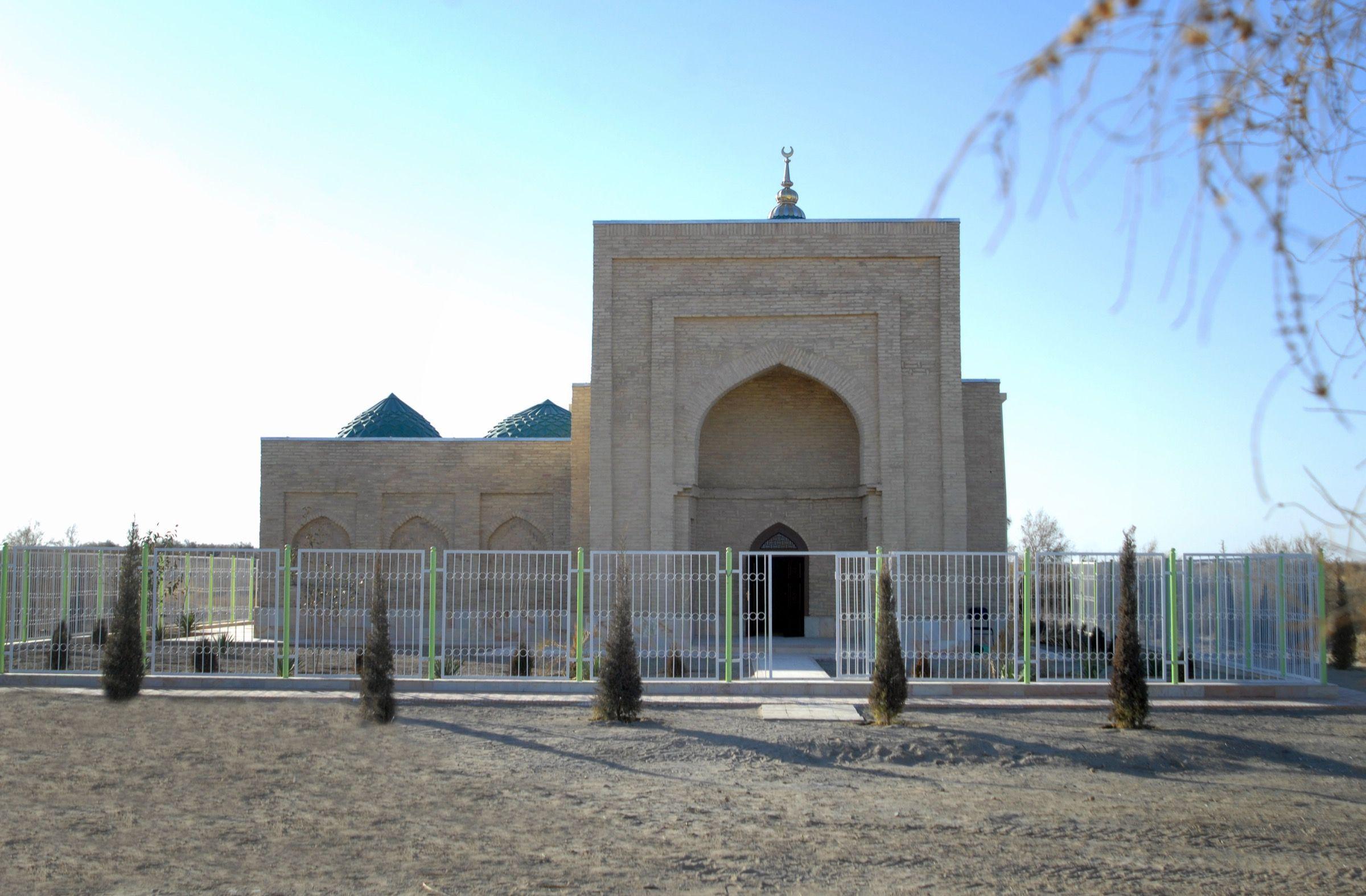
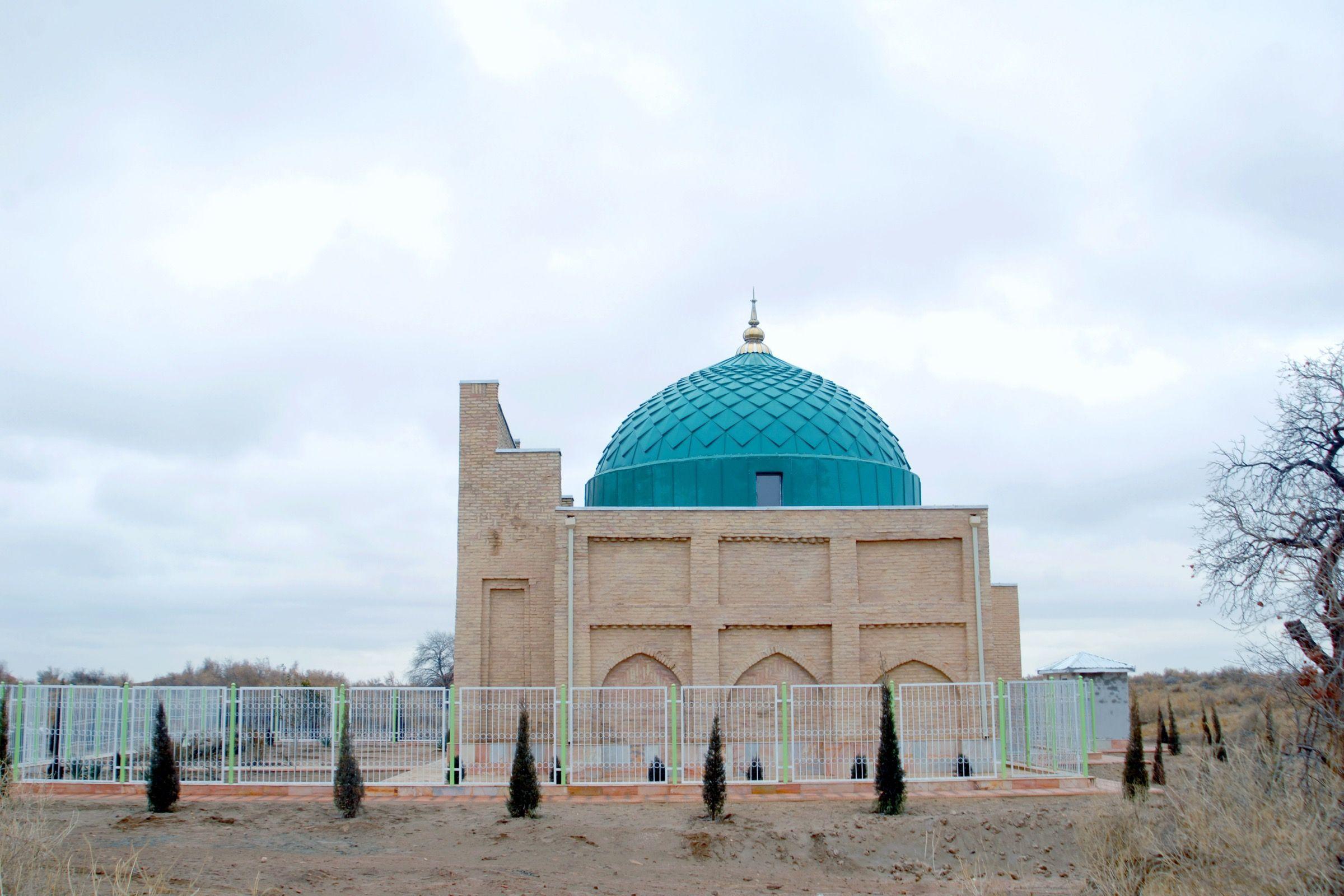
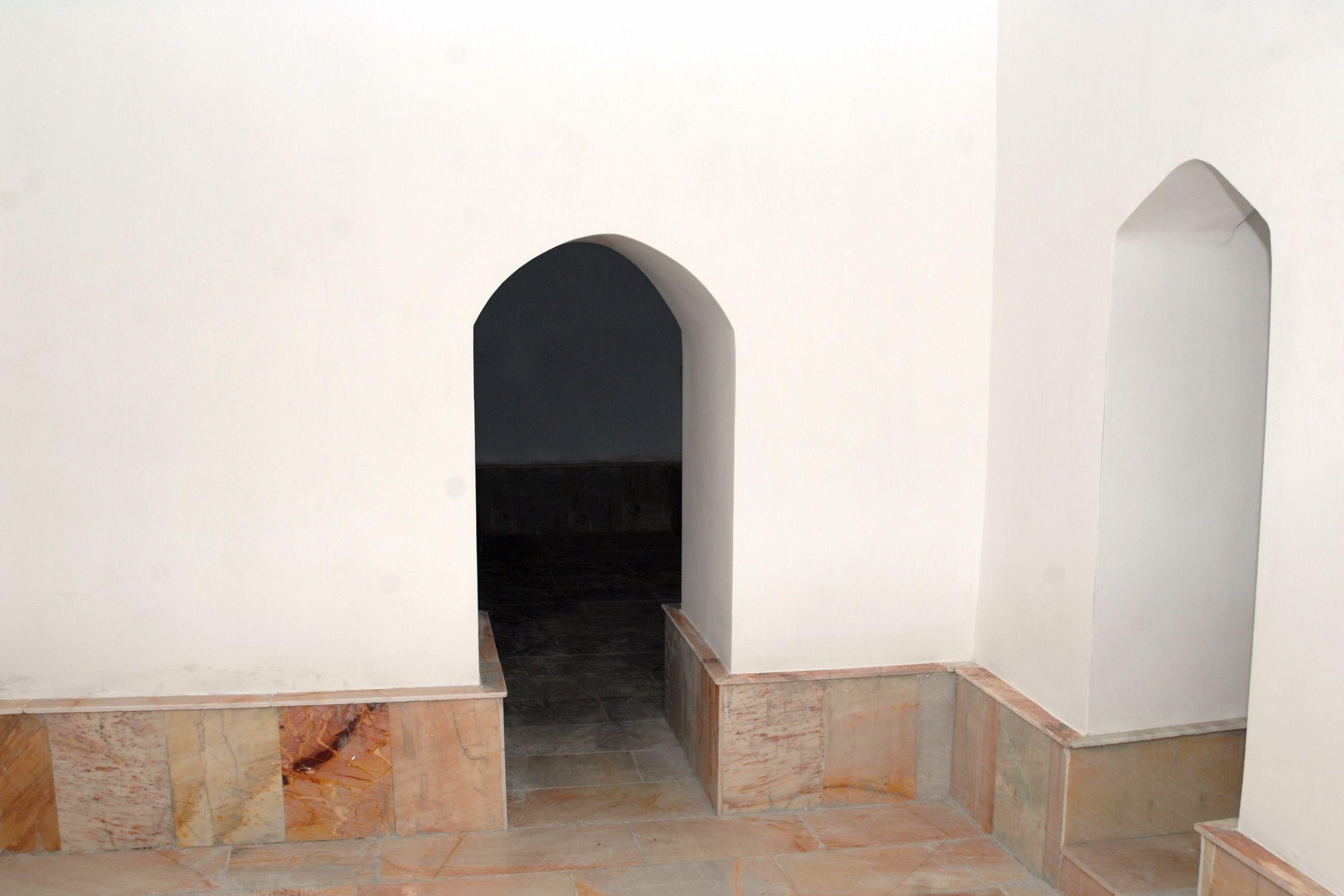
The complex consists of a small mosque with an adjoining prayer room, the tomb chamber under a dome and two memorial rooms. The mihrab is the finest feature: a niche framed by carved and cut brick arranged in geometric girih patterns, among the few surviving examples of 12th-century ornament in the region. Restoration in the 2020s rebuilt the dome and consolidated the walls, and the mausoleum is now painted a pale green against the grey-green of the tugai.
The island
Aral-Paygambar has been a nature reserve since 1960, now part of the Surkhan State Reserve. Its floodplain forest of poplar, tamarisk and reed shelters Bukhara deer, pheasants and wild boar, and in spring the island is loud with birds. Because the Amu Darya is the state border, the island is in the frontier zone: visits must be arranged in advance through a tour operator, who obtains the permit from the border service, and visitors cross by boat with a guide. The visit is quiet and short, and that is part of its character.
Etiquette and timing
This is an active shrine. Dress modestly, remove shoes in the tomb chamber, and keep voices low; women should cover their hair. Spring (March–May) and autumn are the best seasons, before the summer heat makes the island airless. Combine it with the Al-Hakim at-Termizi complex on the riverbank and the Termez Archaeological Museum.
What to see
- The 11th–12th-century brick mausoleum and its domed tomb chamber
- The carved-brick mihrab with geometric girih ornament
- The small mosque and memorial rooms attached to the tomb
- The tugai forest of the island reserve, home to Bukhara deer
- The boat crossing on the Amu Darya with Afghanistan on the far bank
- A pilgrimage tradition linked to a prophet named in the Quran
Gallery
More sights in Termez & Surkhandarya
All of Termez & Surkhandarya
See Zul-Kifl Mausoleum on Aral-Paygambar Island with a local guide
We build private and small-group trips around the places you want to see — with guides who grew up here.