
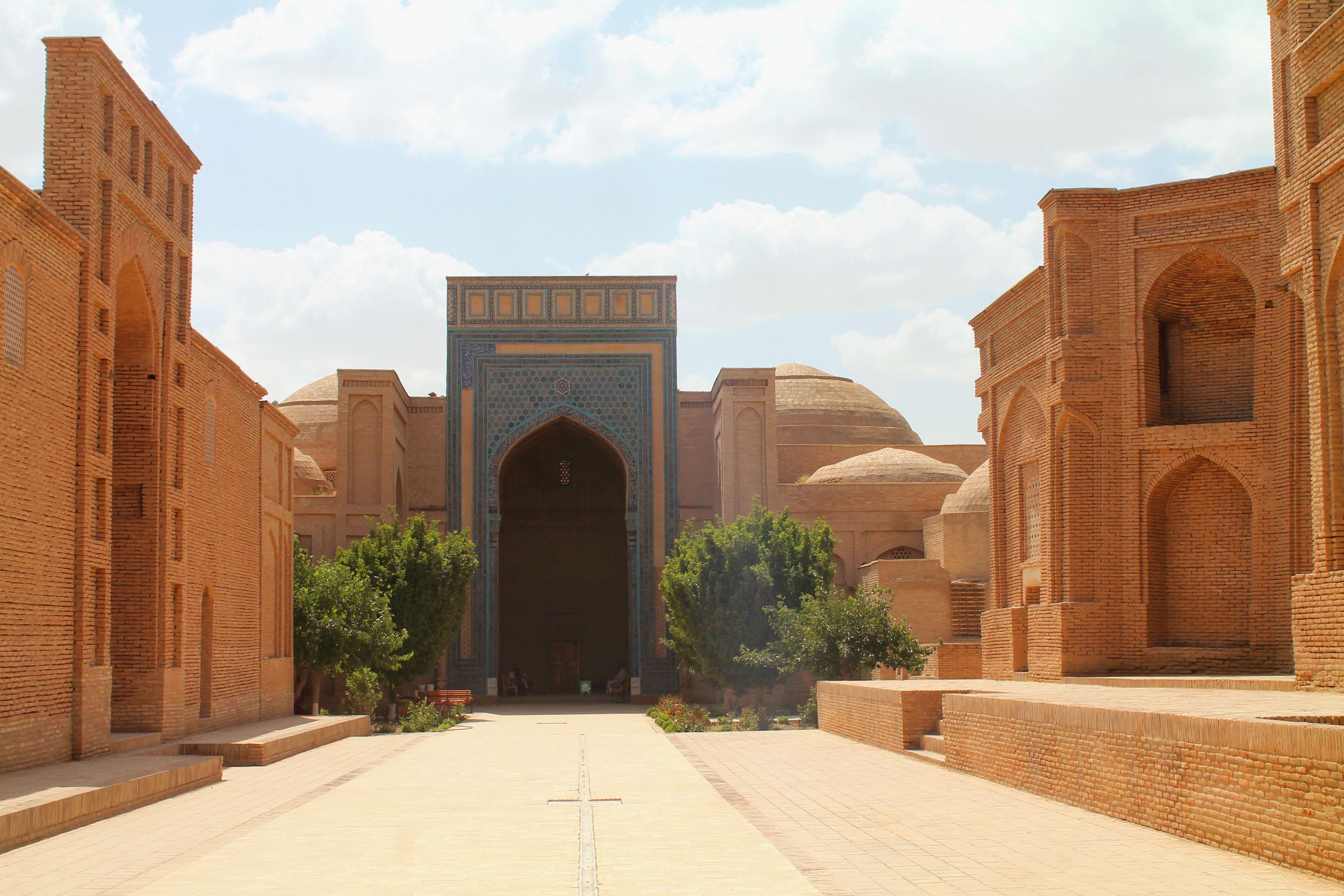
Buddhist monasteries, Sufi shrines and mountain villages on the Amu Darya
Termez & Surkhandarya
Overview
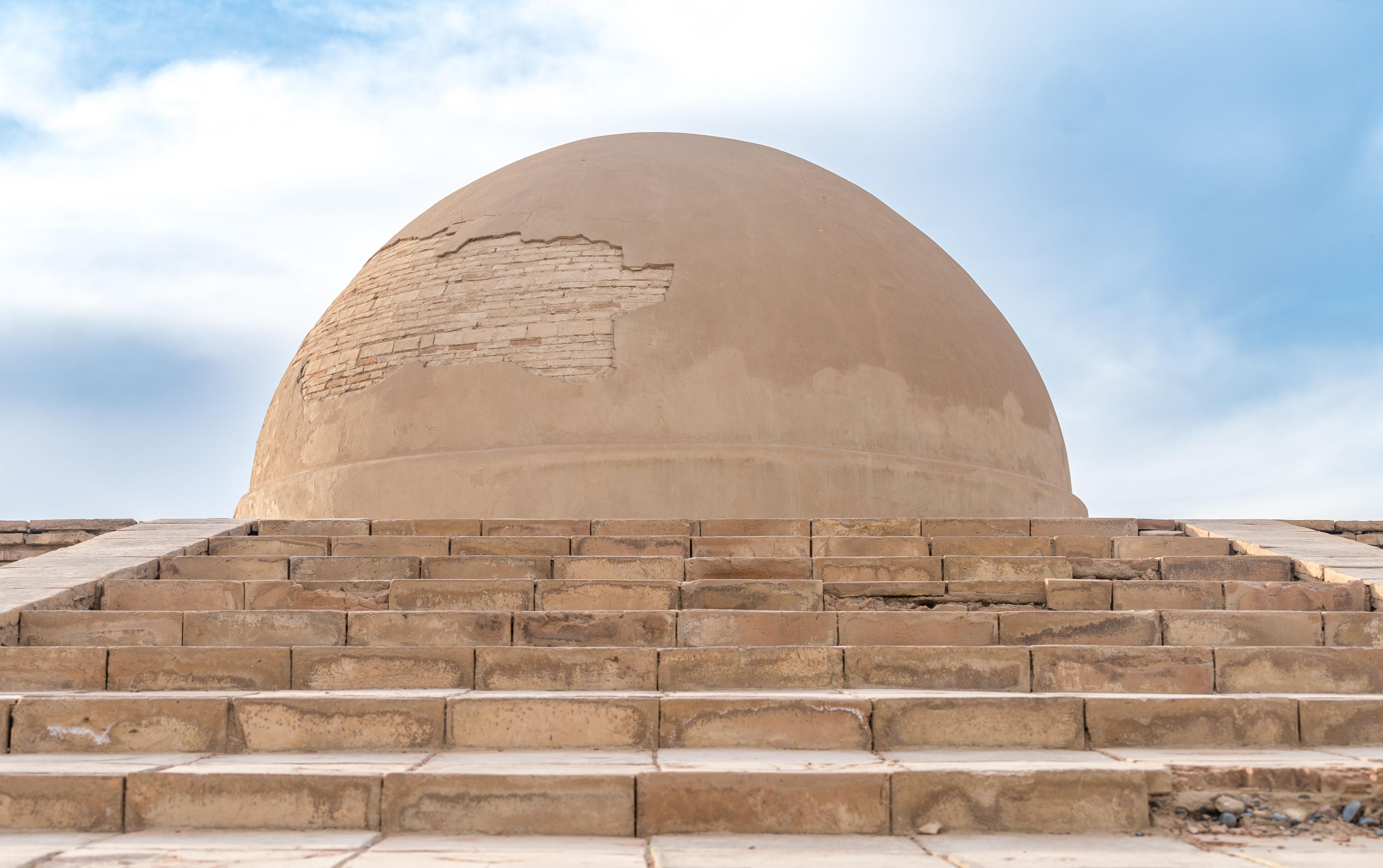
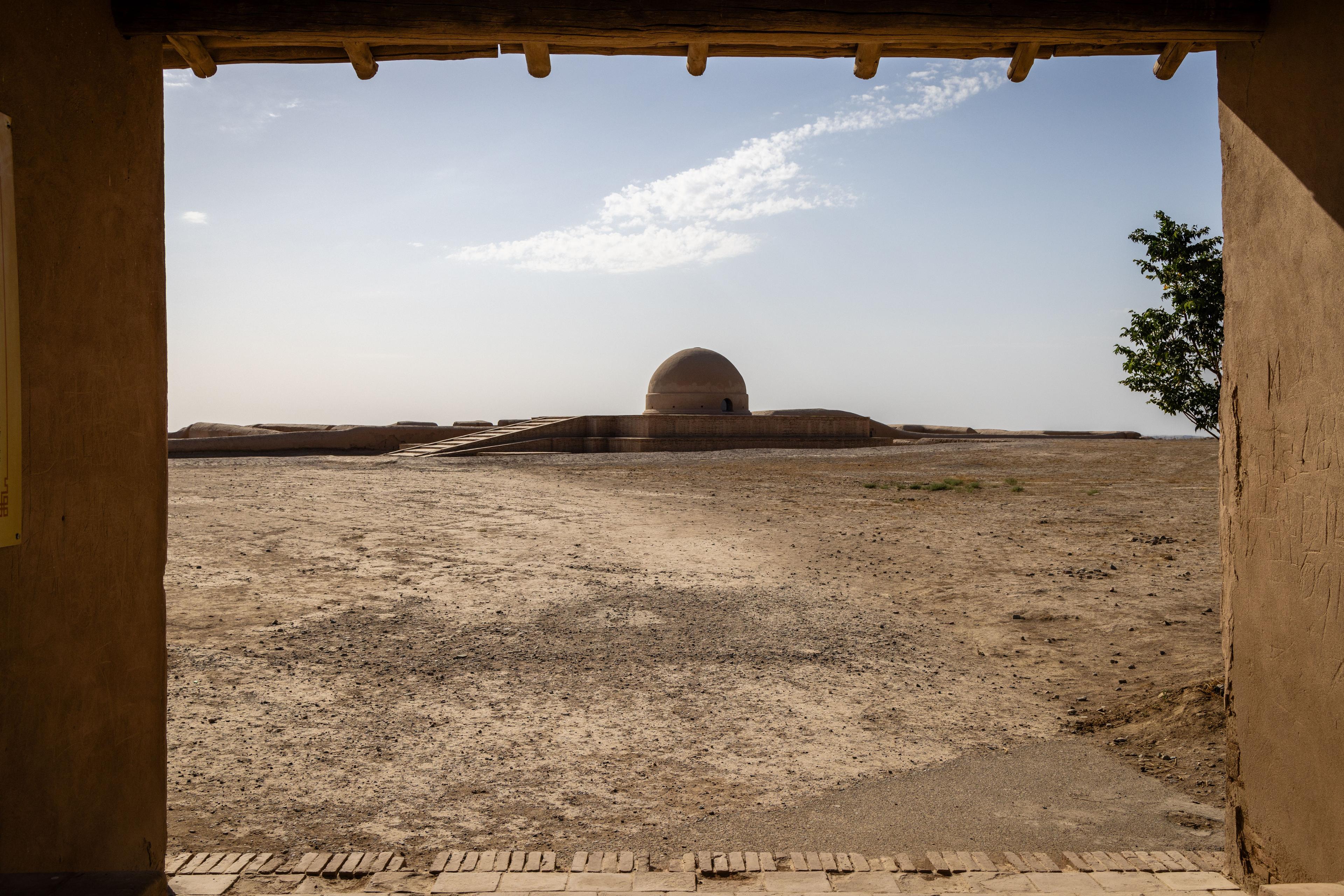
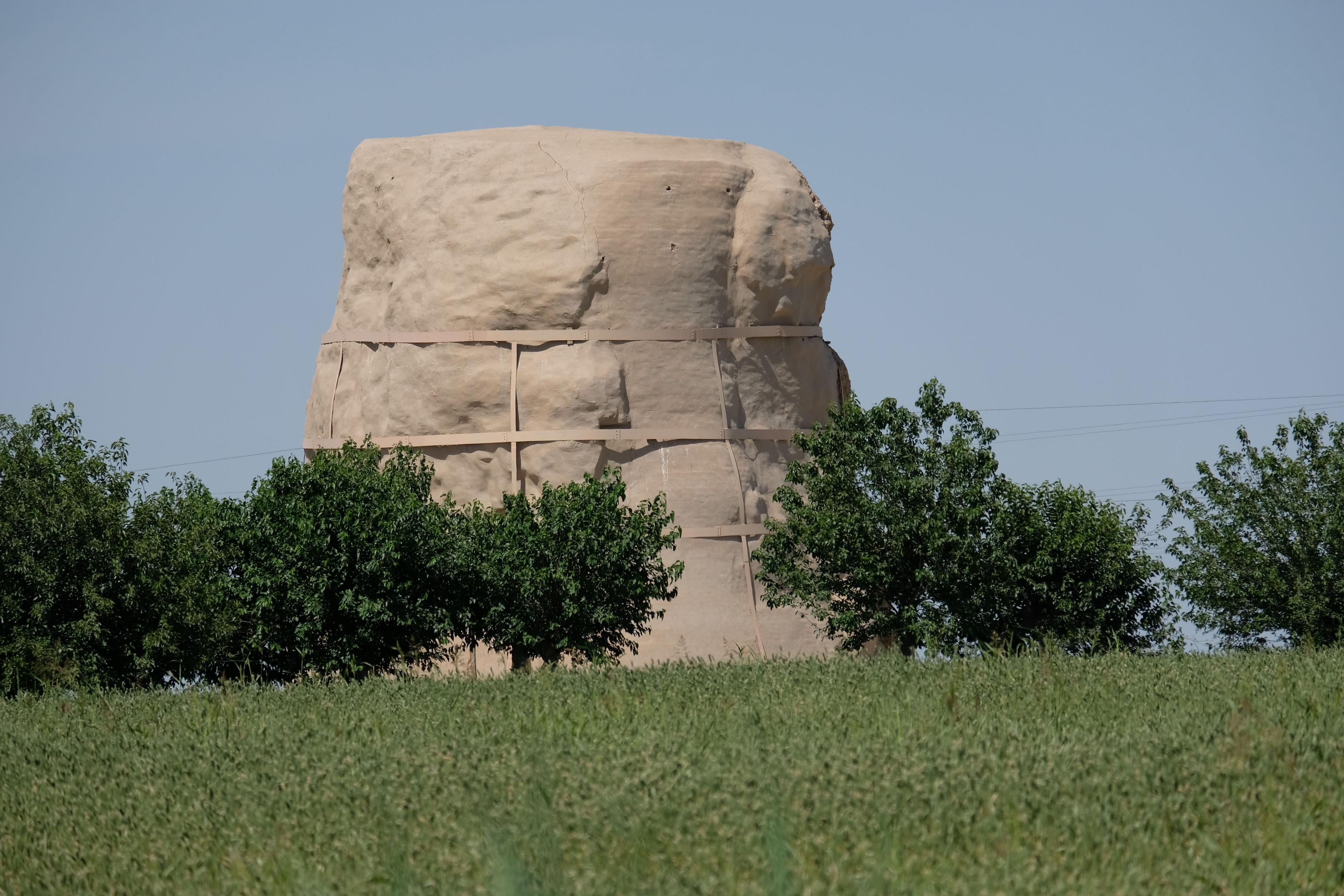
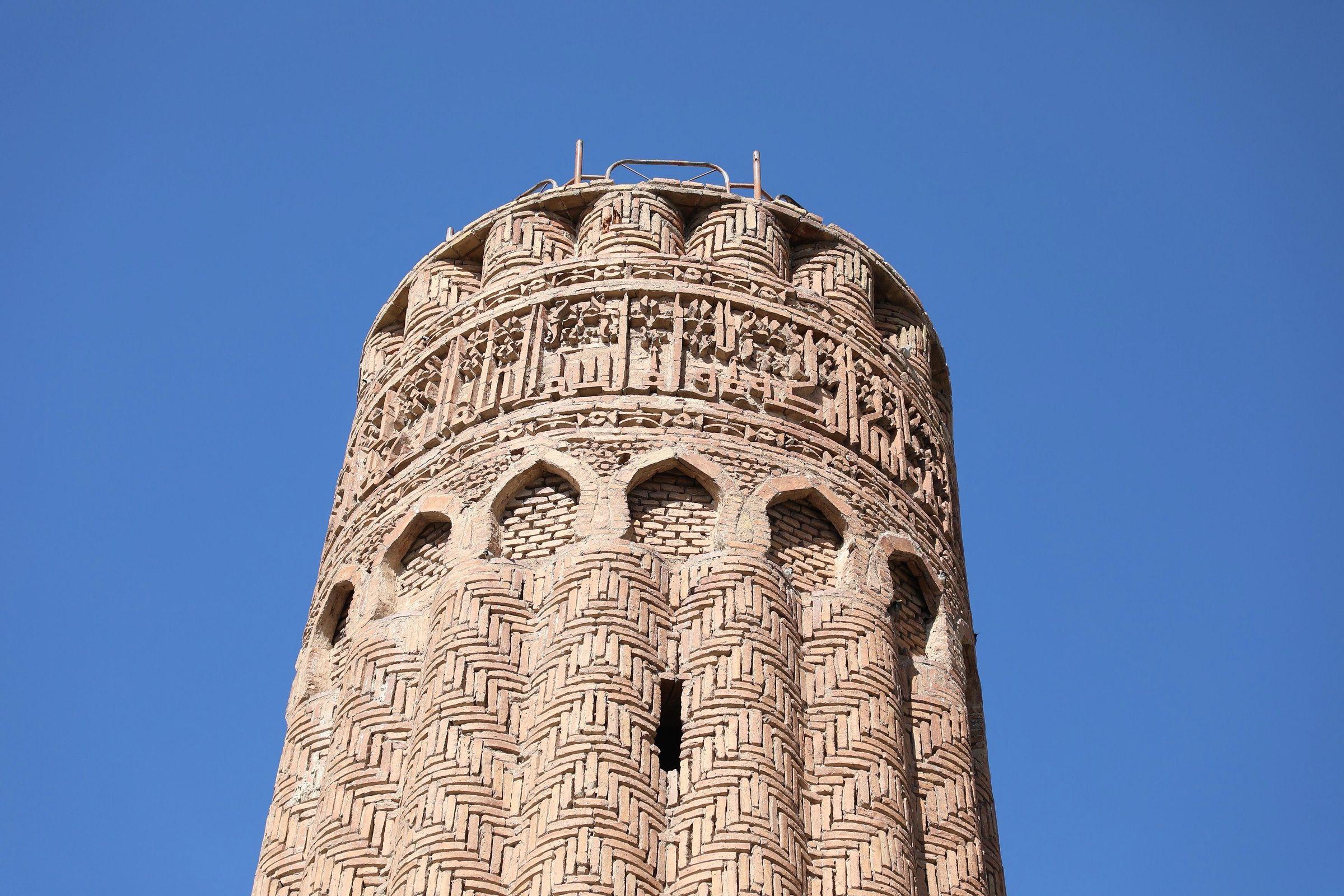
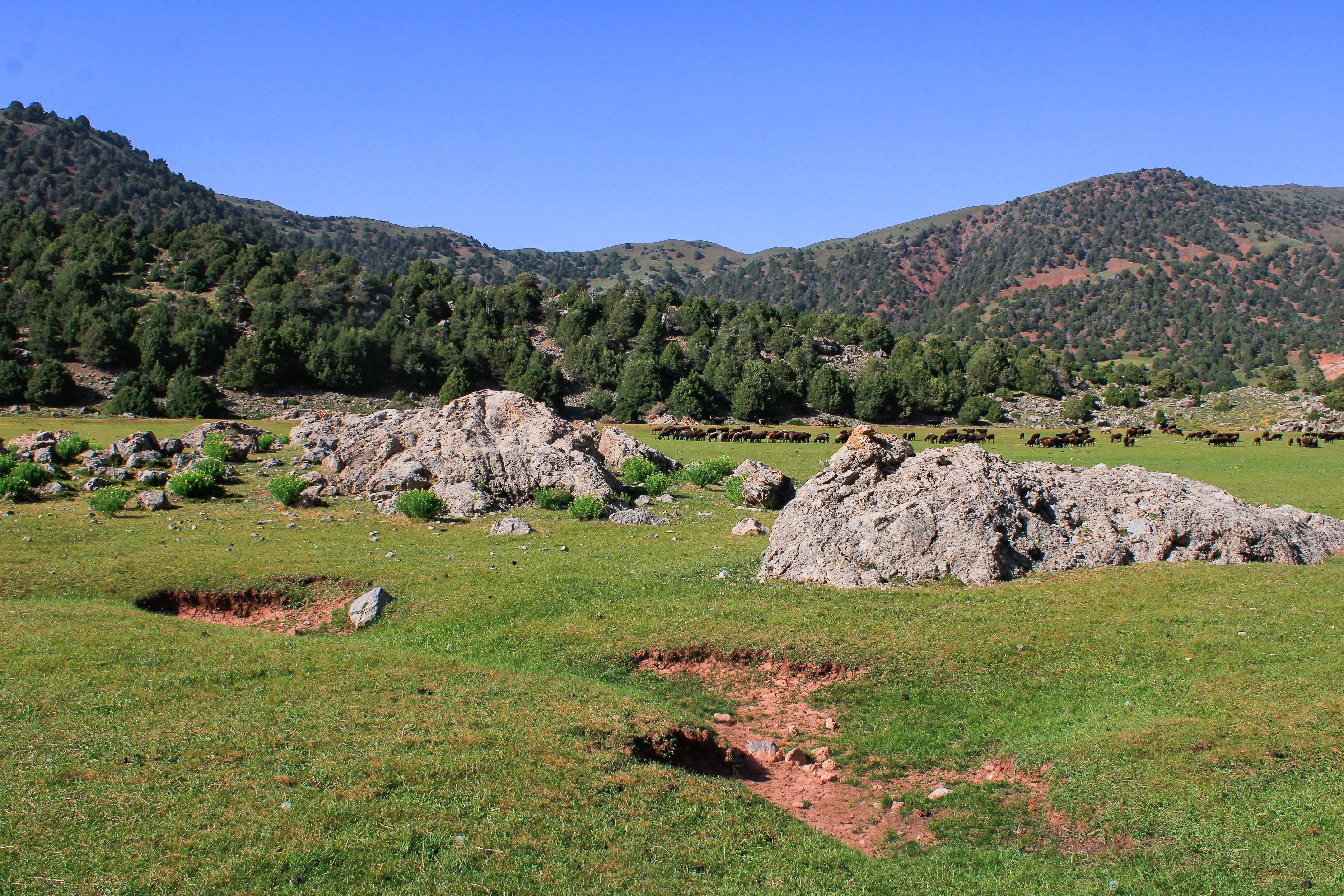
Termez is Uzbekistan's southernmost city, set on the right bank of the Amu Darya where the river forms the border with Afghanistan. It is the capital of Surkhandarya, a region of cotton plains, river terraces and, to the north, the Boysuntau and Hissar ranges. Few travellers make it this far south, and those who do find something the classic Samarkand–Bukhara–Khiva circuit cannot offer: two thousand years of religious history laid out within a short drive, from Kushan-era Buddhist stupas to the shrines of some of the most revered scholars in Sunni Islam. ## Two audiences, one city For Muslim travellers, Termez is a ziyarat destination of the first rank. The name of the city is carried by two great scholars: Abu Isa at-Tirmidhi, compiler of one of the six canonical hadith collections, buried in Sherobod district north of the city, and the Sufi master al-Hakim at-Tirmidhi, whose mausoleum stands above the river in Old Termez. The Sultan Saodat ensemble, the family necropolis of the Termez sayyids, completes a pilgrimage circuit that many groups from Indonesia, Malaysia, Turkey and Pakistan combine with the shrines of Bukhara and Samarkand. For travellers interested in Buddhism, Termez is the northern edge of the Gandharan and Bactrian world. Under the Kushan kings in the first centuries AD, ancient Termez was a centre of Buddhist learning, and its monasteries at Kara-Tepe and Fayaz-Tepe and the Zurmala stupa are among the most important Buddhist sites in Central Asia. Visitors from Japan, Korea, Thailand and Sri Lanka come specifically to see them, and the Archaeological Museum in the city centre holds the finest finds. ## The region beyond the city - Old Termez: the ruined ancient and medieval city by the river, destroyed by the Mongols in 1220, with the al-Hakim at-Termizi complex and Kara-Tepe at its edge - Sherobod: the memorial complex of Imam at-Termizi, about an hour north of the city - Jarkurgan: a fluted brick minaret of 1108–1109, about 40 minutes north - Boysun: mountain villages whose folk culture is recognised by UNESCO, three hours north on the road to Shakhrisabz ## How it combines with the rest of Uzbekistan Most visitors fly in: Uzbekistan Airways and local carriers connect Tashkent and Termez in about an hour and a half, usually several times a day. Overnight sleeper trains link Tashkent with Termez, and there are rail connections via Samarkand and Karshi; check current timetables. By road, the most rewarding approach is from Samarkand over the Takhtakaracha pass to Shakhrisabz, then south through Derbent and Boysun, a full travel day with stops. Two to three days are enough for the city and its surroundings; four allow for a night in Boysun. Termez also works as a gateway to Tajikistan: the crossing near Denau (Sariosiyo–Tursunzoda) puts Dushanbe within a few hours' drive. The Friendship Bridge to Afghanistan is a freight and official crossing, not part of tourist programmes. ## Entry, permits and etiquette Citizens of many countries enter Uzbekistan visa-free for up to 30 days, and others use the e-visa; rules change, so check current requirements before booking. Several sites near the river, Kara-Tepe in particular, lie in the frontier zone, where visits are arranged in advance with passport details and photography towards the border is not allowed. Carry your passport at all times; there are police and border checkpoints on regional roads. At the shrines, dress modestly: long sleeves and trousers or long skirts, and a headscarf for women. Termez is calm and friendly, and travellers are still enough of a novelty to draw polite curiosity. ## Climate and money Surkhandarya is the hottest region of Uzbekistan. From June to August afternoon temperatures regularly pass 40 °C, so spring and autumn are the seasons to come; winters are mild. The currency is the Uzbek sum (UZS). There are ATMs and exchange offices in Termez, but cards are rarely accepted in villages and at small sites, so carry cash for tickets, guides at shrines and donations.
Why Visit
- The Kushan-era Buddhist monasteries of Kara-Tepe and Fayaz-Tepe and the Zurmala stupa, among the oldest religious buildings in Uzbekistan
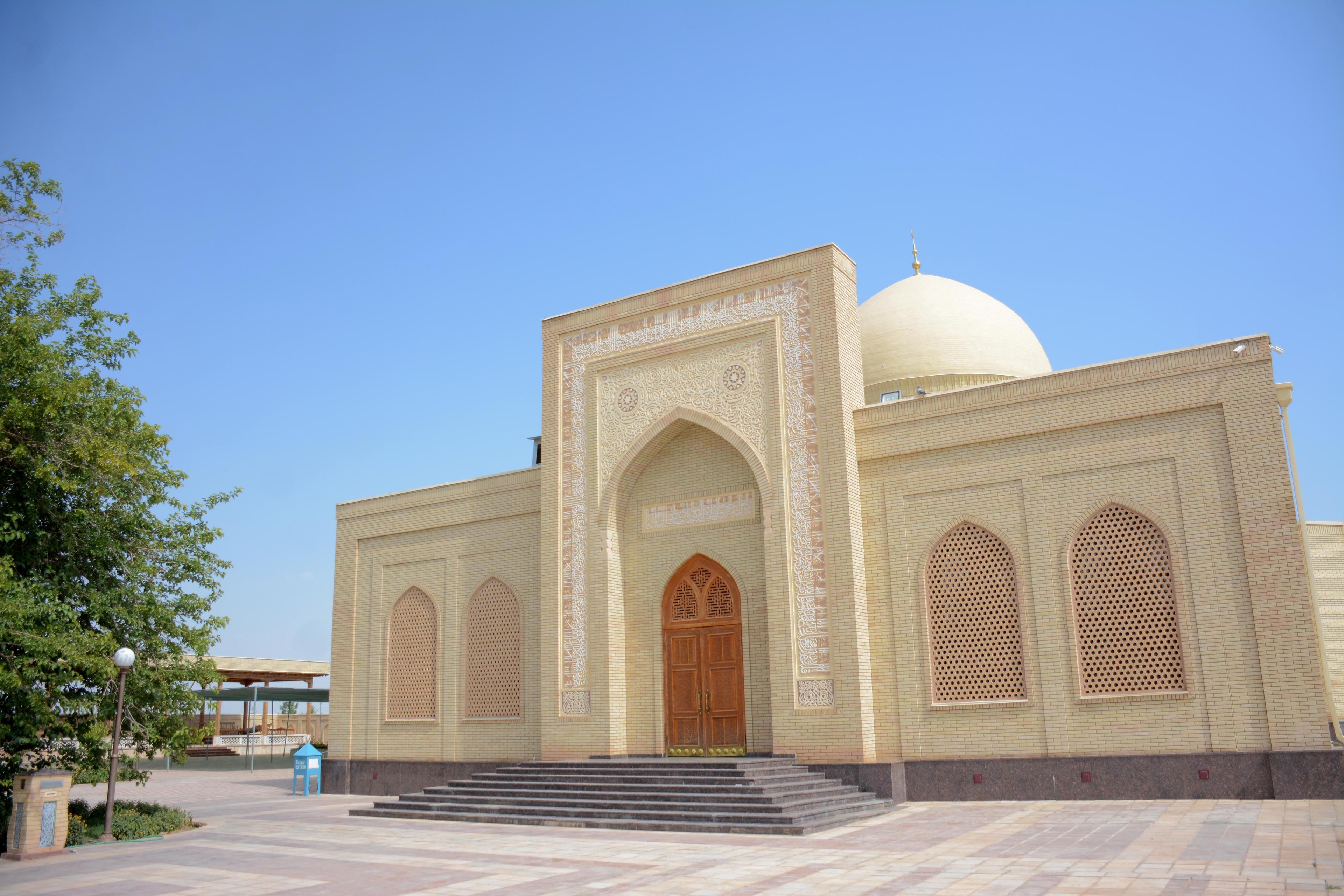
- Ziyarat to Imam at-Termizi, compiler of the Jami' at-Tirmidhi, and to the Sufi master al-Hakim at-Termizi
- The Sultan Saodat ensemble, eight centuries of mausoleums of the Termez sayyids in one courtyard
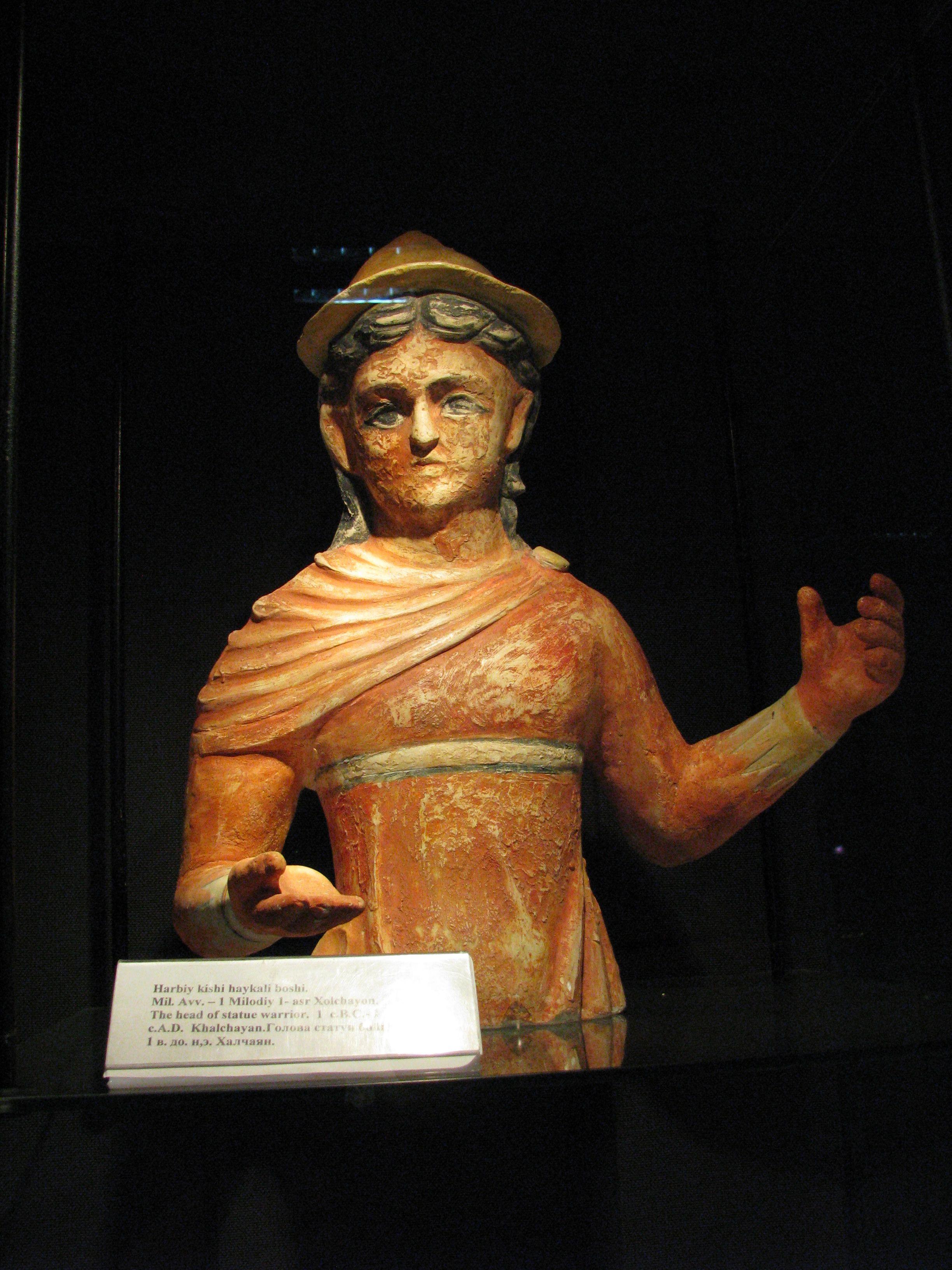
- An archaeological museum built around Bactrian, Kushan and Buddhist finds from the region
- The Boysun mountains, where songs, rituals and crafts are inscribed on UNESCO's intangible heritage list
- Sites that see few visitors, explored without crowds
Travel Tips
- — Come between March and May or from October to mid-November; summer afternoons are often above 40 °C
- — Fly from Tashkent to save time, then return by road through Boysun to Shakhrisabz and Samarkand
- — Keep your passport with you: frontier-zone sites and road checkpoints ask for it
- — Do not photograph the river border, bridges or military installations
- — Women should carry a headscarf for the shrines; everyone should cover shoulders and knees
- — Visit the open-air sites early in the morning, when the light is soft and the heat bearable
- — Bring cash in sum: cards are rarely accepted outside the city centre
- — Plan Boysun in May if you want to see the Boysun Bahori folk festival; confirm the dates each year
Sights in Termez & Surkhandarya

Plan Your Trip to Termez & Surkhandarya
Let our local experts craft a journey around this destination, tailored entirely to you.
Trip builder
Prefer your own route?
Answer four questions and get a day-by-day plan with a price range — in 60 seconds.