Is Uzbekistan Muslim-friendly? Halal food, alcohol-free options, prayer times and Friday prayer, prayer rooms, modest dress, women in mosques, Ramadan travel and flights from Kuala Lumpur and Jakarta, explained by locals.
Facts, prices and schedules checked on November 4, 2026
Is Uzbekistan good for halal travel? In short, yes. It is one of the easiest countries outside the Muslim-majority Middle East and Southeast Asia for a Muslim traveller: meat is halal as a matter of course, mosques are everywhere, the great shrines of Imam al-Bukhari and Bahauddin Naqshband are pilgrimage sites, and the call to prayer still sounds over the old towns of Bukhara and Samarkand.
It is also a secular country with its own customs, and a few things work differently from Malaysia, Indonesia or the Gulf. This guide explains what to expect: halal food, alcohol, prayer times and Friday prayer, prayer rooms at airports and hotels, modest dress and women in mosques, travelling in Ramadan, and how to fly in from Kuala Lumpur and Jakarta.
Is Uzbekistan Muslim-friendly?
Uzbekistan's population is overwhelmingly Muslim: official and international estimates range from about 88 to 96 percent. Almost all are Sunni Muslims of the Hanafi school, the same school followed in Turkey and much of South Asia. Islam here has deep roots. Bukhara and Samarkand were among the great centres of learning of the Islamic world, home to scholars such as Imam al-Bukhari and Imam al-Maturidi.
At the same time, the state is secular, and seventy years of Soviet rule left their mark. You will see women with and without headscarves, people who pray five times a day and people who do not, and some restaurants that serve alcohol. For a Muslim visitor this rarely causes difficulty. Most travellers from Malaysia and Indonesia describe Uzbekistan as relaxed, hospitable and easy, with the added joy of meeting fellow Muslims whose history is closely tied to their own.
Uzbekistan is actively developing halal tourism. Since 1 May 2025, products and services certified to the standards of the Standards and Metrology Institute for Islamic Countries (SMIIC) may carry an official "Halal" mark, and the first internationally accredited halal certification body in the country started work in 2025. Formal certification of restaurants and hotels is still at an early stage, so in practice you rely on local custom, which is strongly halal.
Is food halal in Uzbekistan?
In everyday practice, yes. Beef, lamb, mutton and chicken in Uzbek restaurants, chaikhanas (teahouses), bazaars and home kitchens are slaughtered by Muslim butchers, and pork is not part of Uzbek cuisine. National dishes are naturally halal:
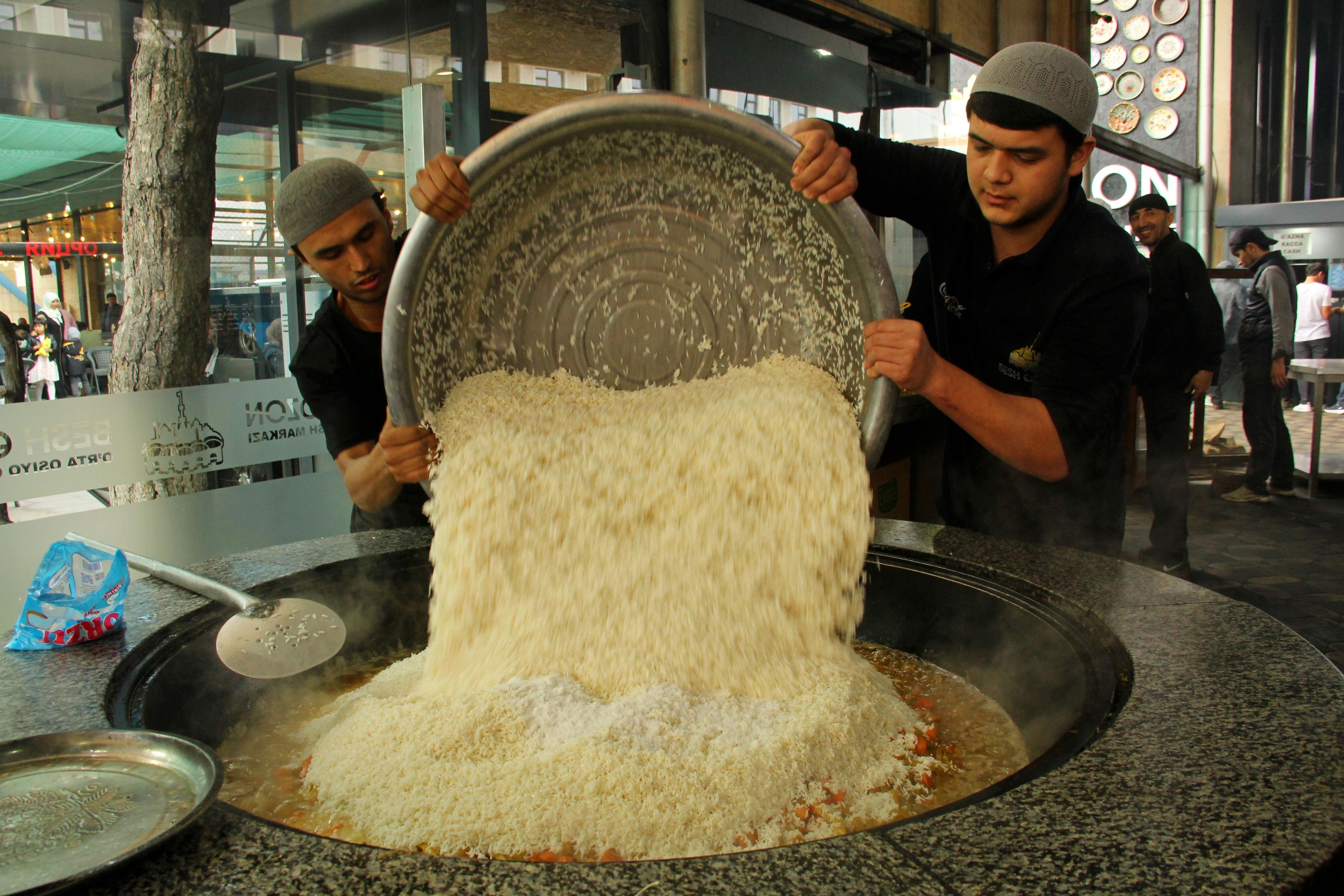
- Plov (osh): rice cooked with carrots, onions and lamb or beef, the national dish.
- Shashlik: grilled skewers of lamb, beef or chicken.
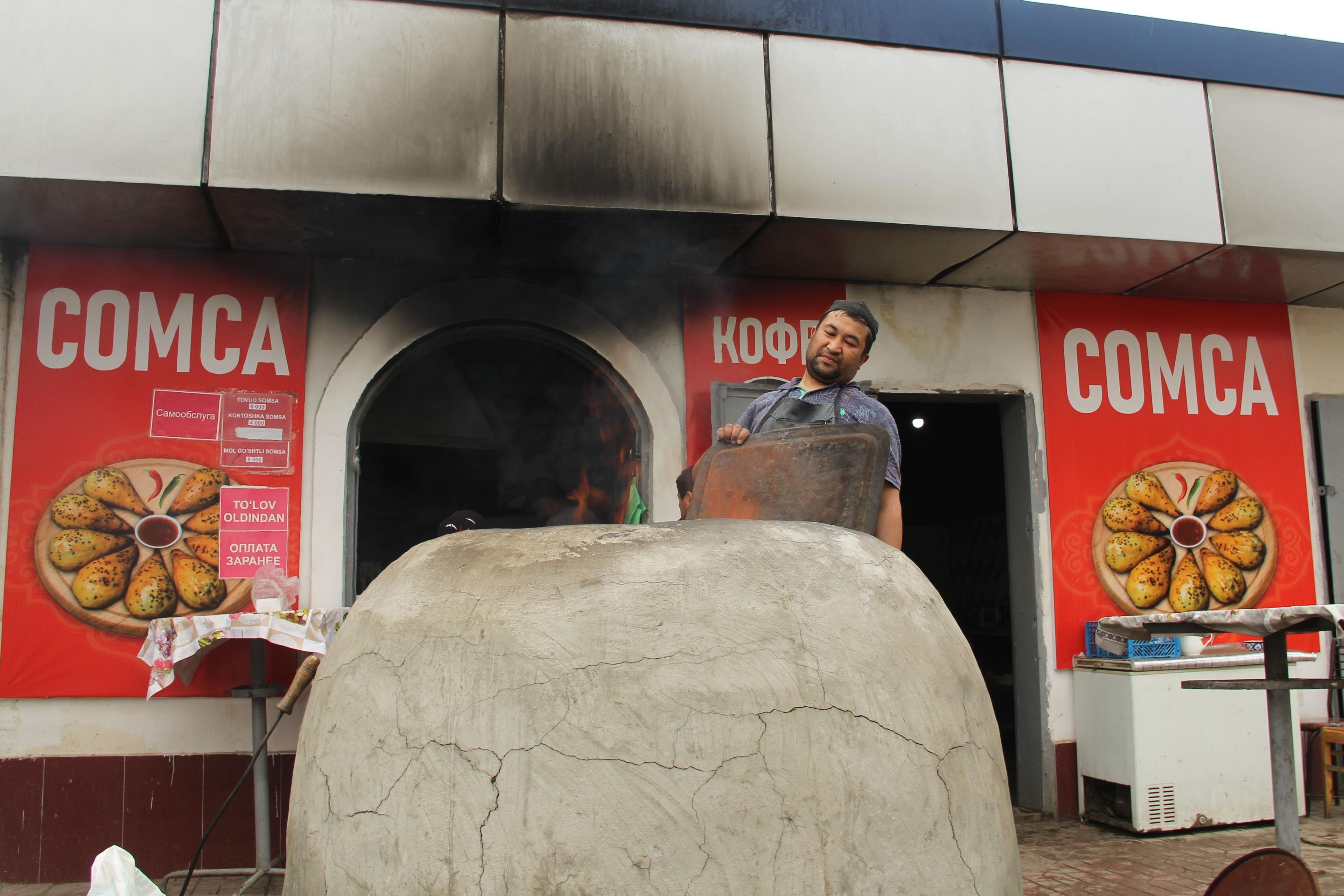
- Samsa: pastries with meat or pumpkin, baked in a tandoor oven.
- Lagman: hand-pulled noodles with meat and vegetables.
- Manti and chuchvara: steamed or boiled dumplings.
- Non: round bread, treated with great respect at every meal.
Where should you be careful? Pork is sold in a few supermarkets and served in some Russian, Korean and European restaurants in Tashkent. Some international hotel buffets offer sausages or ham, usually labelled. If in doubt, ask: "Bu halolmi?" (Is this halal?) in Uzbek, or "Eto khalal?" in Russian. Our separate guide to Uzbek food covers the dishes in more detail.
Some practical tips:
- Choose Uzbek national restaurants and chaikhanas; they are halal by default.
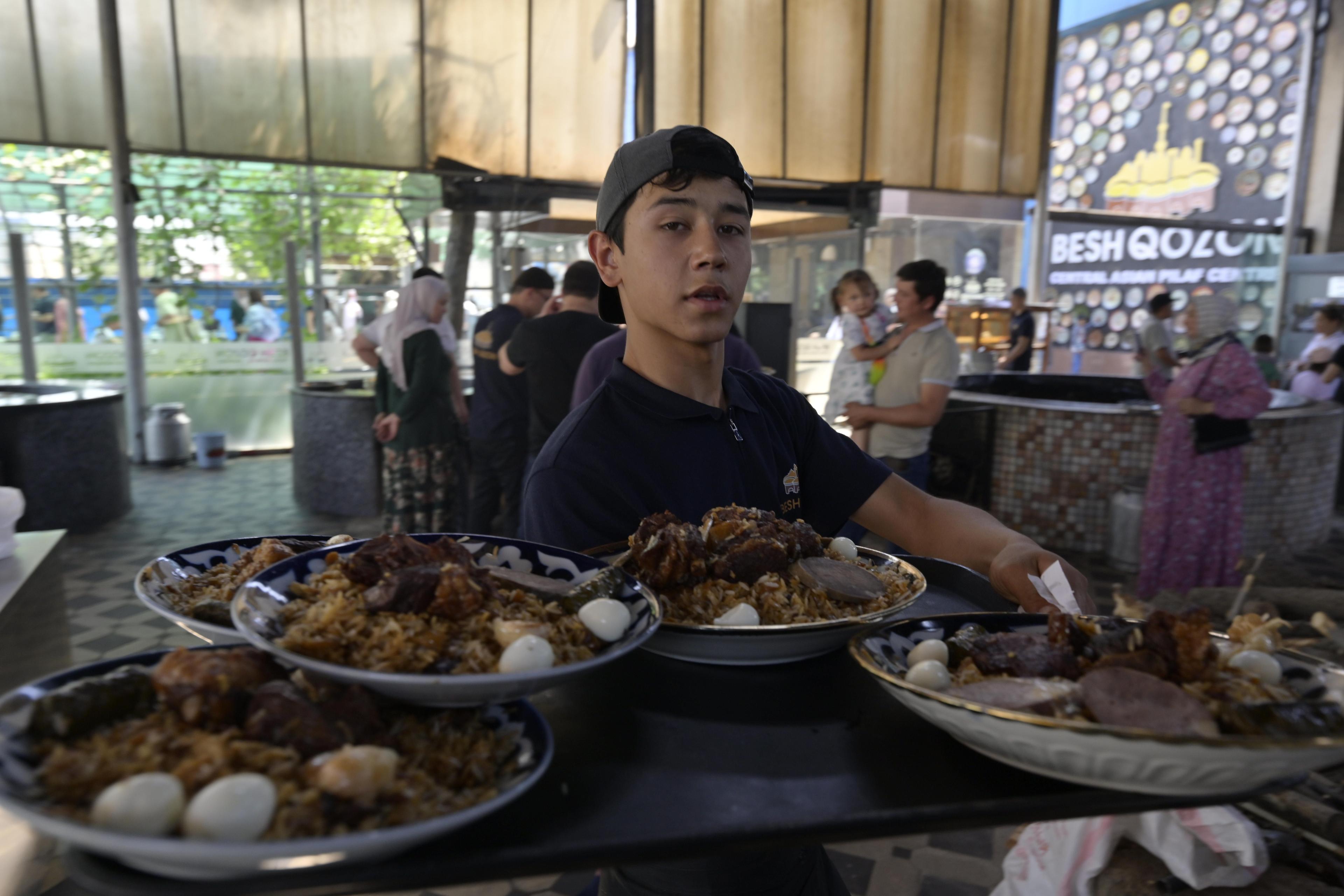
- Plov centres such as the Central Asian Plov Centre in Tashkent are an experience in themselves, best at lunchtime when the plov is fresh.
- In Western-style cafes, check the menu for pork or ask the staff.
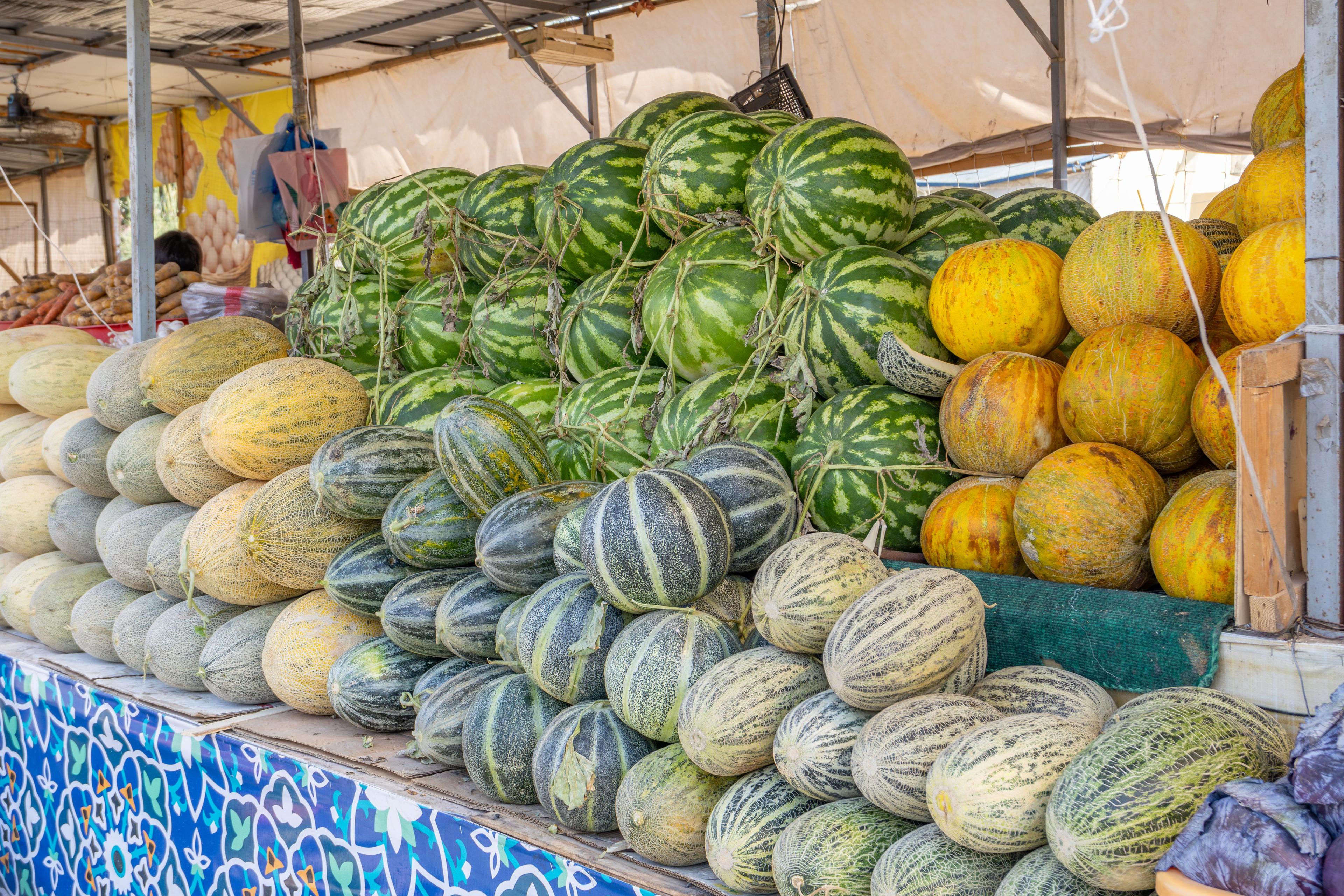
- Fresh fruit, dried fruit and nuts from the bazaars are excellent and safe choices for snacks.
Is alcohol allowed in Uzbekistan? Alcohol-free options
Alcohol is legal and sold in shops and many restaurants, especially in Tashkent and in hotels. Uzbekistan produces its own wine and vodka, a legacy of the Soviet period. You will not be offered alcohol in most traditional settings, though, and it is easy to travel without seeing much of it.
For an alcohol-free trip:
- Traditional chaikhanas and national restaurants often serve no alcohol at all; green tea (ko'k choy) is the drink of every meal.
- If you prefer a restaurant with no alcohol on the menu, ask your guide to suggest one.
- In hotels, the minibar can be emptied on request. Just ask at reception when you check in.
- At group dinners and folk shows, we can ask the venue for a table without alcohol.
Soft drinks, fresh juices, compote (a sweet fruit drink), ayran and mineral water are available everywhere.
Prayer times, mosques and Friday prayer in Uzbekistan
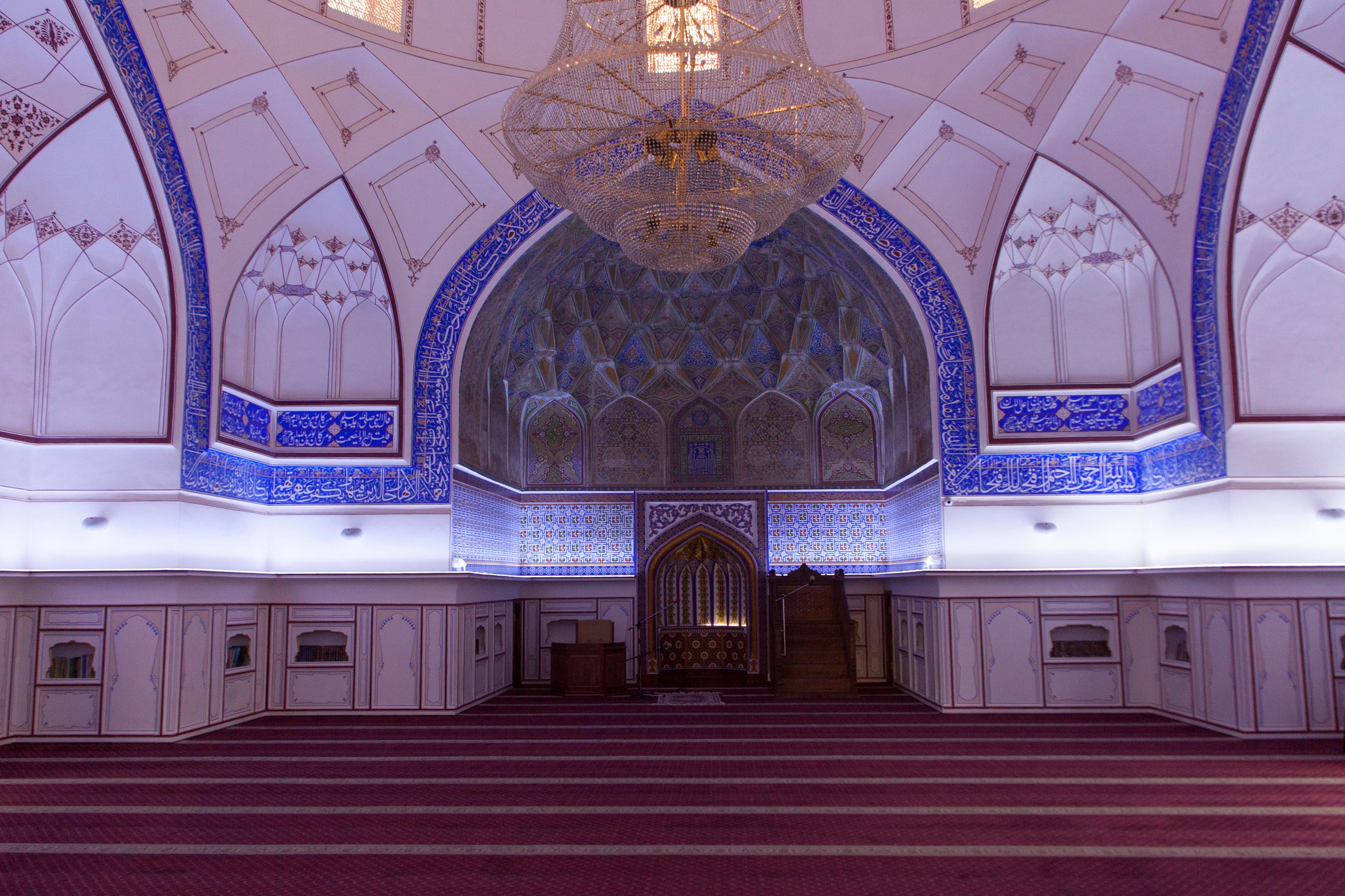
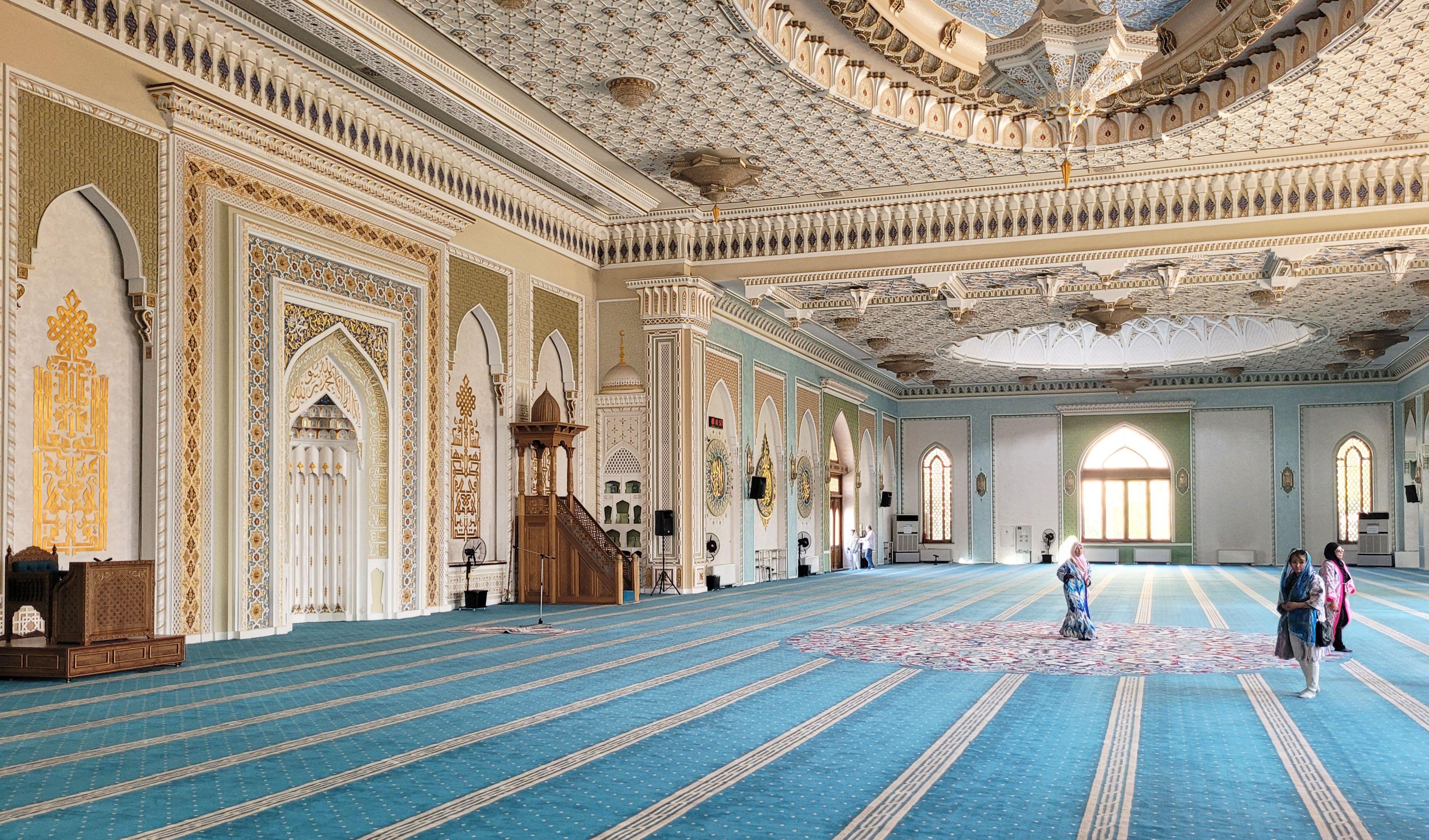
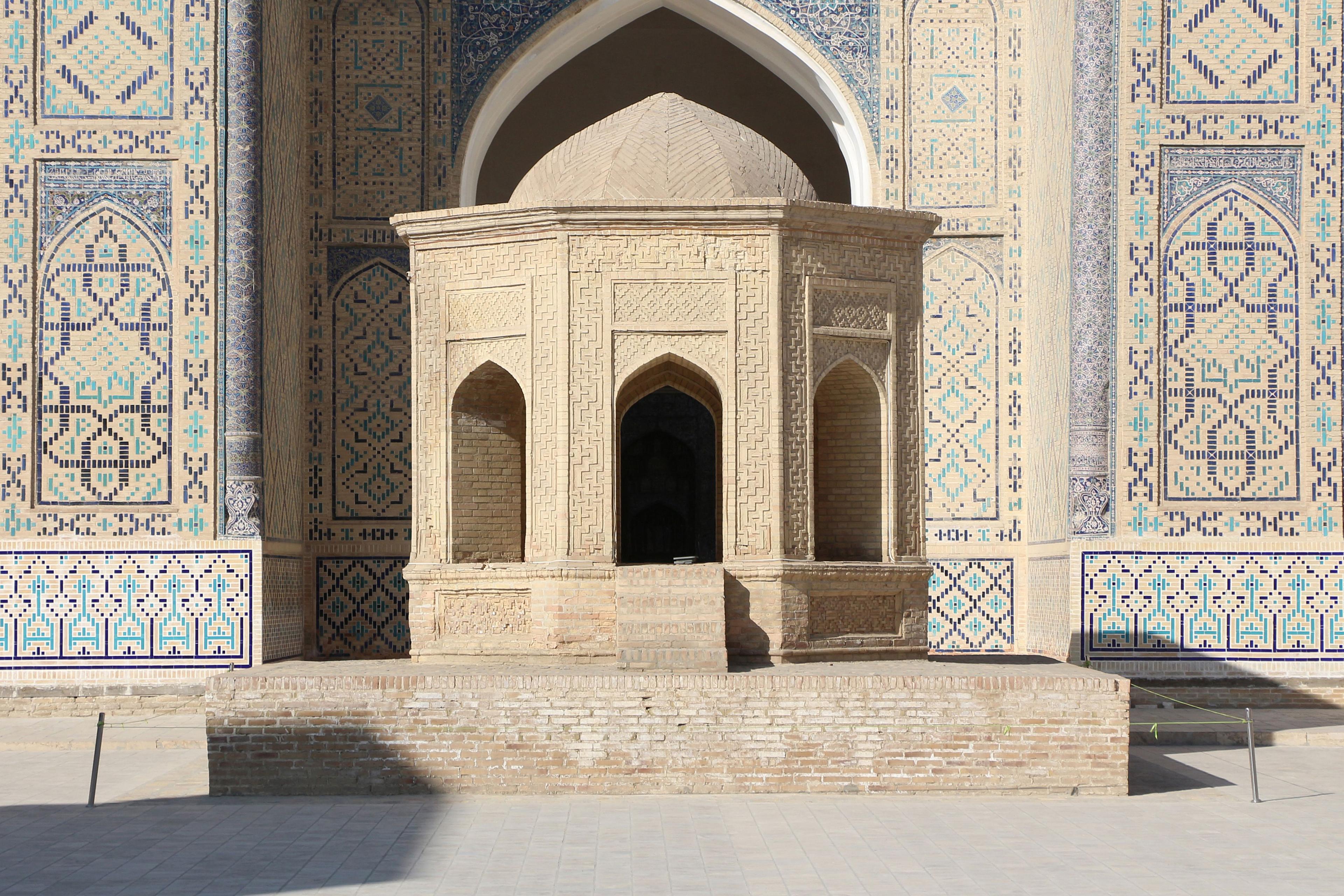
Every town has mosques, and the old cities have historic ones still in use, such as the Kalyan Mosque in Bukhara, the Bolo Hauz Mosque, and the Hazrati Imam and Minor mosques in Tashkent. The new mosque at the Imam al-Bukhari complex near Samarkand, opened in March 2026, holds more than 10,000 worshippers.
Prayer times: the Muslim Board of Uzbekistan publishes the official daily times on its portal (muslim.uz). Local timetables follow the Hanafi method, so the Asr prayer is later than in the Shafi'i timetables used in Malaysia and Indonesia. If you use an app such as Muslim Pro, you can choose either calculation; many visitors keep their home method. Local names for the prayers are bomdod (Fajr), peshin (Zuhr), asr, shom (Maghrib) and xufton (Isha).
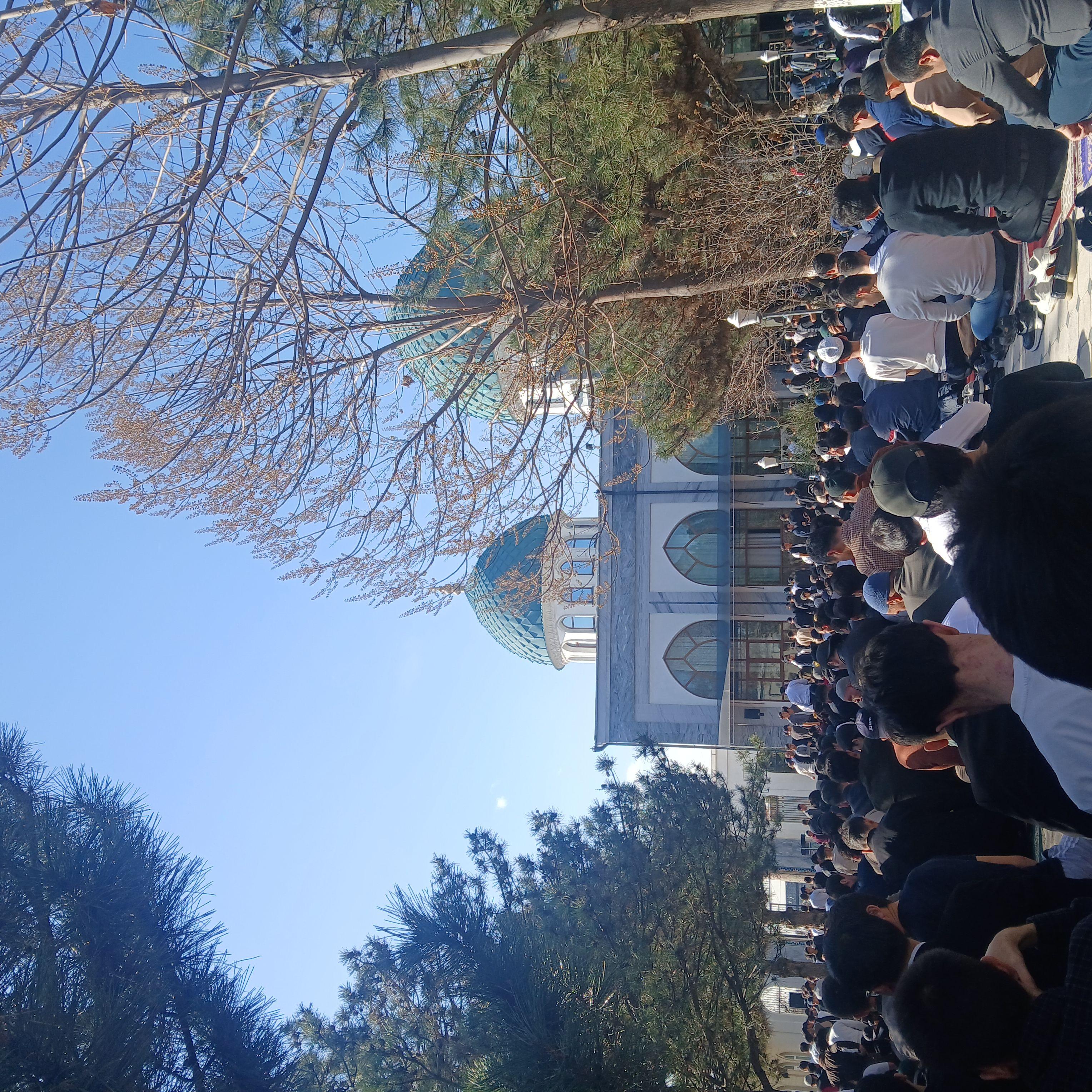
Friday prayer (juma namozi): the big Friday mosques fill up well before the start, so arrive at least 30 to 45 minutes early, especially in Ramadan. Prayer mats are laid out in the courtyards when the halls are full. The khutbah is usually in Uzbek. Good choices for visitors:
- Tashkent: the Hazrati Imam Mosque on Hast Imam square, or the white marble Minor Mosque.
- Samarkand: the mosque of the Imam al-Bukhari complex.
- Bukhara: the Kalyan Mosque beside the Kalon minaret.
On a tour, we plan Friday mornings around Jumu'ah so you are not travelling at prayer time.
Prayer rooms at airports, stations and hotels
Tashkent International Airport opened a prayer room in 2017, and a 2019 government decision requires prayer rooms at all international airports and railway stations in Uzbekistan. In practice:
- Airports: Tashkent has a prayer room, and the international airports of Samarkand, Bukhara and other cities are required to have one; ask staff for the "namozxona" (prayer room). Locations inside terminals change with renovations, so ask on the day.
- Railway stations: the same rule covers the main stations, but on Afrosiyob trains themselves there is no dedicated space; plan prayers before or after the journey.
- Hotels: some hotels provide a prayer mat and a qibla sign, but this is not universal. Ask at check-in. A qibla or compass app works well.
- Sightseeing: many monuments are working mosques or stand next to one, so finding a place to pray during the day is rarely a problem. Your guide can lead you to the nearest mosque at prayer time.
For wudu, mosques have ablution areas, and most public toilets in Uzbekistan have water taps or a small jug.
What to wear in Uzbekistan as a Muslim traveller
There is no legal dress code for visitors, and you will see everything from jeans to long dresses in Tashkent. For mosques and shrines, and for comfort in the more traditional towns, modest clothing is right:
- Women: loose clothes covering arms and legs; a headscarf for mosques and shrines. Hijab is completely normal and widely worn, especially outside Tashkent. Face coverings are rare in Uzbekistan; if you wear niqab, be ready for curious looks and for women officers to check your face at border control.
- Men: long trousers and sleeved shirts at mosques; shorts are fine in the city but not at holy sites.
- Shoes come off in prayer halls, so slip-on shoes save time.
Our packing guide covers what to wear by season, and our culture and etiquette guide covers local customs in more detail.
Women in mosques in Uzbekistan
This is a common question from women travelling from Malaysia and Indonesia, where women attend the mosque regularly. Customs in Uzbekistan are different:
- In many neighbourhood mosques there is no women's section, and local women usually pray at home.
- Large mosques and pilgrimage complexes, such as the Hazrati Imam Mosque in Tashkent and the Imam al-Bukhari complex, have separate areas or rooms for women. At Hazrati Imam, for example, women enter the prayer hall from a separate side.
- At historic mosques that are mainly visited as monuments, women visitors are welcome in the courtyards, and often inside.
- Friday prayer arrangements for women vary by mosque, so your guide can check in advance.
Women travelling on their own or in women-only groups find Uzbekistan safe and respectful. Our article on safety in Uzbekistan has more detail.
Ramadan in Uzbekistan: travelling while fasting
Ramadan is a beautiful time to visit. Mosques are full for tarawih, families gather for iftar, and the Uzbek government has promoted Ramadan travel to visitors from Malaysia. Ramadan 2027 is expected to begin around 8 February 2027, with Eid al-Fitr (Ramazon hayiti) around 9 or 10 March 2027, depending on the moon sighting. Eid al-Fitr and Eid al-Adha (Qurbon hayiti) are public holidays in Uzbekistan.
What to expect:
- Restaurants and cafes stay open during the day, because many people do not fast. Nobody will be offended if non-fasting members of your group eat, though discretion is polite.
- Hotels can usually provide an early breakfast or a packed suhoor on request. Ask in advance, as kitchens normally open at 7:00.
- Iftar is often shared: we can help arrange iftar with a local family or in a mahalla (neighbourhood) community, one of the most memorable experiences of the trip.
- February and March are cool, with mild days and cold nights, which makes fasting easier than in summer.
- Plan less walking in the afternoon, and put the longer train rides in the morning.
Tarawih in Uzbek mosques follows Hanafi practice, usually 20 rakaat, and in the big mosques the whole Quran is often completed over the month. On the morning of Eid, the Eid prayer at the main Friday mosques draws such crowds that worshippers spill into the surrounding streets and squares; arrive early and bring your own prayer mat. In the days after Eid, families visit relatives and the graves of their elders, and many shops and offices close for the holiday.
Flights from Malaysia and Indonesia to Uzbekistan
Flight options change often, so always check the airline before booking. As of November 2026:
- Kuala Lumpur to Tashkent: Uzbekistan Airways flies direct and announced up to four flights a week from the end of October 2026. Batik Air Malaysia has also flown direct (it reduced the route to once a week in summer 2026), and launched a Langkawi to Tashkent service in December 2025. AirAsia X flew the route from October 2025 but announced it would stop from 2 September 2026. The flight takes about seven and a half to eight hours.
- Jakarta to Tashkent: Uzbekistan Airways resumed direct flights in April 2023. We could not confirm the current schedule, so check with the airline. Otherwise, fly via Kuala Lumpur, or via Istanbul, Dubai or Doha.
- Visa: citizens of Malaysia and Indonesia can enter Uzbekistan visa-free for up to 30 days. Our visa guide has details.
- Halal meals: Uzbekistan Airways, Batik Air and the Gulf carriers serve halal food.
From Tashkent, the Afrosiyob high-speed train reaches Samarkand in about two hours and Bukhara in about four, and domestic flights connect to Urgench (for Khiva) and Termez.
A Muslim-friendly itinerary for Uzbekistan
For a first trip of seven to eight days, this route combines the main sights with the holy sites:
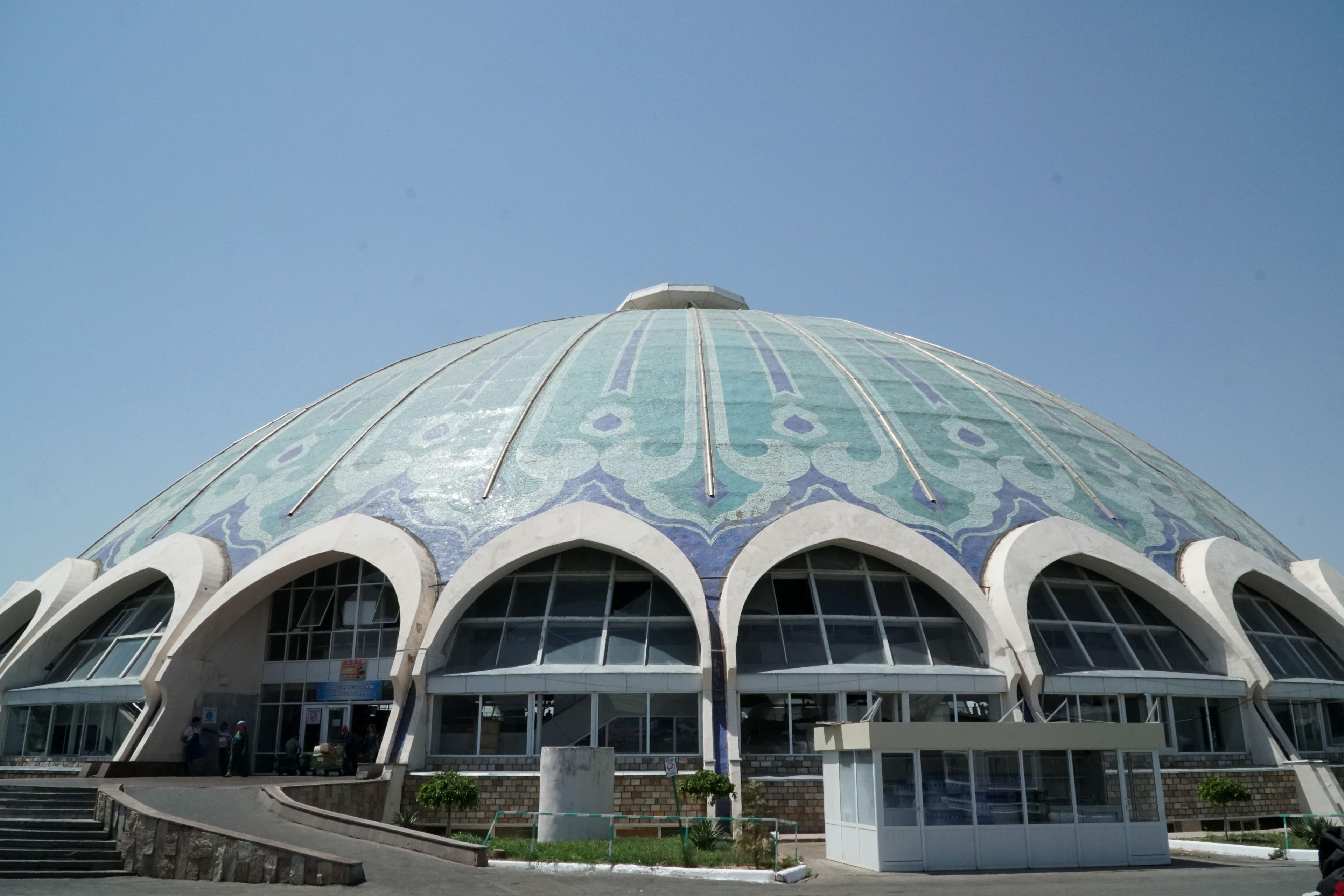
- Tashkent (1 to 2 days): Hast Imam square, the Center for Islamic Civilization with the Uthman Quran, Chorsu Bazaar and the metro.
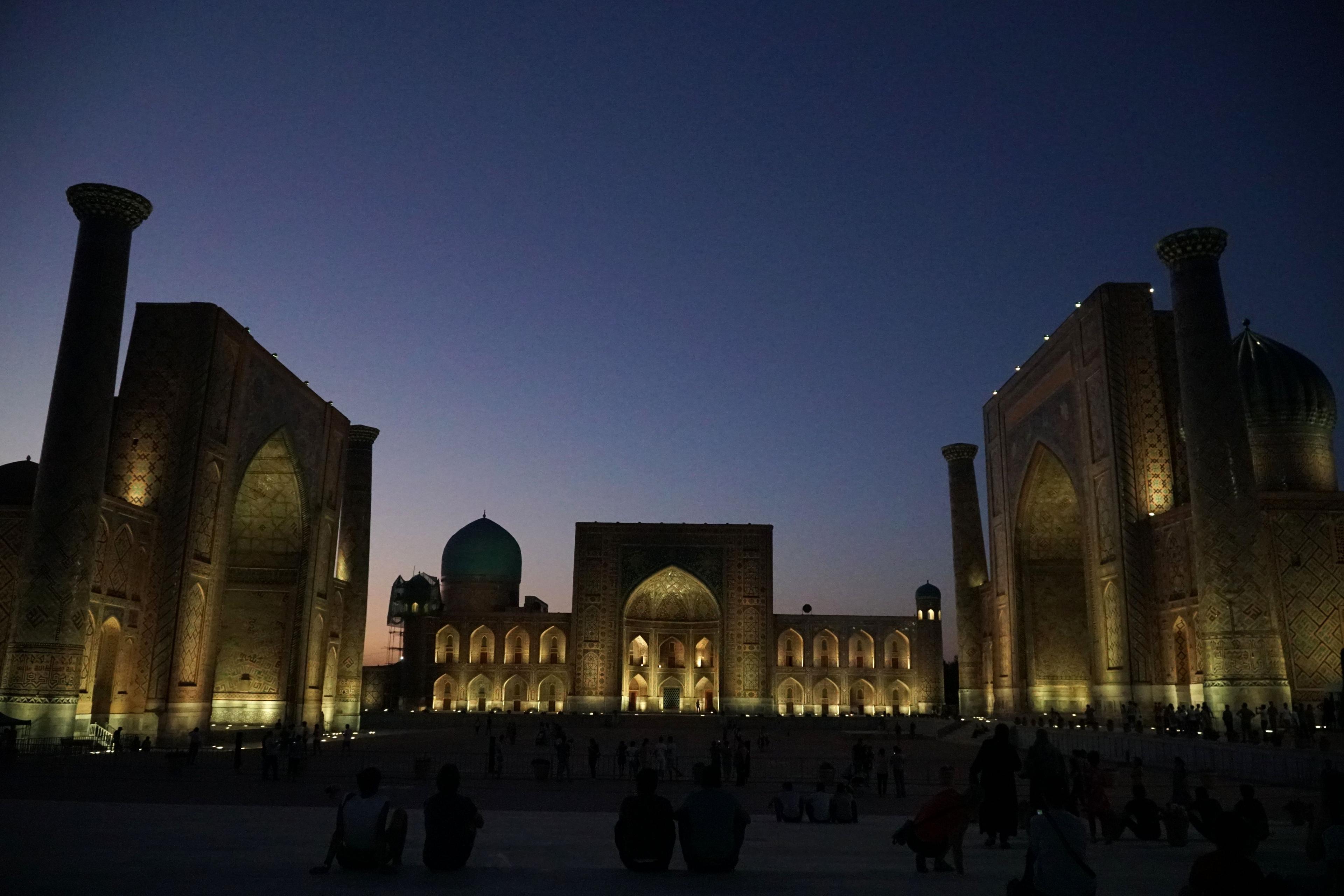
- Samarkand (2 days): the Registan, Gur-e-Amir, Shah-i-Zinda with the Qusam ibn Abbas mausoleum, the Imam al-Bukhari complex and the Imam al-Maturidi complex.
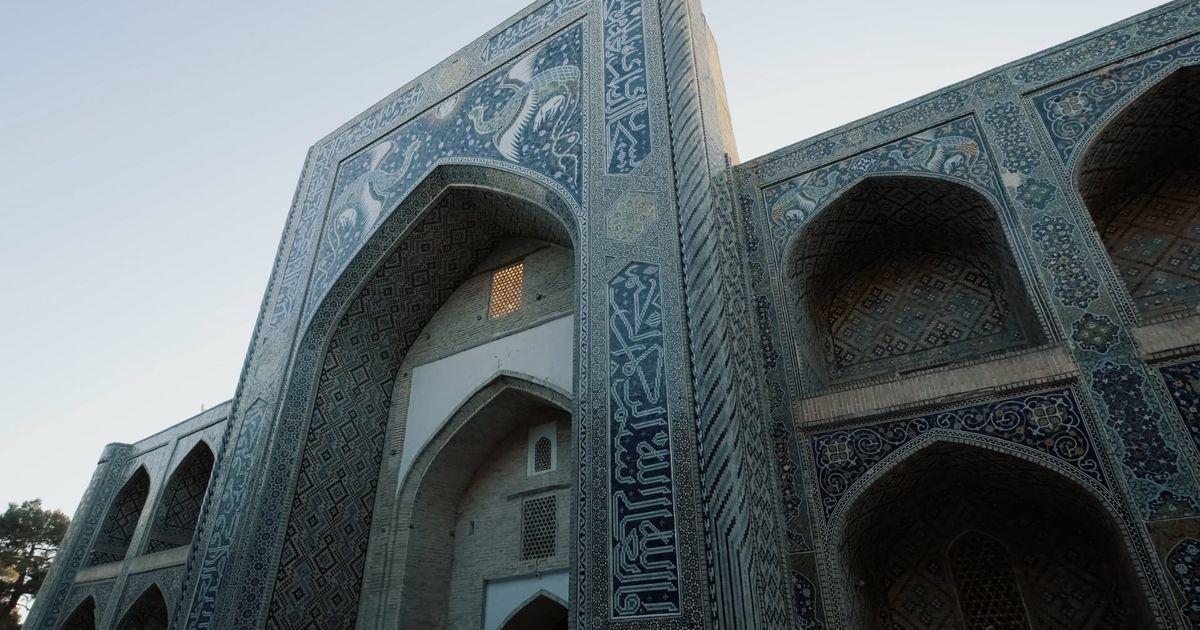
- Bukhara (2 to 3 days): the old town, the Po-i-Kalyan ensemble, the Bahauddin Naqshband complex and the Seven Pirs.
- Optional: Khiva for the walled Ichan-Kala, or Termez for Al-Hakim at-Termizi.
Our ziyarat guide describes the holy sites and a day-by-day route in more detail.
How TourEast plans Muslim-friendly trips
We can plan the days around prayer times, choose halal restaurants and ask hotels to empty the minibar and help with suhoor. Guides in Indonesian, Malay or Arabic are available on request. Whether you travel as a family, a women's group or a mosque community, we can arrange a private or small-group tour that fits.