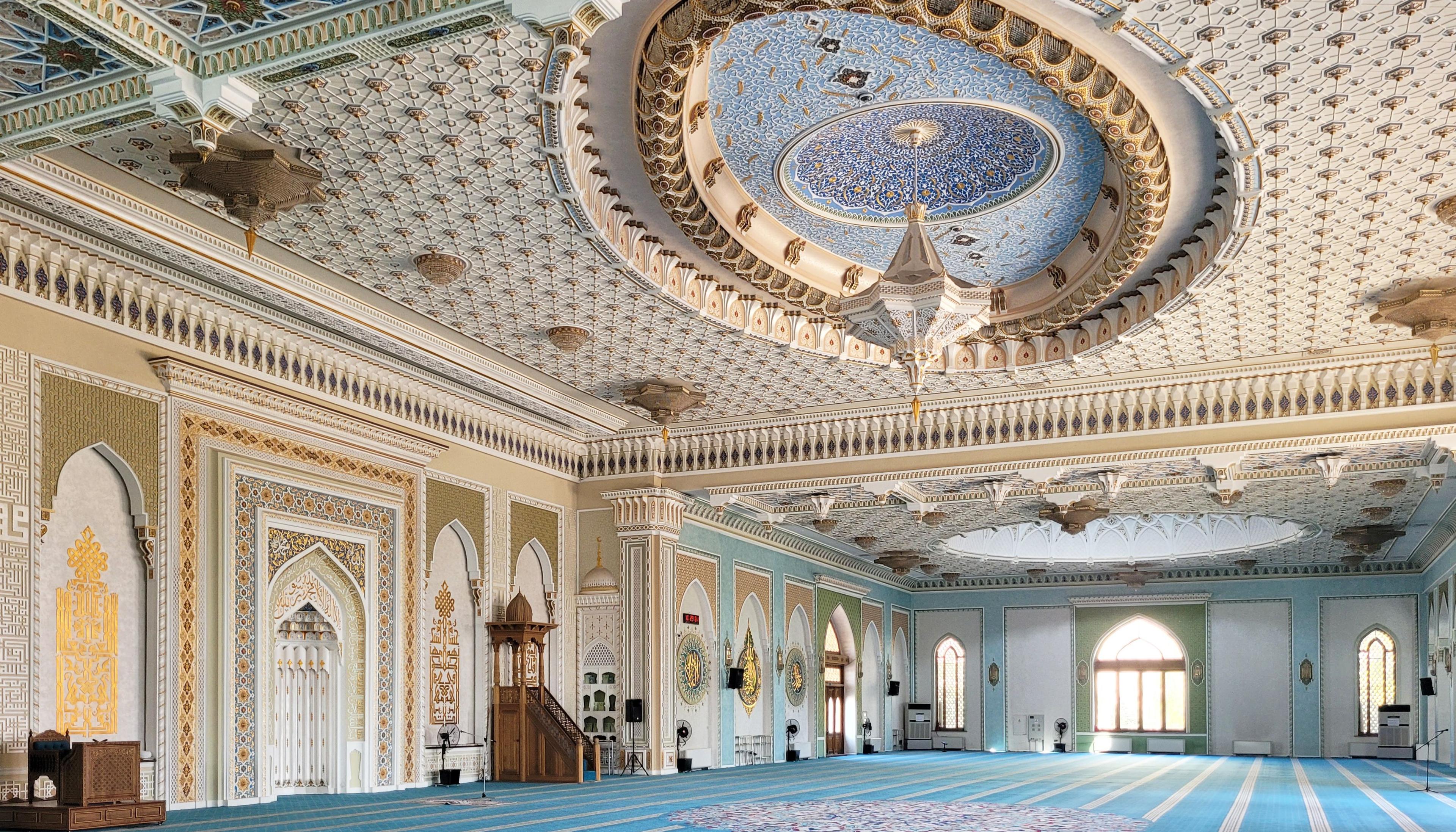
Visiting Uzbekistan during Ramadan 2027 (roughly 8 February to 9 March): what stays open, how evenings change, what is polite for non-Muslim visitors, where Muslim travellers find iftar and taraweeh, and what happens on Ramazon Hayit, the one-day Eid holiday.
Facts, prices and schedules checked on November 4, 2026
Ramadan in Uzbekistan is quieter than many first-time visitors expect. The country is Muslim-majority and secular in practice, which means the fasting month shapes the rhythm of family life and the evenings, while the cafes, bazaars, trains and monuments carry on much as usual during the day. Nobody will ask you to fast, and nobody will refuse to serve you lunch.
In 2027 Ramadan is expected to begin around 8 February and end around 9 March, with Ramazon Hayit, the festival that closes it, falling on about 10 March. The exact days depend on the sighting of the new moon and are confirmed by the Muslim Board of Uzbekistan and a presidential decree a few days beforehand, so treat these as approximate until then.
This guide explains what visiting Uzbekistan during Ramadan is really like: what stays open, how the days and nights change, what is polite if you are not fasting, where Muslim travellers can find iftar and taraweeh prayers in Tashkent, Samarkand and Bukhara, and what happens on Eid. It reflects the situation in November 2026.
Ramadan 2027 dates in Uzbekistan
Ramadan follows the Islamic lunar calendar and moves about eleven days earlier each year. Based on astronomical forecasts:
- First day of fasting: around Monday 8 February 2027 (some calendars give 7 or 9 February)
- Last day of fasting: around Tuesday 9 March 2027
- Ramazon Hayit (Eid al-Fitr): around Wednesday 10 March 2027
For comparison, in 2026 the month ran from 19 February to 20 March, and the government announced the Eid date by decree on 18 March, two days before the holiday. Expect the same pattern in 2027: the Muslim Board announces the start of fasting after the moon sighting, and the first day of Ramazon Hayit is confirmed as a non-working public holiday shortly before it arrives.
In February and early March the fast in Tashkent lasts roughly twelve hours, from the dawn prayer at about 06:00 to sunset at about 18:00. That is a relatively gentle Ramadan compared with the summer months, and it shows: people are in reasonably good spirits in the afternoons, and the evenings are long and sociable.
One more date matters. Navruz, the spring equinox festival, falls on 21 March, eleven days after Eid in 2027. If you travel in the second half of March you may catch both: a quiet, contemplative Eid followed by the loudest, most colourful week of the Uzbek year. Our separate article on Navruz in Uzbekistan explains what to expect.
Is Uzbekistan strict during Ramadan?
No. Uzbekistan is a secular state with a Muslim-majority population, and the Soviet decades left a legacy in which religion is largely a private, family matter. Fasting is widespread, especially in Bukhara, Samarkand, the Fergana Valley and among older people, but it is not universal, and there is no law against eating, drinking or smoking in public during daylight.
In practice:
- Restaurants, cafes and chaikhanas open as normal in the daytime in all the main cities. Some family-run places in old quarters shorten their hours or close at lunchtime, but you will never struggle to find food.
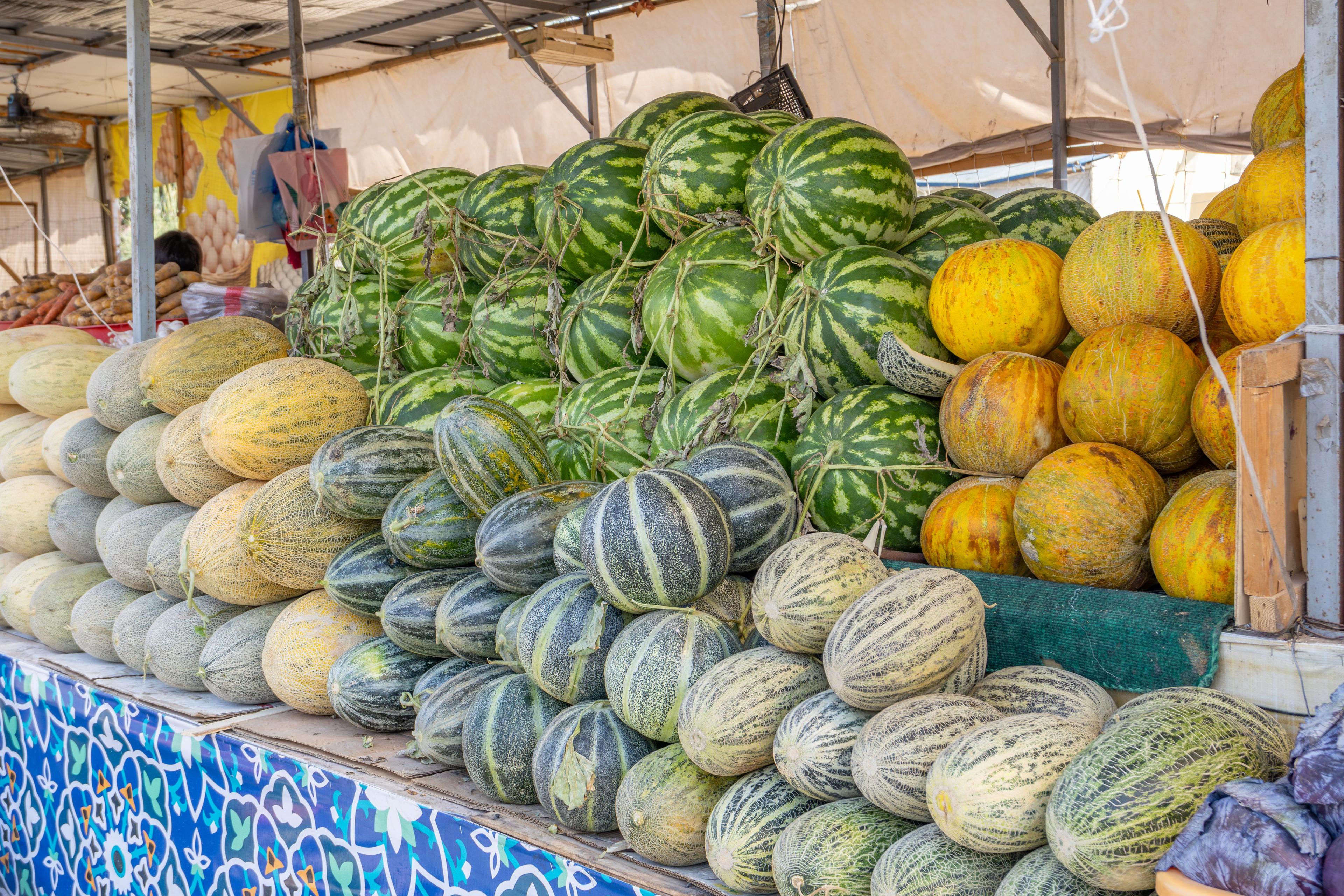
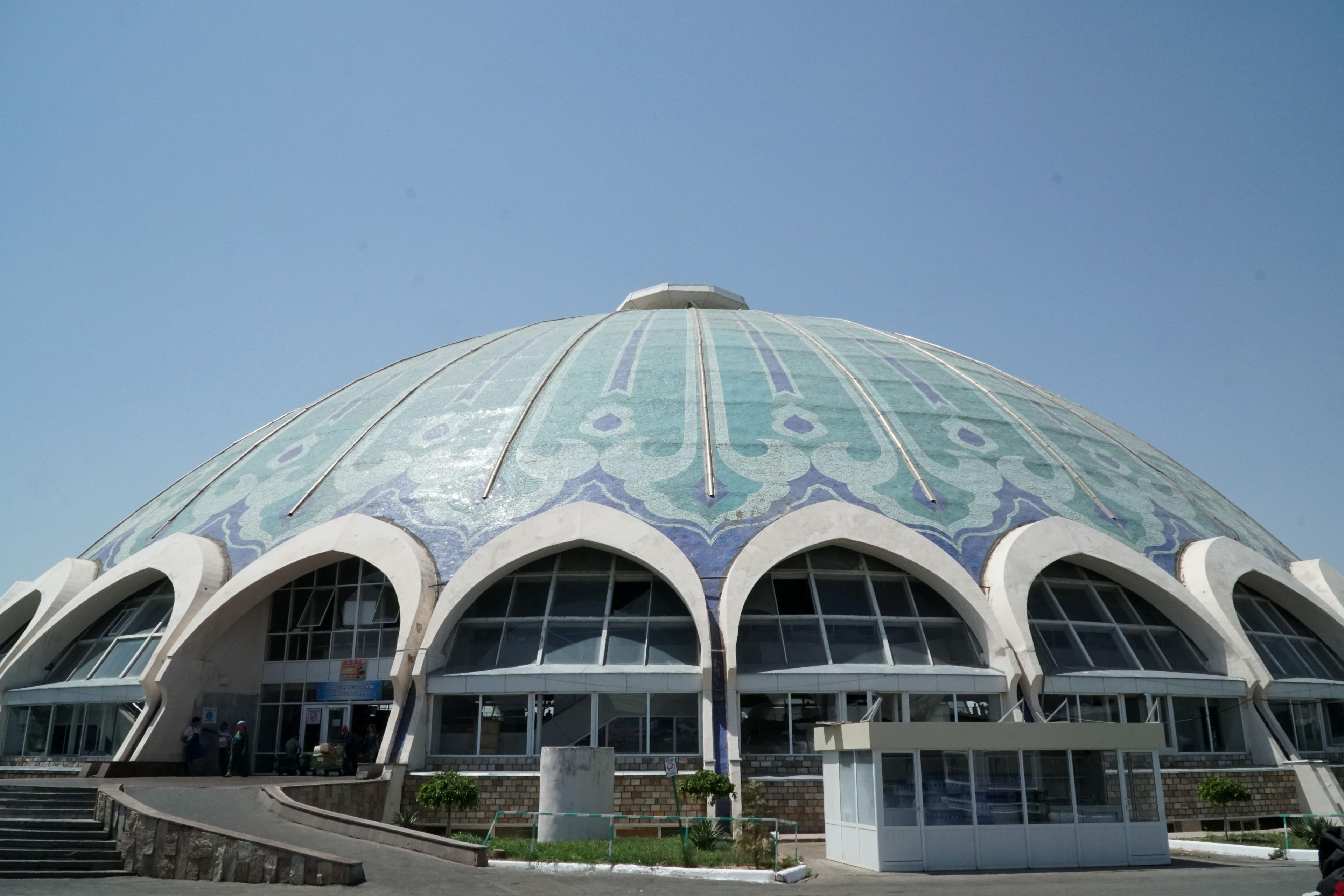
- Bazaars such as Chorsu in Tashkent and Siab in Samarkand are open and, if anything, busier in the late afternoon as people shop for iftar.
- Museums, madrasahs and monuments keep their usual opening hours. The Registan, Shah-i-Zinda, the Ark Fortress and Ichan-Kala do not change their schedules for Ramadan.
- Trains, including the Afrosiyob, run to the normal timetable. Domestic flights are unaffected.
- Alcohol is sold as usual in licensed restaurants, hotel bars and supermarkets. A few restaurants quietly stop serving it for the month; many do not.
- Working hours for offices and banks are unchanged, though some staff leave a little earlier to be home for iftar.
What changes is the atmosphere. The hour before sunset is a rush: traffic thickens, bakeries sell out of fresh non, and the streets empty as the adhan sounds. Then the restaurants fill, and the cities come alive again until late.
What is polite for non-Muslim visitors
You are not expected to fast, and locals will tell you so. A few small courtesies go a long way:
- Eat and drink discreetly in the street during daylight. Sitting down in a cafe is fine; walking through a mahalla with an ice cream is not rude, but it is slightly tone-deaf.
- Do not offer food, water or cigarettes to people who may be fasting. If someone offers you tea, it is fine to accept; they are being hospitable, not testing you.
- If you are invited to an iftar, go. It is the warmest hospitality you will find in Central Asia. Arrive before sunset, wait for the host to break the fast, and bring something small such as fruit or sweets.
- Dress a little more conservatively than usual, particularly in Bukhara and the Fergana Valley: covered shoulders and knees for everyone, and a scarf in your bag if you are a woman who may visit a working mosque. Our packing list article covers the mosque dress code in detail.
- Keep music low in shared spaces in the early evening, when people are praying or sitting down to eat.
- Be patient in the last hour before sunset. Drivers are tired and hungry, and shops are crowded.
If you want a phrase, Ramazon muborak (blessed Ramadan) is understood everywhere. On Eid, Hayitingiz muborak bo'lsin (may your holiday be blessed) will earn you a smile.
For Muslim visitors: iftar, suhoor and taraweeh
Uzbekistan is an easy country in which to spend Ramadan as a Muslim traveller. Halal food is the default, mosques are open and well attended, and the historic cities have a spiritual depth that is hard to match: Imam al-Bukhari's mausoleum near Samarkand, Bahauddin Naqshband's shrine outside Bukhara, and the Uthman Quran at Hazrati Imam in Tashkent.
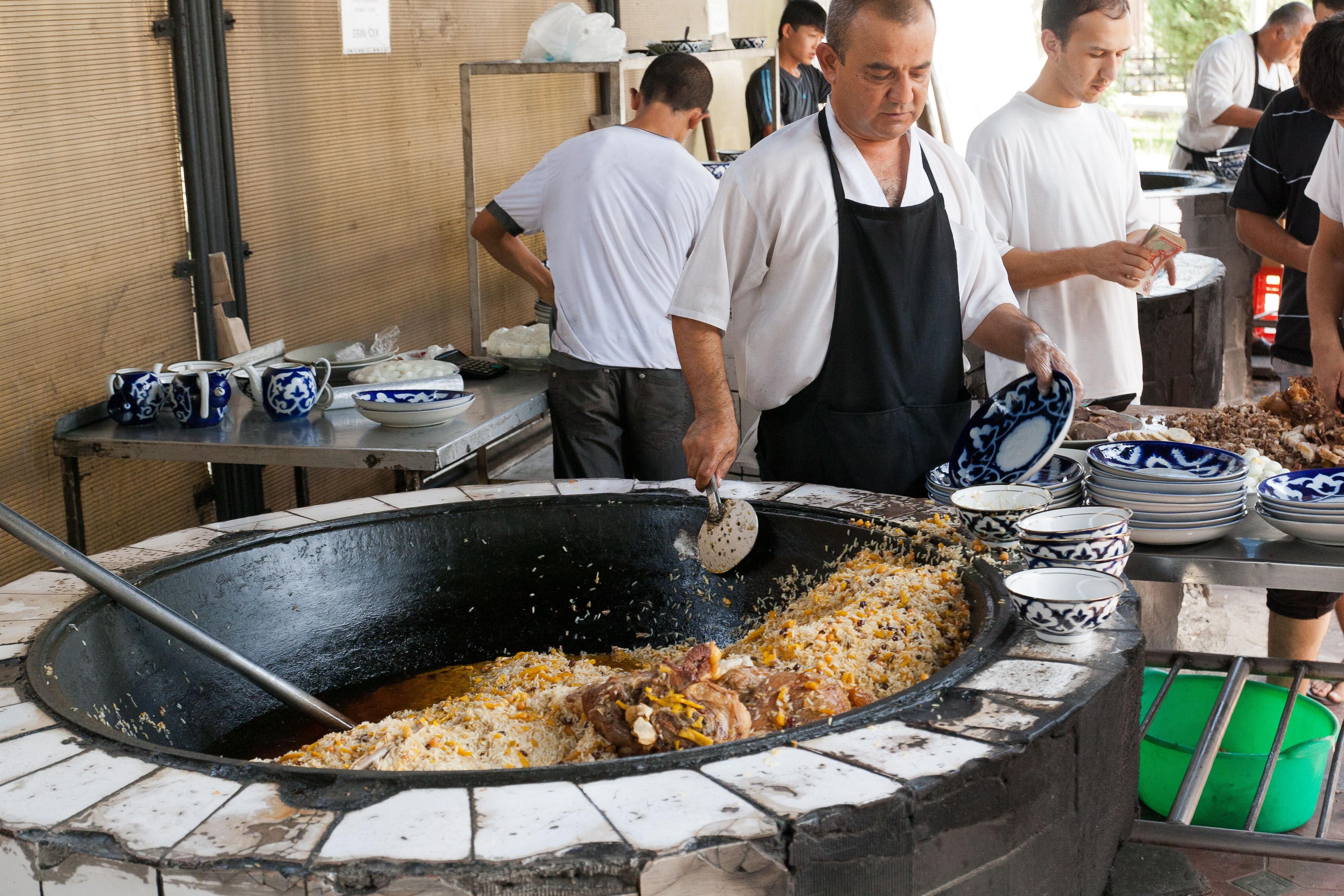
Iftar. The fast is traditionally broken with dates and water, and dates are sold on every bazaar stall during the month. Many restaurants in Tashkent, Samarkand and Bukhara offer an iftar set menu: soup, salads, bread, plov or a meat dish, fruit and tea. Prices in 2026 were typically 80,000 to 200,000 som per person. Book or arrive early; tables fill ten minutes before sunset. Some hotels in Samarkand and Bukhara lay on iftar buffets during the month; ask when you book. A home iftar with a local family can be arranged through operators and is well worth it.
Suhoor. Hotels do not generally open their restaurants before dawn, so ask the night before: most will prepare a box or leave bread, fruit and yoghurt in your room. In the old quarters of Bukhara and Khiva, small shops open before the dawn prayer.
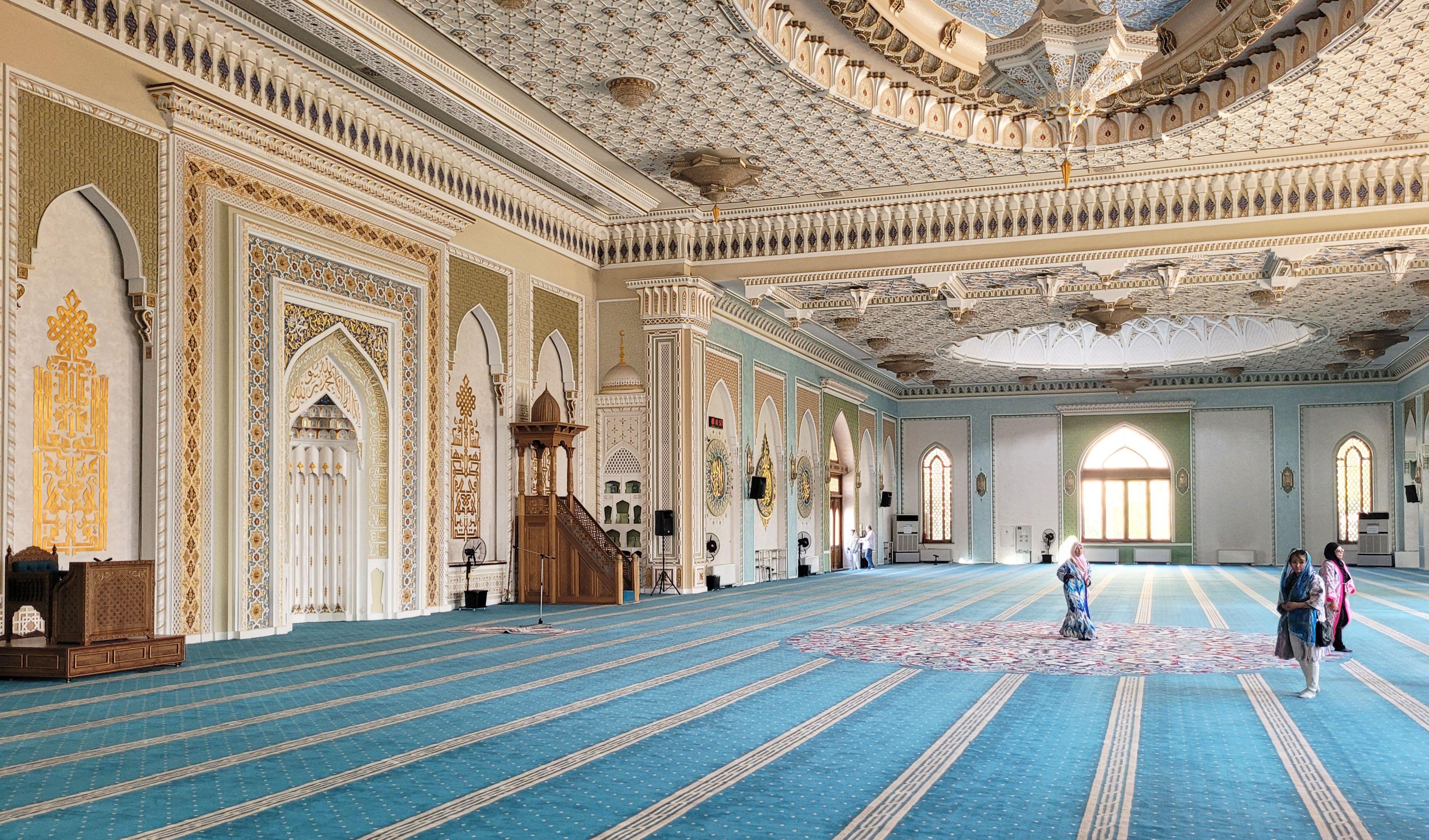
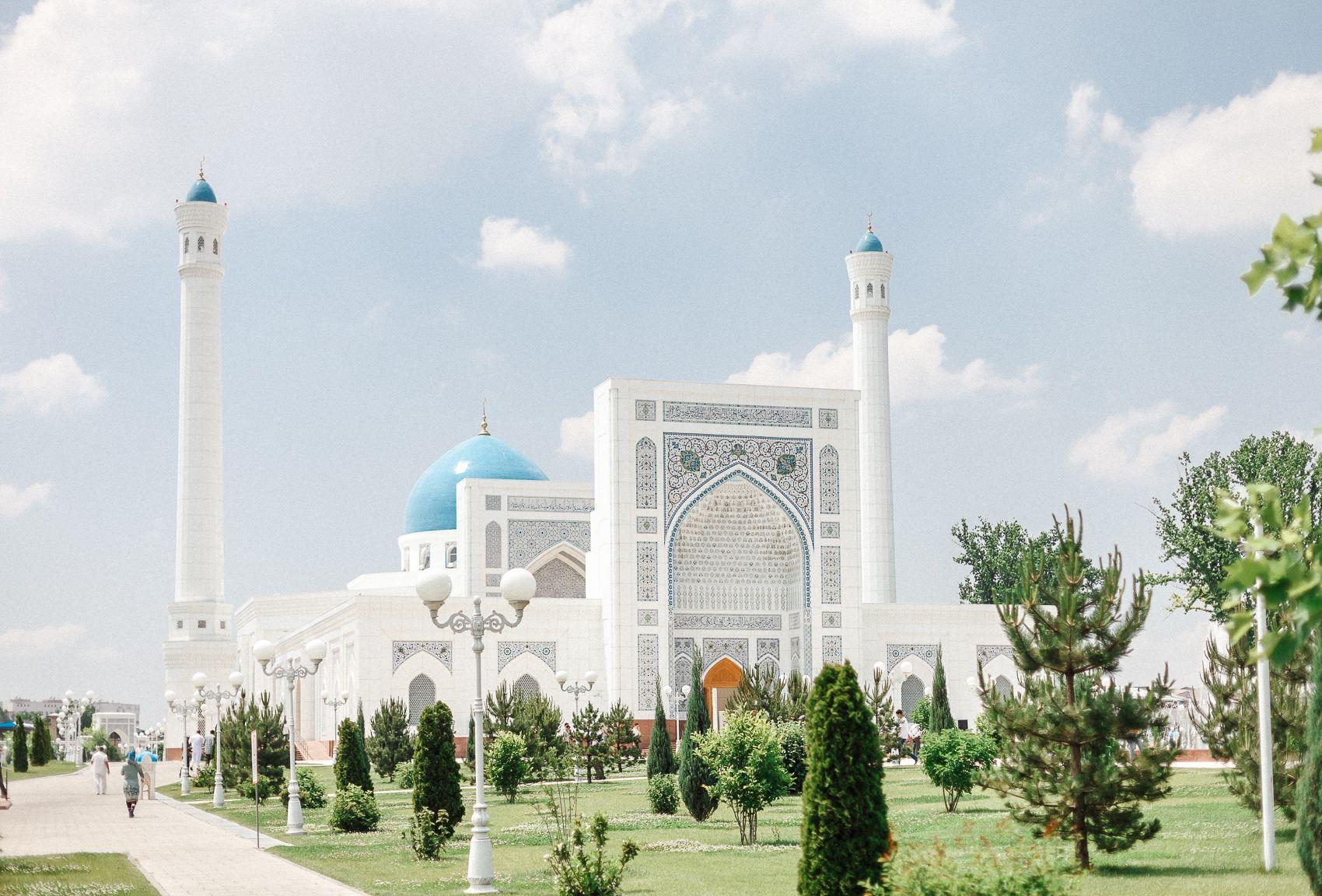
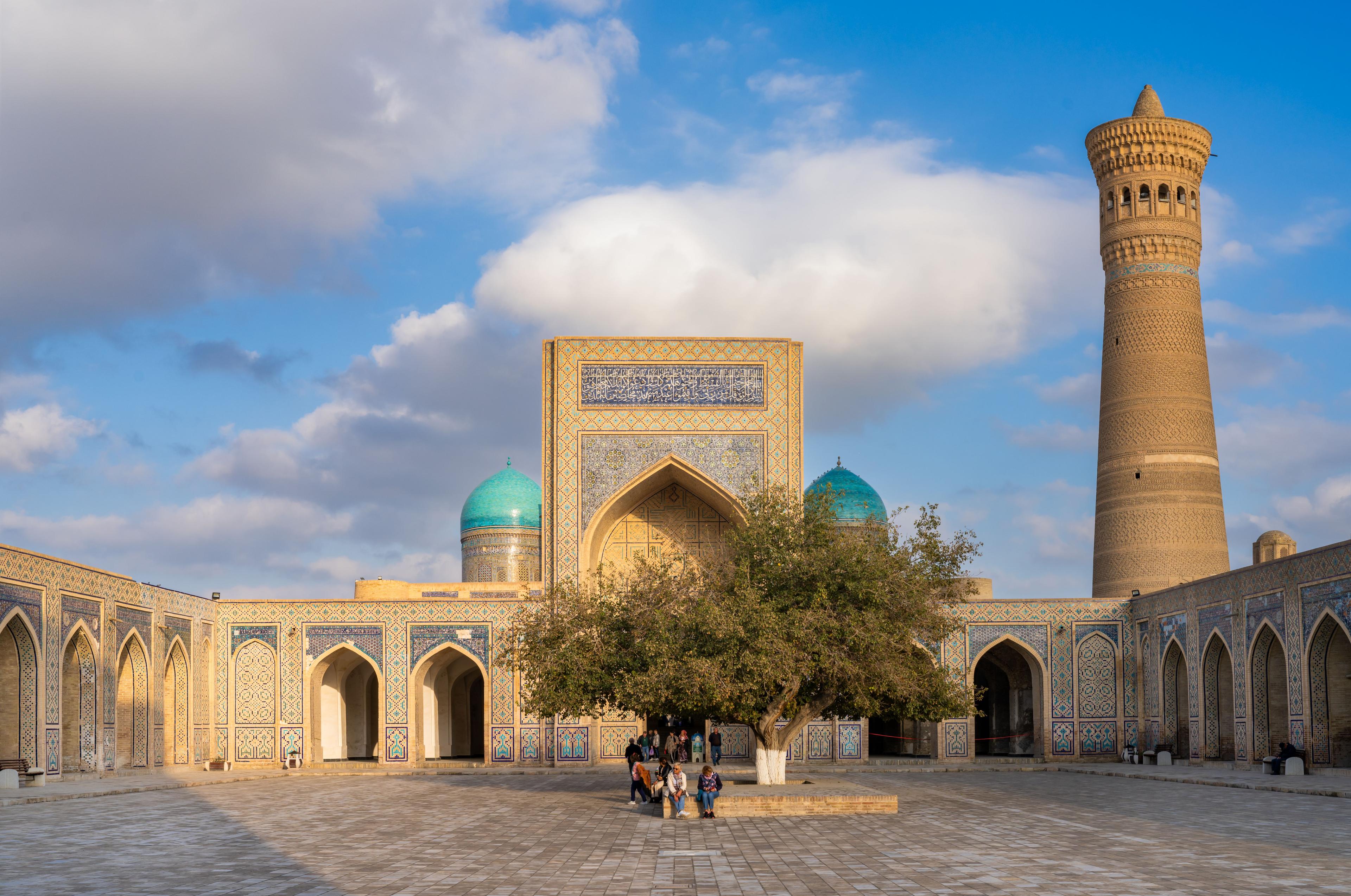
Taraweeh. Evening prayers are held in every working mosque. The largest gatherings are at the Hazrati Imam complex and the Minor Mosque in Tashkent, at Bibi-Khanym and the Hazrat Khizr Mosque in Samarkand, and at the Kalyan Mosque in the Po-i-Kalyan ensemble and Bolo-Hauz in Bukhara. Women's sections exist in the big mosques; in smaller neighbourhood mosques, women generally pray at home. Arrive early for a space in the main hall.
Friday prayers during Ramadan draw very large crowds in Tashkent; the streets around Hazrati Imam close to traffic. Prayer times are posted at mosque entrances and on the Muslim Board's website.
Our halal travel guide and ziyarat pilgrimage article go into more detail on shrines, prayer facilities and etiquette at holy sites.
Tashkent, Samarkand and Bukhara in Ramadan
Each city has its own character during the month.
Tashkent carries on almost unchanged. The capital is large, cosmopolitan and busy, and apart from the evening traffic and the full mosques you could miss Ramadan altogether. The Central Asian Plov Centre still serves plov from late morning; the restaurants around Amir Timur Square and in Tashkent City are open all day. Chorsu Bazaar is the place to see Ramadan: stalls piled with dates, dried apricots, halva and nishalda, the white sweet made from egg white and sugar that appears only in this season.
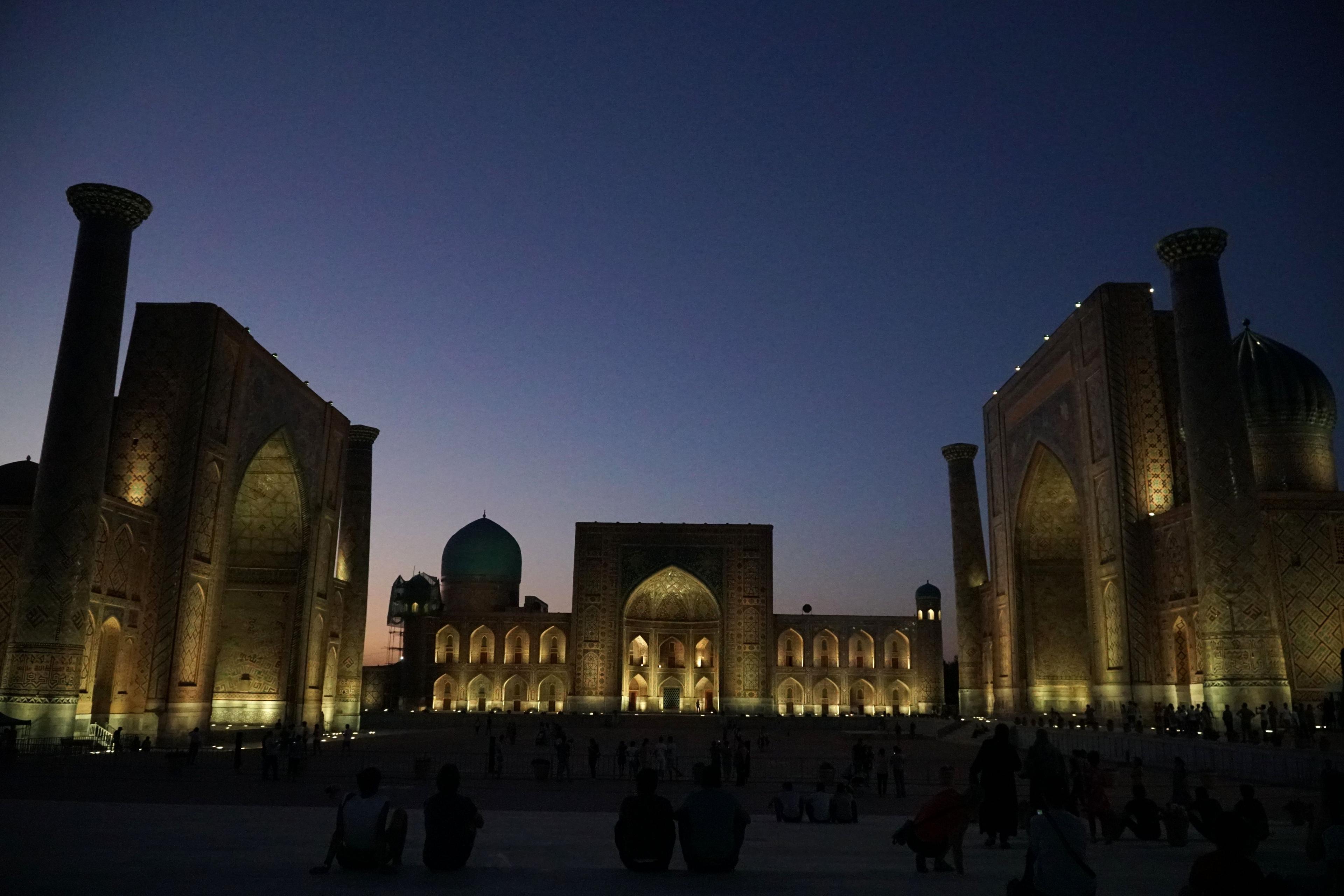
Samarkand is more observant than Tashkent but relaxed with visitors. Siab Bazaar is lively in the afternoons, and bakeries by the bazaar work flat out before sunset. The Registan is quieter than in peak season, which makes February and early March a good time for photography. The light show on the square may run on a reduced schedule in winter; check locally.
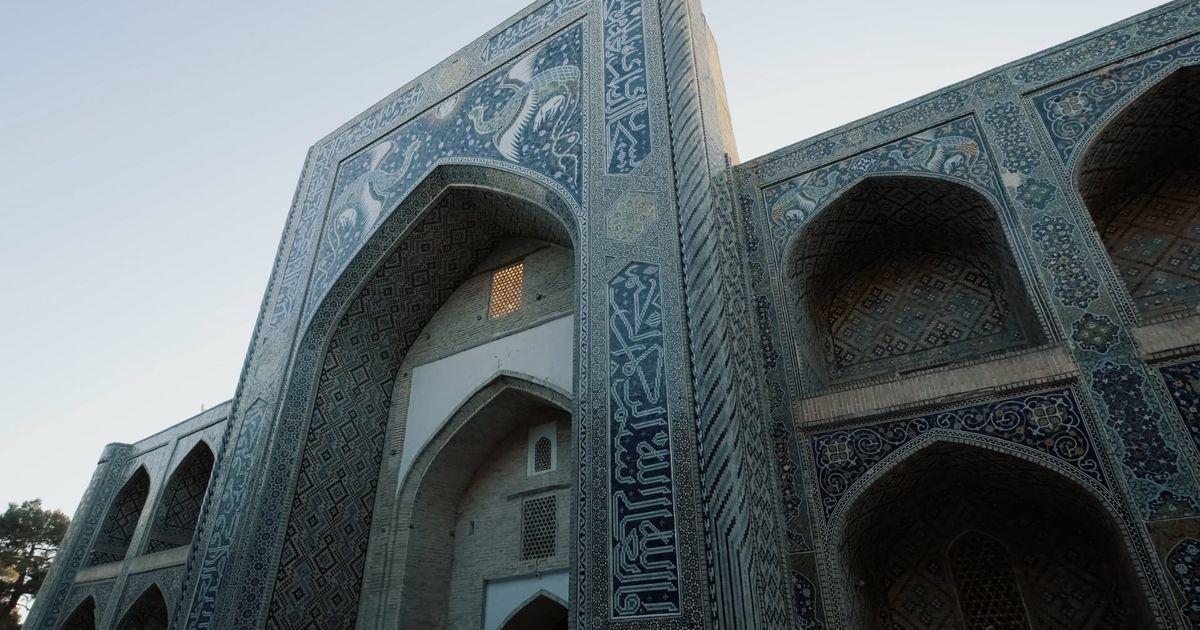
Bukhara is the most traditional of the three. Many small eateries in the old town close for lunch, and daytime life is subdued, but the evenings around Lyabi-Hauz are delightful: families break the fast at the chaikhanas, the trading domes stay open late, and the Kalyan Mosque fills for taraweeh. Visitors who want to understand Ramadan as a lived tradition should spend it here.
Khiva and the Fergana Valley follow Bukhara's pattern. Nukus and Karakalpakstan are the least affected of all.
Ramazon Hayit: Eid al-Fitr in Uzbekistan
Ramazon Hayit, also called Ro'za Hayit, marks the end of the fast. In Uzbekistan the first day is a public holiday fixed by presidential decree, and in some years an adjoining weekend or a transferred working day stretches it to a long weekend. In 2026 it fell on Friday 20 March, the day before Navruz, giving the country four days off. For 2027 expect a single day around 10 March, confirmed only days in advance.
What happens:
- Eid prayers at dawn in every mosque, with the largest congregations at Hazrati Imam in Tashkent, Bibi-Khanym in Samarkand and Po-i-Kalyan in Bukhara. Prayer times are announced for each region the day before.
- Families visit the graves of relatives in the morning, then spend the day visiting elders and neighbours. Plov is cooked in enormous quantities, often prepared the evening before, and sweets are exchanged between houses.
- Government offices, banks and many businesses close for the day. Monuments and museums generally stay open, but ticket offices may be short-staffed.
- Trains and flights run, though they are full of people travelling home. Book your Afrosiyob seats well ahead if you are moving between cities that day.
- Restaurants are busy with family groups from lunchtime onward. Reserve.
For a visitor, Eid morning is one of the most moving sights in Uzbekistan: thousands of men in chapans and skullcaps streaming out of the mosques into the sunlight, greeting each other and handing sweets to children. Photograph from a respectful distance, and accept a piece of halva if it is offered.
Weather and practical planning in February and March
Ramadan 2027 falls in late winter. Expect:
- Tashkent and Samarkand: daytime highs of 5 to 15 degrees, nights around freezing, some rain or sleet. March warms quickly.
- Bukhara and Khiva: similar temperatures, drier, with cold winds off the desert.
- Mountains near Tashkent: snow at Amirsoy and Chimgan, so a ski day is possible.
The upside is that February and early March are low season. Hotels in Samarkand and Bukhara are cheaper and emptier than in April, and you may have Shah-i-Zinda almost to yourself. Our articles on Uzbekistan in winter and the weather by month give details.
A few practicalities:
- Carry snacks and water if you plan long days at monuments; you will eat lunch without trouble, but the small kiosks around sites sometimes close.
- Plan drives to arrive before sunset. The road is busy and drivers are distracted in the last hour of the fast.
- If your hotel is in an old quarter, ask about the breakfast time; some guesthouses in Bukhara shift it earlier to suit fasting staff.
- Expect fireworks and loud celebrations on Eid evening and through the Navruz period.
Is Ramadan a good time to visit Uzbekistan?
For most travellers, yes, with honest caveats. The monuments are open and uncrowded, prices are lower, and the evenings have a warmth that peak-season visitors never see. The main drawback is the weather: you trade spring blossom and long days for cold mornings and short afternoons.
Ramadan suits:
- Muslim travellers who want to spend the month among fellow believers in a country with deep Islamic history.
- Culturally curious visitors happy to adapt their day around the fast and join an iftar.
- Photographers and those who dislike crowds.
It suits less well:
- Travellers wanting long, relaxed daytime lunches in old-town courtyards in Bukhara; some of these close.
- Anyone planning a food-focused trip with daytime market tastings; shift the tastings to the evening, or come in April instead.
If you can stretch your dates, arriving for the last week of Ramadan and staying through Eid and Navruz gives you the best of both: contemplation followed by celebration, and the first warm days of spring.
Travelling during Ramadan with TourEast
We run our private and small-group tours through Ramadan without changes to the sightseeing, and we plan the days with the fast in mind: earlier starts, lunch stops at restaurants we know are open, and drives that end before sunset. For Muslim guests we can arrange iftar with a local family, hotel suhoor boxes, and time at Hazrati Imam, Po-i-Kalyan or Imam al-Bukhari for prayers; guides who speak Indonesian, Malay or Arabic are available on request. Tell us your dates and we will build the itinerary around them.