Can you drink the tap water in Uzbekistan? Which vaccines are recommended? How to avoid stomach trouble and summer heat, where to find pharmacies and private clinics in Tashkent, travel insurance, altitude in the mountains and the ambulance number 103.
Facts, prices and schedules checked on November 4, 2026
Staying healthy in Uzbekistan is mostly a matter of common sense: drink bottled water, respect the summer heat, go easy on rich food for the first few days, and travel with good insurance. Uzbekistan has no malaria, needs no special vaccine certificate for entry, and has well-stocked pharmacies in every town. The things that actually spoil trips are upset stomachs and heat exhaustion, and both are largely preventable.
This guide covers the questions travellers ask most: is the tap water safe, how to avoid stomach trouble, how to cope with heat in summer, which vaccines are recommended (with the CDC, the UK travel health service and WHO as sources), pharmacies, private clinics in Tashkent, travel insurance, altitude in the mountains, and what to do in an emergency, including the ambulance number 103. It is general information, not medical advice; see a travel health clinic or your doctor six to eight weeks before you go.
Is the tap water safe to drink in Uzbekistan?
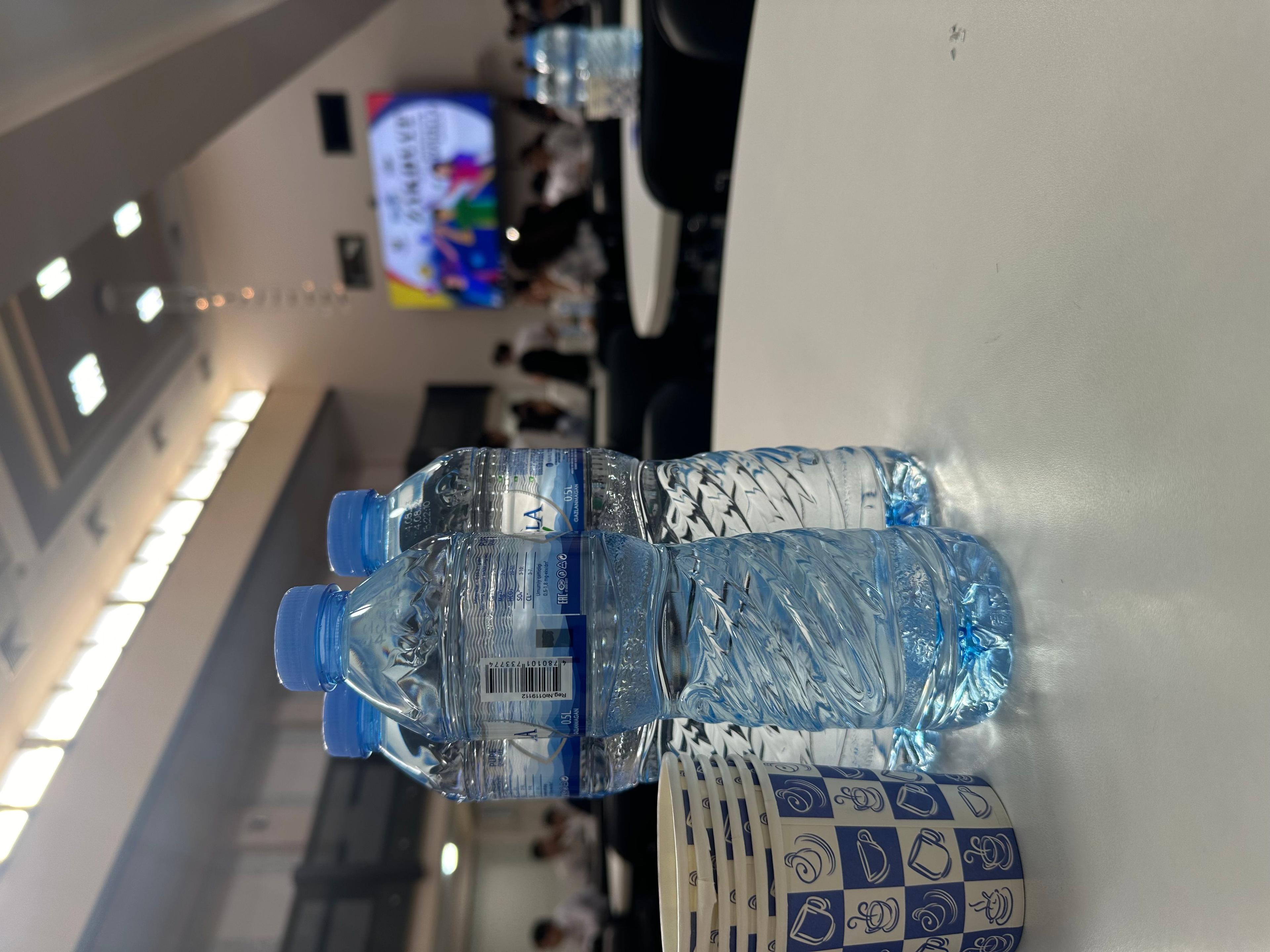
We advise visitors not to drink tap water anywhere in Uzbekistan. City water is treated, but old pipes mean its quality at the tap varies, and travel health services consistently recommend bottled or treated water. Many local families boil or filter their own water too.
In practice this is easy:
- Bottled water is sold in every shop, kiosk and station, typically 4,000 to 7,000 som for 1.5 litres in 2026; most hotels provide free bottles in your room
- Carry a refillable bottle and top it up from large bottles or filtered dispensers at your hotel
- Tea is safe everywhere, as it is made with boiled water, and it is served at every meal
- Ice in modern restaurants and hotels is normally made from filtered water; at street stalls, skip it
- Brushing your teeth with tap water is generally fine for most travellers; use bottled water if you have a sensitive stomach
A filter bottle or purification tablets are useful on trips to remote areas, the desert or mountain homestays.
Avoiding stomach trouble
An upset stomach is the most common health complaint among visitors to Uzbekistan. Usually it is not food poisoning at all, but a reaction to a new diet: plov and samsa are cooked with plenty of cottonseed oil and lamb fat, and many visitors eat far more fruit and bread than at home.
How to reduce the risk:
- Ease into the rich dishes over the first few days and balance plov with salads, soups and green tea
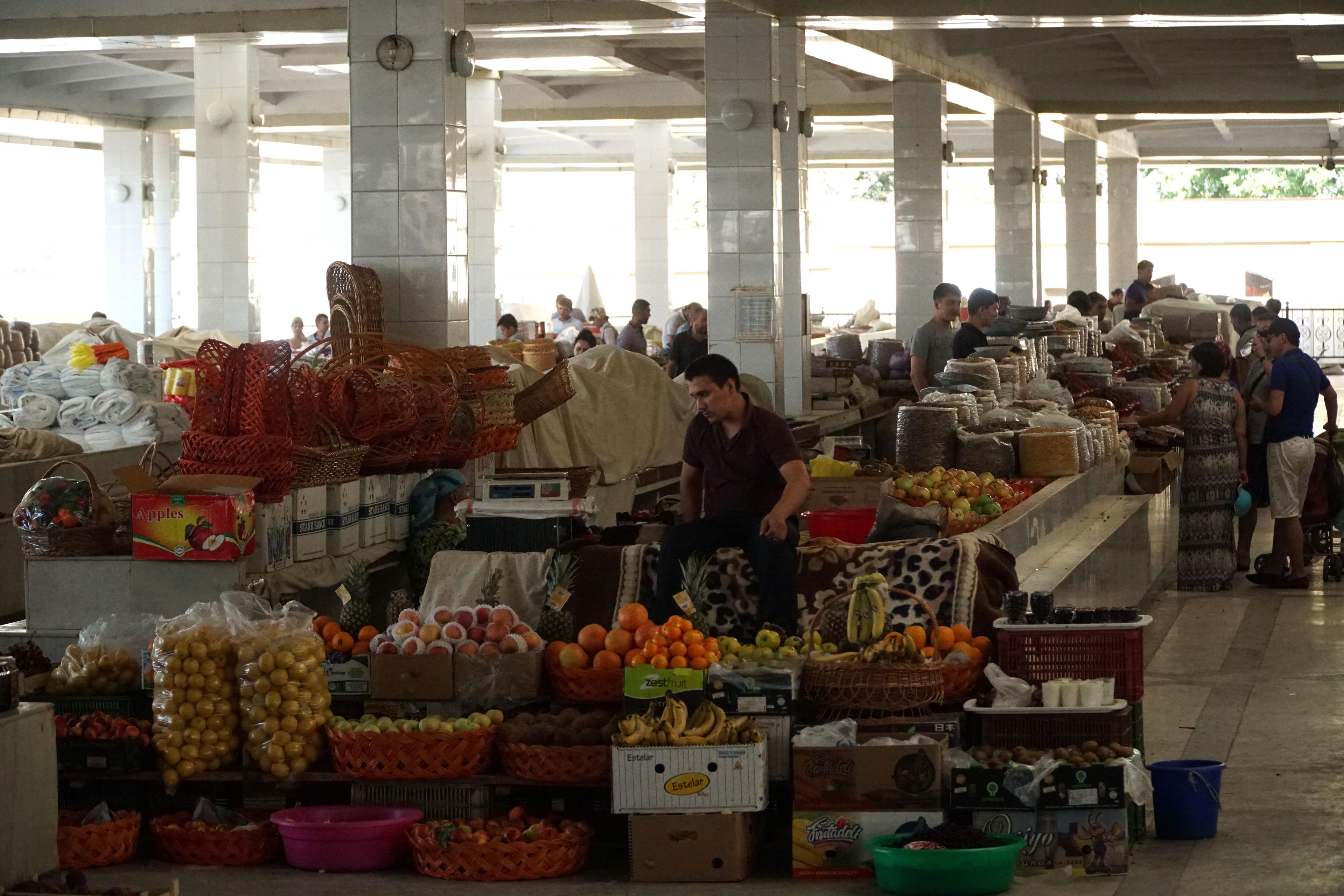
- Choose busy places where food is cooked fresh; at bazaars, eat hot food straight from the grill or the pot
- Wash or peel fruit, and wash the grapes and apricots you buy at the bazaar with bottled water
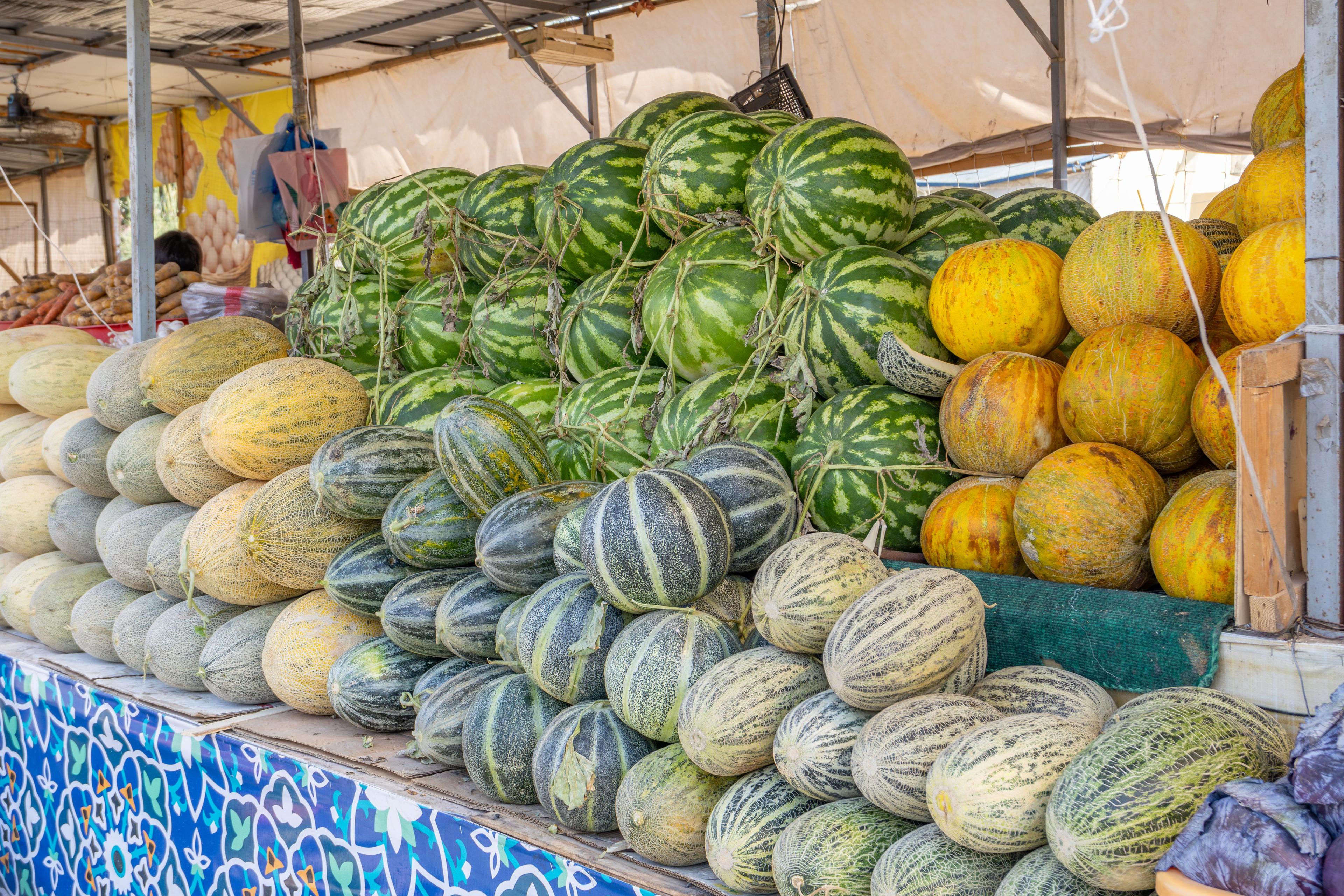
- Melons are a summer highlight, but eating a lot of melon with heavy food or cold drinks is a classic recipe for a bad night; local wisdom is to eat melon on its own, between meals
- Wash your hands or use sanitiser before eating, especially after the bazaar or the metro
Pack oral rehydration salts and your usual remedy for diarrhoea. Most cases settle within a day or two with rest and fluids. See a doctor if you have a high fever, blood in your stool, severe pain or symptoms lasting more than three days, and seek help sooner for children and older travellers.
Coping with the heat in summer
From June to August, daytime temperatures in Bukhara, Khiva and Tashkent regularly climb into the high 30s Celsius and often above 40°C, with intense sun and very dry air. The desert regions of Karakalpakstan and the Kyzylkum are hotter still. Heat exhaustion is a real risk, especially on long sightseeing days.
- Start sightseeing early, rest in the middle of the day, and return to the monuments in the late afternoon and evening, as locals do
- Drink more than you think you need, and add rehydration salts on very hot days
- Wear a wide-brimmed hat, sunglasses and high-factor sunscreen, and choose loose, light-coloured clothes that cover your skin
- Take long drives across the desert in an air-conditioned car with plenty of water on board
- Watch for headache, dizziness, nausea, cramps or confusion; move into shade, cool down with water and seek medical help if symptoms do not improve quickly
Spring and autumn are far more comfortable. Our guide to the weather in Uzbekistan by month will help you choose your dates.
Vaccines for Uzbekistan: what WHO, the CDC and UKHSA advise
No vaccinations are required to enter Uzbekistan, and there is no yellow fever certificate requirement. The country was certified malaria-free by the World Health Organization in December 2018, so antimalarial tablets are not needed.
Health agencies do recommend making sure routine vaccinations are up to date, including measles, mumps and rubella, tetanus, diphtheria and polio. Beyond that, the US Centers for Disease Control and Prevention (CDC) and the UK's travel health service (TravelHealthPro, run by NaTHNaC for UKHSA) list these for some or all travellers:
- Hepatitis A: the CDC recommends it for unvaccinated travellers aged one and over; it is spread through contaminated food and water
- Hepatitis B: recommended by the CDC for unvaccinated travellers
- Typhoid: worth considering if you will travel in rural areas, stay with families or eat in very simple places
- Rabies: the CDC notes that rabid dogs are commonly found in Uzbekistan, and that rabies vaccine may only be available in larger cities. Pre-exposure vaccination is worth discussing if you will hike, cycle, work with animals or spend time far from a city
Whatever your vaccination status, do not pet stray dogs or cats. If you are bitten or scratched, wash the wound with soap and running water for 15 minutes and see a doctor the same day.
Recommendations depend on your health, age and itinerary, so book a consultation with a travel clinic or your doctor at least six to eight weeks before departure.
Pharmacies in Uzbekistan
Pharmacies, signed dorixona in Uzbek or apteka in Russian, are found on almost every street in the cities, and several in Tashkent and the regional centres are open 24 hours. Common medicines such as painkillers, antihistamines, rehydration salts and remedies for stomach upsets are sold over the counter and are inexpensive. Brand names may differ from home, so bring the generic name of anything you might need, or show the packaging on your phone.
Two things to know:
- Antibiotics and hormonal medicines are now dispensed only with an electronic prescription from a doctor, a rule in force since December 2025 and being rolled out across the country through 2026. You can no longer simply buy antibiotics over the counter
- Pharmacists often speak Russian and Uzbek but little English; a translation app helps
Bring enough of your own prescription medicines for the whole trip, in their original packaging with a copy of the prescription. Some medicines that are sold freely elsewhere, including codeine-based painkillers and some sleeping pills and strong painkillers, are controlled in Uzbekistan. Our packing list explains the customs rules for medicines.

Doctors, hospitals and private clinics in Tashkent
Medical care in Uzbekistan varies widely. The UK Foreign Office describes the general standard as poor, especially in rural hospitals, and notes that serious cases are often evacuated to Europe or elsewhere. Tashkent has the best facilities in the country, including several modern private clinics with diagnostics, laboratories and specialists.
- The UK Foreign Office publishes a list of medical facilities in Uzbekistan (last updated March 2026). In Tashkent it lists the private Tashkent International Clinic as having English-speaking staff, along with several public emergency hospitals and private clinics where English is limited
- Samarkand and Bukhara have regional branches of the Republican Science Centre of Emergency Medical Service and private clinics that can handle routine problems; in Khiva, Nukus and smaller towns, options are more basic
- Private clinics usually expect payment upfront by card or cash, so keep the receipts for your insurer
- Your hotel or guide can call a doctor and help with translation
If you have an ongoing condition, carry a short summary of your medical history and medicines, translated into Russian if possible.
Do you need travel insurance for Uzbekistan?
As of November 2026, we have found no official requirement for tourists to show travel or medical insurance to enter Uzbekistan or to obtain an e-visa. That differs from neighbouring Georgia, which has required insurance from foreign visitors since January 2026, a rule that sometimes causes confusion.
Even so, we strongly recommend comprehensive travel insurance, and the UK Foreign Office advises the same. There is no reciprocal healthcare agreement with the UK or the EU, care in private clinics is paid for directly, and a medical evacuation can cost tens of thousands of dollars.
When choosing a policy, check that it covers:
- Medical treatment and hospital stays in Uzbekistan
- Emergency evacuation and repatriation
- Activities you plan, such as trekking, horse riding, skiing at Amirsoy or travel above a certain altitude
- Trips to neighbouring countries if you are combining Uzbekistan with Kyrgyzstan, Tajikistan or Kazakhstan
- A 24-hour assistance line you can call from abroad
Save your policy number and the insurer's emergency number in your phone, and contact the insurer quickly if you are admitted to a clinic or hospital.
Altitude in the mountains
Most of Uzbekistan's sights lie on the plains, between about 100 metres above sea level around Khiva and the Aral Sea and about 700 metres in Samarkand, so altitude is not a concern on a classic tour.
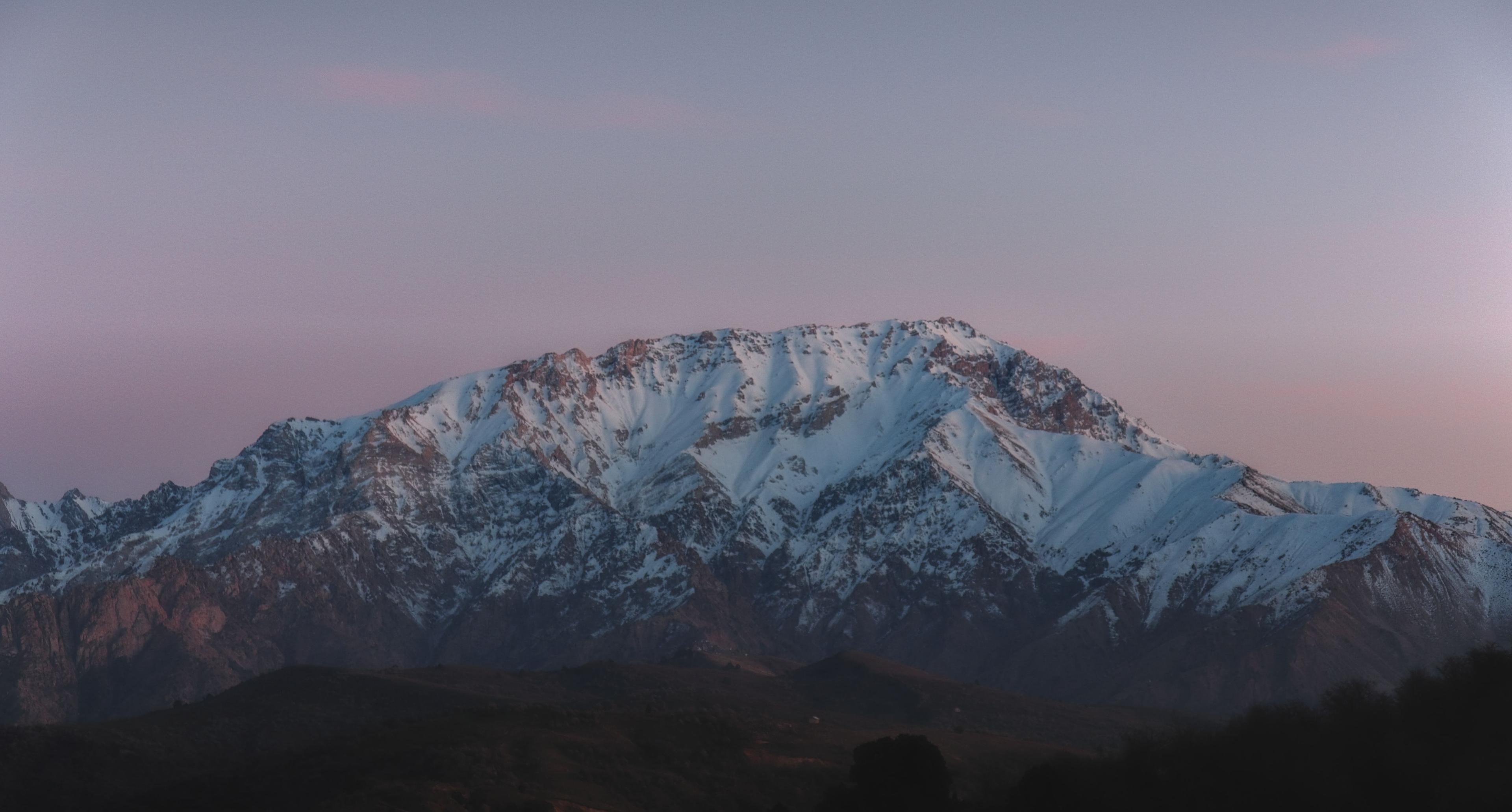
The exception is the mountains. The resorts closest to Tashkent sit at moderate heights: the Amirsoy ski resort reaches about 2,290 metres, and the Chimgan and Beldersay area lies at roughly 1,600 to 2,300 metres. Altitude sickness is unlikely at these heights for most people, though some may feel breathless or tired on the first day. Hikers who climb Big Chimgan, at 3,309 metres the highest summit in the area, or trek higher in the Pskem and Ugam ranges, should know the symptoms.
- Early symptoms: headache, nausea, dizziness, poor sleep and unusual breathlessness
- Ascend gradually, drink plenty of water and avoid alcohol on the first day at height
- If symptoms get worse, go down; descending is the most effective treatment
Altitude is a bigger issue if you combine Uzbekistan with the Pamir Highway in Tajikistan or high passes in Kyrgyzstan, where roads cross 4,000 metres. Mountain weather also changes fast, so carry warm layers and sun protection even in summer.
Air quality and other health risks
A few other risks are worth knowing:
- Air pollution: the UK Foreign Office warns that outdoor air quality is often poor from November to February, especially in Tashkent and the Fergana Valley, and that dust storms from the dried-up Aral Sea can affect Karakalpakstan and Khorezm. Travellers with asthma or heart and lung conditions should bring their medication and check air-quality apps
- Dry air and dust: bring lip balm, moisturiser and eye drops if you wear contact lenses, particularly in summer and in the desert
- Mosquitoes: a nuisance near water in summer, but without malaria; use repellent in the evenings
- Road safety: driving standards are variable and many taxis lack rear seatbelts, so ask for a car with working belts and use them
- Food allergies: allergen labelling is limited; carry a translated allergy card in Uzbek and Russian

Emergency number 103 and what to do in an emergency
In a medical emergency, call 103 for an ambulance. The unified emergency number 112 also works from any phone, and the older numbers (101 fire, 102 police) remain in operation. Operators speak Uzbek and Russian and may not speak English, so:
- Ask your hotel reception, guide or a passer-by to call and explain where you are
- Have your address ready, ideally in Uzbek or Russian, or share your live location
- Call the 24-hour tourist safety line on 1173, whose operators speak English and can help connect you to local services
- Call your insurer's assistance line as soon as possible
- Contact your embassy in Tashkent if you are seriously ill or injured
Public ambulances take patients to state hospitals. For non-urgent problems, a taxi to a private clinic in Tashkent is often quicker.
A simple health checklist for Uzbekistan
Before you go, see a travel clinic, check your routine and recommended vaccines, buy travel insurance, and pack a small medical kit: your prescription medicines with copies of prescriptions, rehydration salts, a remedy for diarrhoea, painkillers without codeine, plasters, sunscreen, insect repellent and hand sanitiser.
On our private and small-group tours, we plan the pace of each day with the climate in mind, and our guides know where to find a pharmacy or a doctor in each city. If you have particular health needs, tell us when you plan your trip and we will build a custom itinerary around them.