
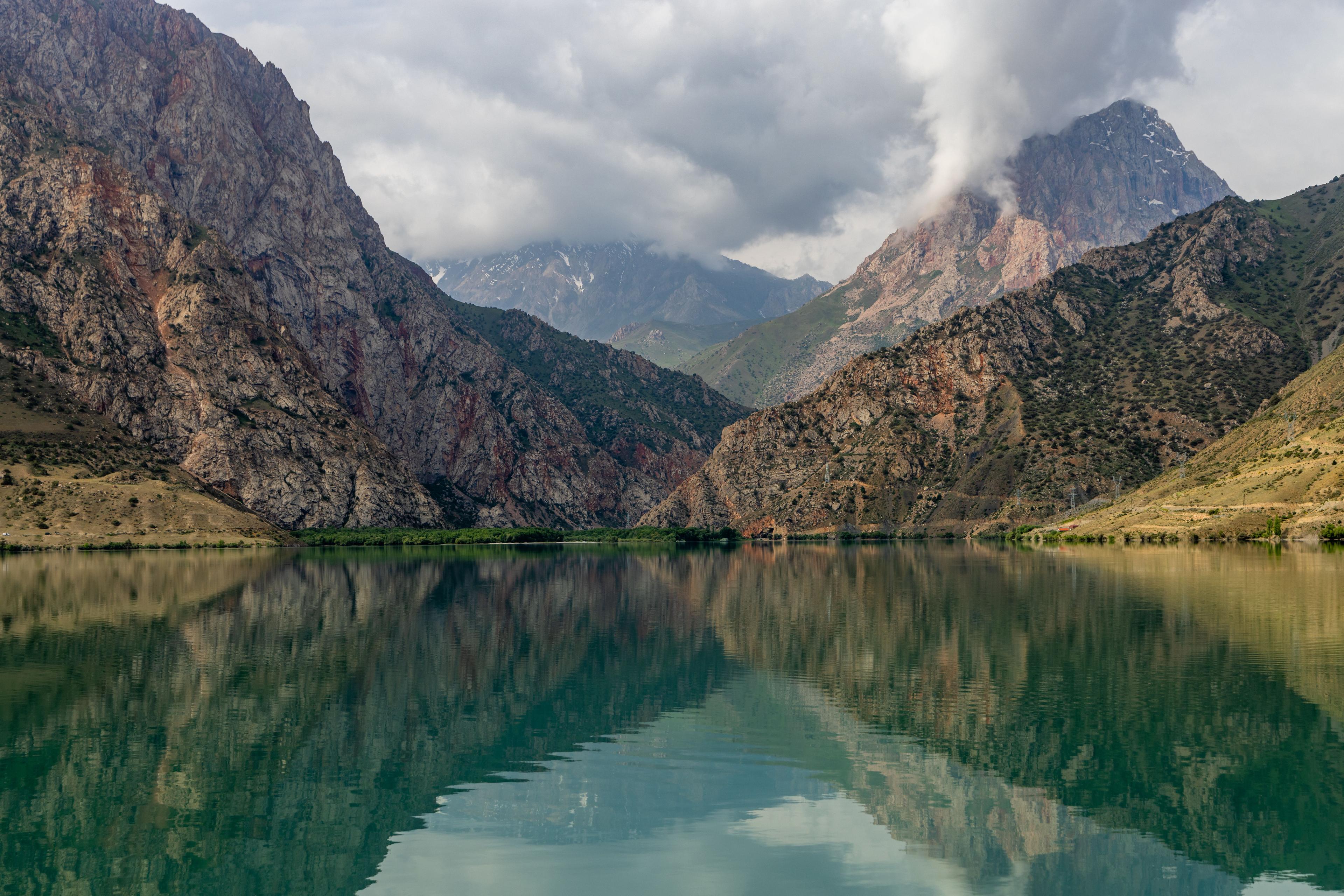
Sogdian Penjikent, turquoise Fann lakes and the Pamir Highway, an hour from Samarkand
Tajikistan
Overview
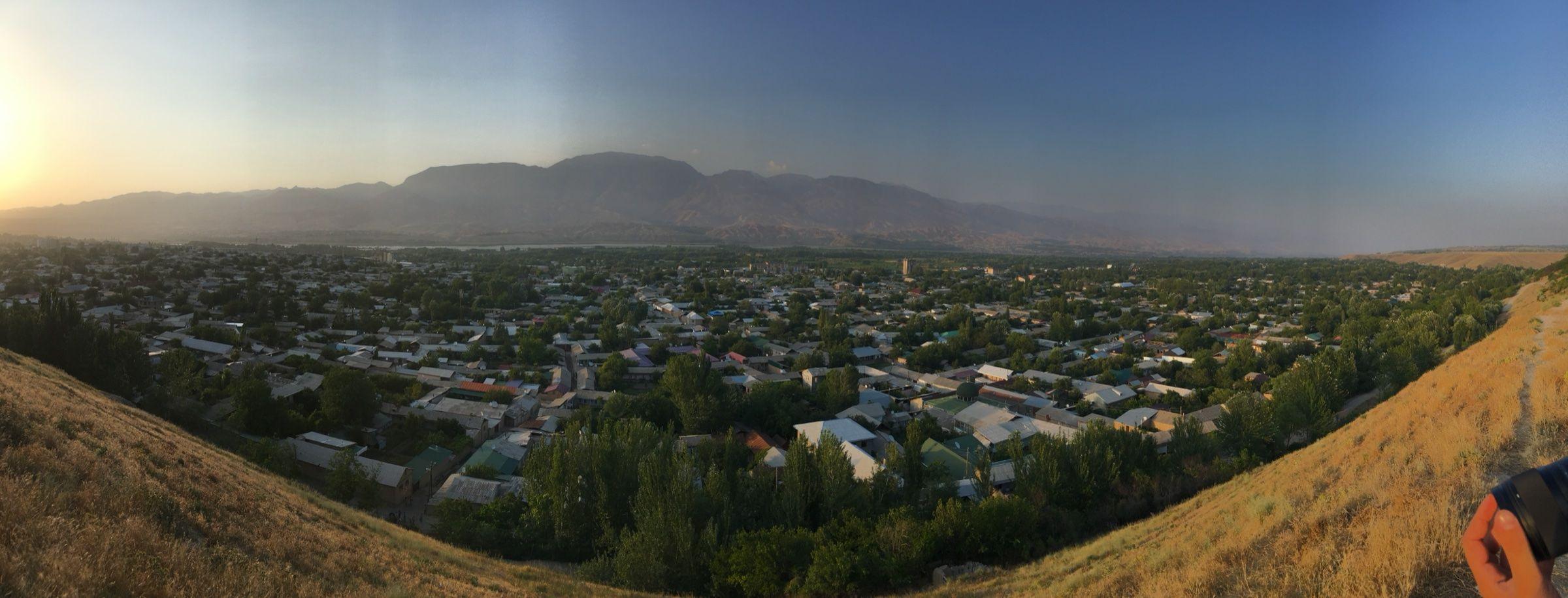
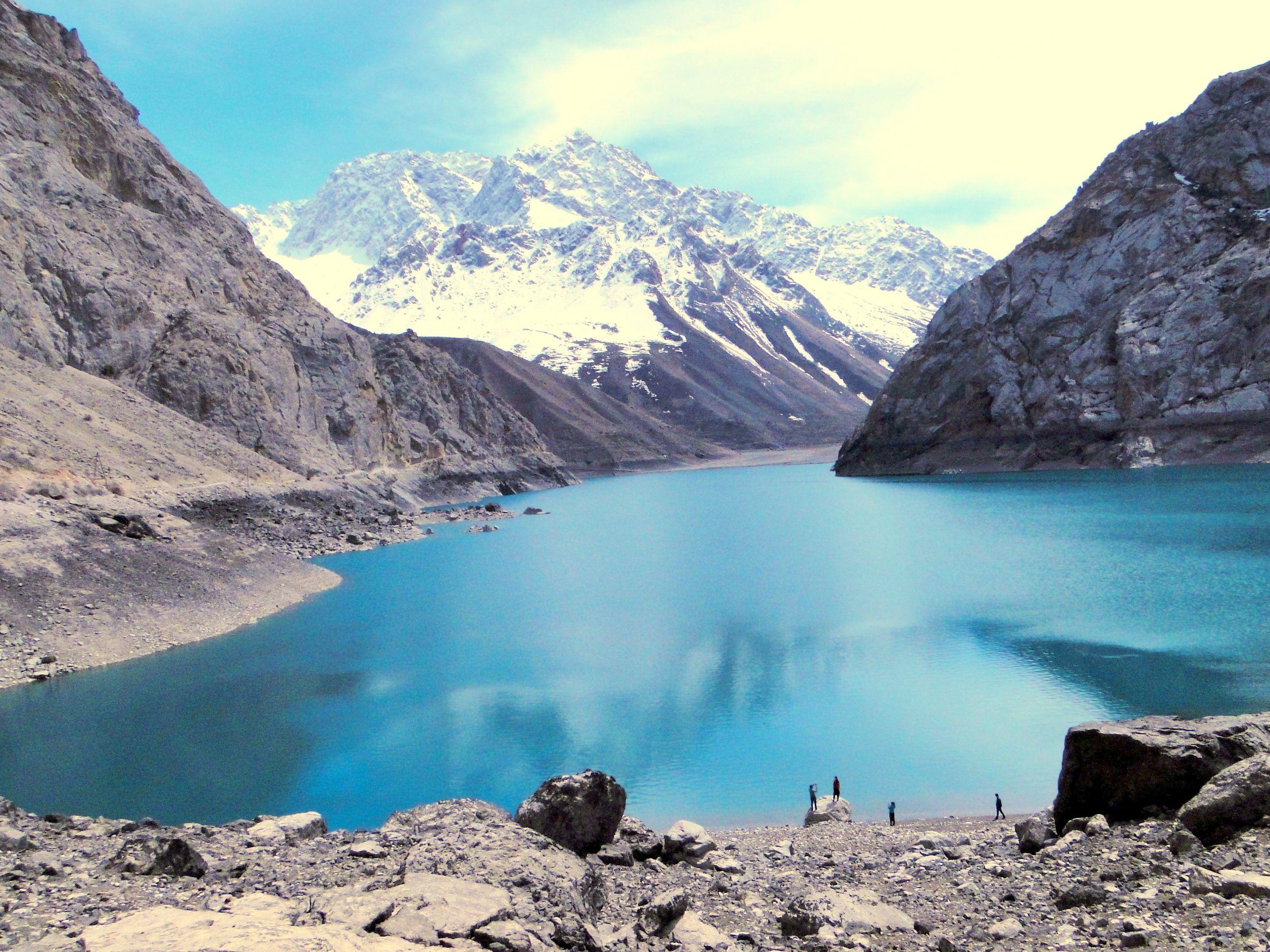
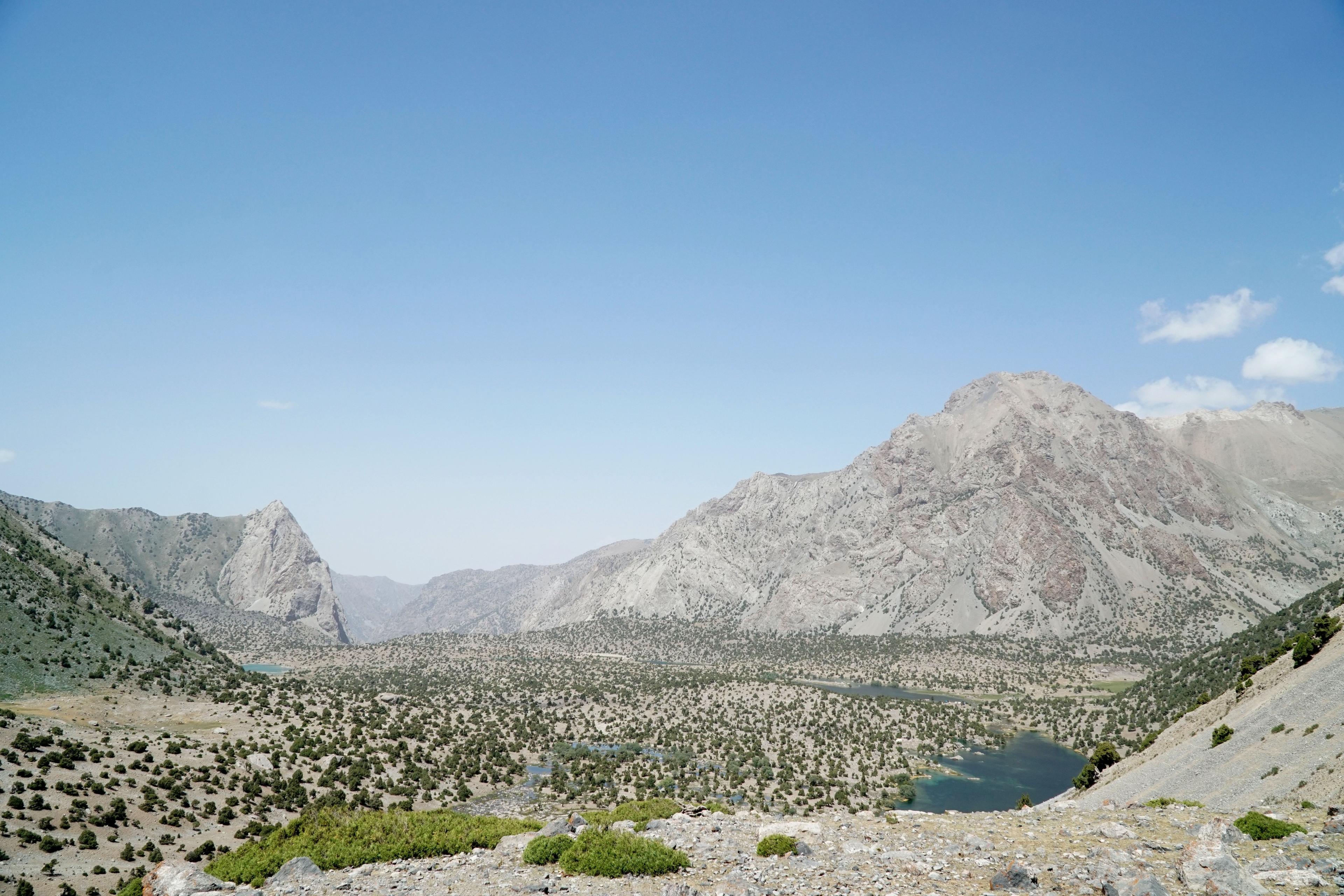
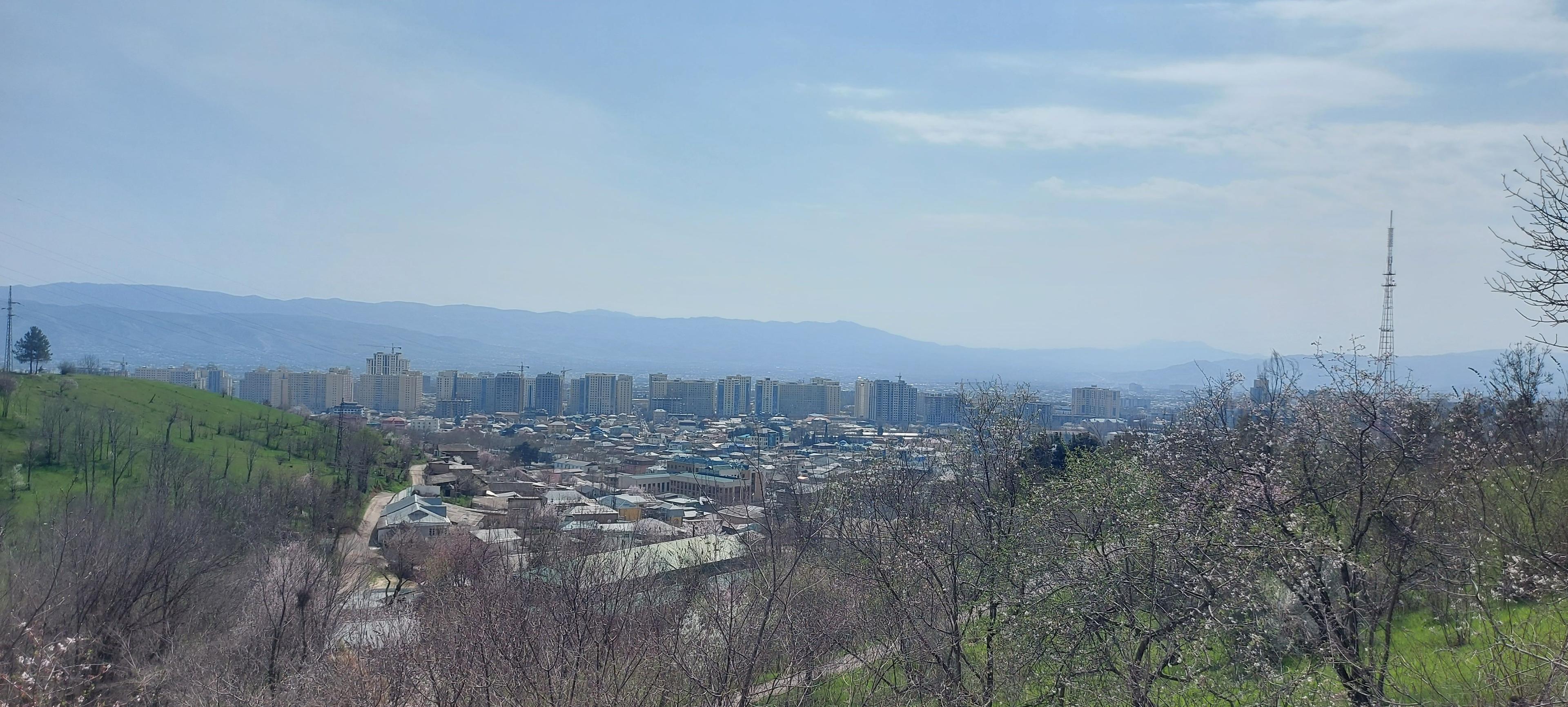
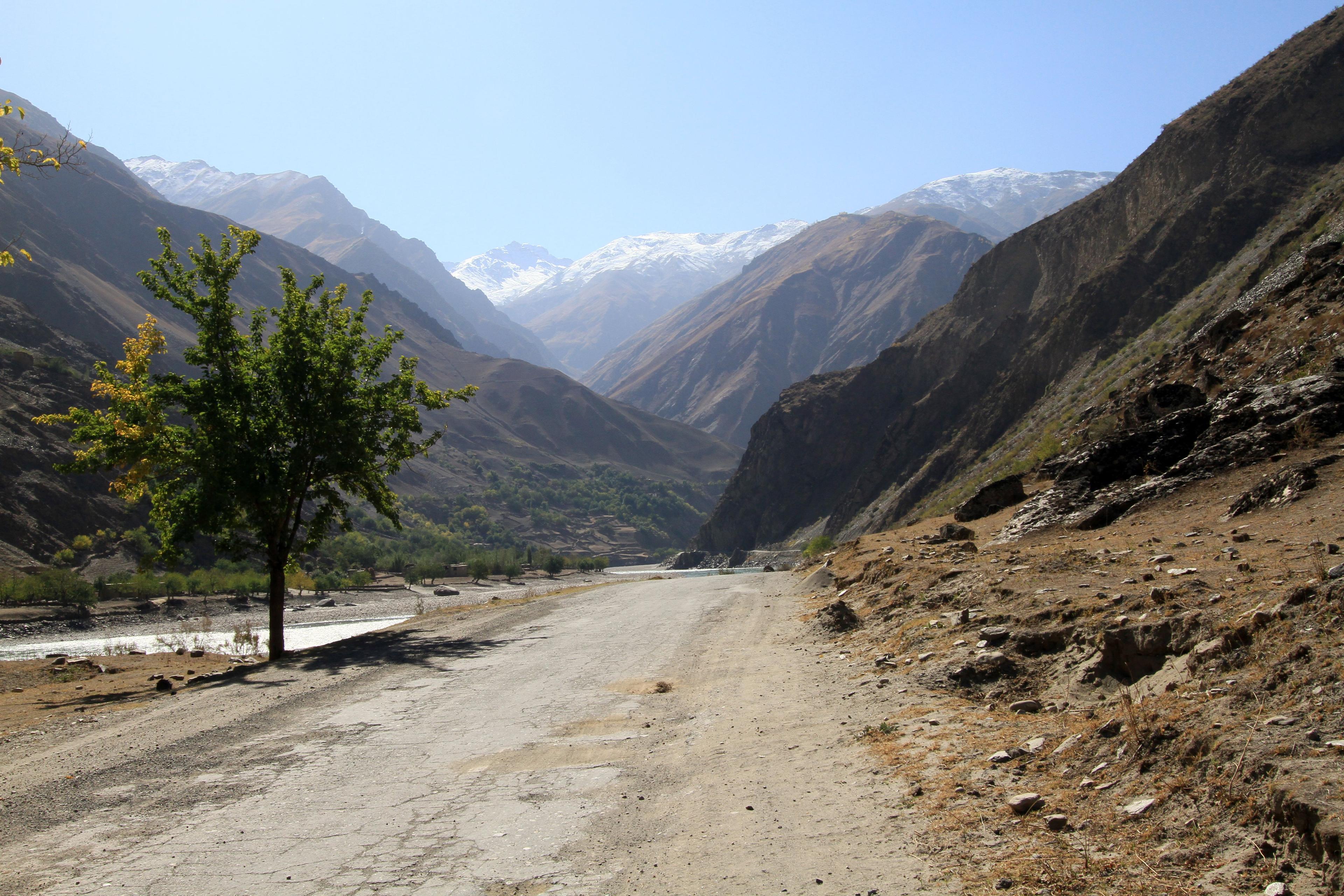
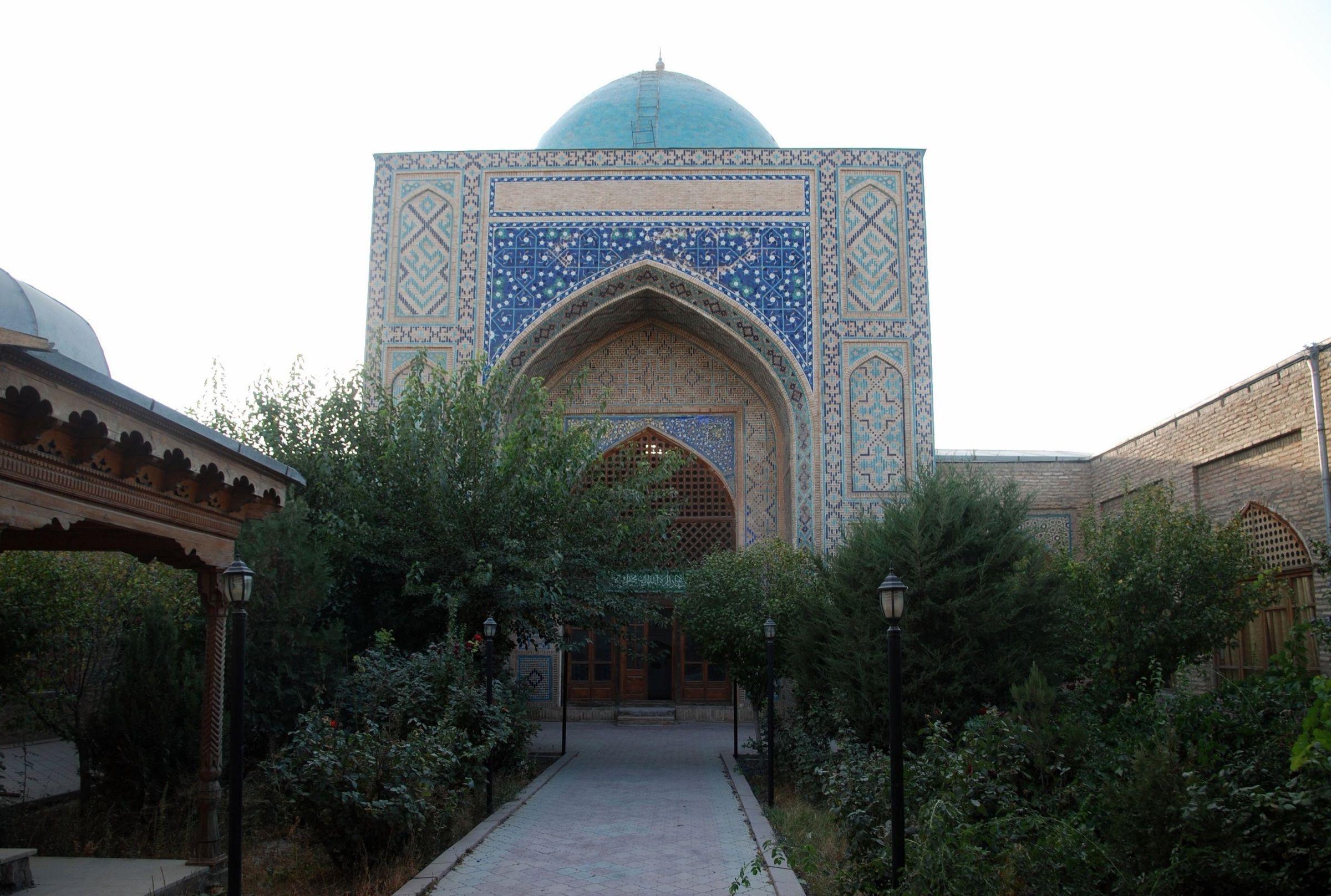
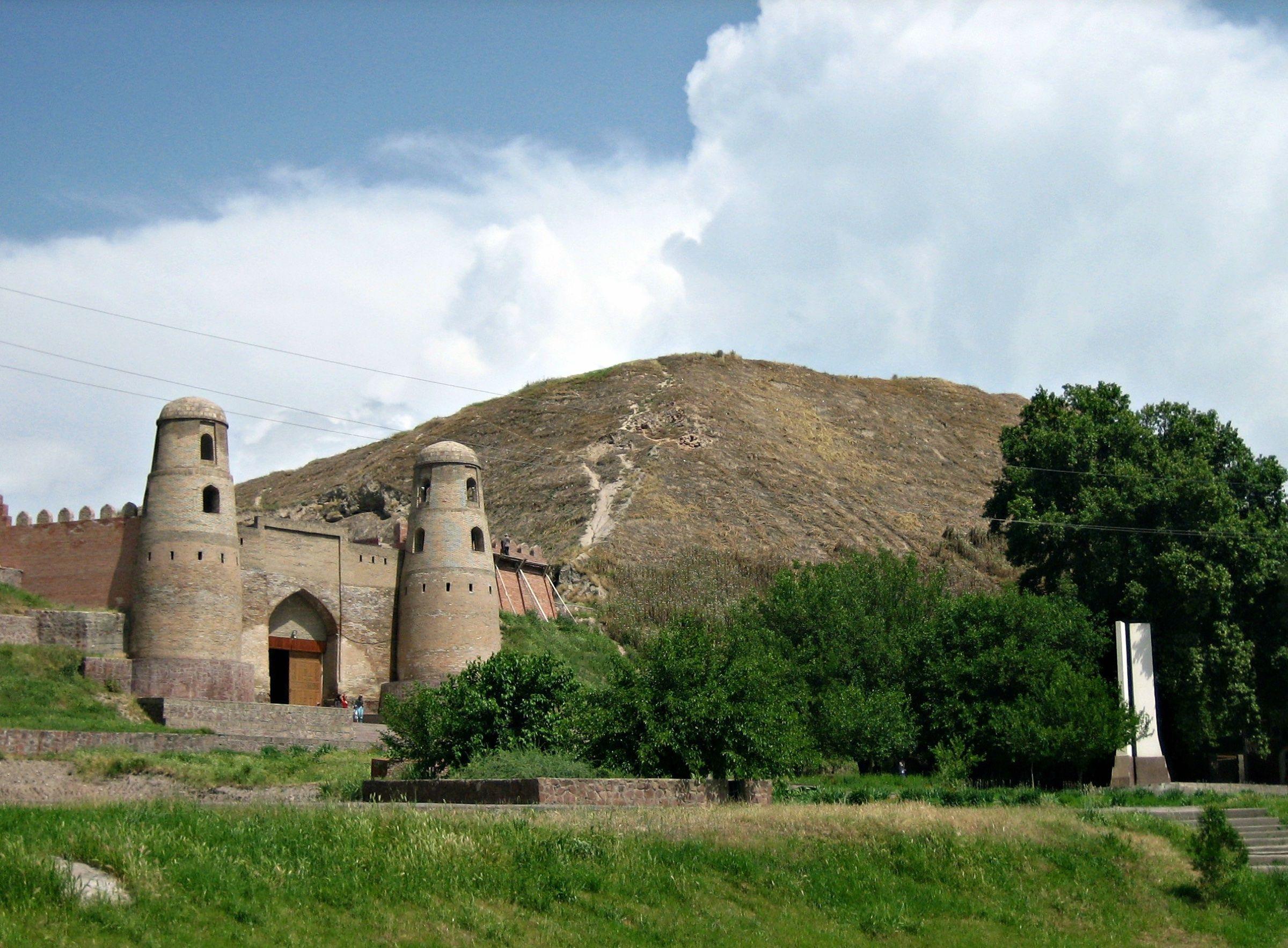
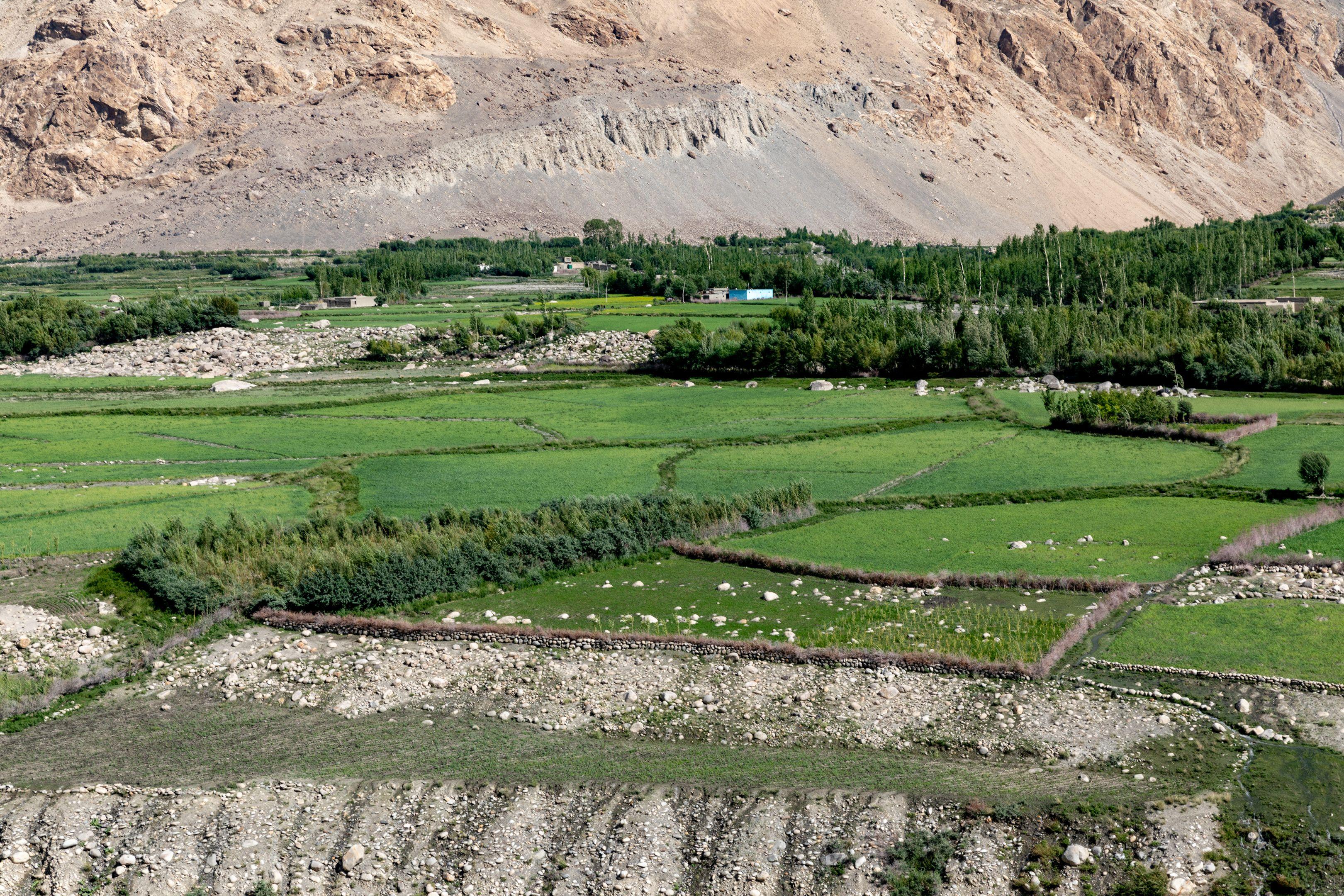
Tajikistan is the mountain half of the Silk Road story. More than nine tenths of the country is mountain, and its people speak Tajik, a form of Persian, which makes it the one Persian-speaking nation of former Soviet Central Asia. For travellers already in Uzbekistan it is remarkably close: ancient Penjikent lies about 60 kilometres east of Samarkand, and Khujand is roughly a two-and-a-half-hour drive from Tashkent. Both were part of the same Sogdian and Timurid world as Samarkand and Bukhara, and the Zarafshan river that waters Samarkand rises in Tajik glaciers. ## Regions worth knowing - The Zarafshan valley and Penjikent: the ruins of a Sogdian city of the 5th–8th centuries, the Rudaki museum and, nearby, Sarazm, a UNESCO-listed settlement some 5,000 years old. - The Fann Mountains: granite peaks above 5,000 metres, the Seven Lakes of the Shing valley, Iskanderkul and some of the best trekking in Central Asia. - Sughd in the north: Khujand on the Syr Darya, founded by Alexander as Alexandria Eschate, and the old craft town of Istaravshan. - Dushanbe and the Hisor valley: a green Soviet-planned capital with good museums, and the restored gate of Hisor fortress. - The Pamirs (Gorno-Badakhshan): the Pamir Highway, the Wakhan valley facing Afghanistan's Hindu Kush, and high-plateau villages at 3,600 metres and more. ## Combining Tajikistan with Uzbekistan The two neighbours have reopened their borders since 2018 and the crossings most useful to visitors are short. From Samarkand the Jartepa (Uzbek side) and Sarazm (Tajik side) post puts Penjikent within about an hour and a half, border formalities included, so a day trip or a two-day loop to the Seven Lakes is easy. From Tashkent the Oybek crossing (Fotehobod on the Tajik side) leads to Khujand. Typical add-ons are a 1–2 day Penjikent and Seven Lakes extension from Samarkand; a 3–4 day traverse Samarkand–Penjikent–Iskanderkul–Dushanbe, flying home from Dushanbe or returning via Termez; and a 2–3 day northern loop Tashkent–Khujand–Istaravshan. The Pamir Highway needs at least 7–10 days of its own. Direct flights link Tashkent and Dushanbe in a little over an hour. ## Visas and entry Tajikistan offers an electronic visa through its official portal, and a growing list of nationalities can enter visa-free for limited stays; rules have changed several times in recent years, so check current requirements for your passport before travel. The Gorno-Badakhshan region, including the Pamir Highway and the Wakhan valley, needs a separate GBAO permit, which can usually be requested together with the e-visa. If you are leaving Uzbekistan and returning, make sure your Uzbek entry allows it. Land borders operate in daylight hours; TourEast arranges vehicles and drivers on both sides. ## Getting around There is almost no useful rail for visitors. Travel is by car or 4x4 with a driver: the main roads from Dushanbe to Khujand and to the Fann Mountains are paved and go through long tunnels, including the Anzob tunnel at about 3,300 metres, while mountain side roads and the Pamirs are rough and slow. Allow for altitude, weather and road works, and avoid tight connections. ## Safety, etiquette and money Tajikistan is generally calm and hospitable for travellers; the main risks are roads and altitude rather than crime. Dress modestly, particularly in villages and at shrines, ask before photographing people, and accept tea when offered, as refusing outright can seem cold. Remove shoes when entering homes. The currency is the somoni (TJS). Cards work in better Dushanbe and Khujand hotels, but outside the cities cash rules: bring clean US dollar or euro notes to exchange, and carry somoni for mountain villages and homestays.
Why Visit
- Ancient Penjikent, the 'Pompeii of Central Asia', whose Sogdian murals now hang in the Hermitage and in Dushanbe
- The Seven Lakes of the Shing valley, each a different shade of blue-green, within a day of Samarkand
- Iskanderkul and the Fann Mountains: alpine lakes, granite walls and classic multi-day treks
- Khujand, one of the oldest cities in Central Asia, with its fortress and the Panjshanbe bazaar
- The Pamir Highway and the Wakhan valley, among the great high-mountain road journeys anywhere
- A Persian-speaking culture of poetry, music and hospitality, with Rudaki as its national poet
- Short border crossings from Samarkand and Tashkent that turn a Uzbekistan trip into a two-country journey
Travel Tips
- — Check visa and GBAO permit rules for your passport before booking; they change, and the Pamirs need the permit
- — The Samarkand–Penjikent crossing is the fastest way in; carry your passport and plan to reach the border in daylight
- — Bring US dollars or euros in clean, recent notes; ATMs are scarce outside Dushanbe, Khujand and Khorog
- — Mountain roads close or slow down after snow and landslides; the Fann and Pamir season is roughly June to September
- — Altitude matters: Iskanderkul is about 2,200 m and the Pamir plateau over 3,500 m, so ascend gradually and drink water
- — Homestays in villages are simple but warm; a small gift and modest clothing are appreciated
- — Mobile data works in towns but is patchy in the mountains; buy a local SIM in Dushanbe or Khujand
- — Drones need permission and border zones are sensitive; ask your guide before photographing checkpoints
Sights in Tajikistan

Plan Your Trip to Tajikistan
Combine Tajikistan with Samarkand, Bukhara and Khiva — our local experts handle border crossings, transfers and visas for one seamless Central Asia journey.
Trip builder
Prefer your own route?
Answer four questions and get a day-by-day plan with a price range — in 60 seconds.