
Sight · Village market to capital from 1924; known as Stalinabad 1929–1961
Dushanbe
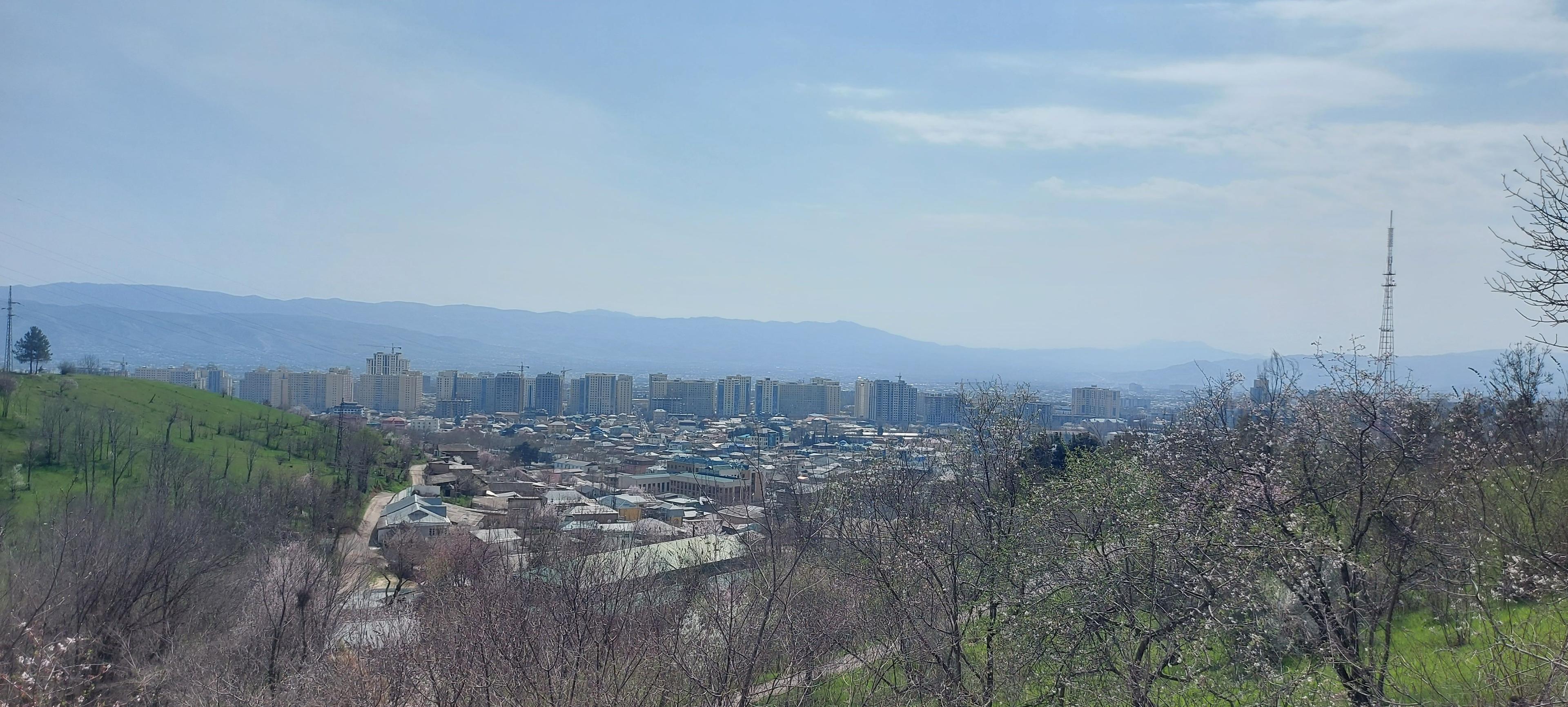
Tajikistan's leafy capital grew from a Monday market village into a planned Soviet city and, lately, a showcase of marble and monuments. Its museums, especially the National Museum of Antiquities with its reclining Buddha, repay a full day.
About
Dushanbe means 'Monday' in Tajik, after the weekly market held in the village that stood here a century ago. In 1924 it became the capital of the new Tajik autonomous republic, and in 1929, renamed Stalinabad, of a full Soviet republic; the original name returned in 1961. Planners laid out wide tree-lined avenues, irrigation channels and parks, and much of that green, low-rise character survives along Rudaki Avenue, the city's spine, even as new towers and grand public buildings have risen since independence in 1991.
Museums
The National Museum of Antiquities is the reason many historians come. Its star is a reclining Buddha in Nirvana, about 13 metres long, from the 7th–8th century Buddhist monastery of Ajina Tepa in southern Tajikistan, one of the largest surviving Buddha figures in Central Asia. Around it are Sogdian murals from Penjikent, Greco-Bactrian finds from the Oxus valley and objects from Sarazm. The large National Museum of Tajikistan, opened in 2013, covers natural history, archaeology and modern history in spacious halls.
The new monumental city
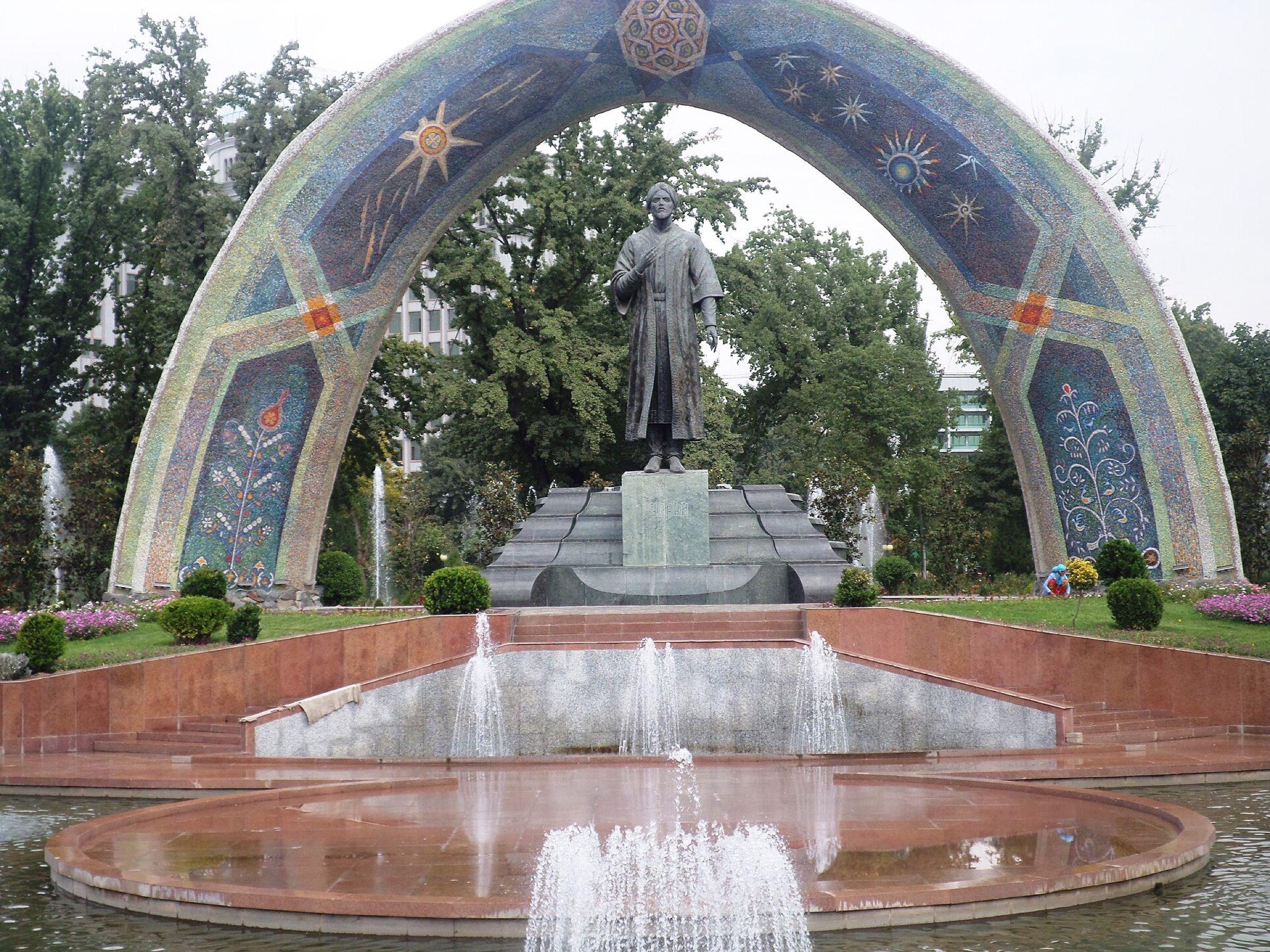
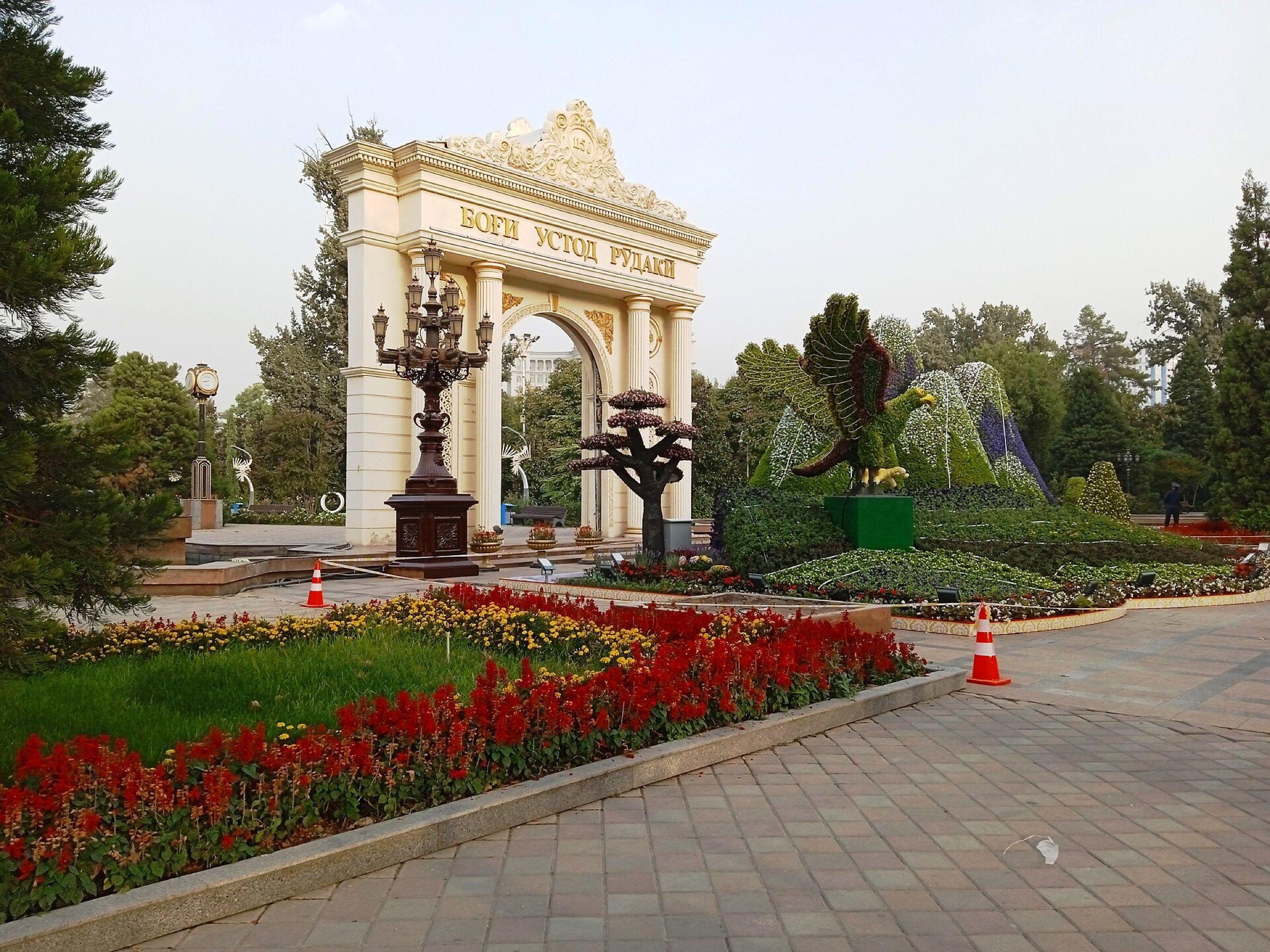
At the heart of the centre stands the monument to Ismoil Somoni, the 10th-century Samanid ruler whom Tajiks regard as the founder of their first state; his gilded figure stands under an arch, and the currency is named after him. Nearby are the Rudaki park, the Palace of Nations and one of the world's tallest flagpoles, at about 165 metres. Navruz Palace, a vast ceremonial building finished in the 2010s, displays an extraordinary amount of carved wood, stone and plasterwork by Tajik craftsmen; it can sometimes be visited.
Everyday Dushanbe
For a sense of daily life, visit the Mehrgon bazaar, housed in a modern building but traditional in its spice, dried fruit and bread sections, and drink tea in a chaikhana. In the evening Rudaki Avenue and the city parks fill with families. Twenty-five kilometres west, Hisor fortress makes an easy half-day trip.
How it fits a journey
Dushanbe is about an hour's flight from Tashkent and the gateway to the Pamir Highway. Many travellers enter Tajikistan overland from Samarkand via Penjikent and the Fann Mountains, finish in Dushanbe and fly onward, or continue south to the Uzbek border near Termez.
What to see
- The reclining Buddha of Ajina Tepa in the National Museum of Antiquities
- Sogdian murals from Penjikent
- Ismoil Somoni monument and Rudaki park
- Rudaki Avenue's tree-lined Soviet architecture
- Carved interiors of Navruz Palace, if open
- Mehrgon bazaar for dried fruit, nuts and bread
Gallery


More sights in Tajikistan
All of Tajikistan
See Dushanbe with a local guide
We build private and small-group trips around the places you want to see — with guides who grew up here.