
Sight · Sogdian city 5th–8th centuries AD; Sarazm c. 3500–2000 BC
Ancient Penjikent and the Rudaki Museum
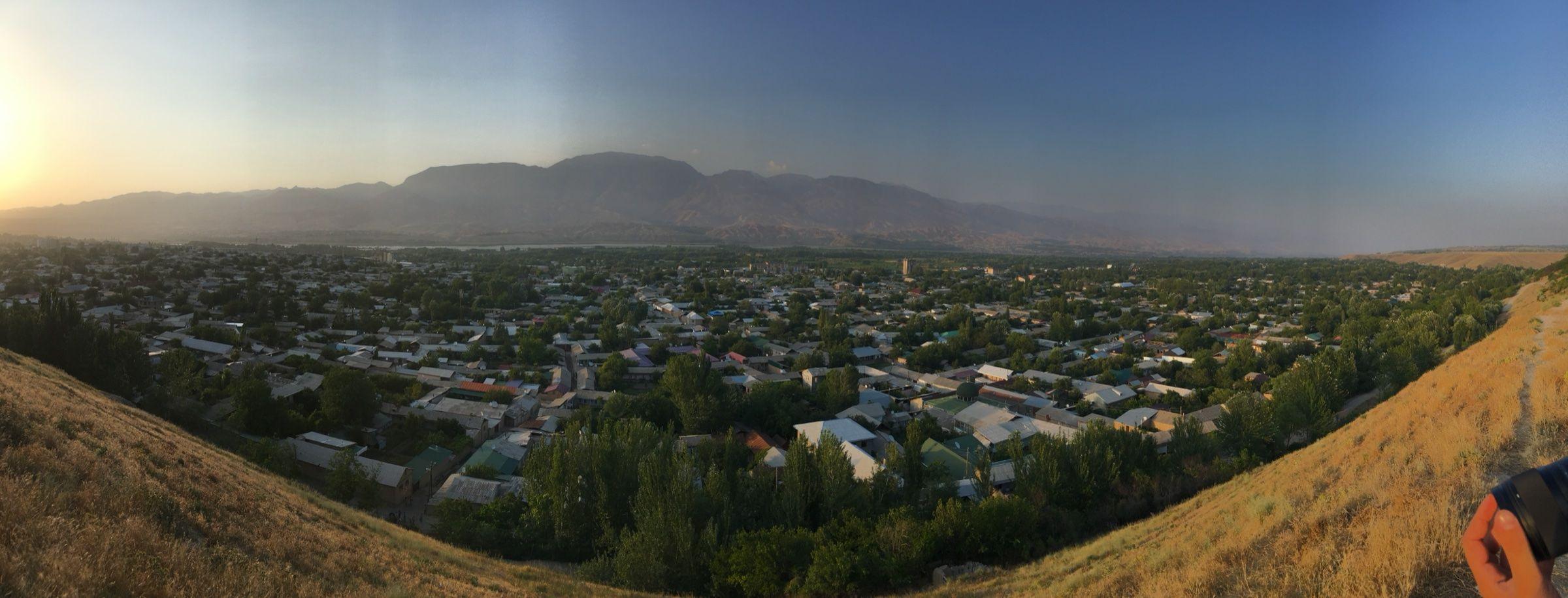
The excavated streets, temples and houses of a Sogdian merchant city, abandoned in the 8th century, on a terrace above the Zarafshan river. With the Rudaki museum and nearby Sarazm, it is the natural first stop across the border from Samarkand.
About
Penjikent (Panjakent) is the closest Tajik town to Samarkand, some 60 kilometres up the Zarafshan valley, and on its southern edge lies one of the most important archaeological sites in Central Asia. Ancient Panjakent was a Sogdian city: the Sogdians were the Iranian-speaking merchants who ran much of the Silk Road trade between China and Persia, and Samarkand was their capital. Panjakent was smaller and provincial, but because it was abandoned rather than rebuilt over, its plan survives almost intact.
A city frozen in the 8th century
The town flourished from the 5th century until the Arab conquest of the 720s. Its last notable ruler, Divashtich, resisted the Arab advance, retreated to a fortress on Mount Mugh in the upper Zarafshan and was executed in 722; documents in Sogdian found there in 1932 are among the key sources for the period. Panjakent limped on for a few more decades and was deserted by about the 780s. Systematic excavation began in 1946 and continued for decades under Alexander Belenitsky and later Boris Marshak, who devoted most of his life to the site.
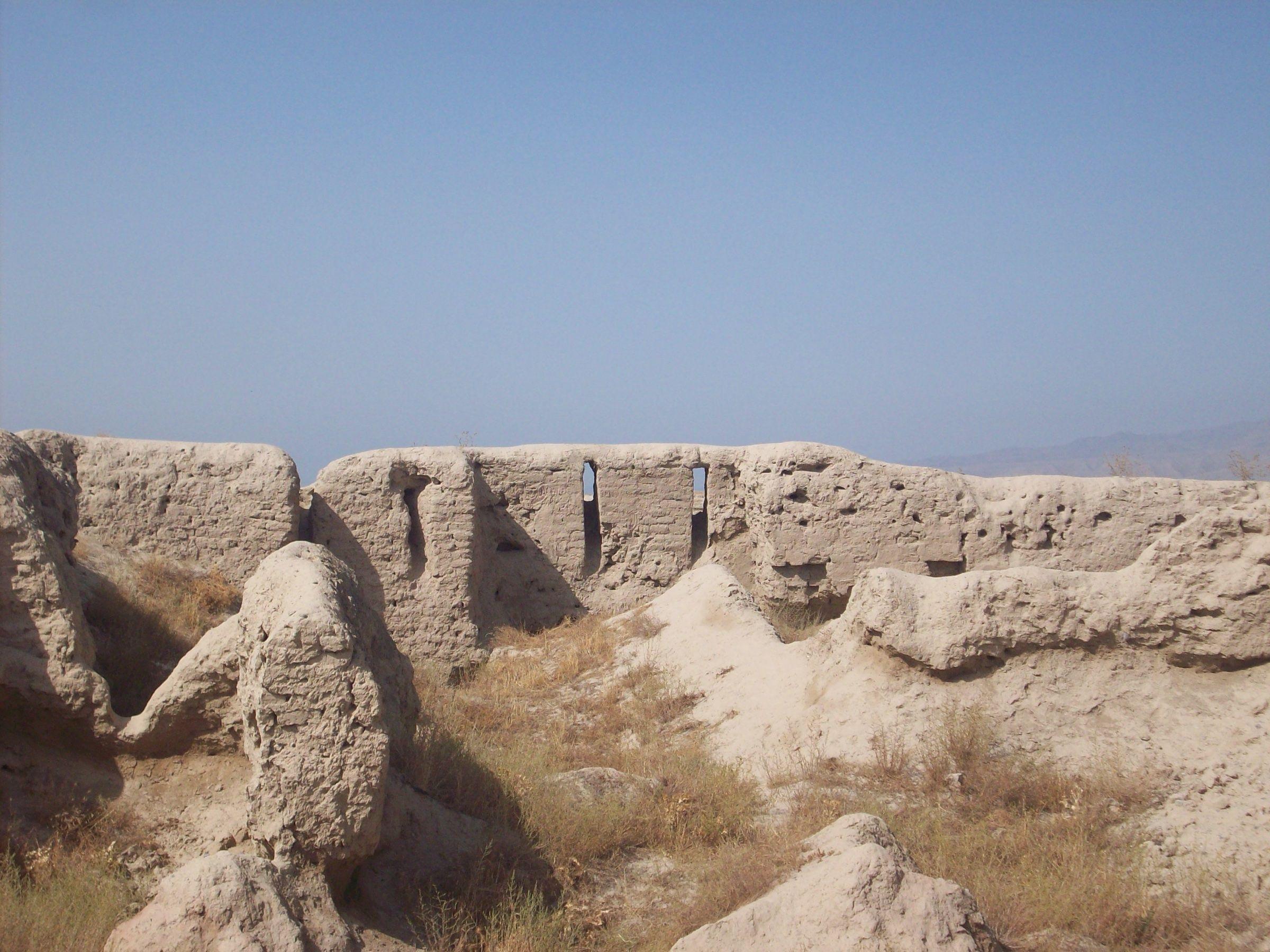
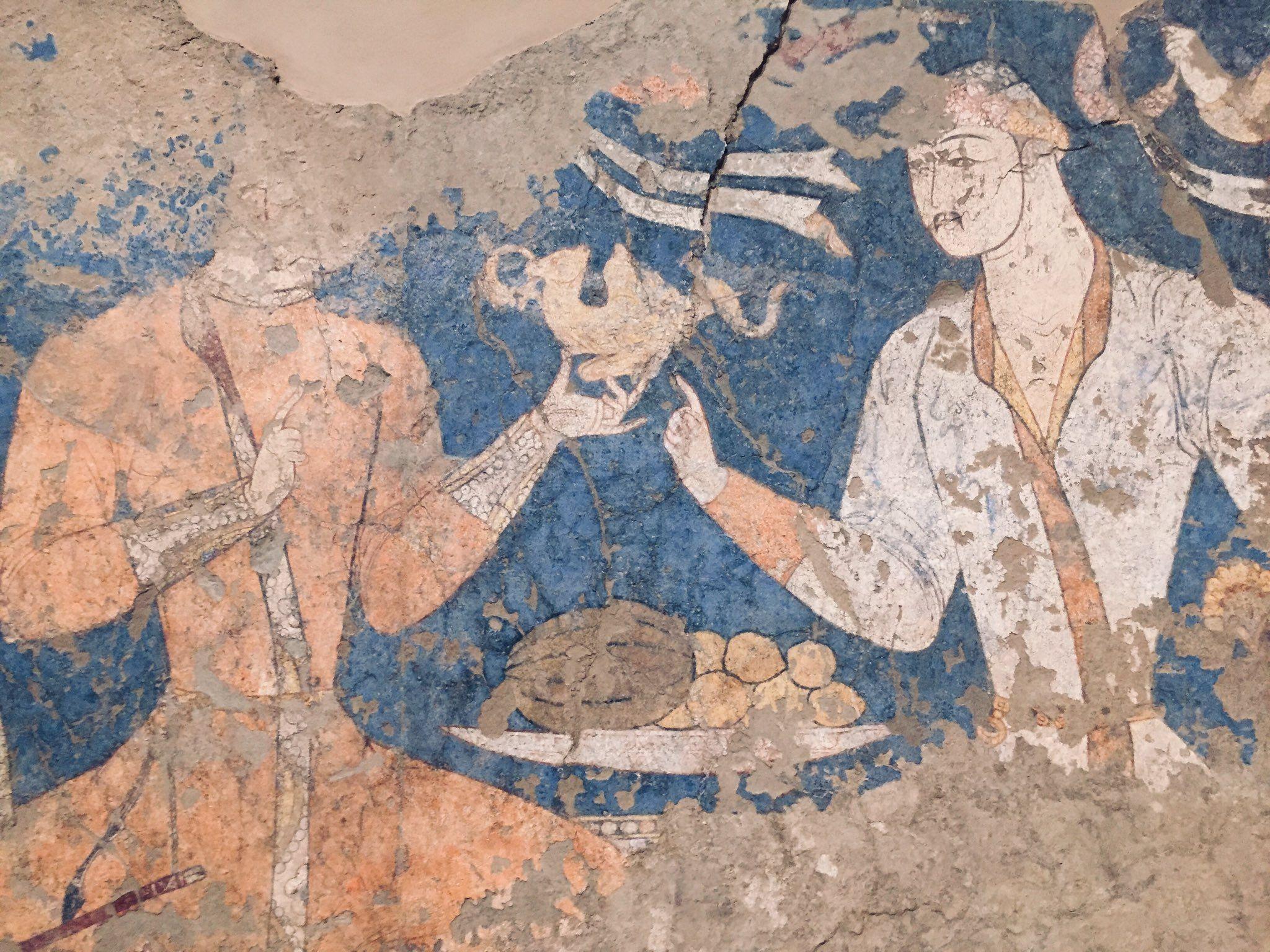
What they found was a walled town of about 13 hectares with a citadel, two temples, a bazaar street and blocks of two- and three-storey houses. Many of the reception rooms were painted from floor to ceiling with murals: banquets, funerals, gods with many arms, and long illustrated cycles of epic tales, including a hero often identified with Rustam. The best paintings were removed for conservation and are now in the State Hermitage in St Petersburg and the National Museum of Antiquities in Dushanbe. On site you see the mud-brick walls, streets and room outlines; it takes some imagination, and a good guide, to repopulate them.
The Rudaki museum
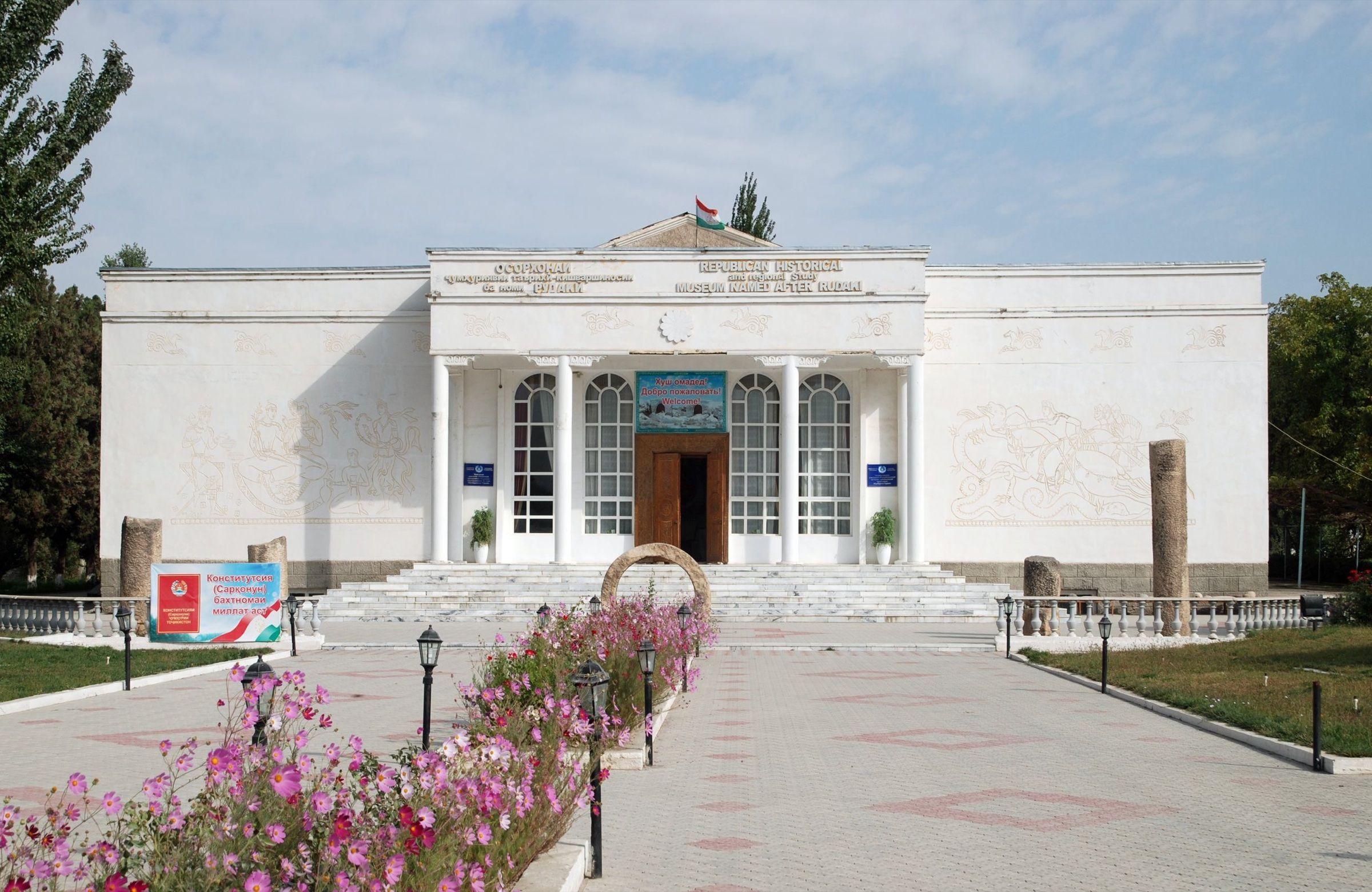
In the modern town, the regional history museum named after the poet Rudaki puts the ruins in context, with finds from the excavations, copies of murals, ethnography and material from Sarazm. Abu Abdullah Rudaki, born in the 9th century in the village of Panjrud upriver, is honoured as the first great poet of the Persian language and is a national symbol of Tajikistan; his mausoleum in Panjrud can be added on the way to the Fann Mountains.
Sarazm
About 15 kilometres west, almost at the Uzbek border, Sarazm was inscribed by UNESCO in 2010 as one of the earliest proto-urban settlements in Central Asia, occupied from roughly the 4th to the late 3rd millennium BC. Its people traded turquoise, lapis lazuli and metal across a huge area. Excavated houses and a burial known as the 'Princess of Sarazm' are protected under shelters, and the Jartepa–Sarazm border crossing takes its name from it.
How to visit
Cross from Samarkand in the morning, visit Sarazm, the ancient city and the museum, then either return to Samarkand the same evening or continue to the Seven Lakes or Iskanderkul. Come early or late in the day: the excavation site has almost no shade.
What to see
- The citadel mound and the view over the Zarafshan valley
- Excavated street plan with temples, bazaar and multi-storey houses
- Copies and fragments of Sogdian murals in the Rudaki museum
- Sarazm, a UNESCO site of the 4th–3rd millennium BC near the border
- The story of Divashtich and the Mount Mugh documents
- Optional detour to Rudaki's mausoleum at Panjrud
Gallery
More sights in Tajikistan
All of Tajikistan

See Ancient Penjikent and the Rudaki Museum with a local guide
We build private and small-group trips around the places you want to see — with guides who grew up here.