A complete Uzbekistan and Tajikistan itinerary for 10 to 14 days: Tashkent, Samarkand, the Jartepa border, Panjakent, the Seven Lakes or Iskanderkul, Dushanbe, then back into Uzbekistan by air or via the southern border for Bukhara and Khiva. Which crossing to use, the Tajik e-visa and days needed.
Facts, prices and schedules checked on November 4, 2026
Uzbekistan and Tajikistan fit together better than any other pair of Central Asian countries. Samarkand is an hour from the Tajik border; Panjakent, the first town on the other side, was a Sogdian city in the same civilisation that built Afrasiyab; and the Fann Mountains rise directly behind it, with turquoise lakes at 2,000 metres and more, a day's drive from the Registan.
This is a full Uzbekistan and Tajikistan itinerary for 10 to 14 days, not just the Panjakent day trip that many travellers add to Samarkand. It runs Tashkent, Samarkand, the Jartepa border, Panjakent, the Seven Lakes or Iskanderkul, Dushanbe, and then back into Uzbekistan to finish with Bukhara and Khiva. We explain which border to use in which direction, the Tajik e-visa, how many days the mountains really need, and how the Uzbek legs are arranged. Times and prices are as of November 2026.
We are an Uzbekistan operator. We do not run tours in Tajikistan, but we plan the Uzbek side so that it meets your Tajik days cleanly, and we can advise on what works.
Why combine Uzbekistan and Tajikistan?
The two countries are complementary rather than similar. Uzbekistan has the architecture: Samarkand, Bukhara and Khiva are the Silk Road cities everyone imagines. Tajikistan has the mountains: more than nine tenths of the country is highland, and the Fann range, just across the border from Samarkand, is the most accessible part of it.
A combined trip gives you:
- Monuments and bazaars in Samarkand and Bukhara, then alpine lakes and village homestays within a day of each other.
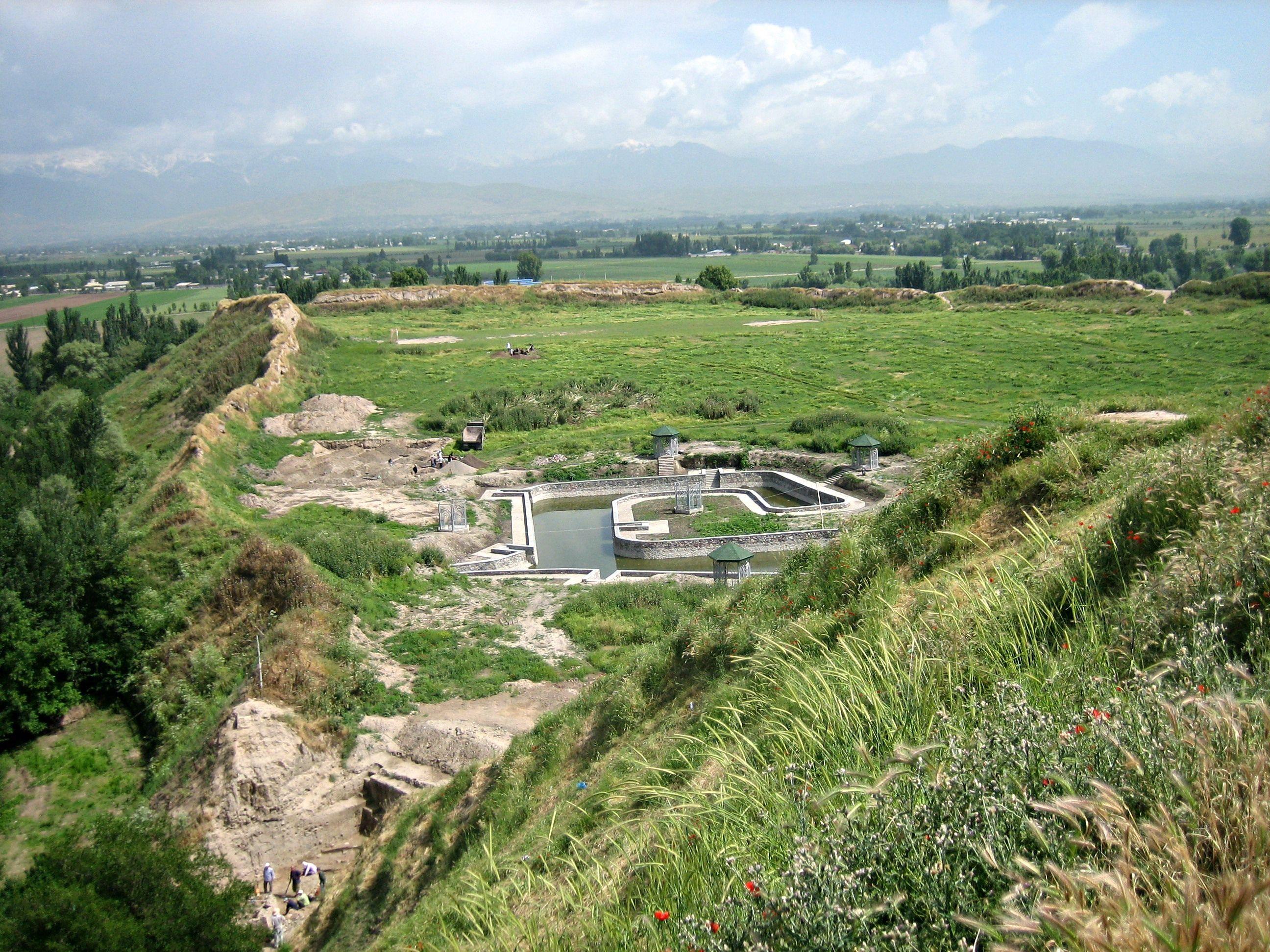
- Panjakent's Sogdian ruins and the Sarazm site, a UNESCO-listed settlement from the fourth millennium BC, which belong to the same story as Afrasiyab in Samarkand.
- Dushanbe, a leafy, low-rise capital that surprises most visitors, with the National Museum's Buddha in Nirvana and the Rudaki Park.
- A loop that never doubles back, if you use the right borders and one flight.
The Pamir Highway is a separate undertaking of a week or more and is covered in its own guide. This itinerary stays west of Dushanbe, where the roads are shorter and the mountains are reachable in two or three days.
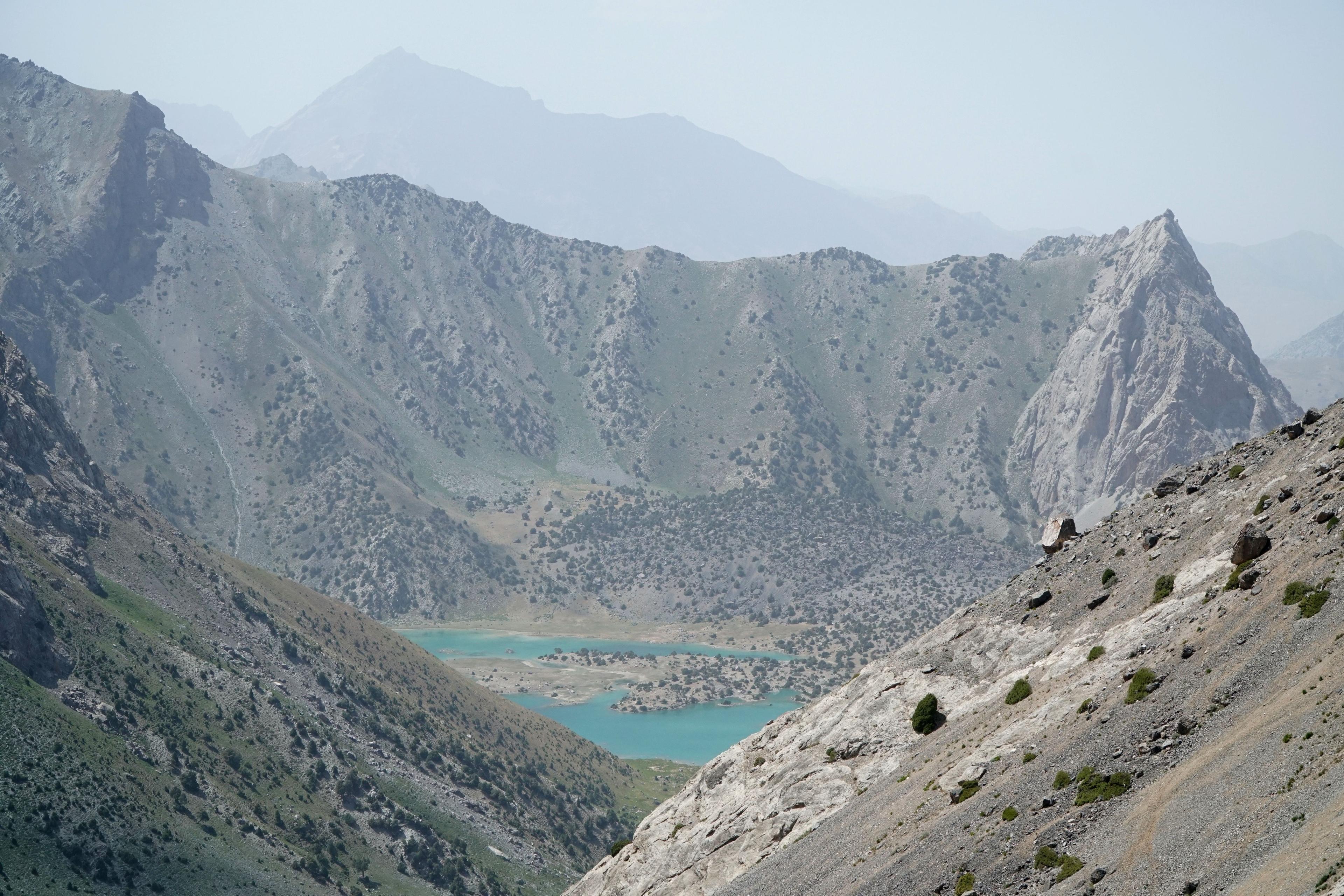
Which border to use: Jartepa, Oybek or the southern crossings
There are four crossings that matter for this route, and the choice decides the shape of the trip.
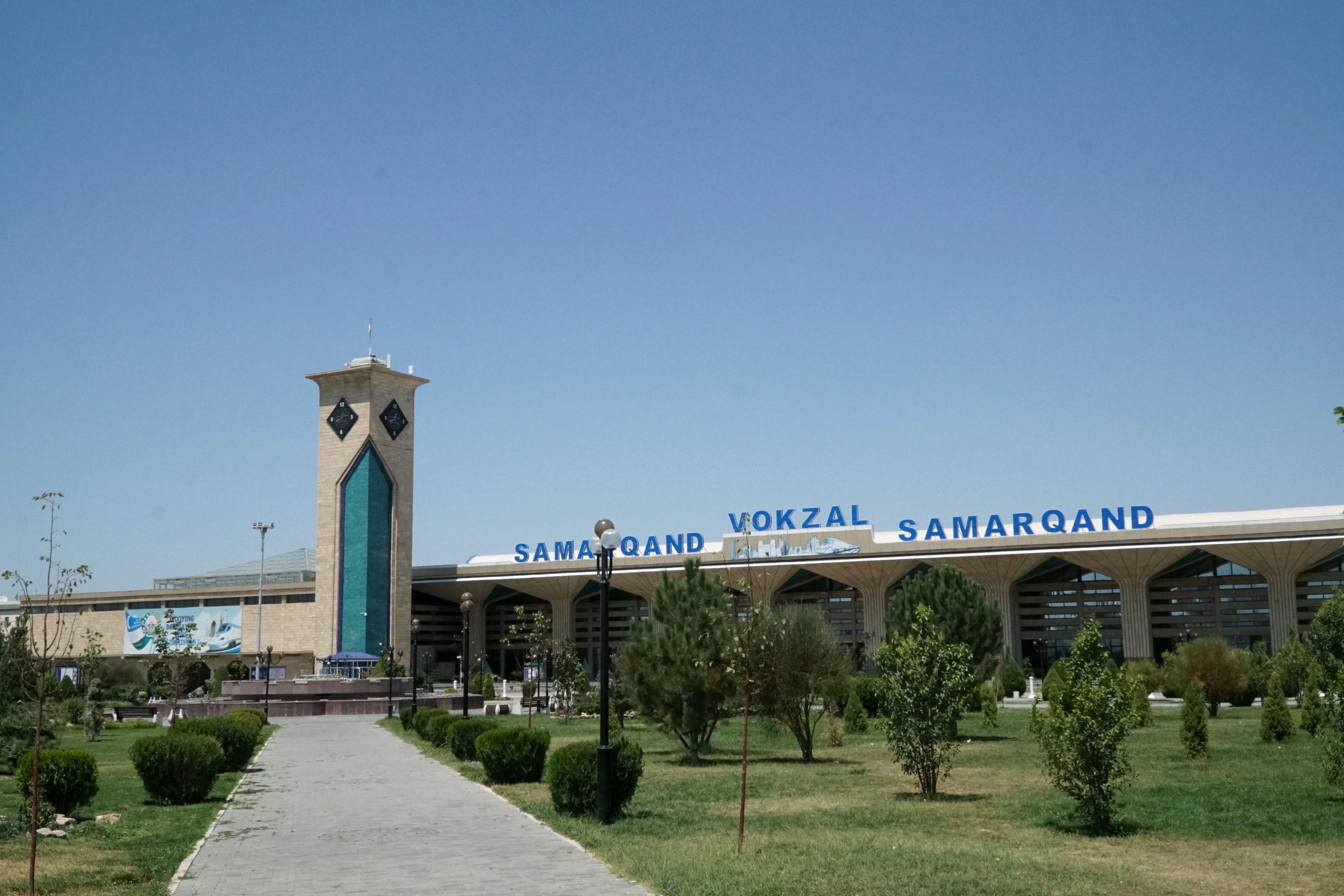
- Jartepa (Uzbekistan) to Sarazm (Tajikistan): about 45 km from Samarkand and 20 km from Panjakent, open around the clock and usually quick, an hour or less. This is the one to use between Samarkand and the Fann Mountains.
- Oybek (Uzbekistan) to Fotehobod (Tajikistan): the crossing between Tashkent and Khujand, about 1.5 hours from Tashkent. Useful if you start in Khujand and the north.
- Sariosiyo (Uzbekistan) to Bratstvo (Tajikistan): the southern road crossing between Denau in Surkhandarya and Tursunzoda, about 70 km west of Dushanbe. Open 24 hours and the busiest Tajik crossing. This is how you re-enter Uzbekistan by road from Dushanbe.
- Bekobod to Khashtyak: a daytime crossing near Khujand, less convenient for tourists.
The cleanest shape is a loop: enter Tajikistan at Jartepa from Samarkand, leave from Dushanbe either by air to Tashkent or by road through Sariosiyo, and continue to Termez and Bukhara. Each border is crossed once, and Uzbekistan's visa-free regime allows re-entry without extra paperwork for most nationalities.
Whatever you choose, carry your passport, a printout of your Tajik e-visa if you need one, and copies of your Uzbek hotel registrations. Allow up to two or three hours at any crossing on summer weekends, even if the usual time is under an hour.
Tajikistan e-visa and GBAO permit in 2026
Many nationalities now enter Tajikistan visa-free for short stays, including most EU countries, the UK by some accounts but not by the UK government's own advice, and a growing list added by decree in 2024. The list changes, so check the Tajik Ministry of Foreign Affairs or your embassy before you book. Travellers who are not on it, and anyone who wants certainty, use the e-visa:
- Apply at evisa.tj, the official portal; third-party sites add service fees and sometimes deliver nothing.
- The single-entry e-visa is quoted at US$30 by the Tajik embassy in Malaysia (March 2026) and at US$50 by several travel sources. Expect US$30 to 50. Multiple entry costs more.
- Processing is typically three to five working days; apply at least two weeks before travel.
- The GBAO permit, US$20, is only needed for the Pamirs. The Fann Mountains, Panjakent and Dushanbe do not require it.
For Uzbekistan, most European, East Asian, Gulf and many other passports have 30 days visa-free, and the clock restarts each time you enter, so leaving for Tajikistan and coming back is not a problem. Nationalities that need the Uzbek e-visa should apply for a double-entry version if they plan to return by land or air. Our visa guide has the details.
Tajikistan also requires registration for stays over ten days in some circumstances; hotels handle it, and homestays in the mountains generally do not need it for short stays. Ask your Tajik host or operator.
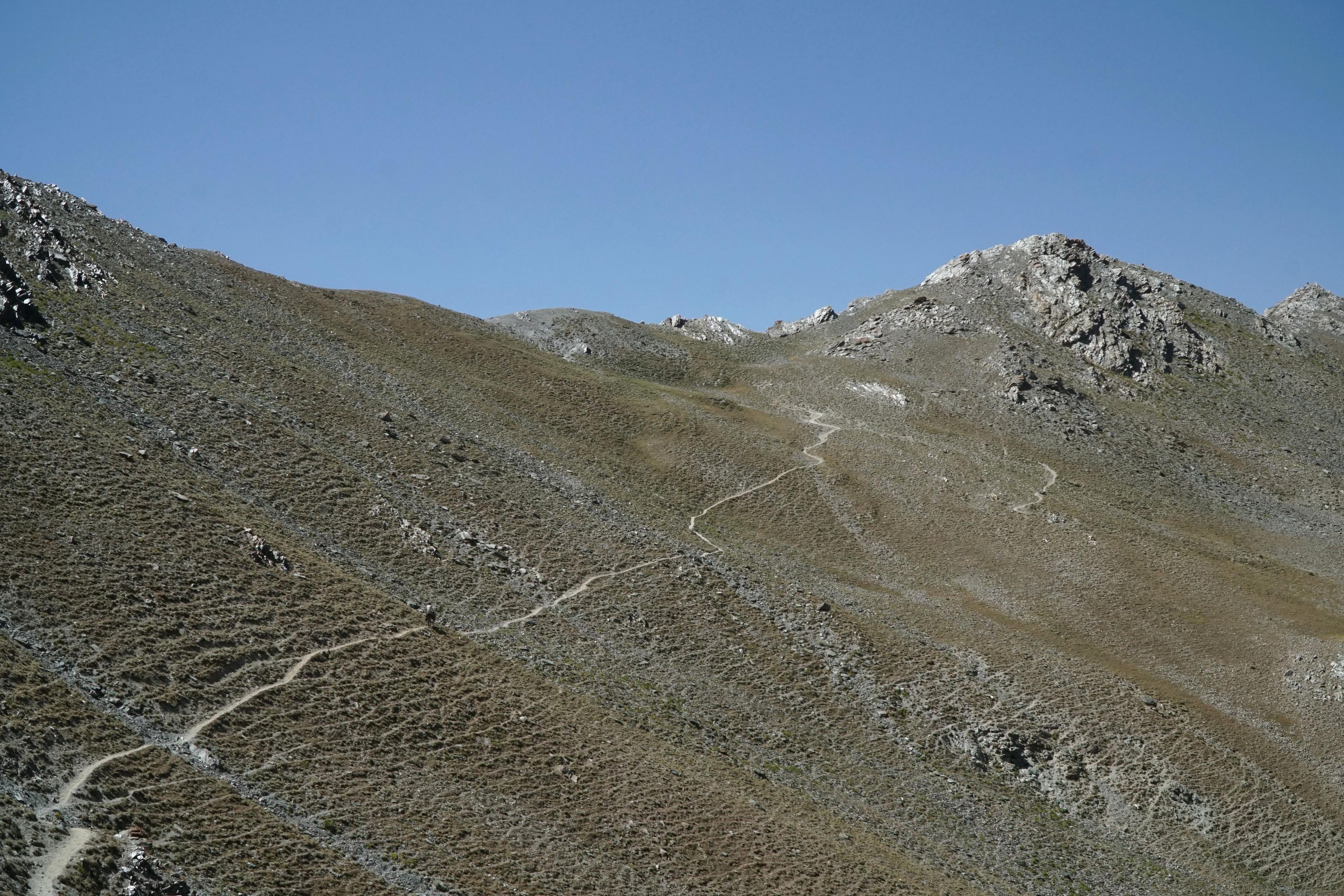
The 14-day Uzbekistan and Tajikistan itinerary, day by day
Days 1–2: Tashkent. Arrive, recover, see the Khast-Imam complex and the Chorsu Bazaar, ride the metro, eat plov at the Plov Centre. Evening train or next-morning Afrosiyob to Samarkand.
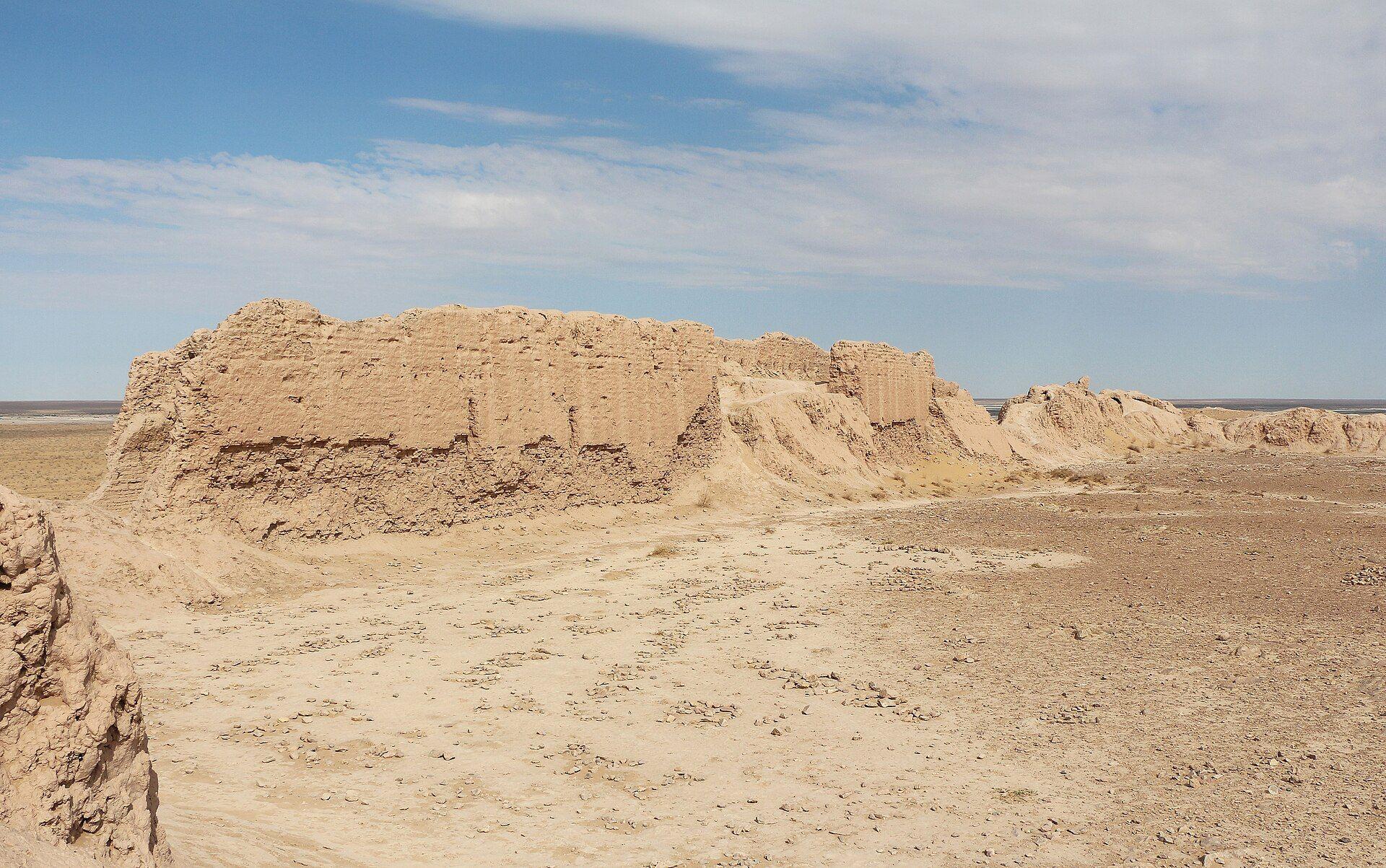
Days 3–4: Samarkand. Registan, Shah-i-Zinda, Gur-e-Amir, Bibi-Khanym, the Ulugh Beg Observatory and the Afrasiyab museum, whose murals set up what you will see in Panjakent.
Day 5: Samarkand to Panjakent. Morning drive to Jartepa, cross on foot, Tajik driver on the far side. Panjakent is 20 km on. Visit the Sarazm excavation, the ancient Panjakent ruins on the bluff above the Zeravshan and the Rudaki museum. Sleep in Panjakent.
Days 6–7: Seven Lakes (Haft Kul). Drive south into the Shing valley, where seven lakes step up the gorge, each a different colour. Stay two nights in a homestay at the fifth or sixth lake and walk up to the seventh, Hazorchashma, on the second day. This is the gentlest way into the Fann Mountains.
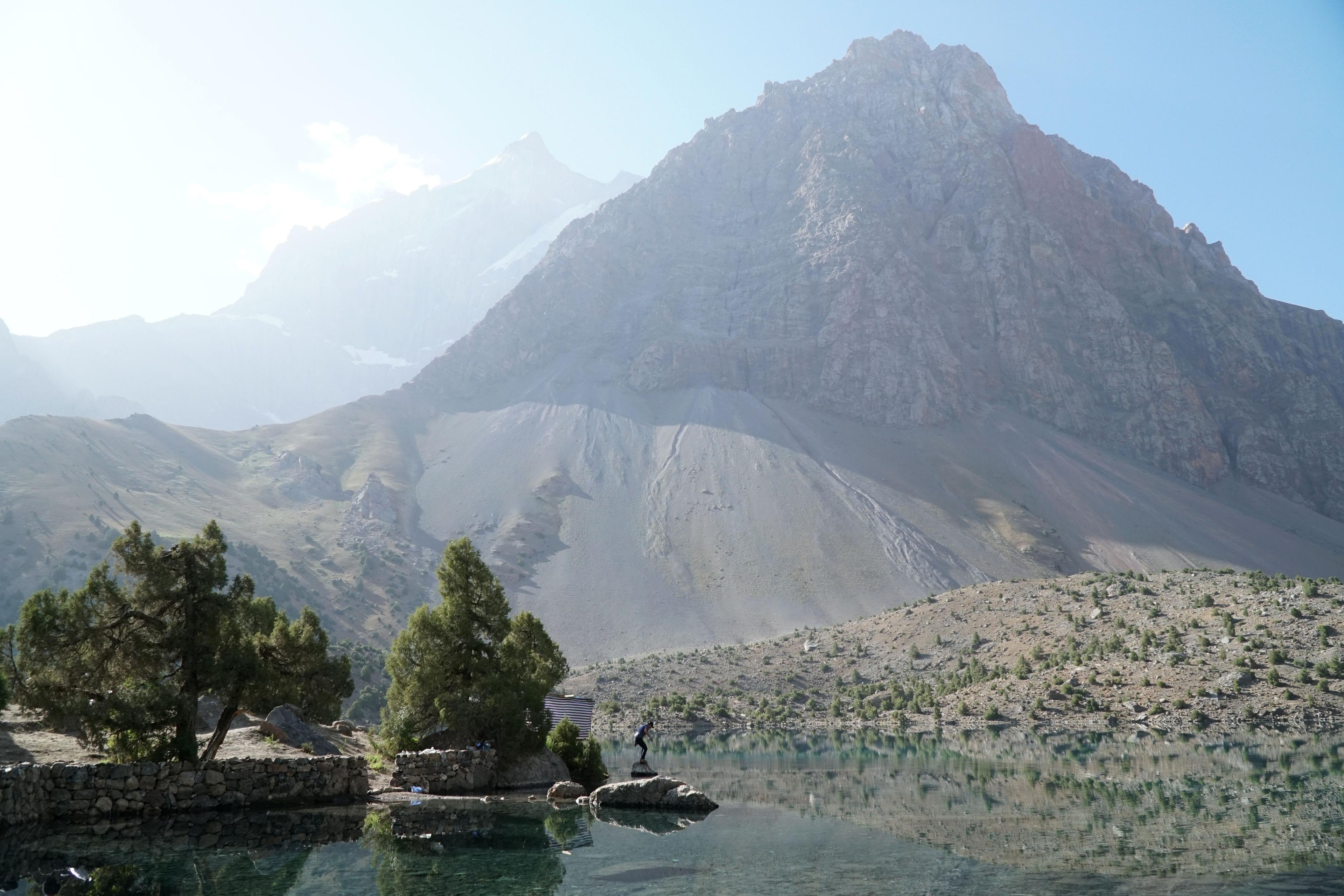
Day 8: Panjakent to Iskanderkul. Back to the main road, then east along the Zeravshan to Ayni and up to Iskanderkul, a large lake at about 2,200 metres below the Fann peaks. Sleep at the lake.
Day 9: Iskanderkul to Dushanbe. Walk to the waterfall in the morning, then drive over the pass and through the Anzob (Istiklol) tunnel to Dushanbe, about 130 km and three hours. Afternoon in the capital.
Day 10: Dushanbe. National Museum, Rudaki Park, the flagpole and the bazaars. Optional half-day to Hisor fortress, 25 km west.
Day 11: Dushanbe to Termez. Road to the Bratstvo–Sariosiyo border, cross, continue through Denau to Termez, about five to six hours in all. Or fly Dushanbe to Tashkent, about an hour, and take the Afrosiyob to Bukhara the same day.
Day 12: Termez to Bukhara. Buddhist sites at Fayaz Tepa and Kara Tepa in the morning, then the long road or the evening train to Bukhara.
Days 13–14: Bukhara. Po-i-Kalyan, the Ark, Lyabi-Hauz and the trading domes, with a second day for the Samanid Mausoleum and Sitorai Mohi-Hosa. Fly home from Bukhara, or from Tashkent after the Afrosiyob.
With 16 days, add Khiva: train from Bukhara, two nights, fly Urgench to Tashkent.
The 10-day version: Samarkand, Fann Mountains, Dushanbe, Bukhara
Ten days means choosing one mountain destination, not both, and flying back.
- Day 1: Tashkent, then afternoon Afrosiyob to Samarkand.
- Days 2–3: Samarkand.
- Day 4: Jartepa border, Panjakent, Sarazm and the old city. Sleep in Panjakent.
- Days 5–6: Iskanderkul, two nights, with a day for the lake circuit or a walk towards the Fann peaks. (Swap for the Seven Lakes if you prefer villages to open water.)
- Day 7: Dushanbe, via the tunnel. Afternoon and evening in the city.
- Day 8: Morning flight Dushanbe to Tashkent, Afrosiyob to Bukhara by evening. Or an early flight and a day in Tashkent with the Bukhara train the next morning.
- Days 9–10: Bukhara, then fly out from Bukhara or return to Tashkent by train.
The weakness of the 10-day plan is Day 8, which is a travel day with two connections. Flights between Dushanbe and Tashkent run several times a week with Uzbekistan Airways and Somon Air and take about an hour; check the days before you fix the rest. A state-run bus between the two capitals via Sariosiyo also started in 2026, but it is a long day and only worth it if the flight days do not fit.
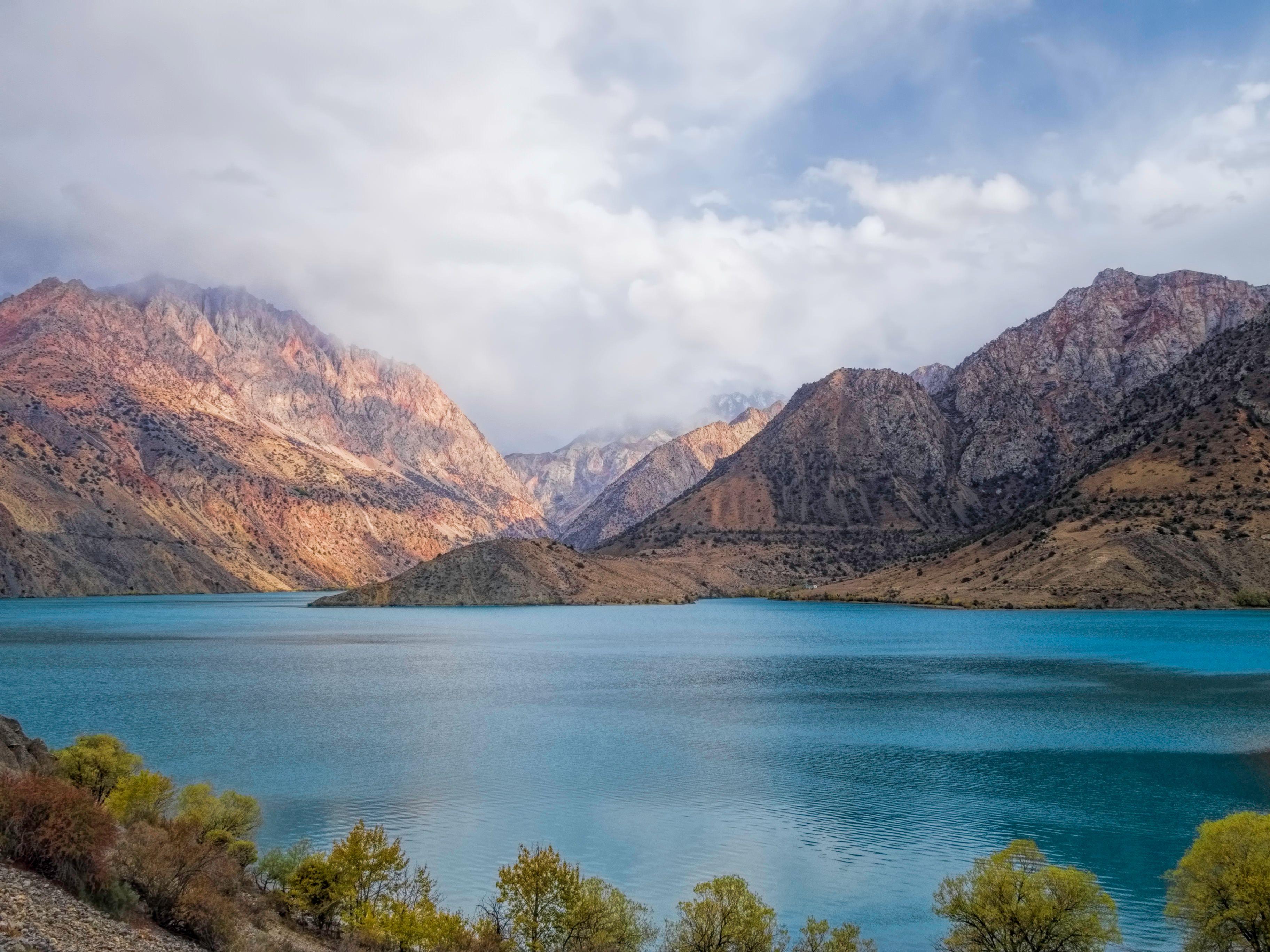
Seven Lakes or Iskanderkul: which to choose?
If you have time for only one, the choice is about what you want from the mountains.
Seven Lakes (Haft Kul, also called the Marguzor lakes):
- About 60 km south of Panjakent on a rough road; two to three hours by 4x4.
- Seven lakes in a chain at 1,600 to 2,400 metres, villages between them, homestays with family meals.
- Walking is easy to moderate: lake to lake on the road, or the half-day climb to the seventh.
- Best for travellers who want village life and gentle days. No big peaks in view.
Iskanderkul:
- On the way between Panjakent and Dushanbe, so it costs no extra driving.
- One large lake at about 2,200 metres with a 40-metre waterfall nearby and real Fann peaks above.
- A couple of simple guesthouses and a Soviet-era turbaza. Fewer villages, more scenery.
- Best for a two-night stop with one full day of walking, and for photographers.
Serious trekkers go further, to the Alaudin and Kulikalon lakes from the Artuch camp or the Alaudin camp, three to five days with a tent or in camp huts. That is a different trip and needs a Tajik trekking operator; our hiking in Uzbekistan guide covers the gentler options on our side of the border.
Season: the lakes are open from late May to early October. Snow closes the high passes outside those months, and the Seven Lakes road can be cut by spring floods in May.
How the Uzbek legs are arranged
On the Uzbekistan side, the itinerary runs on trains and private cars:
- Tashkent to Samarkand: the Afrosiyob high-speed train, about two hours and ten minutes, several departures a day. Book as soon as sales open, 45 to 60 days ahead for most trains.
- Samarkand to Jartepa: private car, about an hour. Your driver waits while you cross on foot, then leaves; a Tajik car meets you at Sarazm.
- Sariosiyo to Termez and Bukhara: private car through Denau to Termez (about 2.5 hours), then the evening train or a five-hour drive to Bukhara the next day.
- Dushanbe to Tashkent flight, then Afrosiyob or the evening train to Bukhara.
- Bukhara to Khiva: the daytime high-speed train, about four hours, as covered in our Bukhara to Khiva guide.
On the Tajik side, you need a licensed Tajik driver or operator for the mountain roads; shared taxis exist between Panjakent, Ayni and Dushanbe, but not to the lakes. Typical 2026 prices for a car and driver in Tajikistan are US$80 to 150 a day depending on the vehicle, with homestays at US$15 to 25 per person with meals. These are third-party prices and we quote them only as a guide.
Money: change som before you leave Uzbekistan, carry US dollars in small notes for Tajikistan, and expect no card payments outside Dushanbe. Tajik somoni are easy to buy in Panjakent.
Best time for an Uzbekistan and Tajikistan trip
The two countries have different calendars, and the combined trip has a narrower window than either alone.
- June to September: the Fann Mountains at their best, with warm days and cold nights at the lakes. Samarkand and Bukhara are hot in July and August, often above 38°C, so plan monuments for early morning and late afternoon. June and September are the sweet spot.
- May and early October: beautiful in Uzbekistan and possible in the mountains, but check the road and lake conditions; late snow and early storms happen.
- November to April: the lakes are closed or difficult, and the Anzob tunnel can be grim in winter. Do Uzbekistan alone, or add only Dushanbe and Panjakent.
Our month-by-month weather guide covers the Uzbek side; in the Fann, subtract 10 to 15°C for altitude and expect a thunderstorm on summer afternoons.
Practical tips for the combined trip
- Passport: six months' validity and spare pages for four stamps.
- Insurance: make sure it covers Tajikistan and altitude up to 3,000 metres; some policies list Tajikistan separately.
- SIM cards: your Uzbek SIM will not roam cheaply; buy a Tcell or Megafon SIM in Panjakent or Dushanbe. Coverage at the lakes is patchy or absent.
- Dress: conservative in rural Tajikistan as in rural Uzbekistan; long trousers and covered shoulders in villages.
- Food: Tajik mountain homestays serve plov, soups, bread, dried fruit and a great deal of tea. Vegetarians manage; vegans should bring supplies.
- Photography: ask before photographing people in villages, and do not photograph border posts, the tunnel or military checkpoints.
- Cash: ATMs exist in Panjakent and Dushanbe but not in the mountains. Carry enough somoni for homestays, guides and fuel.
- Medicines: bring what you need from home; pharmacies in Dushanbe are well stocked, those in the valleys are not.
How TourEast can help
We arrange the Uzbekistan part of this itinerary: Tashkent, Samarkand, Bukhara, Termez and Khiva, with the trains booked, a driver to the Jartepa gate and a car waiting at Sariosiyo or Tashkent airport when you come back. For the Tajik days we can recommend the route and timing so that both halves fit, as a private trip or built around one of our small-group departures.
Frequently asked questions
Photo gallery