A night in a felt yurt in the Kyzylkum, a camel ride to a desert lake and a homestay in a mountain village. Our guide to Nurata, Aydarkul and the Nuratau mountains between Samarkand and Bukhara: what to expect, the best season and how to fit it into your route.
Facts, prices and schedules checked on November 4, 2026
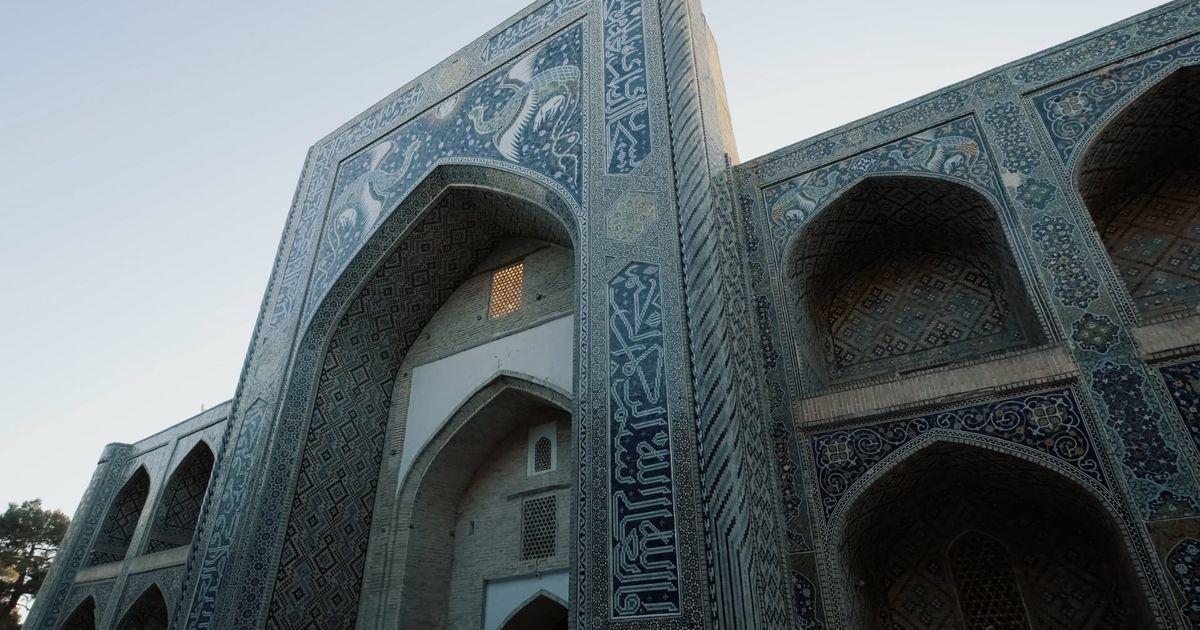
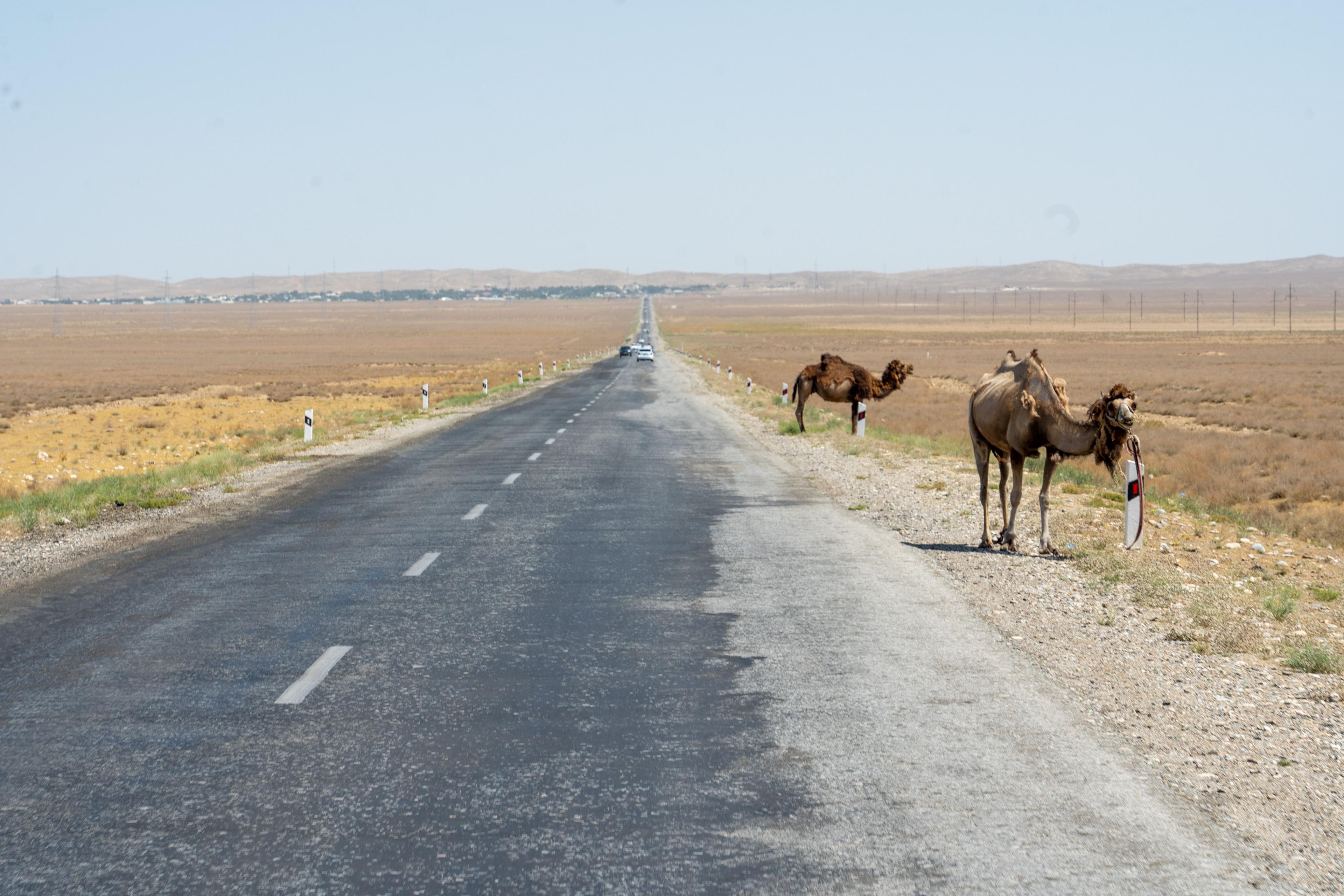
Between Samarkand and Bukhara most travellers take the train and see nothing but a blur of cotton fields. Take the long way round instead, north through the Kyzylkum desert, and you can spend a night in a felt yurt under more stars than you thought existed, ride a camel towards a lake in the sand and wake up the next day in a mountain village of stone houses and walnut trees.
That is the Nurata, Aydarkul and Nuratau loop: a desert yurt camp near Aydarkul lake, the old pilgrimage town of Nurata with its sacred spring and a fortress attributed to Alexander the Great, and the homestay villages of the Nuratau mountains such as Sentob.
This guide explains what each place is like, what a night at an Aydarkul yurt camp really involves, the best season, realistic prices as of November 2026 and how to fit the detour into a classic Uzbekistan itinerary.
Where are Nurata, Aydarkul and the Nuratau mountains?
All three lie north of the main Samarkand to Bukhara road, in the Navoi and Jizzakh regions.
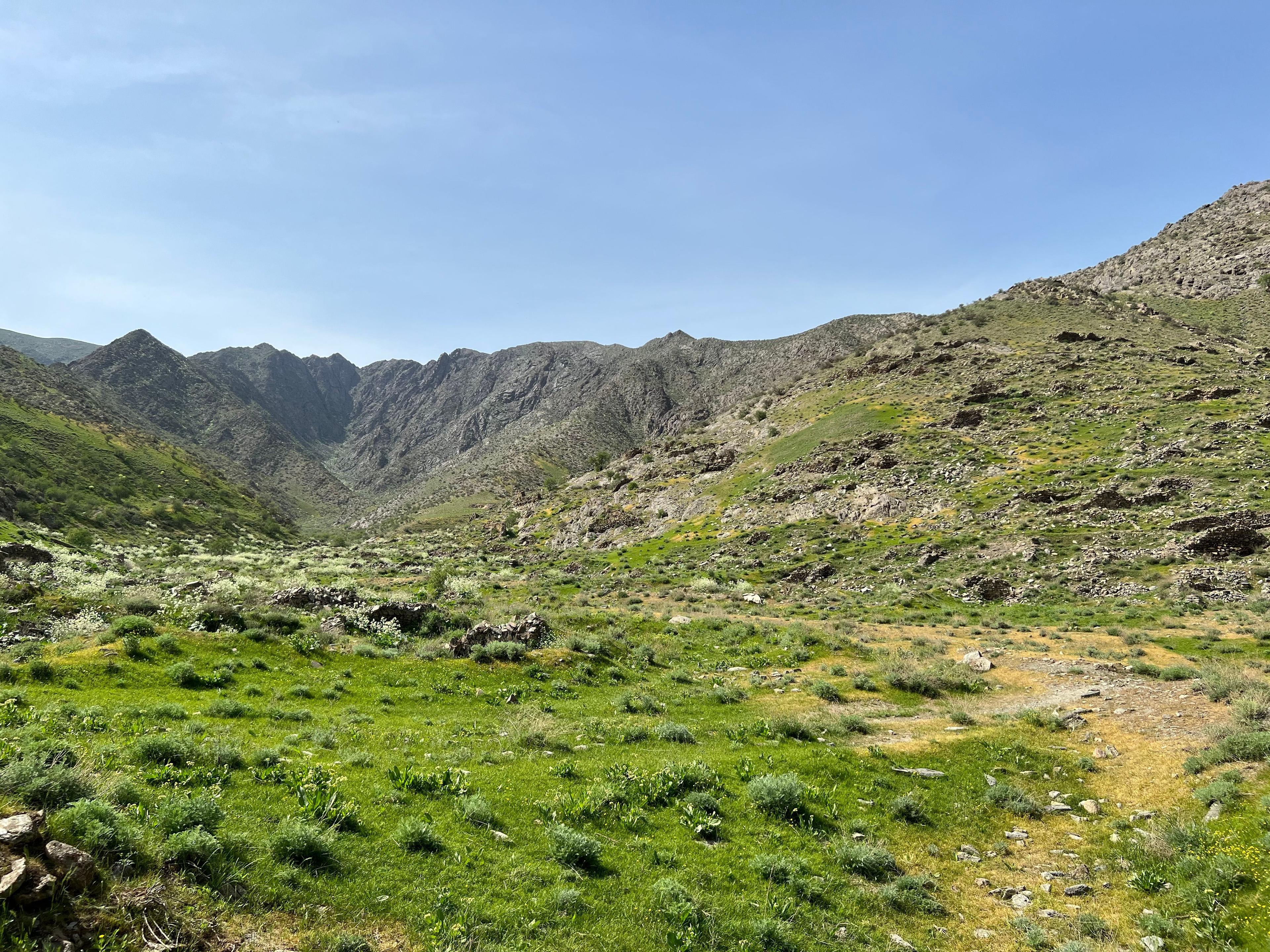
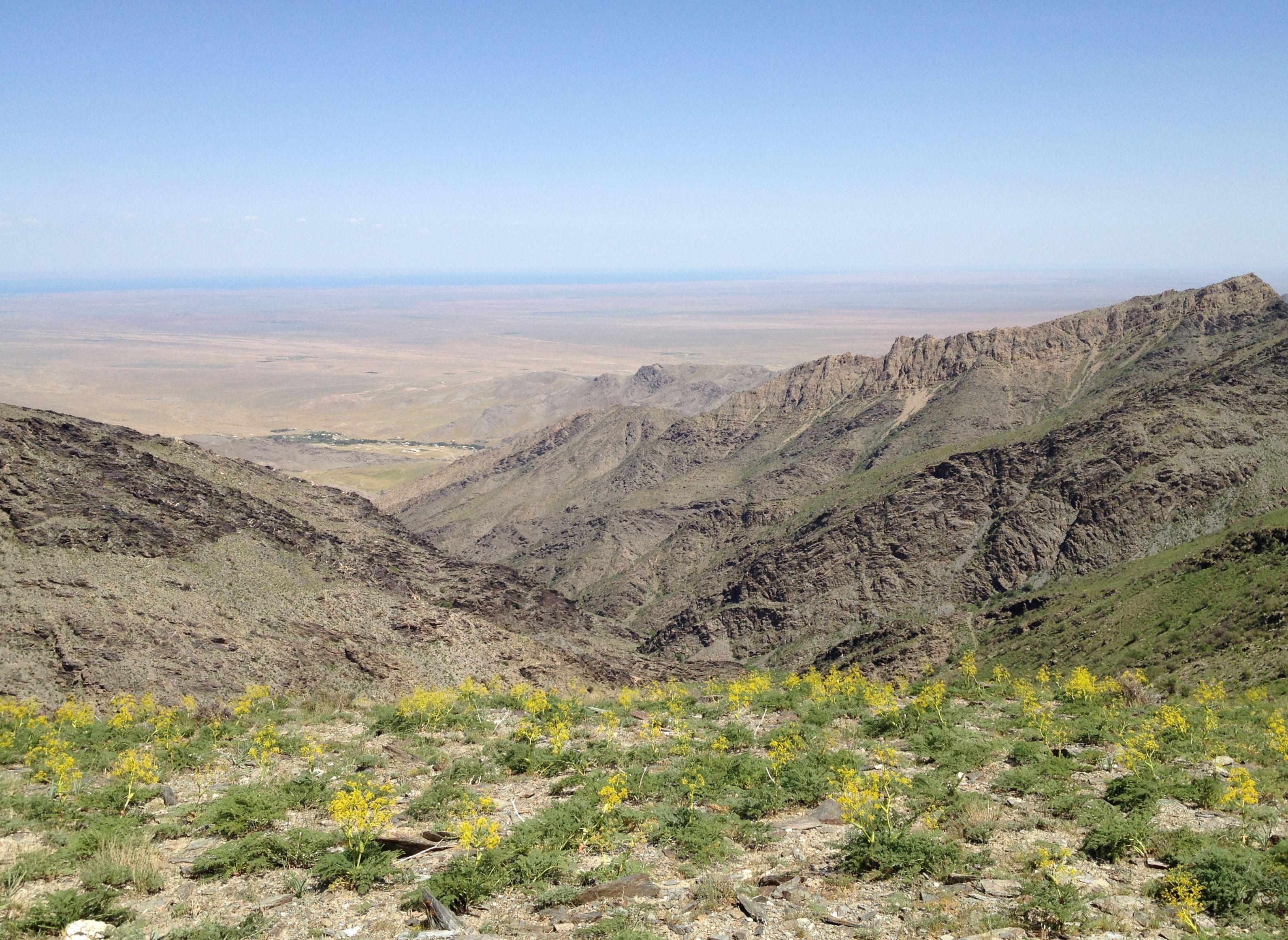
- The Nuratau mountains are a long, dry ridge running east to west, with green valleys and small villages tucked into its folds. Part of the range is a state nature reserve, home to the rare Severtsov's wild sheep.
- Nurata is a small town at the western foot of the range, known for its spring and its ruined fortress.
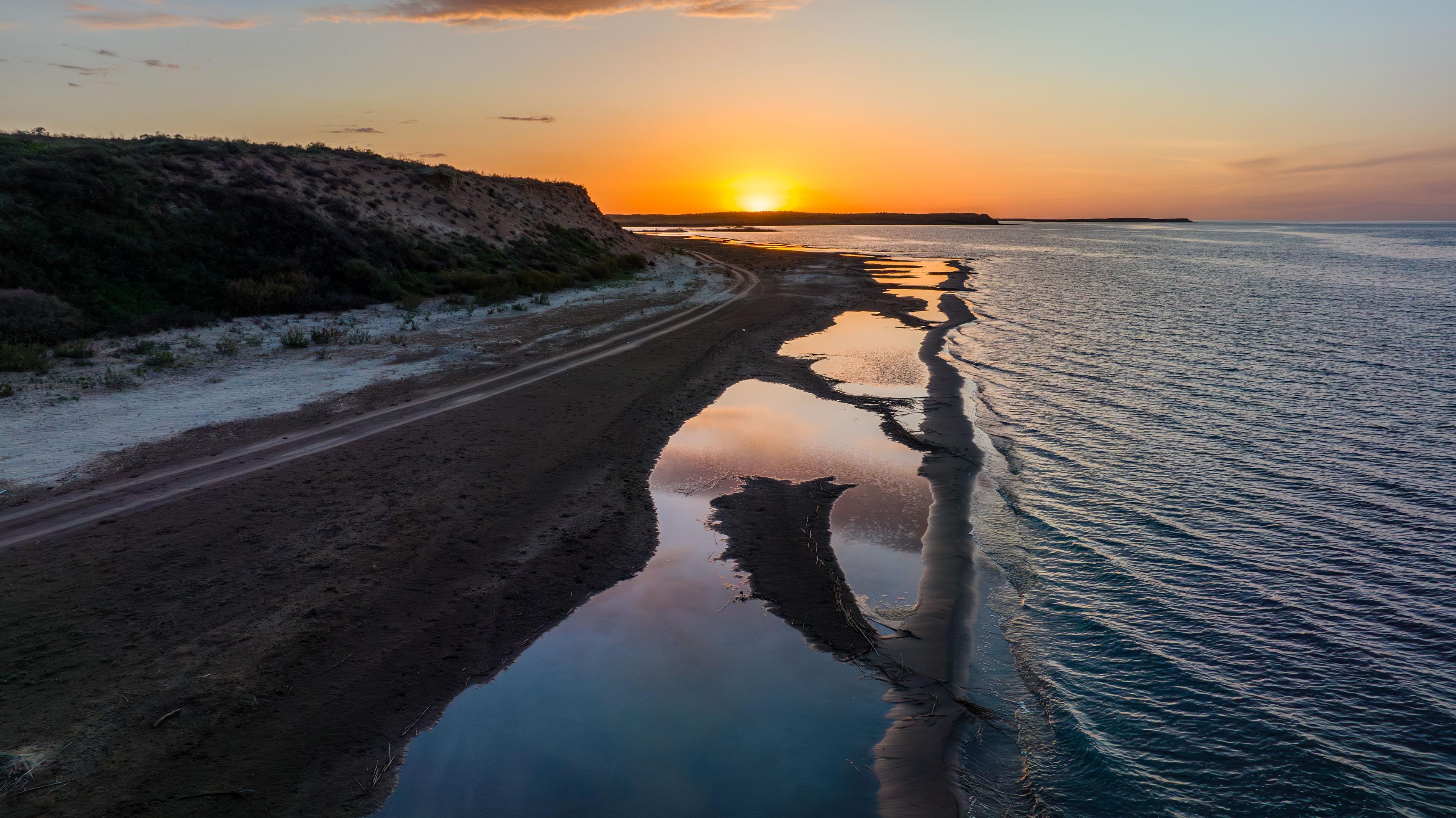
- Aydarkul (also written Aidarkul or Aydar Lake) is a huge lake to the north of the mountains, on the edge of the Kyzylkum desert. The yurt camps are in the sand dunes a few kilometres from its shore.
From Bukhara the yurt camps are roughly 300 kilometres away by the scenic route, a full day with stops. From the camps to Samarkand is about four hours by road. The loop therefore works best as a two or three day journey between the two cities.
Nurata: the Chashma spring and Alexander's fortress
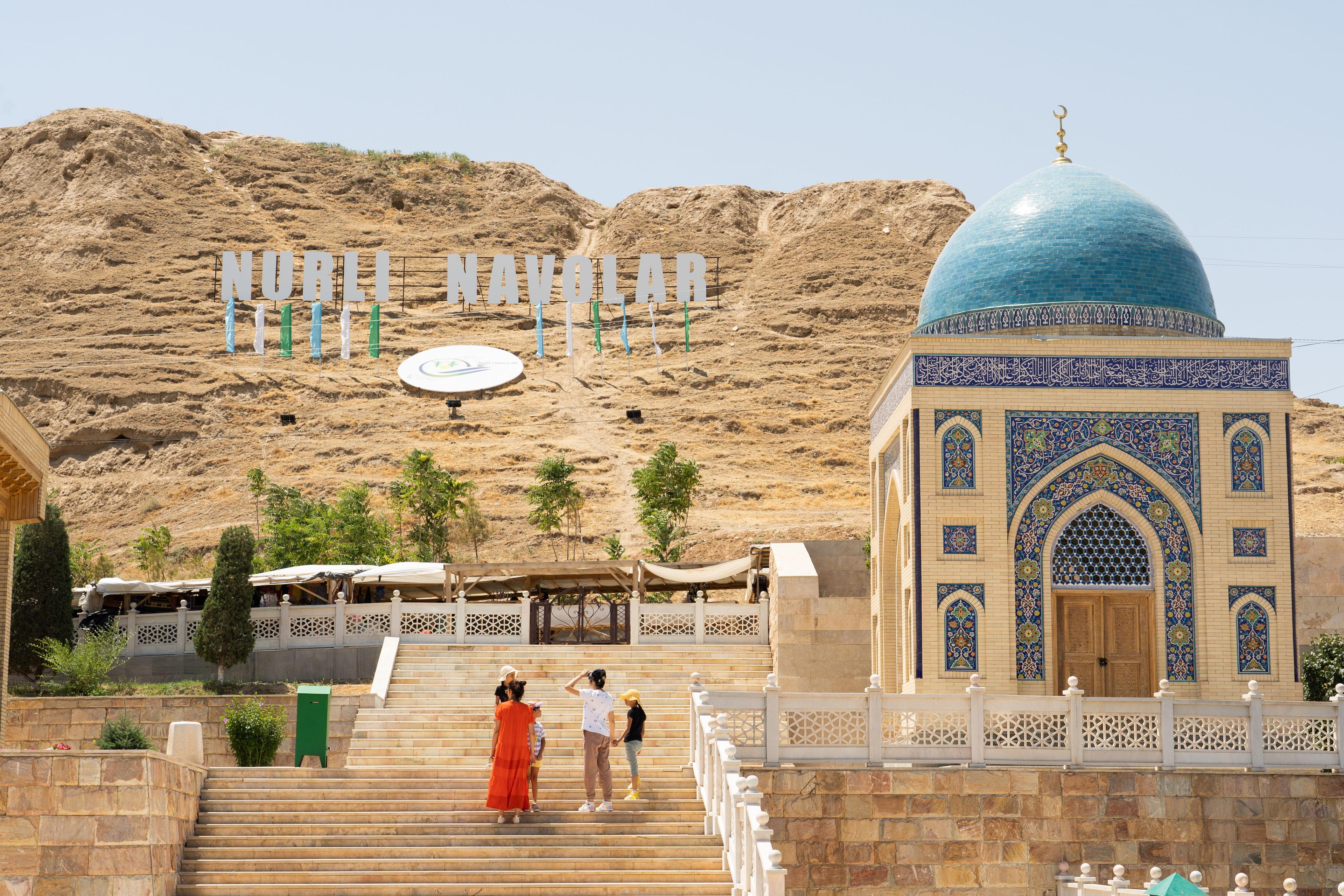
Nurata has been a place of pilgrimage for centuries, and its heart is the Chashma complex, built around a spring that never dries up.
The spring feeds a pool and a channel full of fish, a kind of marinka that local people consider sacred and never eat. Pilgrims come to drink the water, which is believed to have healing properties, and to pray at the Juma mosque beside it, a domed building with a columned hall. Legends about the spring vary: one says it appeared where Hazrat Ali struck the ground with his staff, another that it sprang up where a meteorite fell, a light from the sky that some link to the town's name, nur, meaning light.
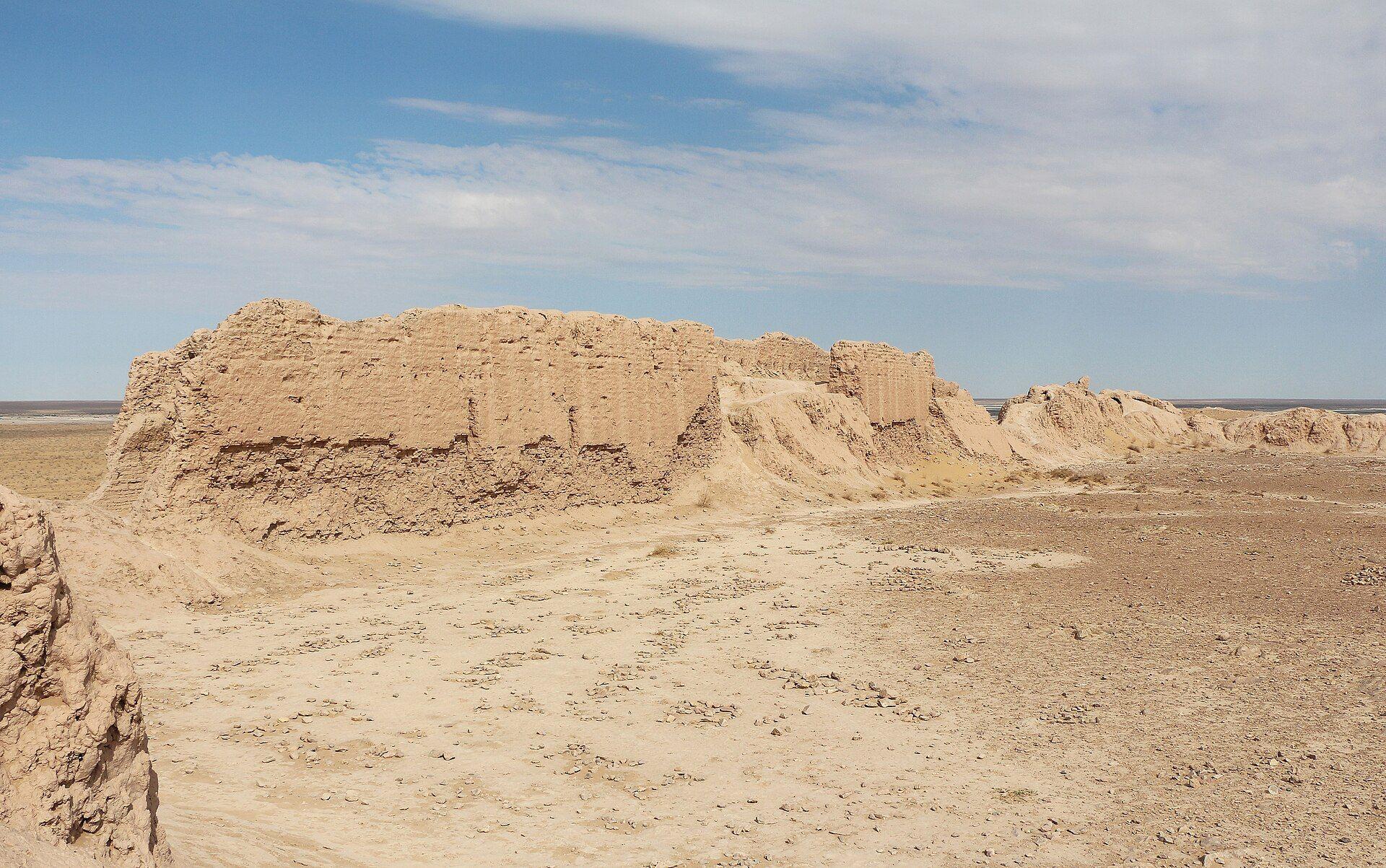
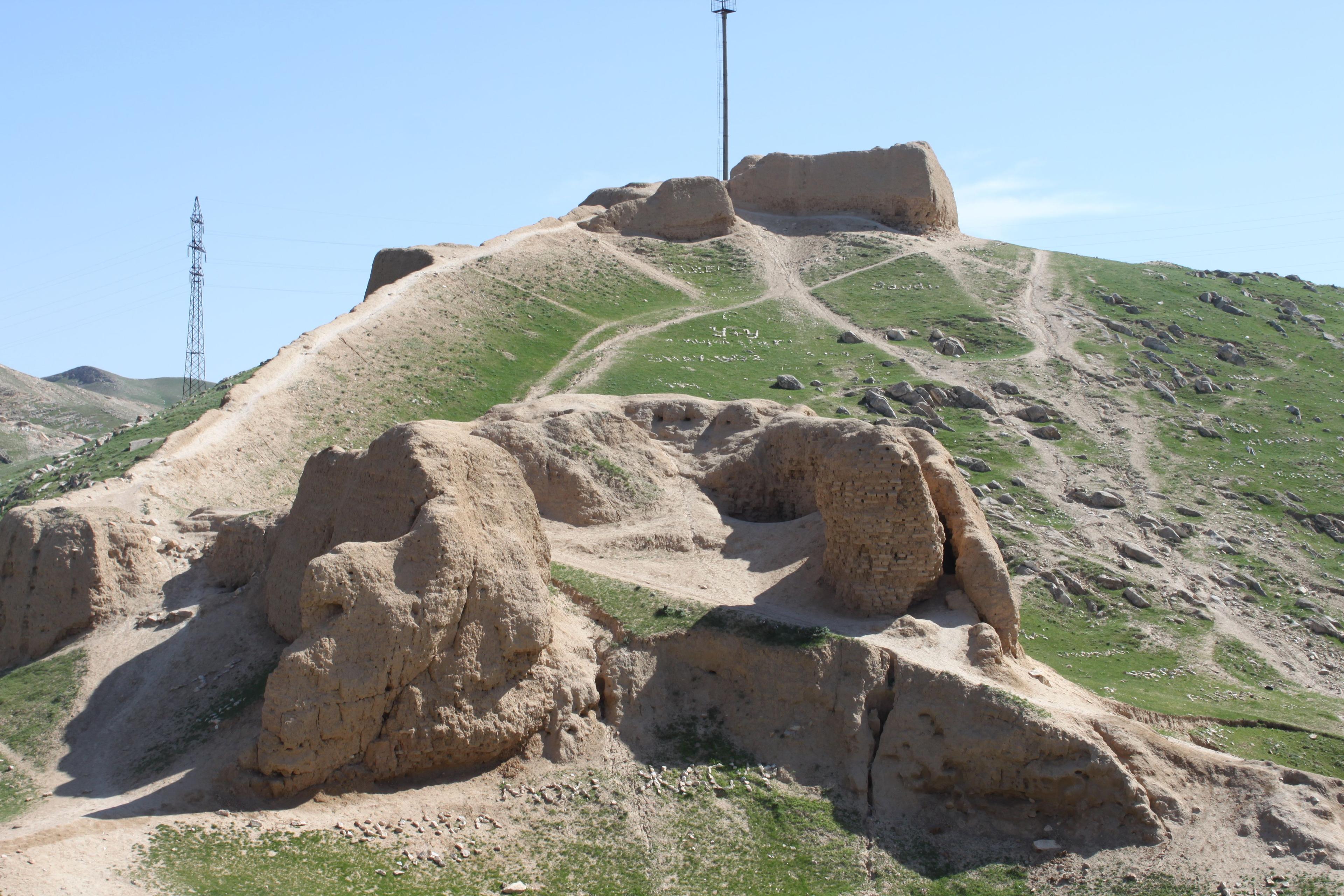
On the hill above the spring are the eroded mud-brick walls of a fortress that local tradition credits to Alexander the Great, who campaigned in Sogdiana in the 320s BC and is said to have founded Nur here. Historians treat the attribution with caution, but the site is genuinely ancient, and the remains of an old underground water system, the kariz, are still visible around the town. Climb up for the view over the spring complex and the mountains.
Allow an hour for Nurata. It is an active pilgrimage site, so dress modestly, with shoulders and knees covered, and women should bring a scarf for the mosque.
Aydarkul lake: a sea in the desert
Aydarkul looks as if it should not exist, and in a sense it should not. The lake was created by accident. In 1969 an exceptional flood on the Syr Darya forced engineers to release huge volumes of water from the Chardara reservoir into the Arnasay depression, a low basin in the desert. The water stayed, and a chain of lakes formed. Aydarkul is the largest, covering roughly 3,000 square kilometres depending on the year and how it is measured.
Today it is a long, brackish lake fringed by reeds, sandy beaches and dunes, with fishing villages along its shores. The northern shore is an important wetland for migrating and nesting birds, including pelicans and cormorants.
Visitors usually come for a few hours: a swim in summer, a picnic lunch on the shore and time to sit and watch the water against the sand. The water is clean enough for swimming, and in late spring and early autumn it is pleasantly cool. Bring water shoes; parts of the shore are muddy or stony.
What is a night in an Aydarkul yurt camp really like?
Several yurt camps sit in the dunes of the Kyzylkum, around 10 kilometres from the lake. They are simple, comfortable and very quiet. A typical stay looks like this:
- Arrival in the late afternoon, tea and a short camel ride around the camp.
- Sunset from a dune. Walk five minutes out of camp and you are alone with the desert.
- Dinner, often plov or shashlik, eaten together in a large yurt or around a table outside.
- A campfire with a Kazakh akyn, a folk singer who accompanies himself on the two-stringed dombra.
- Stargazing. With no towns nearby, the Milky Way is spectacular on clear nights.
- Breakfast, then a drive or camel ride to Aydarkul in the morning.
The yurts are traditional felt tents with wooden frames, furnished with mattresses, quilts and carpets on the floor. Each sleeps several people, and private use for a couple or family can usually be arranged. Toilets and showers are in a separate block and are basic but clean, with hot water at the better camps. Electricity may be limited to evening hours, and mobile signal can be weak.
It is not a luxury glamping experience, and it is not meant to be. It is a comfortable taste of how the desert feels at night, which most guests remember long after the madrasahs have blurred together.
Camel rides: what to expect
Camel rides are the signature activity at the camps, and there are two kinds.
- A short ride around the camp: around 20 minutes, often included in the stay.
- A longer ride towards Aydarkul: several hours each way across the dunes. Operators quote around 8 to 9 kilometres and about three hours, typically 20 to 30 USD per person as of November 2026, with a camel handler leading.
The camps use Bactrian camels, the two-humped kind, which are surprisingly comfortable to ride once you are up. The tricky moment is when the camel stands, back legs first, so lean back and hold on. Long trousers help, and a hat and sunglasses are essential in the heat.
Riding is suitable for most ages. Children usually love it, and handlers will lead the animal at walking pace throughout.

Sentob and the Nuratau mountain homestays
On the southern side of the range, the villages of the Nuratau mountains offer a completely different experience from the desert. Sentob (also written Sentyab) is the best known. It is a village of drystone houses, orchards and old walnut trees in a narrow valley, and in 2023 it was named one of UN Tourism's Best Tourism Villages.
Families in Sentob and nearby villages host visitors in simple guest rooms. You eat what the family eats, sleep on traditional mattresses on the floor, and spend the day walking. Highlights include:
- Rock carvings in the hills above Sentob, showing ibex, deer, hunters with bows and horsemen.
- Easy walks along the valley and harder hikes into the reserve, with views across to Aydarkul.
- A short hike to a small waterfall in some valleys, best in spring.
- Village life itself: baking bread in a tandir, milking, harvesting walnuts and apricots in season.
Homestays are basic and very hospitable. Bathrooms are often outside, hot water may be heated on request, and English is limited, so a guide or driver who speaks Uzbek makes the stay much richer. It is one of the best places in Uzbekistan for families and for travellers who want to slow down.
Is the yurt camp good for families?
Yes, and it is often the part of the trip children remember most. The combination of camels, sand dunes to run up, a campfire and a lake to swim in works for almost every age.
A few tips if you are travelling with children:
- Ask for a private yurt. Most camps can arrange one for a family, so you are not sharing with other guests.
- Bring a torch for each child and agree on a rule about not wandering beyond the camp lights after dark.
- Book the short camel ride rather than the long trek with younger children. Twenty minutes is plenty.
- Pack familiar snacks. Camp meals are good but simple.
We plan family trips with these details in mind.
Best time to visit Aydarkul and the Nuratau mountains
The desert and the mountains are at their best in spring and autumn.
- April to early June: the desert is green, wild tulips bloom in the foothills and nights are cool. The best overall season.
- Late June to August: very hot during the day in the Kyzylkum, often above 35°C, but nights are pleasant and the lake is perfect for swimming. Plan activities for early morning and evening.
- September to October: warm days, clear skies, harvest time in the mountain villages. Excellent for travel.
- November to March: cold, especially at night. Most yurt camps close for the winter, and mountain roads can be muddy or icy.
Operators generally run yurt stays from around March or April to October. Our guide to the weather in Uzbekistan by month has more detail for the rest of your route.
How to fit Nurata and Aydarkul into your itinerary
The easiest approach is to replace the train between Bukhara and Samarkand with a two- or three-day road journey. A typical route:
- Day 1, Bukhara to the yurt camp: leave Bukhara in the morning. Stop at the potters' workshops of Gijduvan, the ruined caravanserai of Rabat-i-Malik and its domed cistern, the Sardoba, then Nurata's Chashma spring and fortress. Arrive at the camp for sunset, dinner and the campfire.
- Day 2, Aydarkul and the mountains: morning camel ride or drive to Aydarkul for a swim. Continue into the Nuratau mountains for a homestay night in Sentob or a neighbouring village.
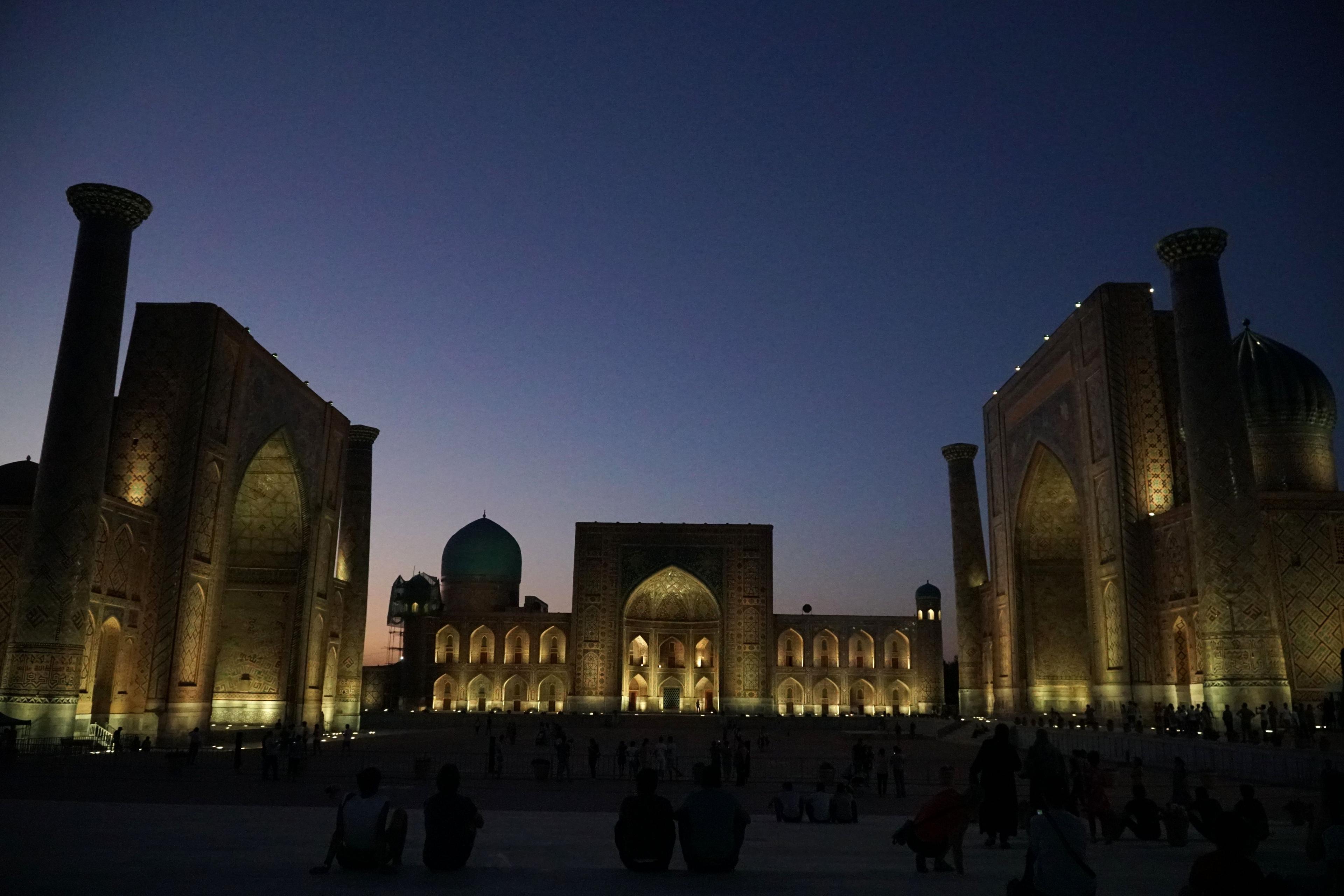
- Day 3, to Samarkand: a morning walk to the petroglyphs, then about four hours by road to Samarkand, arriving in time for the Registan at dusk.
Short on time? Skip the homestay and drive from the yurt camp to Samarkand on day two. This still gives you the desert night, and you lose only one day compared with the train. The route also works in reverse, from Samarkand to Bukhara.
Ready-made departures go from both cities, and our extended group tour includes Nurata, a yurt camp night and a morning at Aidarkul.
Aydarkul yurt camp prices and what to bring
As of November 2026, typical market prices across operators are:
- Two-day private trip from Bukhara or Samarkand with one night in a yurt camp, transport, meals and a short camel ride: roughly 300 to 550 USD per person for one or two people, falling to around 150 to 300 USD each for groups of four or more.
- Three-day trip adding a Nuratau homestay: from around 280 USD per person in a small group, more for solo travellers.
- Long camel ride to the lake: around 20 to 30 USD extra.
What to pack:
- A warm layer for the evening, even in summer. Desert nights cool quickly.
- Swimwear, a towel and water shoes for Aydarkul.
- Sun hat, sunglasses and sunscreen.
- A head torch for walking to the bathroom block at night.
- Snacks and any drinks you want. The camps and villages have no shops.
- Cash in som for tips, camel rides and local purchases. Our guide to money in Uzbekistan explains how to get it.
- A modest outfit with a scarf for the Nurata mosque.
Desert and mountains with TourEast
We build the Nurata and Aydarkul route into private itineraries and small-group journeys, with drivers who know the desert tracks and trusted homestay families in the Nuratau villages. Tell us your dates and pace, and we will suggest the camp and homestay that suit you.