What photographers need to know in Uzbekistan: where photos are free or ticketed, how to ask locals, what not to shoot, and what the official drone rules say as of 2026. Practical, with sources, and written for people who want pictures without awkwardness.
Facts, prices and schedules checked on November 4, 2026
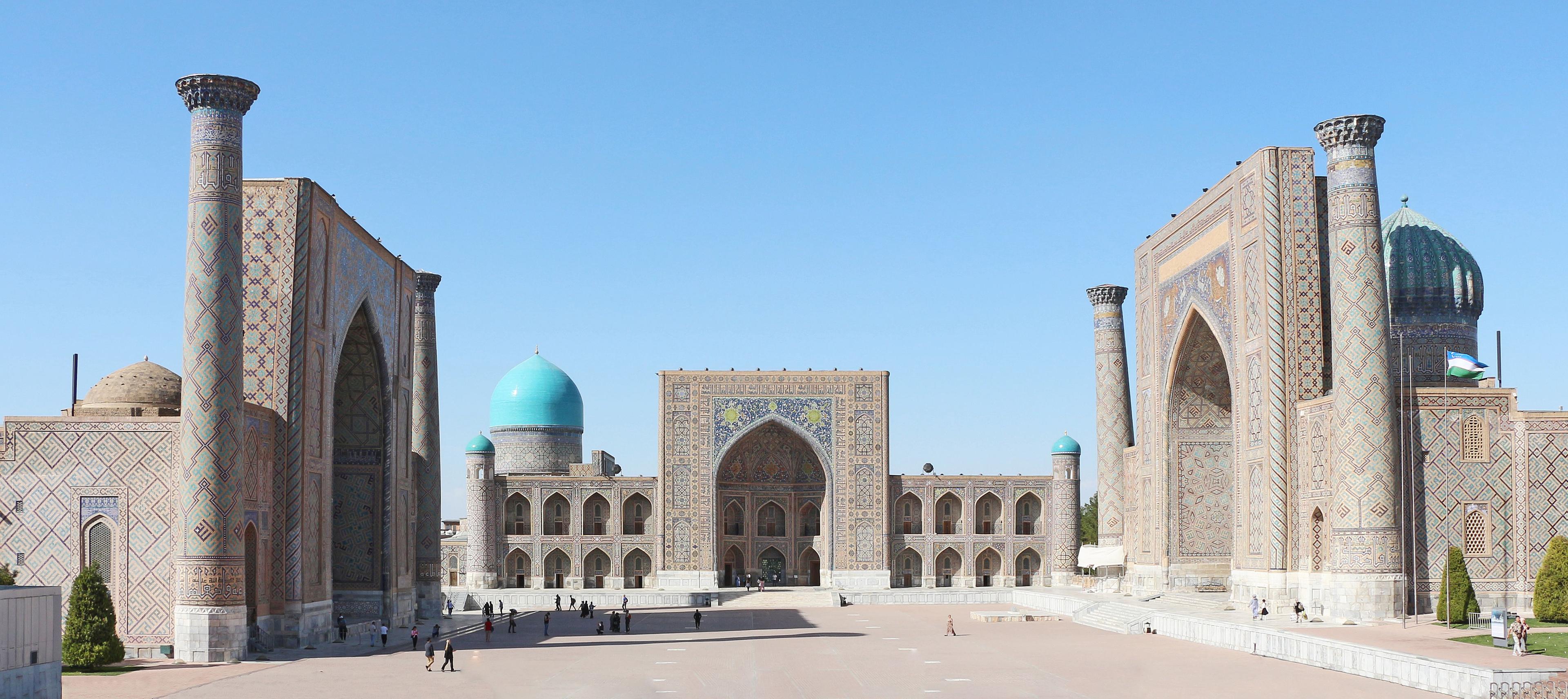
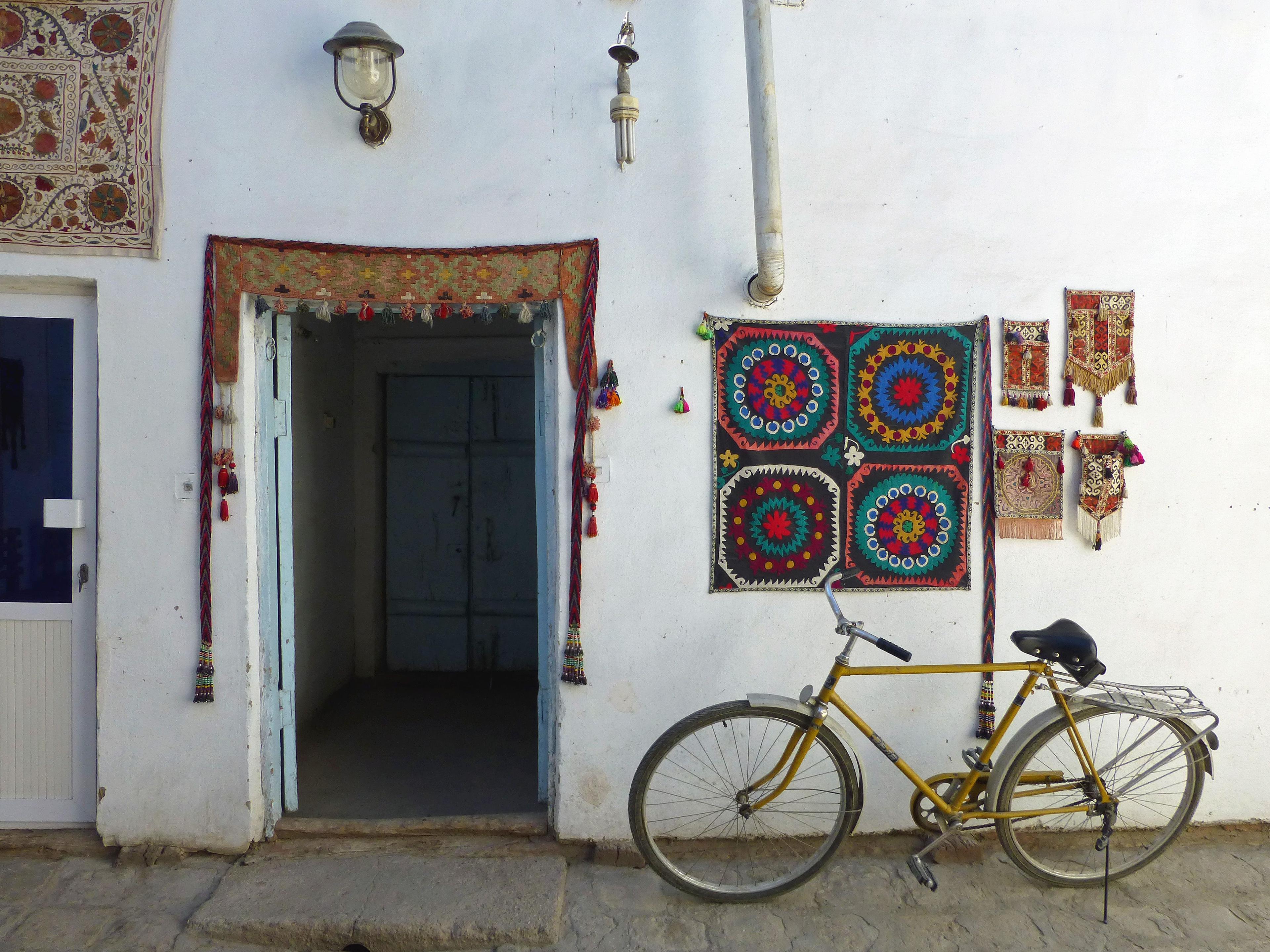
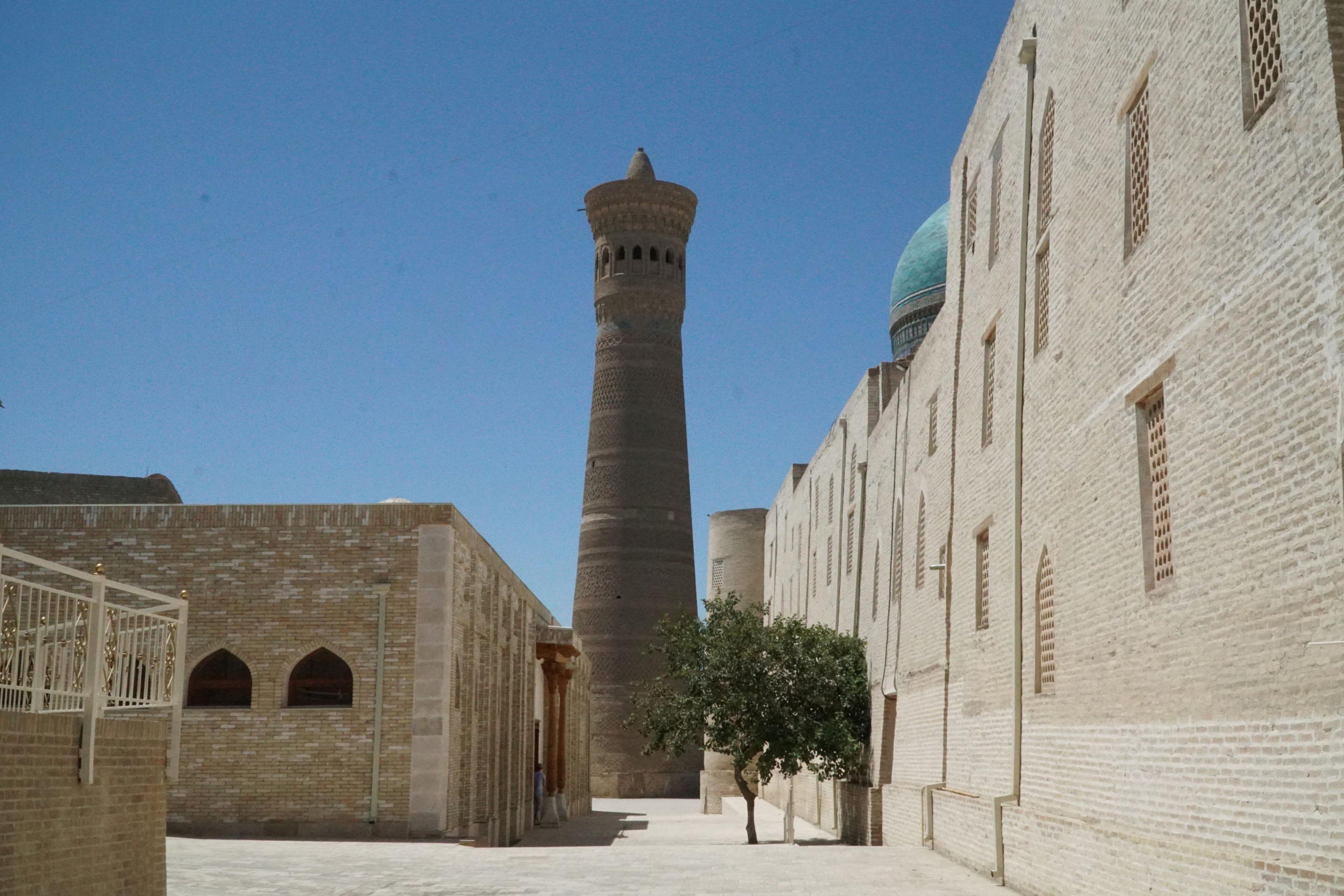
Uzbekistan is one of the most photogenic countries in Asia, and most of the time you can photograph what you like. The tiled portals of Samarkand and Bukhara, the walls of Khiva, the bazaars and the Soviet-era stations of the Tashkent Metro are all open to a camera. The difficulty is a short list of exceptions: some sites are sensitive, some people do not want to be photographed, a few places charge for cameras, and drones are a special case.
This guide covers photography in Uzbekistan as of November 2026: fees and tickets, etiquette with people, mosques and shrines, sensitive sites, and what the official drone rules say. Rules and enforcement vary, and you should treat the guide as practical advice, not legal advice. When in doubt, ask your guide, or put the camera down.
Where photography is allowed and where it costs extra
At most historic monuments, such as the Registan, Shah-i-Zinda, Po-i-Kalyan and Ichan-Kala, photography with a phone or camera is allowed and normally included in the entrance ticket. Phone photography is almost never charged.
A few museums and sites still charge a separate camera fee, usually from about 10,000 to 30,000 som for a camera, and more for video or tripods, according to our own guide to entrance fees. These figures change, so ask at the ticket office. Some sites also expect a permit for professional work, such as commercial shoots, large crews, models or wedding-style sessions. If you plan anything beyond personal photography, ask the site administration well ahead of time.
Tips for fees:
- Keep small notes for camera fees and donations.
- Ask at the ticket window whether a tripod is allowed. Many places do not permit tripods in crowded areas.
- Check whether your ticket covers the interior of a building and the minaret separately.
How to photograph people respectfully
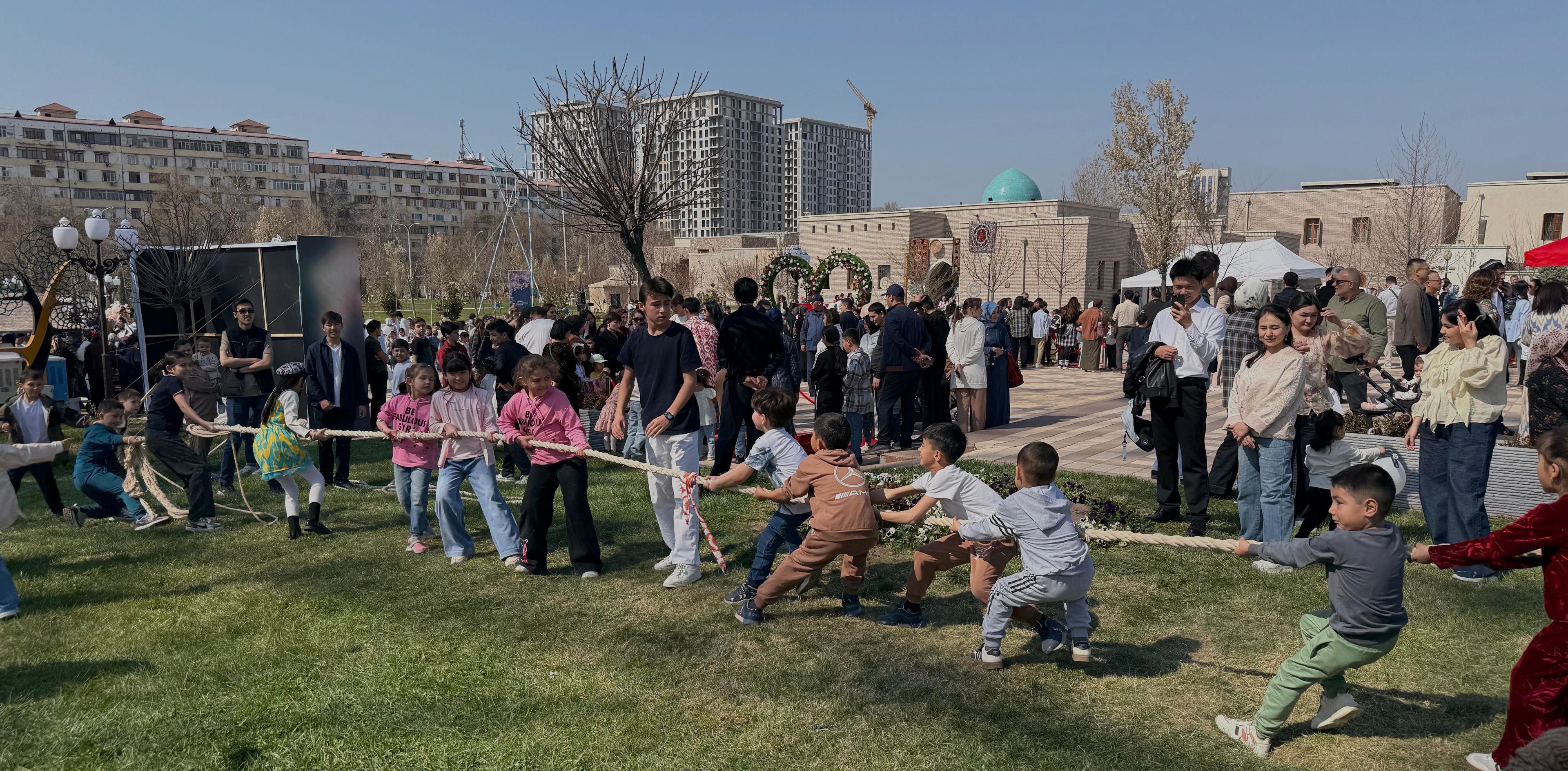
Uzbeks are generally warm and curious, and many people are happy to be photographed, especially in bazaars where sellers are used to cameras. The courtesy is the same everywhere.
- Ask first, with a smile and a gesture towards your camera. Most people agree.
- Respect a refusal and move on.
- With children, ask a parent. With women in traditional settings, ask especially carefully, and accept a no.
- Do not take close-up pictures of strangers at prayer, at a funeral, or in a hospital or school.
- Offering to share the picture is a kindly gesture. Many people use Telegram, and a quick message makes a lasting impression.
- Bazaar sellers may ask you to buy something if you photograph their stall. A small purchase is a fair exchange.
- Wedding parties often pose at monuments. A congratulation and a request usually get a smile.
Our guide to Uzbek culture and etiquette covers the wider customs behind these habits.
Mosques, madrasahs and shrines
Most historic madrasahs and mausoleums are visited as monuments, and photography is generally allowed. Inside active prayer halls and at pilgrimage shrines, the rules are stricter.
- Ask before photographing inside a prayer hall, and do not photograph anyone at prayer, especially at Friday midday prayer.
- At a shrine, do not photograph pilgrims up close at a tomb.
- Switch off the flash and keep your voice and your camera low.
- Dress modestly. Our guide to mosque etiquette explains what to wear.
The same short principles apply in all of them: ask, be quiet, be brief.
Sensitive sites: what not to photograph
Official guidance for travellers, such as the UK government's advice, says restrictions have eased in recent years but that you should check before taking photographs near airports, border checkpoints, military barracks, bridges, police stations and metro stations, and that photographs of government buildings in particular can upset the authorities. Other governments' advice is stricter. In practice:
- Do not photograph police, soldiers, border posts, military sites or government buildings.
- Do not photograph airports, bridges, dams or other infrastructure that looks strategic.
- Do not photograph people in uniform at work.
- If an official asks you to delete a picture, do so politely. Argument rarely helps.
The Tashkent Metro is a special case. For more than forty years it doubled as a civil-defence shelter, and photography was forbidden. The ban ended on 1 June 2018, according to most sources, and since then travellers have photographed the stations freely, including the famous Kosmonavtlar station, now part of a UNESCO property. Use common sense around security staff and do not photograph them or the control rooms. See our metro guide for the best stations.
Drones in Uzbekistan: the official rules
Drones are the one area where we advise caution above all. The Civil Aviation Agency of Uzbekistan publishes the rules on its official government page, and they are strict.
- Under Cabinet of Ministers Resolution No. 658 of 15 November 2022, the import, sale, purchase, storage and use of drones, their components and spare parts is generally prohibited. Transit through Uzbekistan is allowed with a declaration. A small group of state bodies, including the Ministry of Tourism and Cultural Heritage, is exempt, and the Cabinet can grant separate permits.
- Foreign creative teams making photo or video content that promotes Uzbekistan's tourism can apply for a temporary permit to import and use drones. The application goes through the Ministry of Tourism and Cultural Heritage or the Uzaviation electronic platform, which was in test mode when we checked.
- The permit process has several steps: a government permit, permission from the communications ministry for the radio equipment, registration and operating approval from Uzaviation, and permission to use the airspace.
- Toy models are treated differently, within strict limits on height, distance from airfields, distance from people and line of sight. A camera drone of the type tourists carry is not a toy.
The practical advice is straightforward. Do not bring a drone on an ordinary holiday. If you are a professional crew with a project, contact the Ministry of Tourism and Cultural Heritage or Uzaviation well before your trip, and do not fly until you hold every permit. Penalties and the exact procedure may change, so confirm with the agency, which publishes contact details on its government page. Our photography spots guide also summarises the rules.
Common situations and what to do
A few scenes come up again and again, and a calm response solves nearly all of them.
- A guard or attendant says "no photo" at a monument. Accept it. Some rooms are closed to cameras to protect murals or because an exhibition is on loan. Ask whether another room or angle is allowed.
- A stallholder asks for money after you photograph the stall. Treat it as a fair request if you used their goods as a subject, and a small purchase is the friendly answer. Otherwise, smile and say thanks.
- A group asks for a selfie with you. This happens often, especially at the Registan and in the bazaars, and it is meant kindly. It is your choice, and a polite no is accepted.
- You are asked to delete a photograph. Do it without argument, show the screen and move on.
- A wedding party is photographing at the same monument. Wait your turn, and congratulate the couple if they look your way.
- You are photographing from a car window near a checkpoint, bridge or airport. Put the camera away until you are past it.
The principle behind all of these is the same one that governs good travel photography everywhere: you are a guest, and a picture is never worth an argument.
Practical kit and conduct for photographers
- Carry your passport or a copy. Uzbekistan expects visitors to carry identification, and it helps if a security guard asks questions.
- Keep a small, quiet camera for crowded places. A large telephoto lens attracts attention at checkpoints and in bazaars.
- Dust is common in summer. A cloth and a lens cover are useful.
- Charge devices every night, and carry a power bank. Our practicalities guide covers plugs and sockets.
- Back up your photographs. Wi-Fi in hotels is usually good enough to upload at night.
- Plan the light. The best hours are the first two and the last two of the day, and the blue hour after sunset, when the main monuments are lit up.
When photographers should come
Autumn offers the warmest, most golden light and settled weather, and many photography groups come in October. Spring brings blossom and greener landscapes, though April is the busiest month. Winter is quiet, cold and clear, with fewer crowds at the Registan and Shah-i-Zinda. In summer, shoot at dawn and dusk and rest in the middle of the day. Our guides to the weather by month and to the seasons can help you choose.
Doing it with TourEast
If you are travelling for photography, we can build the route and the timing around the light: dawn at the Registan, an empty Shah-i-Zinda before the groups, a quiet hour in the Tashkent Metro. We can arrange permission for sites that need it and a guide who knows the rules. Tell us what you want to shoot on WhatsApp or in our trip builder at /trip-builder.