The best photo spots in Uzbekistan, from the Registan at sunrise and Khiva's walls at sunset to Bukhara's rooftops, the Tashkent Metro and the ships of Muynak. Where to stand, the best hours of light, and the rules on drones, mosques and people.
Facts, prices and schedules checked on November 4, 2026
Uzbekistan is one of the most photogenic countries in Asia. Tiled portals the size of apartment blocks, turquoise domes over mud-brick lanes, a walled desert town that glows orange at sunset, Soviet metro stations like ballrooms and rusting ships stranded in the sand: the best photo spots in Uzbekistan cover more variety than most travellers expect.
This guide is written by locals who spend their working lives at these places. It tells you where to stand, at what time of day and in which season, for seven of our favourite spots: the Registan at sunrise, the walls of Khiva at sunset, the Kalta Minor, the rooftops of Bukhara, the Tashkent Metro, the ship cemetery of Muynak and the Chimgan mountains. It finishes with the practical rules every photographer needs: the law on drones as of November 2026, photography in mosques, photographing people and the best hours of light.
The best time of day for photography in Uzbekistan
The sun is strong and the air is dry, so the hours around midday give flat, harsh light and deep shadows in the courtyards. Plan your photography around the first two and the last two hours of daylight, plus the blue hour after sunset, when the main monuments are lit up.
Approximate sunrise and sunset times in Samarkand (local time, UTC+5):
- Late March: sunrise about 06:35, sunset about 18:45
- Late June: sunrise about 05:05, sunset about 20:05
- Late September: sunrise about 06:20, sunset about 18:30
- Late December: sunrise about 07:50, sunset about 17:10
Tashkent is roughly 10 minutes earlier, Bukhara about 15 minutes later and Khiva about 25 minutes later. Check an app on the day.
Seasons matter too. Spring brings green hills, blossom and the clearest air after rain. Autumn has the warmest, most golden light and settled weather, which is why many photography tours come in October. Summer means long days but haze and heat; winter gives low sun all day and, occasionally, snow on the domes. Our guide to the best time to visit Uzbekistan explains the seasons in more detail.

Registan at sunrise, Samarkand
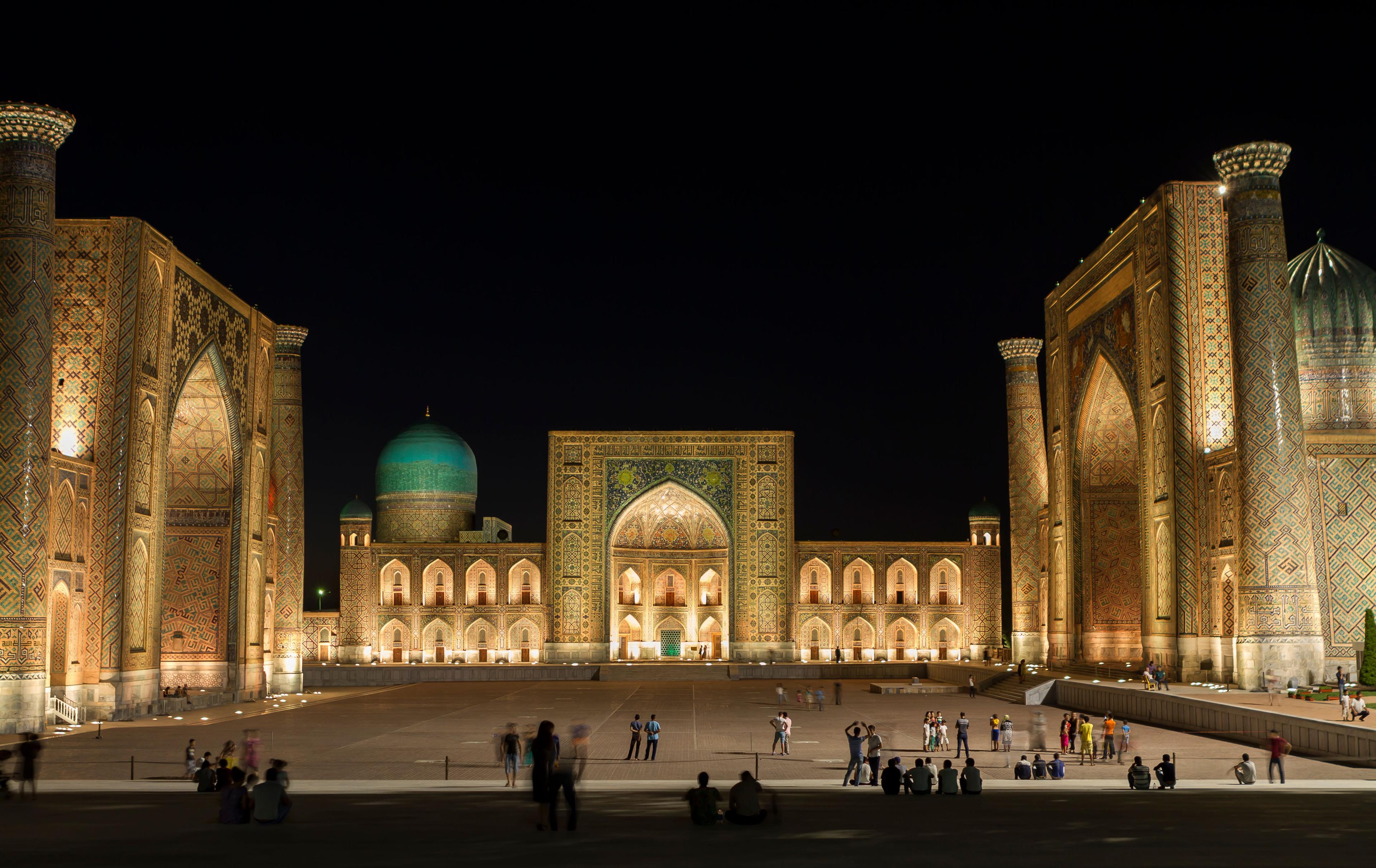
The Registan is the most photographed place in Uzbekistan, and the early morning is when it is at its best. The three madrasahs stand on the west, north and east sides of the square, and the open south side is where the public viewing platform and steps are. That orientation tells you when to come:
- Sunrise and early morning: the Ulugbek Madrasah on the western side catches the first direct light, the square is almost empty, and the long shadows make the tilework stand out. The viewing platform is free and open early, even before the ticket office.
- At opening time: the interiors and courtyards are quiet for the first hour. The gilded interior of the Tilya-Kori mosque photographs best in morning daylight.
- Late afternoon: the Sher-Dor Madrasah on the eastern side, with its famous tigers chasing deer, is lit by the setting sun. This is also the busiest time, with tour groups and wedding photo shoots.
- Blue hour: about 20 to 30 minutes after sunset, the floodlights balance with the last daylight in the sky. In the warmer months a sound and light show is often projected onto the façades in the evening.
Tips: a wide lens (16 to 24 mm on full frame) gets all three buildings from the platform; a longer lens picks out details of the portals. Tripods are generally fine in the open square. The ticket covers the square and all three madrasahs; our Registan guide has prices and hours. Ten minutes' walk away, Shah-i-Zinda is best photographed in the morning, before its narrow lane fills up.
The walls of Khiva at sunset
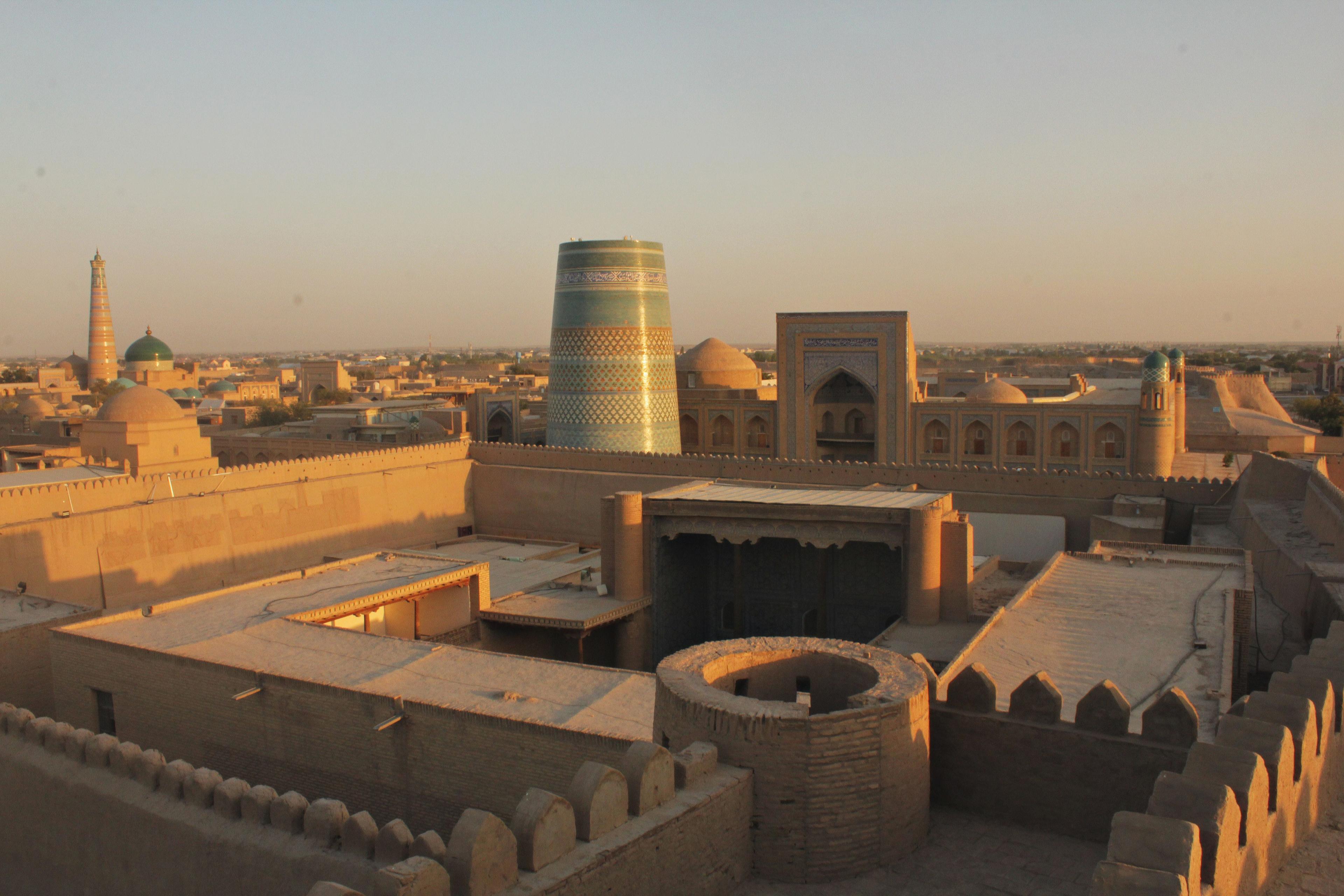
Khiva's walled inner town, Ichan-Kala, is made for the evening. Its mud-brick walls, more than two kilometres long, turn deep orange in the last hour of light, and the minarets inside stand out against the sky.
Where to stand:
- Outside the west gate (Ota-Darvoza): the western walls face the setting sun, so in the last hour they glow along their whole length. Walk a little way along the outside of the wall for the classic view of the battlements.
- On the walls near the north gate: a stretch of the wall can be climbed for a small fee. From the top you look across the flat roofs to the Kalta Minor and the Islam Khoja minaret. Arrive 30 to 45 minutes before sunset in high season.
- The Ak-Sheikh Bobo watchtower in the Kunya-Ark: the best panorama in the old town, but it can close before sunset in summer, so check the time.
- Rooftop terraces: several cafés inside Ichan-Kala have terraces facing the minarets, a comfortable option with a cup of tea.
Stay after sunset. The walls and minarets are lit at night, and the streets inside, quiet after the day visitors leave, are wonderful for long exposures. Khiva rewards two nights: one for sunset, one morning for sunrise. Our Ichan-Kala guide explains the ticket and the paid viewpoints.

The Kalta Minor, Khiva
The Kalta Minor, the short, fat minaret covered in bands of turquoise and green tiles, is Khiva's signature image. It was meant to be the tallest minaret in Central Asia but was left unfinished in the 1850s, and it is not open for climbing.
- Best time: early morning, from sunrise to about 9:00, when the sun from the east lights the tiles softly and the square below is almost empty. By mid-morning tour groups gather here.
- Where to stand: from the open space just inside the west gate for the full minaret with the Muhammad Amin Khan Madrasah beside it; from the lane leading east for a frame with the old houses.
- Details: a telephoto lens isolates the tile bands, which are in different patterns at each level.
- Night: the minaret is lit after dark, and a long exposure with the street empty is one of the best night photographs in Uzbekistan.
The Islam Khoja minaret, the tallest in Khiva, can be climbed for a fee. From the top you get the best aerial-style view of the Kalta Minor and the rooftops without any need for a drone.
The rooftops of Bukhara
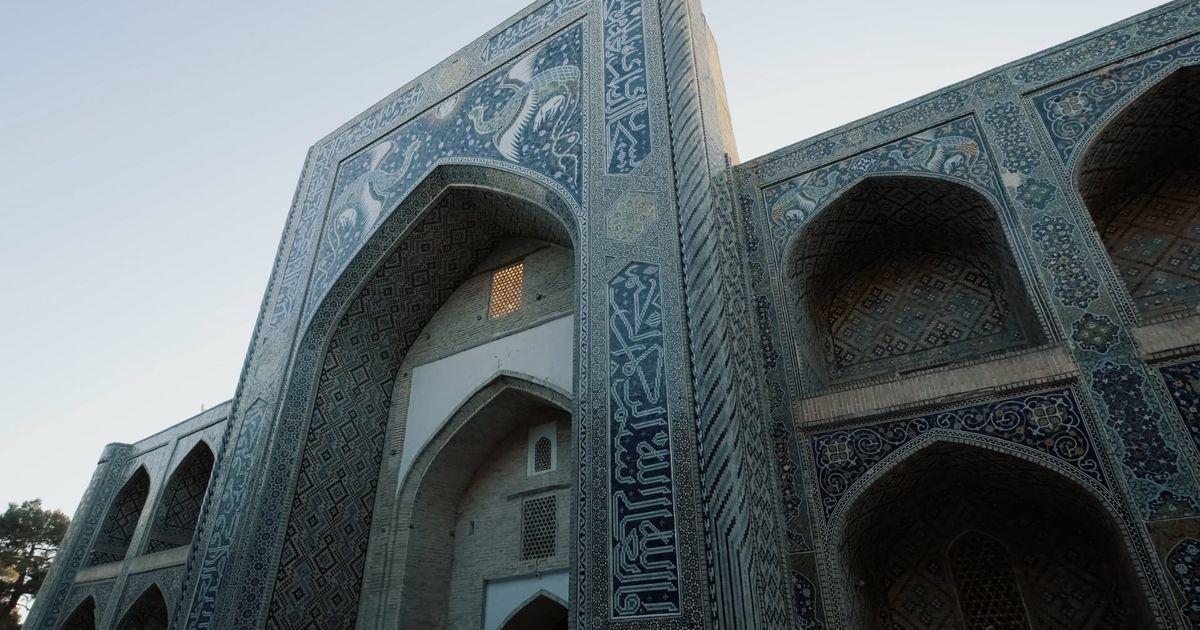
Bukhara's old town is low and flat, which makes every rooftop a viewpoint over the domes, minarets and madrasahs. The great Kalyan Minaret is not normally open for climbing, so look for these instead:
- Rooftop cafés around Po-i-Kalyan: several have terraces facing the Kalyan Minaret, the mosque and the blue domes of the Mir-i-Arab Madrasah. Come for the last hour of light, when the brick turns gold, and buy a drink.
- The terraces of the Ark Fortress: from the upper levels you look across the open square to the Bolo-Hauz Mosque and over the rooftops towards the Kalyan Minaret. Best in the morning; check the museum's closing time.
- The roof of Chor Minor: the four-towered gatehouse in the lanes north-east of Lyabi-Hauz. For a small fee you can usually climb to the roof for a close look at its blue domes. Best in the morning.
- Lyabi-Hauz at blue hour: not a rooftop, but the reflections of the madrasahs and old mulberry trees in the pool are lovely after sunset.
Early in the morning, before the shops of the trading domes open, the lanes between them are empty, and side light falls across the domes and arches.

The Tashkent Metro
For decades photography in the Tashkent Metro was forbidden, because the system was also a civil-defence shelter. The ban ended on 1 June 2018, and since then you can photograph the stations freely. A single fare lets you get off at as many stations as you like.
Stations to put on your list:
- Kosmonavtlar: deep blue walls and ceramic medallions of cosmonauts, the most famous station in the city
- Alisher Navoiy: domed ceilings and carved alabaster in a Central Asian style
- Mustaqillik Maydoni: marble columns and chandeliers
- Toshkent: under the main railway station, with ornate ceilings
Practical tips:
- Go between about 10:00 and 16:00 or in the evening, avoiding rush hours.
- No tripod at busy times, and no flash: stations are well lit and flash annoys commuters.
- Do not photograph police officers, security staff or control rooms.
- Ask before taking a close portrait of a passenger.
Our Tashkent Metro guide has a full station-by-station route.
The ship cemetery at Muynak
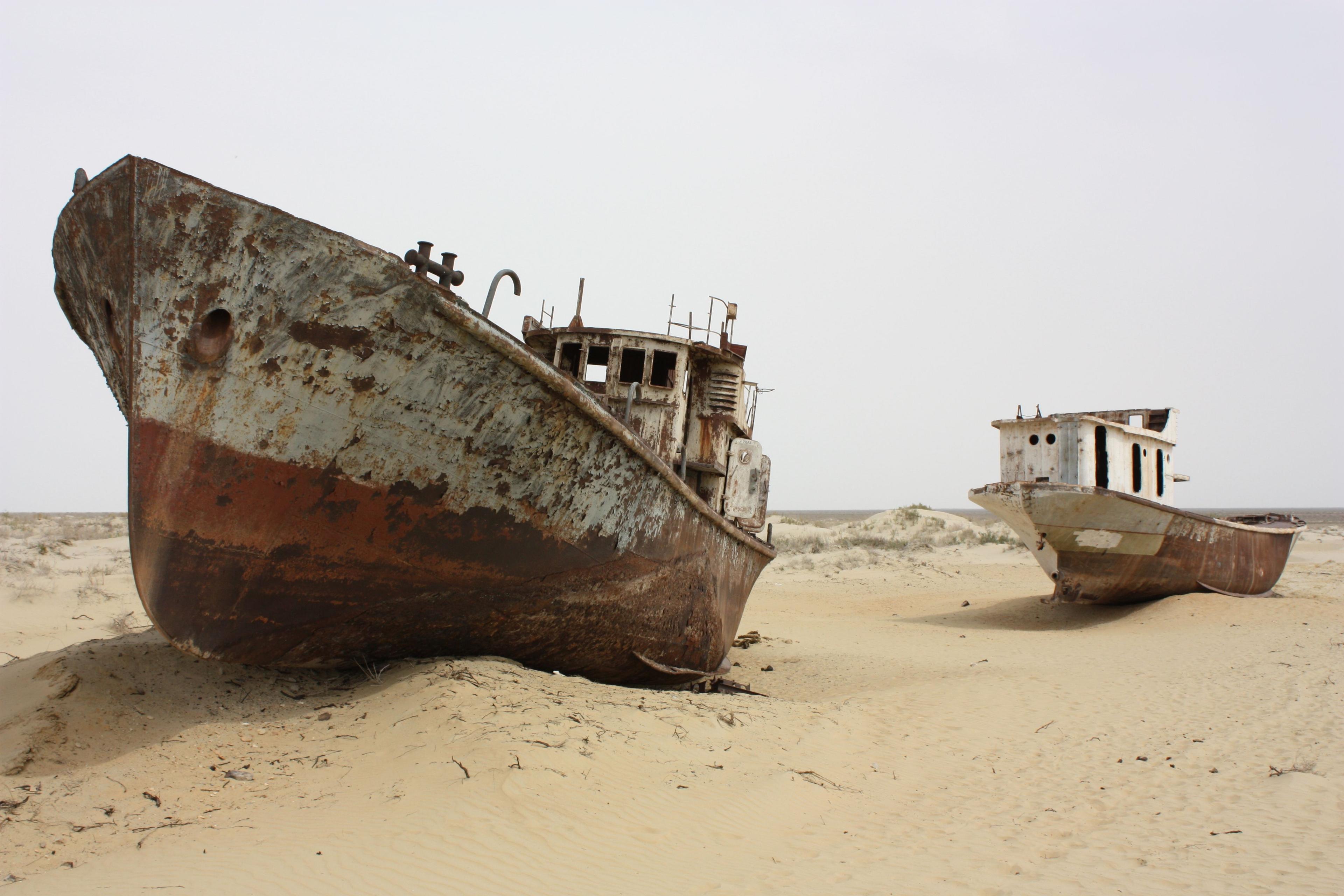
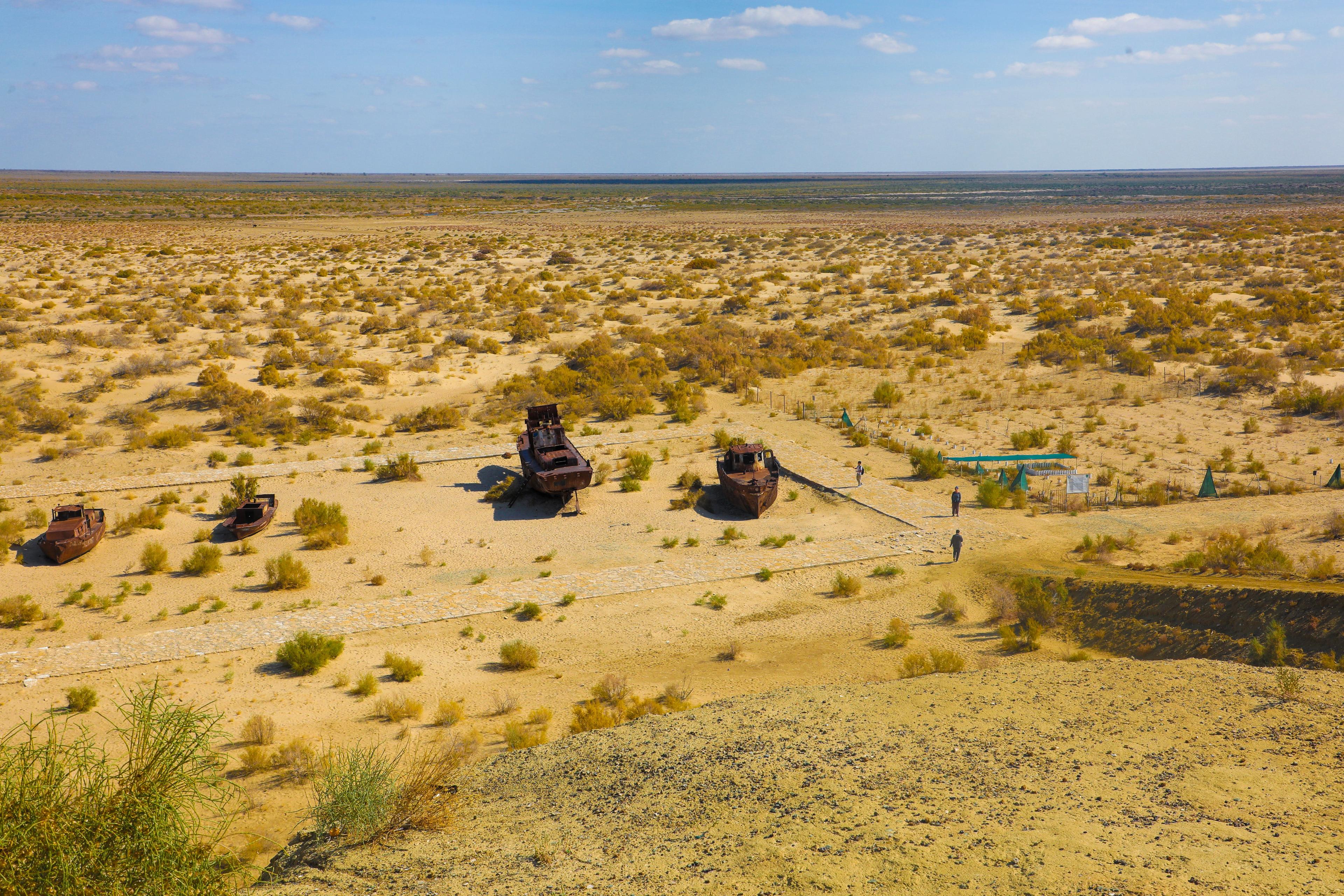
On the dried bed of the Aral Sea in Muynak, a row of rusting fishing boats sits in the sand below the old cliff, with the former seabed stretching to the horizon. It is one of the most haunting photographs in Central Asia, and a powerful reminder of one of the worst environmental disasters of the 20th century.
- Best time: late afternoon and sunset, when low light picks out the rust and textures of the hulls; or sunrise, if you stay the night in Muynak. Midday light in the open desert is harsh.
- Composition: the memorial above the ships gives a high view of the whole row; walking among the hulls lets you use them as frames for the empty horizon.
- Access: there is no ticket, and you can walk among the ships freely. Do not climb on rusted hulls.
- Respect: treat the site as a memorial. Ask before photographing residents of the town.
Muynak is about three hours' drive from Nukus, so most visitors combine it with the Savitsky Museum and, on longer trips, a night by the Aral Sea itself. See our guide to the Aral Sea and Muynak for how to plan it.

The Chimgan mountains
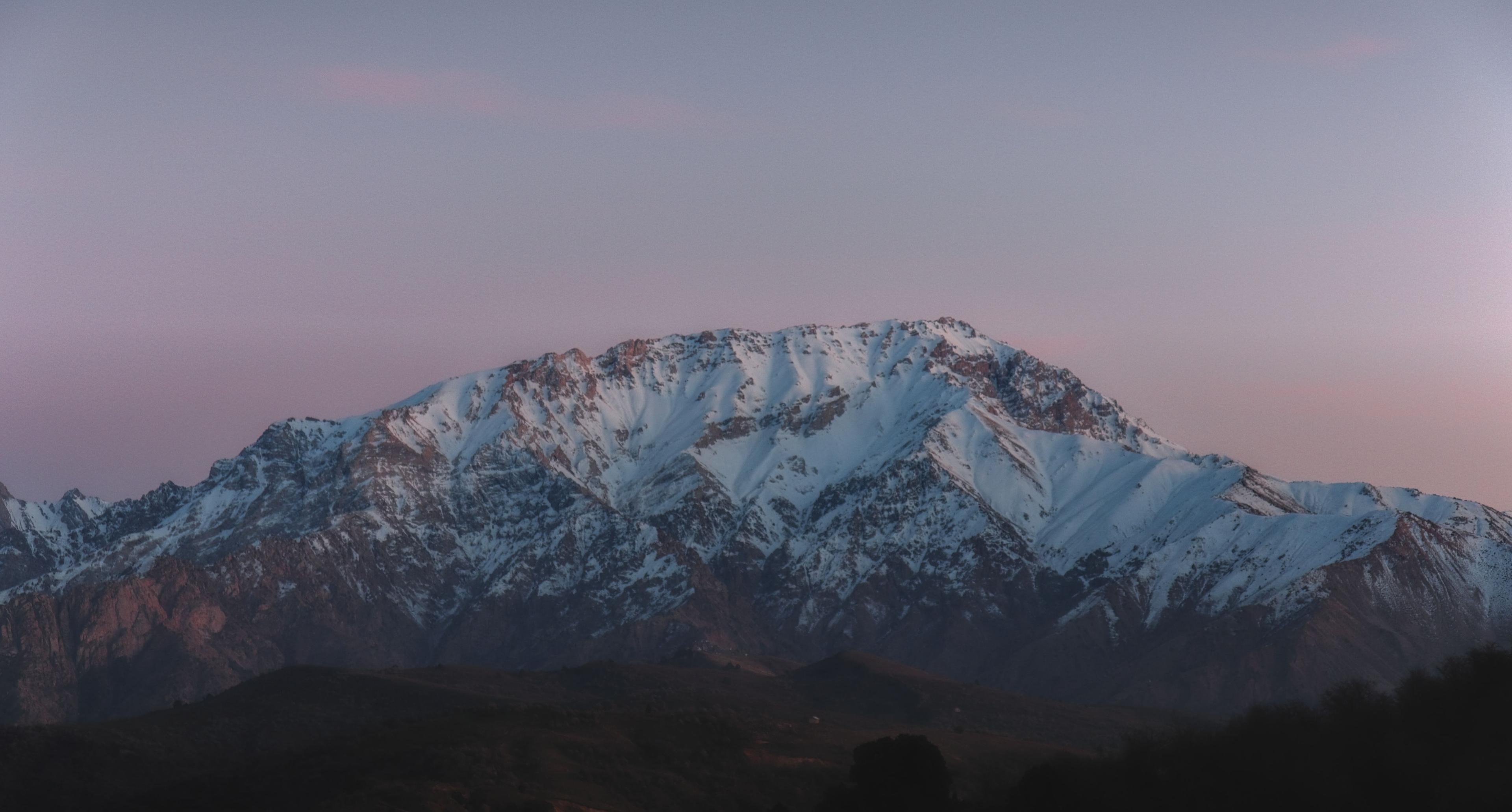
After a week of domes and tiles, the western Tian Shan near Tashkent gives you a completely different kind of photograph: snowy peaks, green meadows and the turquoise Charvak reservoir, all within two hours of the city.
- Charvak viewpoint: the classic panorama of the lake against the mountains, best in the morning or late afternoon. Do not photograph or fly anything close to the dam, which is a strategic site.
- Big Chimgan: the 3,309-metre peak is beautiful from the meadows below at sunset, and from the village of Uchterak at dusk.
- Amirsoy: the cable cars take you to the ridge for wide views over the valleys.
- Seasons: wild tulips and green slopes in April and May; golden poplars and walnut trees in October; snow from December to March.
Our guide to a Chimgan and Charvak day trip from Tashkent covers routes and timing.
Can you fly a drone in Uzbekistan?
In practice, not as a normal tourist. Uzbekistan has some of the strictest drone rules in the region, and this is where photographers most often get into trouble.
- Importing a drone is banned without a permit. Under Cabinet of Ministers Resolution No. 658 of 15 November 2022, the import, sale, storage and use of drones are prohibited except for authorised organisations and those with special permits. Individuals have not been allowed to import drones since 2015.
- A tourist permit exists but is not simple. Foreign film crews and content creators making material about Uzbekistan's tourism can apply for temporary permission through the tourism authorities. After approval, the drone must be registered with the civil aviation agency (Uzaviation), its radio equipment must be approved, and each flight needs permission from the state airspace management system. Allow plenty of time and expect your filming locations and footage to be reviewed.
- Transit: if you are only passing through, the drone must be declared at customs.
- Penalties: flying or bringing a drone without permission can lead to a fine of up to 20 times the base calculation amount (several million som) and confiscation of the drone. Repeat offences can bring criminal charges.
- Even with a permit, you may not fly near airports, railway stations, government and military sites, or over crowds.
The government announced plans in February 2026 to liberalise drone use for companies, but as of November 2026 we are not aware of any change that allows ordinary tourists to bring and fly a drone. Rules can change, so check with the Uzbek embassy or the civil aviation agency before you travel, and if in doubt, leave the drone at home. For high views, climb the Islam Khoja minaret in Khiva, the walls of Ichan-Kala or the rooftop terraces of Bukhara instead.
Photography etiquette: mosques, shrines and people
Most historic madrasahs and mausoleums are museums or monuments, and photography is generally allowed. Active mosques and shrines are places of worship, and a little care goes a long way.
- Courtyards and exteriors: almost always fine.
- Inside active prayer halls: ask first, and do not photograph during prayer, especially at Friday midday prayer.
- People praying: never photograph worshippers at prayer or pilgrims at a tomb up close.
- Dress: cover shoulders and knees; women may be asked to cover their hair in active mosques. Take off your shoes where others do.
- Camera fees: a few museums and sites still charge a small separate fee for photography or video. Ask at the ticket desk.
- Commercial shoots: professional photo sessions, large crews or filming for commercial use may need permission from the site administration, so ask well in advance.
Pilgrimage sites such as Shah-i-Zinda in Samarkand and the Bahouddin Naqshband complex near Bukhara are visited by many local pilgrims. Keep your voice and your camera low, and you will be welcome.
Photographing people. Uzbeks are generally warm and curious, and many people are happy to be photographed. Children will often ask you to take their picture. Good manners make the difference between a snapshot and a real portrait.
- Ask first. A smile and a gesture towards your camera is enough. In Uzbek, "Rasmga olsam maylimi?" means "May I take a photo?"
- Be especially respectful with women and older people, and accept a no gracefully.
- At bazaars, buy something, chat for a moment, then ask. Sellers at Chorsu Bazaar in Tashkent and Siab Bazaar in Samarkand are used to cameras.
- Wedding couples pose at the Registan and other monuments in the afternoon. A congratulation goes a long way, and they often welcome a photo.
- Offer to send the picture. Many people use Telegram; sharing your photo is a kind gesture.
- Do not photograph police, soldiers, border posts, military sites or government buildings.
Our culture and etiquette guide covers more of the local customs.
Photography tours with TourEast
We plan private and small-group itineraries around the light, with early starts at the Registan, sunsets on the walls of Khiva and evenings on the rooftops of Bukhara, and a guide who knows when each place is quiet. Tell us what you want to photograph and we will build the route, and the timing, around it.