Navruz, the Persian New Year on 21 March, is the warmest holiday of the Uzbek year. Our local guide to its traditions and food, the 2027 days off, where travellers can join in, and how the holiday affects trains, hotels and sightseeing.
Facts, prices and schedules checked on November 4, 2026
Navruz in Uzbekistan is the moment the whole country exhales after winter. On 21 March, the spring equinox, families cook sumalak through the night, neighbourhoods set up long tables in the street, and every city puts on concerts, fairs and wrestling matches. For a visitor it is the easiest holiday in the Uzbek calendar to join, because it is about spring, food and hospitality rather than religion.
The name comes from Persian and means "new day". Navruz (Navro'z in Uzbek, Nowruz in Iran, Novruz in Azerbaijan) has been celebrated across the Iranian and Turkic world for well over two thousand years, and today it is a public holiday in every Central Asian republic.
This guide explains what actually happens during Navruz, what to eat, the 2027 dates and days off, where travellers can see the best of it, and the practical side: crowds, closures and prices.
What is Navruz and why it matters in Uzbekistan
Navruz marks the start of the solar new year, when day and night are of equal length and the farming year begins. Its roots are older than Islam, linked to Zoroastrian and agricultural traditions of ancient Iran and Central Asia, which is why it is celebrated by Uzbeks, Tajiks, Karakalpaks, Kazakhs and Russians in Uzbekistan alike.
In 2009 UNESCO inscribed Nowruz on its Representative List of the Intangible Cultural Heritage of Humanity, in a joint nomination that included Uzbekistan, and the listing has since been extended to more countries, in 2016 and again in 2024; it now covers 13 states. In 2010 the UN General Assembly proclaimed 21 March the International Day of Nowruz.
The holiday has not always been easy. In parts of the Soviet period it was discouraged or banned as a religious or "backward" custom, and families kept it at home. After independence in 1991 it returned as a national holiday, and today it carries a strong sense of national identity. Ask an Uzbek friend about Navruz and you will hear less about history than about grandmothers, the smell of sumalak at 4 a.m. and the first green herbs of the year.
Navruz traditions: how Uzbeks celebrate
Navruz is not a single day so much as a season. Preparations start in early March and the mood lasts until the end of the month.
- Spring cleaning. Homes are cleaned top to bottom before the holiday, debts are repaid where possible, and quarrels are meant to be settled.
- Hashar. Neighbours join in community work: planting trees, whitewashing walls, cleaning the mahalla (neighbourhood) and the local cemetery.
- Visiting elders. Families visit parents, grandparents and older neighbours, bringing food and asking for blessings (duo).
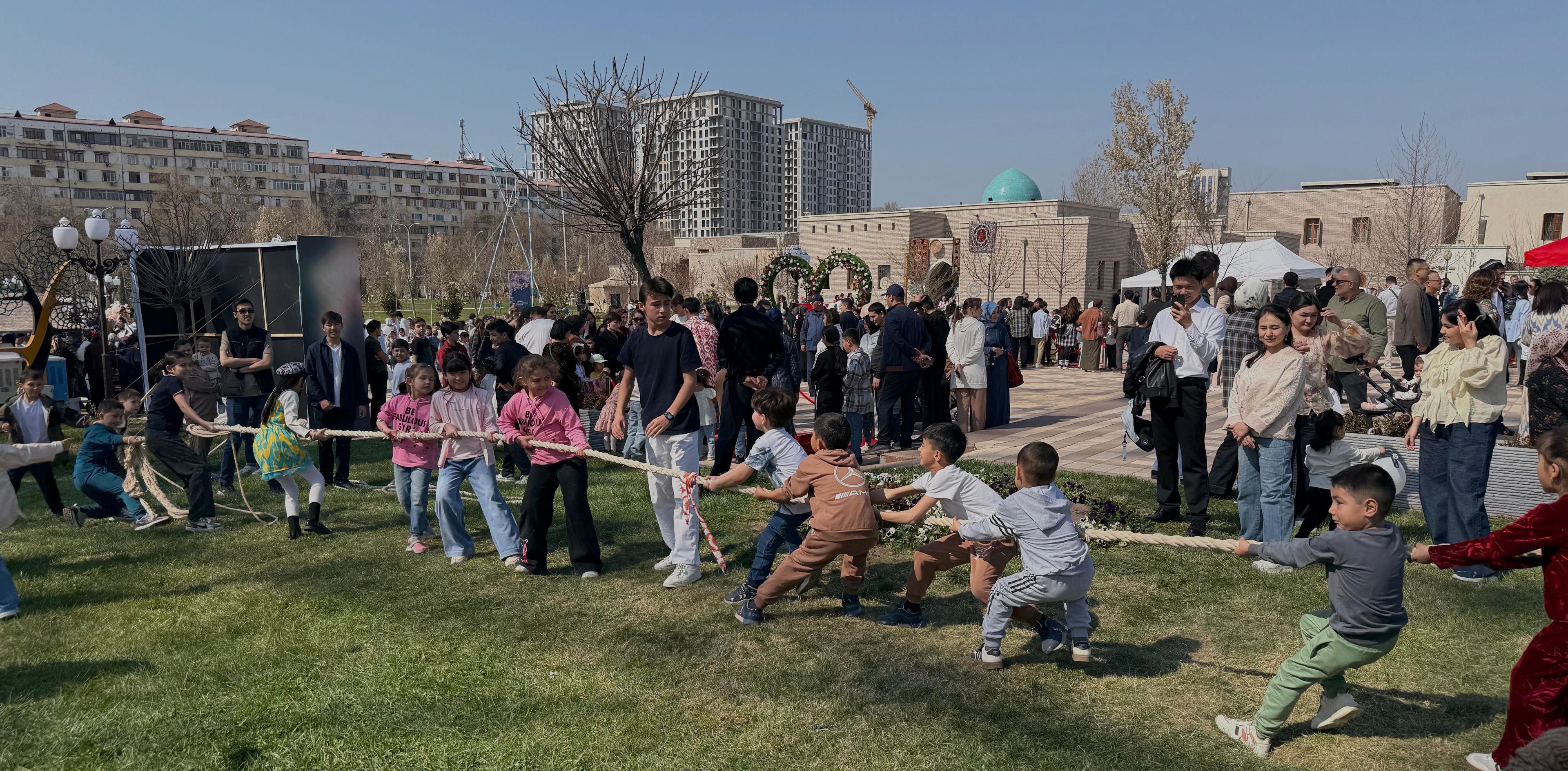
- Sayl. Open-air folk fairs with music, dancing, craft stalls and food. Many towns hold them in a central park or by a historic monument.
- Games and sport. In the countryside you may see kurash (Uzbek wrestling), cockfights or ram fights and, in Samarkand, Jizzakh and Kashkadarya regions especially, kupkari (also called ulak), the horseback game played with a goat carcass.
- Swings and music. Big wooden swings for children and young people, and performances by dancers, singers and askiya (improvised comic dialogue) artists.
Television carries a large state Navruz concert, and schools and universities stage their own shows in national dress. The general rule for a visitor is simple: if you see a gathering with music and a kazan steaming in the middle, you are almost always welcome to watch, and often to eat.
What is sumalak? The dish of Navruz
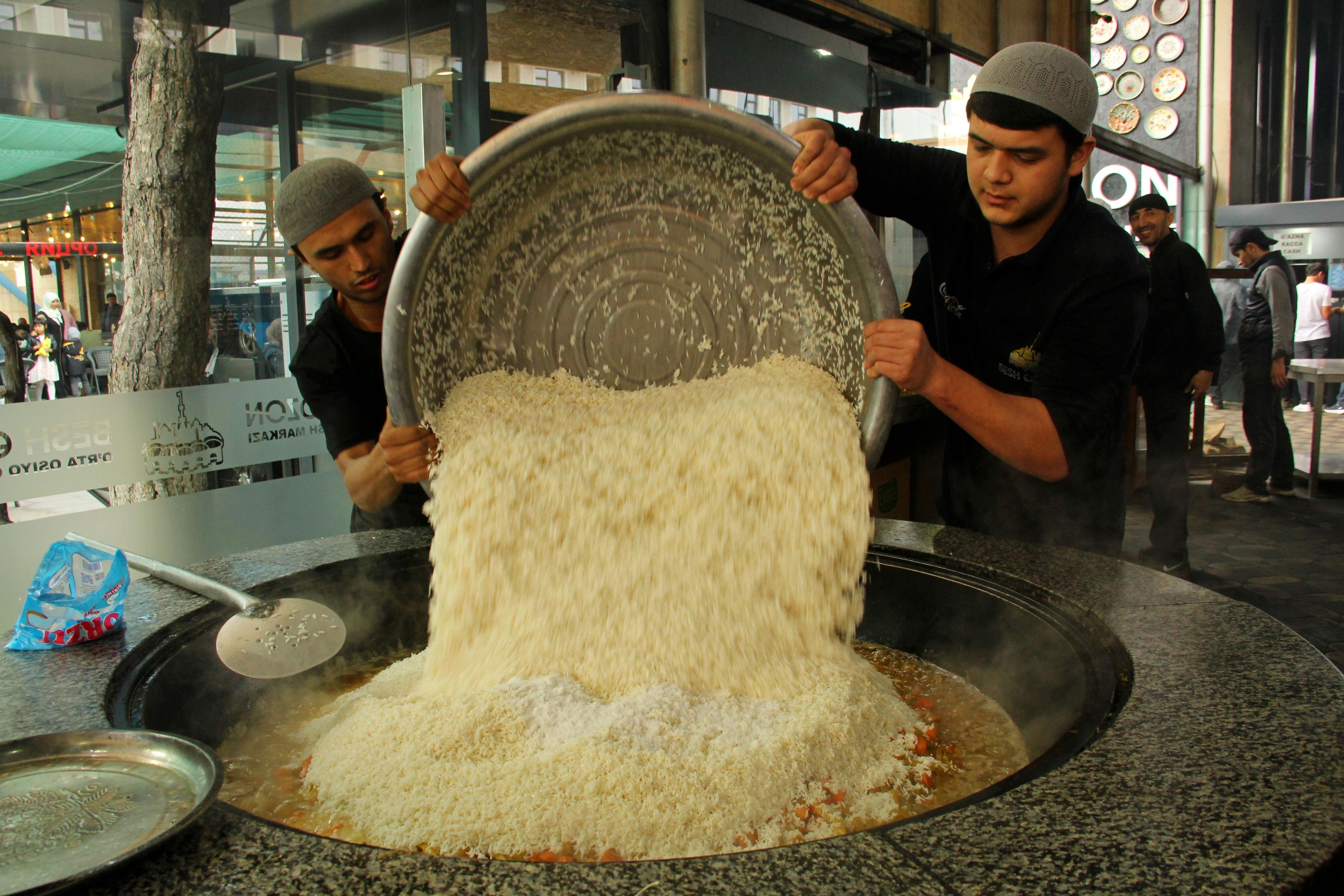
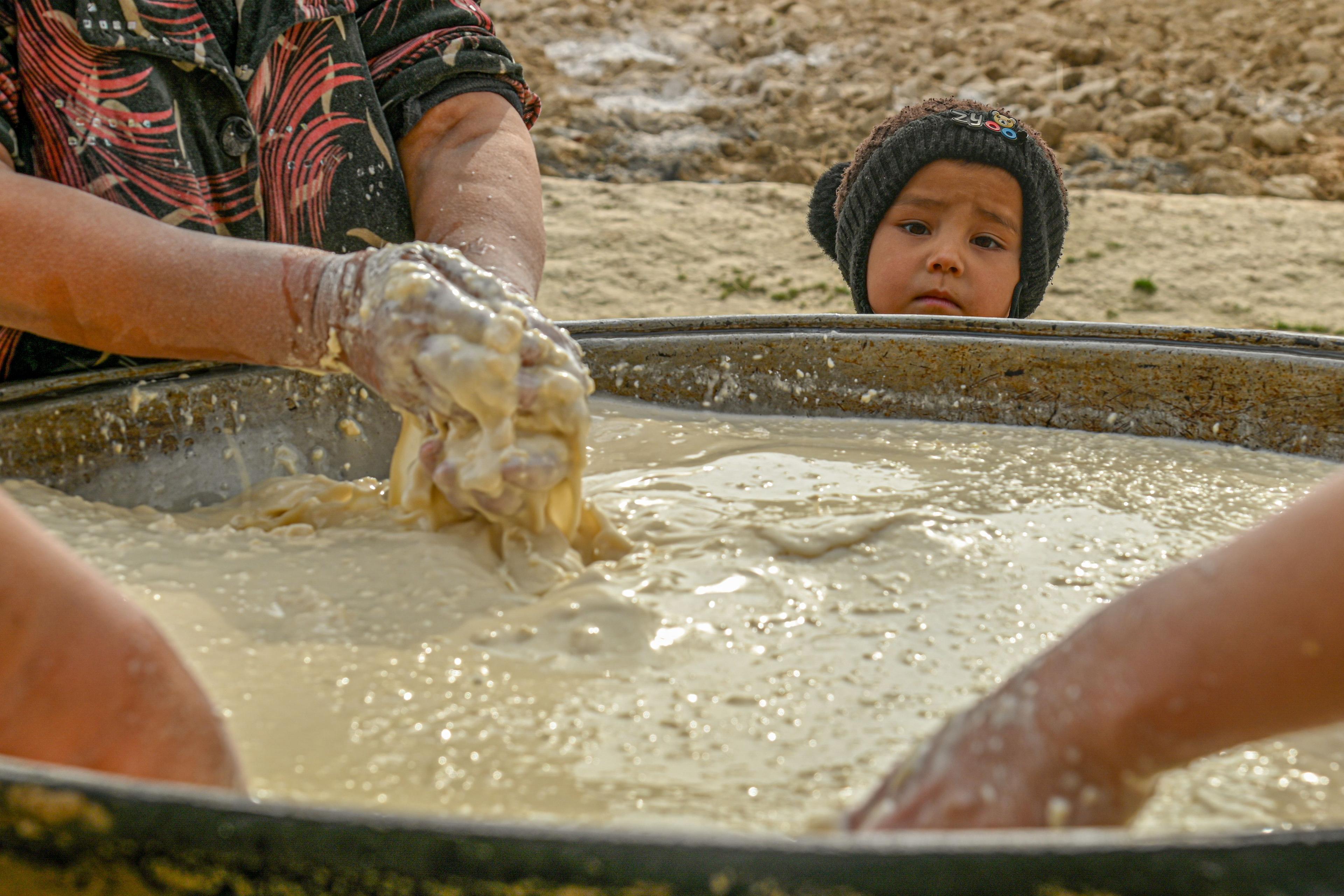
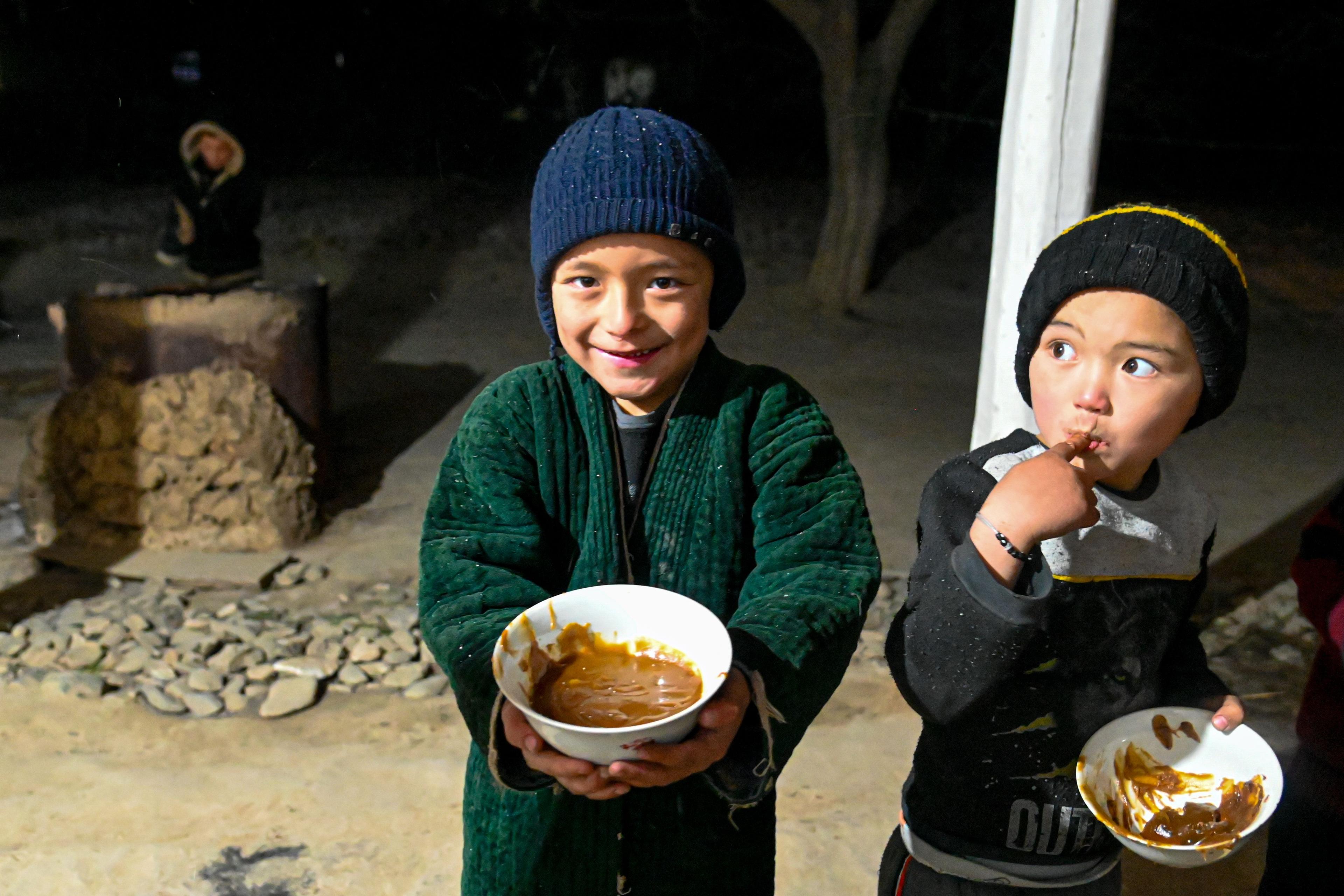
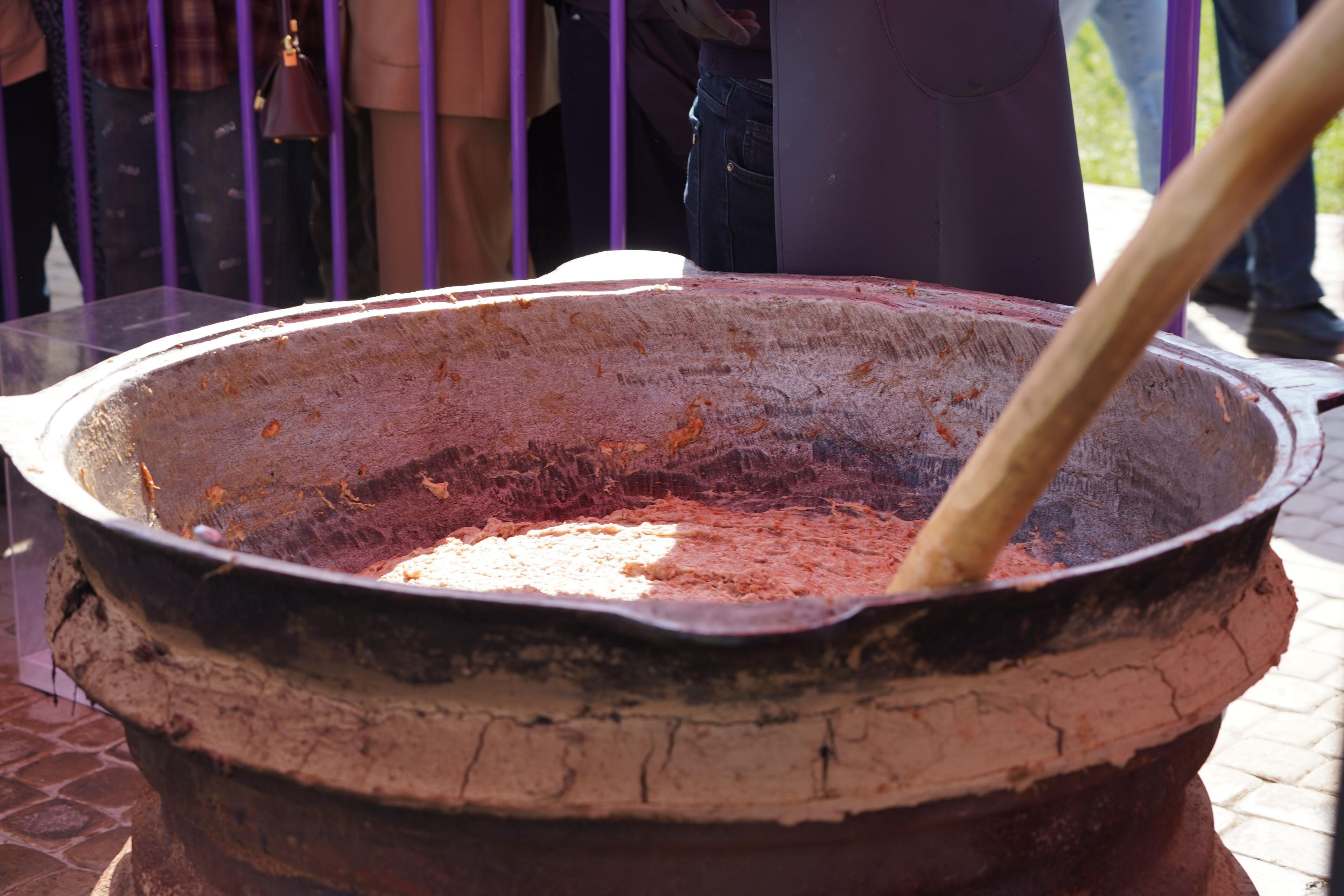
If one thing defines Navruz in Uzbekistan, it is sumalak, a thick, sweet, brown paste made only from sprouted wheat, flour and oil, with no sugar at all. The sweetness comes from the wheat itself.
The process is slow and communal:
- About a week before the cooking, wheat grains are soaked and left to sprout until the shoots are a few centimetres long.
- The sprouts are crushed and pressed to release a green juice, which is mixed with flour and cotton-seed oil in a huge kazan over a wood fire.
- The mixture is stirred almost constantly through the night, typically for 12 to 24 hours, by women who take turns and sing special Navruz songs (Sumalak qaynaydi, "sumalak is boiling", is the best known).
- Small clean pebbles or walnuts are placed at the bottom of the kazan to stop the paste from burning. Whoever finds one in their bowl is said to have their wish granted.
Sumalak is ready around dawn, and it is shared with neighbours, relatives and anyone who comes by. It tastes faintly of malt and caramel and is eaten with a spoon or with bread. If you are invited to stir the kazan, accept: it is a gesture of welcome, and you are expected to make a wish while you stir.
Other Navruz dishes are worth looking for too:
- Halim: a rich porridge of wheat and meat, cooked for hours until smooth.
- Ko'k somsa: pastries filled with the first spring greens and herbs.
- Ko'k chuchvara: small dumplings with greens.
- Spring salads and herbs at every bazaar, from wild garlic to green onion.
For the wider context of plov, somsa and bread, see our Uzbek food guide.
When is Navruz 2027? Dates and days off
Navruz is fixed: it is always celebrated on 21 March in Uzbekistan. In 2027 that date falls on a Sunday.
Under the Labour Code of Uzbekistan (Article 208), when a public holiday falls on a weekend day off, the day off moves to the next working day. In practice, this means Monday 22 March 2027 should be a day off for most people on a five-day working week, giving a long weekend from Saturday 20 to Monday 22 March.
Each year the President also signs a decree, usually in December, that can add extra non-working days or swap weekends to create longer breaks. The decree for 2027 had not been published as of November 2026, so the exact number of days off may change. For comparison, in 2026 Navruz fell on a Saturday, the day off moved to Monday 23 March, and together with Eid al-Fitr on Friday 20 March most offices closed for four days.
Two other dates shape March travel in Uzbekistan:
- 8 March, International Women's Day, is also a public holiday. Flowers sell out and restaurants are busy.
- Ramadan in 2027 is expected to run from about 8 February to 9 March, with Ramazon Hayit (Eid al-Fitr) around 9 or 10 March. The exact date depends on the moon and is announced by the Muslim Board of Uzbekistan shortly before. Unlike 2026, it should not coincide with Navruz in 2027.
Festivities are not limited to the official day. Sumalak is cooked from roughly the second week of March, and concerts and fairs continue for a week or more around the 21st.
Where to celebrate Navruz in Uzbekistan
Every city celebrates, but the experience is different in each.
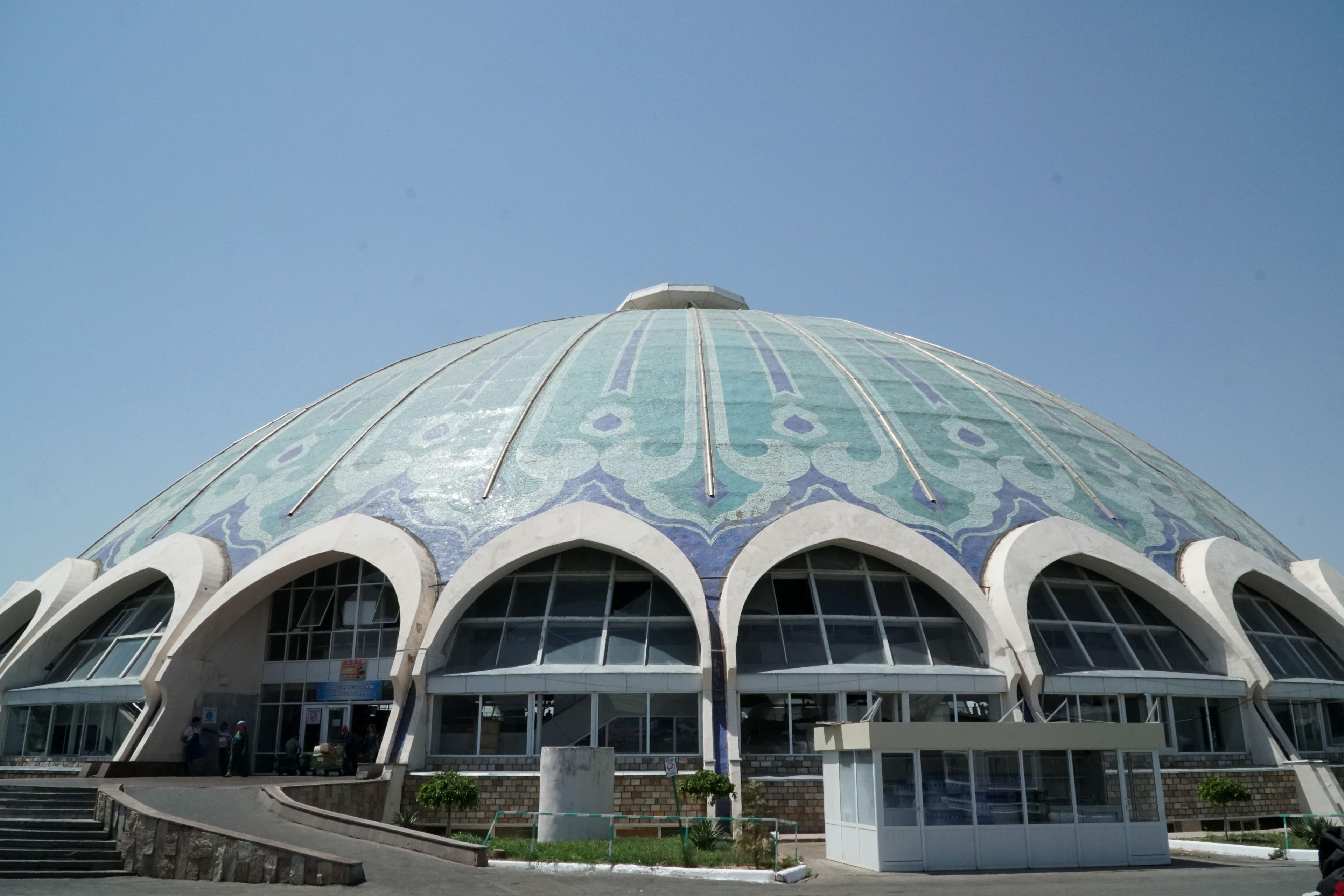
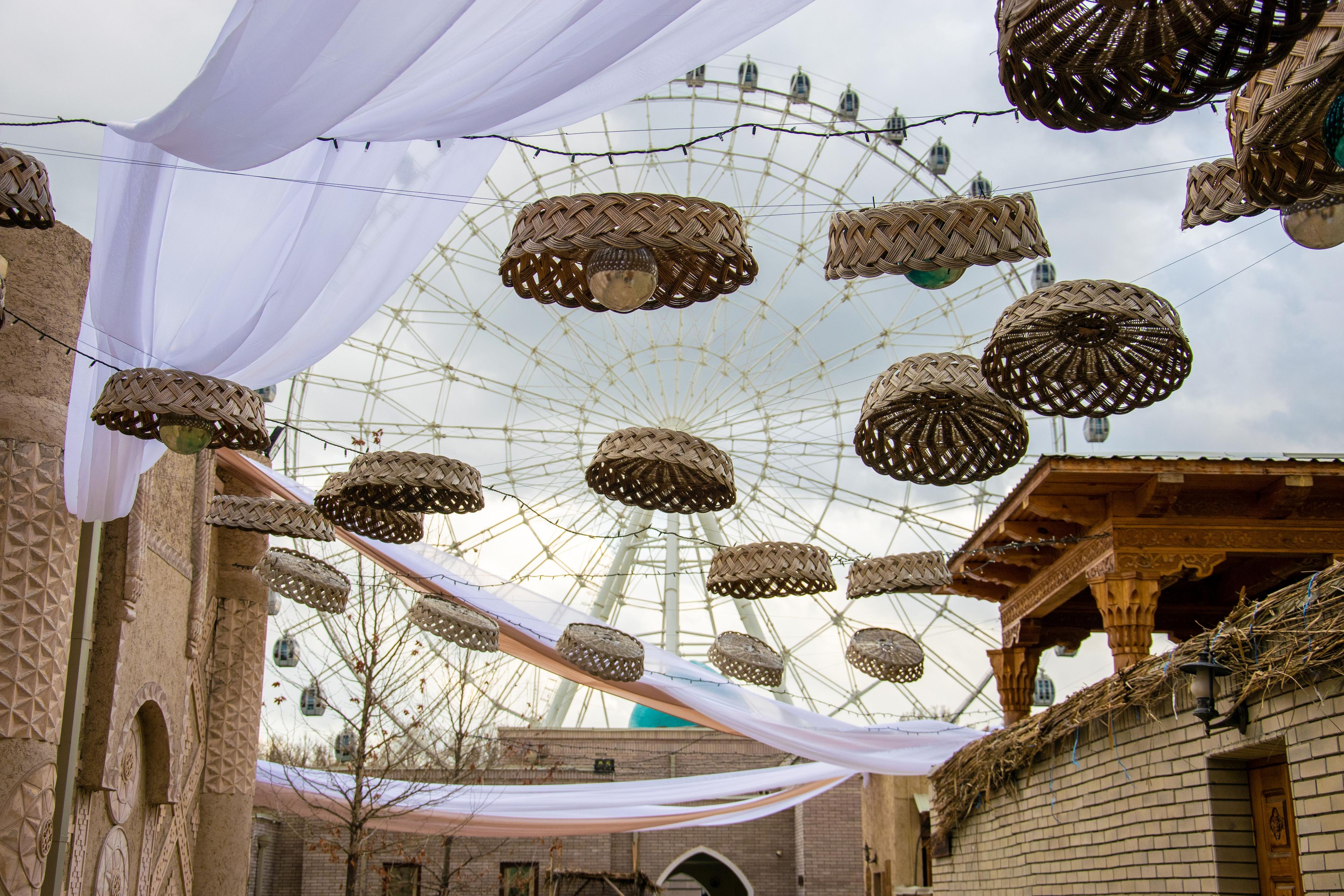
- Tashkent. The capital has the largest public programme: concerts in parks, festive lighting along the main avenues, and fairs in squares and mahallas. In recent years Navruz Park, a large ethnographic park in the city, has hosted many of the public festivities, with regional food streets and craft displays. Chorsu Bazaar is at its liveliest in the days before the holiday, piled with herbs and wheat sprouts.
- Samarkand. Expect sayls, music and national dress around the historic centre and in the city parks, and plenty of families in the mahallas cooking sumalak overnight. The Registan is the backdrop for many of the photographs you will see on Uzbek news.
- Bukhara. The old town has a more intimate feel. Festivities often centre on the open spaces around Lyab-i-Hauz and the parks near the Ark Fortress, and the Silk and Spices Festival (usually held in late May) is a separate event, so do not confuse the two.
- Khiva. Concerts and folk performances in and around Ichan-Kala, with Khorezm's distinctive lazgi dance.
- Fergana Valley and the countryside. For the most authentic Navruz, village and small-town celebrations are hard to beat: kupkari on the edge of town, sumalak in every courtyard and hospitality that does not stop.
Event programmes are announced late, often only a week or two before 21 March, and venues change from year to year. Our guides check the local programme each spring and know which mahallas welcome visitors at the sumalak kazan.
Is Uzbekistan worth visiting during Navruz?
Yes, if you like atmosphere and do not mind company. March is one of the most rewarding months to visit Uzbekistan: apricot and almond trees are in blossom, temperatures in Tashkent, Samarkand and Bukhara are typically in the mid-teens Celsius by day, and the summer heat is still months away. The cold nights mean you should pack a warm layer; our weather by month guide has the details.
What you gain:
- A chance to see Uzbek family and neighbourhood life at its most open.
- Food you cannot taste at any other time of year.
- Colour everywhere: national dress, decorated streets and spring markets.
What to weigh against it:
- Domestic travel peaks over the long weekend, so trains and hotels fill up.
- Some museums and offices change their hours or close for a day.
- Big public events can mean road closures and heavy traffic in city centres.
On balance we recommend timing a trip to include Navruz, especially for travellers who are more interested in people than in empty photographs of monuments. If you want quiet sites, visit in the week before or after.
Practical tips: crowds, closures and hotel prices
Navruz is a domestic travel peak, and the biggest impact is on transport.
- Trains. Afrosiyob high-speed trains between Tashkent, Samarkand and Bukhara sell out around the holiday weekend. Buy as soon as sales open on the Uzbekistan Railways site or app; our Afrosiyob train guide explains how.
- Flights. Domestic flights to Urgench (for Khiva) and Bukhara also fill up. Book early and keep your plans flexible.
- Hotels. Small boutique hotels in Samarkand, Bukhara and Khiva are often full over the long weekend, and rates can rise noticeably. Book well ahead for any dates between about 18 and 25 March.
- Sights. Most major monuments, including the Registan, stay open, sometimes with shorter hours on the day itself. State offices, banks and some museums close on the official days off. Check opening times locally.
- Bazaars. Markets usually open as normal and are at their best in the days before Navruz. Some small shops and family-run cafés close on 21 March.
- Money. ATMs can run low over long holidays in smaller towns. Withdraw cash before the weekend; see our money in Uzbekistan guide.
- Events. Big concerts can require invitations or tickets that are not sold to the public. Neighbourhood fairs and parks are open to all.
For a few days the country runs on holiday time. Build in slack and you will enjoy it far more.

Navruz etiquette for visitors
You do not need to know much to join in, but a few gestures go a long way.
- Greet people with "Navro'z muborak" (Happy Navruz) or the fuller "Navro'z bayramingiz muborak bo'lsin". In Russian, "S prazdnikom Navruz".
- If you are invited into a home, bring something small: sweets, fruit, a cake or a souvenir from your country. Take off your shoes at the door.
- Accept at least a taste of sumalak when it is offered. Refusing outright can seem cold; saying you are full after a spoonful is fine.
- Ask before photographing people, especially women stirring the kazan or families at the table. Most people will say yes with a smile.
- Dress is relaxed, but at family gatherings and in villages modest clothing is appreciated.
Our article on Uzbek culture and etiquette covers tea, bread and home visits in more detail.
Celebrating Navruz with TourEast
Navruz is our favourite week of the year, and our guides are happy to bring travellers to the sumalak kazan in their own neighbourhoods. If you would like to time a private or small-group tour around 21 March, we can plan the route, book trains early and find the celebrations worth seeing.
Frequently asked questions
Watch
Photo gallery