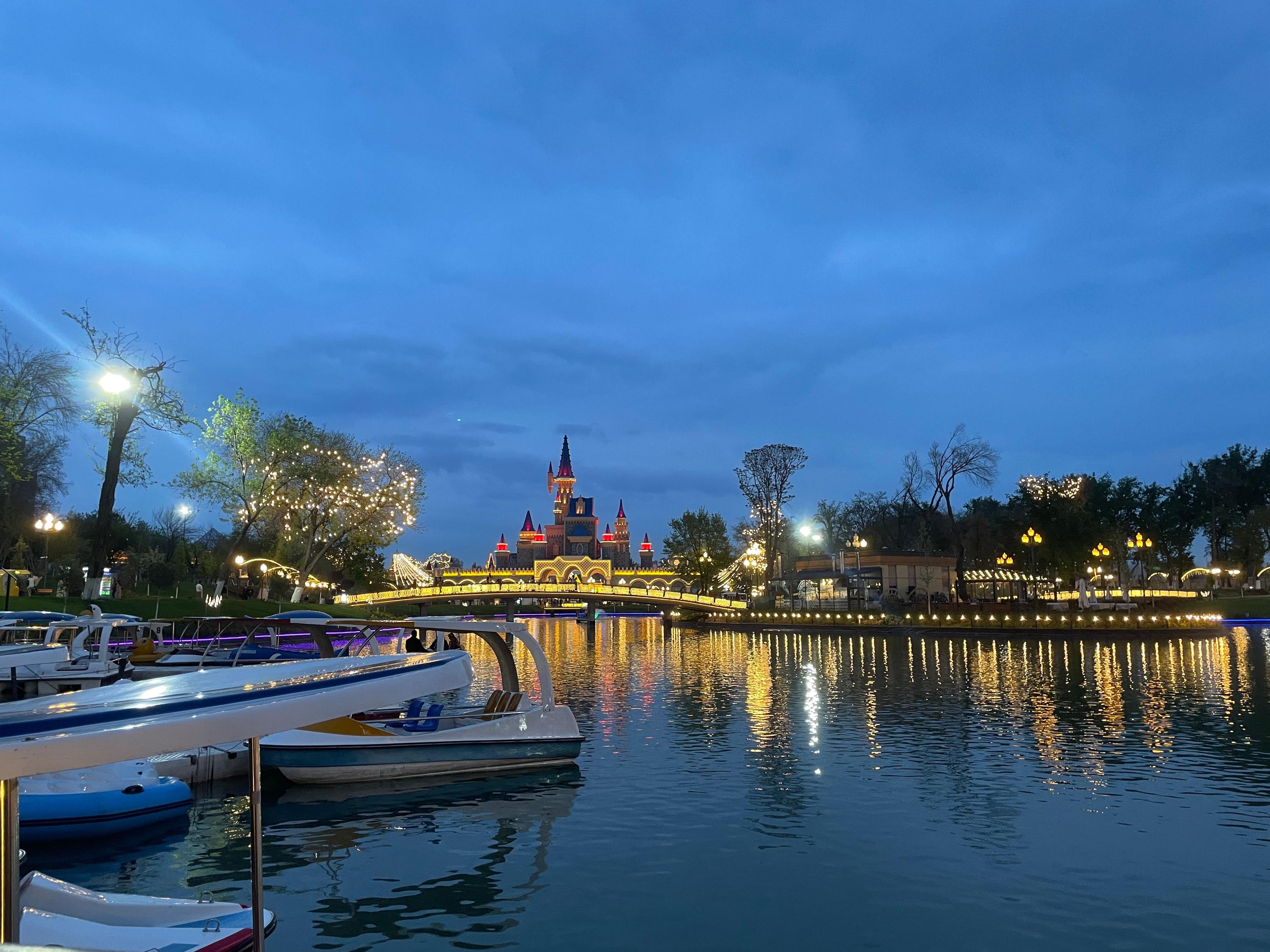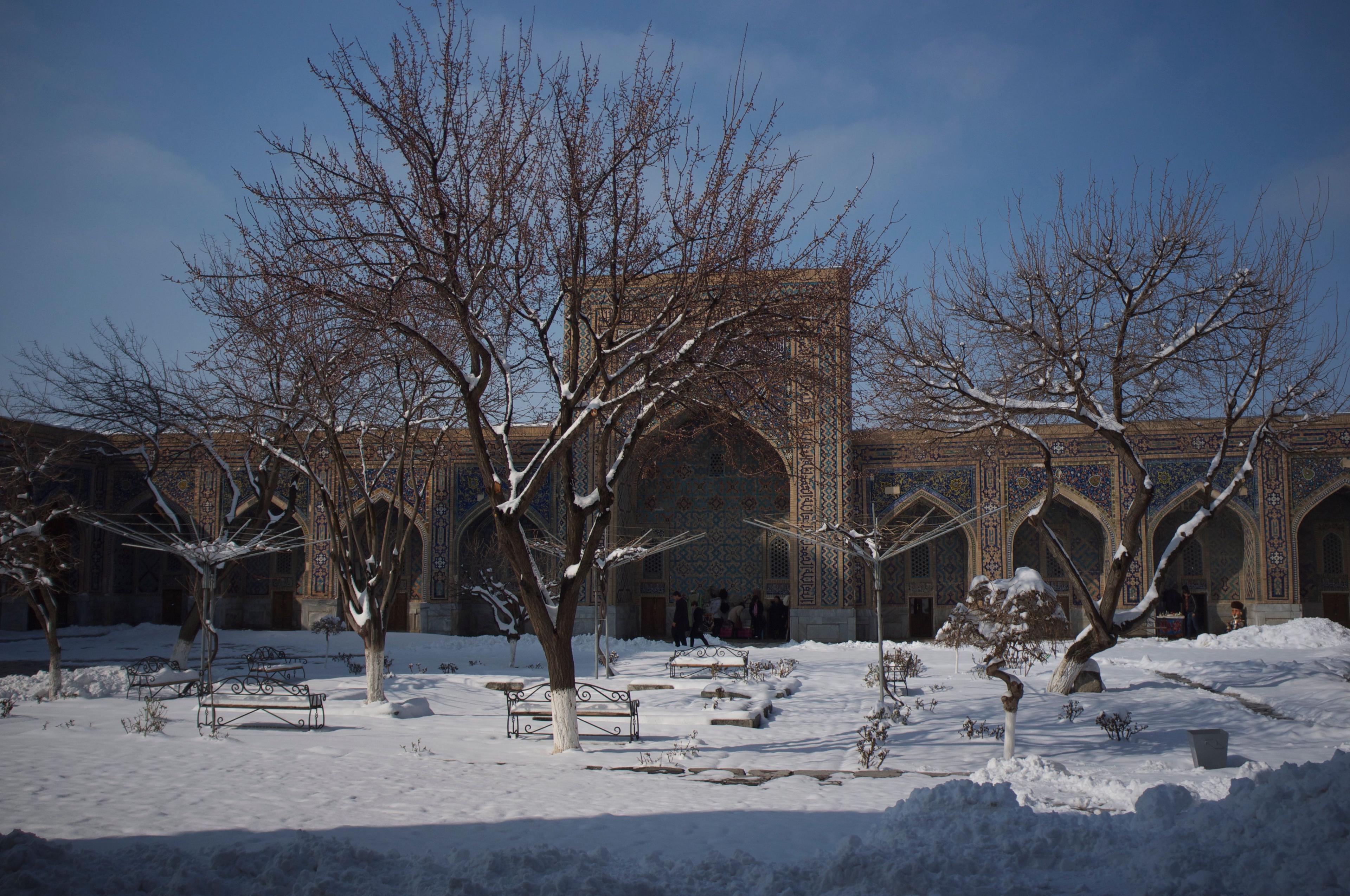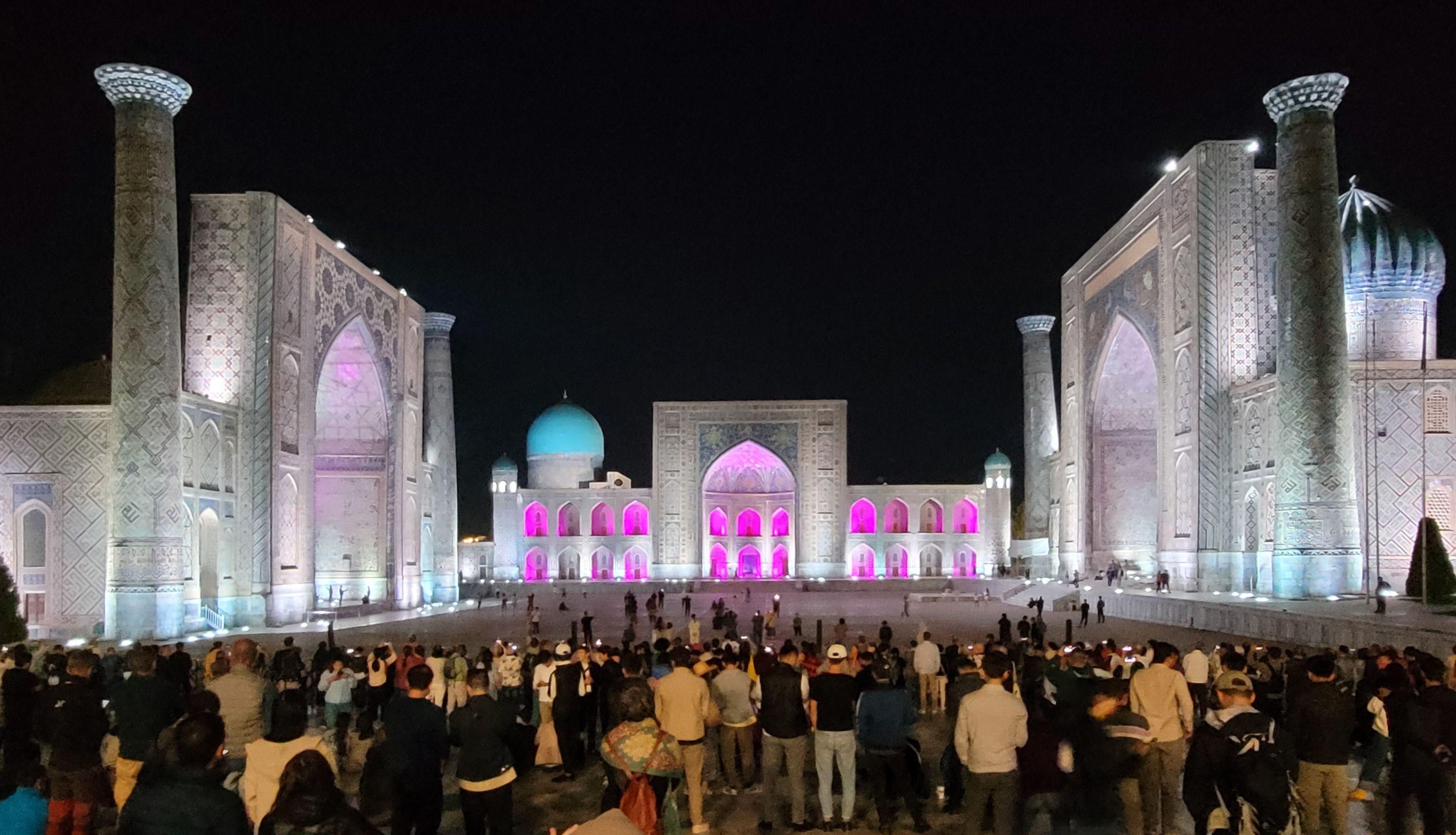
How to plan a trip to Uzbekistan for grandparents, parents and children: season, pace, trains, hotels with lifts, activities for all ages and rest days, with honest notes on steps and heat.
Facts, prices and schedules checked on November 4, 2026
A multi-generational trip to Uzbekistan can be one of the best family holidays you will take, and one of the trickiest to design. Uzbek culture is built around family and respects both the very young and the very old, so grandparents, parents and children are welcomed almost everywhere. The difficulty lies in logistics: cobbled lanes, hot summers, steps at monuments and journeys between the cities, all of which affect a seven-year-old and a seventy-eight-year-old differently.
This guide is about compromise. It explains how to set a pace that suits three generations, which cities and activities work for all ages, how to handle trains, hotels and heat, and how to plan rest so that nobody is tired and nobody is bored. It complements our separate guides to Uzbekistan with kids, for senior travellers and for accessible travel, which go deeper on each age group.
Is Uzbekistan a good destination for three generations?
Yes, with planning. The strengths are easy to list. The great sights sit on flat ground in a few compact cities. High-speed trains link Tashkent, Samarkand and Bukhara, with a newer train to Khiva. The food is mild and generous. Children are adored, and older travellers are treated with real respect, so a grandmother being helped up a step by a stranger is normal. Crime against tourists is low, and the family sense of the place suits a group.
The challenges are also clear. Many monuments have steps and uneven paving, older buildings have few lifts, summers are very hot, and good guesthouses in old houses may have stairs. A trip that works for a fit adult in a hurry can exhaust a toddler and a grandparent in the same afternoon. The answer is not to cut the trip to the bare minimum, but to build it around the slowest walker and the shortest attention span, and to let the others add optional extras.
Choose the right season
Season shapes comfort more than anything else. For three generations, the best months are April to early June and September to October, when temperatures are comfortable for walking and the light is good. School holidays often push families into July and August, and the heat then is a serious issue for both small children and older relatives, with Bukhara and Khiva often above 40 degrees in the afternoon. If you must travel in summer, sightsee early in the morning and after about 17:00, rest in the middle of the day and choose hotels with air conditioning and a pool. Our guides to Uzbekistan in spring, summer and autumn and the weather by month give details.
Winter is quieter, cheaper and cold. It suits families who want to combine the cities with a snow day in the mountains near Tashkent, but it is harder for older relatives on icy paving. Easter and autumn half-term are often the best compromise.
Set the pace: fewer cities, longer stays
The most common mistake is trying to fit in too much. For three generations, we recommend two nights in each stop at minimum and three in Samarkand or Bukhara, a late start in the morning, a long lunch and a free afternoon. A classic route of Tashkent, Samarkand, Bukhara and Khiva can be done in eight days, but ten to twelve days is far kinder to a mixed group. If your time is short, drop Khiva or fly rather than cram. Our 10-day itinerary and the senior travellers guide show how to slow the route down.
A few rules help in practice:
- No sightseeing on the day you arrive after a long flight.
- No more than one long journey every two or three days.
- Build a rest day or a half-day near the middle, with a pool, a market or a cooking class.
- Keep the last day free for packing, shopping and a farewell meal.
Getting around: trains, cars and drivers
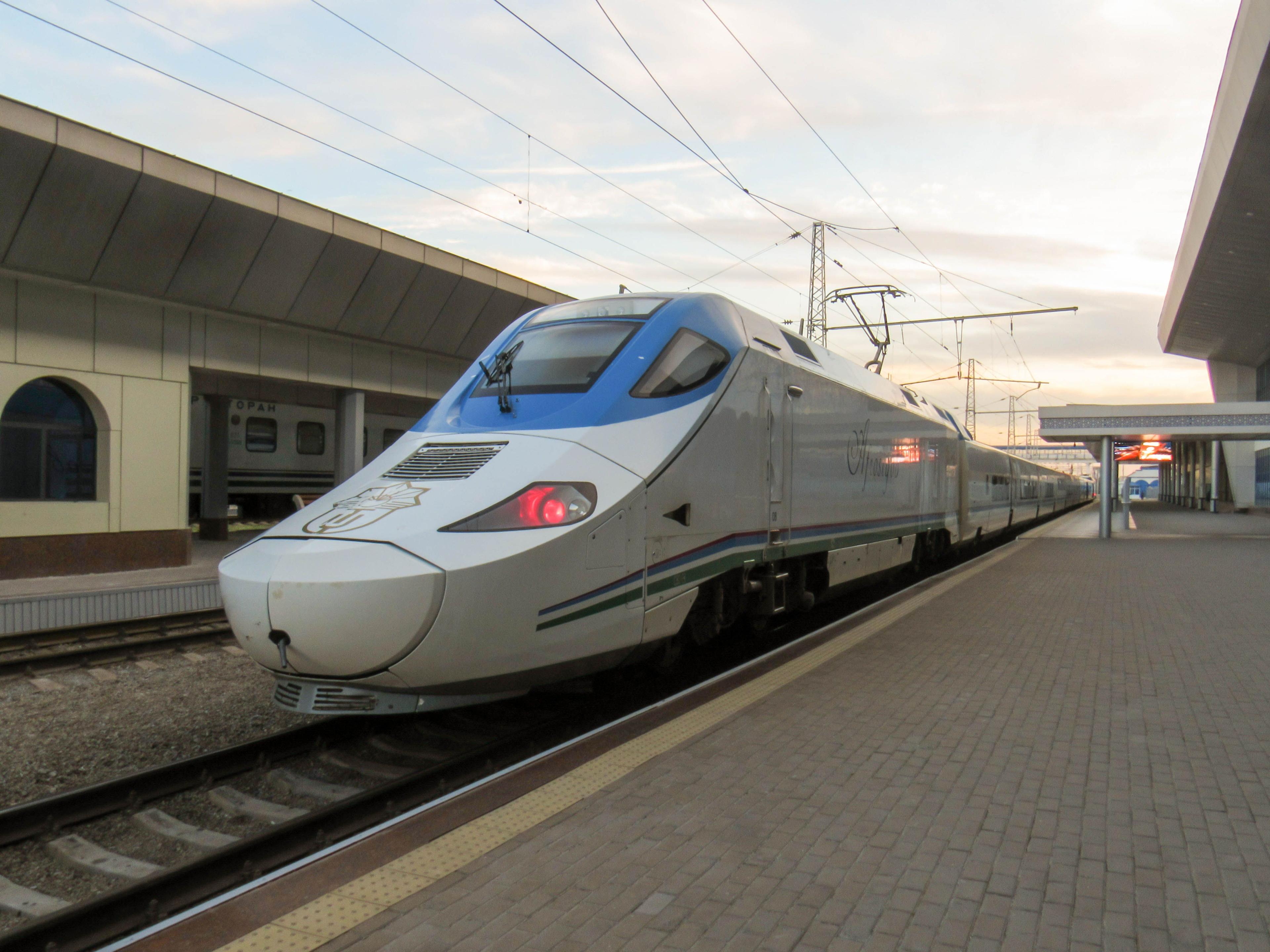
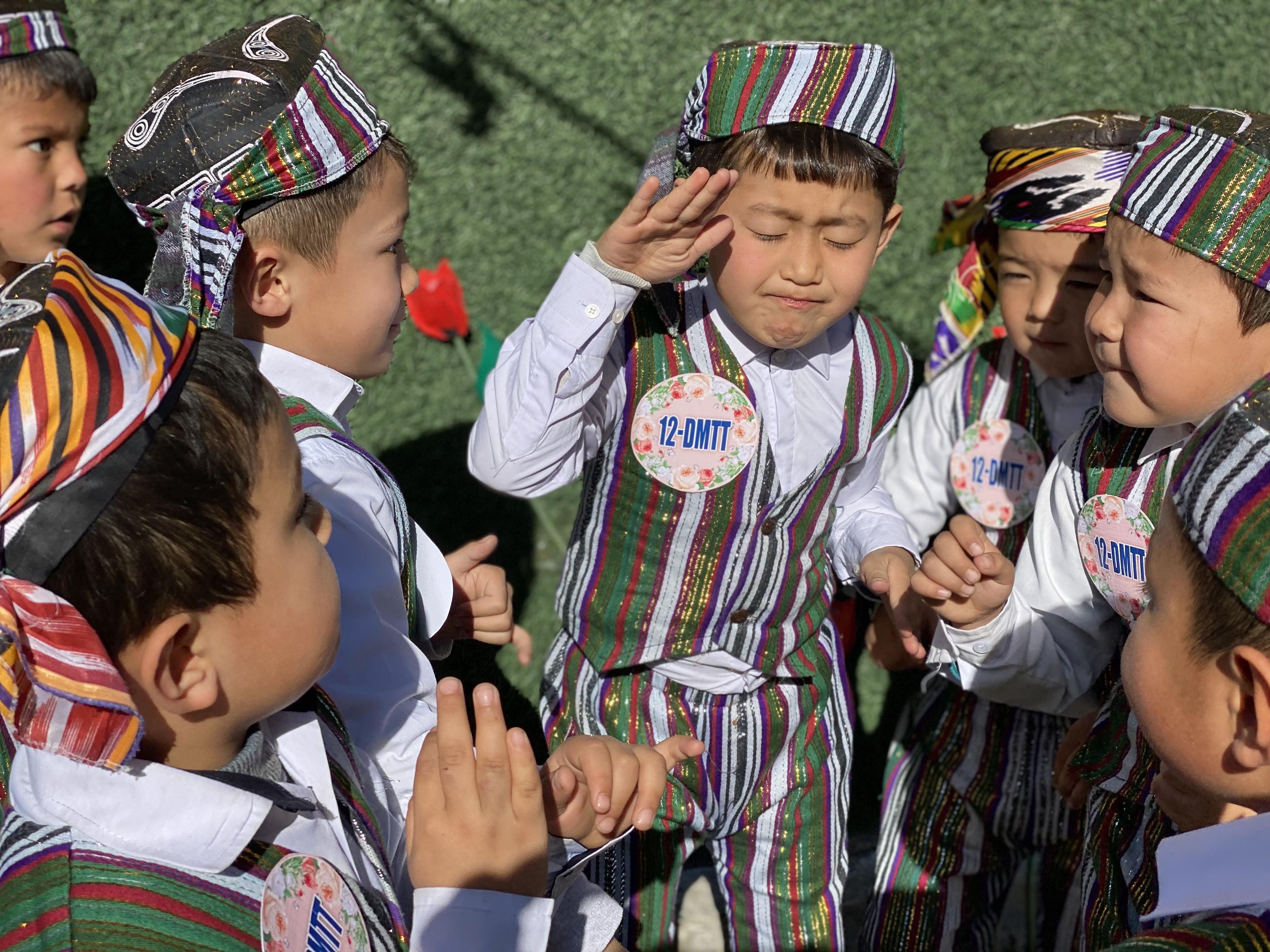
The Afrosiyob high-speed train is the easiest way to travel between cities with a group of mixed ages. It runs between Tashkent, Samarkand and Bukhara, and takes a little over two hours to Samarkand, with comfortable seats, air conditioning and toilets. A newer high-speed train now links Bukhara to Khiva. Children under five can sit on a parent's lap for free, children from five to ten pay a reduced fare with a seat, and tickets are issued in the passenger's name, so bring passports for everyone. Book as early as sales open for spring and autumn, and read our Afrosiyob and train ticket guides for details.
In cities, a private minivan with a driver is the key to a multi-generational trip. It lets you hop between sights, keep bags in the car, return to the hotel for a rest and leave elderly relatives at a teahouse while others climb a staircase. Typical 2026 prices for a private car with a driver are around US$50 to 100 a day, depending on vehicle size and distance. Walking is still pleasant in the old towns of Bukhara and Khiva, where cars cannot always reach, so choose hotels that are close to the main sights.
Hotels: lifts, rooms and location
Hotels matter more than they do on a trip for adults alone. The large modern hotels in Tashkent and Samarkand usually have lifts, wide doors and family rooms. Many of the loveliest guesthouses in Bukhara and Khiva are converted houses with stairs, high thresholds and no lift, which can be a problem for older guests. Ask in advance for a ground-floor room or a hotel with a lift, a walk-in shower rather than a bath, reliable air conditioning and heating, and a room away from noisy courtyard restaurants.
Think about how the group sleeps. Many hotels offer triple and family rooms, and connecting rooms may be possible at some. A pool makes a big difference in summer, so look for one in Tashkent, at the Silk Road Samarkand resort area or in selected Bukhara hotels. Location matters in the old towns: stay inside or close to the old town so that anyone can walk back for a rest. Our guide to where to stay in each city compares areas.
Activities everyone can enjoy
The best multi-generational days combine one main sight with one hands-on experience, so that different ages find something. Some options that work across generations:
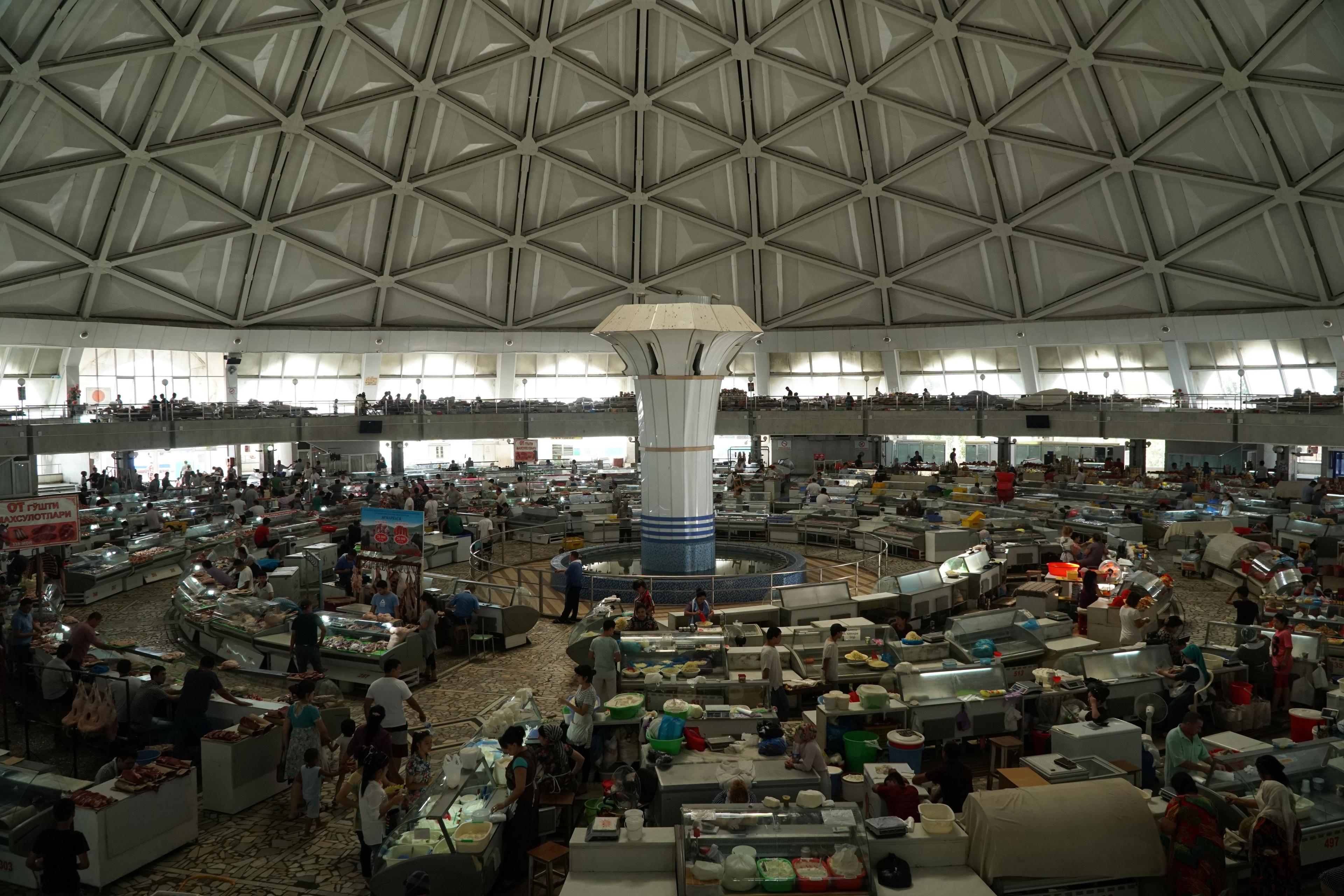
- Markets. Chorsu Bazaar in Tashkent and Siyob Bazaar in Samarkand are free entertainment for children and a cultural highlight for adults. Sit with tea while the others browse.
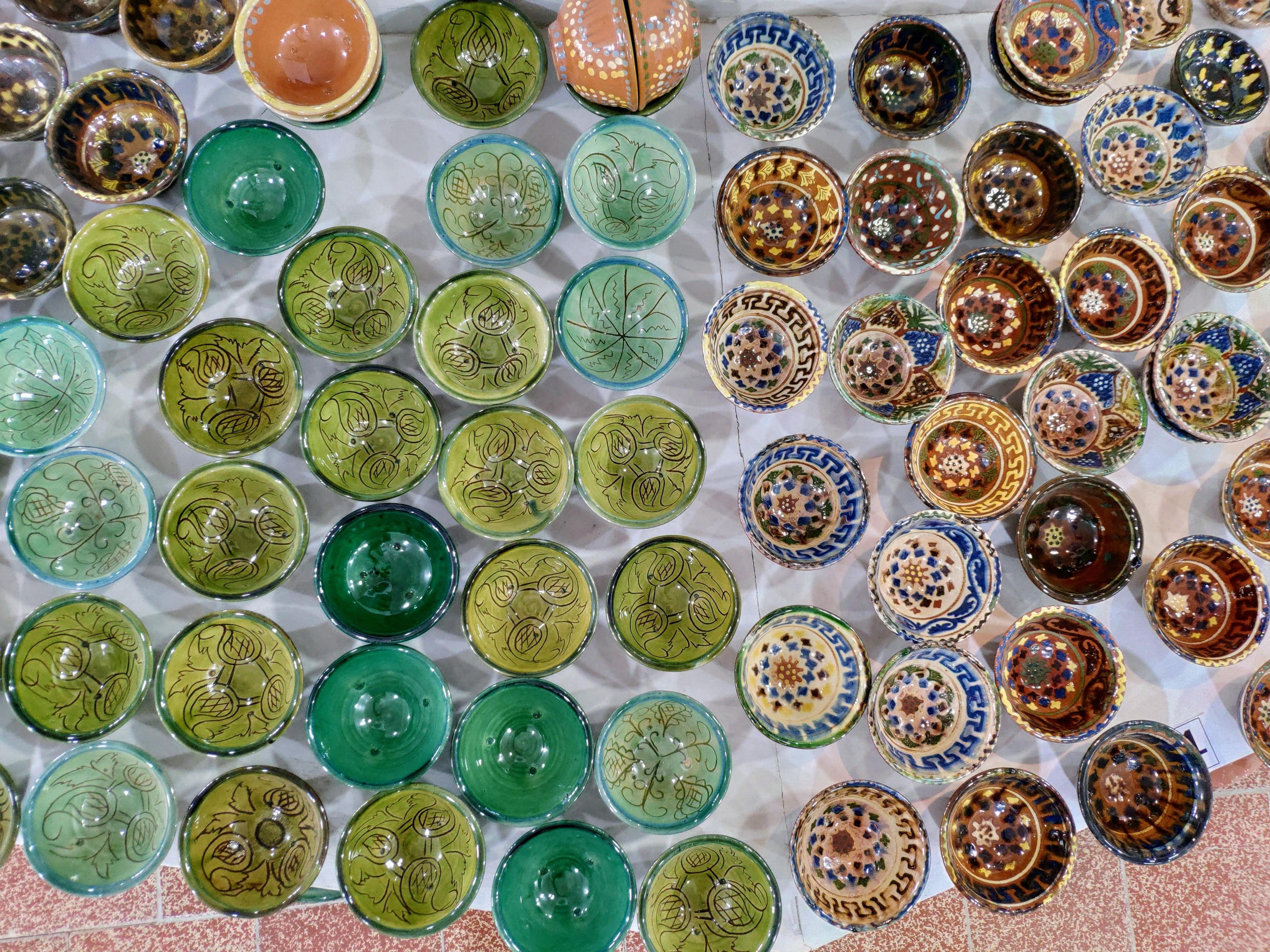
- Craft workshops. Paper-making at Konigil near Samarkand, pottery in Gijduvan or Rishtan and silk weaving in Margilan let children try something and give older travellers a seat, shade and a story.
- Cooking and plov. A plov master class is a good activity for a group; see our plov and cooking class guides.
- Trains and cable cars. The Afrosiyob and the Amirsoy gondolas in the mountains near Tashkent are easy for all ages.
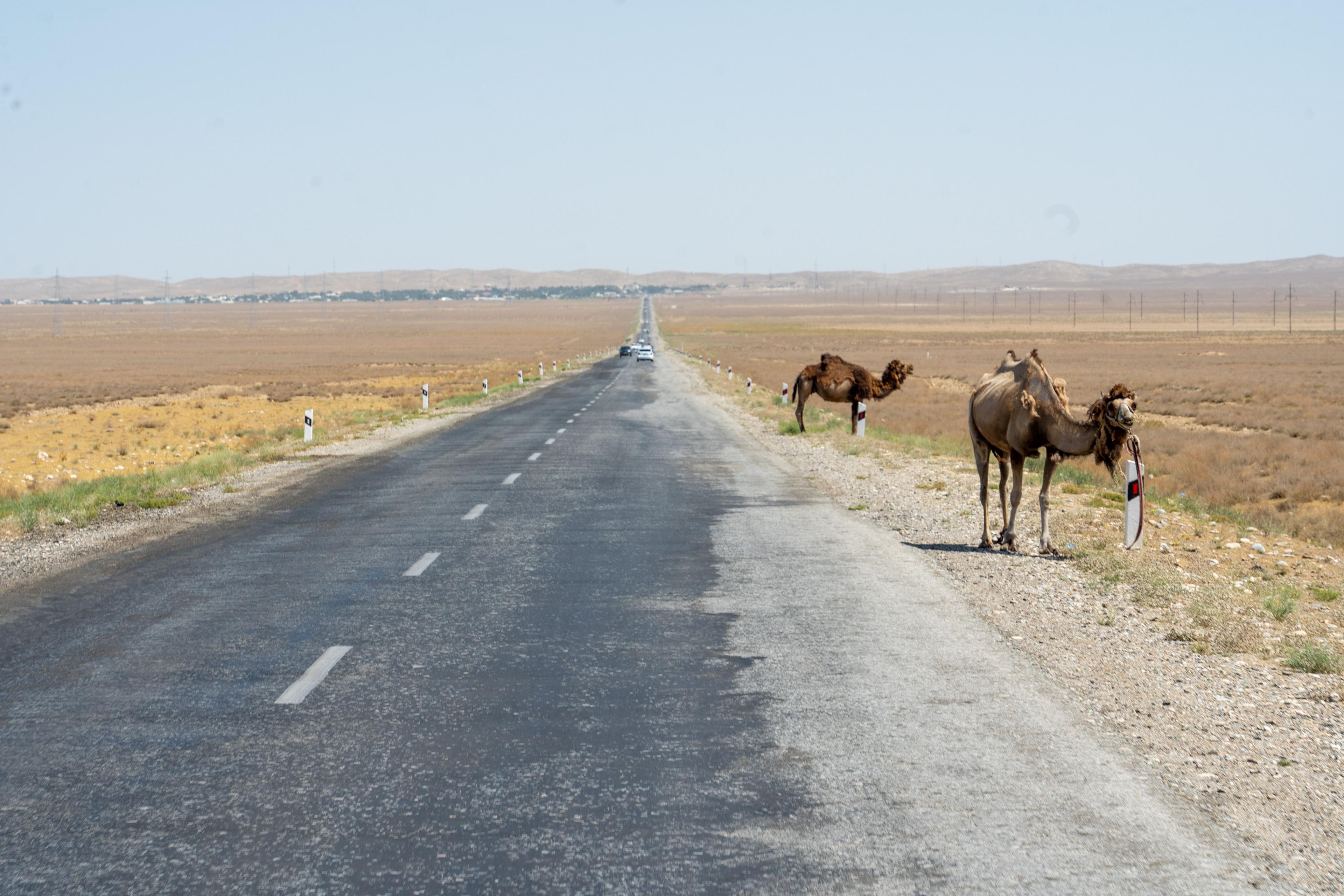
- A yurt night. Camels, a campfire and stars near Aydarkul appeal to children and most grandparents, but the toilets are basic and the beds are low, so consider whether everyone is comfortable. The camps run from around March or April to October.
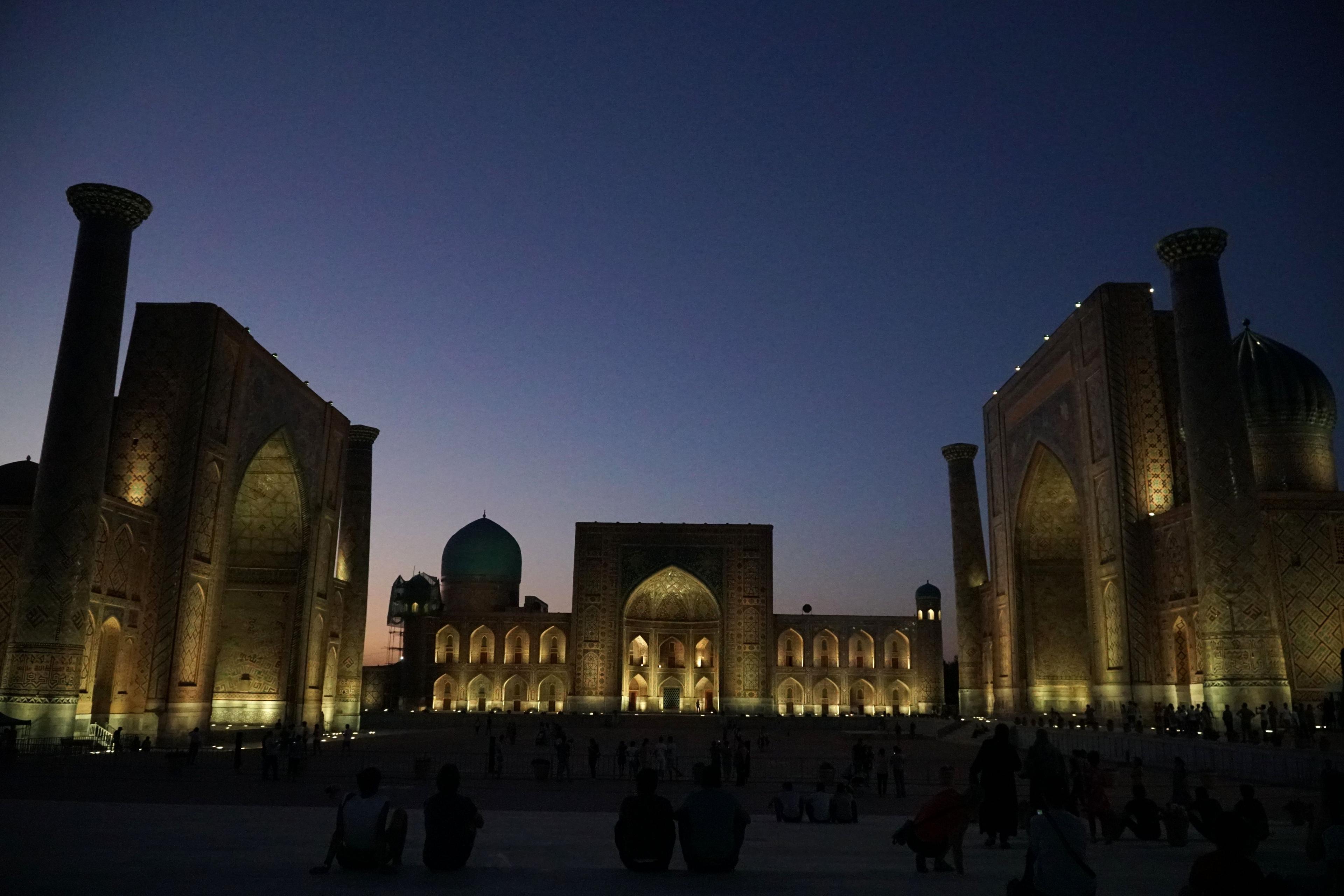
- The Registan at dusk. Flat, spectacular and free of stairs, the square works for a wheelchair, a stroller or a walking stick. Our accessible travel guide gives step-by-step details for other monuments.
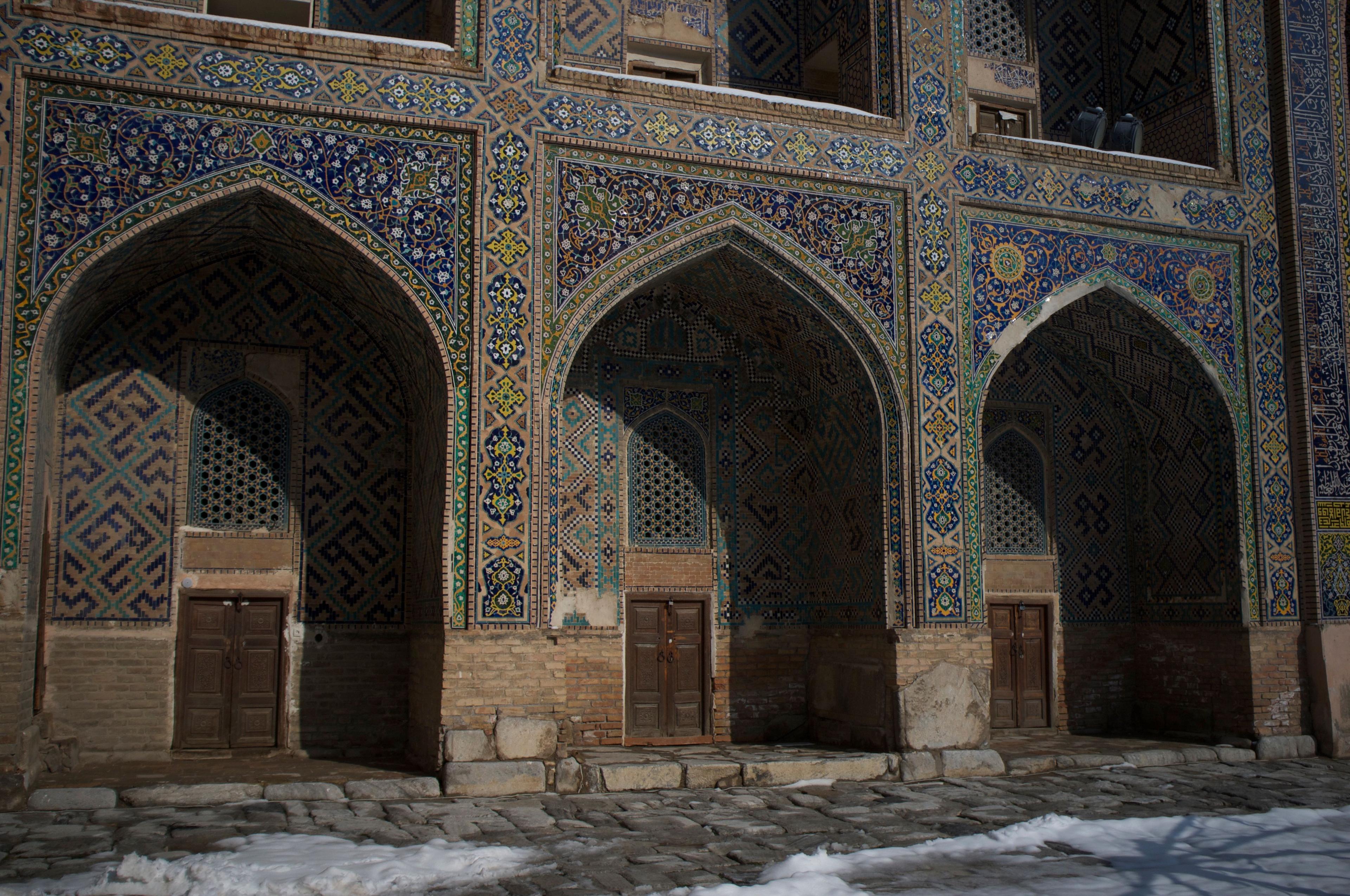
Some places are hard for mixed groups: Shah-i-Zinda has roughly 36 steps at the entrance, minarets and watchtowers are stairs only, and Khiva's walls are steep. Treat them as optional, and let the energetic ones go while others wait.
Food, health and practicalities
Uzbek food is mild and family-friendly: bread, soup, dumplings, grilled meat, plov and fruit. Children usually like samsa, shashlik, noodles and fresh bread, while older travellers may prefer lighter soups and tea. Introduce rich plov gradually. Drink bottled water, wash fruit, and carry rehydration salts on hot days. See our guides to health and tap water and to Uzbek food.
For medicines, bring enough for the whole trip in original packaging with a copy of the prescription and generic names, and keep them in hand luggage. Pharmacies are widespread in cities, but brands differ and some medicines now need a local electronic prescription. Travel insurance is wise for every generation. Ask your doctor if older relatives should check anything before a long flight and a hot climate. This is general information, not medical advice.
Be realistic about luggage. Choose medium wheeled bags rather than large ones for trains and old-town lanes, and use the private car to carry them.
A sample 10-day multi-generational plan
- Days 1 to 2, Tashkent: arrive, rest, then an easy first day with the Hazrati Imam square and a short market visit.
- Days 3 to 5, Samarkand: Afrosiyob train in the morning, Registan at dusk, a late start next day for Shah-i-Zinda for those who want it, and an optional paper workshop at Konigil.
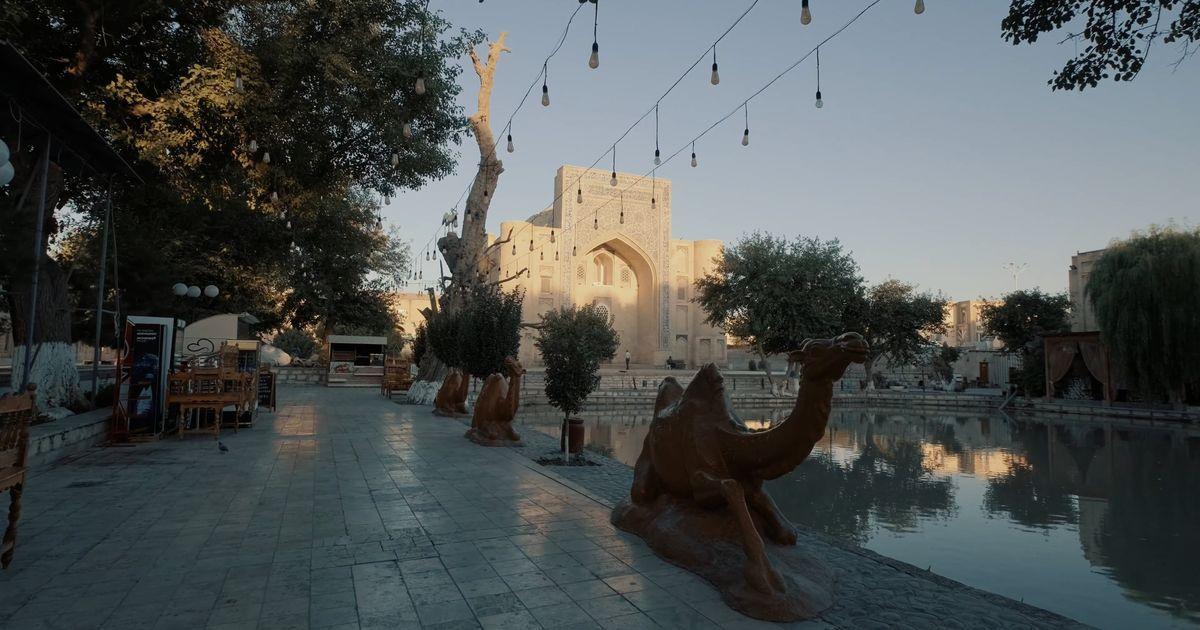
- Days 6 to 8, Bukhara: train in the morning, afternoons at Lyabi-Hauz, a hammam or pottery workshop in Gijduvan, with a spare half-day.
- Days 9 to 10: return to Tashkent by train, with a free morning before the flight.
Khiva can be added with an extra two days, and a yurt night can replace the straight road between Samarkand and Bukhara in the right season.
Planning a multi-generational trip with TourEast
Our family adventure tour and relaxed group tour are designed with pace and comfort in mind, and we can tailor a private itinerary for three generations: hotels with lifts and family rooms, a van and driver throughout, shorter driving days and guides who know where the steps are. Tell us the ages, mobility and interests of everyone in your group, and we will propose a route, through our trip builder or on WhatsApp.