Uzbekistan, Kyrgyzstan or Kazakhstan? An honest comparison for a first trip to Central Asia: Silk Road architecture or mountains and lakes, costs, visas, the best season for each, and how to combine two or all three in one journey.
Facts, prices and schedules checked on November 4, 2026
Uzbekistan, Kyrgyzstan or Kazakhstan: which should you visit first? It is one of the most common questions from travellers planning a first trip to Central Asia, and the honest answer depends on what you want to see. The three neighbours share a lot of history, food and the Russian language, but as destinations they are very different.
Put simply, Uzbekistan is the region's great museum of Silk Road cities and architecture. Kyrgyzstan is mountains, lakes, horses and yurts. Kazakhstan is the biggest and most modern, with a lively city in Almaty and canyons and lakes within a day's drive.
We are an Uzbekistan tour operator, so we are not neutral, and we will say so where it matters. But we also help travellers who continue to Kyrgyzstan and Kazakhstan, and we want you to choose the right trip. This comparison covers what each country does best, costs, visas, the best season and how to combine them, with information as of November 2026.
The quick answer: which Central Asian country is best for you?
- Choose Uzbekistan first if you love history, architecture, crafts and food, want comfortable hotels and fast trains, or are travelling in spring, autumn or winter.
- Choose Kyrgyzstan first if you want hiking, horse riding, alpine lakes and nights in yurts, are happy with simple guesthouses, and are travelling between June and September.
- Choose Kazakhstan first if you want a modern, easy city break with day trips to canyons and mountain lakes, or if you are already flying into Almaty.
If you have two weeks or more, you do not have to choose. Uzbekistan and Kyrgyzstan complement each other almost perfectly, and Kazakhstan sits neatly between them for travellers coming through Almaty.
Uzbekistan: Silk Road cities, culture and architecture
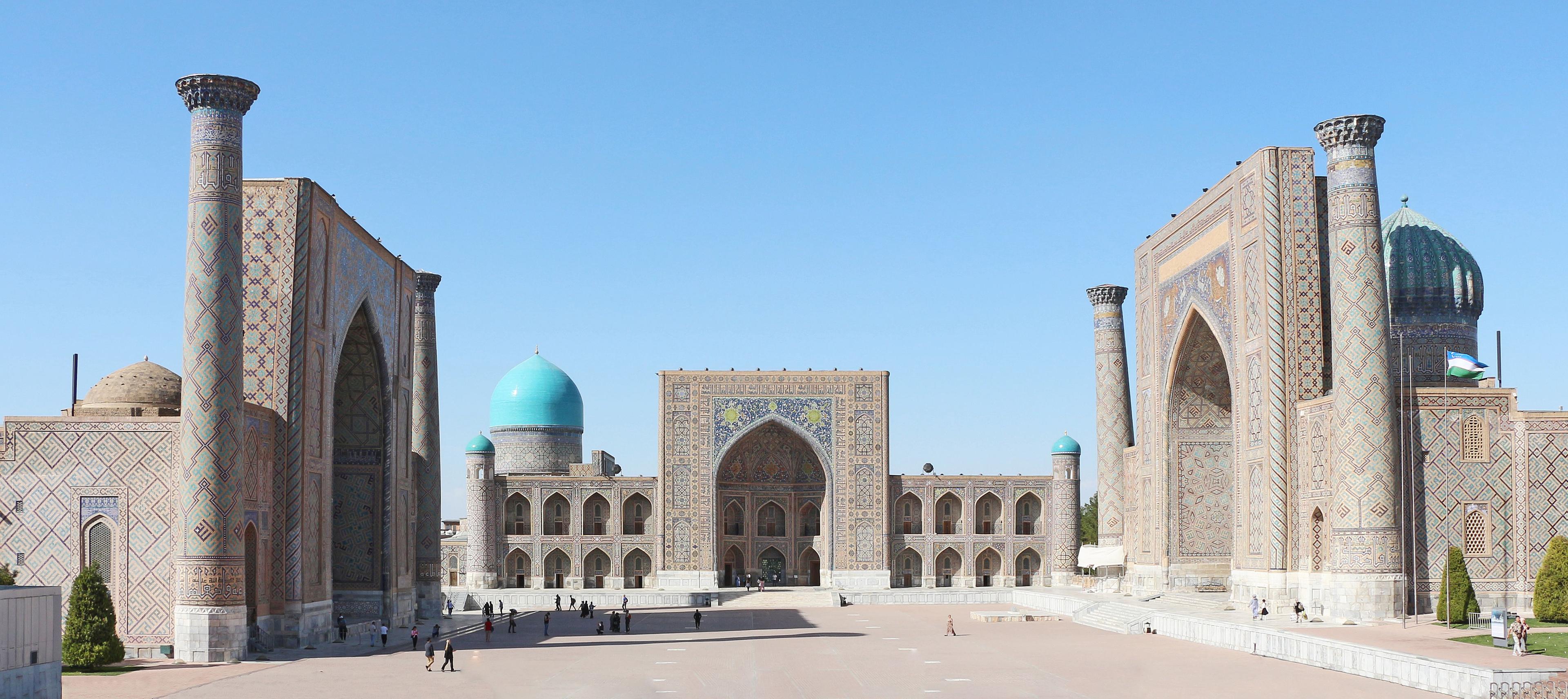
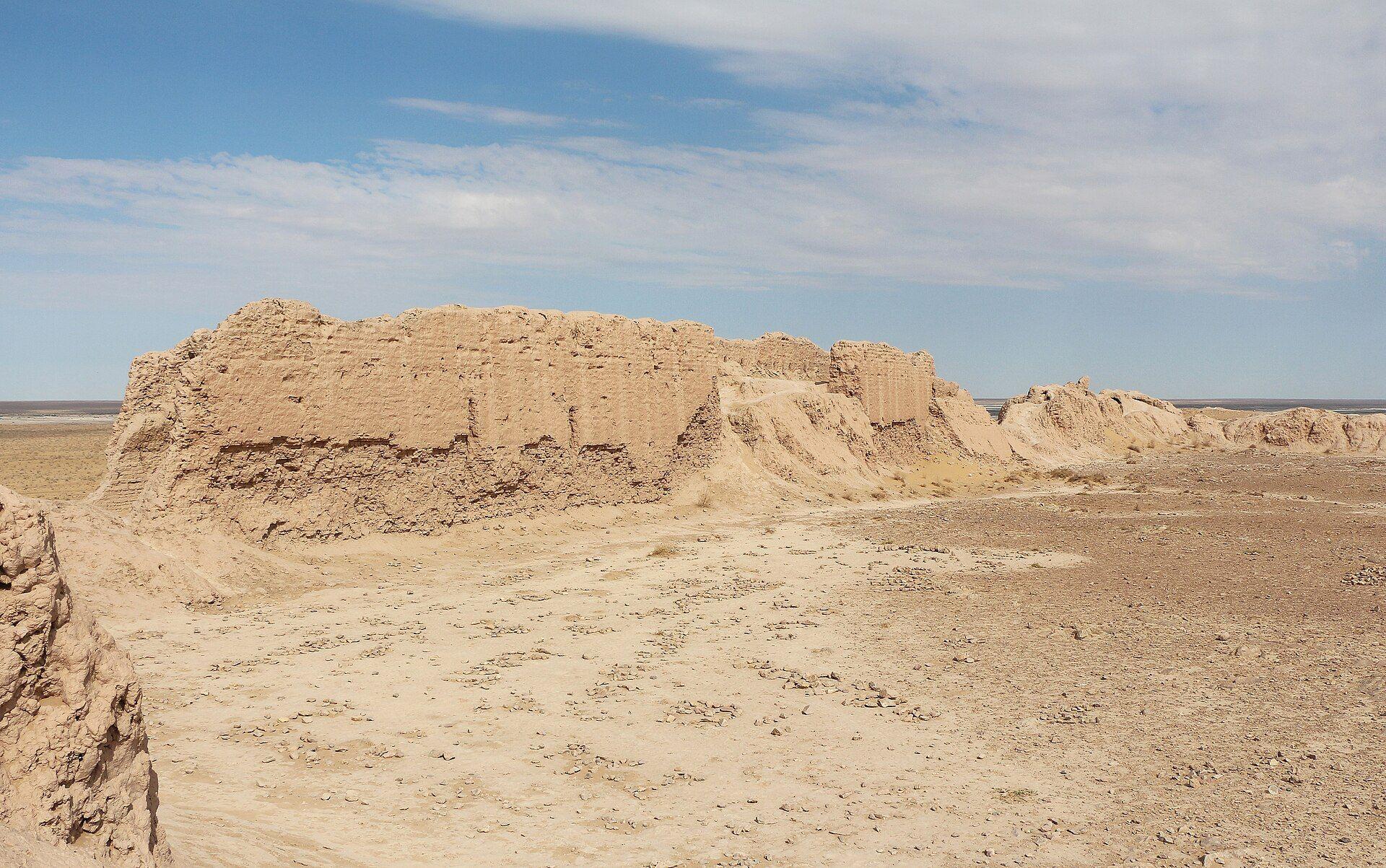
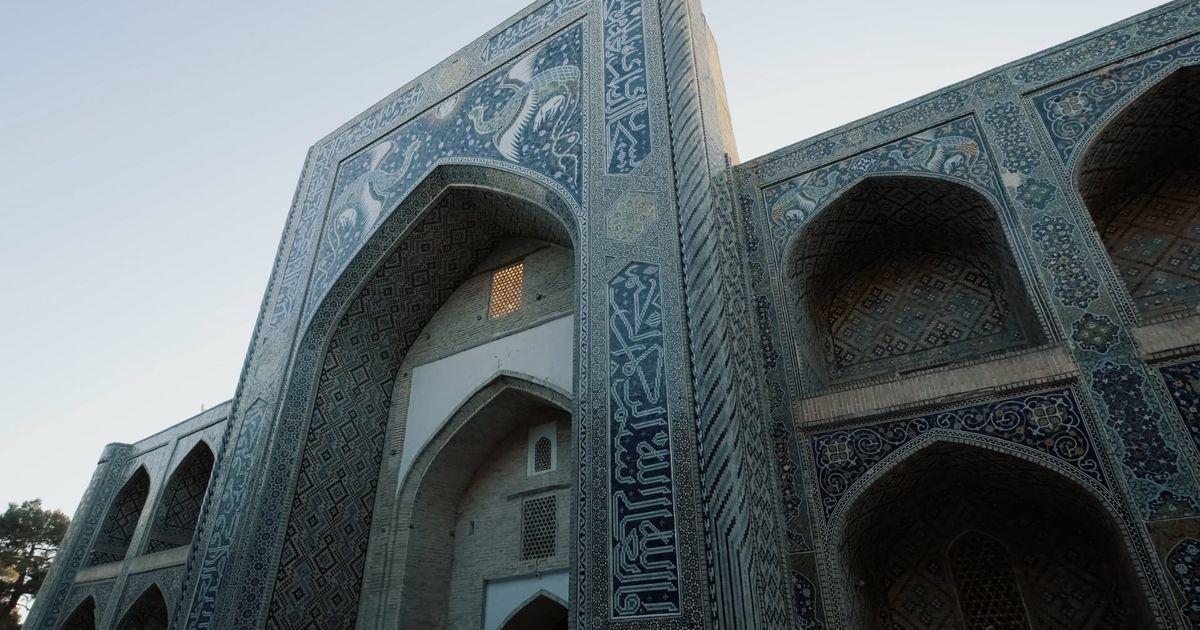
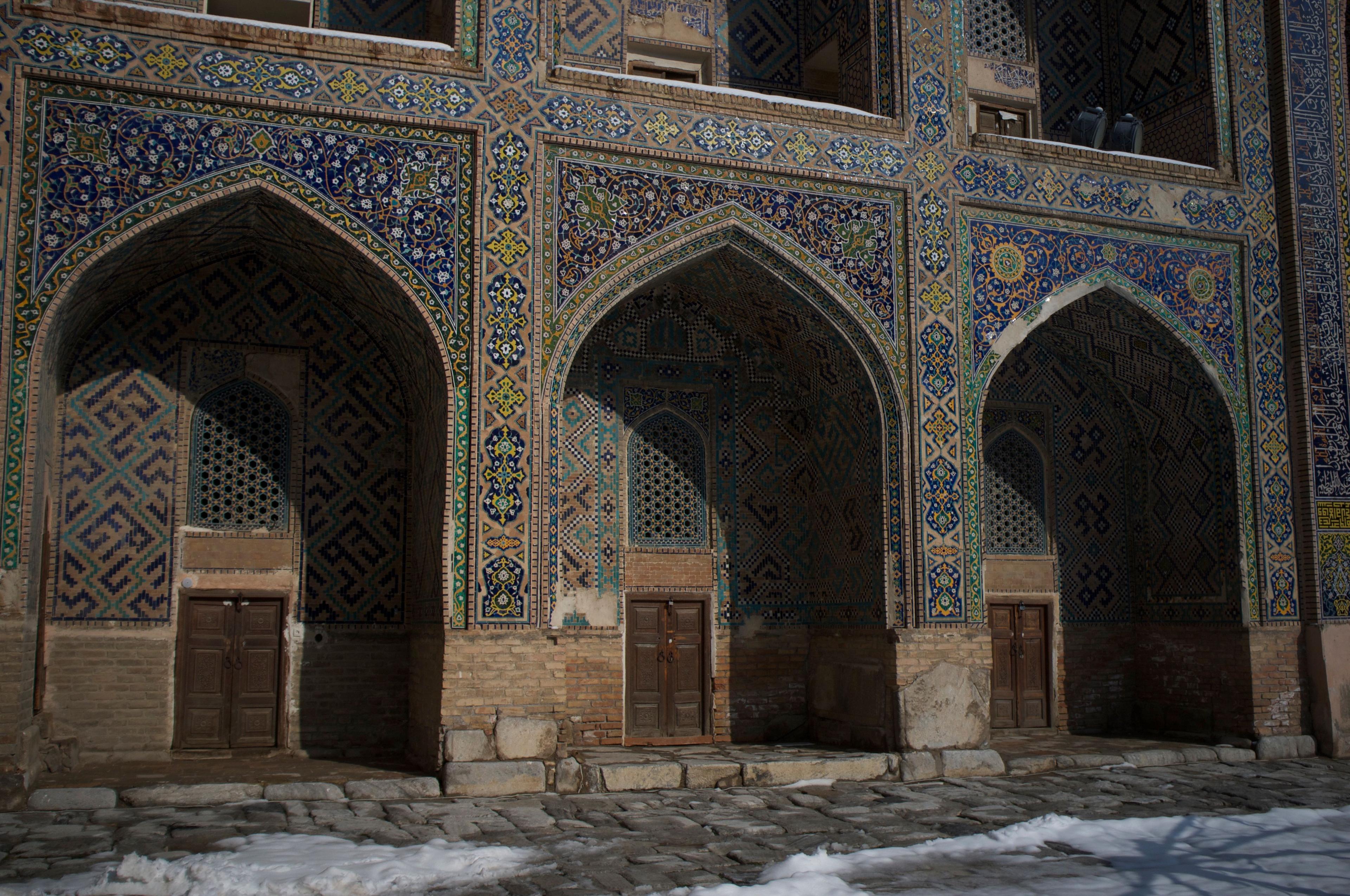
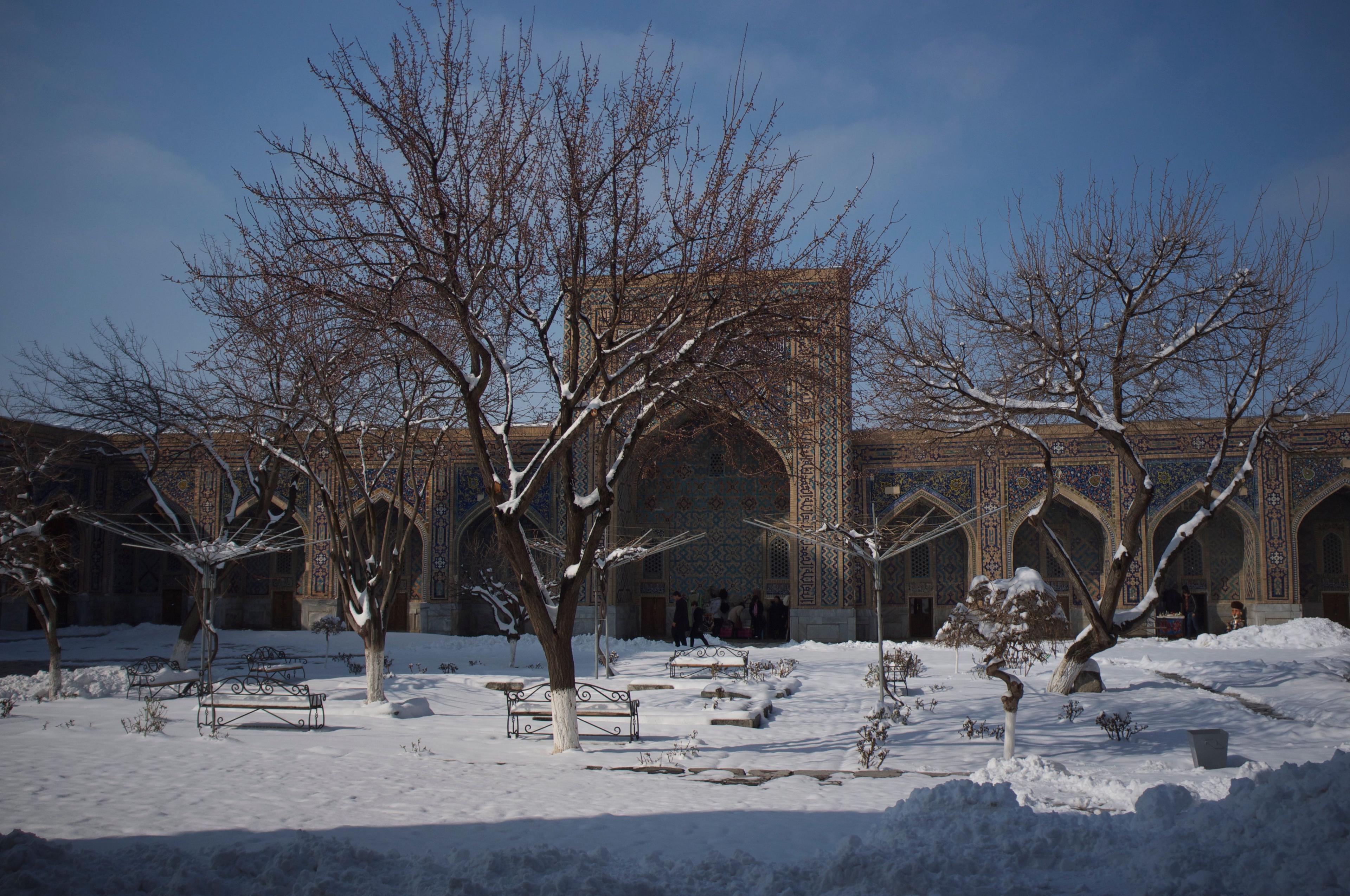
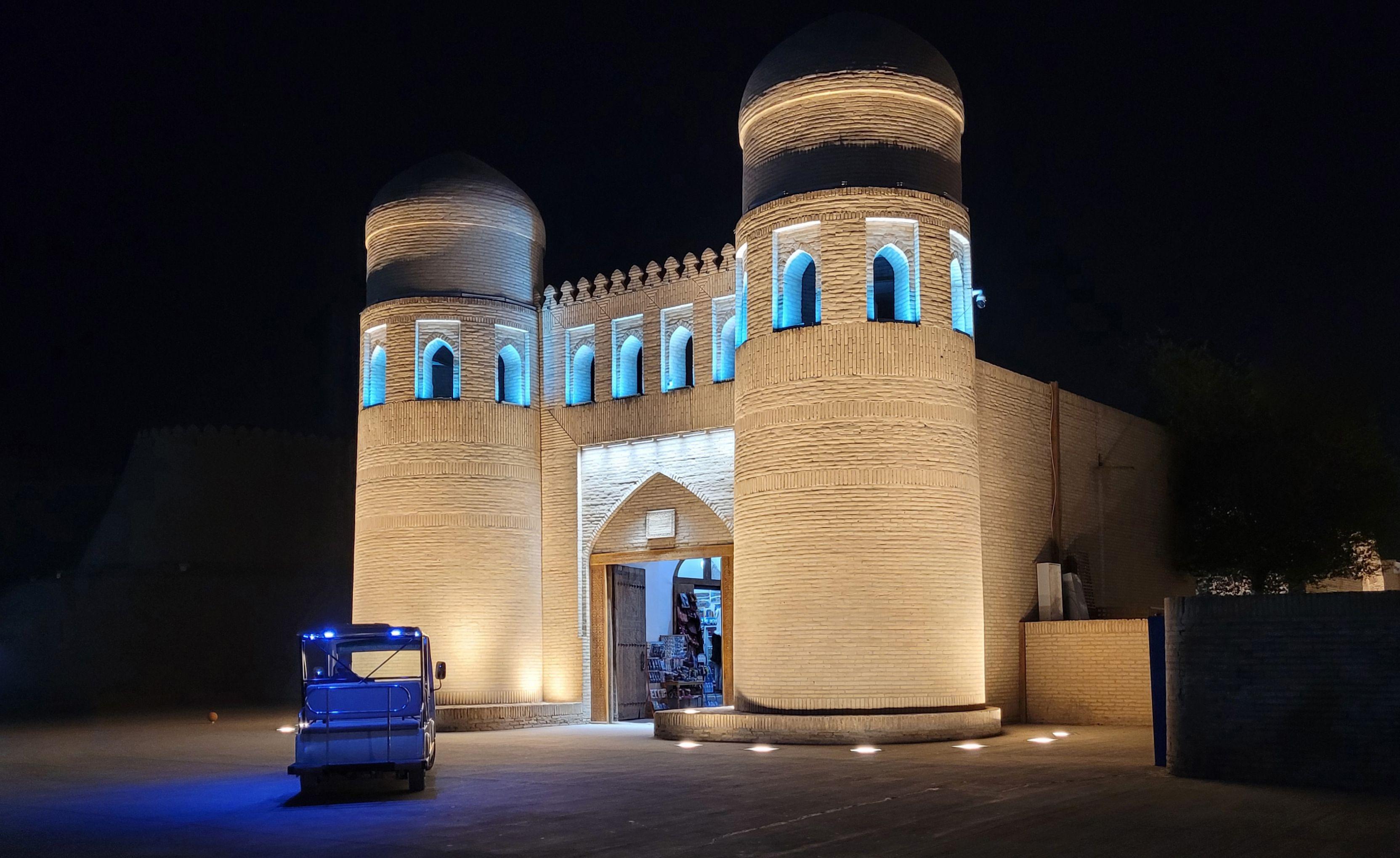
Uzbekistan holds the most famous cities of the Silk Road. Samarkand, Bukhara and Khiva are each UNESCO World Heritage Sites, with madrasahs, mosques, minarets and mausoleums from the 9th to the 19th century, many of them covered in turquoise and cobalt tiles.
What Uzbekistan does best:
- Monuments on a world scale: the Registan and Shah-i-Zinda in Samarkand, the Ark Fortress and Po-i-Kalyan in Bukhara, the walled old town of Ichan-Kala in Khiva.
- Living crafts: silk weaving in Margilan, ceramics in Rishtan and Gijduvan, suzani embroidery and paper-making in Konigil.
- Food and bazaars: plov, samsa, tandoor bread and fruit, and markets such as Chorsu Bazaar in Tashkent.
- Easy travel: the Afrosiyob high-speed train links Tashkent, Samarkand and Bukhara, and short domestic flights reach Khiva and Nukus. Hotels range from family guesthouses in restored merchant houses to international chains.
Its limits, honestly: Uzbekistan is mostly desert and steppe, and its high mountains are concentrated at the edges, such as the Chimgan area near Tashkent and the Nuratau range. July and August are very hot in Bukhara and Khiva, often above 35°C. And the main sights are popular, so in April, May, September and October the old towns are busy.
If you are deciding between the three for culture, there is no contest: Uzbekistan has far more historic architecture than Kyrgyzstan and Kazakhstan combined.
Kyrgyzstan: mountains, lakes and nomadic culture
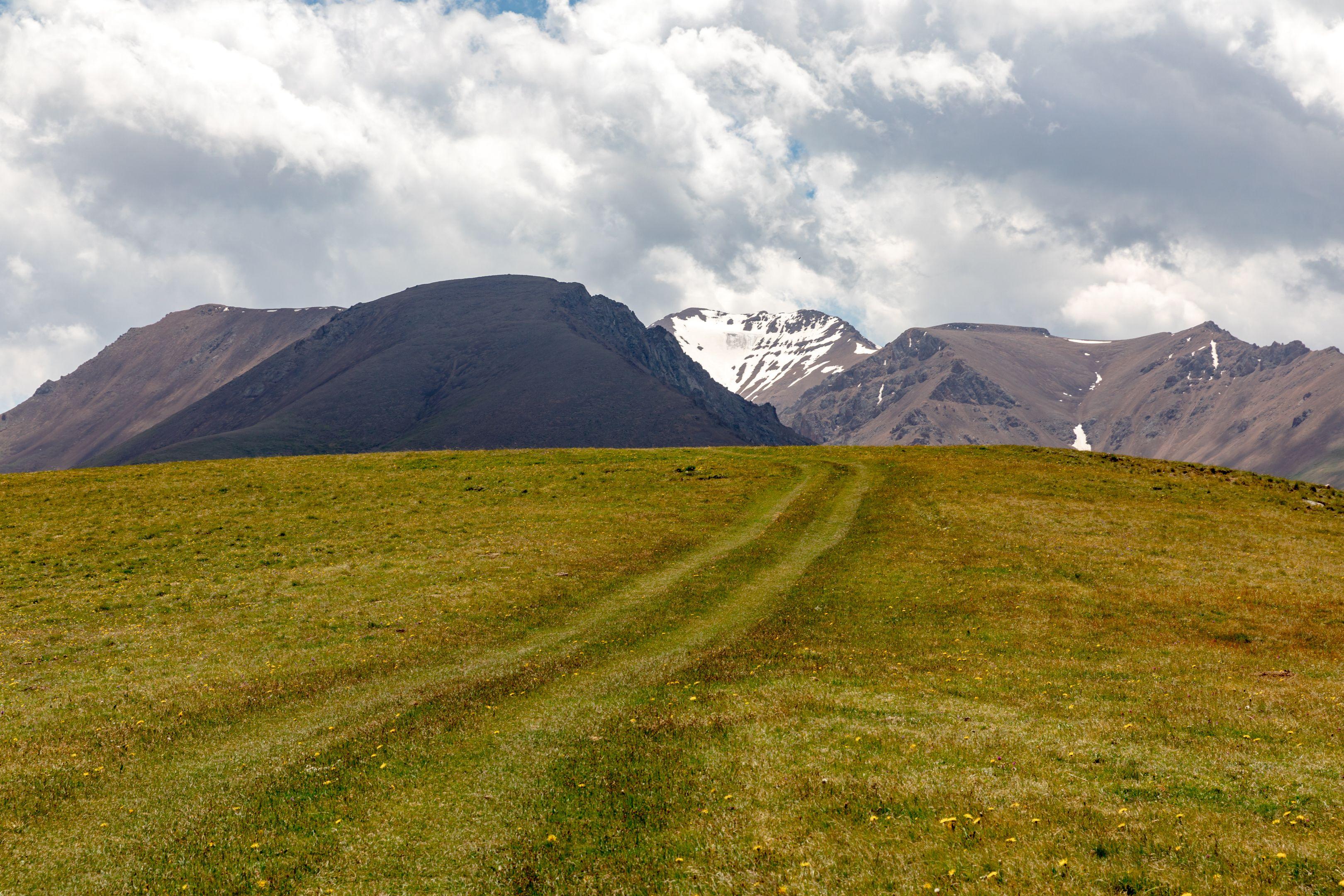
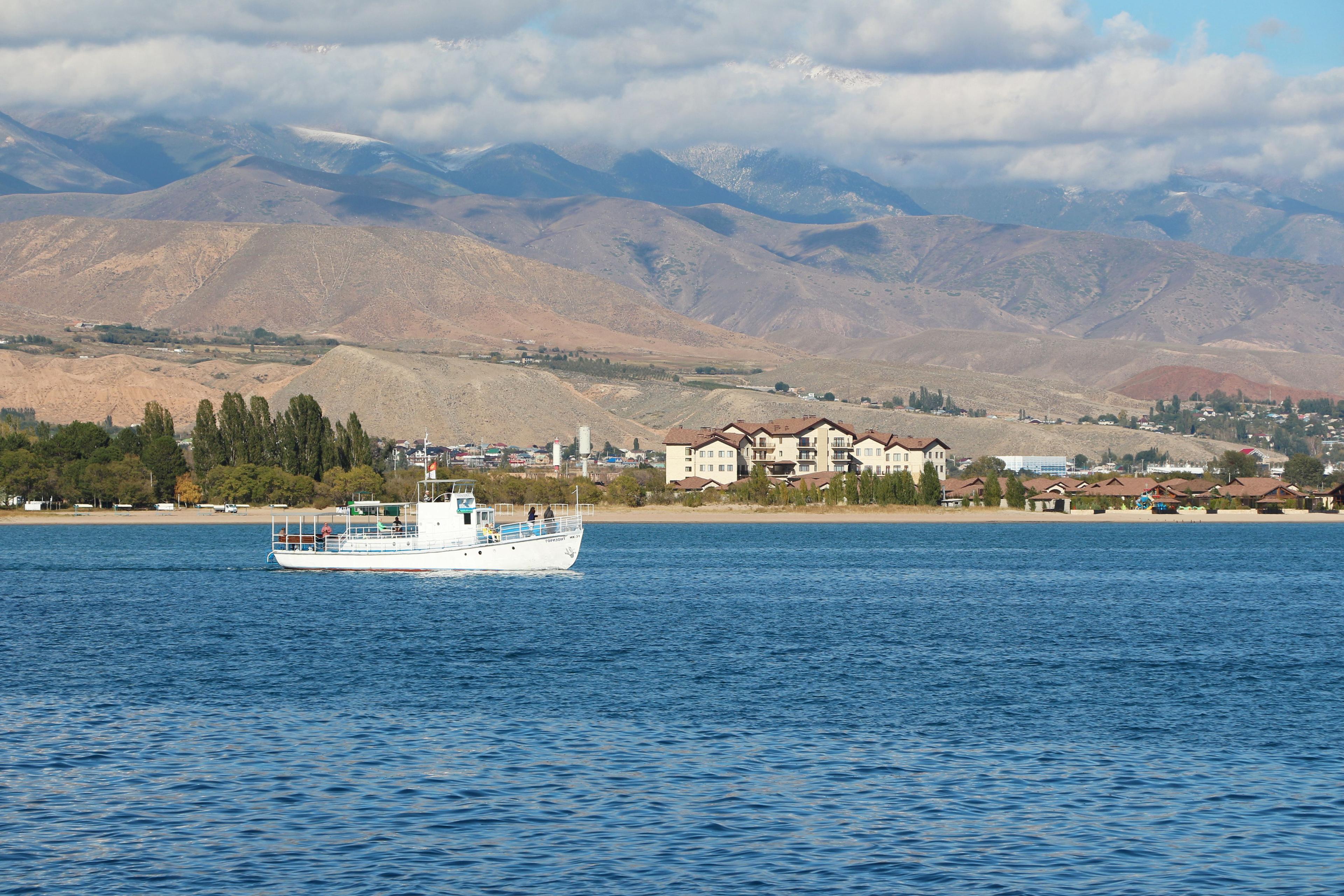
Kyrgyzstan is the landscape country. More than 90 percent of it is mountainous, and the Tian Shan runs right across it. In summer, herding families still take their animals and yurts up to high pastures.
What Kyrgyzstan does best:
- Alpine scenery: Issyk-Kul, one of the largest mountain lakes in the world, the high lake of Song-Kul at about 3,016 metres, and the valleys around Karakol.
- Outdoor activities: day hikes in Ala-Archa National Park near Bishkek, multi-day treks around Karakol, horse riding, and nights in yurt camps.
- Nomadic culture: felt-making, eagle hunting demonstrations, kymyz (fermented mare's milk) and hospitality in the high pastures.
- Value: guesthouses and yurt camps are inexpensive, and Kyrgyzstan is usually the cheapest of the three on a backpacker budget.
Its limits: there are few historic buildings beyond Osh's Sulaiman-Too, the Burana Tower and a handful of wooden churches and mosques. Roads are long and slow, there are no useful passenger trains for travellers, and accommodation outside Bishkek, Karakol and Issyk-Kul is simple. The season for the high mountains is short, roughly June to mid-September; outside it, Song-Kul is inaccessible and many camps close.
Kazakhstan: Almaty, canyons and scale
Kazakhstan is the ninth largest country in the world, but for most visitors it means two places: Almaty in the south-east, and, for history lovers, Turkestan in the south.
What Kazakhstan does best:
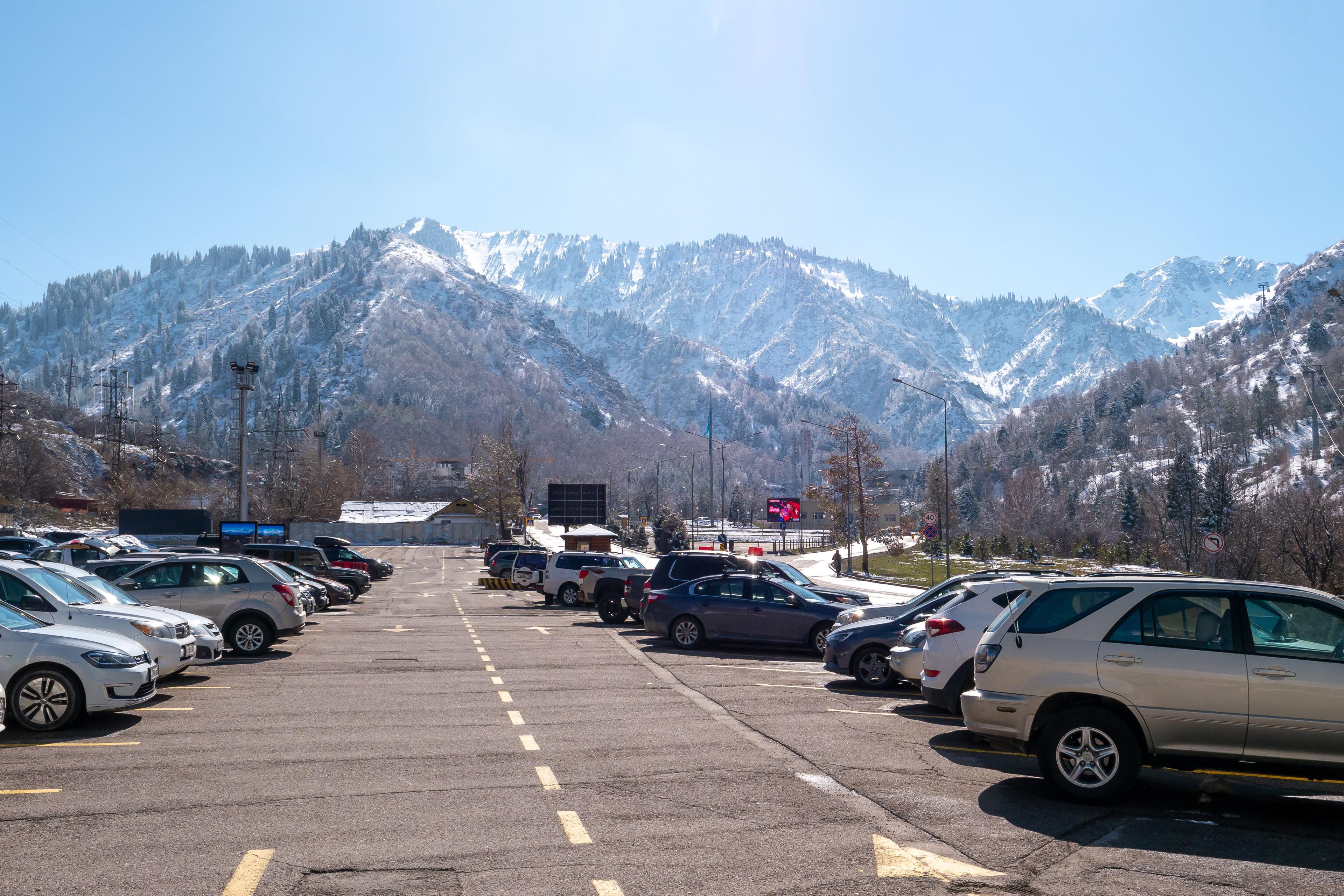
- Almaty: the region's most cosmopolitan city, with tree-lined streets, cafés, the Green Bazaar, the wooden Ascension Cathedral and the mountains rising right above it at Medeu and Shymbulak.
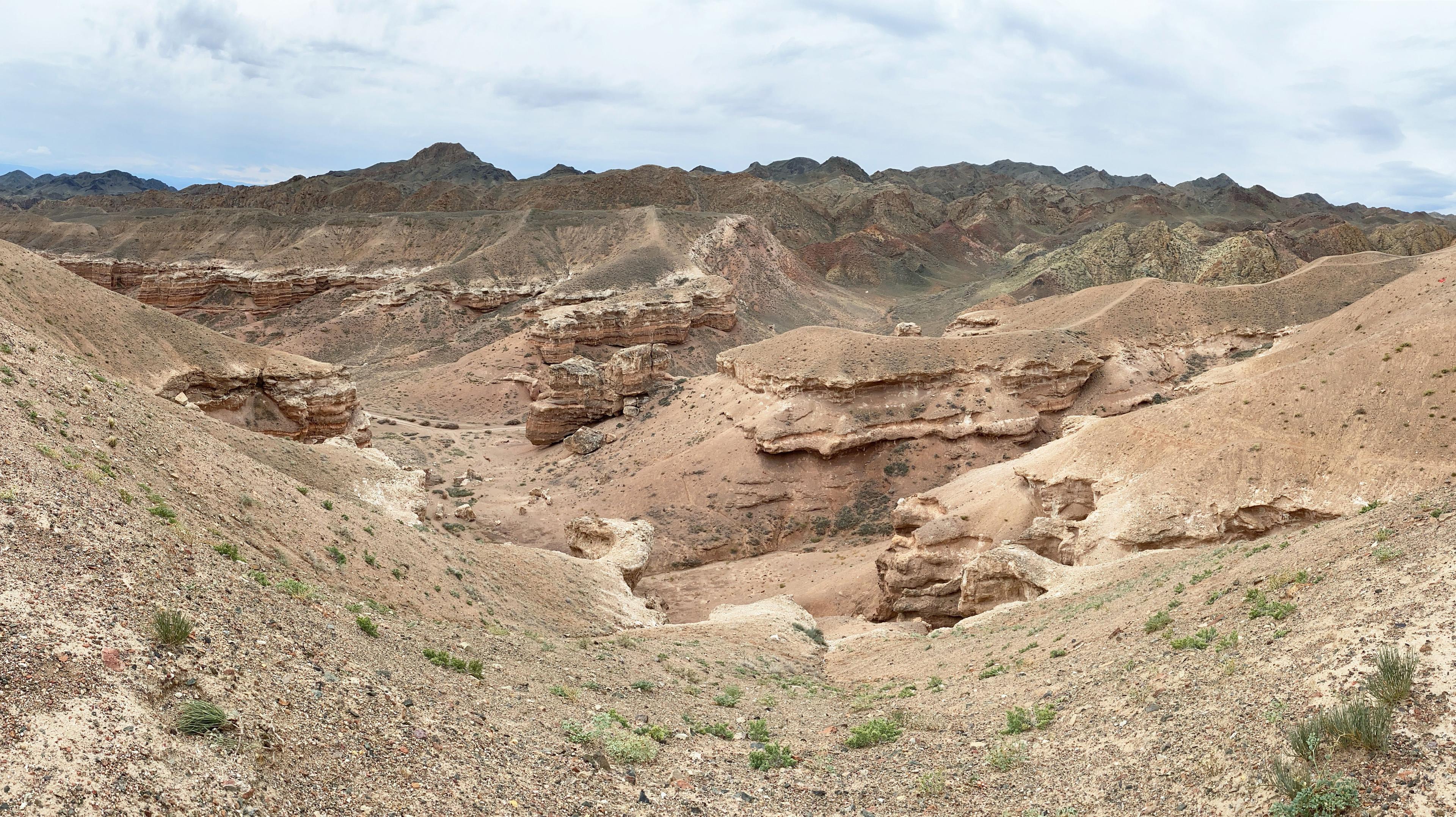
- Day trips into nature: Charyn Canyon, the Kolsai lakes and Kaindy, the lake with drowned spruce trees.
- Turkestan: the Mausoleum of Khoja Ahmed Yasawi, a great Timurid building only a few hours from Tashkent.
- Infrastructure: modern hotels, good roads around Almaty, a large airport with many international connections, and long-distance Talgo trains.
Its limits: distances inside Kazakhstan are enormous, so most travellers see only one corner. Almaty is the most expensive city in the region for hotels and restaurants. And beyond Turkestan, the historic architecture cannot compare with Samarkand or Bukhara.
Uzbekistan vs Kyrgyzstan vs Kazakhstan: side by side
A frank comparison on the points travellers ask about most.
- History and architecture: Uzbekistan clearly first, Kazakhstan second thanks to Turkestan, Kyrgyzstan third.
- Mountains and hiking: Kyrgyzstan first, Kazakhstan second around Almaty, Uzbekistan third, with good day trips but fewer high-mountain routes.
- Ease of travel: Uzbekistan and Kazakhstan are the easiest, with trains, domestic flights and a wide choice of hotels. Kyrgyzstan relies on roads and drivers.
- Comfort: Kazakhstan and Uzbekistan have the most comfortable hotels; Kyrgyzstan's best experiences are in guesthouses and yurt camps.
- Food: Uzbekistan has the richest cuisine; Kyrgyz and Kazakh food is heartier, centred on meat, noodles and dairy, and Almaty has the most varied restaurants.
- Crafts and shopping: Uzbekistan by a long way.
- Year-round travel: Uzbekistan and southern Kazakhstan work in spring, autumn and even winter; Kyrgyzstan's mountains are a summer destination.
- Language: Russian is widely spoken in all three. English is common in hotels and among younger people in cities, less so in villages.
Safety is similar across the three. Petty crime is low by global standards, and the usual precautions apply. Check your government's advice for each country before you travel.
Which is cheapest? Travel costs compared
All three are good value by Western standards, but there are differences. Typical daily budgets per person, excluding international flights, as of 2026:
- Uzbekistan: about US$40 to 65 a day travelling on a budget, US$90 to 150 mid-range, and from US$250 for a premium trip with a private guide and driver. Trains and food are inexpensive; good hotels in the old towns are the main cost in high season. Our Uzbekistan travel cost guide gives detailed prices.
- Kyrgyzstan: usually the cheapest on a backpacker budget, with reports of roughly US$30 to 40 a day. A night in a family yurt at Song-Kul with dinner and breakfast costs around US$15 to 25. Private drivers on long mountain roads are the biggest cost.
- Kazakhstan: generally the most expensive, especially Almaty, where backpackers report needing roughly US$50 to 70 a day, and mid-range hotels cost more than in Uzbekistan or Kyrgyzstan.
Flights between the three are short and often well under US$150 one way when booked ahead. Treat these figures as a guide and check current prices when you book.
Visas: getting into each country
The good news is that most travellers can visit all three without a visa. As of November 2026:
- Uzbekistan: visa-free for 30 days for citizens of more than 90 countries, including the EU, the UK, the US, China, Japan, Indonesia and Malaysia. Others can use the e-visa.
- Kazakhstan: visa-free for 30 days per visit, up to 90 days in any 180, for a long list of countries including the EU, the UK, the US and Japan. Kazakh e-visas are valid only for arrival at international airports.
- Kyrgyzstan: visa-free for citizens of around 55 countries, including the EU, the UK and the US, but since January 2026 the stay is limited to 30 days within any 60-day period. Others can use the e-visa.
If you plan to go in and out of one country, for example Kyrgyzstan, Uzbekistan and then Kyrgyzstan again, count your days. A joint Central Asian tourist visa has been discussed for years, but no such visa exists yet. Our Central Asia visa guide has the rules by passport and the official websites.
Best time to visit Uzbekistan, Kyrgyzstan and Kazakhstan
The three countries have different seasons, which is useful if you are combining them.
- Uzbekistan: April to early June and September to October are ideal. July and August are hot in the desert cities, while winter is quiet, cold and good value. See our guide to the weather in Uzbekistan by month.
- Kyrgyzstan: June to mid-September for the mountains, Song-Kul and treks. Late May and late September are fine for Bishkek, Issyk-Kul and lower valleys.
- Kazakhstan: Almaty is pleasant from May to October, with golden autumn in September. Charyn Canyon can be visited most of the year; the Kolsai lakes are best in summer. Turkestan follows the Uzbek pattern.
For a combined trip, the sweet spots are late May to June and September. You get warm days in the mountains and bearable heat in the cities. A good rule is to put the mountains in midsummer and the Silk Road cities in spring or autumn.
Can you combine all three? Sample routes
Yes, and it is easier than many people expect. Almaty and Bishkek are about four to five hours apart by road, Tashkent is a short flight from both, and an overnight Talgo train runs between Tashkent and Almaty.
- 10 days, Uzbekistan and Kyrgyzstan: six days in Tashkent, Samarkand and Bukhara, then fly to Bishkek for Ala-Archa, Issyk-Kul and a night at Song-Kul.
- 12 days, overland in the east: Tashkent, Samarkand and Bukhara, then the Fergana Valley, crossing at Dostuk into Osh, and on to Bishkek by air.
- 14 to 16 days, all three: Almaty with Charyn Canyon (3 days), the road to Bishkek and Issyk-Kul (4 days), fly to Tashkent, then Samarkand, Bukhara and Khiva (7 to 8 days).
Fly into one capital and out of another to avoid backtracking. Put the long drives and mountains early, while you are fresh, and finish in the Uzbek cities, where the distances are short and the trains do the work. Our Central Asia itinerary guide shows these routes day by day, and our guide to travel between Tashkent, Almaty, Bishkek and Dushanbe explains the connections.
Our verdict: which to visit first
If this is your first trip to Central Asia and you can only choose one country, we would choose Uzbekistan, and not only because it is our home. Its cities are the reason the Silk Road became a legend, it is easy and comfortable to travel around, and it works in every season.
But if you are a hiker who thinks in mountains rather than monuments, go to Kyrgyzstan in summer and add a few days of Samarkand and Bukhara at the end. And if you are flying into Almaty anyway, start there and continue to Uzbekistan by air or by train.
The best answer for most people is a combination: one week of Silk Road cities in Uzbekistan and four to seven days of mountains next door.
A few suggestions by type of traveller:
- Families with children: Uzbekistan or Almaty, for short transfers, comfortable hotels and plenty to do in the cities. Kyrgyz yurt camps are a memorable add-on for older children in summer.
- Older travellers or those who prefer comfort: Uzbekistan, with high-speed trains and guided city walks, plus a day or two in Almaty if you like.
- Photographers: Uzbekistan for tilework, light and bazaars; Kyrgyzstan for landscapes, herders and night skies.
- Muslim travellers interested in ziyarat: Bukhara and Samarkand, with the shrines of Bahouddin Naqshband and Imam al-Bukhari, combined with Turkestan just over the Kazakh border.
- Hikers and riders: Kyrgyzstan between late June and mid-September, with the Uzbek cities before or after.
Planning your trip with TourEast
We are an Uzbekistan operator based in Tashkent and Bukhara. We plan private and small-group journeys through Uzbekistan and arrange transfers to the Kazakh and Kyrgyz borders or the airport, so the Uzbek part fits neatly with time in the neighbouring countries.