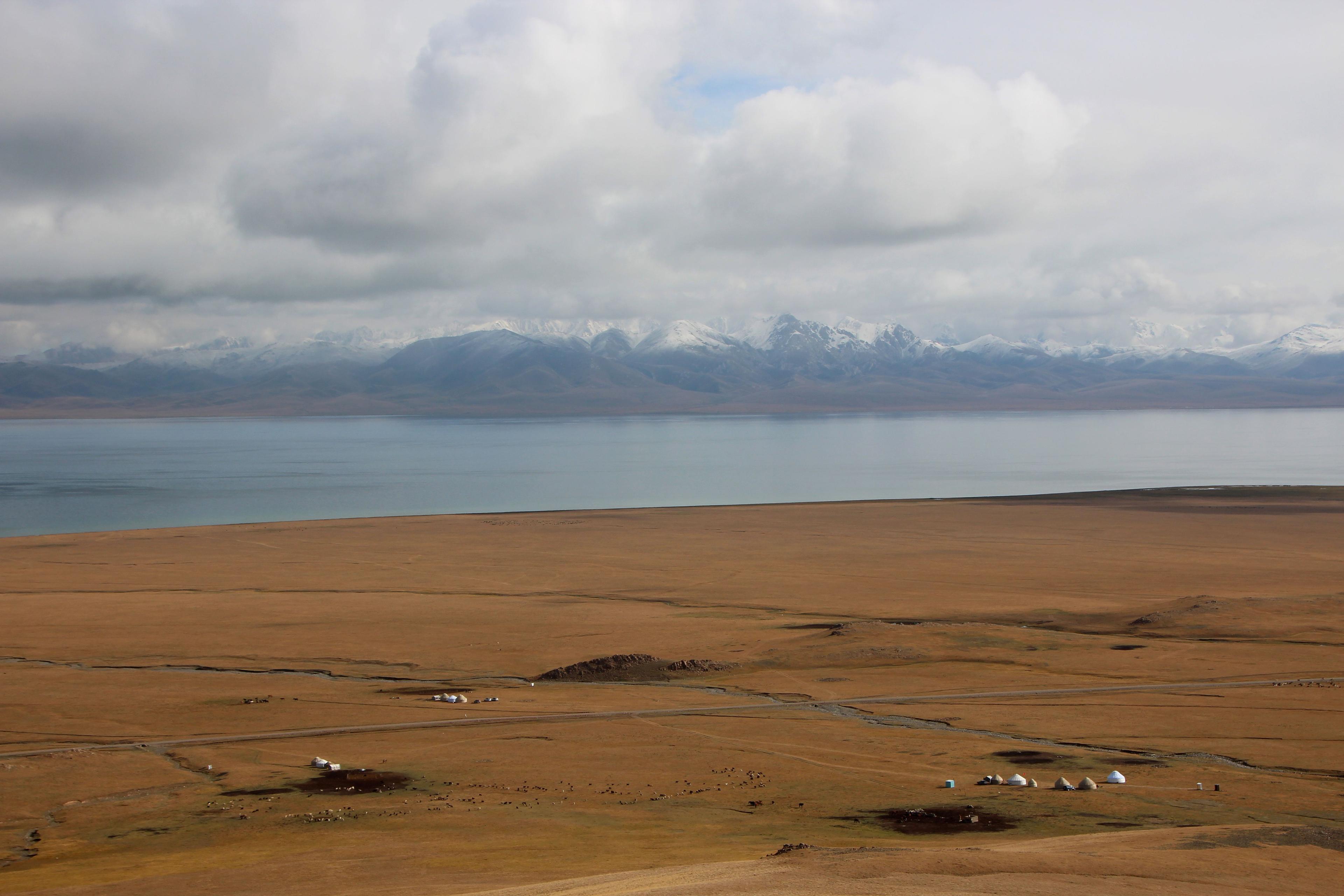
Bishkek, Issyk-Kul, Song-Kul yurts, Karakol and Osh: our guide to adding Kyrgyzstan to an Uzbekistan trip, with the Dostuk border, Tashkent to Bishkek flights, the new 30-day visa-free rule, the best season and sample routes as of November 2026.
Facts, prices and schedules checked on November 4, 2026
If Uzbekistan is Central Asia's great book of architecture, Kyrgyzstan is its landscape. More than 90 percent of the country is mountainous, the Tian Shan range runs right across it, and in summer whole families still move their herds and yurts up to the high pastures. Many of our guests end a trip to Samarkand and Bukhara wishing they had a few days of open space and cool air. This Kyrgyzstan travel guide is written for exactly that traveller.
TourEast is an Uzbekistan tour operator. We do not run tours inside Kyrgyzstan, but we arrange transfers to and from the Kyrgyz border and help travellers plan how the two countries fit together. Below you will find the places worth your time, how to get between Tashkent, the Fergana Valley, Osh and Bishkek, the visa rules that changed at the start of 2026, and the best season for each part of the country.
As always, rules and schedules change. Every figure that can move is dated, and we point you to the official source.
Is Kyrgyzstan worth visiting with Uzbekistan?
Yes, if you like mountains and do not mind simple comforts. The two countries complement each other almost perfectly.
- Uzbekistan offers the Silk Road cities, monuments, bazaars and a well-developed train network.
- Kyrgyzstan offers alpine lakes, glaciers, horse riding, hiking and nights in yurts, with very few historic buildings.
- Roads in Kyrgyzstan are slower and accommodation outside Bishkek, Karakol and Issyk-Kul is often in guesthouses and yurt camps.
The classic combination is a week in Uzbekistan and four to seven days in Kyrgyzstan. Three days is enough for Bishkek and one excursion; five days gets you to Song-Kul and Issyk-Kul; a week lets you add Karakol and a short trek. Our Central Asia itinerary guide shows full two- and three-week routes.

Bishkek: the capital and your likely gateway
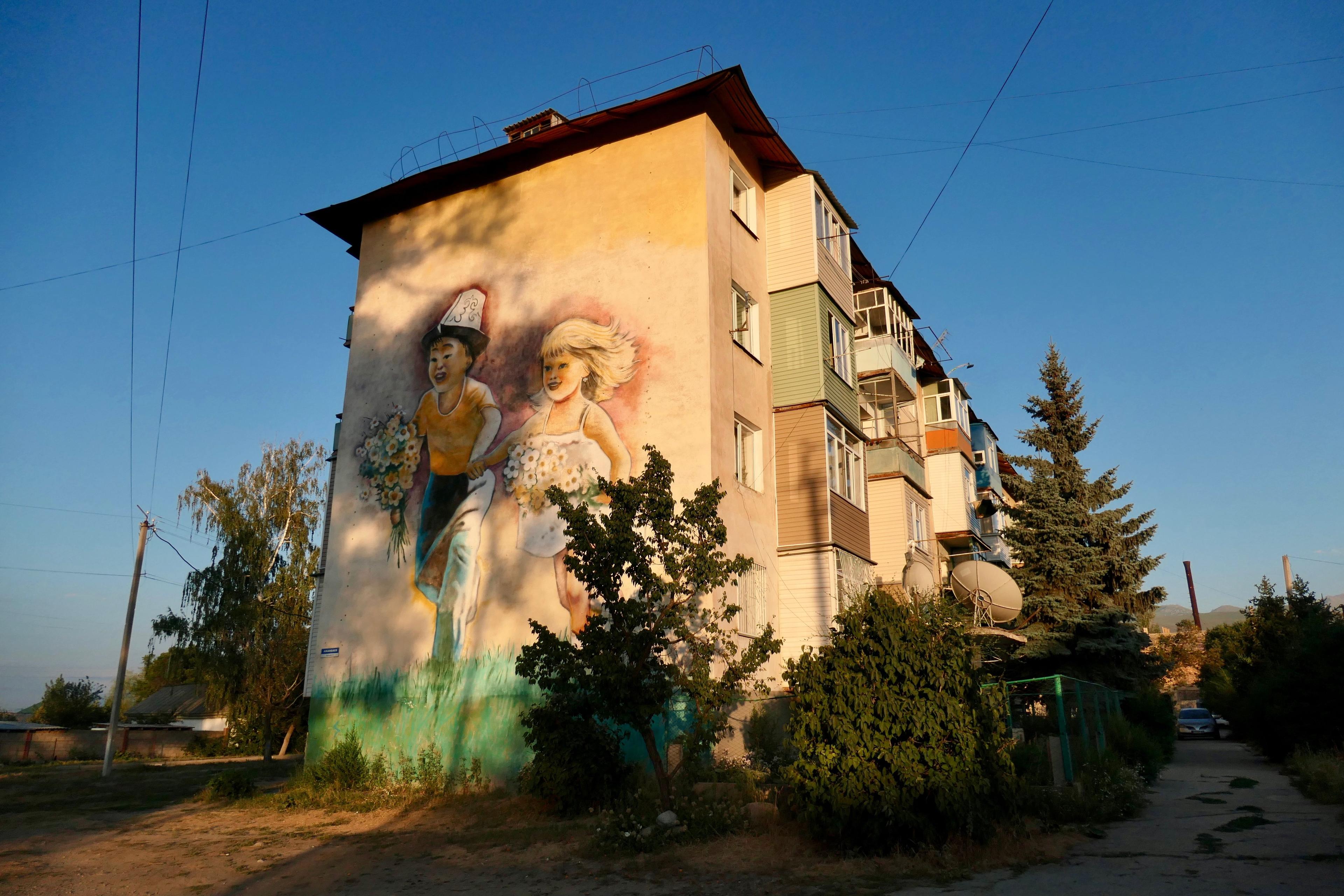
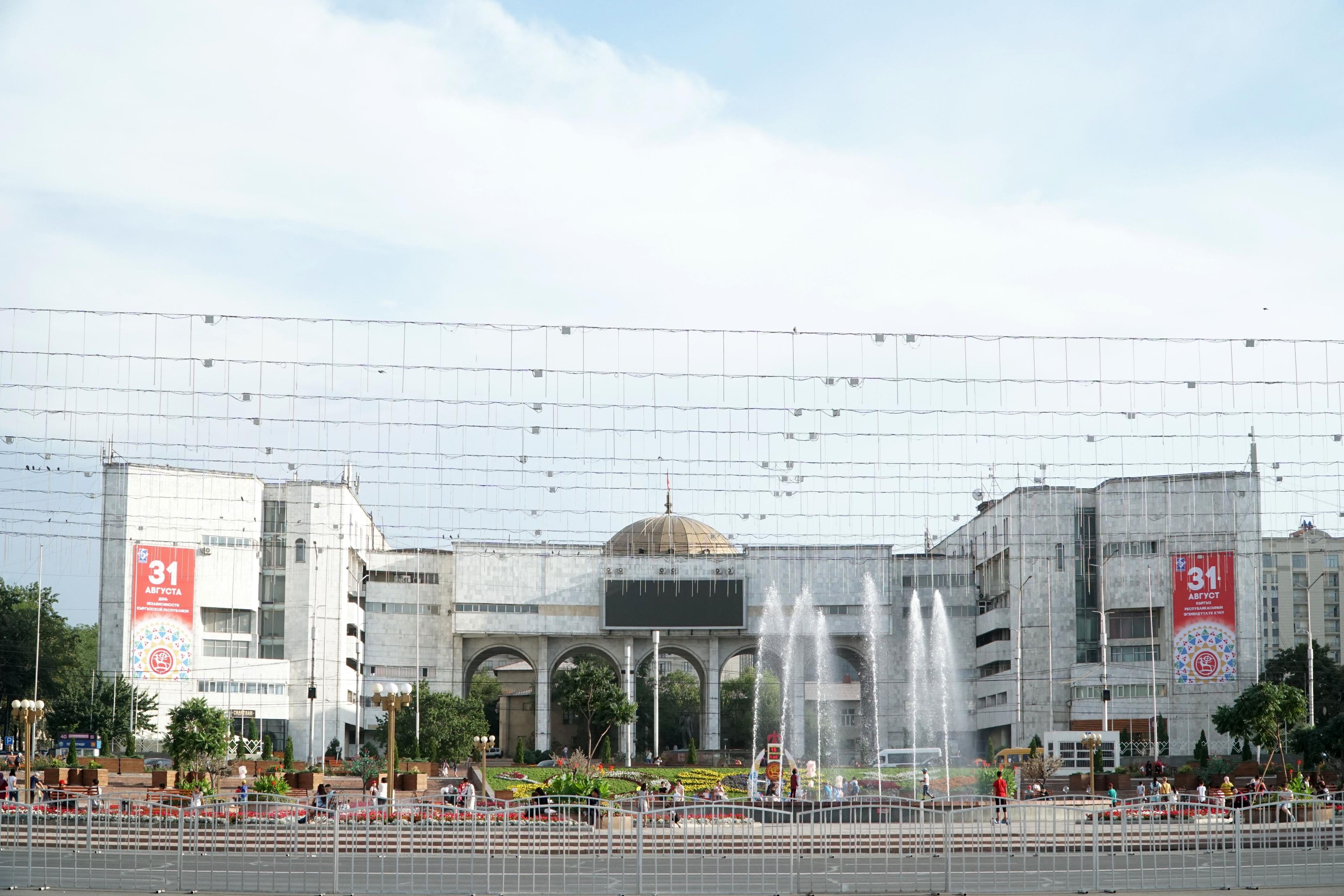
Bishkek is a green, low-rise Soviet-planned city with wide avenues, plenty of trees and the snowy ridge of the Kyrgyz Ala-Too visible at the end of many streets. It is not a city of great monuments, but it is relaxed and a good place to adjust.
- Ala-Too Square, with the State Historical Museum and the changing of the guard by the flagpole.
- Osh Bazaar, the city's main market, for dried fruit, felt goods and the famous white kalpak hats.
- The parks and boulevards around Erkindik Avenue, good for an evening walk.
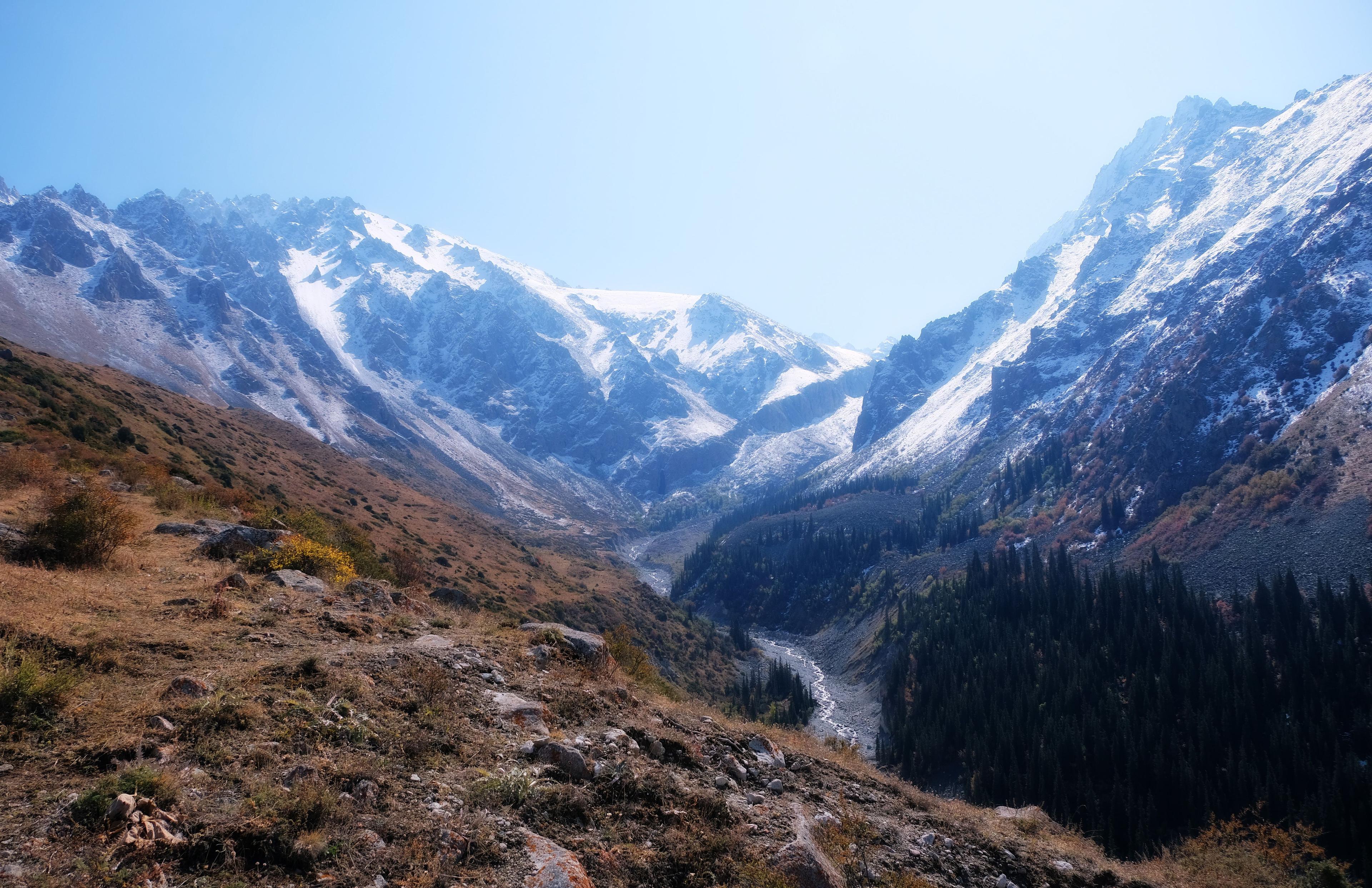
- Ala-Archa National Park, about an hour's drive south, with trails along a river gorge below glaciers. It is the easiest real mountain day from the city.
- The Burana Tower near Tokmok, an 11th-century minaret, all that remains of the Karakhanid city of Balasagun. It is a natural stop on the way to Issyk-Kul.
One or two nights in Bishkek are usually enough. Most travellers use it as a base for arriving, leaving and organising transport into the mountains.
Issyk-Kul and Karakol
Issyk-Kul is one of the largest mountain lakes in the world, lying at about 1,600 metres between two ridges of the Tian Shan. Its name means warm lake, and it does not freeze in winter. In July and August the northern shore around Cholpon-Ata fills with holidaymakers from across the region; the southern shore is quieter and wilder.
Karakol, at the eastern end of the lake, is the main base for hiking in this part of the country. Two buildings are worth a visit in town:
- The Dungan Mosque, built in the early 20th century by Chinese Muslim settlers in the style of a Chinese temple, entirely of wood.
- The Holy Trinity Cathedral, a wooden Russian Orthodox church from the late 19th century.
Around Karakol, the best short excursions are the red sandstone formations of Jeti-Oguz, the Skazka (Fairy Tale) canyon on the southern shore, and the valley of Altyn-Arashan with its hot springs, which is a day hike or an overnight. Allow at least two nights around Karakol if you want to walk.
Song-Kul: a night in a yurt
For many travellers, Song-Kul is the reason to come. The lake lies at about 3,016 metres on a high plateau surrounded by summer pastures, and from June to early or mid-September herding families and small tourist camps set up yurts along its shore. There is no village, no mobile signal in most places and no electricity beyond what the camps generate.
- How to get there: the usual route is via the small town of Kochkor, then up a gravel road over a high pass. From Bishkek it is a long day, typically six hours or more.
- Where to stay: simple family yurts, often booked through community-based tourism offices in Kochkor, cost roughly 15 to 25 USD per person including dinner and breakfast. More comfortable camps with better beds and shared bathrooms charge more. Prices are indicative as of November 2026.
- What to do: horse riding, walking along the shore, watching the herds come in at dusk and, on a clear night, the stars.
- What to bring: warm layers, a hat and gloves even in July. At this altitude nights are cold, and sudden storms are common.
One night is enough to see the lake; two nights let you ride or walk properly. If you are short of time, Kyzart and the horse trek from there to Song-Kul are a popular way to arrive.
Osh and the south
Osh, in the south, is Kyrgyzstan's second city and one of the oldest settlements in Central Asia. For travellers coming from Uzbekistan's Fergana Valley it is the obvious first stop, just across the border from Andijan.
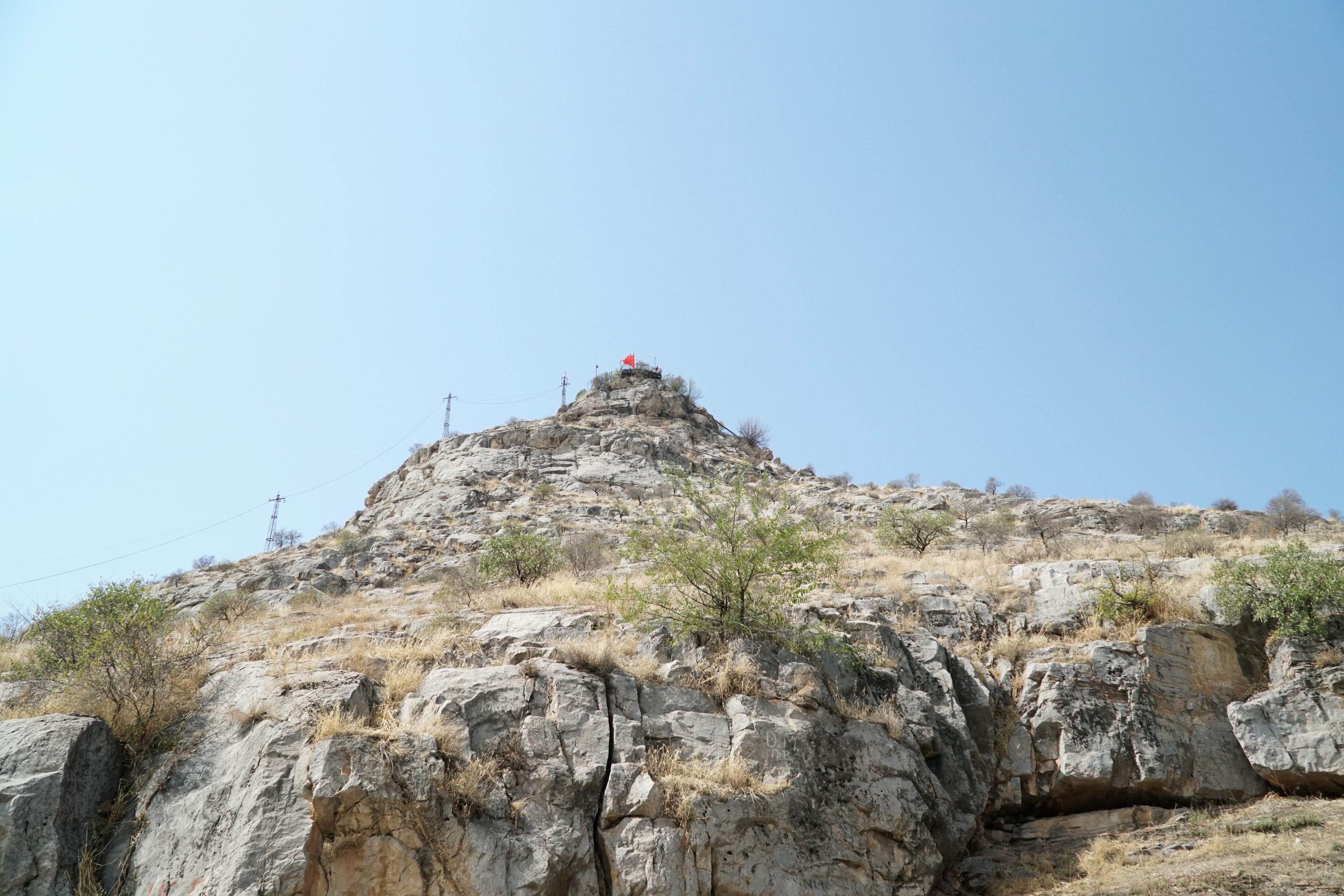
- Sulaiman-Too, the sacred mountain rising in the middle of the city, is a UNESCO World Heritage Site and has been a place of pilgrimage for centuries. Climb to the top for views over the city and look inside the small cave museum.
- The Jayma Bazaar along the river is one of the liveliest markets in the region.
- Osh is also the western end of the Pamir Highway, which runs south to Murghab and Khorog in Tajikistan. Our Tajikistan guide covers it.
From Osh to Bishkek there are two options: a domestic flight of about an hour, or a spectacular but long mountain drive over the Ala-Bel and Too-Ashuu passes and past the Toktogul reservoir, which takes most of a day. Many travellers fly one way and drive only part of it.

Tashkent to Bishkek: flights and the land route
There are two ways to travel between Uzbekistan's capital and Kyrgyzstan's.
- By air: direct Tashkent to Bishkek flights take about 1 hour 20 minutes, with Uzbekistan Airways, Centrum Air, TezJet and other carriers flying the route. Booking sites counted around 17 to 18 direct flights a week in 2026. Check the airlines for current schedules.
- By road: there is no direct road between the two capitals that stays inside Uzbekistan and Kyrgyzstan. The road goes through southern Kazakhstan, via Shymkent and Taraz, which means crossing two borders and spending most of a day on the road. It only makes sense if you also want to stop in Kazakhstan.
There are also direct flights from Tashkent to Osh, which let you fly in to the south and fly out of Bishkek, or the reverse.
For most guests we recommend flying between Tashkent and Bishkek and using the land border in the Fergana Valley if you want to arrive or leave overland.
Crossing the Dostuk border between Andijan and Osh
The Dostuk crossing (Dustlik on the Uzbek side) between Andijan and Osh is the standard land border for foreign travellers between Uzbekistan and Kyrgyzstan. Traveller reports describe it as open around the clock, and it handles both pedestrians and vehicles.
- From Andijan the border is a short drive. On the Kyrgyz side, Osh is a short taxi ride away.
- You walk through both posts with your luggage. Allow roughly one to two hours, more in busy periods.
- Foreign tourists are often waved to the front of the queue, but do not count on it.
- Carry your passport, any visa or e-visa printout, and your Uzbek registration slips if you have them from hotels.
- Change a little money into Kyrgyz som before you arrive, or use an ATM in Osh.
A good way to use it is to combine it with our Fergana Valley programme: Kokand, the silk workshops of Margilan and the ceramics of Rishtan, then cross into Osh on the last day. We can arrange a driver from Tashkent or Fergana to drop you at the Uzbek post and, on the way back, to meet you there.
Other Uzbek-Kyrgyz crossings exist, but their status for foreigners varies. Ask us before planning on any crossing other than Dostuk.
Kyrgyzstan visa rules in 2026
Kyrgyzstan has been one of the easiest countries in the region to enter for years, but the rule changed recently, and many websites have not caught up.
- Since Cabinet of Ministers Resolution No. 855 of 31 December 2025, citizens of around 55 countries may enter and stay without a visa for up to 30 calendar days within each 60-day period from the date of entry.
- According to reports on the resolution, the list includes the US, UK, EU countries, Canada, Australia, Japan and Singapore. Before 2026 the same nationals had 60 days visa-free.
- Citizens of the Gulf states and a few others have longer visa-free periods; check the list for your passport.
- Other nationalities can apply for an e-visa through the official Kyrgyz government portal.
The 30-day limit counts every day you spend in Kyrgyzstan, including short re-entries from Uzbekistan or Kazakhstan. If your trip goes Kyrgyzstan, Uzbekistan, then back to Kyrgyzstan, add up the days.
As of November 2026, always confirm the current list on the website of the Kyrgyz Ministry of Foreign Affairs or with the nearest Kyrgyz embassy before you travel. Our Uzbekistan visa guide covers the Uzbek side.
Best time to visit Kyrgyzstan
Kyrgyzstan's season is short and depends on altitude.
- June to mid-September: the main season. Song-Kul camps are open, mountain roads and passes are clear, and trekking is at its best. July and August are the busiest months.
- Late May and late September: good for Bishkek, Issyk-Kul, Karakol and lower valleys, with fewer people. Nights in the mountains are cold and high camps may not be open.
- October to April: winter. Karakol has a ski resort, and Bishkek and Osh are fine for city visits, but Song-Kul is inaccessible and many guesthouses close.
This fits well with Uzbekistan if you are flexible. Spend late May or early June in the Uzbek cities before the summer heat, then go up to the Kyrgyz mountains. Or reverse it in September, starting in the mountains and finishing in Samarkand and Bukhara as the heat fades. Our guides to the weather by month and the best time to visit Uzbekistan cover the Uzbek half.
Sample routes and practical tips
Three combinations that work well:
- 10 days, by air: Tashkent, Samarkand and Bukhara (6 days), fly Tashkent to Bishkek, then Ala-Archa, Issyk-Kul and Song-Kul (4 days).
- 12 days, overland in the east: Tashkent, Samarkand and Bukhara (6 days), the Fergana Valley (2 days), cross at Dostuk to Osh (1 day), fly Osh to Bishkek and finish at Issyk-Kul (3 days).
- 14 days, slower: Bishkek, Song-Kul, Karakol and Issyk-Kul (6 days), fly to Tashkent, then Samarkand, Bukhara and Khiva (8 days).
If you prefer a structured trip on the Uzbek side, our small-group tours have fixed departure dates, and you can add the Kyrgyz part independently before or after.
A few practical points for the Kyrgyz part:
- Money: the currency is the Kyrgyz som. ATMs are easy to find in Bishkek, Osh and Karakol; take enough cash for Song-Kul and rural guesthouses.
- Language: Kyrgyz and Russian are both widely spoken. English is common in tourist guesthouses in Karakol and Kochkor, much less so elsewhere.
- Getting around: shared taxis and minibuses link the towns, but a private driver saves a great deal of time on mountain roads.
- Food: expect hearty mountain food such as beshbarmak (noodles with boiled meat), lagman and fresh bread, plus kymyz, fermented mare's milk, in summer.
- Altitude: Song-Kul is above 3,000 metres. Drink plenty of water and take it slowly on the first evening.
Planning the Uzbek side with TourEast
We take care of the Uzbekistan part: hotels, guides, the Afrosiyob train, the Fergana Valley and transfers to and from the Dostuk border or Tashkent airport for your flight to Bishkek. For the Kyrgyz part we are happy to share practical advice, and we will help you time the two so that nothing is wasted.