A 21-day overland line through three Stans: Almaty, Charyn and the Kolsai lakes, the Korday border to Bishkek, Issyk-Kul and Karakol, Son-Kul, Osh, the Dostuk crossing into the Fergana Valley, then Tashkent, Samarkand, Bukhara and Khiva. Border-by-border logistics, where to fly instead, visas and timing.
Facts, prices and schedules checked on November 4, 2026
Three weeks is the point at which Central Asia stops being a sampler and becomes a journey. Start in Almaty under the Tian Shan, cross into Kyrgyzstan for the lakes and the yurts, come down through Osh into the Fergana Valley, and finish on the Silk Road cities of Uzbekistan with Khiva at the far end. It is a single overland line, roughly 3,500 km, with two land borders and no backtracking.
This three Stans itinerary is the specific 21-day route our five-Stans guide does not cover. We are an Uzbekistan operator based in Tashkent and Bukhara: the Kazakh and Kyrgyz days below are advice drawn from the standard routes and our own travels, and the Uzbek third is the part we plan and run. Each border is described in turn, with the places where a flight saves a day. Details are as of November 2026; borders and visa rules change, so check before you travel.
The three Stans route at a glance
The shape of the 21 days:
- Days 1 to 6, Kazakhstan: Almaty, Big Almaty Lake, Charyn Canyon, the Kolsai and Kaindy lakes.
- Day 7, border: Almaty to Bishkek by road through the Korday crossing.
- Days 7 to 14, Kyrgyzstan: Bishkek, the north shore of Issyk-Kul, Karakol and its valleys, the south shore, Son-Kul, then Osh.
- Day 15, border: the Dostuk crossing from Osh into Andijan and the Fergana Valley.
- Days 15 to 21, Uzbekistan: Margilan and Rishtan, Kokand, the Kamchik Pass to Tashkent, the Afrosiyob to Samarkand and Bukhara, and the high-speed train or flight to Khiva.
Two warnings. The Kyrgyz week is the slow one: mountain roads, gravel to Son-Kul and the long haul to Osh. And the Uzbek week is the fast one, so it is tempting to shave it; do not. Samarkand and Bukhara each want two nights.
Visas and entry for Kazakhstan, Kyrgyzstan and Uzbekistan
As of November 2026, for most Western and many Asian passports:
- Kazakhstan: visa-free for 30 days for a long list of countries including the EU, UK, US, Australia, Japan and China, capped at 90 days in any 180. Indian citizens get 14 days.
- Kyrgyzstan: visa-free for many Western passports, but since January 2026 the standard stay is 30 days within any 60-day period, down from 60. Others use the Kyrgyz e-visa.
- Uzbekistan: visa-free for 30 days for more than 90 nationalities including the EU, UK, US, China, Japan, Indonesia and Malaysia; most others can use the e-visa.
The 30-day limits are comfortable for a 21-day trip. Register nothing in Kazakhstan or Kyrgyzstan for stays this short; in Uzbekistan hotels register you automatically. Our Central Asia visa guide and our guide to registration in Uzbekistan have the detail, and both flag the rules most likely to change.
Days 1 to 6: Almaty, Charyn Canyon and the Kolsai lakes
Almaty is the easiest arrival in Central Asia, with direct flights from Europe, the Gulf and East Asia. Give it two days: the wooden Ascension Cathedral in Panfilov Park, the Green Bazaar, the Kok-Tobe cable car and a half day at Medeu and Shymbulak in the mountains above the city. Big Almaty Lake, a turquoise reservoir at 2,500 m, is a half-day excursion.
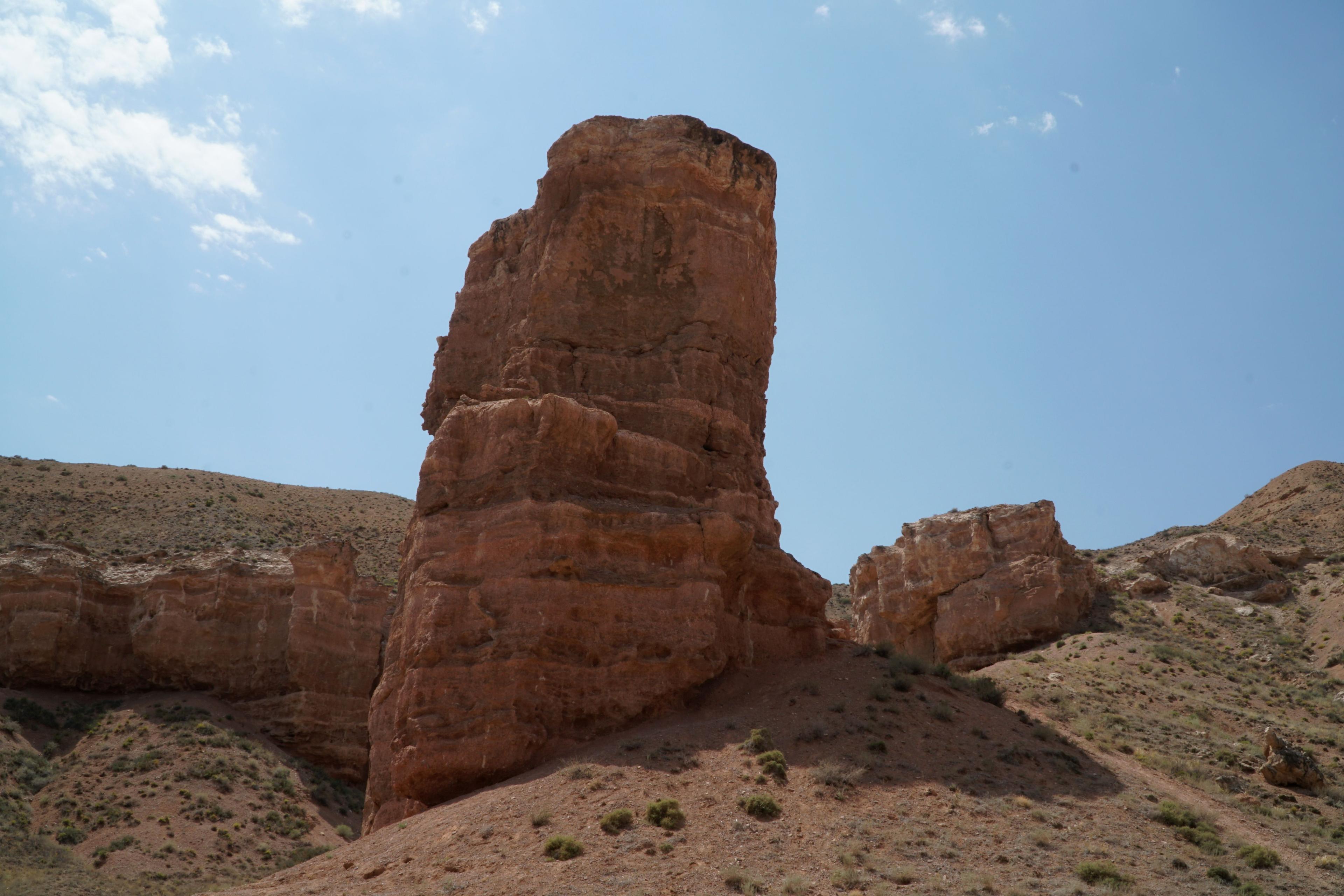
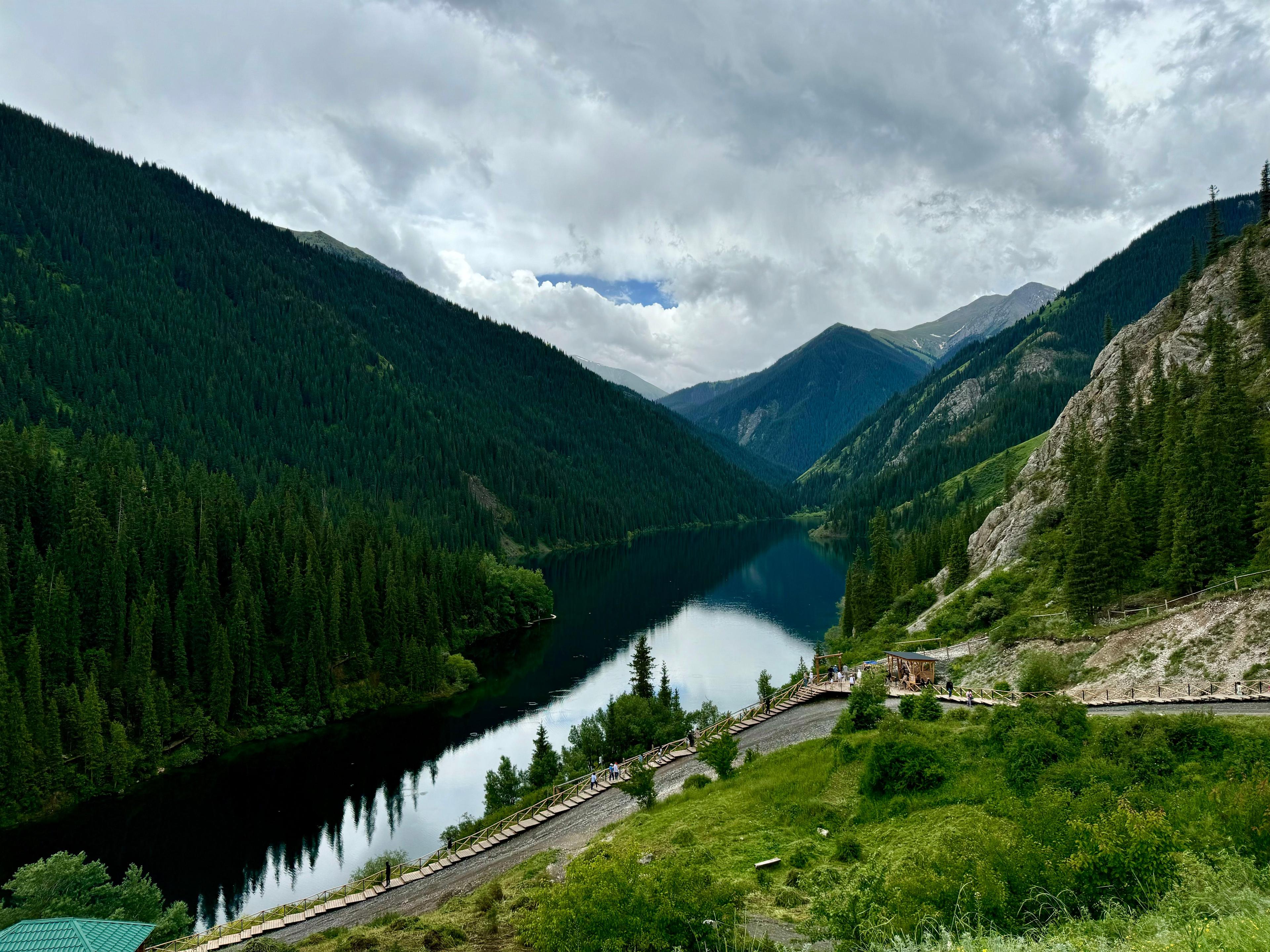
On day 4 leave early for Charyn Canyon, about 200 km east, and walk the Valley of Castles before the midday heat. Continue to the village of Saty for the night. Day 5 is the Kolsai lakes, walking from the first lake to the second through spruce forest, and Kaindy, the lake with the drowned forest, reached by a rough 12 km track that needs a 4x4. Day 6 returns to Almaty.
A note on the shortcut: the Kegen crossing into Kyrgyzstan lies close to Saty and leads over the Karkyra valley straight to Karakol, saving the drive back to Almaty and round through Bishkek. It is seasonal, has been open to foreigners in some summers and not others, and should not be relied on without checking its status that week. Most travellers go via Korday. Our Almaty guide and our Uzbekistan-and-Kazakhstan combination guide cover the city in more depth.
Day 7: the Korday border, Almaty to Bishkek by road
Almaty to Bishkek is about 240 km on a good road, and the Korday crossing, called Ak-Jol on the Kyrgyz side, is open 24 hours. Minibuses leave Almaty's Sayran bus station through the morning, and a private car is a reasonable alternative for a group. Budget 4 to 6 hours including the border; the queue is the variable, and travellers in 2025 and 2026 reported anything from twenty minutes to over two hours at busy times. You walk through both posts with your luggage and rejoin your vehicle, or a new minibus, on the far side.
To skip the road, Almaty to Bishkek by air takes about an hour and is cheap. Use it if the land border is backed up by a holiday weekend, or if you would rather spend the hours at Issyk-Kul. Our guide to getting from Tashkent to Almaty, Bishkek and Dushanbe compares the regional links.
Days 7 to 14: Bishkek, Issyk-Kul, Karakol, Son-Kul and Osh
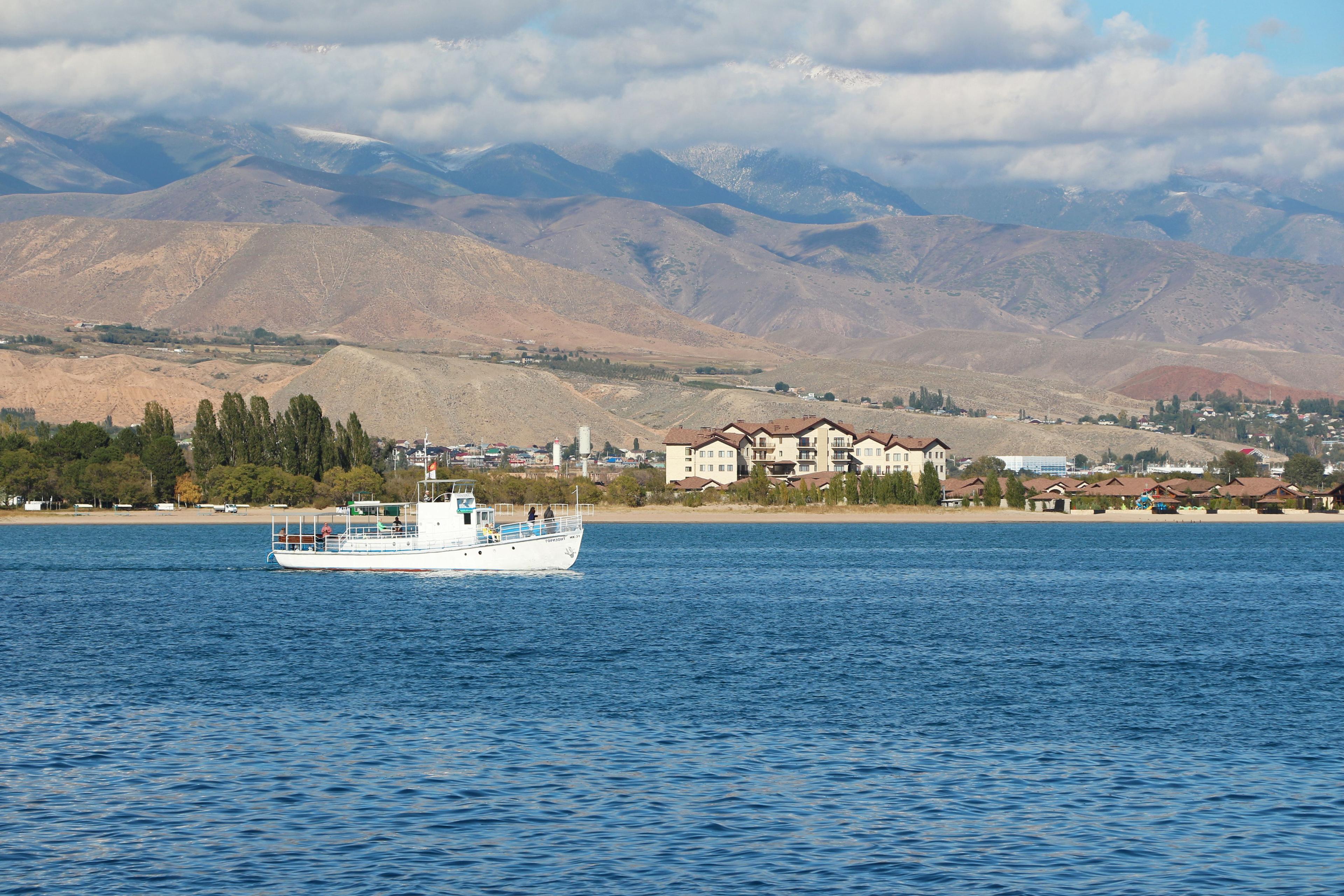
Bishkek deserves an afternoon and a morning: Ala-Too Square, the Osh Bazaar and, if there is time, the Ala-Archa gorge an hour south. On day 8 drive east along the north shore of Issyk-Kul, the second-largest alpine lake in the world, and continue to Karakol at its eastern end, about 400 km in all.
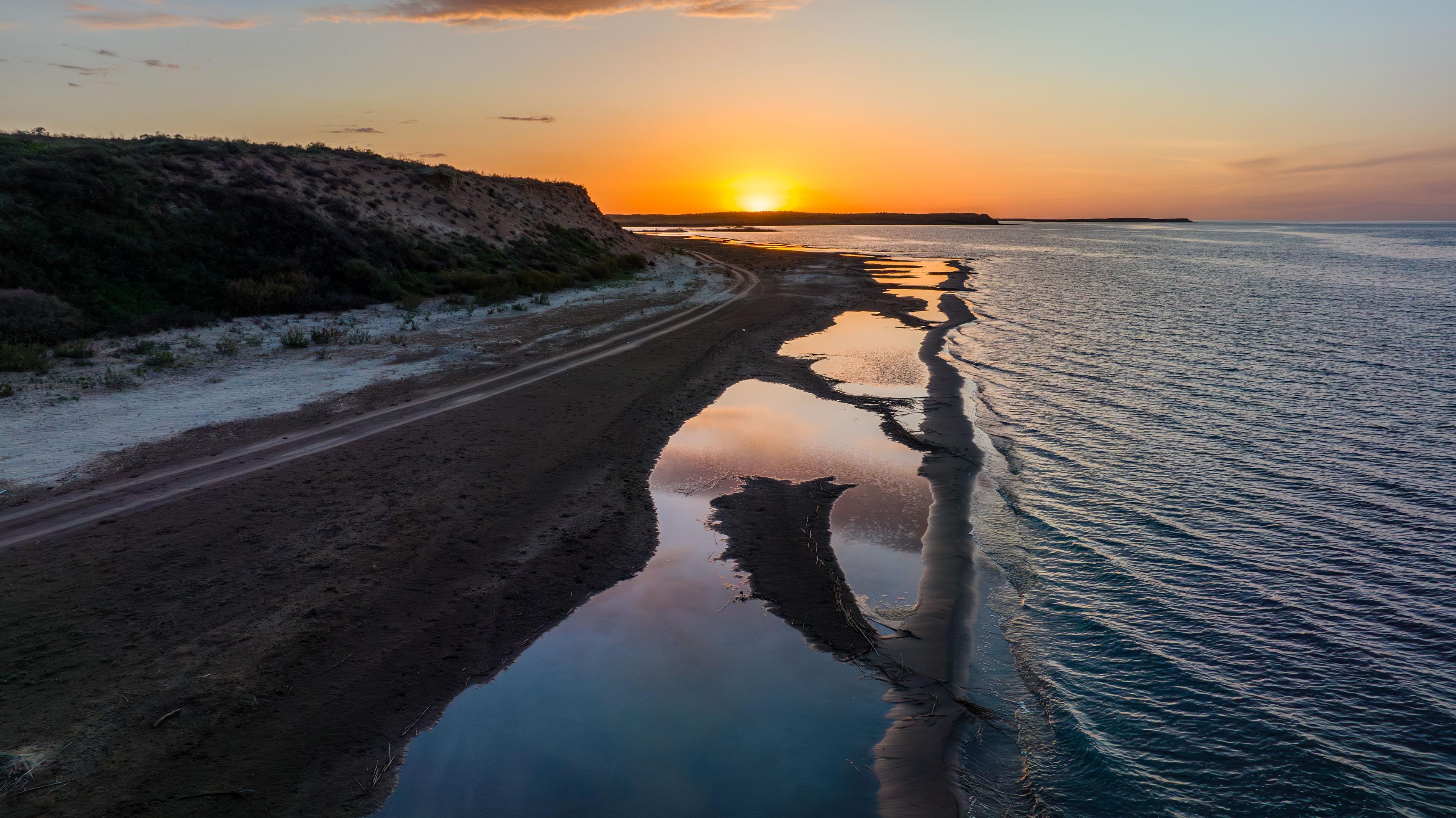
Give Karakol two nights. The town has a wooden Russian Orthodox cathedral and a Dungan mosque built without nails, and the valleys above it, Altyn-Arashan with its hot springs and Jeti-Oguz with its red cliffs, are the best short hikes in the country. Day 10 crosses to the south shore: the Skazka canyon, the eagle hunters near Bokonbaevo, and a yurt or guesthouse night. Day 11 reaches Kochkor, the base for Son-Kul; day 12 climbs the gravel road to the lake at 3,000 m for a night in a yurt camp among the herders. This is the night most people remember.
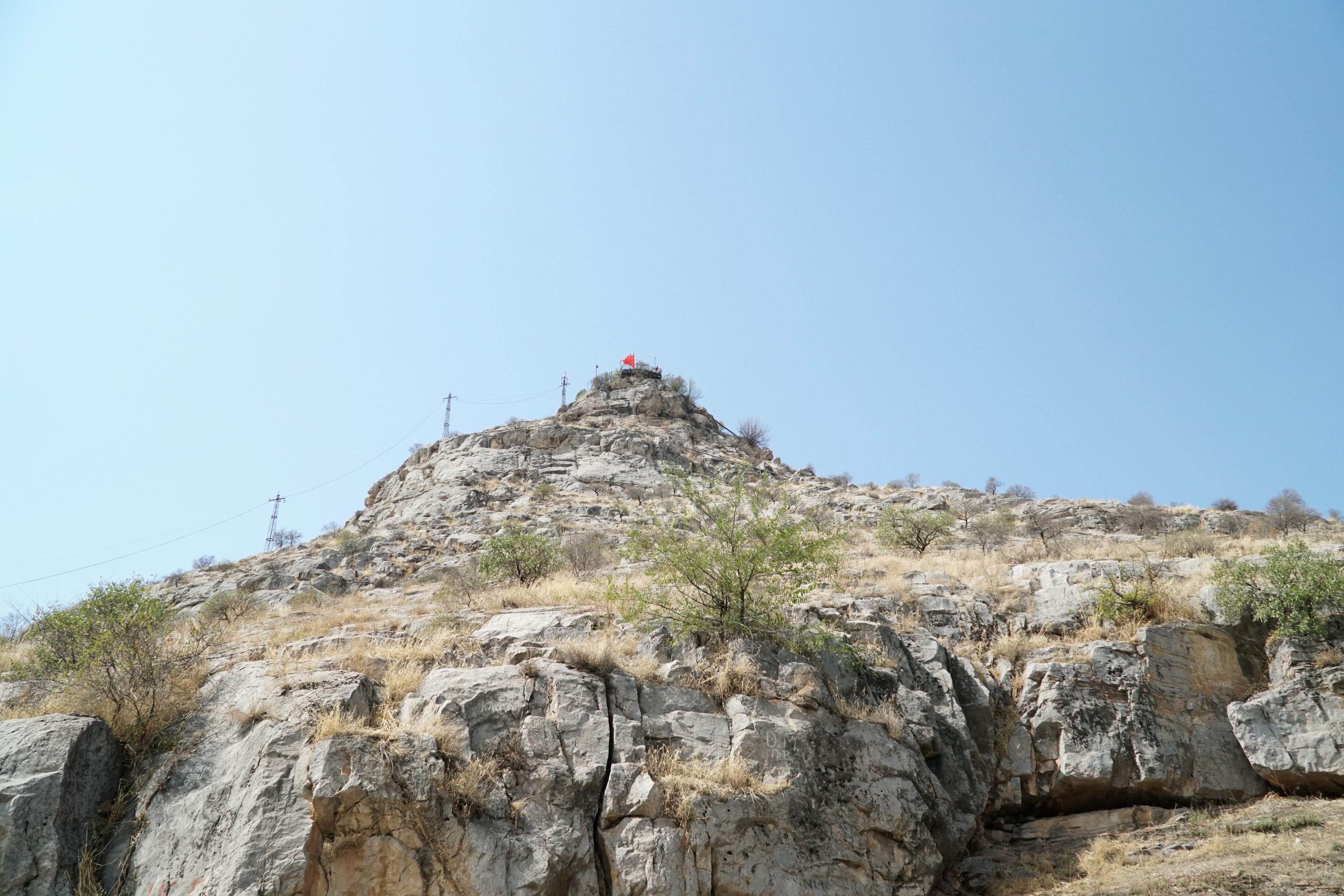
Day 13 is the long one, Son-Kul to Osh. The direct route via Kazarman is a rough mountain track for a 4x4, slow and sometimes closed; the standard way descends to the Bishkek to Osh highway and runs south over the Ala-Bel and Töö-Ashuu passes, 10 to 12 hours in all. Many travellers break it with a night at Toktogul or drive back to Bishkek and fly to Osh in an hour. Day 14 is Osh: Sulaiman-Too, the sacred mountain above the city and a UNESCO site, and the Jayma Bazaar. Our Kyrgyzstan guide and our Osh guide have more.

Day 15: the Dostuk border, Osh into the Fergana Valley
The Dostuk crossing, called Dustlik on the Uzbek side, sits on the western edge of Osh and is the one international crossing between Kyrgyzstan and Uzbekistan that foreigners routinely use. A taxi from central Osh reaches it in twenty minutes. The process on both sides is a walk-through with a luggage X-ray; reports in 2025 and 2026 put the whole crossing at under an hour and a half, longer on holiday mornings. It has operated around the clock for several years, though hours are not published officially, so cross in daylight.
On the Uzbek side, Andijan is 50 km away. From Andijan it is an easy day across the valley: the silk workshops of Margilan, the ceramics of Rishtan, and a night in Fergana city. Day 16 continues to Kokand for the Khudayar Khan Palace, then over the Kamchik Pass, 2,200 m, to Tashkent, about five hours. In winter the pass can close in snow; check the day before. Our border crossings guide and our guide to Osh from the Fergana Valley give the full procedure, and our Fergana Valley guide covers the stops.
Days 17 to 21: Tashkent, Samarkand, Bukhara and Khiva
The Uzbek week is where the roads give way to trains.
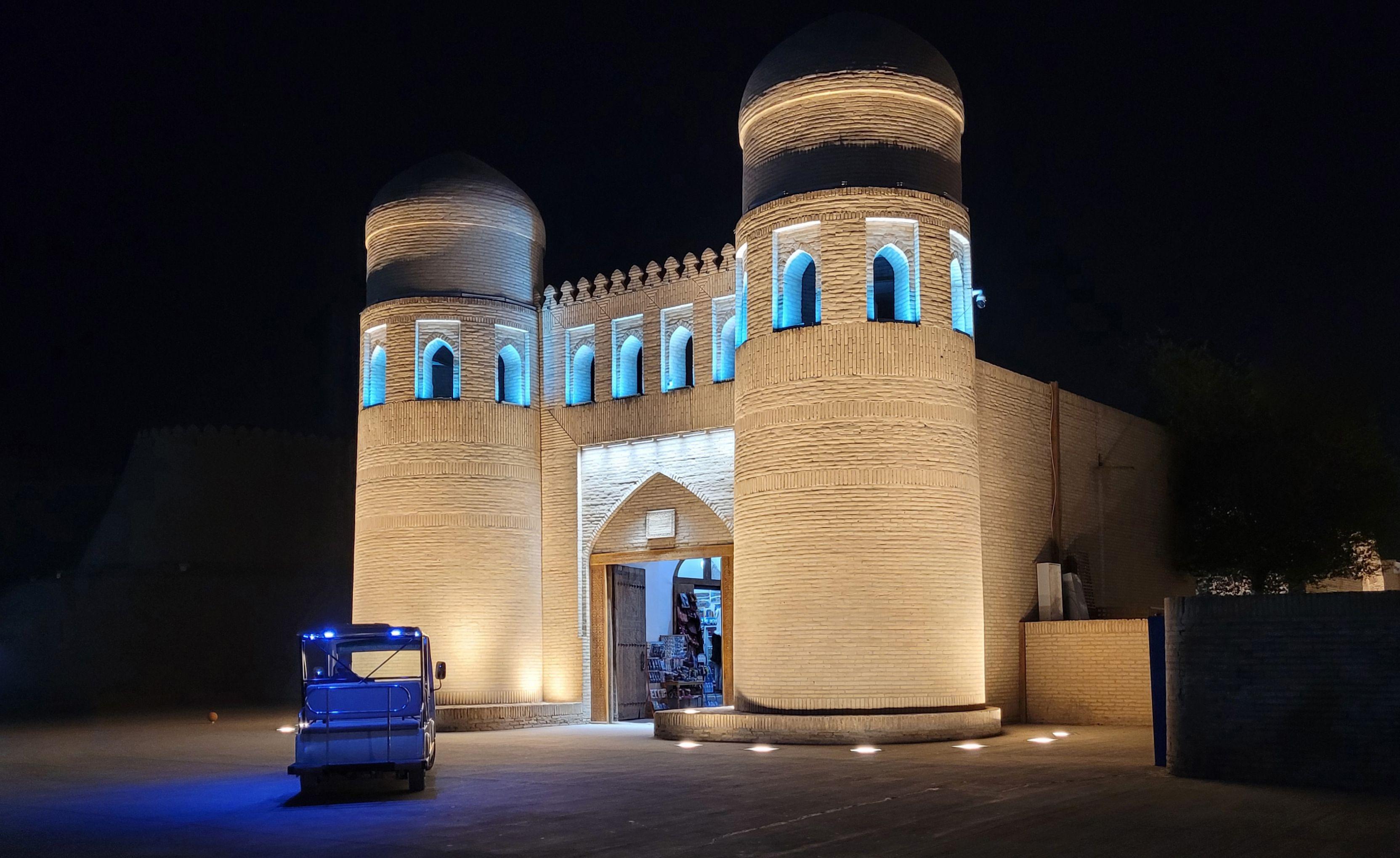
Day 17, Tashkent: the Hazrati Imam complex with its early Quran, Chorsu Bazaar, the metro and an evening at a plov centre. Day 18, the Afrosiyob high-speed train to Samarkand in just over two hours, then the Registan, Gur-e-Amir and the Siab Bazaar. Day 19, Shah-i-Zinda, the Ulugh Beg Observatory and the Afrasiyab Museum. Day 20, the Afrosiyob to Bukhara in under two hours and the old town: Po-i-Kalyan, the Ark Fortress, Lyabi-Hauz in the evening. Day 21, the morning high-speed train across the Kyzylkum to Khiva, around four hours as of 2026, and the afternoon inside Ichan-Kala. Fly out from Urgench, 30 km away, via Tashkent.
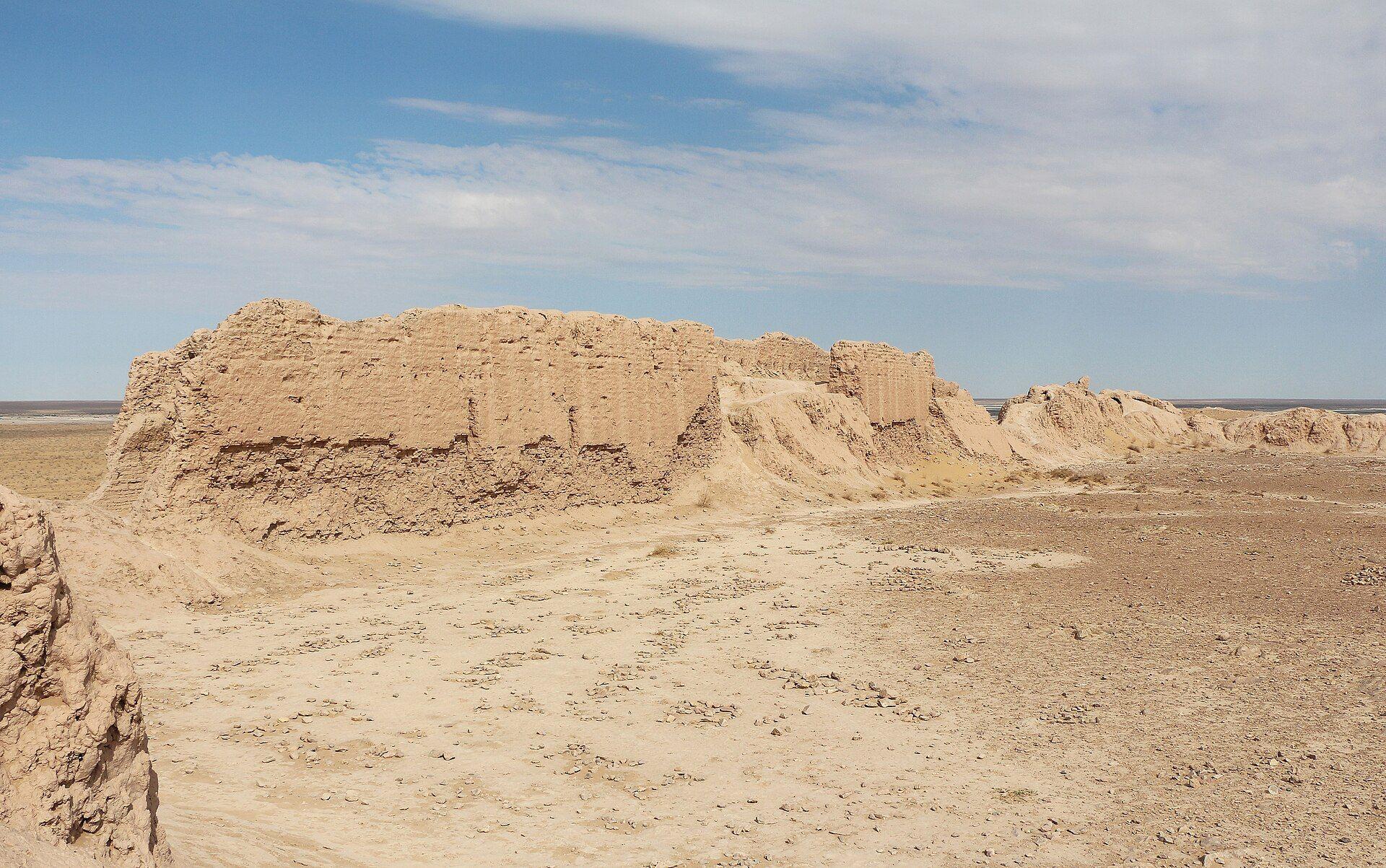
If 21 days is a hard limit, Bukhara gets one night and Khiva an afternoon. If you can add three days, give Bukhara its second night, add the Khorezm desert fortresses from Khiva, and spend a night at a yurt camp near Aydarkul between Samarkand and Bukhara. Our 10-day Uzbekistan itinerary shows the fuller version.
Where to fly instead of driving
Four flights can rescue a tired itinerary without changing its shape:
- Almaty to Bishkek: about 1 hour, instead of 4 to 6 hours by road.
- Bishkek to Osh: about 1 hour, instead of 10 to 12 hours over the passes. The most useful of the four.
- Tashkent to Urgench for Khiva: about 1 hour 40 minutes, if you prefer to end in Samarkand or Bukhara rather than Khiva.
- Urgench to Tashkent at the end, which almost everyone takes.
What not to fly: Almaty to Tashkent directly, which would skip Kyrgyzstan, and anything within Uzbekistan between Tashkent and Bukhara, where the trains are faster door to door. If you want the land border between Kazakhstan and Uzbekistan instead of Kyrgyzstan's, the Almaty to Tashkent Talgo sleeper runs daily; that is a different, two-Stan trip, covered in our guide to combining Uzbekistan and Kazakhstan.
When to go: the one season that works for all three
The mountains and the deserts disagree. Son-Kul is accessible only from about June to late September; the Uzbek cities are at their best in April to May and September to October. The overlap is September, with early October possible for the lakes if the weather holds, and that is when most three-Stan trips run. June works too, with Son-Kul just opening and Uzbekistan already hot but bearable.
Avoid July and August in Uzbekistan unless you can cope with 40 degrees in Bukhara and Khiva, and avoid anything before mid-May in the Kyrgyz highlands, where the yurt camps are not yet up. In the other direction, starting in Uzbekistan in late April and finishing in Kyrgyzstan in mid-May gives spring in the cities but misses Son-Kul. Our guides to Uzbekistan in spring and in autumn describe the two Uzbek seasons.

Costs and practicalities for a three-Stan trip
Typical 2026 figures, for planning rather than budgeting:
- A private car and driver in Kazakhstan or Kyrgyzstan: broadly US$100 to 200 a day including fuel, more for a 4x4 to Kaindy and Son-Kul. In Uzbekistan, a car and driver typically US$50 to 100 a day, though the trains make one largely unnecessary.
- Yurt camps and guesthouses in Kyrgyzstan: US$20 to 50 a person with meals. Boutique hotels in Samarkand and Bukhara: US$50 to 150.
- Border crossings: free. Carry US dollars in small notes; exchange only what you need near a border.
- Afrosiyob and the Bukhara to Khiva train: book on the Uzbekistan Railways app the day sales open, which is usually 45 days ahead; the September trains sell out.
- Mobile data: buy a local SIM in each country; our SIM guide covers Uzbekistan.
Altitude matters at Son-Kul, 3,000 m, and on the passes; take the climb slowly after the lakes. Our health guide covers water, insurance and altitude.
Planning the three Stans with TourEast
We arrange and operate the Uzbekistan third of this route: the Fergana Valley day from the Dostuk border, the transfer over the Kamchik Pass, guides in Tashkent, Samarkand, Bukhara and Khiva, every train ticket, and the final flight from Urgench. For Kazakhstan and Kyrgyzstan we give advice and timing so that the three parts join without a wasted day. Send us your arrival date in Almaty and we will plan backwards from Khiva.