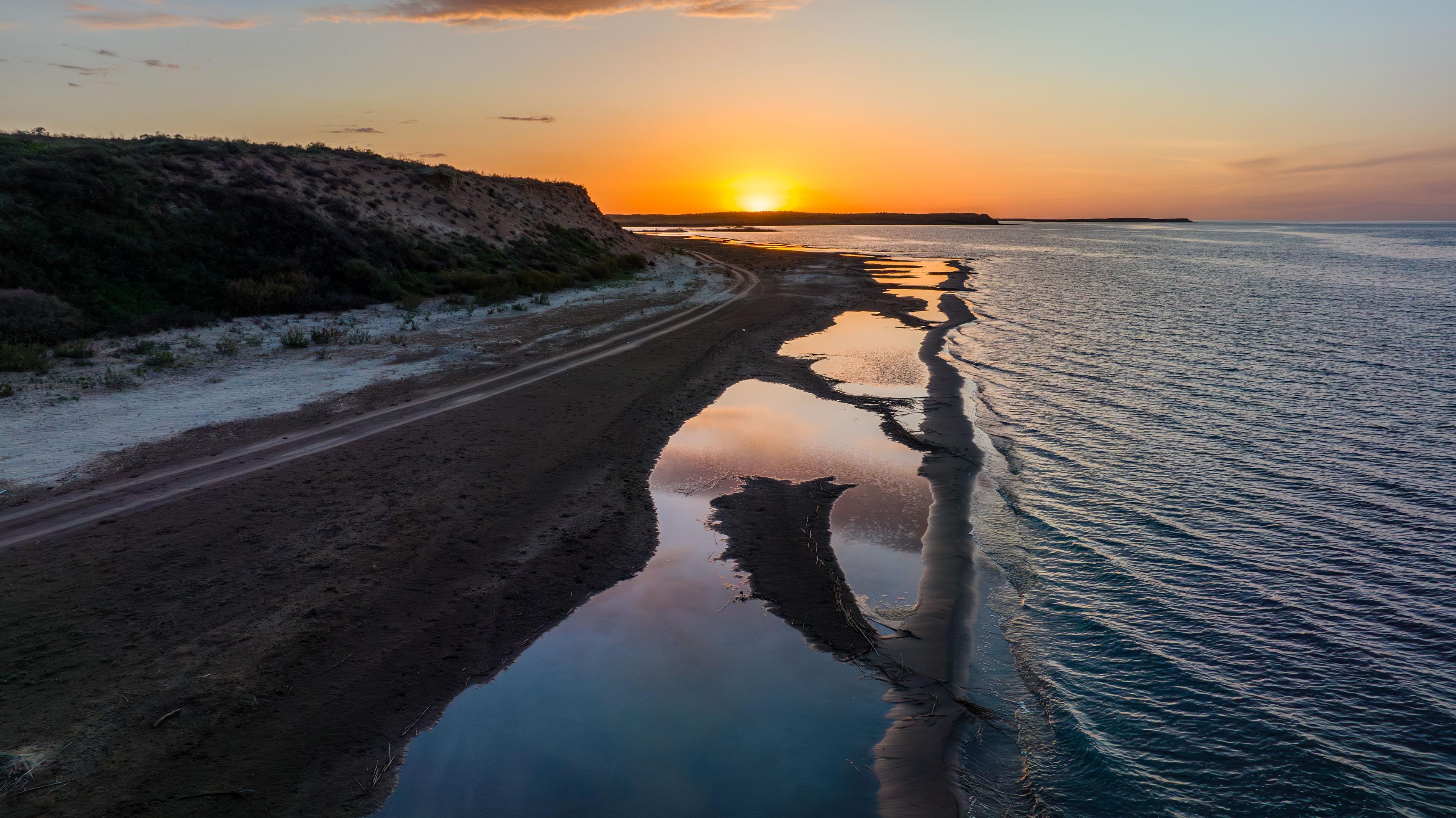
Ten days is the sweet spot for a first trip to Uzbekistan. Our day-by-day route covers Tashkent, Khiva, Bukhara, Samarkand and Shakhrisabz, with a desert yurt option, travel times for every leg as of November 2026 and versions for each season.
Facts, prices and schedules checked on November 4, 2026
If you ask us how long a first trip should be, the honest answer is ten days. A 10-day Uzbekistan itinerary gives you the four great Silk Road cities, Tashkent, Khiva, Bukhara and Samarkand, at a pace that still leaves room for tea in a courtyard, a long lunch of plov and an evening wander when the madrasahs glow.
The route below is the one we suggest most often to our own guests. It runs from west to east: you fly or take the new high-speed train out to Khiva, then work your way back through Bukhara and Samarkand, with a day trip to Shakhrisabz, Amir Temur's birthplace. That direction means every transfer gets shorter as the trip goes on, and you finish close to Tashkent's international airport.
For each day we give what to see, how to travel and how long it takes, with times and fares as of November 2026. We also show where to fit a night in a desert yurt camp, and how to adapt the plan for summer heat, winter cold or a slower pace. If you have only a week, see our 7-day itinerary; if you have two, our two-week route adds the Fergana Valley and Karakalpakstan.
Is 10 days enough for Uzbekistan?
Yes, for the classic route. Ten days lets you spend two nights in Khiva, two or three in Bukhara, three in Samarkand and a night or two in Tashkent, which is how much time each city genuinely rewards. With fewer days you start choosing between Khiva and Shakhrisabz, or you spend too much of your trip on platforms.
What ten days does not cover comfortably is the Fergana Valley, Nukus with the Savitsky Museum, the Aral Sea or the mountains. Those need a second week.
The route at a glance:
- Day 1: Tashkent
- Day 2: To Khiva by flight or train
- Day 3: Khiva
- Day 4: Khiva to Bukhara
- Day 5: Bukhara
- Day 6: Bukhara outskirts, or the desert and a yurt camp
- Day 7: Bukhara to Samarkand
- Day 8: Samarkand
- Day 9: Day trip to Shakhrisabz
- Day 10: Samarkand to Tashkent, departure

Days 1 to 3: Tashkent and Khiva
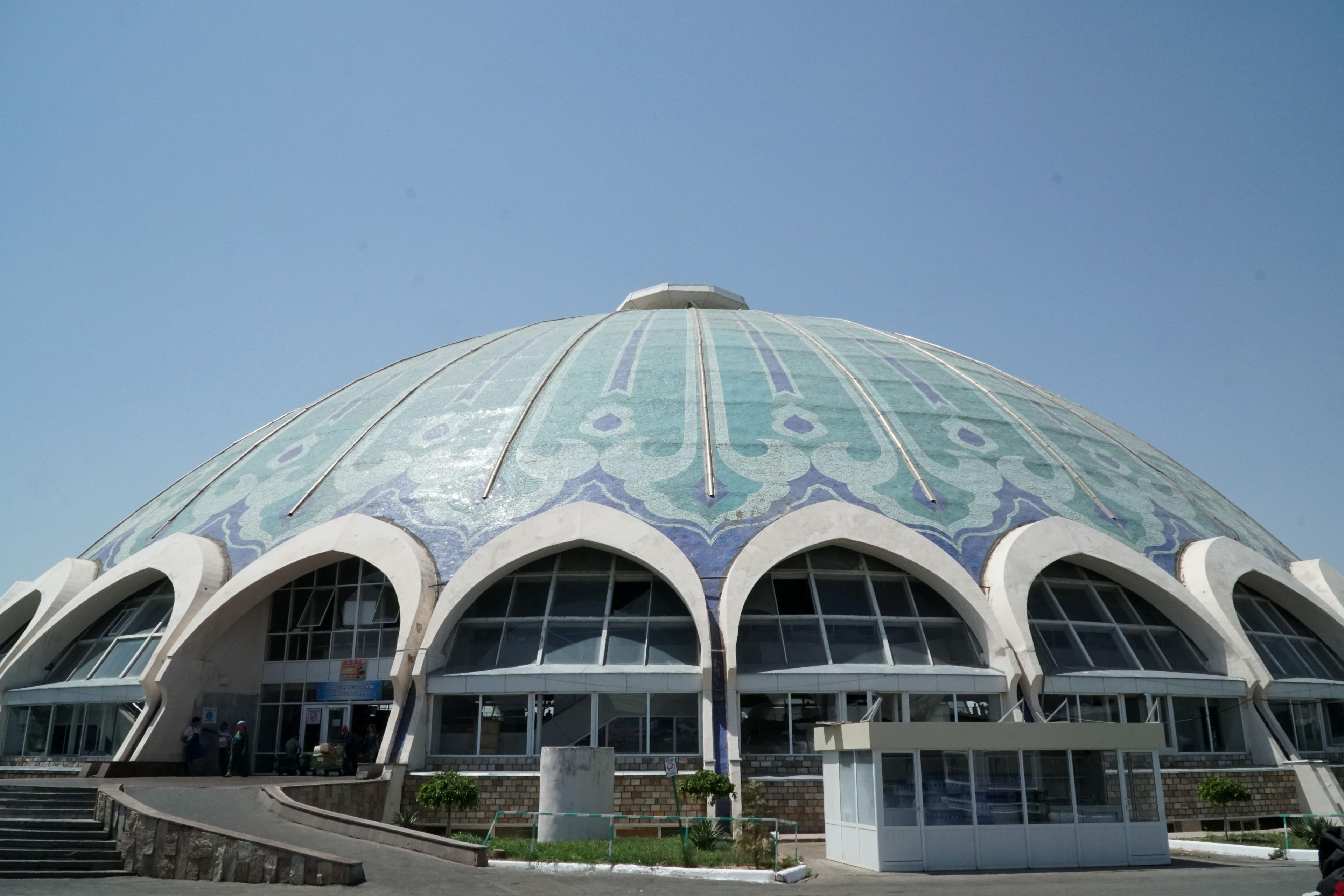
Day 1, Tashkent. Most international flights land early in the morning, so plan a gentle first day. Start at the Khast Imam complex (Hazrati Imam), where the library holds one of the oldest surviving Qur'an manuscripts, then walk or take a short taxi to Chorsu Bazaar under its great green dome for dried fruit, bread and your first plov. Ride a couple of stops on the Tashkent metro, especially Kosmonavtlar and Alisher Navoi stations, and finish at Amir Temur Square and the Broadway pedestrian street. Sleep early: tomorrow starts at dawn.
Day 2, to Khiva. You have two good options.
- By air: Tashkent to Urgench takes about 1 hour 30 minutes to 1 hour 40 minutes, with several flights a day across Uzbekistan Airways and private carriers. Urgench airport is about 35 km from Khiva, a 40-minute drive. You can be inside the walls by late morning.
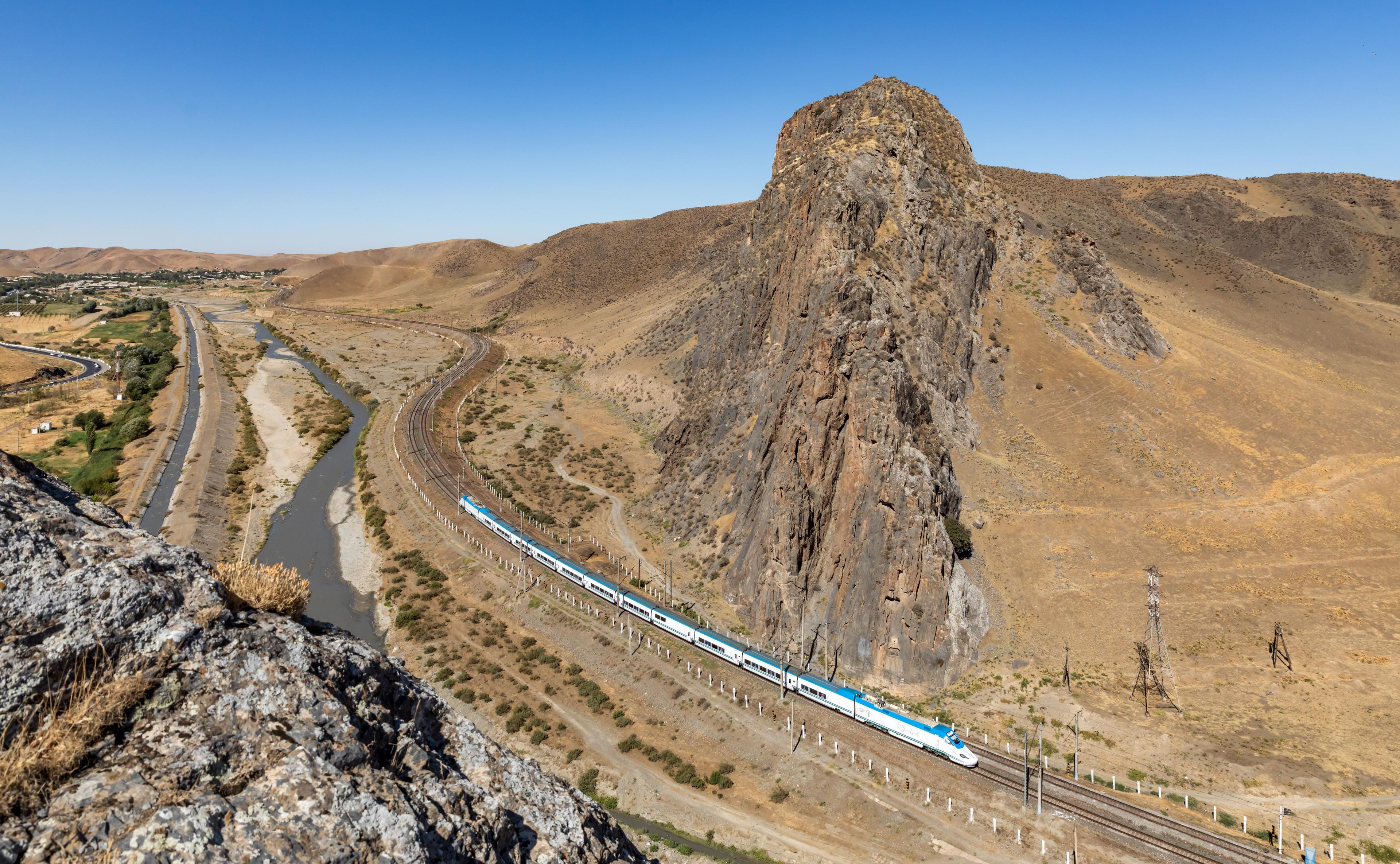
- By train: since May 2026 the high-speed Jaloliddin Manguberdi train runs from Tashkent to Khiva in about 7 hours 30 minutes, leaving early in the morning and arriving mid-afternoon. It does not run every day in each direction, so check the schedule before you build the trip around it.
Spend the late afternoon getting your bearings in Ichan-Kala, the walled inner town. Climb the walls near the west gate for sunset over the domes and the turquoise stump of the Kalta Minor minaret.
Day 3, Khiva. Give Ichan-Kala a full, slow day. The combined ticket covers most museums inside the walls; the Islam Khoja minaret and the Kunya-Ark watchtower are usually extra. Key stops: the Kunya-Ark fortress, the Juma Mosque with its forest of carved wooden columns, the Pakhlavan Makhmud mausoleum, the Tash-Hauli palace and the Islam Khoja minaret for the best view in town. Our detailed Ichan-Kala guide covers tickets and the order of the walk.
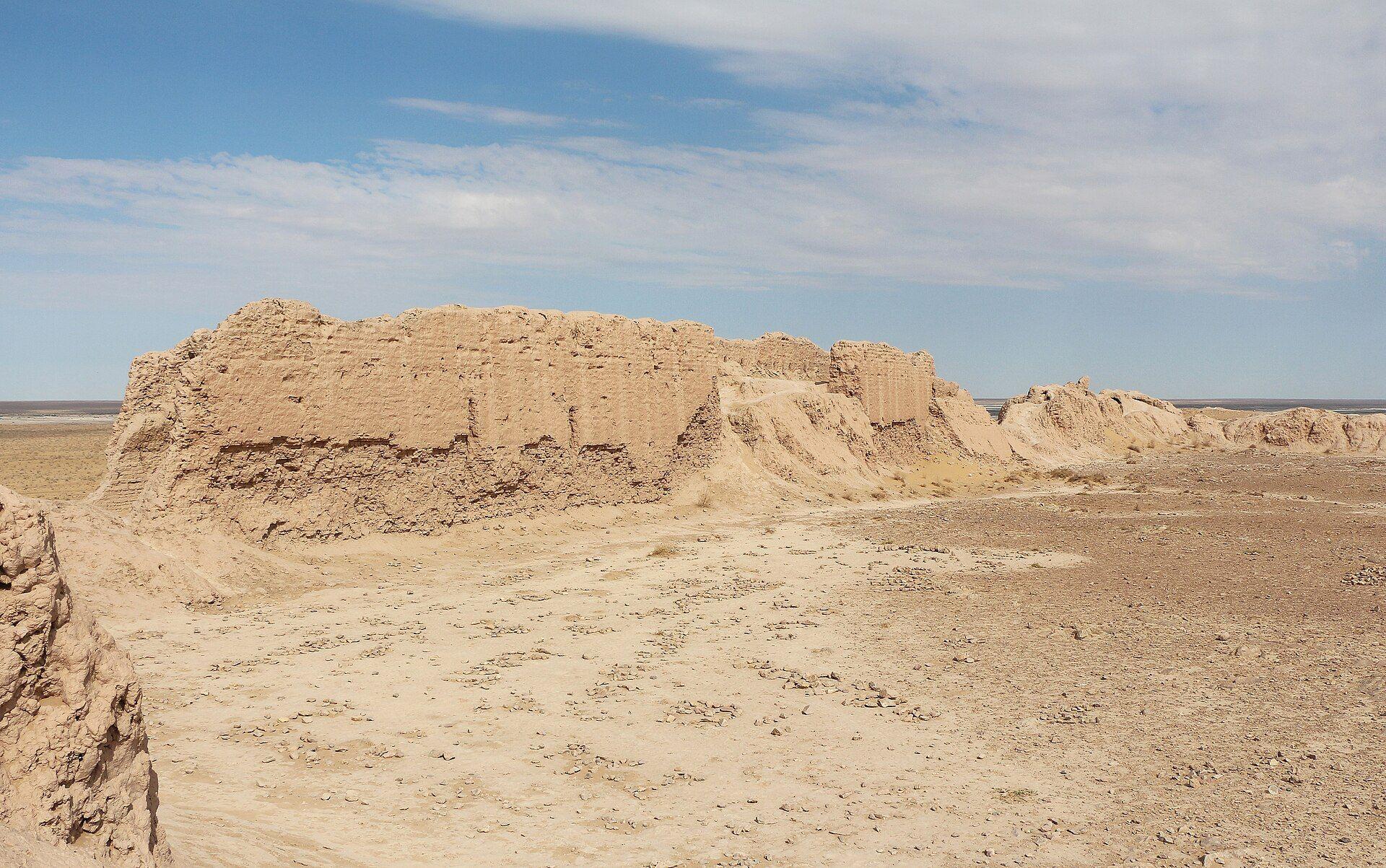
If you have energy left, a half-day trip into the desert to the Elliq-Qala fortresses, such as Ayaz-Kala and Toprak-Kala, adds 2,000 years of Khorezmian history. It needs a car and driver and roughly an hour to an hour and a half each way.
Day 4: Khiva to Bukhara, train or car?
This is the longest transfer of the trip, about 450 km across the Kyzylkum desert, and it is the leg that changed most in 2026.
- Train: the new electrified line means the high-speed train now covers Khiva or Urgench to Bukhara in about 3 hours 30 minutes. Seats are limited and sell out, so book as soon as sales open, normally up to 60 days ahead. Conventional and overnight trains also run on this line as a backup, but they are much slower.
- Car: a private car with driver takes six to seven hours, with a stop above the Amu Darya river and a roadside lunch. It is a long day but a genuinely interesting one, through cotton fields, then empty desert and saxaul scrub.
- Flight: Silk Avia flies Urgench to Bukhara on some days. Check the current schedule, since regional timetables change by season.
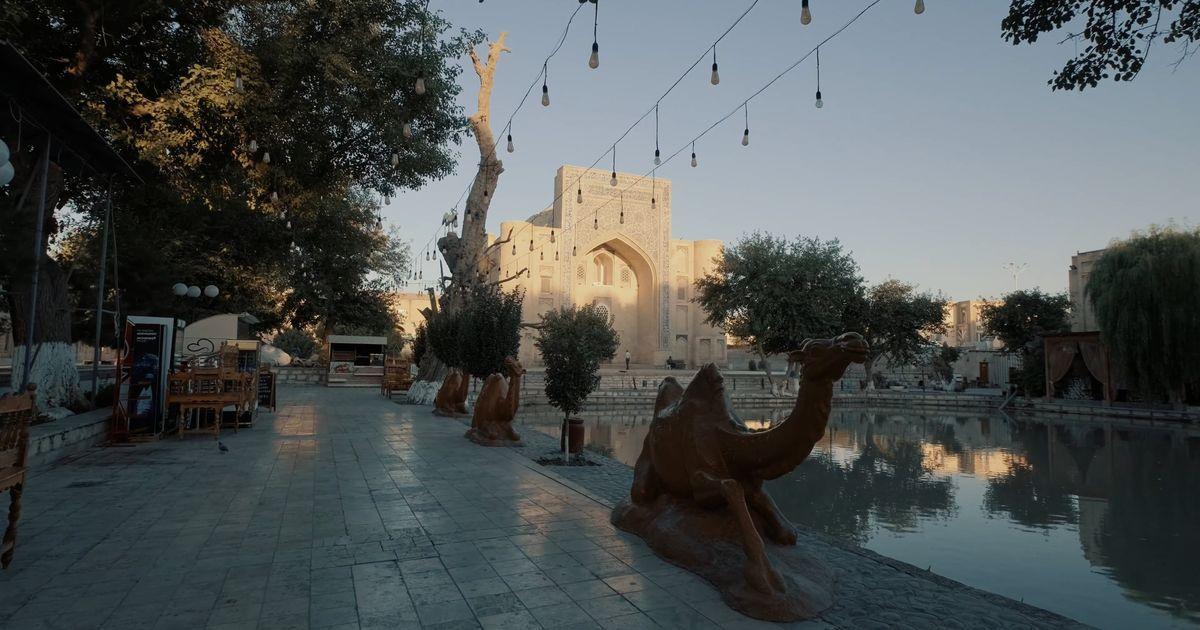
Whichever you choose, arrive in time for an evening at Lyabi-Hauz, the pool square at the heart of old Bukhara, where locals and travellers share the tea houses under ancient mulberry trees.
Days 5 and 6: Bukhara and its outskirts
Day 5, Bukhara. Bukhara is the most walkable of the old cities, and it pays to wander. A good full-day loop:
- The Ark Fortress, seat of the emirs, and the wooden-pillared Bolo Hauz mosque opposite
- The Samanid Mausoleum, a tenth-century masterpiece in patterned brick
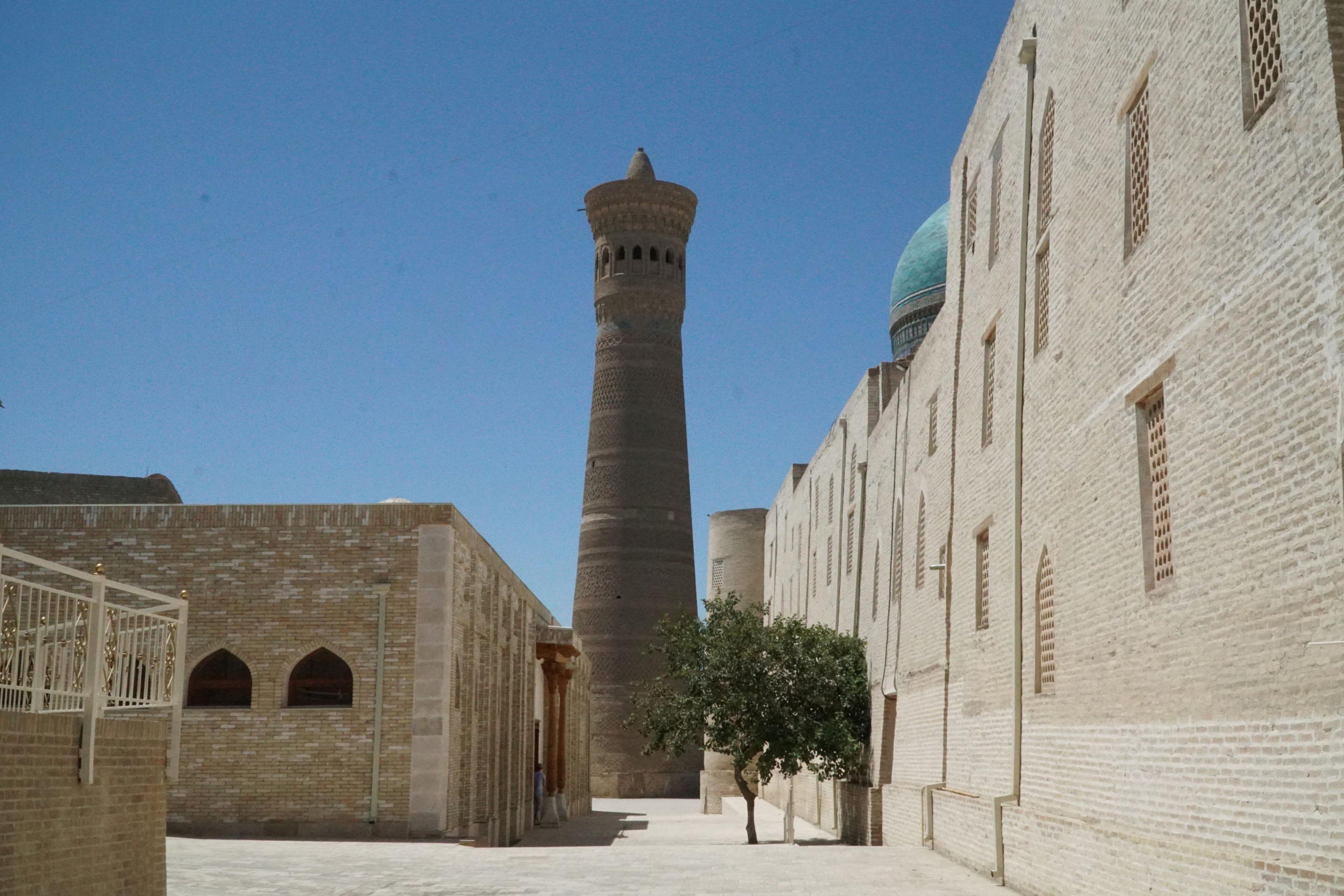
- The Po-i-Kalyan ensemble: the Kalyan Minaret, Kalyan Mosque and Mir-i-Arab Madrasah
- The covered trading domes, still full of carpet, knife and suzani sellers
- Chor Minor, the small gatehouse with four turquoise domes, in the late afternoon
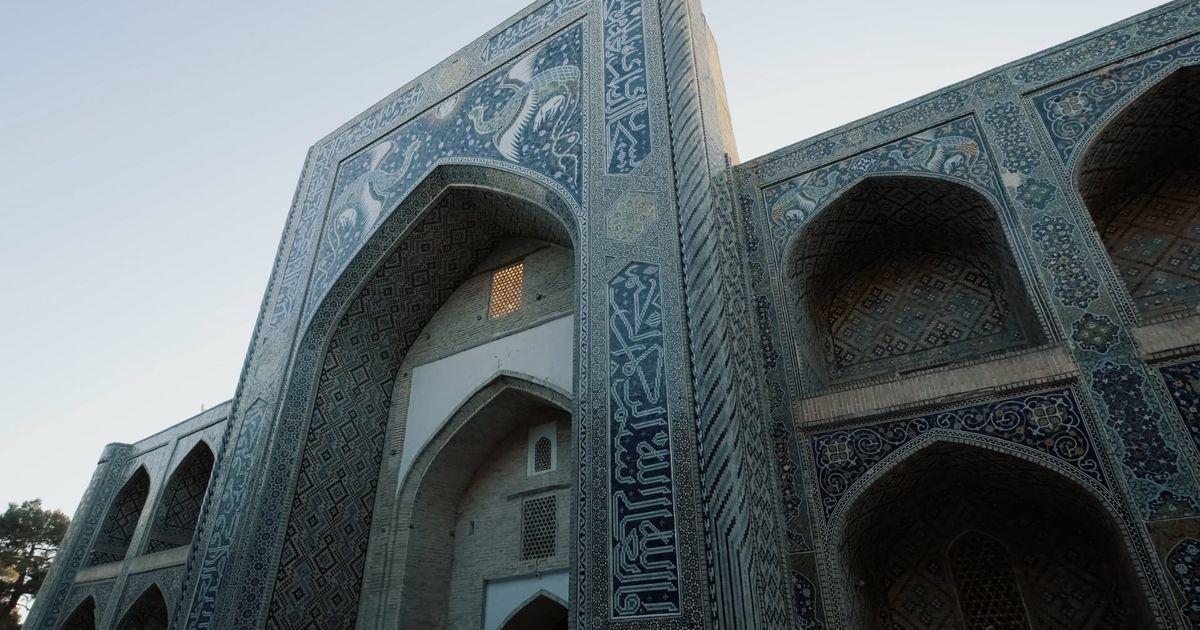
Our guide to the Ark and Po-i-Kalyan has tickets and opening hours. In the evening, look for a folk show in the Nadir Divan-Begi madrasah or simply dinner on a rooftop facing the minaret.
Day 6, Bukhara outskirts. A short drive out of the old town are three places most visitors miss: Sitorai Mohi Hosa, the last emir's summer palace, part Russian and part Bukharan in taste; the Bahouddin Naqshband memorial complex, an active Sufi pilgrimage site; and the Chor-Bakr necropolis, a quiet city of the dead. Back in town, leave the afternoon free for a hammam, a craft workshop or the shopping you postponed.
If you prefer to keep Day 6 in town, use it for the Bukhara museums you skipped and an unhurried evening. Our 'Bukhara in depth' tour is built for travellers who want more time here.
The desert option: a night in a yurt camp
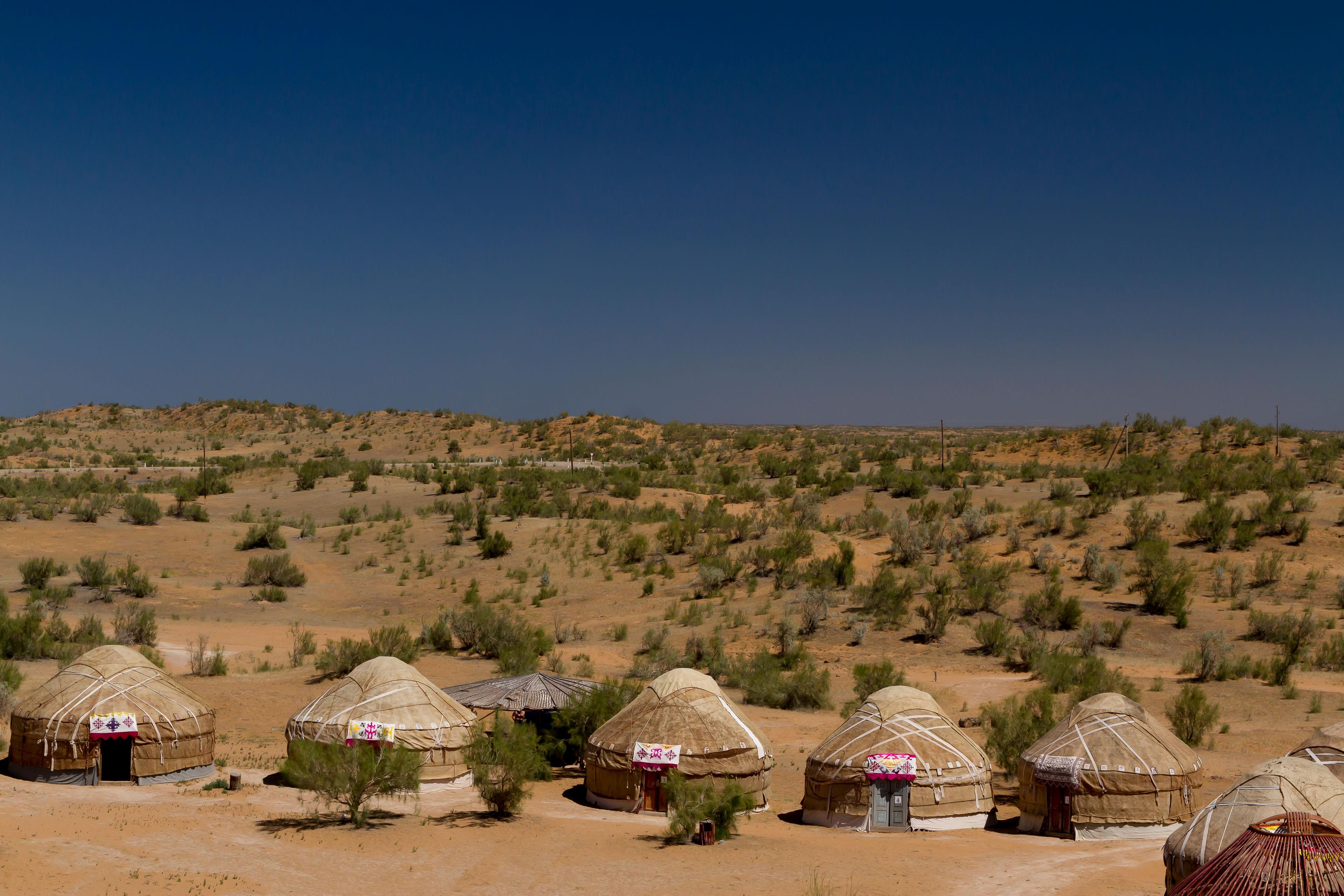
Between Bukhara and Samarkand lies the Kyzylkum desert and the Nuratau mountains, and for many of our guests a night in a yurt camp is the moment they remember best. It replaces Day 6 in Bukhara and the Day 7 train:
- Day 6: leave Bukhara in the morning and drive about four to five hours to the yurt camps near Lake Aydarkul, usually via the town of Nurata with its sacred spring and the ruins of a fortress attributed to Alexander the Great. Late afternoon camel ride on the dunes, dinner around the fire and often a local akyn (bard) singing Kazakh songs. The stars out here are extraordinary.
- Day 7: morning at the lake shore, then about four hours by road to Samarkand, arriving in time for the Registan at sunset.
What to know: yurts are simple but warm, with mattresses and blankets on the floor; washrooms are in a separate block. Camel rides vary from a short loop to a longer ride to the lake, at an extra charge. The camps work best from spring to autumn. Summer days are very hot, though nights are pleasant, and in winter most camps close or are too cold for comfort, so ask before you plan it. Our 12-day extended group tour includes a night in a desert yurt camp, and we can add one to any private itinerary.
Days 7 to 9: Samarkand and Shakhrisabz
Day 7, Bukhara to Samarkand. The Afrosiyob high-speed train covers the distance in about 1 hour 30 minutes to 1 hour 45 minutes. Bukhara's station is in Kagan, 12 to 15 km from the old town, so allow 30 minutes by taxi. Morning trains put you in Samarkand before lunch. Spend the afternoon at Gur-e-Amir, Amir Temur's mausoleum with its fluted blue dome, and finish at the Registan, the three madrasahs on Samarkand's great square. See our Registan guide for tickets and the evening light show.
Day 8, Samarkand. Begin early at Shah-i-Zinda, the avenue of mausoleums, before the groups arrive and while the light is soft on the tiles. Walk on to the Bibi-Khanym Mosque and the Siab Bazaar next door for bread, nuts and dried apricots. After lunch, take a taxi to the Ulugbek Observatory and the Afrasiyab museum with its seventh-century Sogdian murals. If you still have energy, the Konigil paper workshop on the edge of town shows how mulberry-bark paper is made. Our Samarkand travel guide has more ideas for a third or fourth day.
Day 9, Shakhrisabz day trip. Shakhrisabz, the 'green city' and Amir Temur's birthplace, is about 80 to 90 km south of Samarkand over the Takhtakaracha Pass. The mountain road takes about two hours each way, with views and roadside stalls selling honey and dried fruit near the top. In Shakhrisabz you see the gigantic ruined portal of the Ak-Saray palace, the Kok Gumbaz mosque and the Dorus-Saodat complex, where Temur's sons are buried. Allow a full day with lunch in town.
The pass road can close in winter after snow. Drivers then take the longer route around the mountains, which adds time. From Tashkent, a seasonal Afrosiyob train has also run to Shakhrisabz on Fridays to Sundays in 2026, but from Samarkand the car is still the practical choice.
Day 10: back to Tashkent and home
The Afrosiyob from Samarkand to Tashkent takes 2 hours 10 minutes to 2 hours 30 minutes, with several departures a day. An early train gets you to Tashkent before lunch, with time for a last walk, a visit to the Museum of Applied Arts or a final plov, and an evening flight home.
Two alternatives:
- Fly home from Samarkand. Samarkand airport has a growing number of international flights, so check whether one suits you. You then gain a morning in the city.
- Spend a final night in Tashkent if your flight leaves early the next morning. Many long-haul departures do.
Transport summary for the route, typical times as of November 2026:
- Tashkent to Urgench (for Khiva): flight about 1 h 30 min to 1 h 40 min, or the Khiva train about 7 h 30 min
- Khiva to Bukhara: train about 3 h 30 min, car 6 to 7 hours
- Bukhara to Aydarkul yurt camp: car about 4 to 5 hours (desert option)
- Bukhara to Samarkand: Afrosiyob about 1 h 30 min to 1 h 45 min
- Samarkand to Shakhrisabz: car about 2 hours each way
- Samarkand to Tashkent: Afrosiyob 2 h 10 min to 2 h 30 min
For current fares and how to buy tickets, see our guides to the Afrosiyob train and to domestic flights. Train and flight schedules shift between seasons, so check the live timetable before you fix your hotel dates.
Which direction: west to east or the other way round?
We prefer to start in Khiva and finish in Samarkand, for three reasons. The long transfer comes at the start, when you are fresh. Each city feels bigger and grander than the last, building to the Registan. And Samarkand is close to Tashkent for your flight home.
The reverse, Tashkent to Samarkand to Bukhara to Khiva, works just as well if flights or trains suit it better. Finish with an evening flight from Urgench to Tashkent, or fly from Urgench to Tashkent the night before your international departure. Some travellers also fly home via Istanbul or Moscow from Urgench, which saves the trip back east.
What we would not do is go to Khiva and back from Bukhara as a side trip. It costs an extra transfer for no gain.
Variations by season
Spring (April and May) and autumn (September and October) are ideal for this route as written. Book trains and hotels early, because these are the busiest months; see our guide to the best time to visit for the detail.
Summer (June to August): afternoon temperatures in Bukhara and Khiva often pass 40°C. Keep the same route but change the rhythm. Sightsee from about 7:00 to 11:00, rest through the hottest hours, and go out again from 17:00. Take the train rather than a car across the desert, and choose hotels with a pool or a shaded courtyard. The yurt camp is still possible, with hot days but beautiful evenings.
Winter (December to February): days are short and cool, around 7 to 10°C in Samarkand and Bukhara, and Khiva can be well below freezing at night. Fly rather than drive between Khiva and Bukhara, check in advance whether the Takhtakaracha Pass is open for Shakhrisabz, and skip the yurt camp. In return, the monuments are almost empty and hotel rates are lower. Our winter group tour follows this logic.
Navruz (21 March) and the May and early September holidays are wonderful for atmosphere, but domestic tourism peaks and the Afrosiyob sells out weeks ahead. Our weather by month guide has temperatures for every city.

A slower 10-day version
If you travel with children, prefer fewer early starts or simply like to linger, drop one element rather than squeeze everything in. Our favourite slower plan:
- Day 1: Tashkent
- Day 2: Fly to Urgench, transfer to Khiva
- Day 3: Khiva
- Day 4: Train to Bukhara
- Days 5 and 6: Bukhara, with free afternoons
- Day 7: Train to Samarkand
- Days 8 and 9: Samarkand, with one half-day excursion, for example the Konigil paper workshop or Urgut market
- Day 10: Train to Tashkent, fly home
This version gives up Shakhrisabz and the desert night in exchange for three full nights in Bukhara and three in Samarkand. Alternatively, keep Shakhrisabz and skip Khiva by flying from Tashkent straight to Bukhara. That costs you the most atmospheric walled town in the country, though, so we only suggest it in winter.
Whatever pace you choose, build in one afternoon with nothing planned in each of Bukhara and Samarkand. Some of the best moments of a trip here happen in a tea house or in a craftsman's courtyard that was never on the list.
Travel this route with TourEast
Our guides live in these cities and run this route every week. If you would like it as a private tour or a small-group departure, with train tickets, guides and hotels arranged, our relaxed 10-day group tour follows this rhythm, and we are happy to tailor a custom itinerary around your dates and interests.