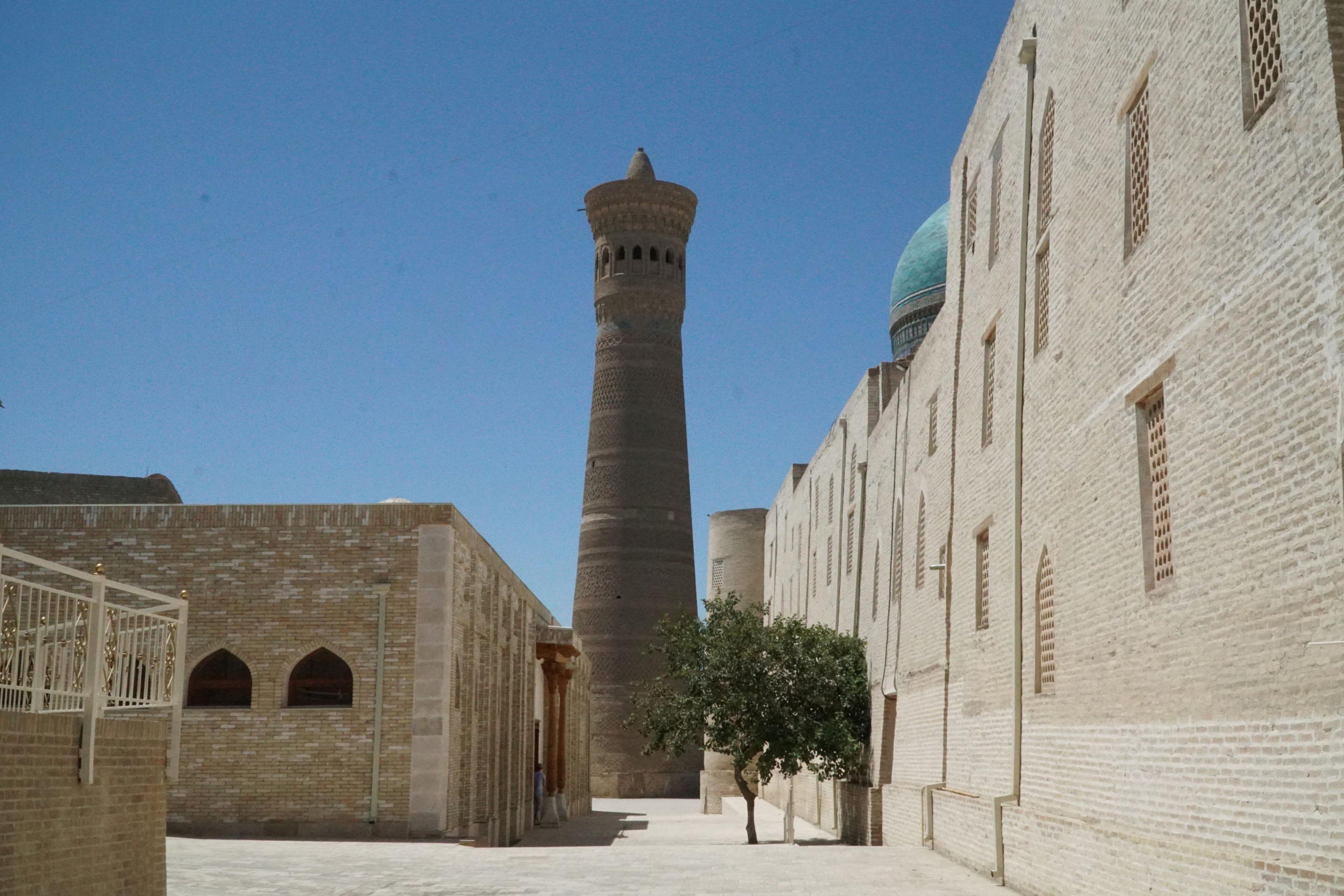
How medieval Samarkand paper is made from mulberry bark at the Meros workshop in Konigil: the revival, the Talas legend, what a visit includes, how to get there from Samarkand and what to buy.
Facts, prices and schedules checked on November 4, 2026
In the village of Konigil, a short drive from Samarkand, a workshop makes paper the way it was made in the city's medieval heyday: from the inner bark of mulberry trees, beaten to a pulp and dried on screens beside running water. The Meros paper mill is one of the most rewarding craft visits in Uzbekistan, because you can follow the whole process in an hour, try it yourself, and take home a sheet that is not a mass-produced souvenir.
This guide covers what Samarkand paper is, how the Konigil workshop makes it, what to expect when you visit, how to get there, and how to buy well. It also separates history from legend, because the story told in many guidebooks about Samarkand paper begins with a battle, and historians are cautious about it. We note what we could confirm and what you should check before you go.
What is Samarkand paper?
Samarkand paper, also called silk paper because of its smooth, soft finish, is a handmade paper traditionally made from the inner bark of the mulberry tree. Historically it was an important product of the city: it displaced papyrus and was preferred over parchment for Qur'ans and for miniature painting, and papermakers from Samarkand were later invited to work in other lands. A 15th-century ruler in Kashmir, for example, is recorded as granting land to papermakers from Samarkand.
The mulberry connection is not accidental. The Zarafshan valley grew mulberry trees for silkworms, and the same trees supplied bark for paper. Samarkand paper was also made from rags, which was often chosen for religious texts. Today the term usually refers to the mulberry-bark paper produced at Konigil, which is closely associated with a revival that began in the 1990s.

The story of the revival and the Talas legend
The Meros workshop was opened in 1996 by two brothers who set out to recreate traditional Samarkand papermaking. The workshop says its methods go back to the 7th century, and it supplies restorers and other craftspeople with paper as well as selling to visitors. It lies in the village of Konigil, about 13 kilometres from Samarkand, beside the Siab river, with a water wheel and a teahouse on the grounds.
You will often hear that paper came to Samarkand after the Battle of Talas in 751, when Arab forces captured Chinese papermakers who taught the craft. The story is popular and appears in many guidebooks, but it is likely to be a later tradition. Scholars note that paper was already known in the region earlier, and Sogdian letters on paper to Samarkand merchants are dated to the early 4th century. What is certain is that Samarkand became a major centre of paper production in the medieval period, and that the Konigil workshop has revived a craft that had almost disappeared.
How paper is made at Konigil
The process is slow and physical, which is what makes it good to watch. The workshop describes it like this:
- Mulberry trees are grown for about a year before the shoots are harvested.
- The bark is stripped and cleaned, then boiled for hours until it softens.
- The fibre is ground and beaten into a paste. In the old method a water-driven mill did the beating, and the water wheel on site shows the principle. The paste can be tinted with natural dyes.
- The paste is formed into thin sheets on a screen.
- The sheets dry for several hours in summer or up to two days in winter. Lifting a dry sheet off its drying surface is the most delicate stage.
The paper is not chemically bleached, so it has a warm, slightly yellowish tone. The workshop claims it can last for centuries, far longer than modern paper; treat such figures as promotional, but archival-quality, acid-free handmade paper does last. Mulberry-bark paper takes ink, watercolour and pigments well, which is why artists and calligraphers like it.

Visiting the Meros paper mill
A typical visit lasts one to two hours. A guide takes you through the stages, from bark to pulp to sheet, and you can try lifting a sheet yourself. The grounds include a pottery studio where visitors can have a go at the wheel, a teahouse by the river and a shop. Some visits include lunch of Samarkand plov and local fruit, and some operators offer hands-on paper-making as an extra: one Samarkand operator lists a paper-making session at about US$15 a person for a minimum of two.
Opening hours, as published by a craft directory, are 09:00 to 17:00 in winter and 08:00 to 19:00 in summer. Other sources give slightly different times, and there is no official published admission fee that we could find, so check before you go. The mill's contact number is listed publicly, and your guide or hotel can call for you.
Getting there. Konigil is about 13 km from Samarkand. A taxi or private car takes around 20 to 30 minutes each way, and travellers often combine it with other sights on the same side of town. Day-trip providers list round trips with transport from around 54 euros a person; entrance and workshop fees may be extra. Yandex Go can take you there, but arranging a return ride from a village can be slower, so a driver who waits is easier. Our taxi apps guide explains the options.
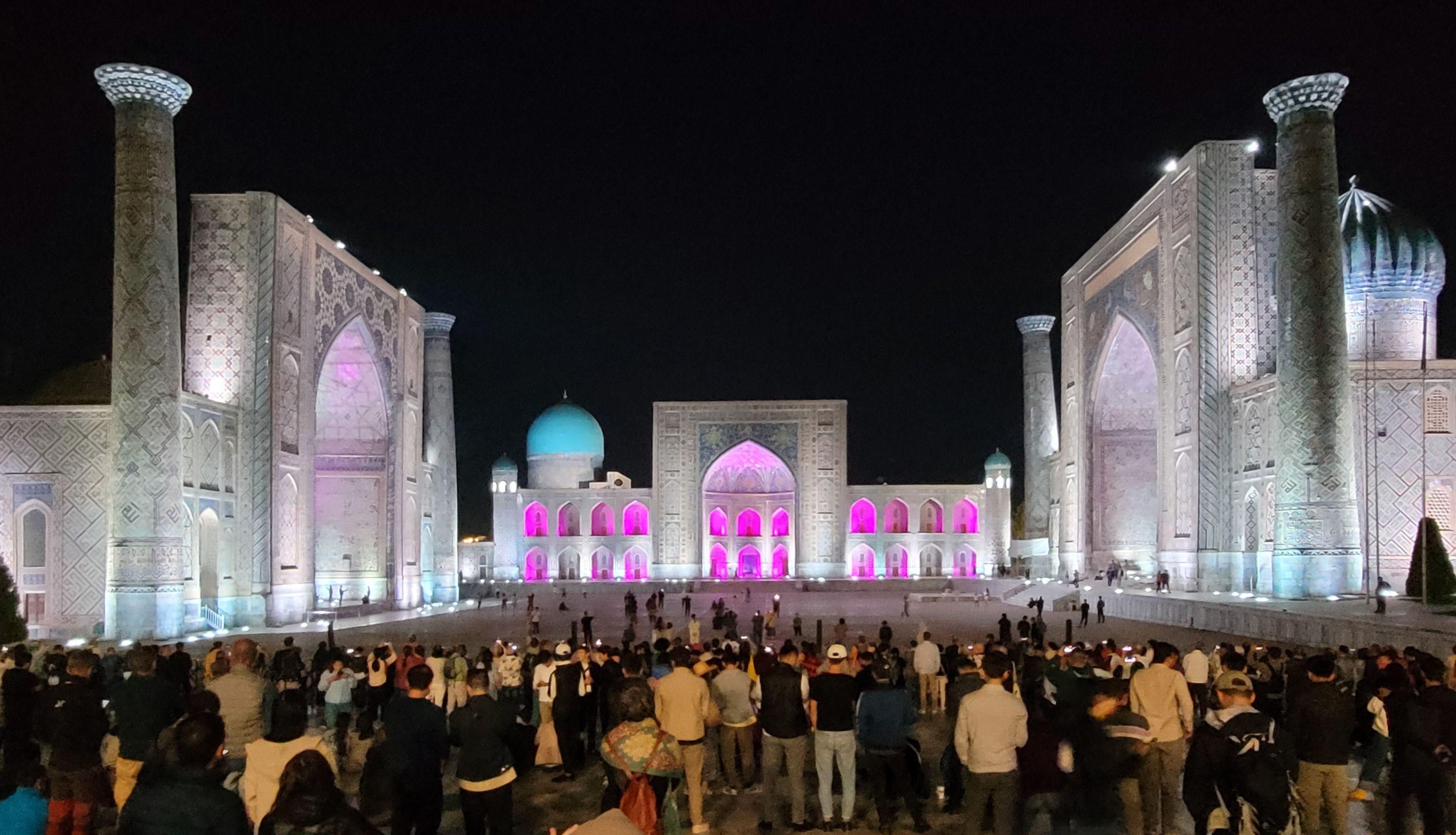
Combine it with: the Siyob Bazaar and Bibi-Khanym in the morning, Konigil in the late morning or afternoon, and the Registan at dusk. It also works as an easy half-day for children, who tend to like water wheels and pulp.
What to buy, and how to judge quality
The shop sells sheets, notebooks, postcards, bookmarks, lanterns, bags and dolls made from the paper. Some items, such as clothing, are souvenirs rather than serious craft. Here is how to choose well.
- Look at the sheet. Real mulberry paper has visible fibres, a soft texture and a warm tone. It should feel dense rather than papery or shiny.
- Ask where it was made. At the mill, you can see the sheets being produced.
- Choose useful pieces: a few sheets for calligraphy or watercolour, a notebook or a framed print.
- Pack carefully. Carry sheets flat in a tube or between card, and keep them dry and away from the sun.
- Compare prices. The workshop's prices are generally fixed. A small notebook or a few sheets are inexpensive; larger framed pieces cost more. We have not found a published price list, so ask.
For other crafts to look for, see our guides to crafts and souvenirs, suzani, carpets and miniature painting. If you buy antique papers or manuscripts, read the export rules first; a new sheet from a workshop is not an antique, but keep your receipt.
Is it worth the trip?
For most travellers, yes, if you have half a day to spare and an interest in how things are made. The visit is relaxed, the grounds are pleasant, and the process is easy to follow even without a common language. It is particularly good for families, because children can see the mulberry bark, the pulp and the wet sheets, and may be allowed to try forming one. It is less compelling if you only have a day in Samarkand: the Registan, Gur-e-Amir, Shah-i-Zinda and Siyob Bazaar come first. A second Samarkand day or a slower afternoon is the time for Konigil.
The village itself is changing. The Uzbekistan tourism portal says new tourist routes, guesthouses and craft centres are planned, including ceramics, carpentry, vegetable oil production and Samarkand rice cultivation, so what is on offer may expand. Ask your guide what is available on the day, and whether pottery or a village lunch can be added. Compare the experience with the hands-on pottery in Gijduvan near Bukhara and Rishtan in the Fergana Valley; paper, clay and silk make a satisfying craft trio across the country.
Best time to visit
The workshop is open year-round and works best on a clear day. Spring and autumn are the most comfortable seasons for the walk around the grounds and the teahouse. In summer, mornings are best, and paper dries faster; in winter, drying takes longer but the workshop still operates. Weekends can be busy with tour groups, so mid-morning on a weekday is calm. If you want to see the pulp being beaten and sheets being formed, ask in advance which stages will be on show.
Konigil with TourEast
Konigil fits naturally into a day in Samarkand, and we include craft stops like it in our Samarkand weekend and Fergana crafts itineraries. We can arrange a private car, a guide who knows the workshop and a hands-on session, or a longer craft-themed route. Tell us your dates and interests through our trip builder or on WhatsApp.