The history of Uzbek miniature painting from Behzod to today, where to see it in Tashkent and Bukhara, how to judge a hand-painted piece against a print, and what shapes the price.
Facts, prices and schedules checked on November 4, 2026
A miniature painting is a small thing that takes a long time to make. In Uzbekistan, the tradition belongs to the court and the book: tiny, brilliantly coloured scenes of battles, feasts, hunts and poetry, painted on paper with brushes of a few hairs, once bound into manuscripts for rulers. The art is associated with the Timurid courts of Herat and Samarkand and with Bukhara in the following centuries, and it survives today in workshops, museums and craft shops where you can see it and buy it.
This guide covers the history of Uzbek miniature painting, where to see historic and contemporary work in Tashkent, Bukhara and Samarkand, how to tell a careful hand-painted piece from a printed reproduction, and how to approach buying. We have not found published price lists for miniatures, so rather than quote prices we explain what drives them and how to compare. For the broader picture, see our guides to Uzbek crafts and souvenirs and to art in Uzbekistan.
A short history of Uzbek miniature painting
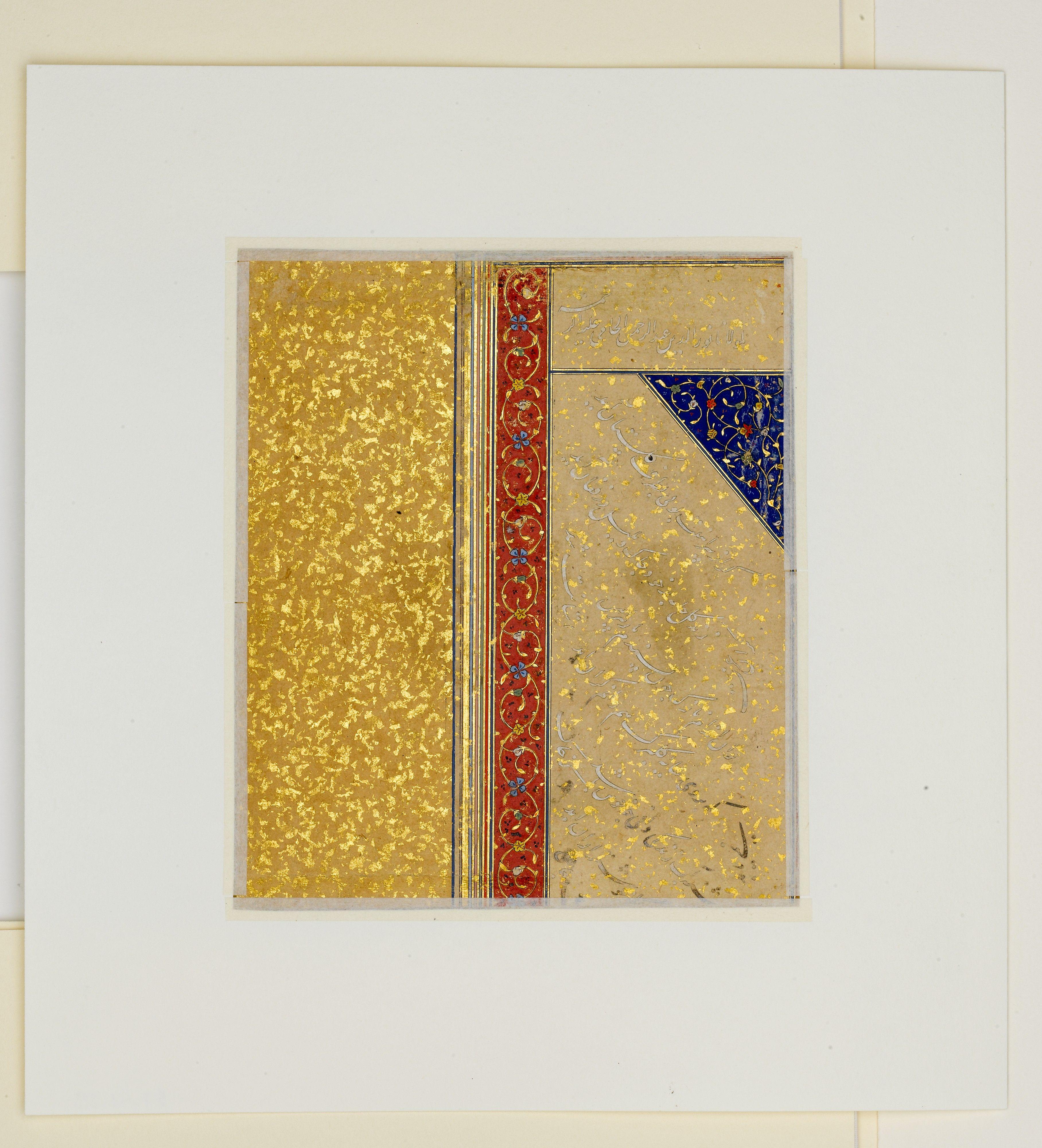
Miniature painting grew up as a book art. It was made to order for the upper classes, to illustrate chronicles, poems and valuable manuscripts, and to decorate objects in palaces and merchants' homes. The subjects are courtly: hunting scenes, battles, receptions, lovers, scenes from the great Persian and Turkic poems. Today it is recognised as an independent type of Uzbek fine art.
The name that dominates any account is Kamoliddin Behzod, usually dated about 1450 to 1535, a master of the Herat school who worked at the court of the Timurid ruler Sultan Husayn Bayqara and later in the Safavid world. Sources credit him with portraits of Husayn Bayqara and the Uzbek ruler Shaybani Khan, and with illustrated manuscripts. His influence spread far beyond the region. Within Central Asia, separate regional schools developed in Samarkand and Bukhara, taking the Herat tradition and adding local features. Bukhara in the 16th century became a significant centre of manuscript illumination under the Shaybanids, and the surviving works by artists such as Mahmud Muzahhib are held in museum collections around the world.
What happened next is debated. One account says the tradition slowly died out in the 18th and 19th centuries; another calls the 19th century a golden age of Uzbek fine art. In the Soviet and post-Soviet periods, workshops and schools revived the craft. Attributions and dates for individual historic works are often uncertain, and scholars still argue about them, so be cautious of confident labels in shops.

What makes a miniature: paper, pigment and brush
Quality in miniature painting was traditionally judged by fineness: the thinner and brighter the drawing, the higher the work was rated. It demands patience, a steady hand and good eyesight. Brushes are made of natural materials, and the traditional palette uses mineral and plant pigments, with gold for detail, though modern workshops also use commercial paints.
Paper matters. Samarkand paper, made from mulberry bark, was preferred over parchment for Qur'ans and miniature painting in the medieval period, and its modern revival at Konigil is a good side trip; see our Konigil guide. Some contemporary artists paint on handmade paper, others on canvas, leather, wood or even decorative boxes. A genuine hand-painted piece shows tiny differences in line and colour that a printed reproduction lacks.
Where to see miniatures: Tashkent
Tashkent is the best place to see miniatures in a museum setting.
- The Kamoliddin Behzod Memorial Park-Museum, near Kosmonavtlar metro station, is a small museum and garden dedicated to the master. A tourism portal says it holds more than 500 exhibits, including works by Behzod, his students and followers, old manuscripts and miniatures on paper, canvas, leather and boxes. A description from a local blog mentions modern miniatures in the styles of Bukhara, Samarkand, Herat and Tabriz, many reproduced from museums worldwide. We have not found published opening hours or ticket prices, so ask at your hotel.
- The State Museum of Timurid History, which the tourism portal says has a large collection of miniature paintings.
- The Barak-Khan Madrasah craft shops on the Hazrati Imam square sell miniatures, suzani, ceramics and calligraphy; see our Hazrati Imam guide.
Our guide to art in Uzbekistan describes the wider museum scene, including the Museum of Arts and the Bukhara Biennial.
Where to see and buy miniatures: Bukhara
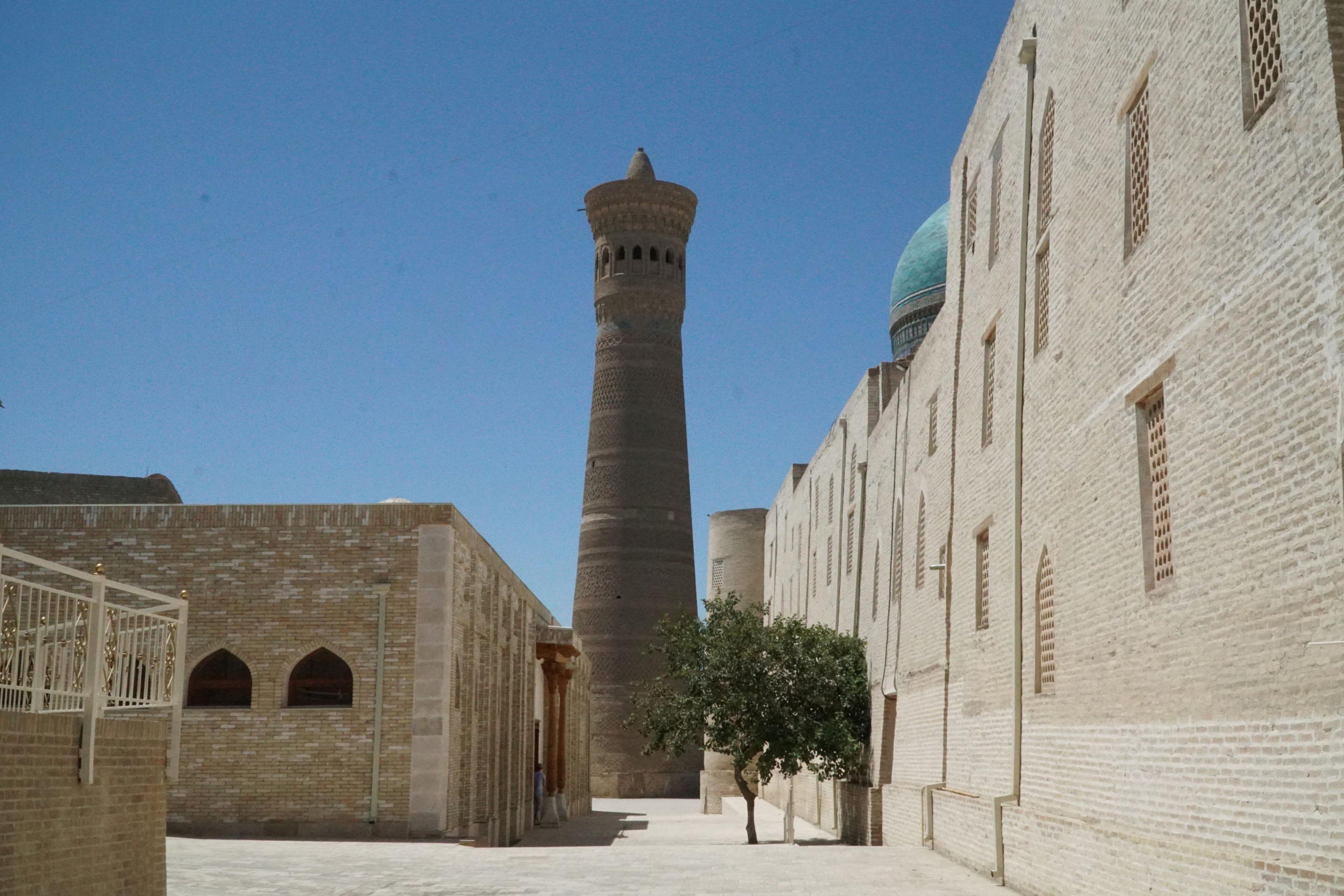
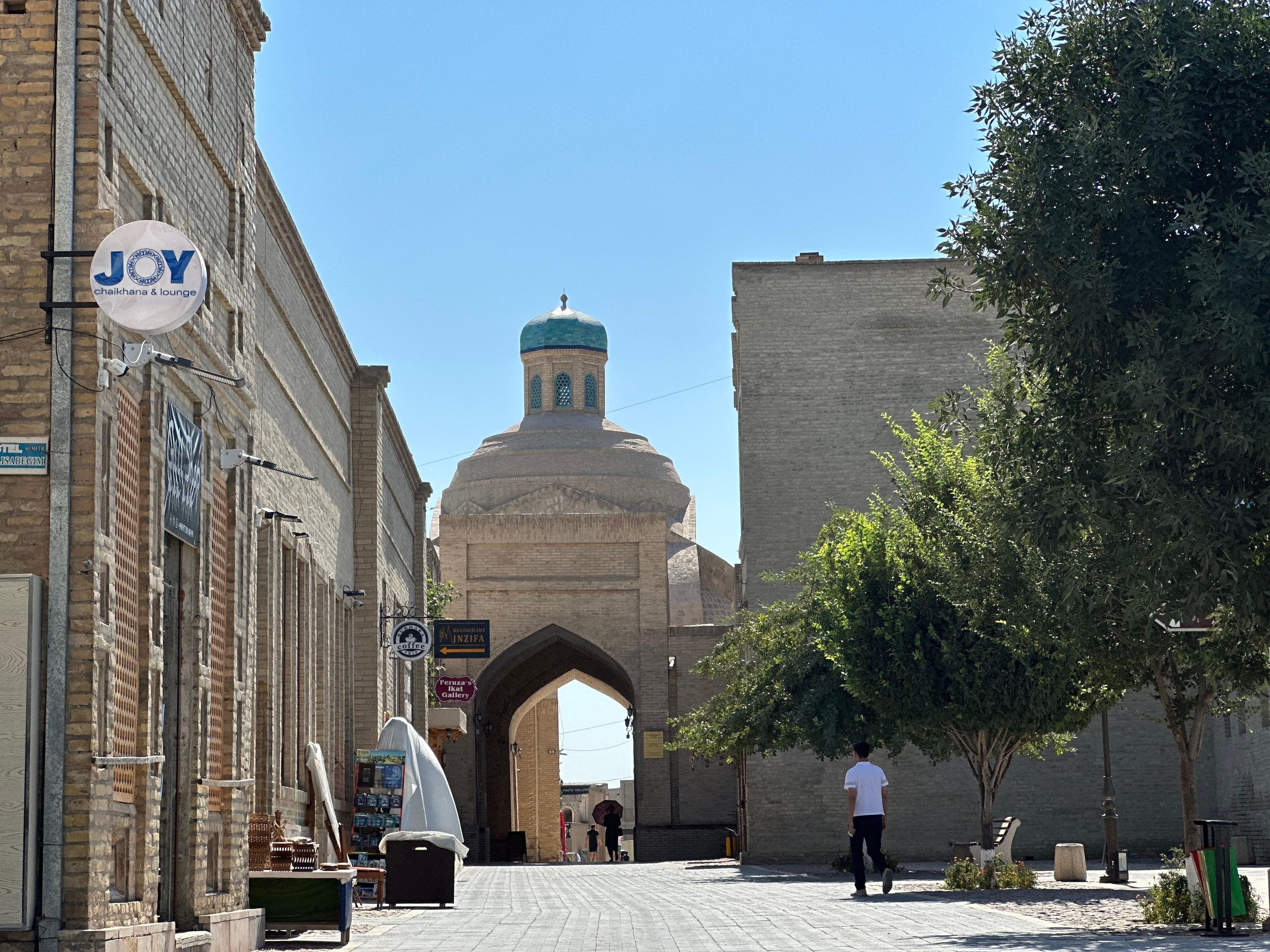
Bukhara is the easiest city to watch miniature painters at work and to buy. The trading domes, Toqi Zargaron and Toqi Sarrafon, are where the old money-changers and jewellers traded, and today they hold souvenir shops selling jewellery, carpets, carved woodwork and paintings by local artists. A travel writer describes a miniature painter working in the courtyard of Toqi Sarrofon, one of the domes. Nearby, Tim Abdulla-Khan has a gallery of small domes with shop arcades.
There are also workshops that double as schools. One, Ustoz Shogird Miniature Workshop, is described as a teaching hub run by a master craftsman, where apprentices learn the craft and visitors can watch and hear about the symbolism in the paintings. Visits can be arranged by a guide. We recommend asking to see the artist at work rather than buying only from a shelf. Our guide to Lyabi-Hauz and the trading domes explains the layout of the old centre.
Samarkand
Samarkand has the deep history, since the Timurid court painted here, but fewer obvious places to see miniature artists at work than Bukhara. Craft shops and galleries around the Registan and in the old town sell paintings and reproductions, and the Afrosiab museum shows the much older Sogdian wall paintings that give the region's visual tradition a deeper root. We did not verify a specific studio to recommend, so ask your guide to arrange a visit to a working painter rather than relying on a stall. The Konigil paper workshop is a useful companion, as miniaturists use handmade paper.

How to judge quality and price
Without a standard price list, the best protection is to know what you are paying for. Prices vary with size, detail, the artist's reputation and time taken, and whether the work is original or a reproduction. Use this checklist.
- Original or print? Look at the surface under light. A print is flat and uniform; a painting has slight ridges of pigment, tiny variations in line and sometimes visible gold.
- Detail. Look closely at faces, hands, clothing patterns and architecture. A careful miniature has fine lines, clean edges and balanced colour.
- Materials. Ask what the paper and pigments are. Honest artists will tell you.
- Signature and date. Contemporary artists often sign their work. Be sceptical of any piece sold as old or antique; claims of age are common and difficult to verify.
- Time. A small simple piece can be made in days; a detailed scene may take weeks. Prices should reflect that.
- Compare. Ask for the price at two or three workshops before you buy, and be willing to walk away.
- Bargaining. In bazaars and shops you can negotiate politely; at galleries and with artists directly, prices are usually firmer.
Ask for a receipt, and a certificate or note naming the artist if possible. For antiques or old manuscripts, export is regulated; our guide to buying antiques and export rules explains what you need. A new painting is not an antique, but keep your receipt in case customs ask.
Visiting a miniature workshop: what to ask
A good workshop visit lasts 30 to 60 minutes and is as much about conversation as shopping. Ask the artist to show a piece in progress, to explain how a drawing is transferred to the paper, how the colours are layered and which story the scene illustrates. Many scenes come from classic poems and legends, and a guide can translate their symbolism: the simurgh, the cypress, the pavilion and the lovers each have meaning. Ask whether students make the less expensive pieces and whether the master finishes the important ones. Both are fine, as long as you know.
It helps to see the museum first. Even a short visit to the Behzod museum or a manuscript display gives you an eye for the finest work, and you will recognise the difference when a seller shows you a tourist-grade copy. If you are travelling on a fixed schedule, tell your guide in advance that you want a workshop rather than a shop, so they can arrange it.
Buying is never obligatory. Many visitors prefer to take photographs, buy a small card or print as a keepsake and save a larger purchase for the end of the trip, when they have seen more and know what they like.
Packing and shipping
A miniature is small and light but fragile. Ask the seller to wrap it flat between sheets of card, and keep it away from heat, damp and direct sunlight. Carry it in your hand luggage or in a flat folder; do not roll a painted sheet unless the artist says it is safe. A frame can be added at home. If you buy several pieces, pack them together and keep your receipts.
Seeing miniature painting with TourEast
We can add a miniature workshop visit in Bukhara, a stop at the Behzod museum in Tashkent and a paper workshop in Samarkand to a craft-themed itinerary, with a guide who can introduce you to working artists. Tell us what you would like to see through our trip builder or on WhatsApp.