How to visit Osh in Kyrgyzstan from Uzbekistan's Fergana Valley: the Dostuk border crossing from Andijan, Sulaiman-Too, the Osh bazaar, Uzgen and Arslanbob, and onward routes to the Pamirs, China and Bishkek.
Facts, prices and schedules checked on November 4, 2026
Osh lies just across the border from Uzbekistan's Fergana Valley, so close that from the Uzbek side of the Dostuk crossing you are only a short taxi ride from its centre. It is Kyrgyzstan's second city and one of the oldest settlements in Central Asia, built around Sulaiman-Too, a sacred mountain listed by UNESCO, and one of the region's liveliest bazaars. It is also the starting point for the Pamir Highway, for the road to Kashgar in China, and for the long mountain journey north to Bishkek.
This guide explains how to visit Osh from the Fergana Valley as of November 2026: how to reach the border from Tashkent and the valley, what to expect at Dostuk, what to see in Osh and nearby, and where to go next.
TourEast is an Uzbekistan tour operator and does not operate in Kyrgyzstan. We arrange the Uzbek side, the Fergana Valley and a transfer to or from the Dustlik border post, and we help you plan the Uzbek part of the trip around it. For anything in Kyrgyzstan you will need a Kyrgyz driver, guesthouse or agency.
Is Osh worth visiting from Uzbekistan?
Yes, especially if you are already in the Fergana Valley. Osh is part of the same historic landscape as Andijan, Margilan and Kokand: the valley was divided between Uzbekistan, Kyrgyzstan and Tajikistan only in the Soviet period, and a large part of Osh's population is Uzbek. You will hear Uzbek in the bazaar and eat plov, samsa and lagman much as you do in Andijan.
What Osh adds:
- Sulaiman-Too, a sacred mountain in the middle of the city and Kyrgyzstan's first UNESCO World Heritage Site.
- The Jayma Bazaar, one of the great markets of Central Asia.
- A gateway to the mountains: the Alay valley, Lenin Peak, the Pamir Highway and the walnut forests of Arslanbob.
One full day in Osh is enough for the city itself. Two or three days let you add Uzgen or Arslanbob. For most travellers, Osh works best either as the end of a Fergana Valley trip or as the beginning or end of a longer route through Kyrgyzstan or Tajikistan. Our Kyrgyzstan travel guide covers the rest of the country.
Getting to the Dostuk border from Tashkent and the Fergana Valley
The crossing is called Dustlik on the Uzbek side and Dostuk (or Dostyk) on the Kyrgyz side. It sits on the road between Andijan and Osh, roughly an hour's drive from Andijan.
From Tashkent:
- By train: daytime trains run from Tashkent through the Kamchik tunnel to Kokand, Margilan and Andijan, around five to six hours to Andijan. Check times on railway.uz.
- By road: over the Kamchik Pass, about five to six hours to Andijan by car, longer with stops. In winter the pass occasionally closes for short periods after snow.
- By air: short domestic flights from Tashkent to Fergana and Andijan, around an hour in the air.
From within the valley: Andijan is about an hour from Margilan and Fergana, and two to three hours from Kokand. The most rewarding way to arrive is at the end of a few days in the valley: the Khudayar Khan Palace in Kokand, the silk workshops of Margilan and the Kumtepa Bazaar, the ceramics of Rishtan, and finally Andijan, the birthplace of Babur, founder of the Mughal dynasty, with its Jome mosque and the Babur literary museum. Our Fergana Valley guide covers the region in detail.
Note that there are also direct flights from Tashkent to Osh, if you want to visit Osh first and travel overland into the valley afterwards.
Crossing at Dostuk: what to expect
Dostuk is the main crossing between Uzbekistan and Kyrgyzstan for foreign travellers and is open 24 hours.
- On foot: you walk through both posts with your luggage. A driver drops you on one side, and you take a taxi on the other. Osh centre is a short ride from the Kyrgyz post.
- Time: allow roughly 45 minutes to an hour and a half on a normal day. The crossing is busy with local traders, and queues grow at weekends, before holidays and in the late afternoon. Foreign tourists are sometimes waved through faster, but do not count on it.
- Checks: passport control and customs on both sides, with bags through an X-ray. Carry medicines in their original packaging.
- Vehicles: cars and buses cross too, and an electronic queue system has been introduced for vehicles, but most travellers cross on foot and change cars.
- Money: there are no reliable exchange booths at the border. Carry a little Kyrgyz som or US dollars for the taxi, or use an ATM in Osh.
Other crossings between the two countries exist, and several have been given international status in recent years, but their status for foreigners varies. Unless you have a specific reason, use Dostuk. Our guide to Uzbekistan's border crossings has more on customs and the Uzbek posts.
Kyrgyzstan visa rules, and returning to Uzbekistan
Kyrgyzstan changed its rules at the start of 2026, and many websites have not caught up. As of November 2026:
- Citizens of around 55 countries, including the United States, the United Kingdom, EU countries, Canada, Australia and Japan, can enter without a visa and stay up to 30 days within each 60-day period. Before 2026 the same nationals had 60 days.
- Malaysian citizens are also visa-free.
- Other nationalities, including Chinese and Indonesian citizens, normally need a visa, available through the official e-visa portal evisa.e-gov.kg.
Confirm your own case with the Kyrgyz Ministry of Foreign Affairs or embassy before you travel. Our Central Asia visa guide sets out the rules for each passport.
Coming back: visa-free travellers simply re-enter Uzbekistan. If you are in Uzbekistan on an e-visa and plan to come back after Osh, you need a double-entry or multiple-entry e-visa from e-visa.gov.uz.
Sulaiman-Too: Osh's sacred mountain (UNESCO)
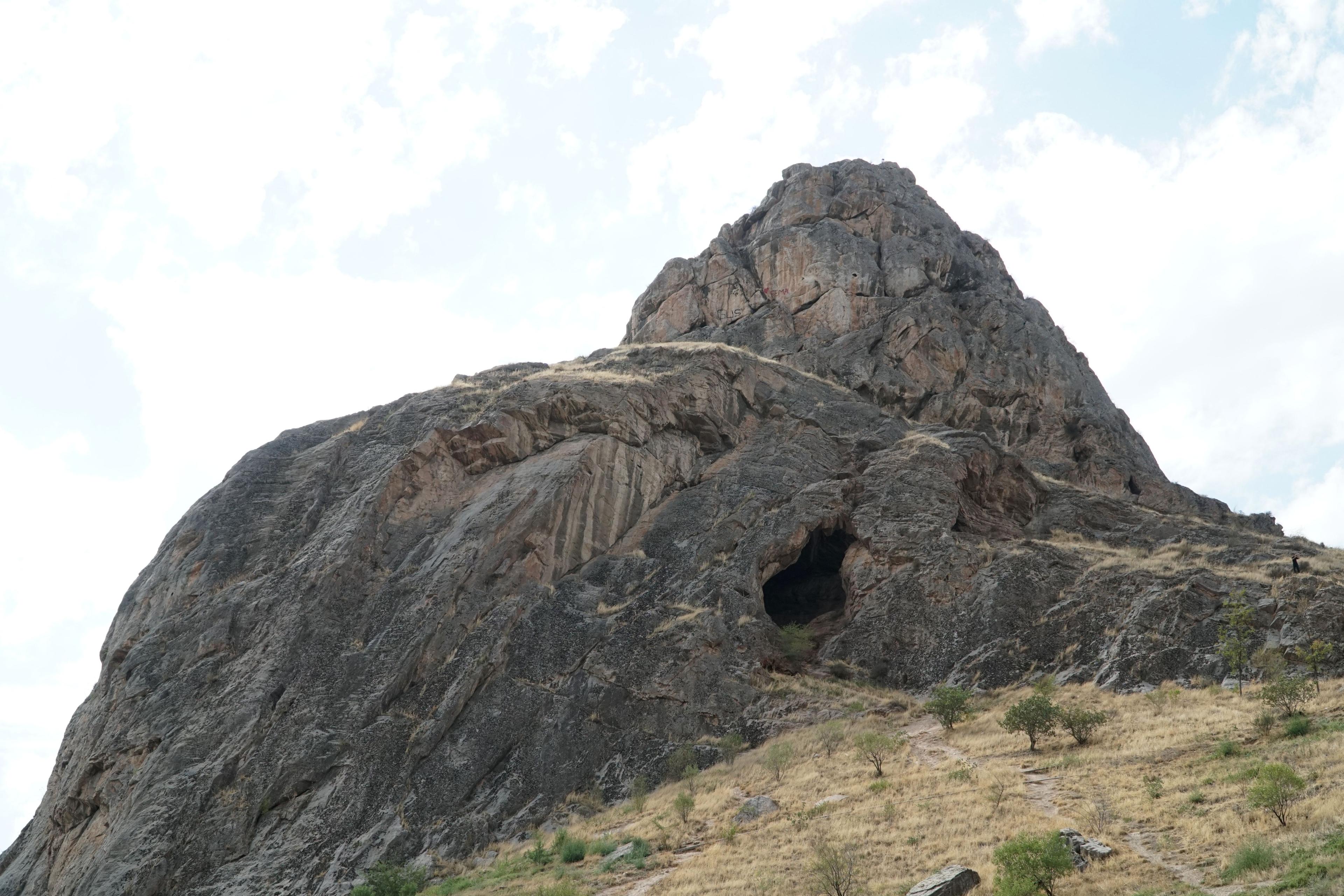
Sulaiman-Too, the Mountain of Solomon, rises abruptly from the centre of Osh. For centuries it has been a place of pilgrimage, mixing Islamic and much older traditions, and in 2009 it became Kyrgyzstan's first UNESCO World Heritage Site, recognised as a sacred mountain with caves, shrines and petroglyphs used over more than a millennium.
- The climb: paved paths and steps lead up from the city to the ridge. Allow an hour to an hour and a half for a relaxed walk to the top and back. The view over the city, the Fergana Valley and, on clear days, the Alay mountains is the reward.
- Babur's House: a small reconstructed hujra (prayer room) on the summit, on the site where Babur, then a young prince of the Fergana Valley, is said to have built a retreat at the end of the 15th century.
- Petroglyphs and holy places: carvings in the rock, smooth stones and crevices associated with healing, and trees tied with ribbons. Local women traditionally visit certain rocks with prayers for children and health.
- The museum: a Soviet-era structure built into the mountainside houses the historical and archaeological museum, with displays on the region's archaeology and natural history inside the caves.
This is a working sacred site. Dress modestly, speak quietly at the shrines, and ask before photographing pilgrims. Mornings and late afternoons are cooler and the light is better.

The Osh bazaar (Jayma Bazaar)
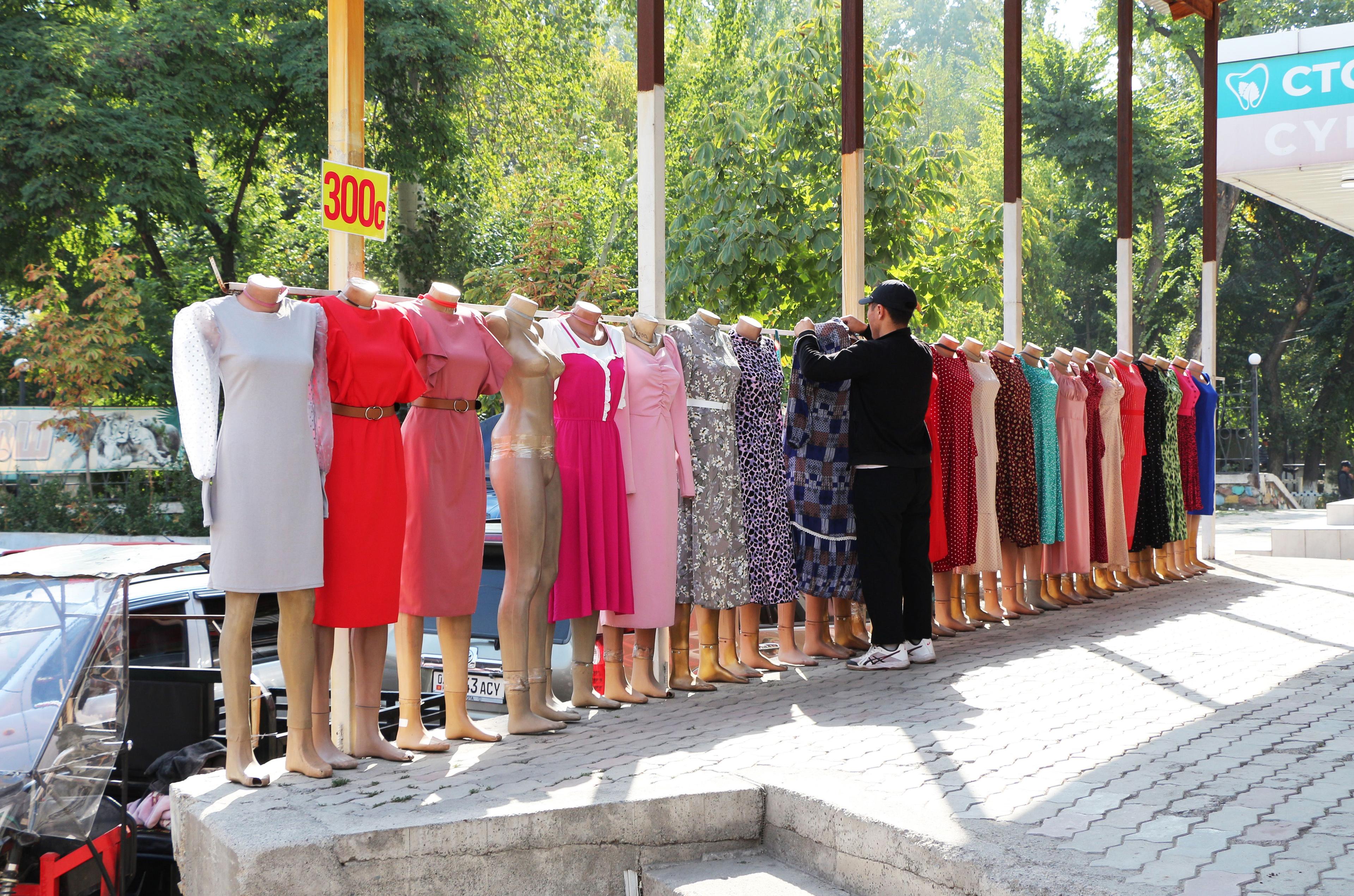
The Jayma Bazaar stretches for about a kilometre along the Ak-Buura river through the centre of Osh. It has been a market since the Silk Road era and is still the city's commercial heart, much as the Chorsu Bazaar is in Tashkent.
- Sections for dried fruit and nuts, spices, bread, meat and dairy, including kurut, the hard dried yoghurt balls of the mountains.
- Rows of household goods, fabrics and hats, including the tall white Kyrgyz kalpak.
- Blacksmiths and craftsmen in the older lanes, and plenty of tea stalls and plov stands.
Go in the morning, when it is busiest and the produce is freshest. Bargaining is normal; keep your phone and wallet in a front pocket in the crowded alleys. Note that the famous Osh Bazaar in Bishkek is a different market, named after this city.
One day in Osh: a suggested plan
If you cross from Andijan in the morning, you can see the essentials of Osh the same day and leave the next morning.
- Morning: cross at Dostuk early, drop your bags at your guesthouse and head straight to the Jayma Bazaar while it is at its busiest. Have breakfast of fresh bread, samsa and tea at a stall.
- Midday: lunch on plov or lagman near the bazaar, then rest through the hottest hours in summer.
- Afternoon: walk up Sulaiman-Too, visit Babur's House and the cave museum, and stay on the ridge for the late light over the city.
- Evening: a stroll in the park along the Ak-Buura river and dinner in the centre.
With a second day, drive out to Uzgen in the morning and continue towards Jalal-Abad and Arslanbob, or start the climb into the Alay valley towards Sary-Tash.
Beyond the city: Uzgen and Arslanbob
Two easy excursions add depth to a stay in Osh.
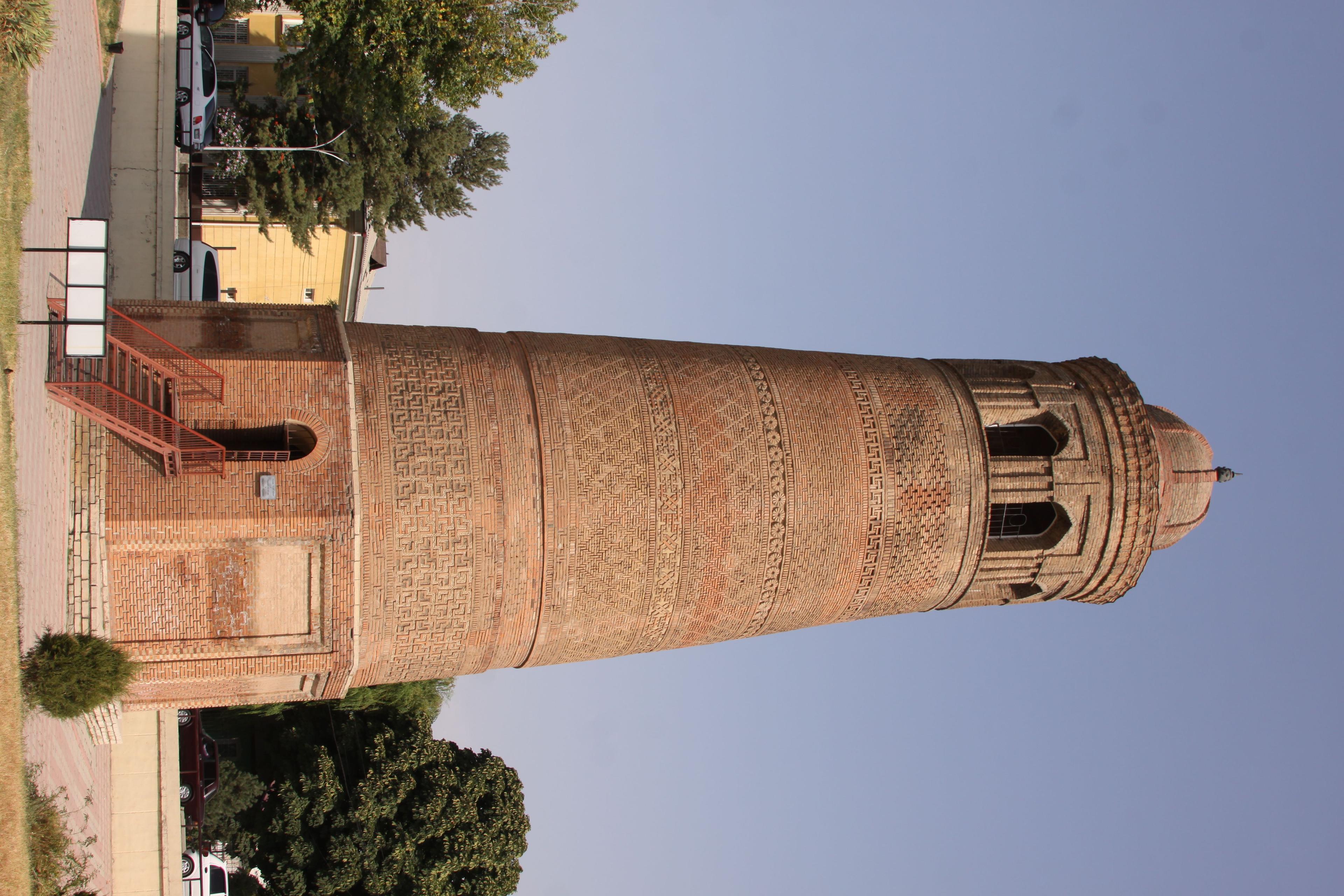
- Uzgen: about an hour north-east of Osh, Uzgen was one of the capitals of the Karakhanid dynasty in the 11th and 12th centuries. Its brick minaret and a row of three mausoleums with intricate carved terracotta decoration are among the finest medieval buildings in Kyrgyzstan, and they are a natural stop on the road towards Jalal-Abad.
- Arslanbob: a village in the hills north of Jalal-Abad, surrounded by what is often described as the largest natural walnut forest in the world. It has waterfalls, walking trails and a long-standing community tourism programme with homestays. The drive from Osh takes around four hours, so it is best as an overnight.
Both make sense if you continue north towards Bishkek by road.
Onward from Osh: the Pamirs, Kashgar and Bishkek
Osh is a crossroads, and many travellers use it as the start or end of a bigger journey.
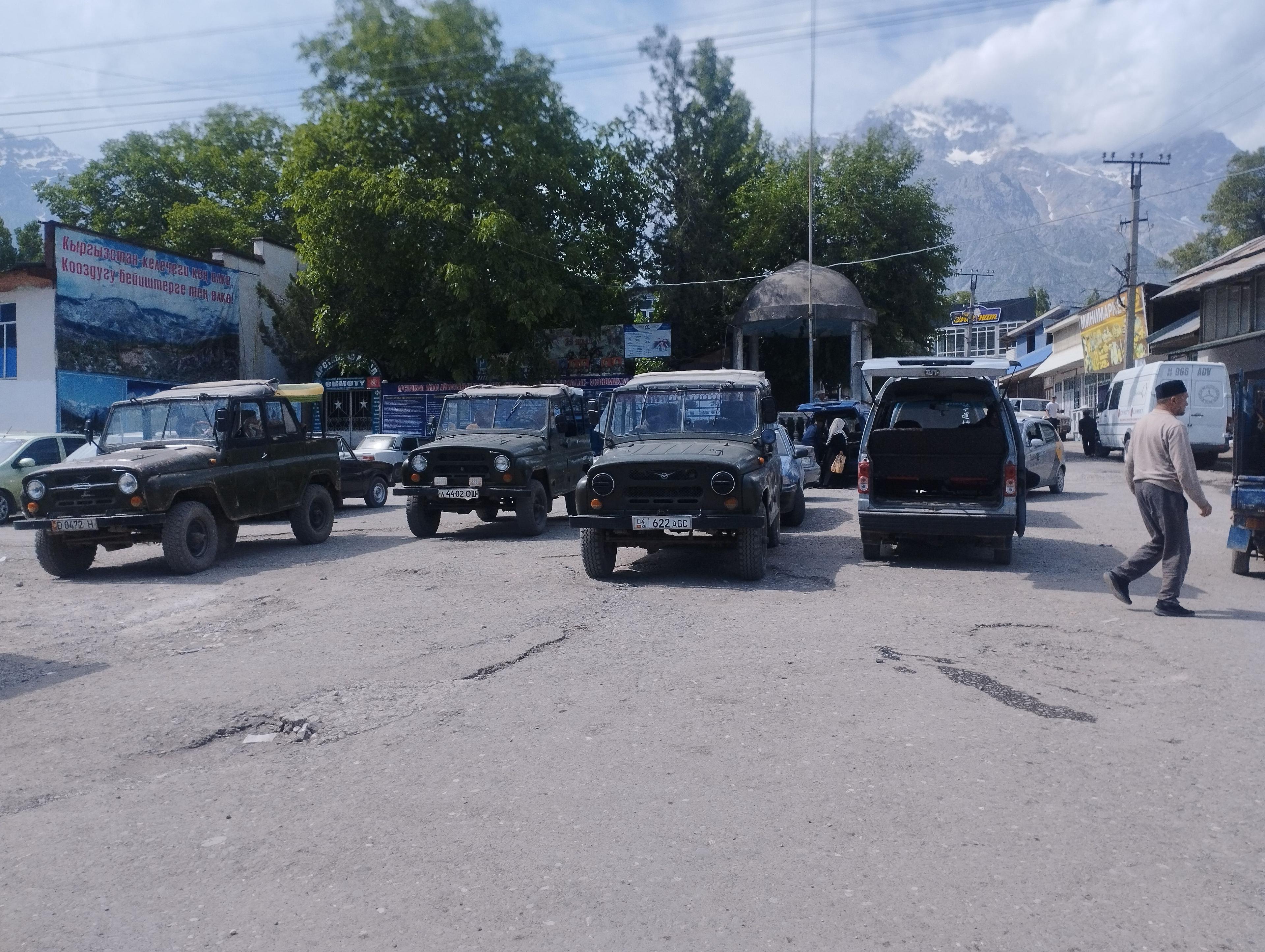
- The Pamir Highway: the road south climbs over the Taldyk pass to Sary-Tash in the Alay valley, about four to five hours from Osh, then to the Kyzyl-Art pass and the Tajik border. Travelling the highway needs a Tajik visa or visa-free entry plus the GBAO permit. The best season is July to September. Our guide to the Pamir Highway from Uzbekistan explains how to plan it.
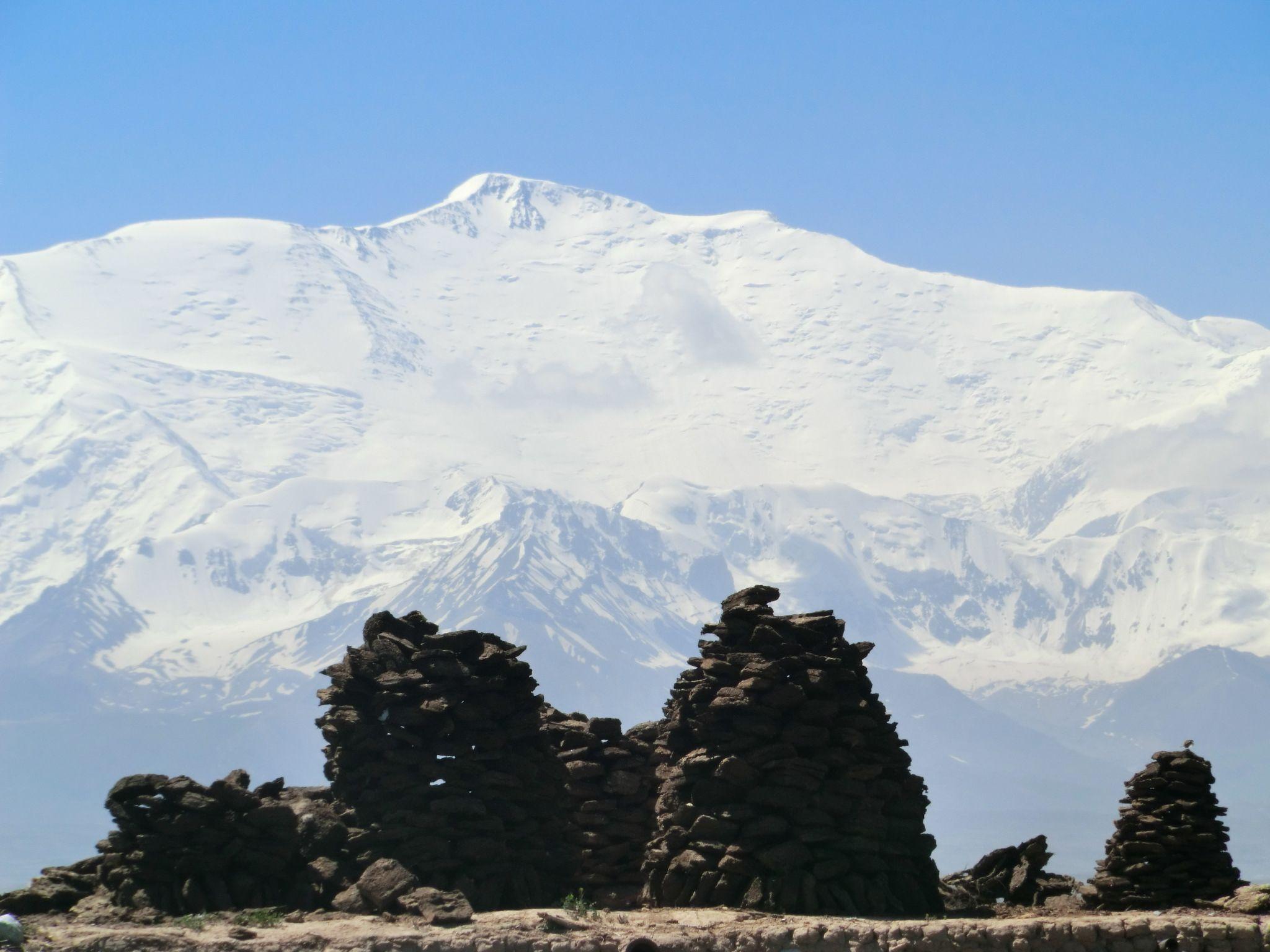
- Lenin Peak: from Sary-Tash a side road leads to the base camp area at Achik-Tash, below the 7,134-metre summit. Even without climbing, the meadows below the peak are a spectacular overnight in summer.
- China: from Sary-Tash the road runs east to the Irkeshtam pass and Kashgar. The crossing is closed at weekends and on holidays, and most nationalities need a Chinese visa.
- Bishkek: by air, flights take about an hour. By road it is a long day of 10 to 12 hours over two high passes and past the Toktogul reservoir, beautiful but tiring. Many travellers fly one way.
From Bishkek it is easy to continue to Issyk-Kul or Song-Kul, or fly back to Tashkent.
How many days, best time and sample routes
Best time: May to October. Osh itself is pleasant in spring and autumn and hot in July and August. The mountain routes to Sary-Tash and the Pamirs are best from late June to September. In winter Osh is cold but open; high passes can close.
Sample routes:
- Fergana Valley and Osh, 5 days from Tashkent: train to Kokand and on to Margilan (2 nights), Rishtan and Andijan (1 night), cross at Dostuk to Osh (1 night), fly Osh to Tashkent.
- Uzbekistan and southern Kyrgyzstan, 12 days: Tashkent, Samarkand and Bukhara (6 days), Fergana Valley (2 days), Osh (2 days), fly Osh to Bishkek and spend two days around Issyk-Kul.
- Pamir loop, 3 weeks or more: Samarkand, Termez and Dushanbe, the Pamir Highway to Osh, then back into Uzbekistan at Dostuk and through the Fergana Valley to Tashkent.
Practical points: the currency is the Kyrgyz som, and ATMs are easy to find in Osh. Uzbek is widely spoken in Osh alongside Kyrgyz and Russian. Make sure your travel insurance covers Kyrgyzstan as well as Uzbekistan.
Planning the Uzbek side with TourEast
We arrange the Uzbek part of this journey: the Fergana Valley with a guide and driver, trains from Tashkent, and a transfer to or from the Dustlik border post, timed to meet your Kyrgyz driver on the other side. Tell us your plans in Kyrgyzstan and we will build a private or small-group Uzbek itinerary around them.