Travelling to Uzbekistan from China in 2026: direct flights from Beijing, Shanghai, Urumqi, Guangzhou and more, 30-day visa-free entry, UnionPay and Alipay, the overland route from Kashgar via Osh, and Chinese-speaking guides.
Facts, prices and schedules checked on November 4, 2026
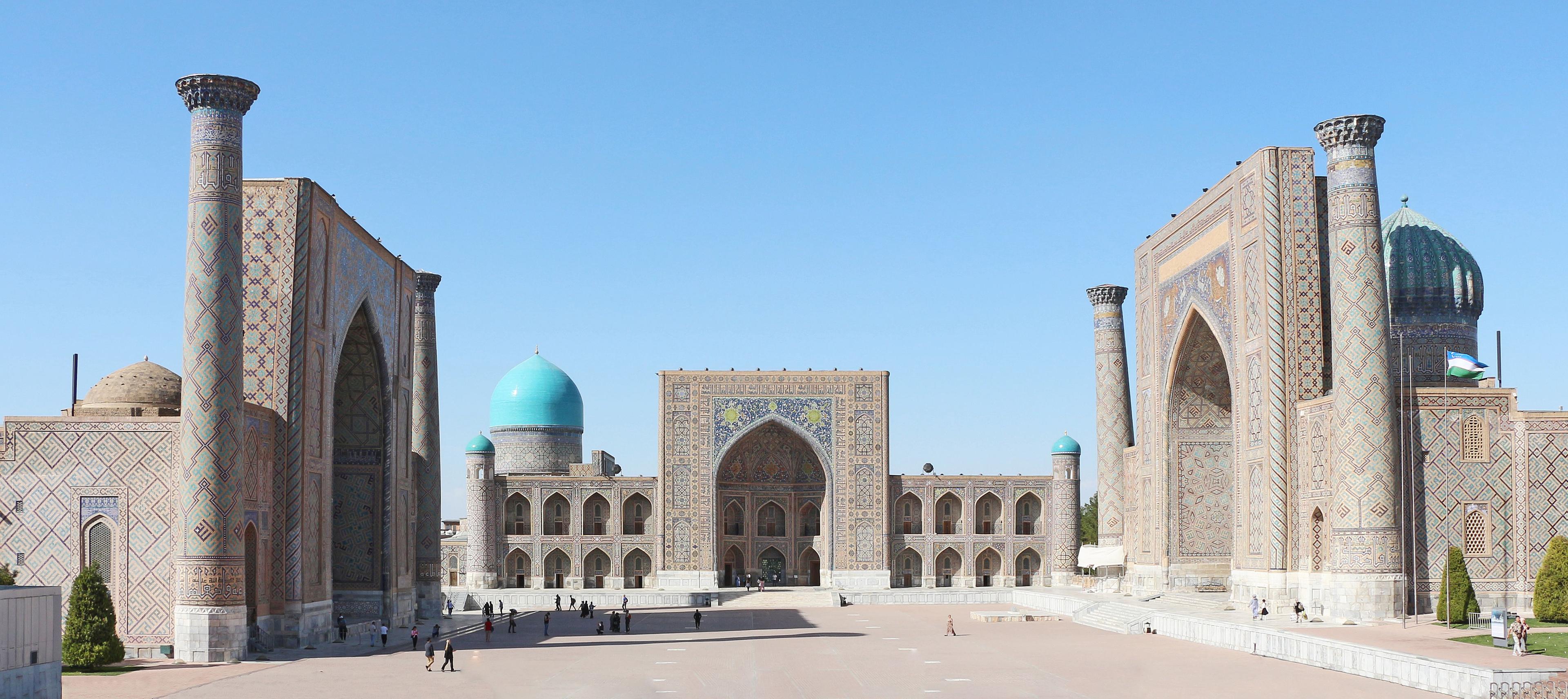
Travel to Uzbekistan from China has never been simpler. Since June 2025 Chinese citizens can visit without a visa, and new direct flights now link Tashkent with Beijing, Shanghai, Urumqi, Guangzhou, Xi'an and several other cities. For travellers interested in the Silk Road, the connection is natural: Samarkand and Bukhara were once trading partners of Chang'an and Kashgar, and Chinese silk, paper and porcelain passed through their bazaars.
This guide covers what a traveller from China needs to know as of November 2026: entry rules, direct flights, how to pay, language and guides, and the overland route from Kashgar through Kyrgyzstan into the Fergana Valley. We are a tour operator based in Tashkent and Bukhara, and we work only inside Uzbekistan, so for the Chinese and Kyrgyz parts of the overland route we give practical information rather than services.
Flight schedules, payment systems and border rules are all changing quickly. Each fact that can move is dated, with a pointer to where to check it.
Do Chinese citizens need a visa for Uzbekistan?
No. Since 1 June 2025, citizens of the People's Republic of China holding ordinary passports can enter Uzbekistan without a visa and stay for up to 30 days.
What you need to know:
- Passport validity: at least three months after arrival. Six months is safer, because airlines sometimes apply stricter rules at check-in.
- Registration: every foreign visitor must be registered at their place of stay within three days. Hotels and guesthouses do this automatically when you check in.
- Longer stays: for more than 30 days, or for work or study, apply for the appropriate visa through an Uzbek embassy or consulate.
- Hong Kong and Macau passports have their own arrangement, currently 10 days visa-free. Check the rules for your passport.
Customs rules are the same as for other visitors: declare cash above the equivalent of 100 million som (roughly US$8,400 in November 2026), carry prescription medicines in their original packaging, and leave drones at home unless you have permission. Our Uzbekistan visa guide covers the details.
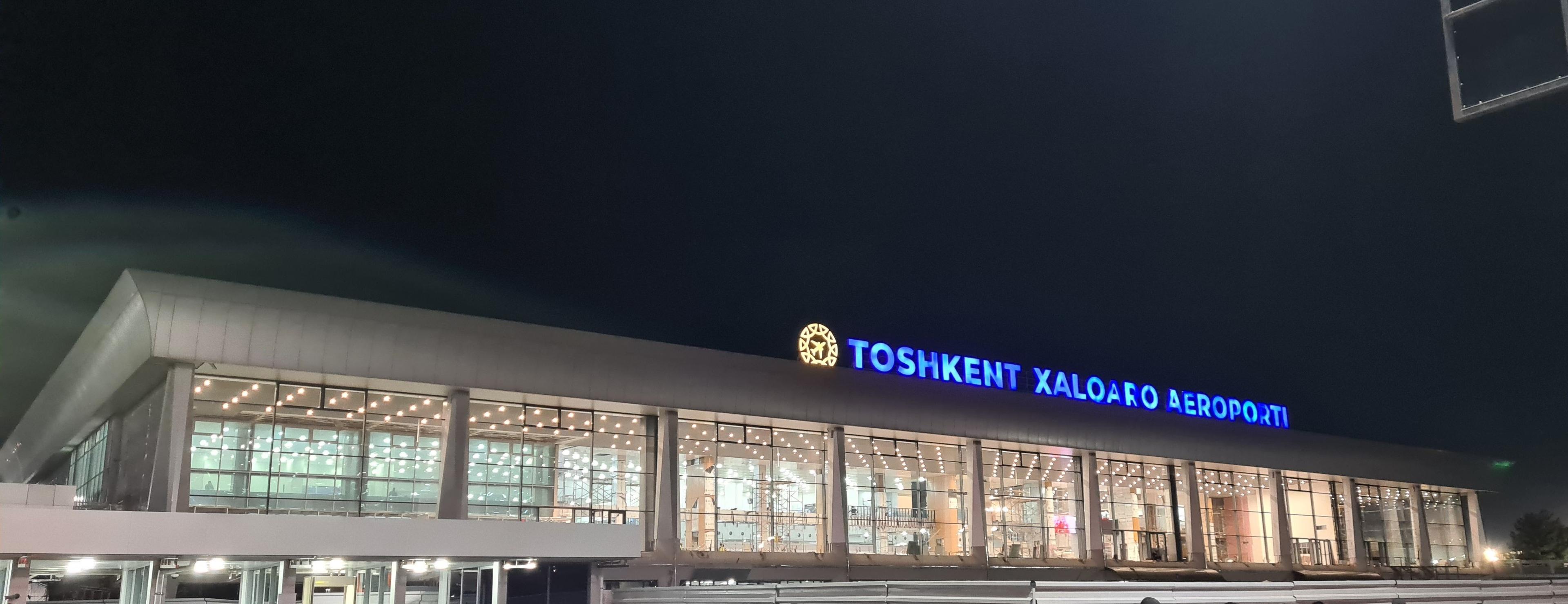
Direct flights from China to Uzbekistan in 2026
In mid-2025 there were already 29 direct flights a week between the two countries, and new routes have been added since. As of November 2026 the main non-stop connections are:
- Beijing to Tashkent: Air China (launched July 2025, initially three times a week; in July 2026 the airline said it planned to move to daily flights), China Southern and Uzbekistan Airways.
- Shanghai to Tashkent: China Eastern, launched on 30 March 2026.
- Urumqi to Tashkent: China Southern and Uzbekistan Airways. Urumqi is also the hub for connections from many other Chinese cities.
- Urumqi to Samarkand: China Southern, the first direct link between China and Samarkand.
- Urumqi to Fergana: Uzbekistan Airways, useful for the Fergana Valley.
- Guangzhou to Tashkent: Qanot Sharq and Centrum Air, two Uzbek airlines.
- Shenzhen to Tashkent: Uzbekistan Airways, weekly since late March 2026.
- Xi'an to Tashkent: China Eastern (launched July 2025, about 4.5 hours) and Loong Air.
- Chengdu to Tashkent: Loong Air.
- Hangzhou to Tashkent: Uzbekistan Airways.
- Sanya to Tashkent: Qanot Sharq.
Frequencies vary by season, and some routes run only a few times a week. Air China has also said it is studying flights to the Fergana Valley. Check the airlines' own websites or Trip.com for current schedules before you plan your dates.
Arriving in Tashkent works best for most trips. The Afrosiyob high-speed train then reaches Samarkand in about two hours and Bukhara in about four. If you fly into Samarkand from Urumqi, you can start with Samarkand and Bukhara and finish in Tashkent.
Does Alipay work in Uzbekistan? UnionPay, cards and cash
Payments are usually the first question Chinese travellers have, and the honest answer is: partly, and improving.
- UnionPay: HUMO, one of Uzbekistan's two national card systems, has accepted UnionPay cards since 2021, and the other system, Uzcard, signed a partnership with UnionPay to accept cards with numbers starting with 62 at ATMs and payment terminals. In practice, acceptance depends on the bank, the terminal and the card. Many ATMs in Tashkent, Samarkand and Bukhara accept UnionPay for cash withdrawals; payment terminals in smaller shops may not.
- Alipay: in October 2026 Uzbekistan's Tourism Committee said an Alipay+ payment gateway had been launched on the HUMO infrastructure, allowing Alipay users to pay through the national UZQR code system. Coverage is new, so do not rely on it everywhere.
- WeChat Pay: integration has been discussed since 2025, but we could not confirm that it works for payments in Uzbekistan as of November 2026.
- Visa and Mastercard work at most hotels, larger restaurants and many ATMs in the main cities.
- Cash: the Uzbek som is the only currency for everyday payments. US dollars are the easiest foreign currency to exchange; bring clean, recent notes. Exchange counters at banks and the airport give fair rates.
Our advice: bring a UnionPay card and a Visa or Mastercard if you have one, keep some US dollars as a reserve, and withdraw som from bank ATMs as you go. Small bazaars, taxis outside the apps and village guesthouses are cash only. Our guide to money in Uzbekistan explains more.
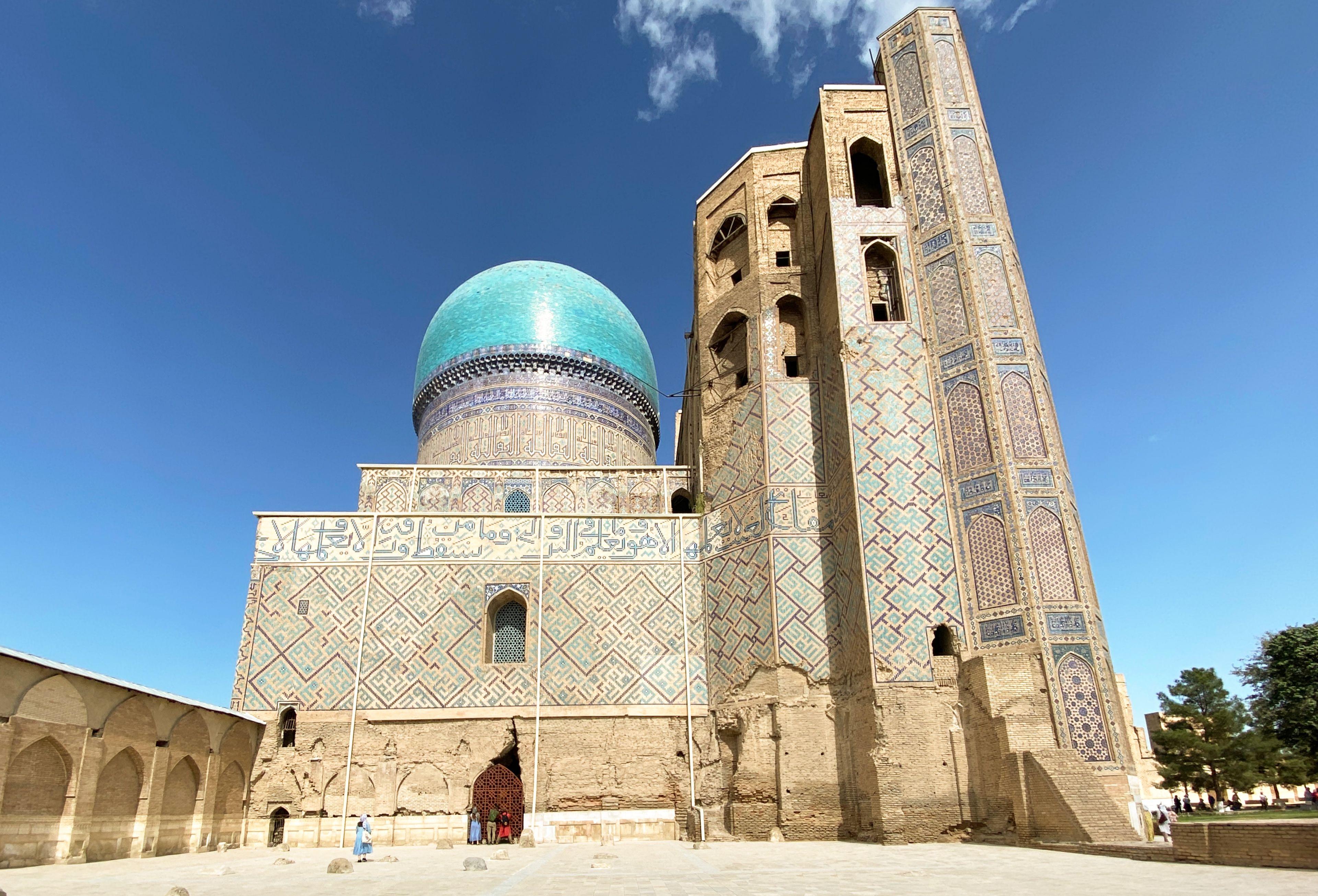
Language: Chinese-speaking guides and getting by
Uzbek and Russian are the main languages. English is spoken in hotels and by younger people in the tourist centres, and Chinese is still rare outside a few hotels and restaurants in Tashkent, although it is increasingly taught at universities.
- Guides: Chinese-speaking guides are available on request. There are fewer of them than English-speaking guides, so ask when you first enquire, especially for the October Golden Week.
- Apps: a translation app with offline Russian helps a great deal. Yandex Go works for taxis in the main cities, and Yandex Maps or 2GIS for navigation. Download what you need before you leave China.
- SIM cards: buy a local SIM or eSIM on arrival. Our SIM card guide explains the phone registration rules.
- Food: Uzbek food is built around plov, kebabs, noodles (lagman, related to Chinese lamian) and fresh bread, and it is not spicy. Tashkent has a number of Chinese restaurants for days when you want something familiar. Our Uzbek food guide explains what to order.
Travellers on our tours receive a local contact number for the whole trip, which helps if plans change.
Overland from Kashgar to Osh via the Irkeshtam pass
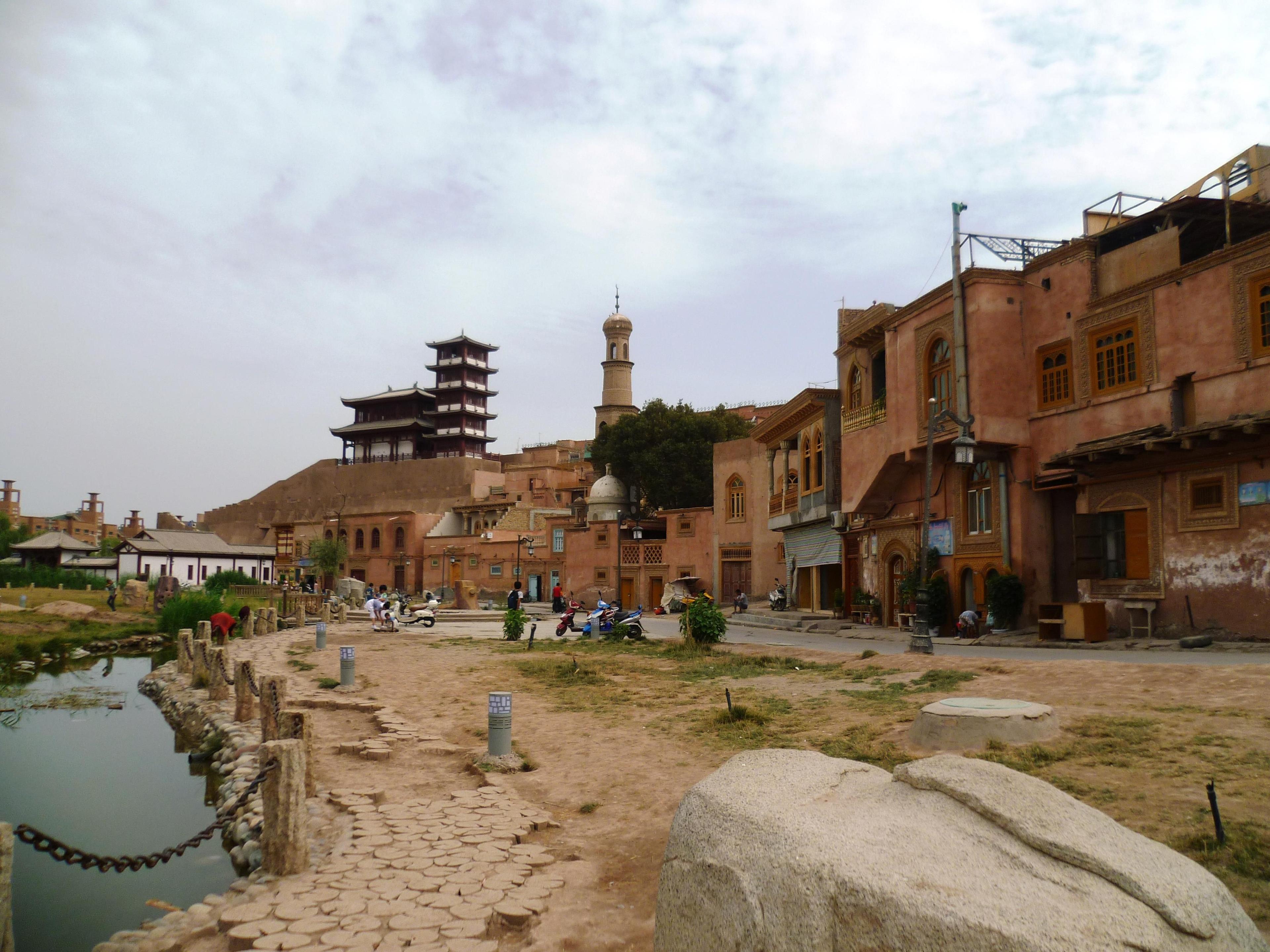
For travellers who want to follow the Silk Road on the ground, the classic route runs from Kashgar in Xinjiang over the Tian Shan into Kyrgyzstan, then down into the Fergana Valley in Uzbekistan. It is a journey of two to three days with stops.
The Chinese and Kyrgyz part: Kashgar to Osh via the Irkeshtam pass (Erkeshtam).
- Irkeshtam is one of only two road crossings between China and Kyrgyzstan, and the one most used by independent travellers.
- It is closed on Saturdays, Sundays and public holidays of both countries, and at night. It also closes for a few days around Chinese and Kyrgyz holidays, such as early January and the Spring Festival. Plan to arrive on a weekday morning.
- Buses and shared taxis run between Kashgar and Osh on some weekdays, and the full journey takes most of a day. Schedules change, so check locally in Kashgar.
- On the Kyrgyz side the road passes the village of Sary-Tash, with views of the Pamir mountains, then descends to Osh.
Kyrgyz entry: Chinese citizens normally need a visa for Kyrgyzstan. The official e-visa portal of the Kyrgyz government is evisa.e-gov.kg. Sources disagree on the details, so check with the Kyrgyz embassy in Beijing or the consulate in Urumqi before you set off.
We do not arrange anything in China or Kyrgyzstan. For the Kyrgyz part, a local Kyrgyz agency or guesthouse in Osh can help.
Everyday practicalities for Chinese travellers
A few small things make the first days easier.
- Time: Uzbekistan is on UTC+5, three hours behind Beijing time. Xinjiang local time is close to Uzbek time, which is worth remembering on the overland route.
- Power: sockets are the European round-pin type (C and F) at 220 volts. Bring an adapter for Chinese plugs.
- Tourist levy: since September 2026 hotels add a small nightly levy for foreign guests, from about 8,800 to 66,000 som depending on the size of the property. It is usually paid at check-out, sometimes only in som.
- Tea and hot water: green tea is served with almost every meal, and kettles are standard in hotel rooms.
- Mosques and shrines: many monuments are working religious sites. Dress modestly, with shoulders and knees covered, and women should carry a scarf for mosques.
- Photography: ask before photographing people, especially women and older people in the bazaars. Drones need prior permission.
- Tipping: not obligatory, but 5 to 10 percent in restaurants that do not add a service charge is appreciated. Many restaurants add 10 to 15 percent to the bill already.
- Safety: Uzbekistan is a safe country for visitors, with low street crime. Usual city precautions apply.
Our guides to culture and etiquette and to things to know before visiting Uzbekistan cover more of the details.
From Osh into the Fergana Valley
Osh is only a few kilometres from the Uzbek border. The crossing is called Dostuk on the Kyrgyz side and Dustlik on the Uzbek side, and it is open 24 hours. You walk through both posts with your bags; allow roughly an hour, more at busy times. Our guide to Osh from the Fergana Valley describes the city and the crossing in detail.
Once in Uzbekistan, Andijan is about an hour's drive from the border, and from there the Fergana Valley opens up:
- Margilan, a silk town, with the Yodgorlik silk factory and the Kumtepa Bazaar.
- Rishtan, the centre of Uzbek ceramics, with family workshops.
- Kokand, the old capital of the khanate, with the Khudayar Khan Palace.
From the valley, the train runs through the Kamchik tunnel to Tashkent in around five hours, or a car crosses the Kamchik Pass. Our Fergana Valley guide covers the region.
This is where we come in on the overland route: we can meet you at the Dustlik border with a car and guide and take you through the Fergana Valley to Tashkent, Samarkand and Bukhara.
Looking ahead: construction of the China–Kyrgyzstan–Uzbekistan railway, from Kashgar to Andijan, began at the end of 2024. When it opens, it will create a direct rail link between western China and the Fergana Valley, but that is still several years away.
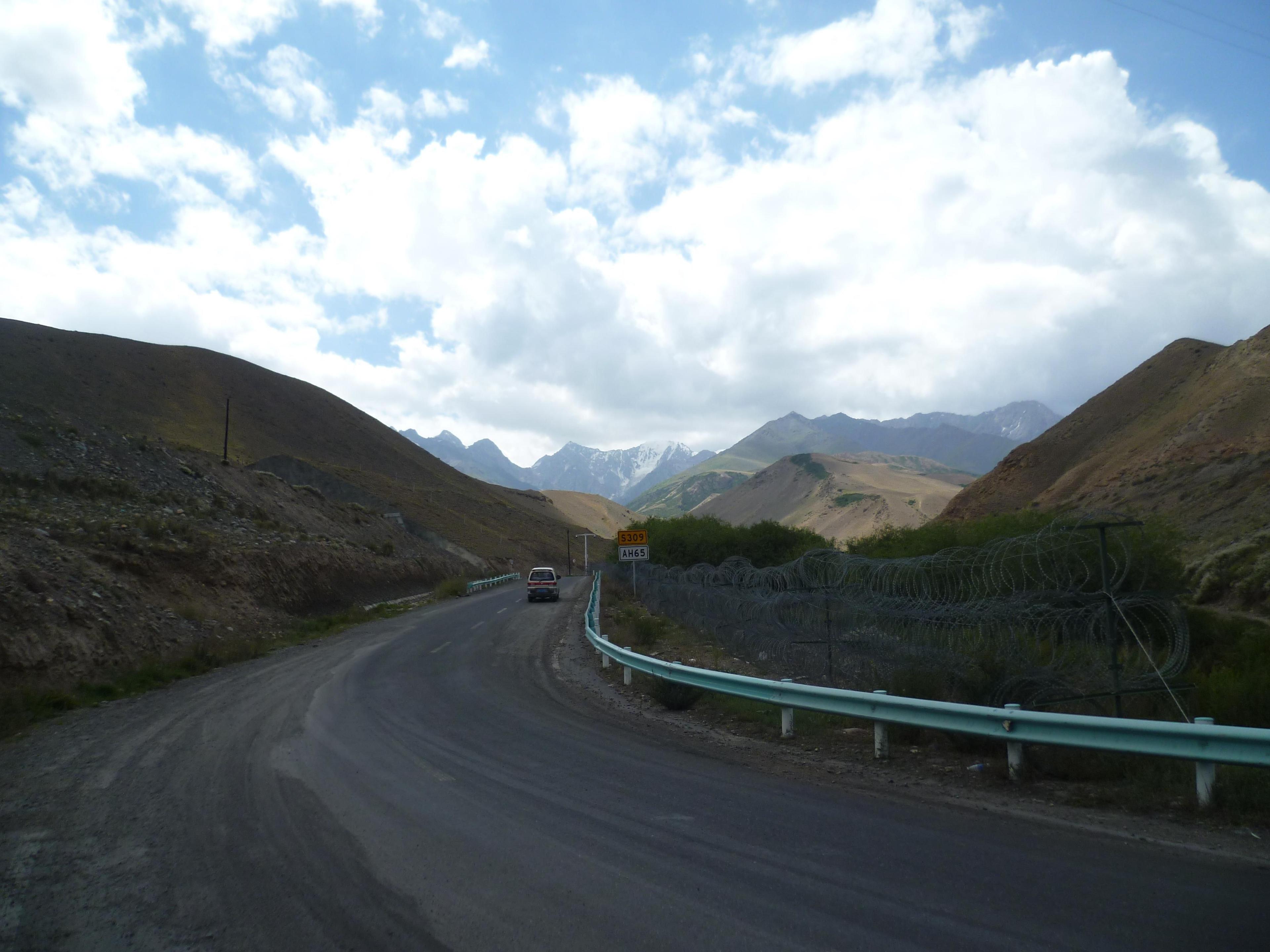
Best time to visit Uzbekistan from China
Uzbekistan has a dry continental climate, with hot summers and cold winters. Our weather-by-month guide gives the details.
- April to early June: the best season, with warm days and green gardens. The Labour Day holiday in early May falls in this window.
- Mid-September to October: equally good. Golden Week in early October is a popular time; flights and hotels in Samarkand and Bukhara fill quickly, so book early.
- July and August: very hot, often around 40°C in Bukhara and Khiva. The summer school holidays still work if you sightsee early and late.
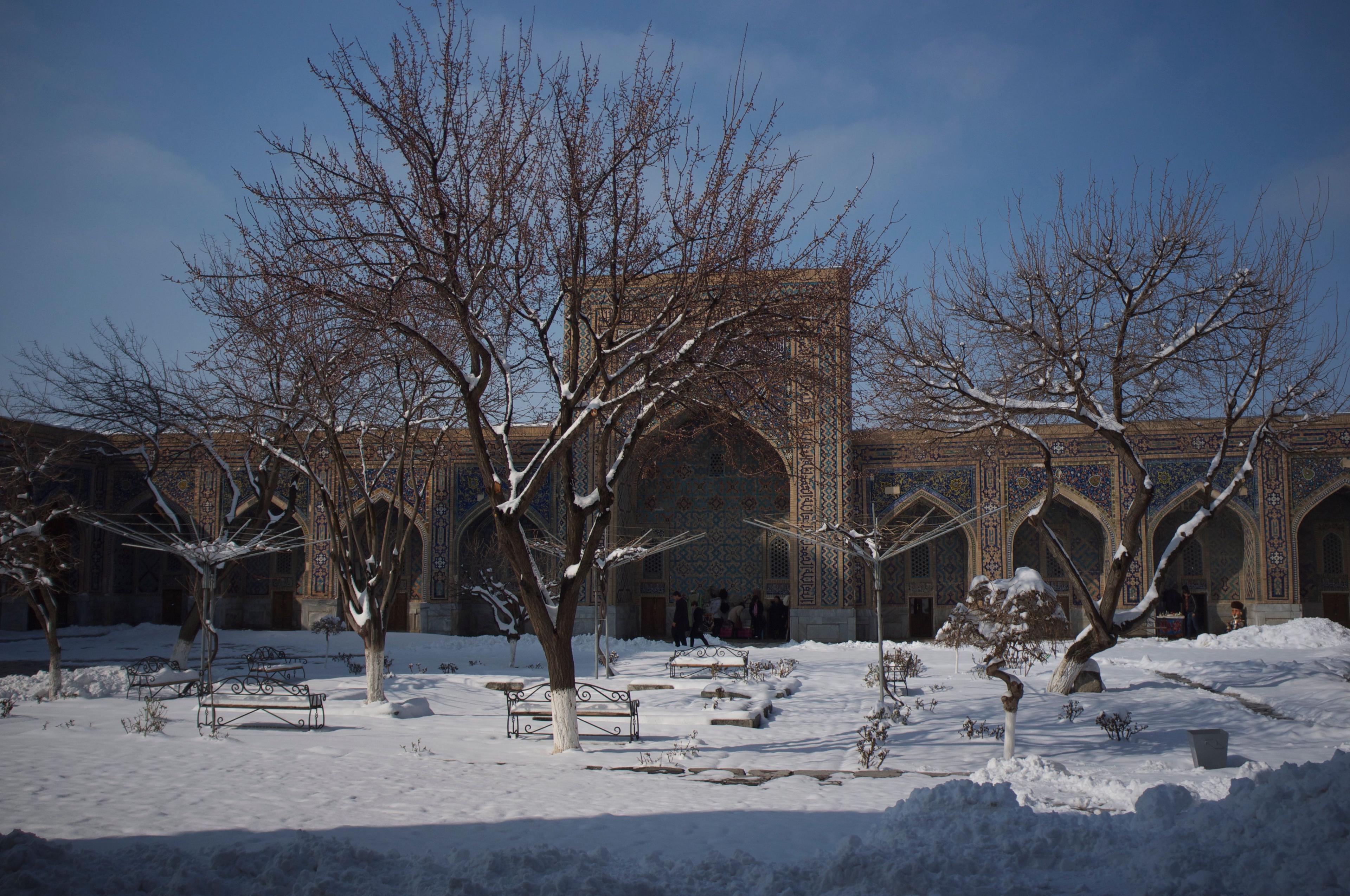
- Winter: cold, with frost and occasional snow, but quiet and cheaper. A trip over the Spring Festival suits travellers who like empty monuments. Our guide to Uzbekistan in winter explains what to expect.
The Irkeshtam crossing is easiest from late spring to early autumn. In winter, snow and holiday closures make the mountain section less predictable.
A sample 9-day route for travellers from China
This route combines a flight in and a train journey through the classic Silk Road cities.
- Day 1: Fly into Tashkent. Evening walk around Amir Timur Square and the Tashkent Metro.
- Day 2: Tashkent: the Hast Imam complex, the Chorsu Bazaar and the Museum of Applied Arts.
- Day 3: Morning Afrosiyob train to Samarkand. The Registan and Gur-e-Amir.
- Day 4: Samarkand: Shah-i-Zinda, the Bibi-Khanym Mosque, the Siab Bazaar and the Ulugh Beg Observatory.
- Day 5: Day trip to Shakhrisabz, Amir Timur's home town, or a paper-making workshop at Konigil.
- Day 6: Train to Bukhara. Lyabi-Hauz and the trading domes.
- Day 7: Bukhara: the Ark Fortress, the Po-i-Kalyan complex and the Samanid Mausoleum.
- Day 8: Fly or take the train to Khiva for a night in the walled town of Ichan-Kala, or return to Tashkent.
- Day 9: Fly home from Tashkent, or from Urgench with a connection.
Overland alternative: start in Kashgar, cross to Osh, spend two days in the Fergana Valley, then continue to Tashkent, Samarkand and Bukhara and fly home from Tashkent. Allow 12 to 14 days in total.

Planning your trip with TourEast
We plan private and small-group trips inside Uzbekistan, with Chinese-speaking guides on request, hotels, trains and transfers, including a pick-up at the Kyrgyz border if you arrive overland from Kashgar. Tell us your dates and interests, and we will suggest an itinerary that fits your flights.