Is Uzbekistan good for families? Very, if you plan for heat, distances and food. Our local guide to travelling in Uzbekistan with kids: best ages and seasons, trains, what children eat, pottery, yurts, camels and Magic City, safety, baby supplies and family hotels.
Facts, prices and schedules checked on November 4, 2026
Travelling to Uzbekistan with kids is easier and more rewarding than many parents expect. Uzbeks adore children: strangers will smile at your toddler, waiters will bring an extra piece of bread, and grandmothers in the bazaar may press a handful of raisins into small hands. The country is safe, the food is mild, and the great sights of Samarkand, Bukhara and Khiva look like the illustrations in a book of fairy tales.
It also needs some planning. Summers are very hot, distances between cities are long, the old towns are full of steps and cobbles, and children's routines can wobble with late dinners and new food. This guide brings together what families most often ask about: the best ages and season for an Uzbekistan family holiday, how to get around, what children can eat, which activities they enjoy, safety and health, baby supplies, and how to choose hotels.
Is Uzbekistan good for families with kids?
Yes. A few reasons it works well:
- A child-loving culture. Family is at the centre of Uzbek life, and children are welcome almost everywhere, from restaurants at 21:00 to mosque courtyards.
- Safety. Uzbekistan has low levels of street crime and a strong police presence in tourist areas. Our separate guide on whether Uzbekistan is safe covers this in detail.
- Manageable logistics. The Afrosiyob high-speed train links Tashkent, Samarkand and Bukhara in a few hours, and the new high-speed line now reaches Khiva.
- Things to touch and do. Pottery wheels, paper-making, camels, horses, bazaars full of fruit and bread straight from the clay oven turn history into something children can feel.
- Mild food. Uzbek cooking is rarely spicy, and staples like bread, rice, noodles and grilled meat suit most children.
The challenges are equally clear: summer heat above 40°C, long drives outside the rail network, few changing tables or play areas outside Tashkent, and old towns that are hard work with a pushchair. None of these is a reason to stay at home, but they should shape when you travel and how you plan each day.
Best time to visit Uzbekistan with kids
Spring and autumn are the best seasons for families.
- April to early June: warm days, green countryside, long evenings and the Navruz holiday atmosphere in March. Easter school holidays fit well.
- September to October: settled weather, harvest bazaars full of grapes, melons and pomegranates, and comfortable temperatures for walking. Autumn half-term is ideal.
- July and August: daytime temperatures in Bukhara and Khiva often pass 40°C. Families can still travel, but plan sightseeing for early morning and after 17:00, rest in the afternoon, and choose hotels with a pool. Summer school holidays are when most families come, so it is worth doing this well.
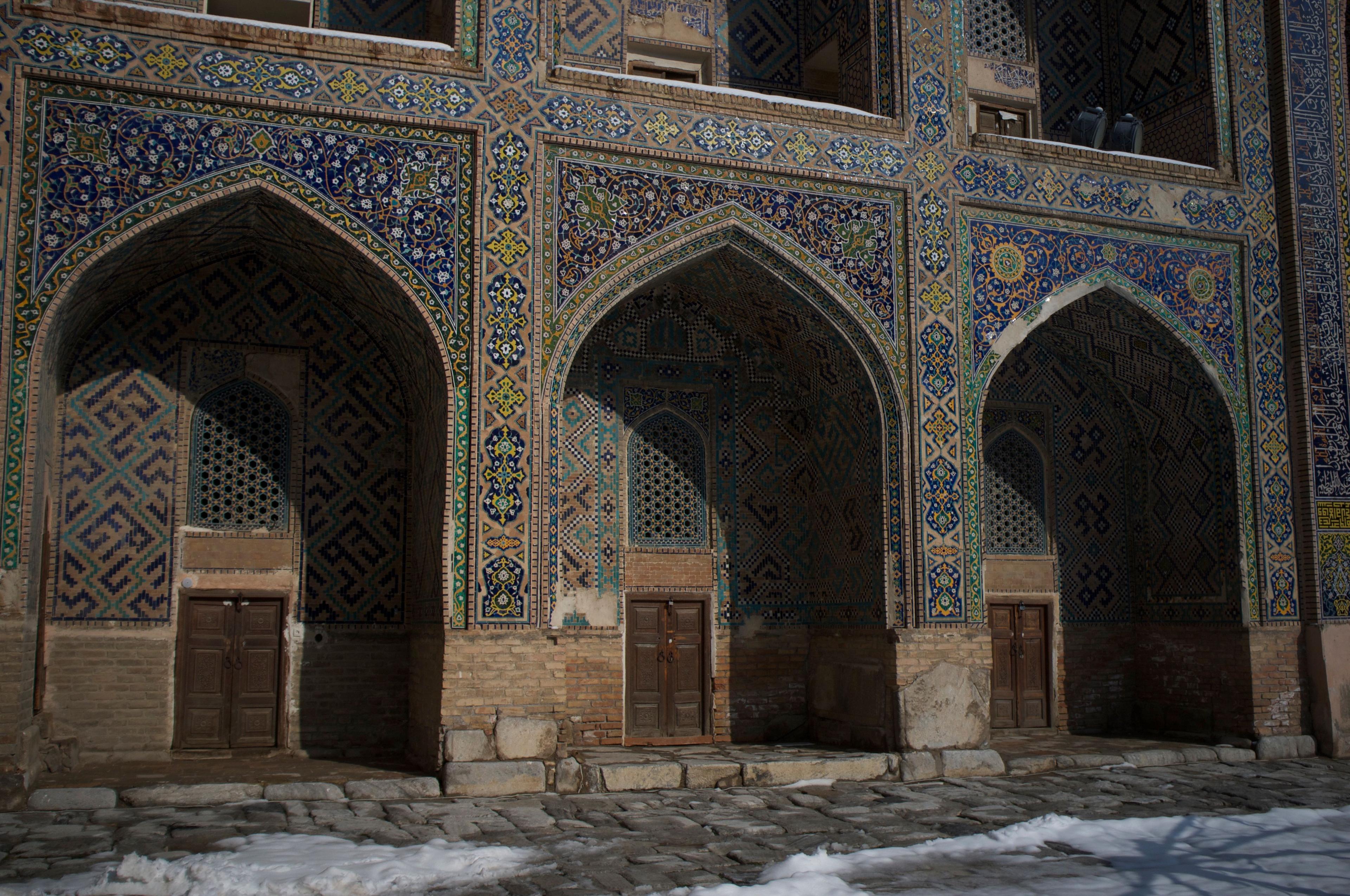
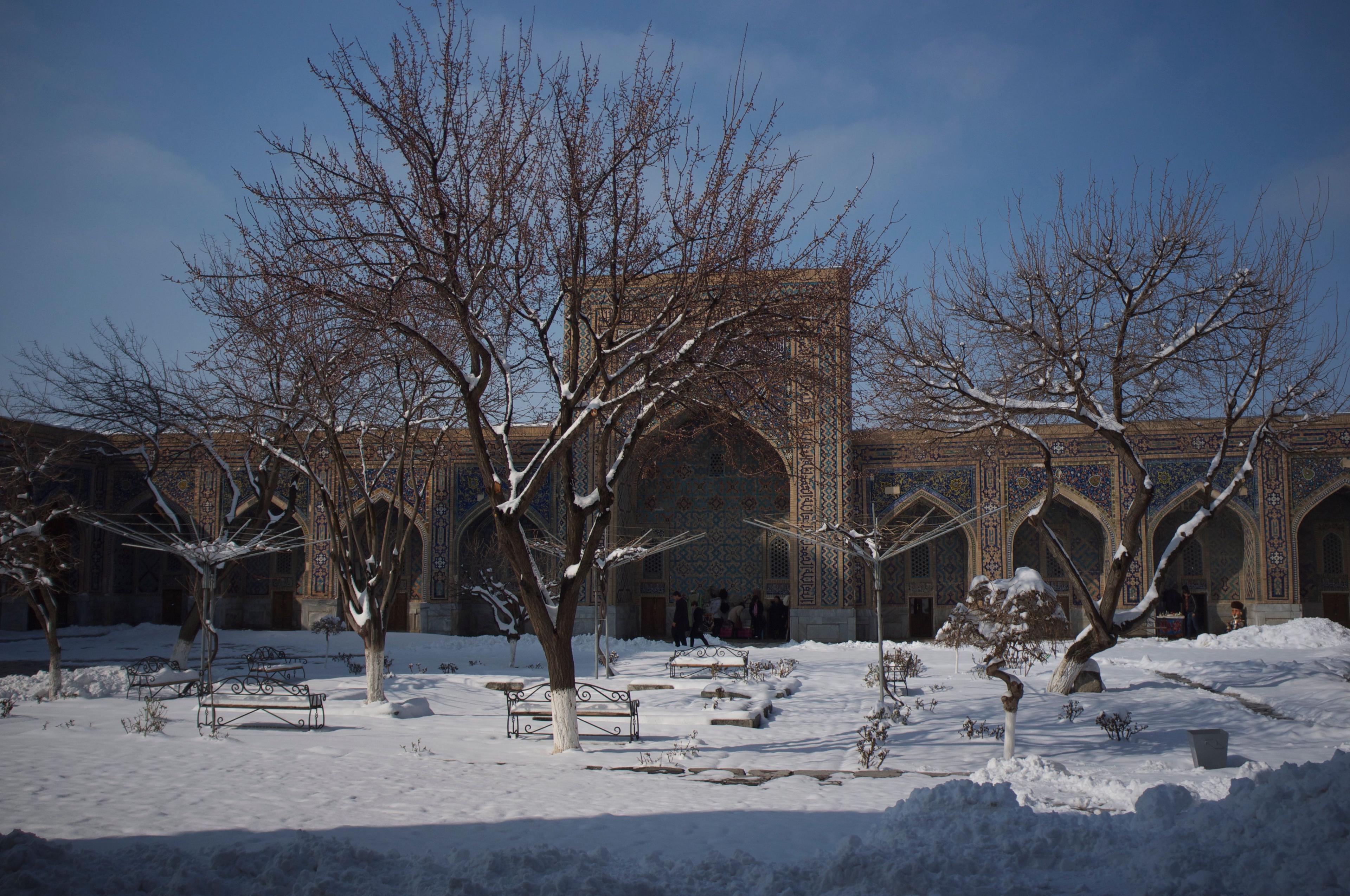
- December to February: cold, quiet and cheap, with snow play and skiing at Amirsoy near Tashkent. Good for older children who do not mind the cold; see our guide to Uzbekistan in winter.
Our guide to the best time to visit and the weather by month have the full climate figures.
What age is best for Uzbekistan?
There is no wrong age, but each stage brings different planning.
- Babies under one year. Easier than it sounds: they sleep in carriers, eat what you bring, and travel free on trains. The main issues are heat and long transfers. Bring a light carrier rather than relying on a pushchair.
- Toddlers, 1 to 4. The hardest age for sightseeing, because the monuments mean steps, uneven paving and long distances on foot. Keep days short, build in playground time and plan one main sight per half-day.
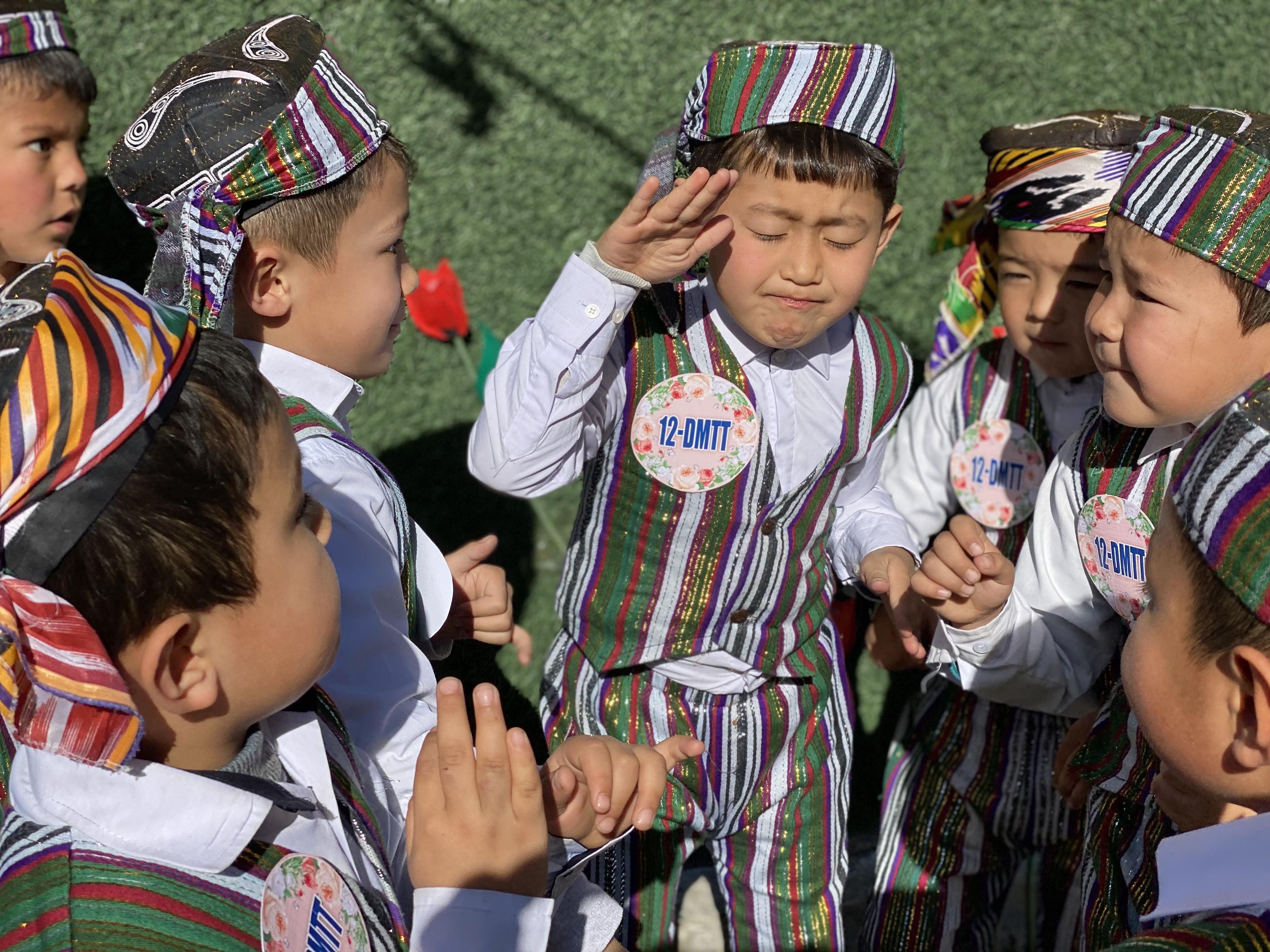
- Children 5 to 12. The sweet spot. They can walk, they are curious, and they love the hands-on activities: pottery, camels, yurts, markets and climbing city walls in Khiva.
- Teenagers. They can handle a full itinerary, enjoy photography, food and the sense of adventure, and are often the ones who strike up conversations with Uzbek teenagers keen to practise English.
Whatever the age, slow the pace. Two nights in each city is a minimum with children, and three is better.
Getting around: distances, trains and car seats
Uzbekistan is larger than it looks on a map, and journey times matter more with children.
Typical journey times on the fastest trains:
- Tashkent to Samarkand: about 2 h 10 min to 2 h 30 min
- Samarkand to Bukhara: about 1 h 30 min to 1 h 45 min
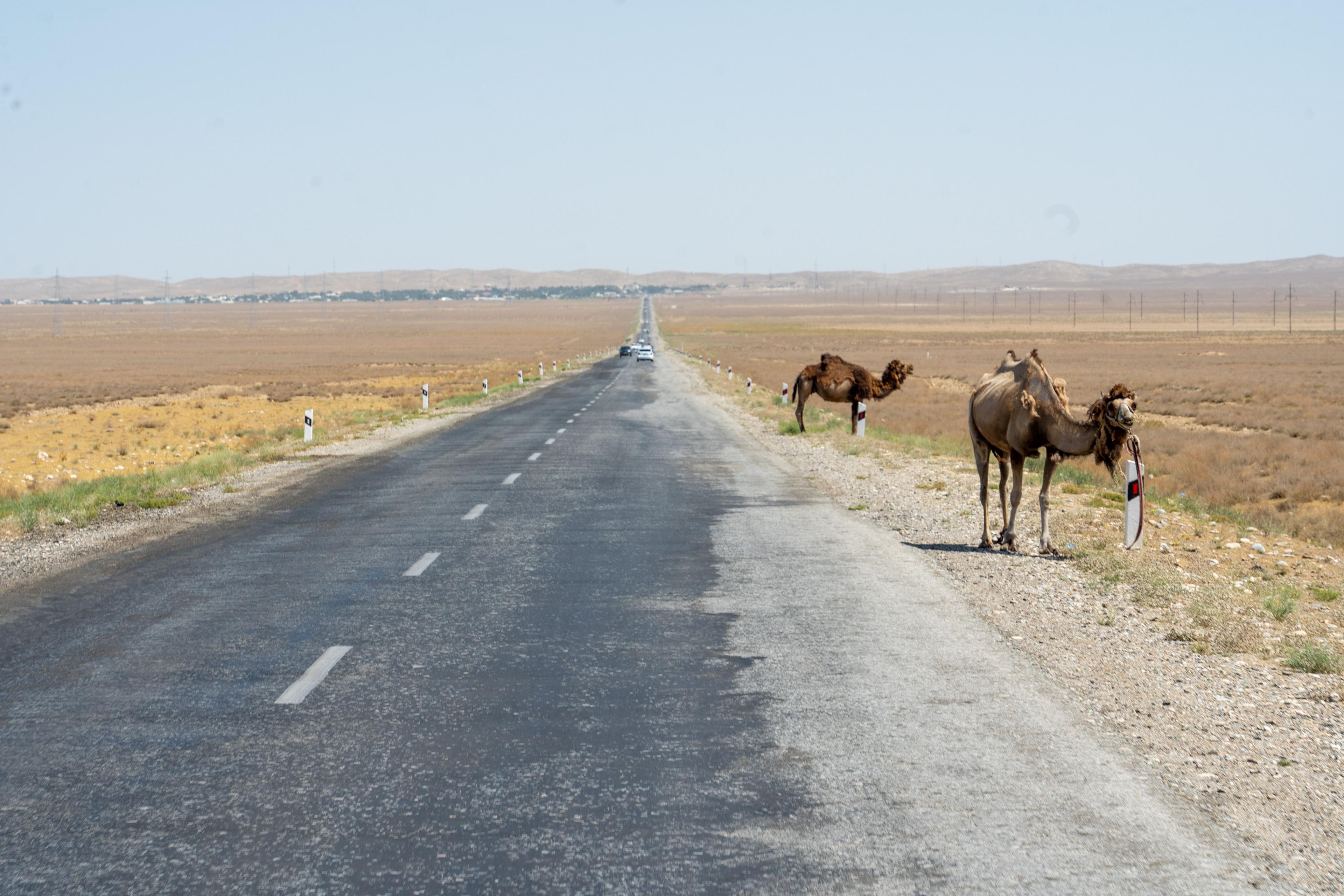
- Bukhara to Khiva: about 3 h 30 min on the new high-speed service, or a 6 to 7 hour drive across the Kyzylkum desert
- Tashkent to the Fergana Valley: about 4 to 5 hours by train over the Kamchik Pass
The high-speed trains are the easiest way to travel with children: air-conditioned, smooth, with toilets, a snack trolley and room to walk around. Uzbekistan Railways' rules let one child under 5 travel free without a separate seat, sitting on a parent's lap, while children aged 5 to 10 pay a reduced fare with their own seat; from 10 years old children pay the adult fare. Rules and discounts change, so check the conditions when you book and carry the child's passport, since every ticket is issued in a passenger's name. Seats sell out in spring and autumn, so book as soon as sales open. Our Afrosiyob train guide explains booking.
Domestic flights are the quickest option for Khiva (via Urgench) and Nukus. Long road journeys are best broken with stops; a drive from Bukhara to Khiva crosses the desert with very few facilities.
Car seats: taxis and most ride-hailing cars do not provide child seats, and enforcement of child-seat rules is loose. If you need one, bring a lightweight travel seat or book a private car with a seat confirmed in advance.
Food for children: what kids eat in Uzbekistan
Most children find plenty to like in Uzbek food, which is based on bread, rice, noodles, meat and vegetables, with herbs rather than chilli.
Dishes children usually enjoy:
- Non, the round bread from the tandoor, warm and fresh every morning
- Plov, rice cooked with carrots and meat; ask for a portion without the chunks of fat
- Somsa, flaky pastries filled with meat, pumpkin or potato
- Lagman, hand-pulled noodles in a mild meat broth
- Shashlik, grilled skewers of chicken, lamb or minced meat
- Chuchvara, small dumplings in broth, close to ravioli
- Fresh fruit: melons, grapes, apricots, cherries and peaches in season
- Halva, honey, dried fruit and nuts as snacks
Practical tips:
- Breakfast in hotels usually includes eggs, porridge, pancakes, yogurt, cheese and fruit.
- Many city restaurants serve pizza, pasta, chips and soups, and Tashkent has international chains.
- Drink bottled water and use it for brushing teeth with small children. Peel fruit or wash it in bottled water.
- Introduce rich, oily dishes like plov gradually, and keep portions modest for the first few days.
- Ask for dishes without vinegar-dressed salads or raw onion if your child is fussy.
- Supermarket chains in the cities sell familiar yogurts, cereals, juice and snacks.
Our Uzbek food guide explains the dishes and how to order.
Things to do in Uzbekistan with kids
History becomes real for children when they can make something, ride something or eat something. Family activities that work well:
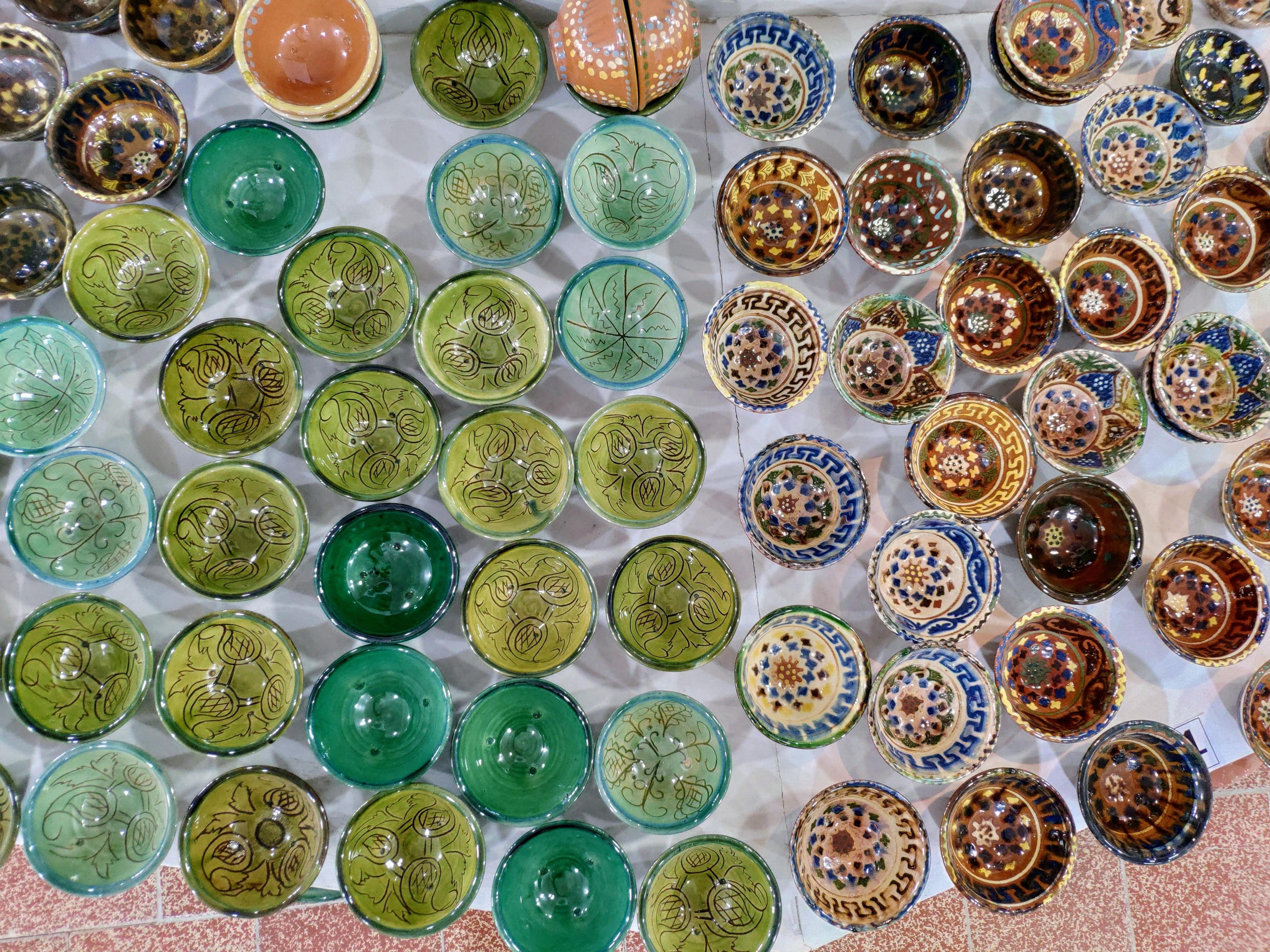
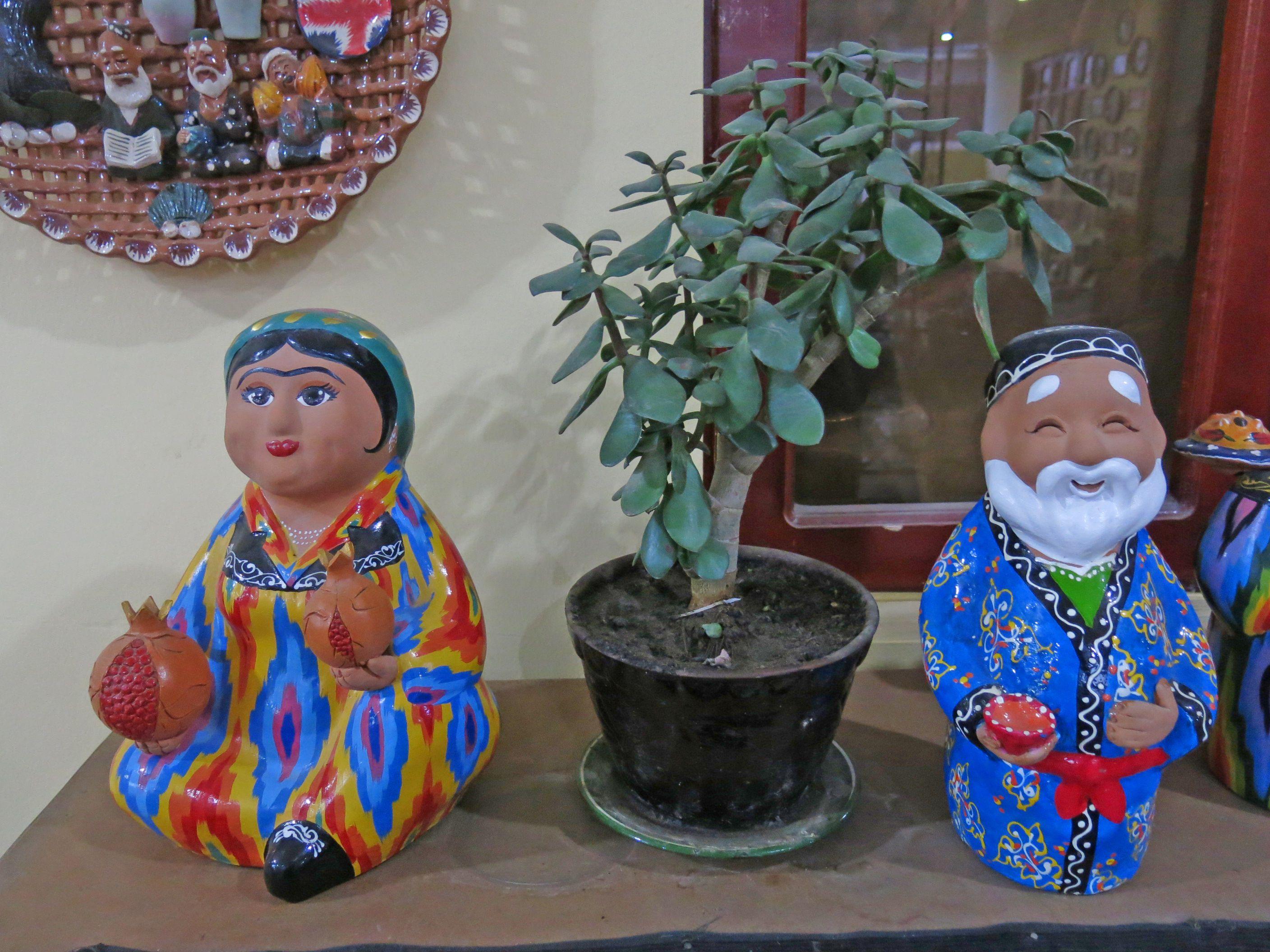
- Pottery workshops. In Gijduvan near Bukhara and in Rishtan in the Fergana Valley, master potters let children try the wheel and paint a bowl. In Gijduvan the brown and ochre ceramics are fired in family workshops that have worked for generations.
- Paper-making in Samarkand. At the Konigil paper workshop on the edge of town, children watch mulberry bark turned into paper by a water-driven mill and can try the process.
- A yurt camp in the desert. At Aydarkul lake, between Samarkand and Bukhara, families sleep in a felt yurt, ride camels, sit around a campfire and see more stars than they knew existed. Open from spring to autumn; see our guide to the Nuratau and Aydarkul yurt camp.
- Horse riding. Short rides can be arranged in the Nuratau mountain villages and in the Chimgan mountains near Tashkent, with local handlers leading the horses.
- Climbing the walls of Khiva. Ichan-Kala is compact, car-free and full of ramparts, towers and narrow lanes that children love to explore.
- The Tashkent metro. Each station is decorated differently, with chandeliers, mosaics and a cosmonaut theme at Kosmonavtlar. A ride costs very little and makes a good rainy-day game of spot the station.
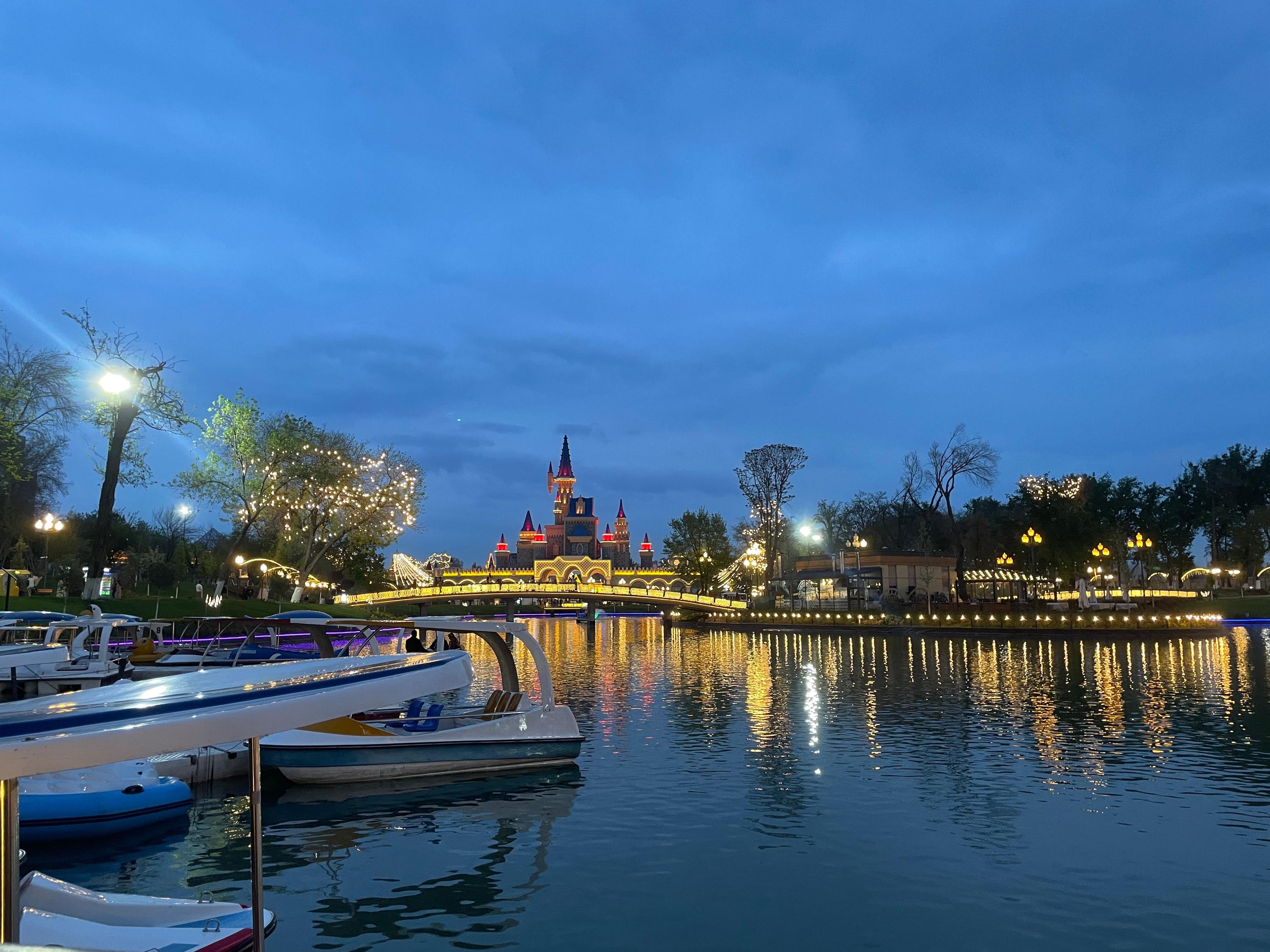
- Magic City in Tashkent. A fairy-tale themed park with castle-style buildings, a lake with boats, fountains, an aquarium and indoor attractions. Entry to the park itself is free and the rides and attractions are paid separately. It is at its best in the evening, when the lights come on.
- Snow and mountains. In winter, Amirsoy near Tashkent has a beginner area, tubing and gondola rides; in spring and autumn the same mountains are good for easy walks and picnics.
Bazaars are some of the best free entertainment for children:
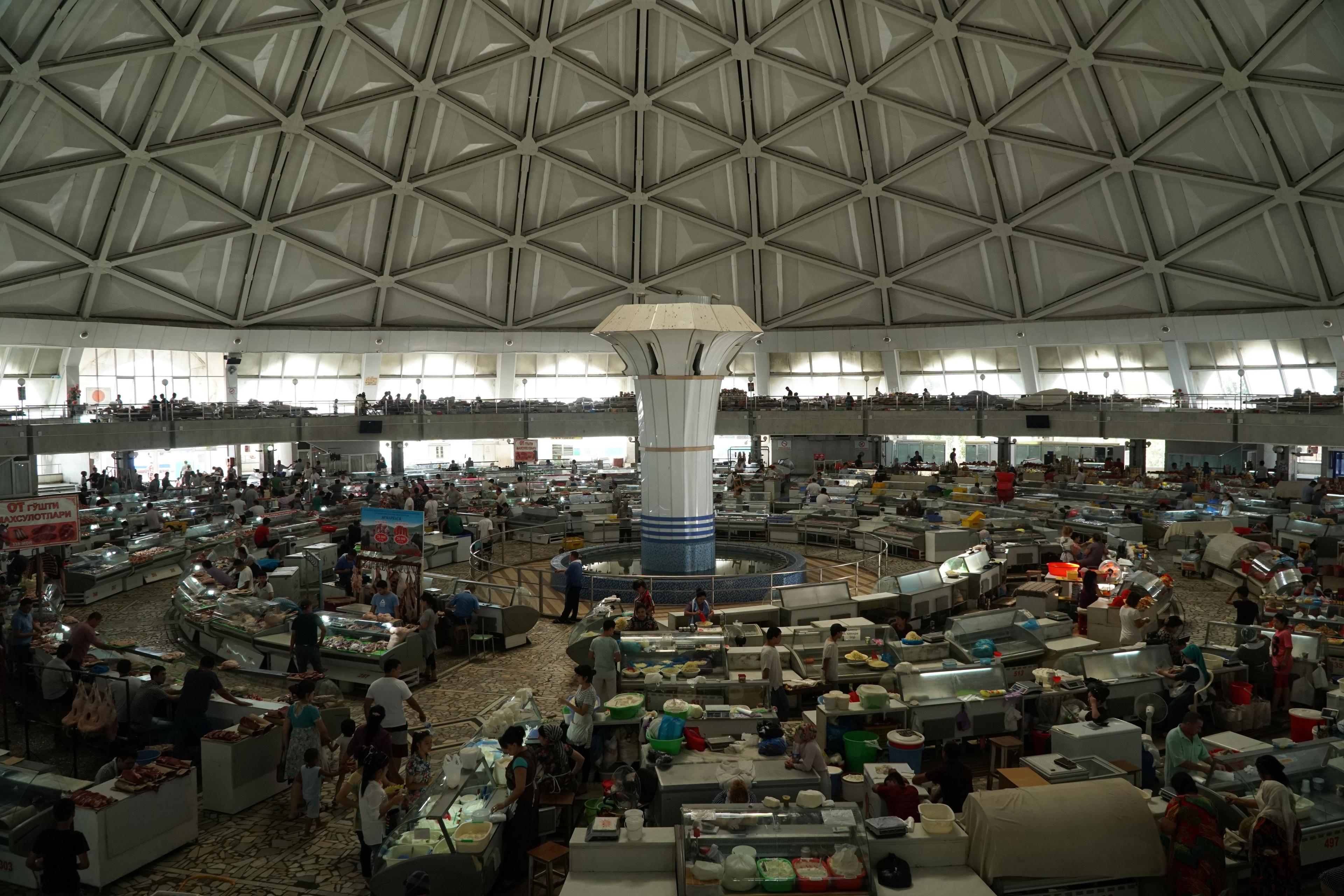
- Chorsu Bazaar in Tashkent, under its great green dome, has towers of bread, mountains of spices, honey and dried fruit, and a dairy hall where sellers offer tastes of qurt (salty dried yogurt balls) and kaymak cream.
- Siab Bazaar in Samarkand, next to Bibi-Khanym Mosque, is famous for its round Samarkand bread and sweets.
- In season, melon sellers will often cut a slice for a child to try.
Keep small children close in crowded sections and agree a meeting point. Combine one big monument with one activity each day, and children will remember both.
Is Uzbekistan safe for children?
Uzbekistan is generally a safe country for families. Violent crime against tourists is rare, and people are protective of children. The main risks are ordinary ones.
- Heat and sun. The biggest risk in summer. Use hats, sunscreen and water bottles, keep to the shade, and plan indoor breaks in the afternoon.
- Traffic. Drivers do not always stop at pedestrian crossings, and wide avenues in Tashkent can be fast. Hold hands near roads and use underpasses.
- Uneven ground. Old-town lanes, steep steps at monuments and unfenced ledges on city walls and minarets need close supervision.
- Stomach upsets. Stick to bottled water, wash hands before meals and introduce rich food gradually.
- Animals. Street dogs and cats are common; teach children not to pet them.
Health care: pharmacies are everywhere in the cities and many are open around the clock. Tashkent has private international clinics; in other cities, hotels can call a doctor. Travel insurance covering medical evacuation is strongly recommended. The national tourist hotline 1173 can help in an emergency, and the general emergency numbers are 101 for fire, 102 for police and 103 for an ambulance.
Baby supplies and what to pack
You can buy most baby essentials in Uzbekistan, especially in Tashkent, Samarkand and Bukhara.
- Nappies and wipes of international brands are sold in supermarkets and pharmacies.
- Formula and baby food are available in pharmacies and larger supermarkets, but the brand your baby is used to may not be, so bring enough for the trip.
- Medicines: bring your usual children's fever and pain medicine, oral rehydration salts, plasters, insect repellent suitable for children and any prescription medicines.
- Sun protection: high-factor sunscreen, sun hats and light long-sleeved clothing.
- A carrier is more useful than a pushchair in the old towns. If you bring a pushchair, choose a light, foldable one with sturdy wheels for cobbles.
- A small travel potty, a portable changing mat and a pack of disposable bibs save time, as changing tables are rare outside international hotels and malls.
- Entertainment for trains and transfers: books, downloaded films and a simple activity pack.
Modest dress rules apply to adults rather than children, although older girls may want a scarf for active mosques. Our packing list has the full adult list for each season.
Family-friendly hotels in Uzbekistan
Uzbekistan has good options for families in every main city.
- Family rooms and connecting rooms. Many hotels, especially newer mid-range hotels, offer triple and family rooms. Traditional guesthouses in old houses often have rooms for four or five around a courtyard.
- Pools. In summer a pool makes a big difference. Larger hotels in Tashkent, the Silk Road Samarkand resort area on the edge of Samarkand and several hotels in Bukhara have outdoor pools; few old-town guesthouses do.
- Location. In Bukhara and Khiva, stay inside or near the old town so that you can walk back for an afternoon rest. In Samarkand, choose a hotel within a short taxi ride of the Registan.
- Cots and extra beds. Ask in advance; most hotels can provide them, but guesthouses may have only one.
- Meals. Hotels with their own restaurant are easier at the end of a long day with tired children.
The tourist levy introduced on 1 September 2026 applies to foreign guests aged 16 and over, so younger children do not pay it.
A sample family itinerary
A relaxed ten-day family route, with time to rest:
- Days 1–2: Tashkent. Old town and Chorsu Bazaar, the metro, Magic City in the evening.
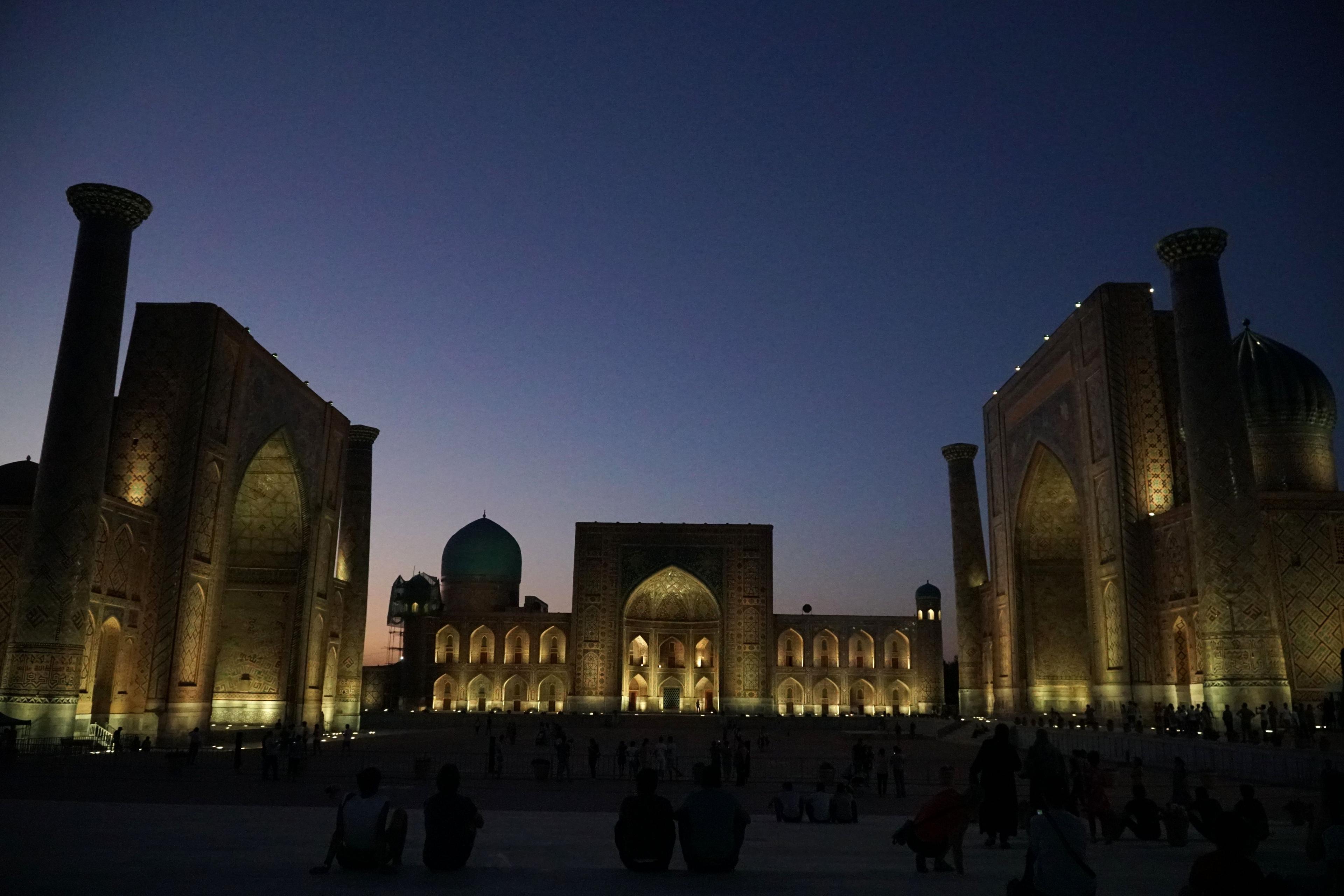
- Days 3–5: Samarkand by Afrosiyob train. Registan in the morning, Konigil paper workshop, Siab Bazaar, a hotel pool in the afternoon.
- Day 6: Drive via Nurata to an Aydarkul yurt camp, with a camel ride and campfire.
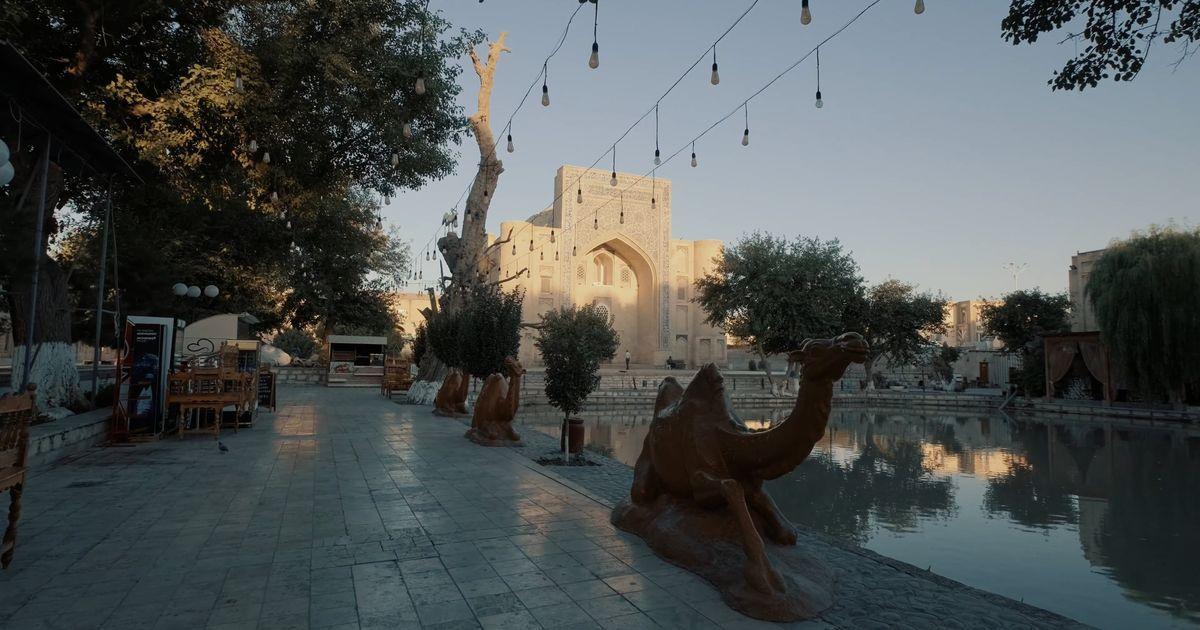
- Days 7–8: Bukhara. Ark Fortress, Lyab-i-Hauz, a pottery afternoon in Gijduvan.
- Days 9–10: Khiva by train. Ichan-Kala walls at sunset, then fly back to Tashkent from Urgench.
For older children and teenagers, the same route can be done in eight days. Our 10-day itinerary guide has more detail on each stop.
Family travel with TourEast
Our Uzbekistan family adventure tour is designed with children in mind, and we can also tailor a private family itinerary with child-friendly hotels, shorter driving days and guides who know how to keep children interested. Tell us your children's ages and we will suggest a route.