What to eat in Uzbekistan and where: regional plov and Tashkent's famous plov centre, samsa from the tandoor, hand-pulled lagman, shashlik, dairy, sweets, tea rituals, vegetarian options and the table manners that matter.
Facts, prices and schedules checked on November 4, 2026
Food in Uzbekistan is not something you fit around sightseeing. It is part of the sightseeing. The country sits on the old Silk Road crossroads between Persia, China, the steppe and Russia, and its kitchen shows all of those influences: rice dishes cooked over open fire, hand-pulled noodles, dumplings, clay-oven breads, kebabs, and a tea culture that shapes the rhythm of the day.
Uzbek cooking is generous rather than spicy. Cumin, coriander, black pepper and fresh herbs do most of the work, lamb and beef are the main meats, and vegetables and fruit, grown in strong sunshine, taste remarkable. Here is what to eat, where to find it and how to behave at the table.
Plov: the national dish
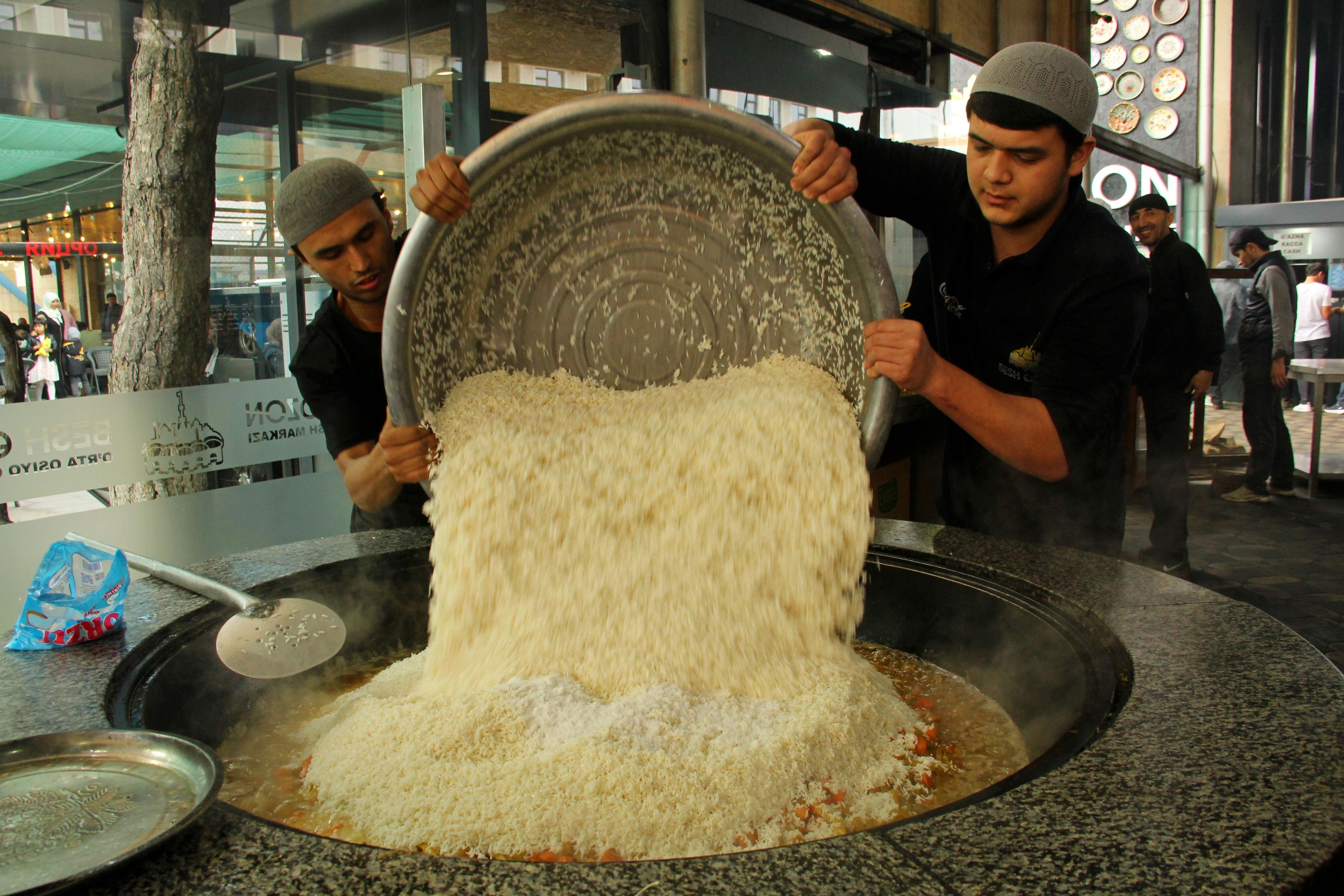
If you eat one thing in Uzbekistan, make it plov (osh or palov in Uzbek). It is rice slow-cooked in a cast-iron cauldron called a kazan with meat, onions, plenty of carrots cut into long strips and spices, usually cumin and sometimes barberries, chickpeas, raisins or a whole head of garlic buried in the rice.
Plov is more than a recipe. It is cooked for weddings, births, funerals, Friday gatherings and simply for friends, and the man who presides over the kazan, the oshpaz, is a figure of real respect. In 2016 UNESCO added Uzbekistan's palov culture and tradition to its list of the Intangible Cultural Heritage of Humanity, describing it as a social practice that brings communities together.
Traditionally plov is a midday dish. Big wedding plovs are even served in the early morning, when hundreds of men gather for the nahor oshi, the morning plov. In restaurants and plov centres the kazans are lit at dawn and the best of the day is gone by early afternoon, so plan your plov for lunch, not dinner.

Regional styles and where to eat plov
Every region, every town and every family will tell you their plov is the real one. A few styles worth knowing:
- Tashkent plov: the classic of the capital, with meat cut into pieces, often served with slices of kazi (horse-meat sausage) and a boiled quail egg on top
- Samarkand plov: cooked in layers that are not stirred together, so the rice sits on top of the carrots and meat; it tends to be lighter in colour
- Fergana Valley plov: richer and darker, with the rice taking on a deep golden colour from the long frying of meat and onions
In Tashkent the most famous address is the Central Asian Plov Centre, also known as Besh Qozon (five cauldrons), near the Tashkent TV Tower. Huge kazans are fired up outside each morning and the cooks dish out hundreds of portions an hour at lunchtime. Arrive between about 11:30 and 13:00 for the best choice; by mid-afternoon the plov is usually sold out. Order plov with kazi, a quail egg and a plate of achichuk, the fresh tomato and onion salad that cuts through the richness.
Samarkand, Bukhara and Khiva all have their own plov centres and favourite chaikhanas. Ask your guide where locals queue that day. For the deepest experience, cook it yourself with a family: many of our guests say a plov masterclass in a home courtyard was the highlight of their trip.
Non bread and samsa
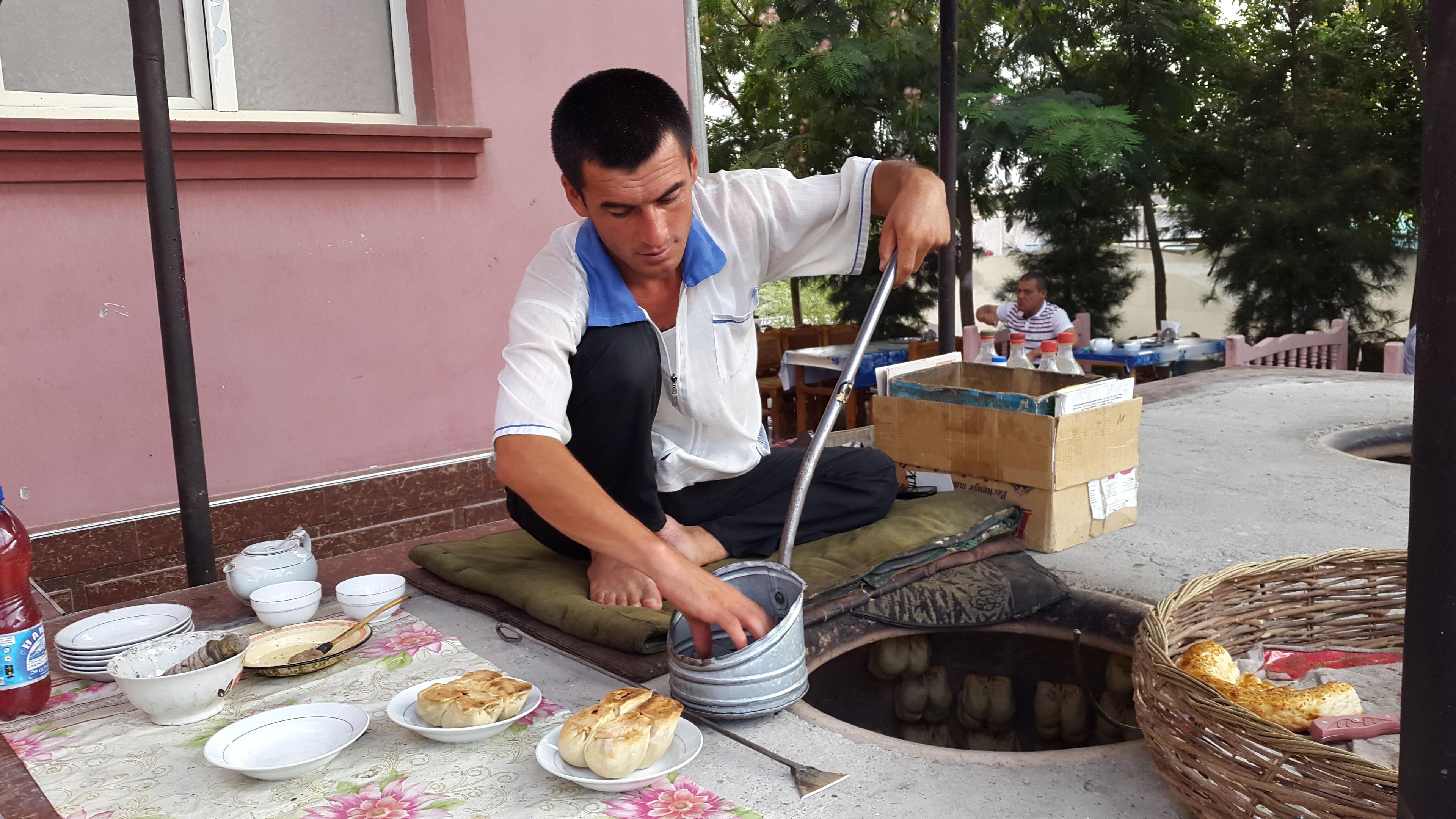
Bread, called non, is sacred in Uzbekistan. Round, flat loaves are baked against the walls of a clay tandir oven, their centres stamped with patterns using a tool called a chekich. Each city has its own style, and Samarkand non, dense, glossy and heavy enough to keep for days, is famous across Central Asia. People carry it home as a gift from Samarkand.
A few bread customs to respect:
- Never put a loaf upside down or on the floor
- Break bread by hand rather than cutting it; the host usually tears the first loaf and shares it out
- Never throw bread away; leftovers are fed to animals or left somewhere clean
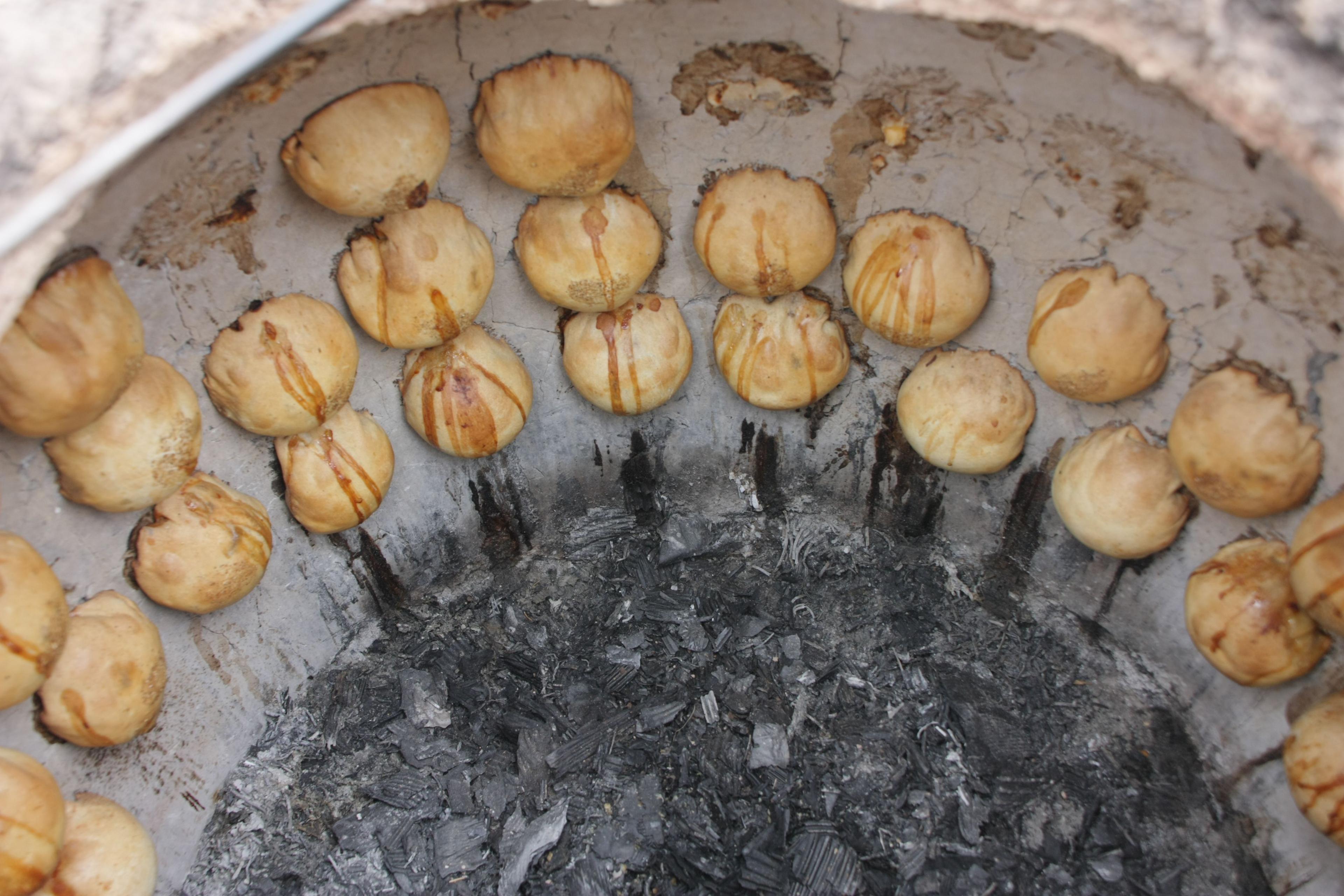
The same tandir ovens produce samsa, pastries filled with lamb or beef, onion and fat, baked until crisp. Look out for the flaky, layered versions in Samarkand and Bukhara, and for seasonal fillings such as pumpkin in autumn and green herbs in spring. Samsa is best eaten hot from the oven, at bazaars like Chorsu in Tashkent and Siab in Samarkand, or from roadside tandoors on the way between cities.
Beyond plov: lagman, manti, shashlik and more
Uzbek menus are long, but these are the dishes you will meet again and again:
- Lagman: thick, hand-pulled noodles with stir-fried meat, peppers, tomatoes and garlic, served as a soup or dry (qovurma lagman); a dish of Uyghur origin and a favourite lunch
- Shurpa: a clear, slow-simmered soup with large pieces of lamb, potato, carrot and chickpeas
- Mastava: a hearty rice soup with meat and vegetables, finished with qatiq (yogurt)
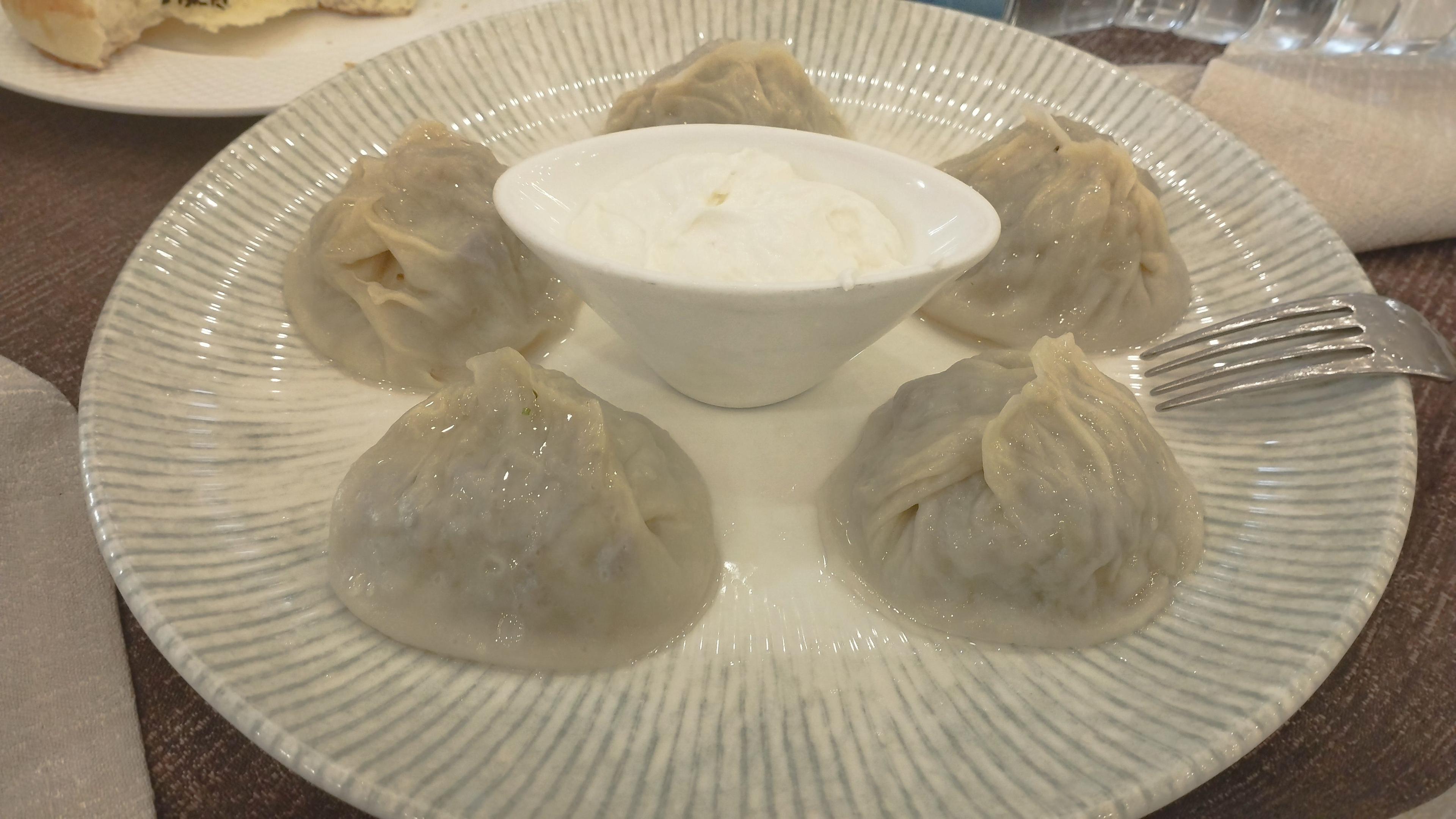
- Manti: large steamed dumplings filled with chopped lamb and onion, or with pumpkin in autumn and winter, served with sour cream or yogurt
- Chuchvara: small dumplings, often served in broth
- Dimlama: meat and vegetables braised slowly in their own juices, popular in autumn
- Norin: cold, finely cut noodles with boiled horse meat, a Tashkent speciality
- Shivit oshi: green noodles flavoured with dill, served with a meat and vegetable stew, the signature dish of Khiva and Khorezm
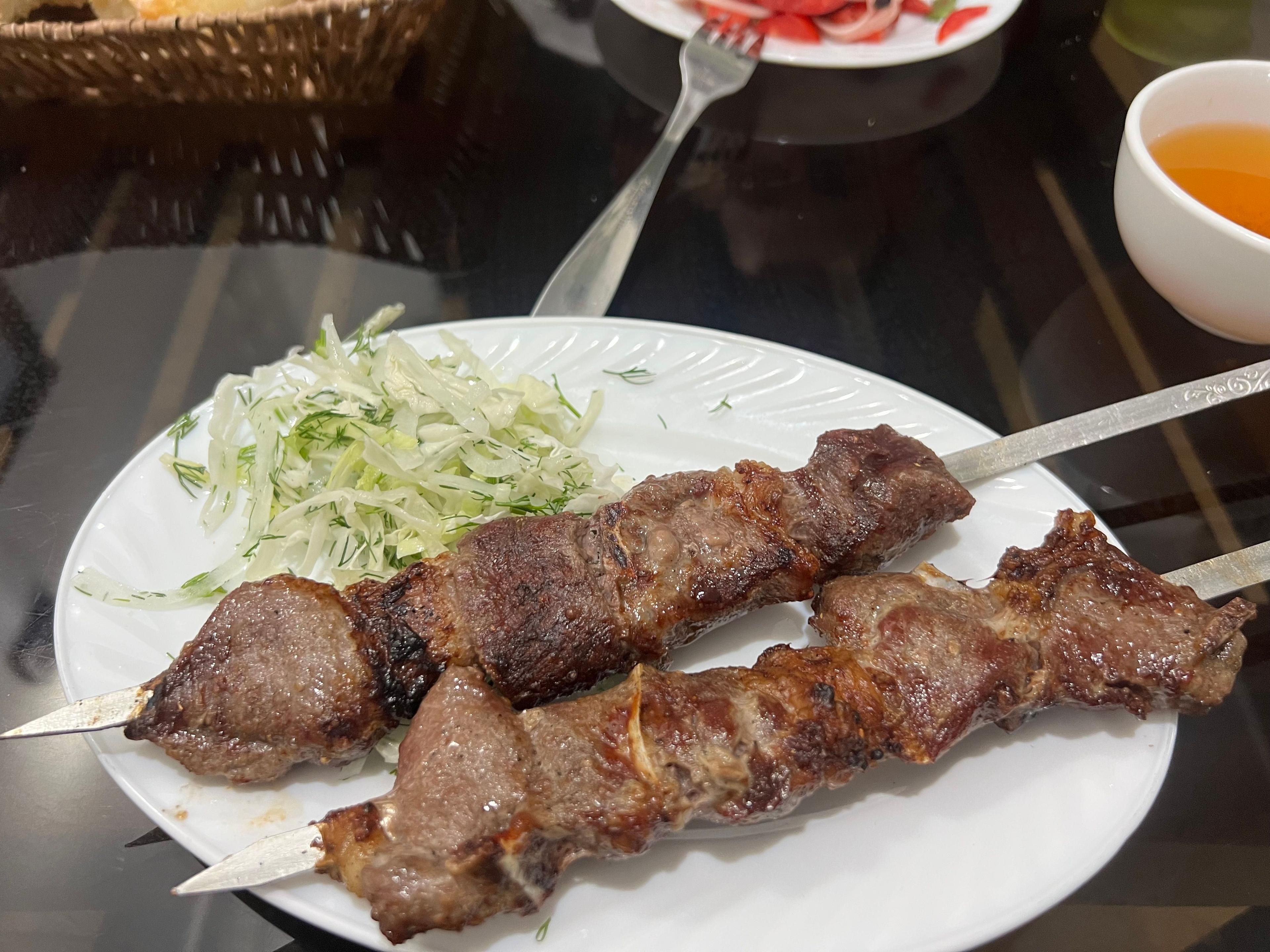
Shashlik deserves its own mention. Skewers of lamb, beef, liver, chicken or minced lyulya kebab are grilled over charcoal and ordered by the skewer, usually with raw onion, vinegar and fresh non. In Bukhara and the Jizzakh region, look for tandir go'sht: lamb slow-cooked for hours in a sealed tandoor until it falls apart.
Dairy, salads and vegetarian options
Dairy is everywhere in Uzbek cooking. Qatiq is a thin, tangy yogurt drunk on its own or spooned over soups; suzma is thick strained yogurt; and qaymoq, a rich clotted cream, is spread on warm non with honey for a classic breakfast. Kurt, small dried balls of salty yogurt, are sold in every bazaar and are an acquired taste.
Every meal comes with salads: achichuk with tomato and onion, radish salads, fresh herbs, and in summer piles of cucumbers and tomatoes that taste the way they used to.
Vegetarians will eat well but should plan a little. Many soups and stews are made with meat broth, and plov is cooked with meat fat even when the meat is left out. Useful options include salads, pumpkin manti and samsa, vegetable dimlama, eggs, dairy, bread and the superb fruit. The Uzbek word go'shtsiz means without meat. Vegan travel is harder outside Tashkent, where modern cafés are increasingly vegan-friendly. On our tours we arrange vegetarian and vegan meals in advance with restaurants and host families, which makes a real difference.
Sweets, fruit and nuts
Uzbek desserts are mostly simple and served with tea:
- Halva in many forms, with Kokand halva the best known
- Navat, large crystals of sugar, sometimes flavoured with saffron, dissolved in tea or eaten as a sweet
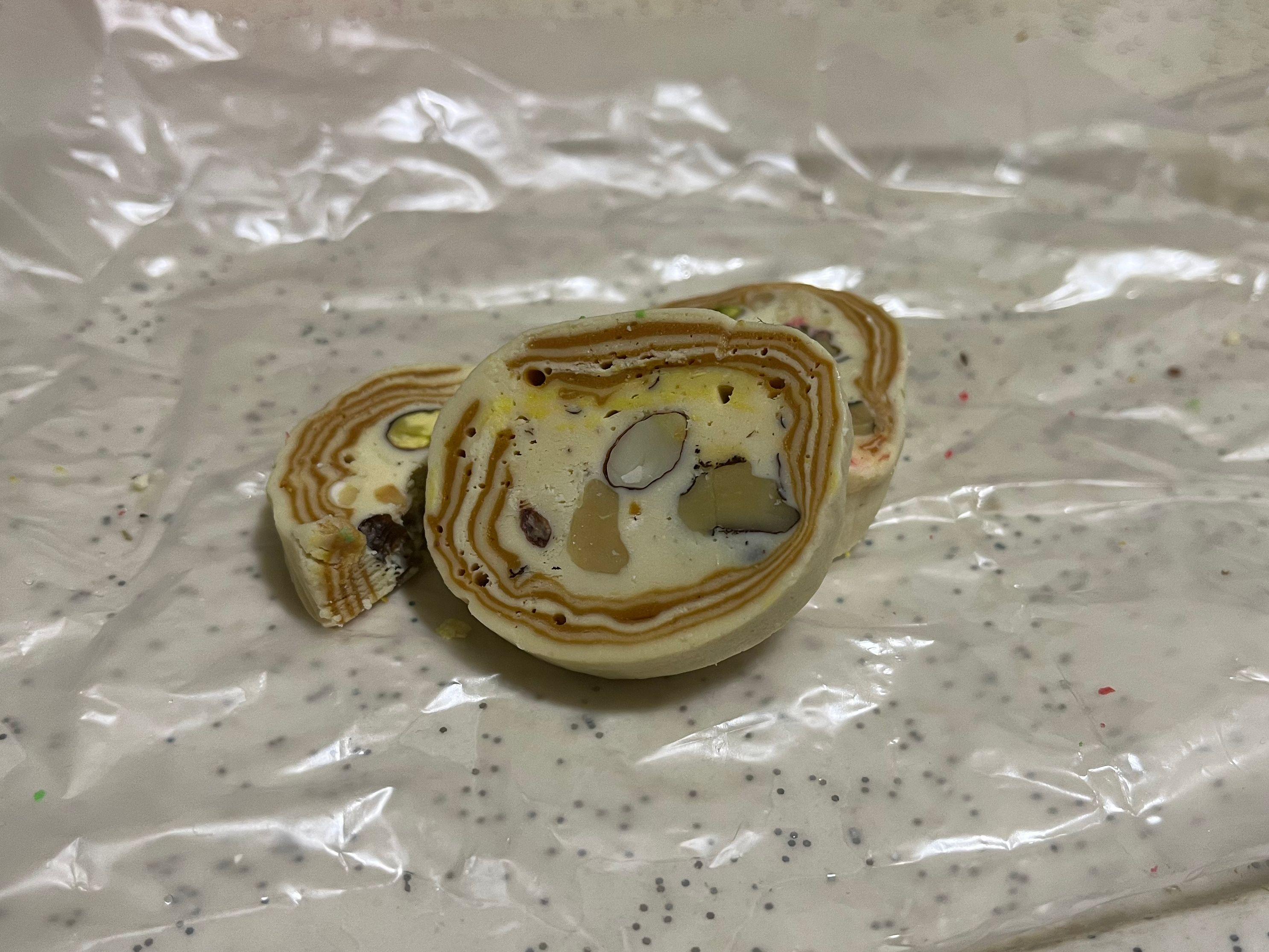
- Parvarda, small pillow-shaped boiled sugar sweets
- Nisholda, a white, airy whipped sweet made with egg whites and sugar, especially popular during Ramadan
- Sumalak, a sweet, dark paste of sprouted wheat cooked overnight for Navruz in March
Fruit is the real dessert. Apricots and cherries arrive in June, followed by peaches, figs, grapes, and from late summer the famous melons, which many visitors say are the sweetest they have ever eaten. Dried apricots, raisins, almonds, pistachios and walnuts make excellent gifts, and the dried fruit rows of Siab and Chorsu bazaars are worth a visit even if you buy nothing.
Tea culture and table etiquette
Tea is drunk all day, every day. Green tea (ko'k choy) dominates in most of the country, and black tea (qora choy) is also popular, especially in Tashkent. It is served in small bowls called piala, never in mugs, in chaikhanas (tea houses) where men gather on raised wooden platforms called tapchans.
Watch the host pour: tea is poured into a piala and back into the pot two or three times, a ritual called qaytarish that helps the tea brew evenly. A host fills your piala only partly, which is a sign of respect, as it means they will keep topping you up and want you to stay. Hold the bowl with your right hand, sometimes with the left on your heart when receiving it from an elder.
If you are invited into an Uzbek home, a few customs help:
- Remove your shoes at the door
- Wait to be shown where to sit; the place furthest from the door is for the most honoured guest
- Wash your hands before eating; a jug and basin are often brought to the table
- Let the eldest person start, and break bread before the meal begins
- Try a little of everything; the dastarkhan (the spread on the table) will be refilled constantly, and leaving some food on your plate signals you are full
- At the end of the meal, the family may hold their palms up for a short blessing, the fotiha; simply wait quietly with them
Alcohol is available in most restaurants in the cities, and wine is produced in Samarkand and elsewhere, but many families do not drink. Follow your host's lead.
Eating out: practical tips
Restaurants and cafés open long hours, but chaikhanas and plov centres are lunchtime places. Bills in many restaurants include a service charge of 10 to 15 percent, so check before tipping. Prices are reasonable: a portion of plov at a plov centre costs roughly 35,000 to 60,000 som, and a simple café meal around 70,000 som, as of November 2026.
Stomach upsets are the most common travel complaint, usually from a sudden change in diet rather than poor hygiene. Drink bottled or filtered water, go easy on the cottonseed-oil-rich plov for the first couple of days, and wash fruit from the bazaar before eating it.
Taste Uzbekistan with us
Our Flavours of Uzbekistan tour is built around food: plov masterclasses with local families, bazaar walks with our guides, bread bakers in Samarkand and dinners in historic Bukhara homes. On any private itinerary we can add a cooking class or a market morning wherever you travel.

Frequently asked questions
Watch
Photo gallery