Greetings, tea and bread, visiting a home, mosques, photography, tipping, alcohol, Ramadan and the law on same-sex relations. Our practical guide to Uzbek customs and etiquette, with the phrases that open doors.
Facts, prices and schedules checked on November 4, 2026
Understanding Uzbekistan culture and etiquette makes a trip richer, not more complicated. Uzbeks are famously hospitable, patient with foreigners and quick to forgive a mistake made in good faith. You will not offend anyone by using the wrong hand once. But a few customs, around greetings, tea, bread and family life, carry real weight, and knowing them turns polite encounters into warm ones.
Uzbekistan is a Muslim-majority country with a secular state, a Soviet past and a fast-modernising present. Tashkent feels cosmopolitan; a village in the Fergana Valley is far more traditional. The guidance below works everywhere: adjust a little up or down depending on where you are.
We cover greetings, hospitality, bread, home visits, mosques, dress, photography, tipping, alcohol, Ramadan and the legal situation for LGBT travellers, and finish with a short list of Uzbek and Russian phrases.
How to greet people in Uzbekistan
The standard greeting is "Assalomu alaykum" (peace be upon you); the reply is "Va alaykum assalom". It works with everyone, of any age, in any situation.
- Men usually shake hands with other men, often with the left hand placed on the heart or the right hand placed on the heart after the handshake. It is a sign of sincerity, and copying it is appreciated.
- With women, wait. Many Uzbek women, especially outside Tashkent, do not shake hands with men they do not know. A man should not offer his hand first; a nod with the hand on the heart is the polite alternative. Women travellers can shake hands with women freely.
- Elders come first. Greet the oldest person in the room first and stand up when an older person enters.
- Friends and relatives often ask a string of questions about health, family and work before getting to the point. Rushing straight to business can seem abrupt.
People address older men as "aka" (elder brother) and older women as "opa" (elder sister), added after the first name: Bobur-aka, Dilnoza-opa. Using it yourself is a small, much-liked gesture.
Time is also relaxed. Family gatherings and weddings rarely start on the dot, and being invited for 7 p.m. may mean dinner at 8. Tour schedules, trains and flights, on the other hand, run on time.
Uzbek hospitality and tea etiquette
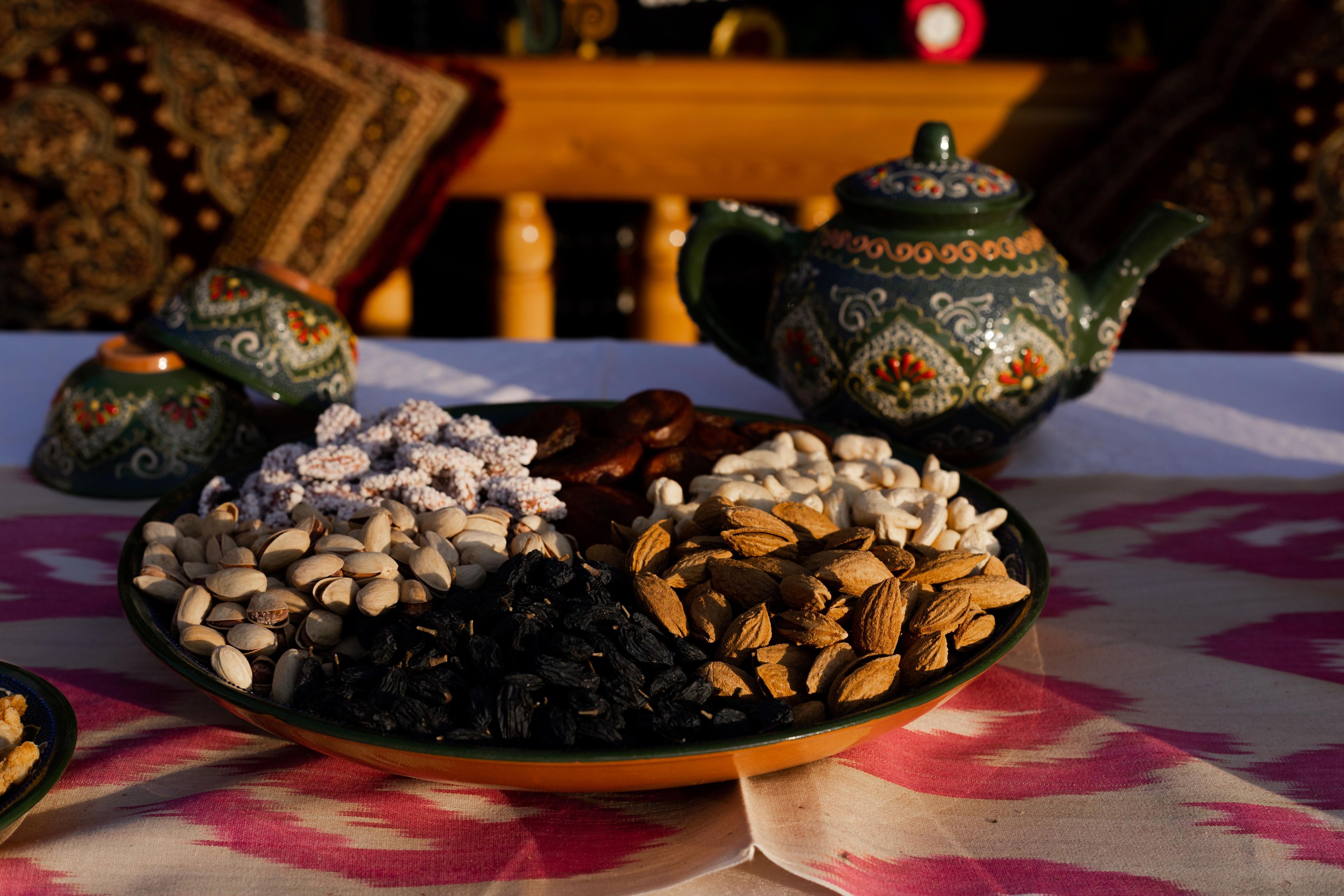
"Mehmon otangdan ulug'", the guest is greater than your father, says an Uzbek proverb, and people mean it. Expect to be offered tea constantly: in homes, shops, offices and even at a carpet stall before any talk of price.
Green tea (ko'k choy) is the default, especially in Tashkent, Samarkand and the Fergana Valley; black tea is more common in Khorezm and among Russian-speaking families. A few customs around it:
- Qaytarish. The host often pours a cup and returns it to the teapot two or three times before serving. It helps the tea brew evenly and is part of the ritual.
- Half-full cups. Your piala (small bowl) will be filled only partly. This is a sign of respect: it means the host wants to keep refilling it for you, and the tea stays hot. A full cup can traditionally hint that it is time to leave.
- Accept with the right hand, or with the right hand while the left touches your chest.
- To decline more, leave a little tea in the cup or cover it lightly with your hand.
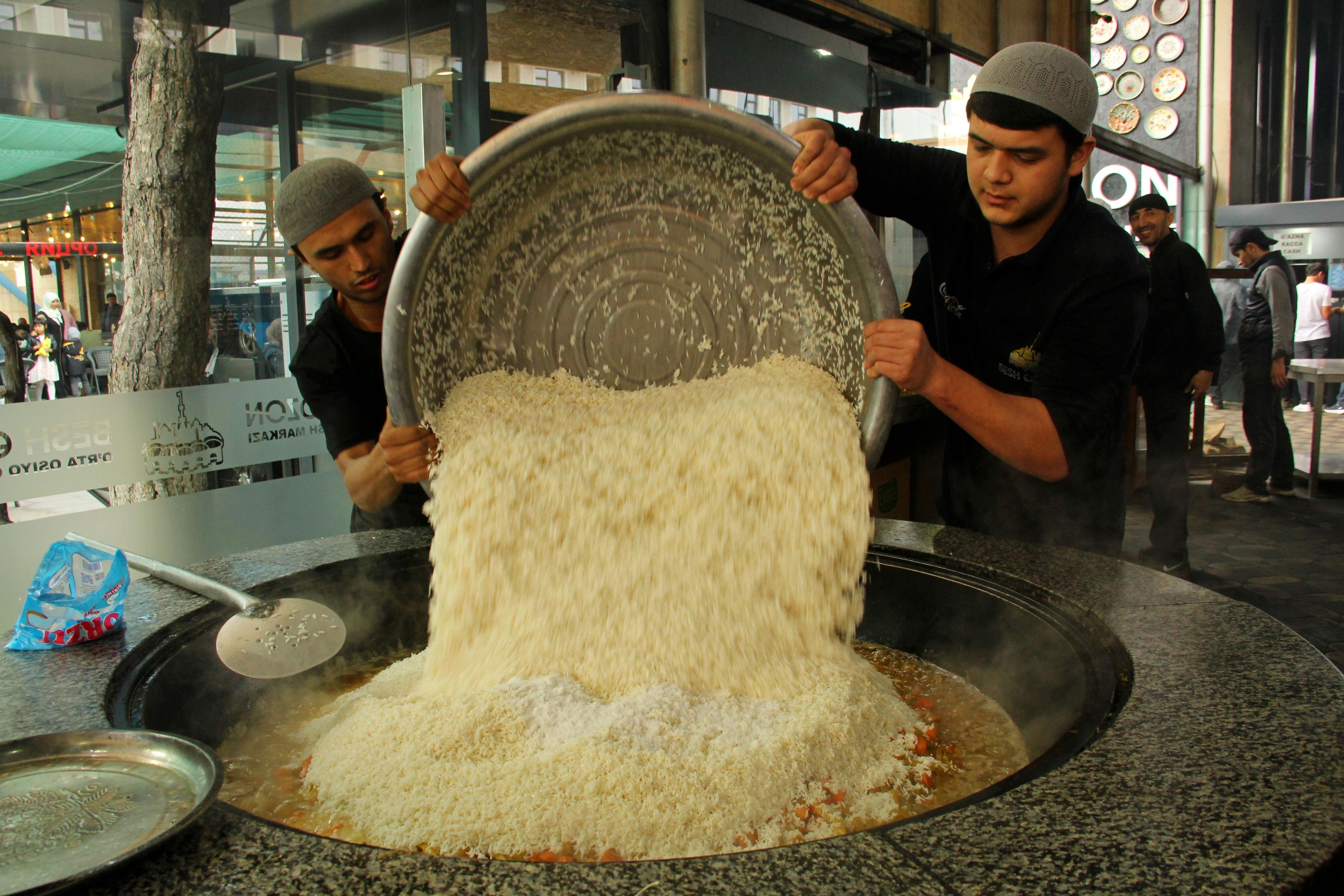
The table, called the dastarkhan, will already be laid with bread, sweets, nuts, dried fruit and fruit before the main dishes arrive. Pace yourself: plov usually comes last.
Bread (non) etiquette: the rules Uzbeks care about
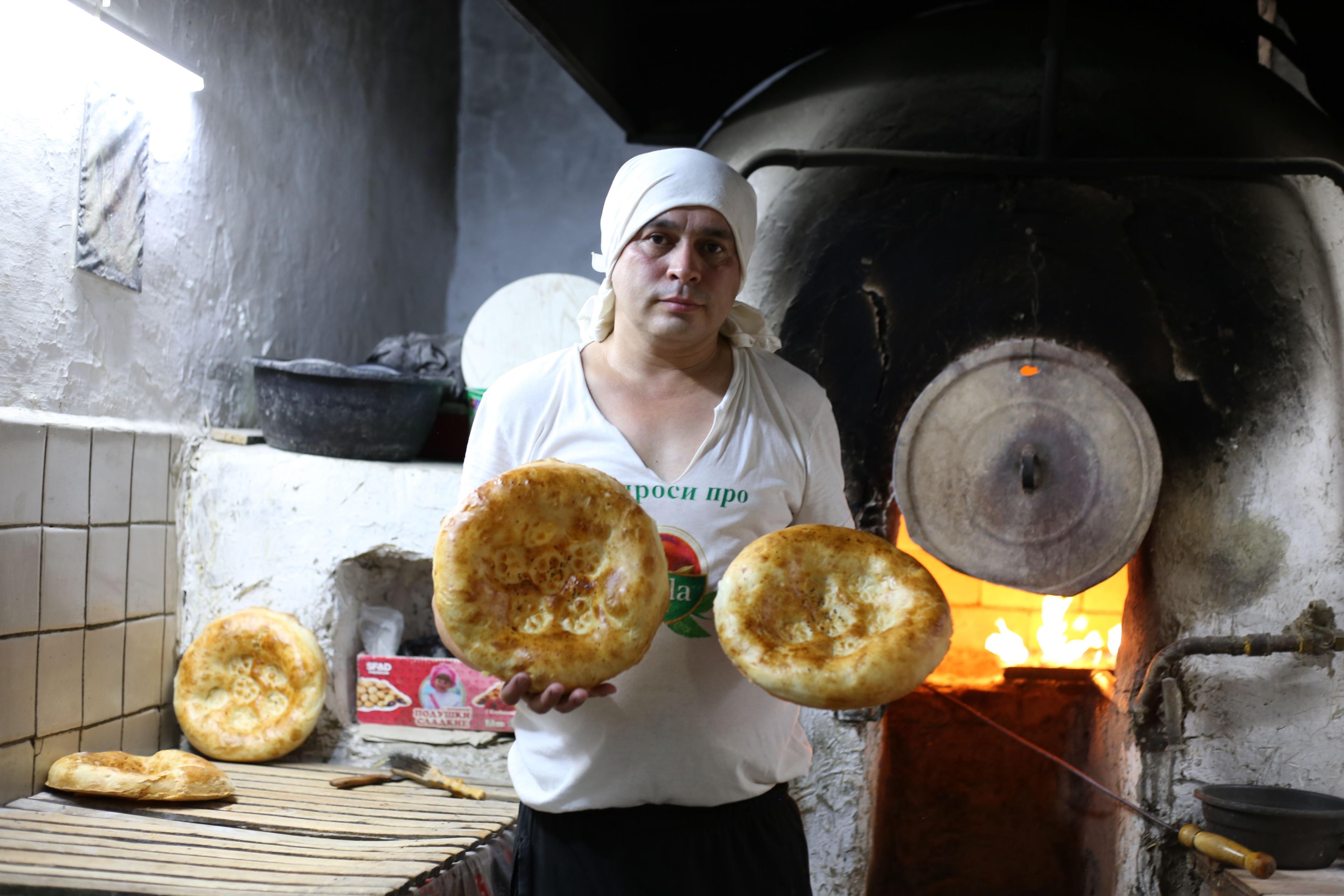
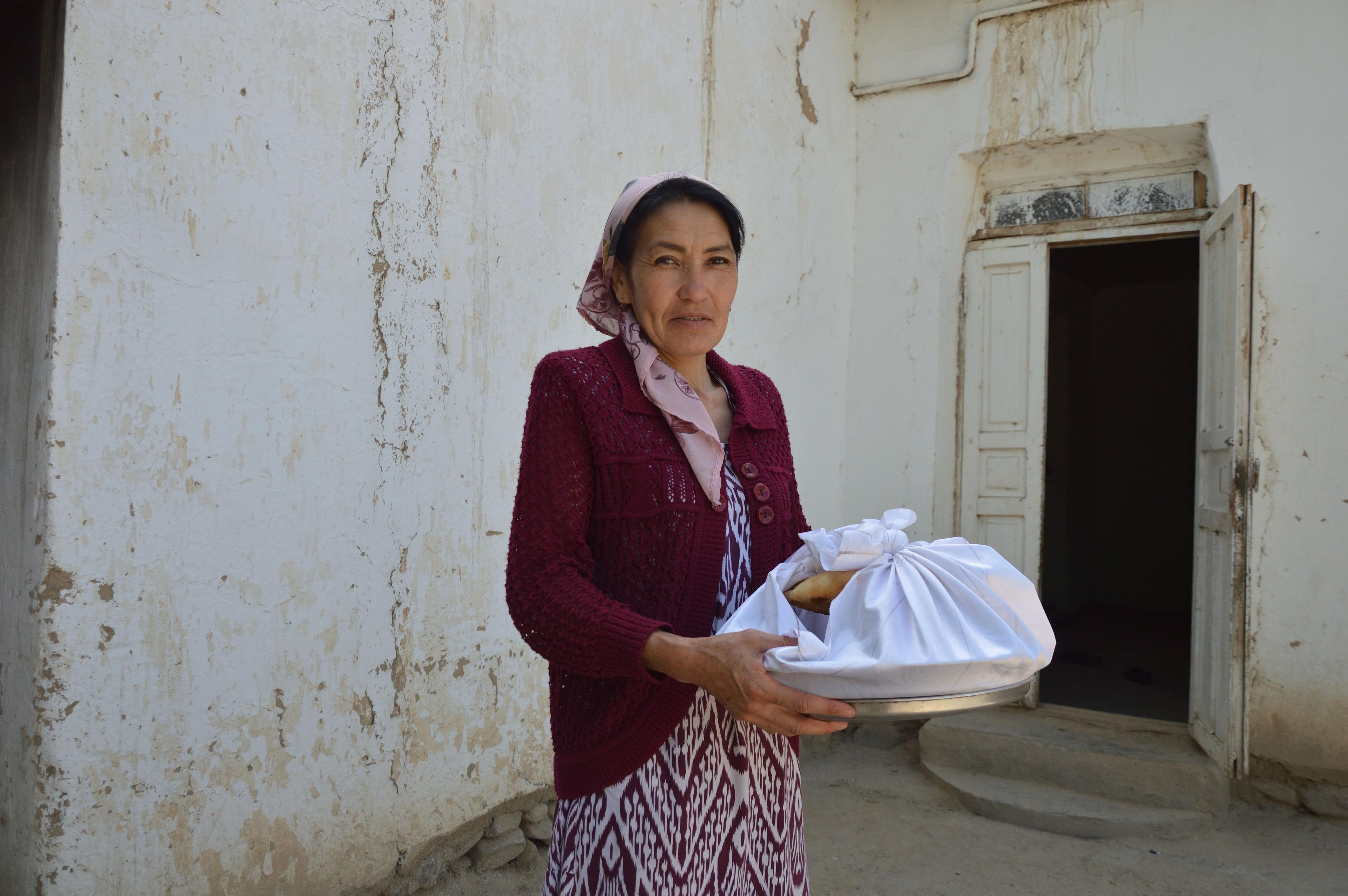
Bread, non, is close to sacred in Uzbekistan, and this is where visitors most often make unintended mistakes. The rules are easy:
- Never put bread upside down. The decorated side faces up.
- Never put bread on the floor or on the ground, and never step over it.
- Do not throw bread away. Leftovers are given to animals or left on a high place for birds.
- Break bread by hand, do not cut it with a knife. Usually the host or the eldest at the table breaks the round loaf and places the pieces around the table.
- If you see someone pick up a piece of bread from the ground and touch it to their forehead or lips, it is a gesture of respect, not superstition for show.
A lovely tradition: before a long journey, a family member may bite a piece of non and keep the rest at home until the traveller returns safely. You may see Uzbek friends do this before a trip.
Visiting an Uzbek home: what to do
If you are invited to a home, and on a longer trip you probably will be, say yes. A few pointers:
- Bring a small gift: sweets, a cake, fruit or something from your own country. Do not bring alcohol unless you know the family drinks.
- Take off your shoes at the door. Slippers are often provided.
- Wait to be seated. The place of honour is furthest from the door; the host may insist you take it.
- Sit carefully if you are on floor cushions (ko'rpacha). Do not stretch your legs towards other people or towards the dastarkhan, and do not step over the tablecloth.
- Eat and drink at least a little of everything offered. The host will keep encouraging you to eat; "Rahmat, to'ydim" (thank you, I'm full) is the polite way to stop.
- The meal often ends with a short prayer, the fotiha. Everyone holds their hands with palms upward, then passes them down over the face while saying "Omin". Joining in quietly, or simply sitting still, is perfectly fine.
Compliment the food, ask about the children and grandchildren, and do not be surprised if you leave with a bag of bread and fruit.
What to wear in Uzbekistan, and how to visit mosques
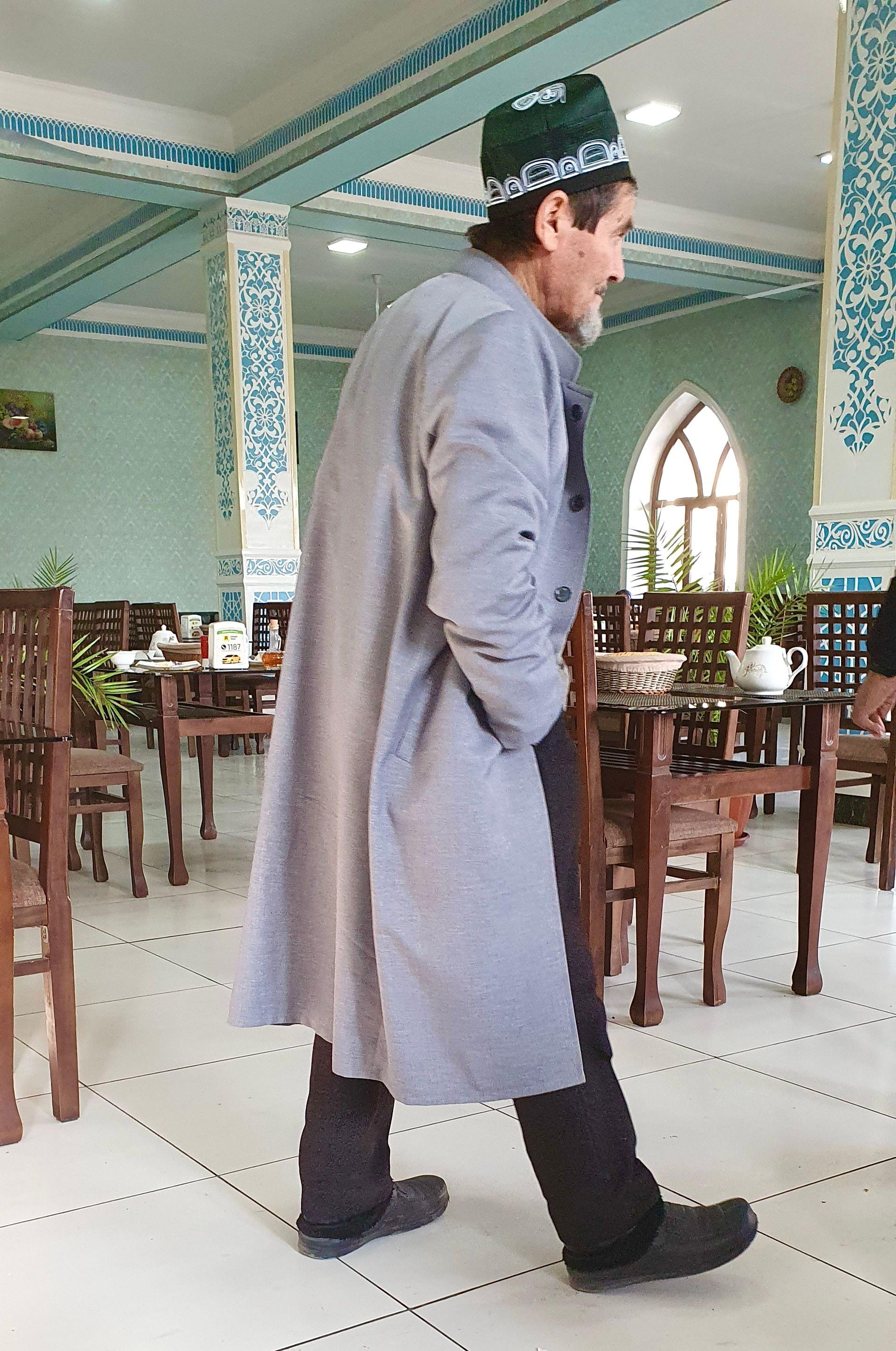
There is no legal dress code for visitors in Uzbekistan. In Tashkent you will see everything from mini-skirts to headscarves. Outside the capital, people dress more conservatively, and modest clothing helps you blend in and avoid stares.
A practical rule of thumb:
- Cities: long shorts and T-shirts are acceptable, but trousers or skirts below the knee and covered shoulders are more comfortable socially.
- Villages and the Fergana Valley: dress more modestly.
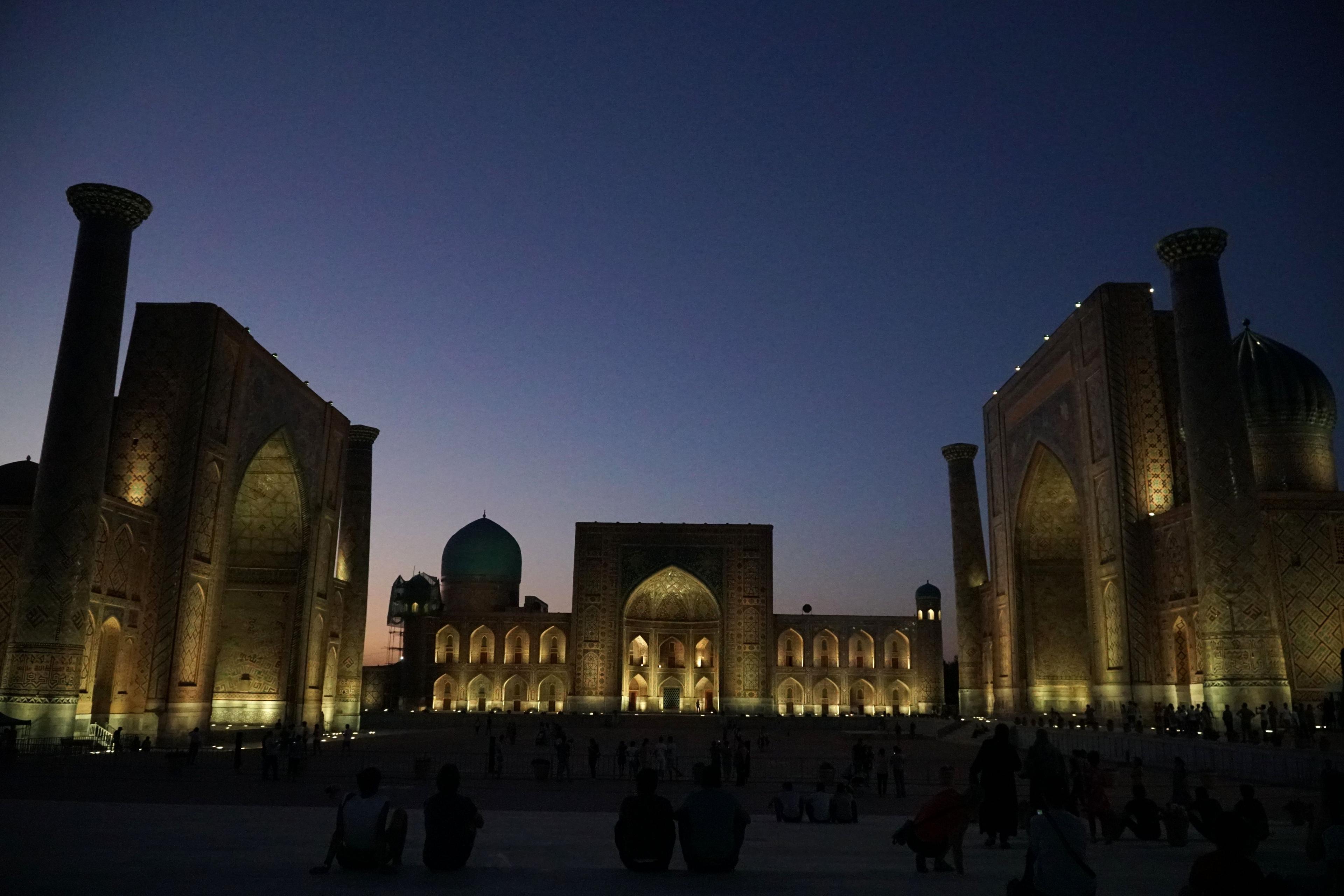
- Historic monuments that are museums, like the Registan or Ichan-Kala, have no formal dress code, but many visitors continue to working shrines the same day.
At working mosques and shrines:
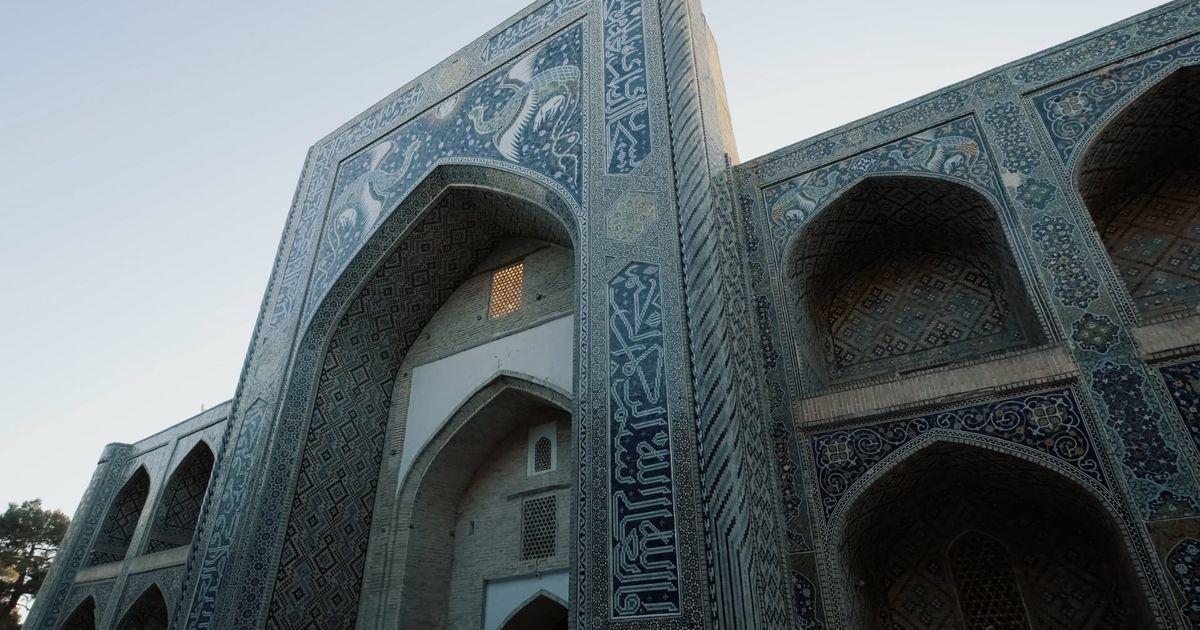
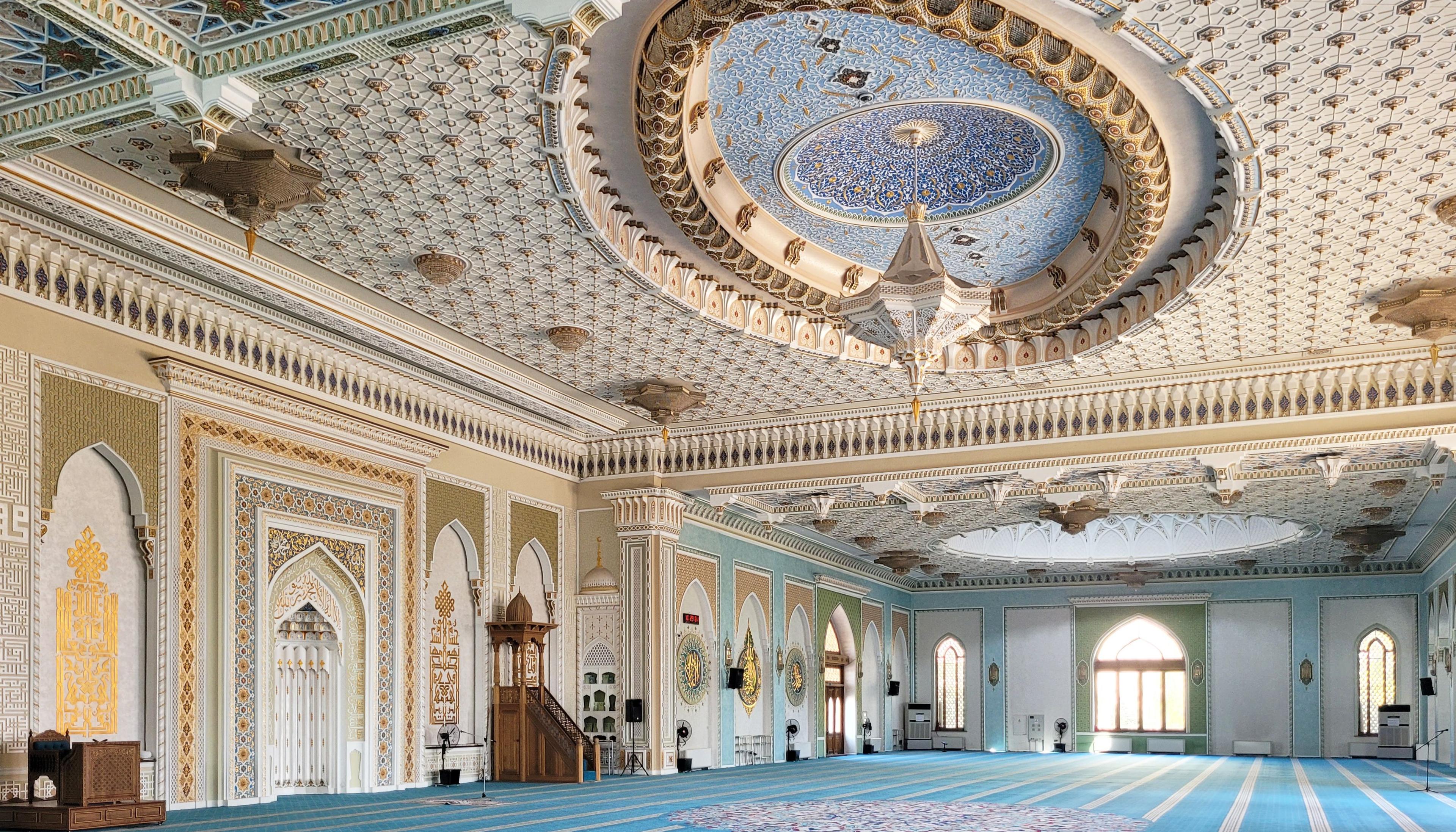
- Cover shoulders and knees; women should cover their hair with a scarf, especially at sites such as Hazrati Imam in Tashkent or the shrine of Imam al-Bukhari near Samarkand.
- Remove shoes before entering carpeted prayer areas.
- Non-Muslims are welcome at most mosques outside prayer times. Avoid Friday midday prayers, when mosques are crowded.
- Do not walk in front of someone who is praying, and keep your voice low.
Women travelling alone or together generally find Uzbekistan easy and safe. Unwanted attention is usually limited to curious questions about marriage and children. A scarf in your bag solves most dress questions in a moment.
Photography of people and places
Uzbeks are generally happy to be photographed, and children may ask you to take their picture. Still, always ask first, especially with women and older people. A gesture towards your camera and a smile is enough.
- Do not photograph people praying inside mosques.
- Wedding parties often pose at monuments; couples usually welcome a congratulation and a photo request.
- Avoid photographing police, military sites, border posts, government buildings, airports and bridges. These rules are enforced and can lead to questions or deletion of photos.
- Photography in the Tashkent Metro has been allowed since 2018, but use common sense around security staff.
- Drones need official permission in Uzbekistan. Do not bring one without arranging it in advance.
The UK Foreign Office advises that photography of government buildings in particular can upset the authorities, so when in doubt, put the camera down.
Tipping in Uzbekistan
Tipping is appreciated but not deeply ingrained. Some rules of thumb, as of November 2026:
- Restaurants: many restaurants add a service charge to the bill, often 10 to 15 percent. If it is there, you do not need to add more. Uzbekistan's Competition Committee has challenged high mandatory service fees since late 2025, so check the bill and the menu. Where no service charge is added, leaving about 5 to 10 percent or rounding up is generous.
- Guides and drivers: tips are customary for good service on tours. Many travellers give a guide around 10 to 20 USD per day and a driver around 5 to 10 USD per day, adjusted for group size.
- Hotel staff and porters: small tips of 10,000 to 20,000 som are welcome but not expected.
- Taxis booked through apps: round up if you like.
Cash in som is the most useful form of tip. Our guide to money in Uzbekistan explains cards, ATMs and exchange.
Alcohol, Ramadan and religious life
Alcohol is legal in Uzbekistan and widely available in restaurants, hotels and licensed shops. The country produces its own wine, vodka and beer, and many families drink at celebrations. The legal minimum age to buy alcohol and tobacco is 21, and licensing rules for sellers were tightened from January 2026, so fewer small shops sell it. Public drunkenness is frowned upon, and some restaurants, especially in the Fergana Valley and around religious sites, serve no alcohol.
Ramadan (Ramazon) is observed by many Uzbeks, though attitudes range from strict to relaxed. In 2027 it is expected from about 8 February to 9 March, depending on the moon.
- Restaurants stay open in cities, and you can eat normally.
- In rural areas and conservative neighbourhoods, avoid eating, drinking or smoking conspicuously in the street during daylight hours.
- Iftar, the evening meal that breaks the fast, is a social event; restaurants are busy at sunset.
- If you are invited to an iftar, accept: it is a genuine honour.
LGBT travellers in Uzbekistan: the legal situation
This is an important safety point. Under Article 120 of the Criminal Code of Uzbekistan, consensual sexual relations between men are a criminal offence, punishable by up to three years' imprisonment. The law does not explicitly cover women. Same-sex relationships have no legal recognition, and social attitudes are conservative.
Human rights organisations report that prosecutions under Article 120 have risen sharply in recent years. Prosecutions of foreign tourists are rare, but the law applies to everyone in the country.
Practical advice, in line with UK, Irish and other government travel advisories:
- Avoid public displays of affection. This is good advice for all couples in Uzbekistan, where public kissing is uncommon.
- Be discreet on dating apps and with people you have just met; there have been reports of entrapment.
- Carry your passport at all times, as the law requires for every foreigner; police checks are routine.
- Save your embassy's emergency number before you travel.
Many LGBT travellers visit Uzbekistan without problems. Understanding the law simply lets you make informed choices.

Useful Uzbek and Russian phrases
Uzbek is the state language; Russian is widely understood in cities, especially among older people and in Tashkent. Both will get smiles.
Uzbek:
- Assalomu alaykum: hello
- Rahmat / Katta rahmat: thank you / thank you very much
- Iltimos: please
- Ha / Yo'q: yes / no
- Qancha turadi?: how much does it cost?
- Mazali: delicious
- Osh bo'lsin: enjoy your meal
- Uzr: sorry, excuse me
- Xayr: goodbye
Russian:
- Zdravstvuyte: hello
- Spasibo: thank you
- Pozhaluysta: please / you're welcome
- Skolko stoit?: how much is it?
- Izvinite: excuse me
- Ochen vkusno: very tasty
- Do svidaniya: goodbye
Travelling with TourEast
Our guides are Uzbeks who are happy to explain the customs behind what you see, from the tea ritual to the way bread is broken. On a private or small-group tour we can also arrange a home-hosted dinner or a plov masterclass, which is the best etiquette lesson there is.