Uzbek traditions explained by locals: the mahalla neighbourhood, family life and hospitality, the stages of an Uzbek wedding, the beshik cradle ceremony, and how travellers can respectfully share them, from a home-hosted dinner to a mahalla walk.
Facts, prices and schedules checked on November 4, 2026
Uzbek traditions are not something you watch from a stage. They happen in the street outside your hotel, where a wedding car decorated with ribbons waits by a gate; in the old quarters, where neighbours carry tables to a courtyard for a celebration; and in family homes, where three generations eat from the same dastarkhan.
This guide explains the institutions behind daily life in Uzbekistan, the mahalla neighbourhood community, the family, the wedding (to'y) and the cradle ceremony (beshik to'y), and how a traveller can see them respectfully, for example at a home-hosted dinner. For greetings, dress and table manners, see our separate guide to Uzbek culture and etiquette.
What is a mahalla?
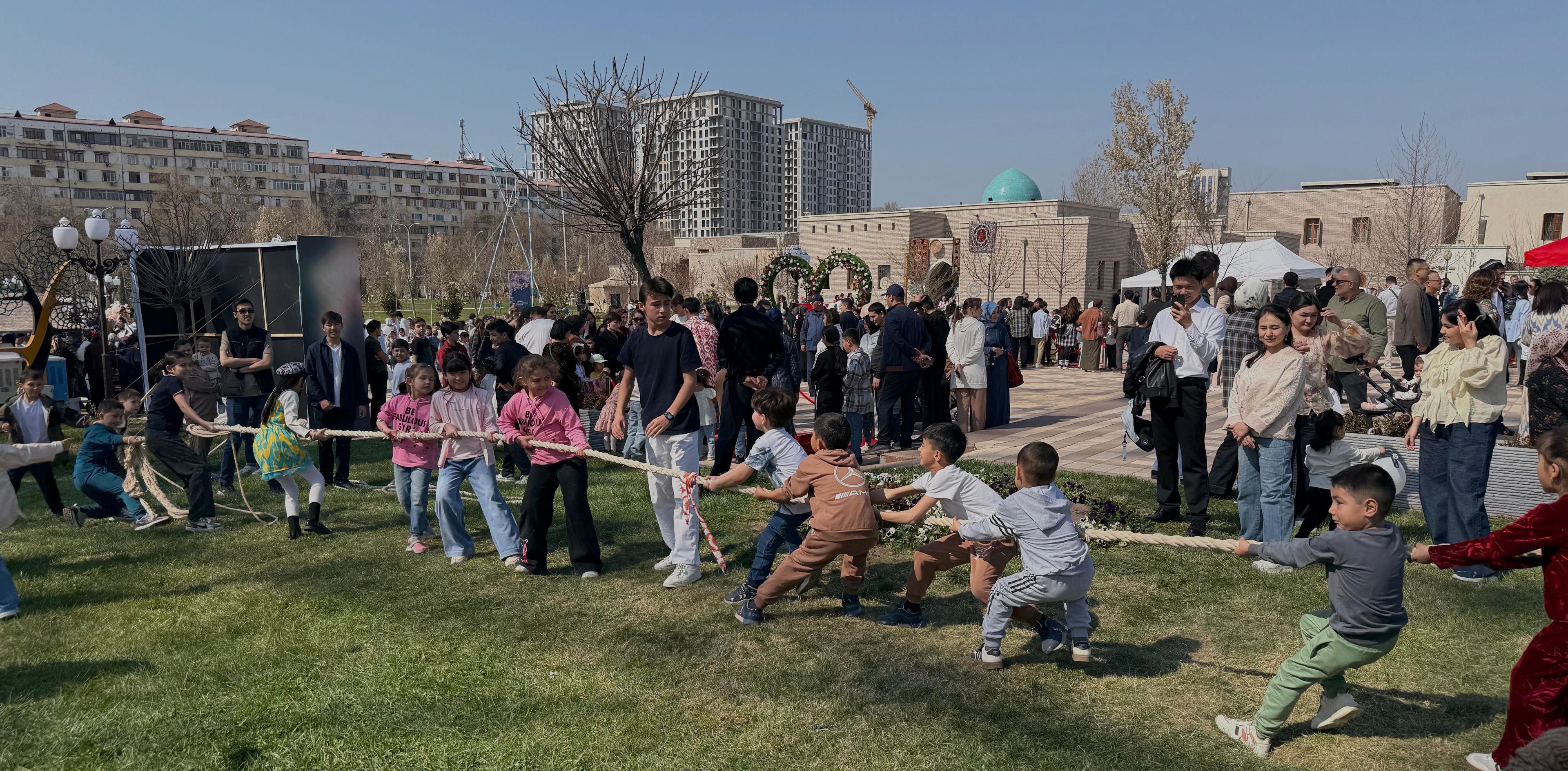
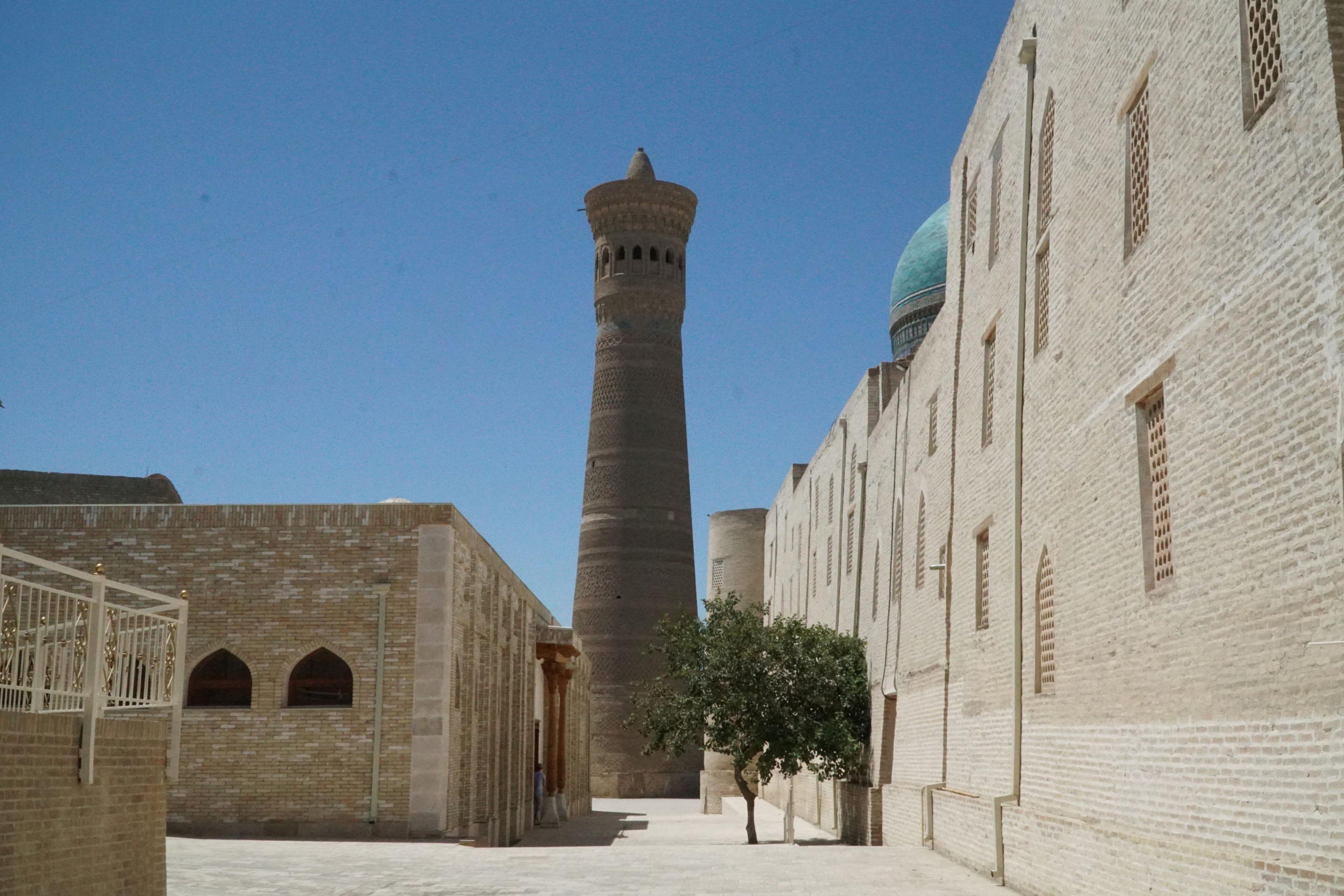
A mahalla is a neighbourhood community, and it is the basic unit of Uzbek social life. In the old cities a mahalla was a cluster of lanes and courtyard houses around a small mosque, a pool, a chaikhana and a bakery; many were named after the crafts of their residents. Walk through the back streets of Bukhara, Samarkand or Khiva and you are walking through mahallas that have existed for centuries.
Today every town and village in Uzbekistan is divided into mahallas, and they have a legal status as citizens' self-government bodies. The general meeting of residents is the highest authority, and each mahalla elects a chairman, often still called the oqsoqol (literally "white beard", an elder), with a small committee and advisers. Over the years the state has given mahallas more official tasks, from social support to local administration.
What matters more to residents is the informal side:
- Neighbours help each other with weddings and funerals: lending tables, cooking, serving and cleaning up.
- Hashar, voluntary community work, is still common: cleaning streets, repairing a canal, helping a family build a house.
- The guzar, the mahalla's central crossroads with its mosque, chaikhana and shops, is where news travels.
- Elders are consulted on family disputes and big decisions.
For a visitor, the mahalla explains a lot: why everyone in a street seems to know you are there, why a wedding feels like the whole neighbourhood's event, and why a guest is everyone's responsibility.
Family life in Uzbekistan
The family is the centre of Uzbek life, and families are often large and close. It is common for several generations to live under one roof or in neighbouring houses. Traditionally the youngest son stays with his parents after marriage and looks after them, eventually inheriting the family home, while older sons build their own homes nearby.
A few patterns you will notice:
- Respect for elders. Older people are greeted first, served first and listened to. Younger people stand when an elder enters a room.
- The kelin. A new daughter-in-law (kelin) usually moves into her husband's family home. In her first months she has a visible role in hosting: greeting guests with a bow, serving tea and preparing the table.
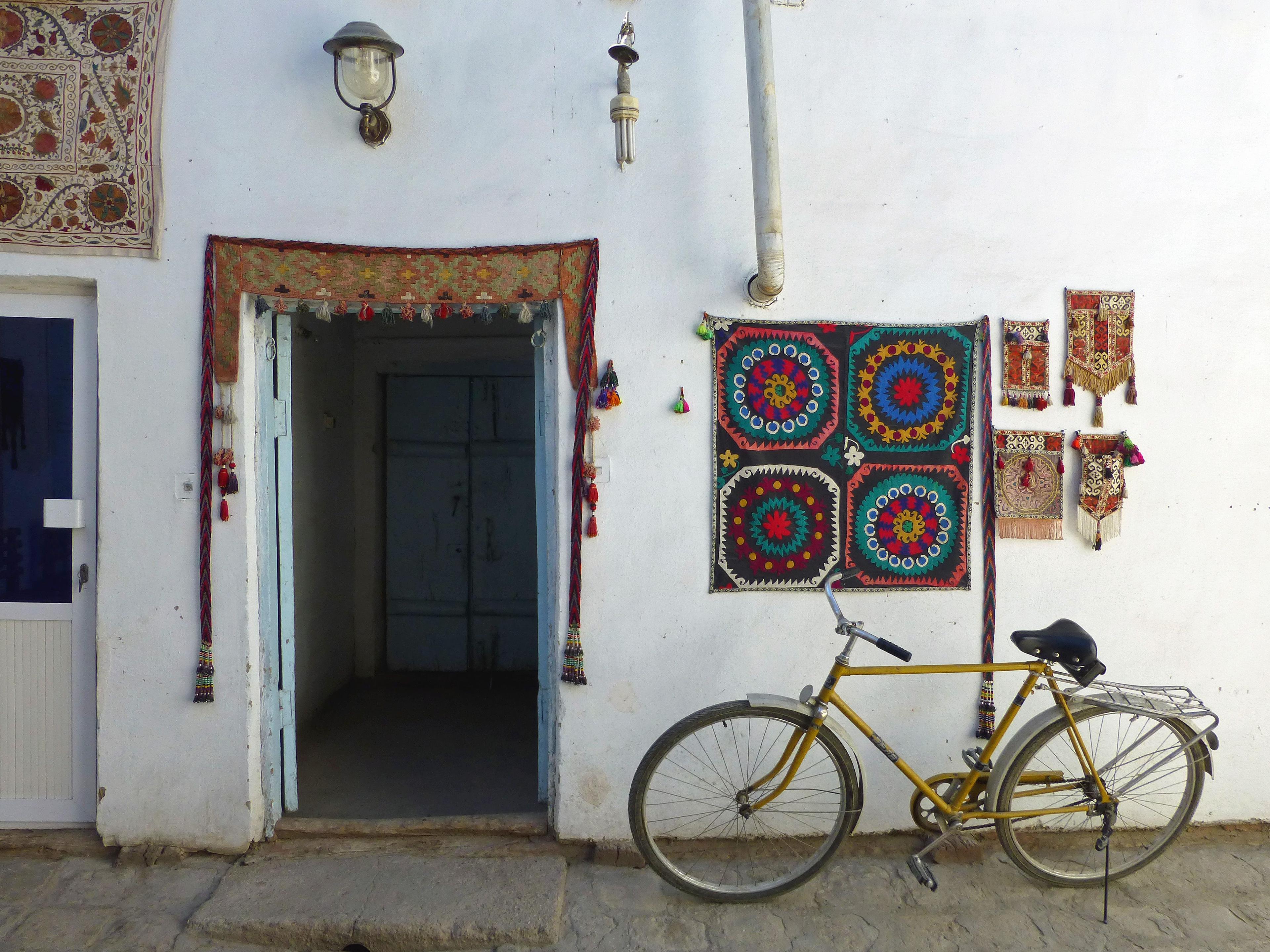
- The courtyard. The traditional house (hovli) faces inward onto a courtyard with fruit trees, a vine trellis and a raised tapchan for meals and sleeping on summer nights. Even in modern apartment blocks, families gather at the parents' hovli at weekends.
- Children are everywhere. Travellers with children are welcomed warmly, and strangers will greet and fuss over them.
Life is changing fast, especially in Tashkent, where young couples increasingly live on their own and both partners work. But the expectation that family comes first is still strong everywhere.
Uzbek hospitality: what it means to be a guest
"Mehmon otangdan ulug'", the guest is greater than your father, says an Uzbek proverb. Hospitality is not a performance for tourists; it is a moral duty, and the reputation of the whole family, sometimes the whole mahalla, rides on how a guest is received.
In practice this means:
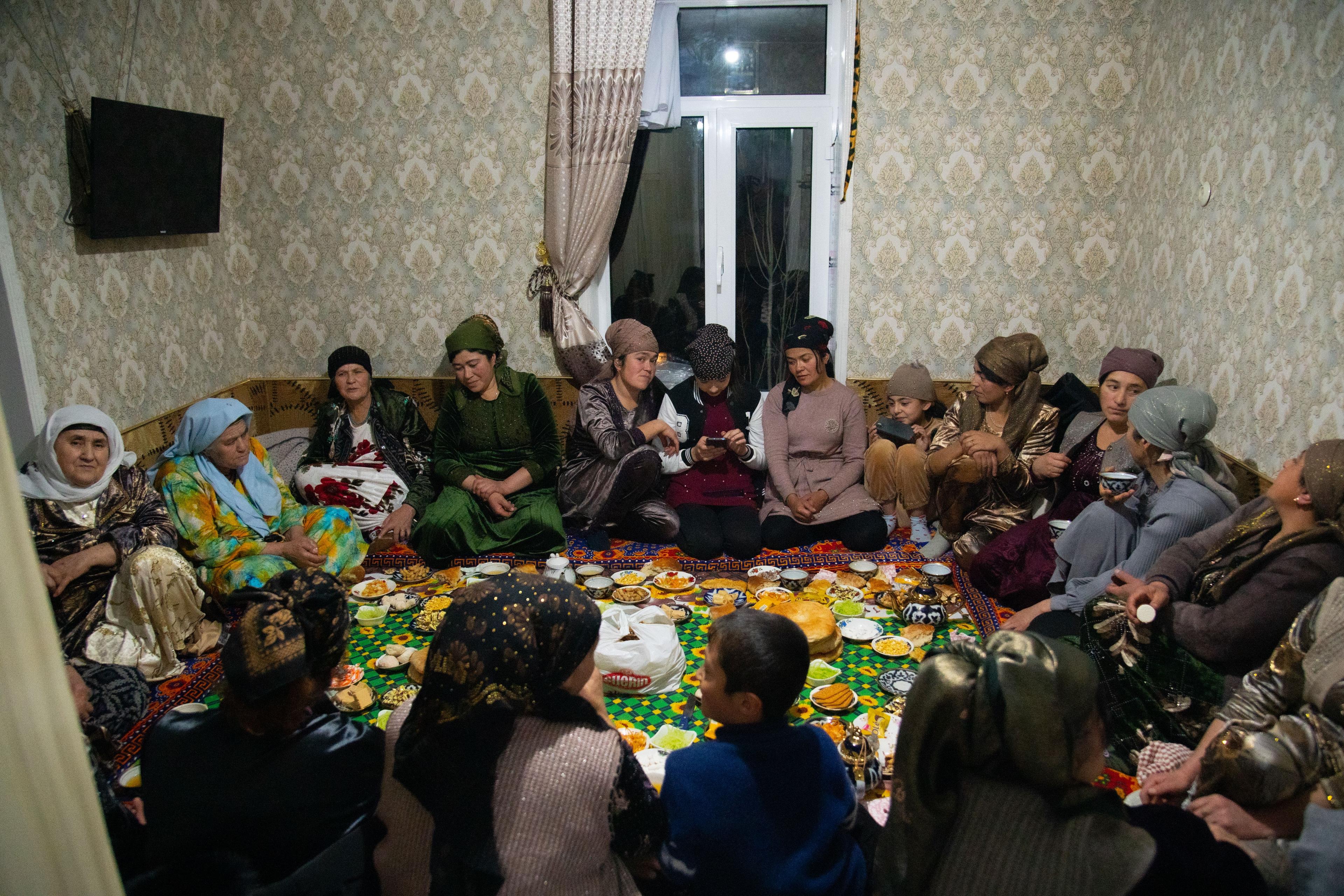
- If you are invited in, the family will lay a full dastarkhan, even on short notice: bread, sweets, fruit, salads, and then a hot dish, often plov.
- You will be seated in the place of honour, furthest from the door, and served first.
- Your tea bowl will be refilled, your plate topped up, and you will be urged to eat more. Saying you are full, politely and more than once, is part of the game.
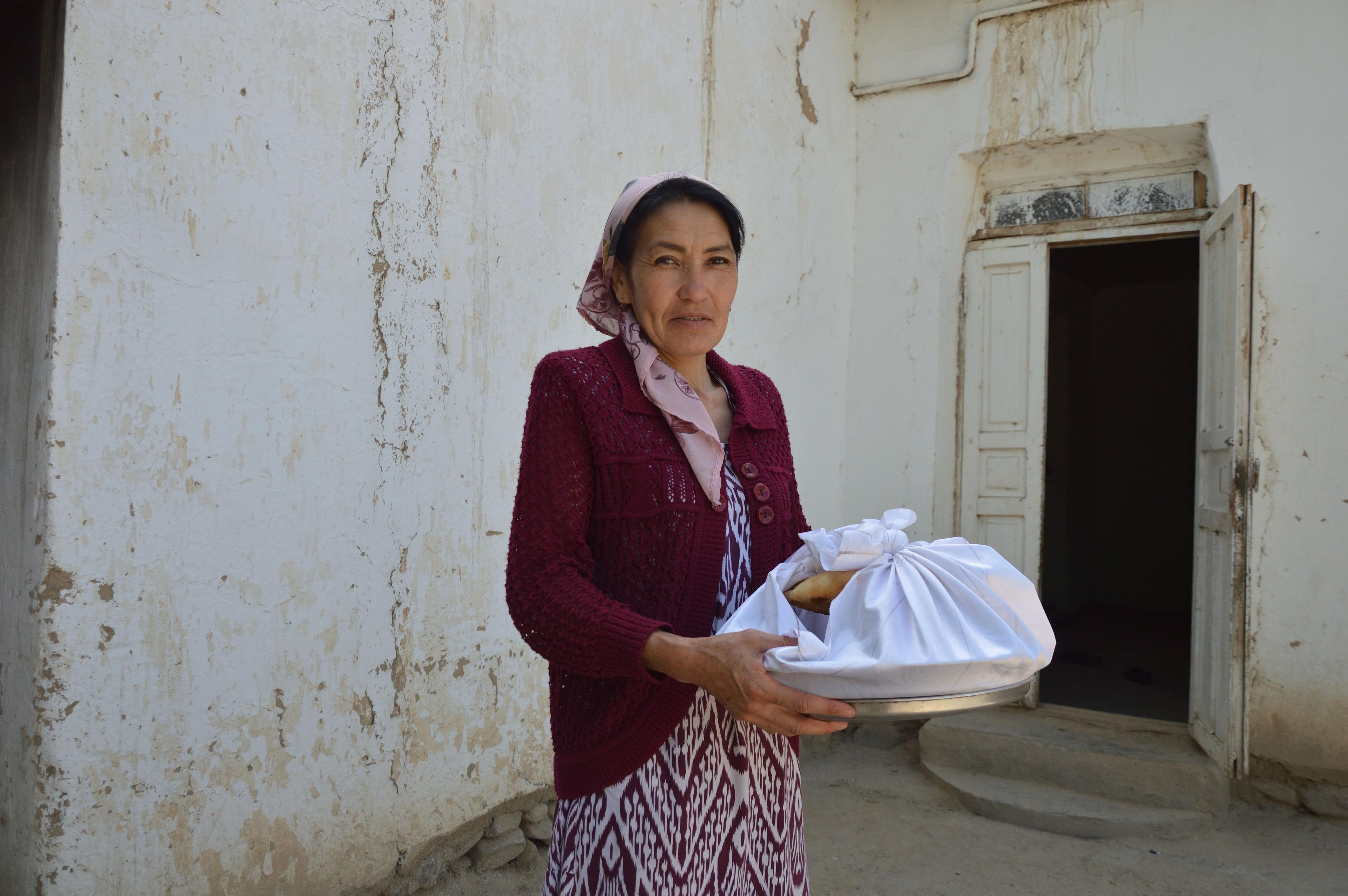
- You may leave with gifts: bread, fruit, a bag of dried apricots.
Accepting an invitation, even for one cup of tea, is the best compliment you can pay. If you really cannot stay, put your hand on your heart, thank the host and explain. Our culture and etiquette guide has the practical do's and don'ts for a home visit.
Uzbek weddings (to'y): the main stages
A to'y is the biggest event in an Uzbek family's life, and the word itself means both "wedding" and "celebration". Customs vary by region and family, but a traditional wedding usually unfolds over several stages:
- Matchmaking and engagement. The families meet, often through matchmakers. In many families the agreement is sealed at a ceremony called fotiha to'y, when bread is broken and gifts and sweets are exchanged.
- Preparations. The bride's family assembles her dowry: textiles, carpets, clothes and today often furniture and appliances. Relatives meet to divide the costs and tasks.
- Farewell to the bride. Friends gather for a girls' evening, and the bride says goodbye to her family with traditional songs called yor-yor.
- The nikoh. The religious marriage ceremony, usually held at home, alongside the civil registration.
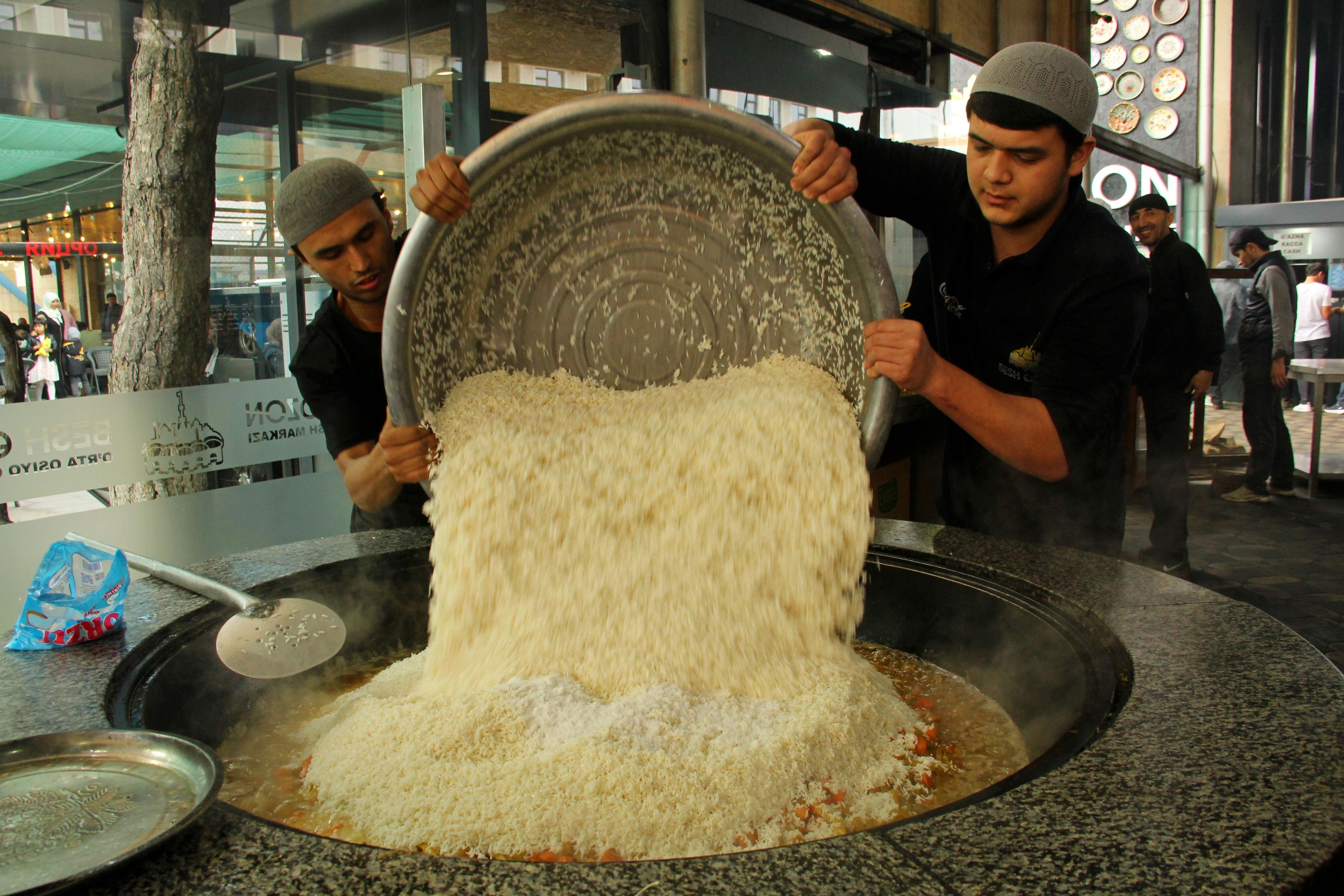
- The morning plov. On the wedding day, or just before, many families host the nahor oshi, a dawn plov for the men of the neighbourhood and guests. Our Uzbek plov guide explains it.
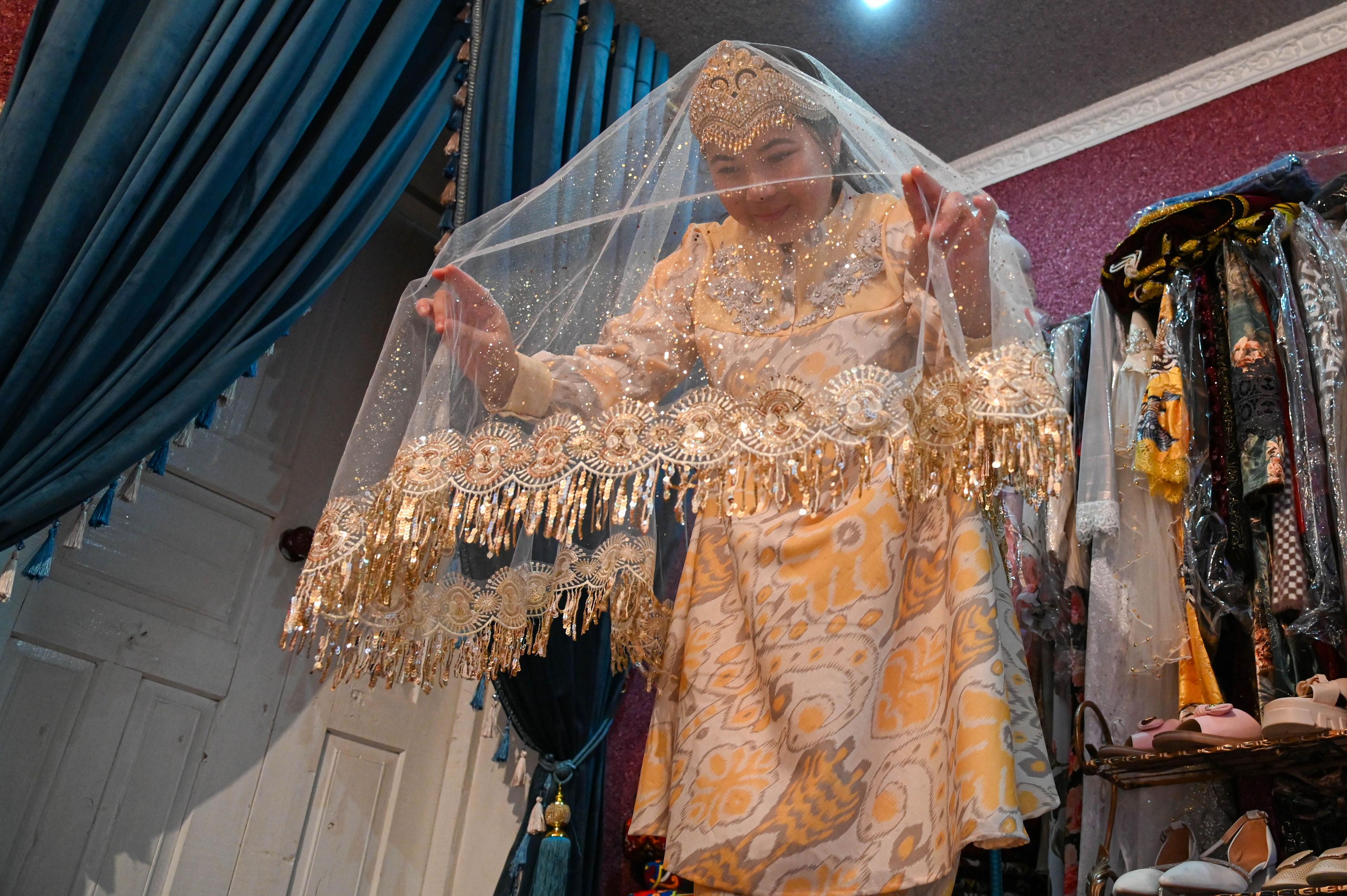
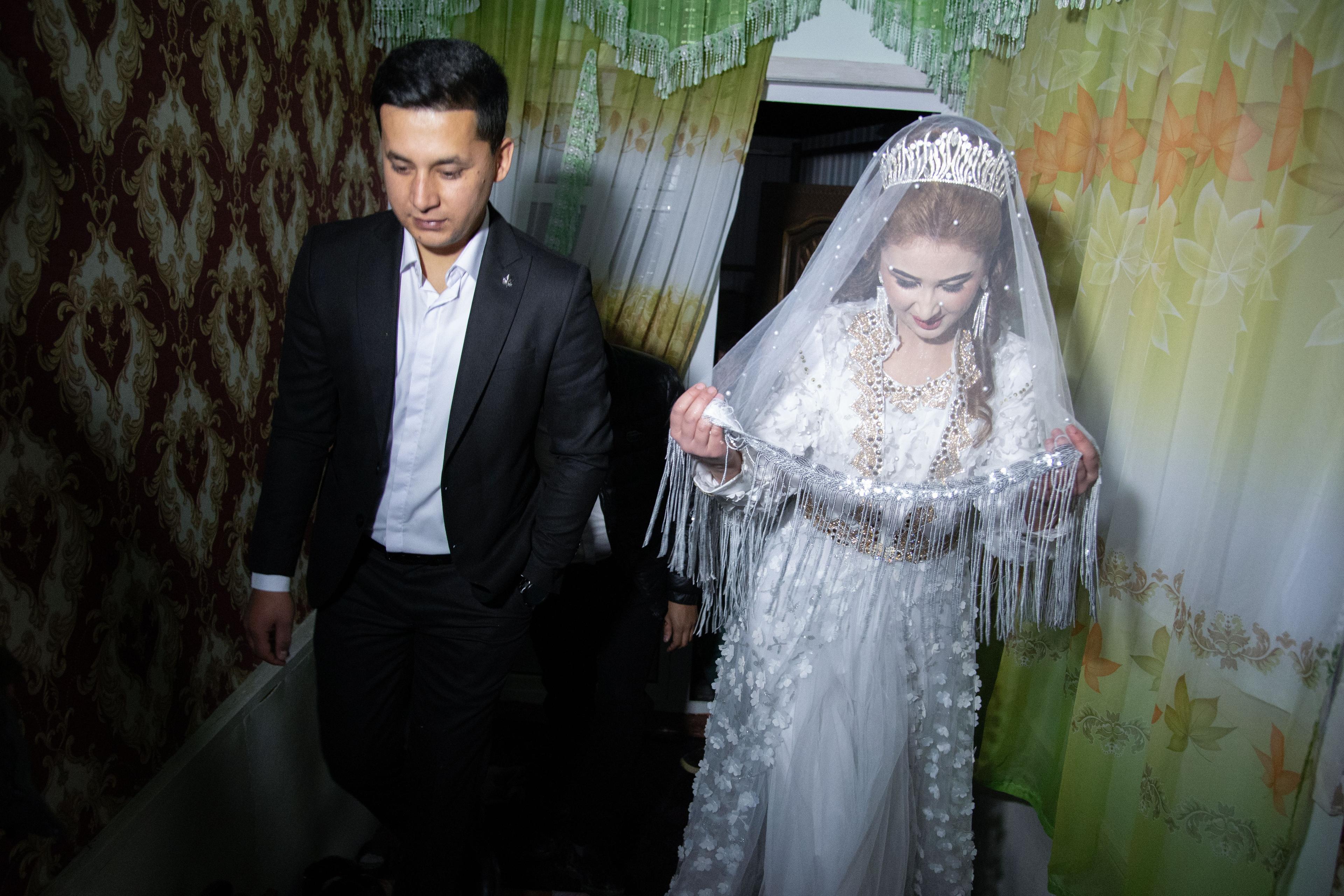
- Arrival at the groom's home. The bride bows at the threshold of her new home, a cloth path may be laid for her, and in many families a curtain called chimildiq is hung in the couple's room.
- The banquet. The evening celebration in a wedding hall (to'yxona) with music, dancing and course after course of food.
- Kelin salom. The morning after the wedding, the new bride greets her husband's relatives one by one with a deep bow, and each gives her a gift and a blessing.
Weddings take place throughout the year but cluster in the warm months, especially late summer and autumn.
Inside an Uzbek wedding banquet
Uzbek weddings were once famous for guest lists of 500 or more. In recent years the government has introduced rules to limit the cost and size of celebrations, including caps on guest numbers, often around 200 to 250, and on hours. Weddings are still large, loud and joyful.
What you might see:
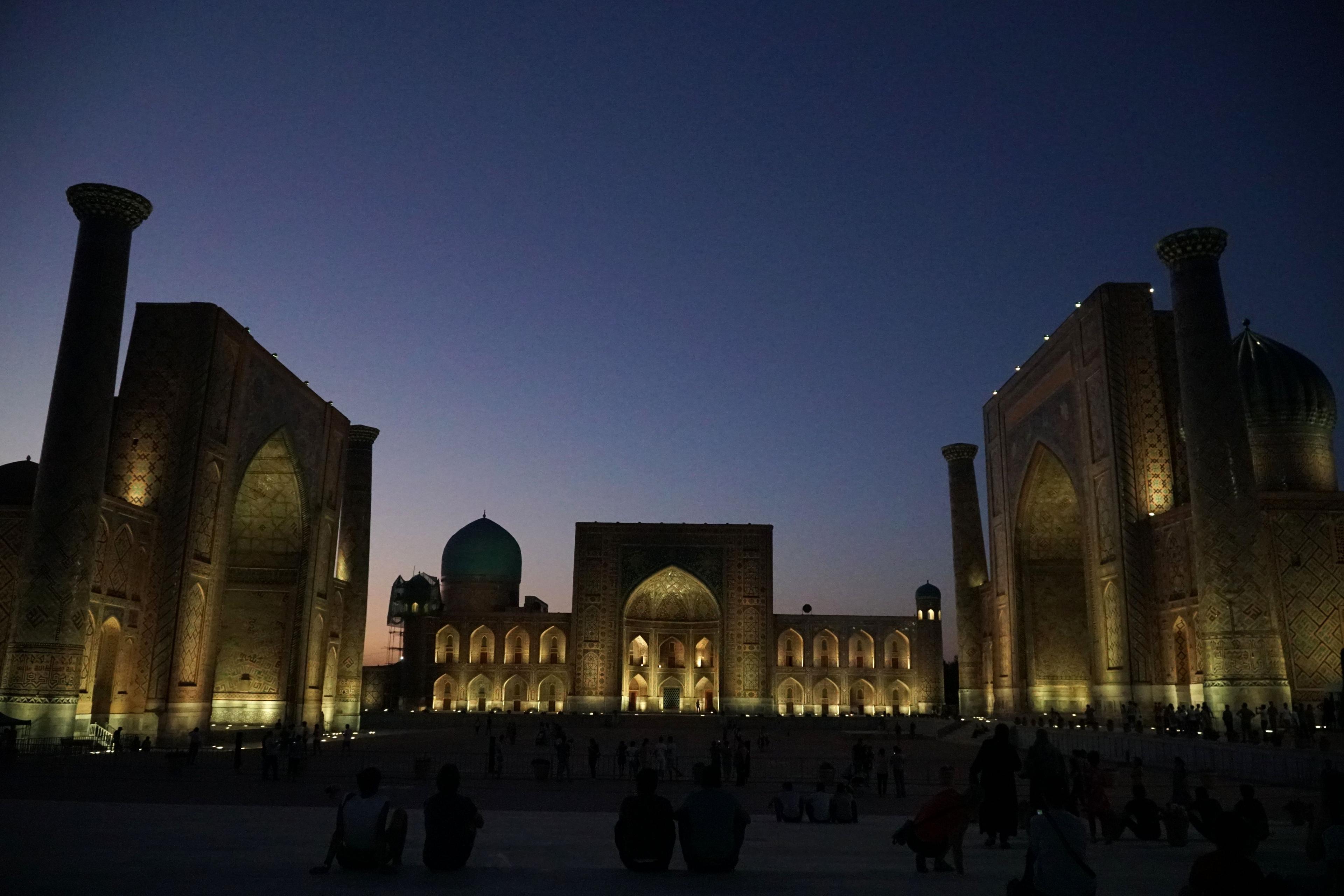
- Wedding cars decorated with ribbons and flowers, and the couple posing for photographs at famous monuments. On a Saturday in season you may see several brides on the Registan alone.
- A grand entrance for the couple, with karnay horns, doira drums and dancing.
- Tables loaded before the guests arrive with salads, bread, fruit, sweets and drinks, followed by hot dishes and plov.
- A live band and singers playing Uzbek pop and folk songs, with lazgi and other dances. Guests of every age dance.
- Speeches and toasts from relatives and friends, and gifts for the couple.
Formats vary a lot: some weddings are conservative, with separate seating for men and women and no alcohol; others are modern banquets. If you are invited, ask your host what to expect.

Beshik to'y: the cradle ceremony
The beshik is the traditional Uzbek wooden cradle, and the beshik to'y is the celebration held when a baby is laid in it for the first time. It usually takes place on the 40th day after the birth, though some families choose the 7th, 9th or 11th day.
The beshik itself is a piece of craftsmanship. Made by specialist carpenters from local woods such as mulberry, apricot or willow, it rests on curved rockers, has a high arched handle across the top, and is often brightly painted or carved. A small opening in the base holds a ceramic pot and a narrow tube that keep the baby clean and dry, a design that has been used for generations.
The ceremony follows a familiar pattern:
- Relatives on the mother's side, often led by the maternal grandmother, bring the decorated cradle to the baby's home along with clothes, bread, sweets and toys wrapped in a cloth.
- Older women perform the first swaddling and lay the baby in the cradle, while the women sing lullabies called alla. Protective charms may be added to guard the child.
- Guests, neighbours from the mahalla among them, come to see the baby, bring gifts and sit down to tea and a festive table. Sugar or sweets may be scattered over the cradle for a sweet life.
You may see a beshik in a museum, such as the Museum of Applied Arts in Tashkent, or in a family home, where it is often still in use. Other family celebrations include the sunnat to'y, a large feast held when a boy is circumcised, and countless smaller gatherings for birthdays, homecomings and Navruz.
Funerals and mourning
Sad occasions are as communal as happy ones. When someone dies, the mahalla gathers at once: neighbours bring food, men help with the arrangements and relatives arrive from across the country. Memorial meals, often with plov, are held at set intervals afterwards.
As a traveller, you may pass a quiet crowd of men standing outside a gate, or a courtyard where women are gathered and weeping. This is likely a funeral or a memorial. Do not photograph or film, keep music and voices down, and pass by respectfully. If your guide or host is involved, they may need to step away for a few hours; that is entirely normal.
How to experience Uzbek traditions respectfully
You do not need luck or a wedding invitation to see real Uzbek life. Some of the best ways:
- A home-hosted dinner. An evening with a family in their courtyard is the most natural way in. You eat what the family eats, ask questions through your guide and see a dastarkhan laid properly. We can help arrange home-hosted dinners in the main cities.
- A mahalla walk. Explore the residential lanes of old Bukhara, Samarkand or Khiva with a local guide who can explain what you see and greet neighbours as you go.
- A cooking class. Make plov or bread with a family and stay for lunch.
- A guest house stay. Family-run guest houses in the old cities, in the Fergana Valley and in mountain villages let you share breakfast and evenings with your hosts.
- Craft families. Potters in Gijduvan and Rishtan, and silk weavers in Margilan, often work at home; a visit is as much about family life as about craft.
- Village visits. Rural areas such as the Nuratau mountains offer homestays with farming families.
If you are invited to a wedding, which does happen, accept, dress smartly and modestly, arrive on time and ask your host what gift is appropriate. Many guests give money in an envelope, but customs vary.
At any family event, ask before taking photographs, avoid close-ups of women and children without permission, and do not post images of a family's private celebration online without asking.
A few final tips
- Learn two words: "rahmat" (thank you) and "assalomu alaykum" (hello). They open doors.
- Bring small gifts from home when you expect to meet families: chocolates, tea, postcards or a children's book.
- Ask about the family's children and grandchildren; it is the natural start of any conversation.
- Be flexible with time. Celebrations start late and run long.
- When in doubt, watch what the eldest person does and follow.
Our articles on Uzbek culture and etiquette, Uzbek plov, and bread, tea and chaikhana culture cover the table in more detail.

Meet Uzbek families with TourEast
We are locals, and our trips are built around people as much as monuments. We can add a home-hosted dinner, a mahalla walk or a cooking class with a family to any itinerary. Tell us what you would like to experience, and we will suggest where and with whom.
Frequently asked questions
Watch
Photo gallery