A guide to shashlik and kebab in Uzbekistan: lamb, beef, liver and minced lyulya skewers, the famous Gijduvan kebab, how to order, what to eat alongside, typical prices in 2026 and how to spot a good grill.
Facts, prices and schedules checked on November 4, 2026
If plov is the dish of Uzbek ceremony, shashlik is the dish of the ordinary day. The smell of charcoal and melting fat is the soundtrack of every bazaar, roadside and park in the country. A grill-man fans the coals, skewers lie in rows on a long mangal, and the customers sit down with raw onion, flat bread and tea.
This guide explains the main types of Uzbek shashlik and kebab, the difference between them, what the cuts and marinades are, how to order, what to eat alongside, typical prices in 2026 and how to find a grill that is worth your lunch. It is written for travellers who want to eat the real thing rather than the tourist version. For the wider table, see our Uzbek food guide and our guide to street food.
Shashlik or kebab: what is the difference?
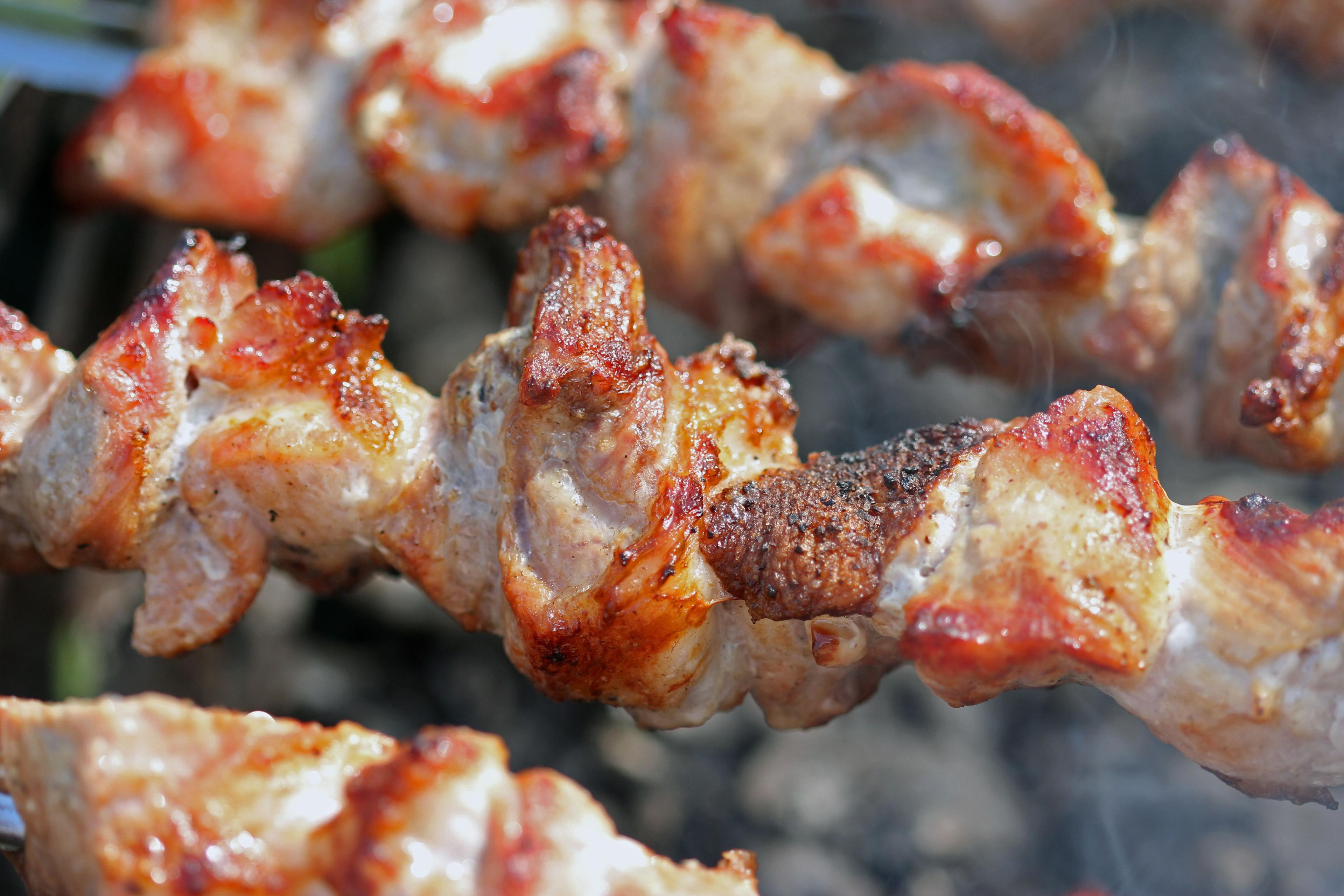
In Uzbekistan the words overlap. Shashlik, a Russian-Turkic word, usually means chunks of meat on a skewer, grilled over charcoal. Kebab is the wider word and often means minced meat shaped on a skewer. Official tourism material describes the classic Uzbek shish kebab as lamb marinated with spices and threaded with small pieces of lamb fat, called dumba, between the meat. The main varieties you will meet are:
- Chunks of lamb or mutton, with fat between the pieces. This is the classic.
- Beef, often alternated with fat in the same way.
- Jigar, liver, grilled with fat and served hot.
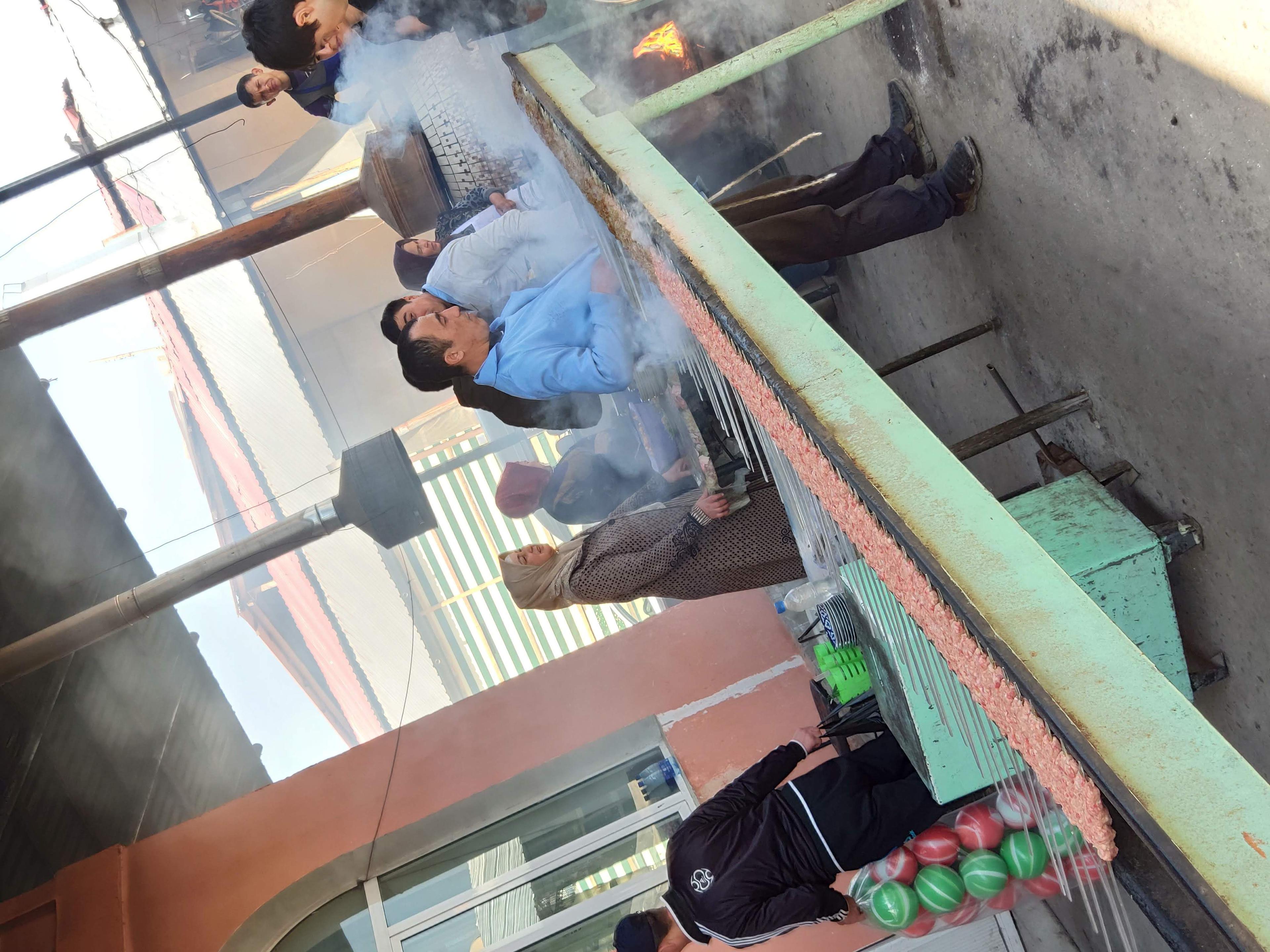
- Lyulya or kiyma kebab, minced meat kneaded with onion and spices and shaped around the skewer. An official tourism page calls minced shish kebab the most popular in the country.
- Chicken, a lighter choice found everywhere.
- Charvi kebab, meat wrapped in a thin layer of fat.
- Beshpanja, cooked on five skewers at once. The name means five fingers, and sources disagree on how many skewers a portion has, so treat it as a name for a style.
Shashlik is cooked on flat metal skewers over charcoal, often in a long open grill called a mangal.
The cuts and what they taste like
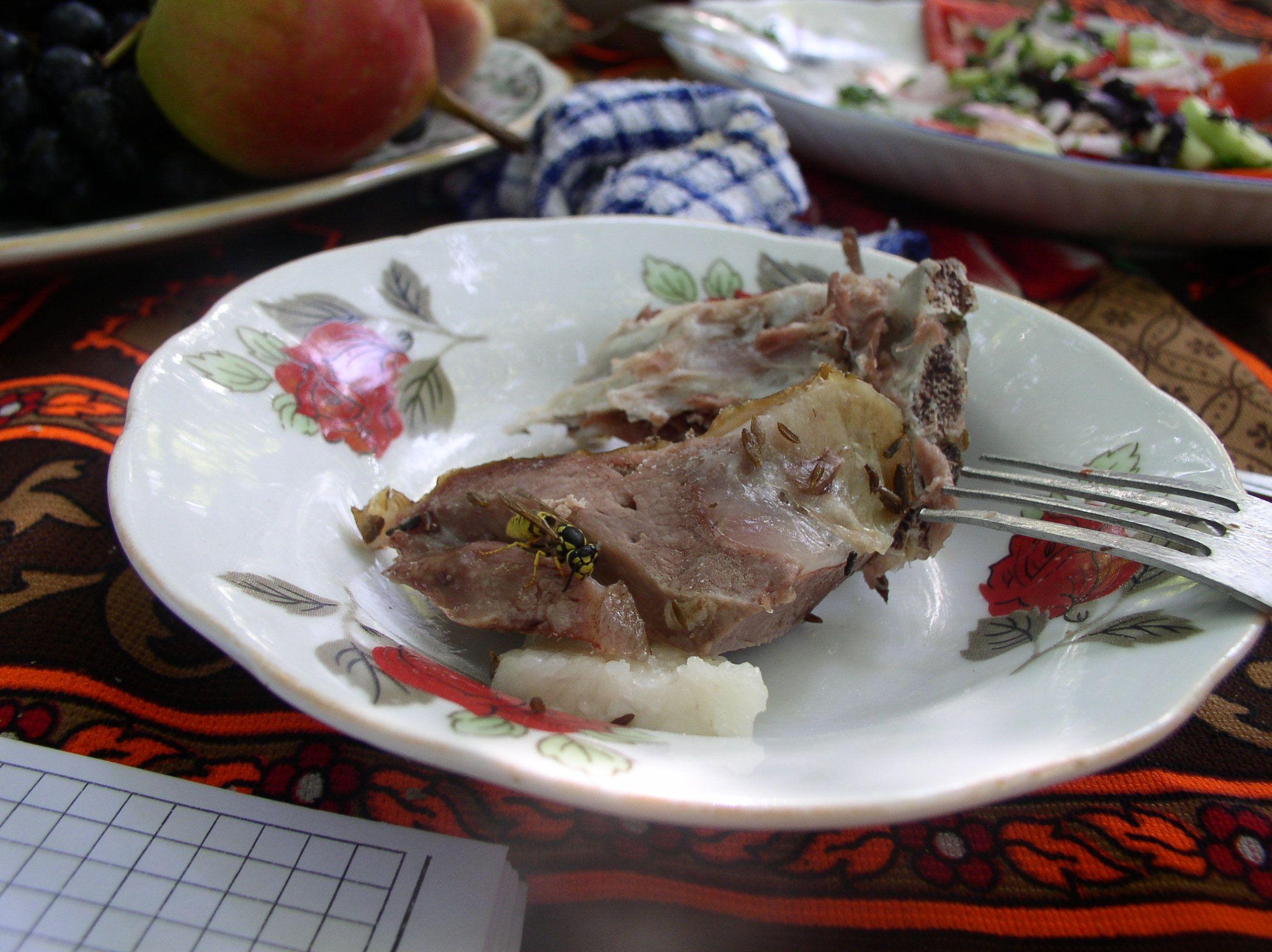
- Lamb with fat. The fat is not a mistake. It bastes the meat as it cooks and gives it the rich flavour that Uzbek diners expect. If you dislike it, you can leave it on the side without offence, or ask for a skewer without fat, yog'siz in Uzbek.
- Beef. Leaner and firmer, usually served with fat to keep it moist.
- Jigar. A soft, mild liver skewer, often paired with fat, which is eaten very hot. It suits those who like strong flavours.
- Lyulya. Juicy and soft, and easier to eat than chunk meat. A good lyulya has a crisp outside and a moist inside, and is often served with sliced onion.
- Chicken. A safe option for children and for travellers who do not want fat.
Marinades are simple. Salt, cumin and onion are the basics. A few cooks add coriander seed or a little vinegar. In many grills the meat is marinated for a short time, and what matters most is the heat of the coals and the skill of the cook.
Gijduvan kebab: the famous regional style
Gijduvan, a town about 50 km from Bukhara, is known across Uzbekistan for its kebab, and local tradition dates the craft back centuries. The Gijduvan style is usually a minced beef kebab. One local recipe describes beef mixed with fat, onion, salt, cumin and ground coriander, chilled and then ground a second time, portioned in small amounts, shaped on a skewer and turned over hot charcoal. It is served on the skewer with sliced onion, sometimes rinsed in cold water and dressed with black pepper.
The result is smooth and dense, closer to a delicate sausage than a rough kebab, and it is a good reason to stop in Gijduvan on the road to the Seven Pirs shrines or on a day out from Bukhara. Gijduvan is also known for its ceramics, and a visit can combine lunch and a workshop.
Not on a skewer: tandir go'sht
A related dish, often confused with kebab by visitors, is tandir go'sht, lamb slow-cooked for hours in a sealed tandoor until it falls off the bone. In Bukhara and the Jizzakh region, look for it. It is not shashlik, and it is cooked in a clay oven, not over open coals, but it is part of the same grilled-meat tradition and it is worth ordering if you see it on a menu. Ask whether it has to be ordered in advance, since good tandir go'sht takes time.
How to order shashlik
Most grills sell by the skewer, and the system is simple.
- Order two or three skewers per person to start, and more as you finish. They arrive hot and quickly.
- Say the type: bir shampur lyulya, or just point.
- Ask for onion, bread and tea. Raw onion rings, dressed with a little vinegar and red pepper, are the standard accompaniment, with a round loaf of non.
- Some restaurants price by weight or by portion, particularly for larger cuts. Ask how the price is calculated before you order.
- Eat with your hands, pulling the meat from the skewer with a piece of bread. A fork is acceptable in a restaurant.
- Salads, a plate of fresh herbs and pickles go well alongside. Tomato and cucumber salad is the usual choice.
Tea is the traditional drink with shashlik. In summer, a cold beer or compote, a sweet fruit drink, is common. Our guide to Uzbek drinks and our guide to bread and tea explain the rest.
Typical prices in 2026
Our street-food guide gives a typical range of about 12,000 to 30,000 som per skewer as of November 2026, depending on the meat and the place, which is roughly US$1 to 2.50. The type of meat and the setting both affect the price. A full meal of two or three skewers, bread, onion, salad and tea in a casual grill costs more than a snack but is still modest. Prices near the main sights, such as the Registan or Lyabi-Hauz, are usually higher than in neighbourhood grills. These figures change, and the exchange rate moves, so treat them as a guide.
How to spot a good grill
Signs of a place worth stopping at:
- Charcoal. The grill uses real coals, not a gas flame.
- Crowds of locals at lunch and in the evening, and quick turnover.
- Meat that is cooked to order, not left sitting on a hot plate.
- A short menu. A grill that does shashlik, lyulya, liver and salads is usually better than one that does forty dishes.
- A visible cook. If you can watch the grill, you can judge it.
- Clean hands and fresh onion and bread.
Things to avoid: meat that has been left in the sun, skewers pre-grilled and reheated, and tourist menus with prices far above the neighbourhood. Stalls at the edge of bazaars, such as around Chorsu Bazaar in Tashkent and Siab Bazaar in Samarkand, are good places to eat, but choose a busy one.
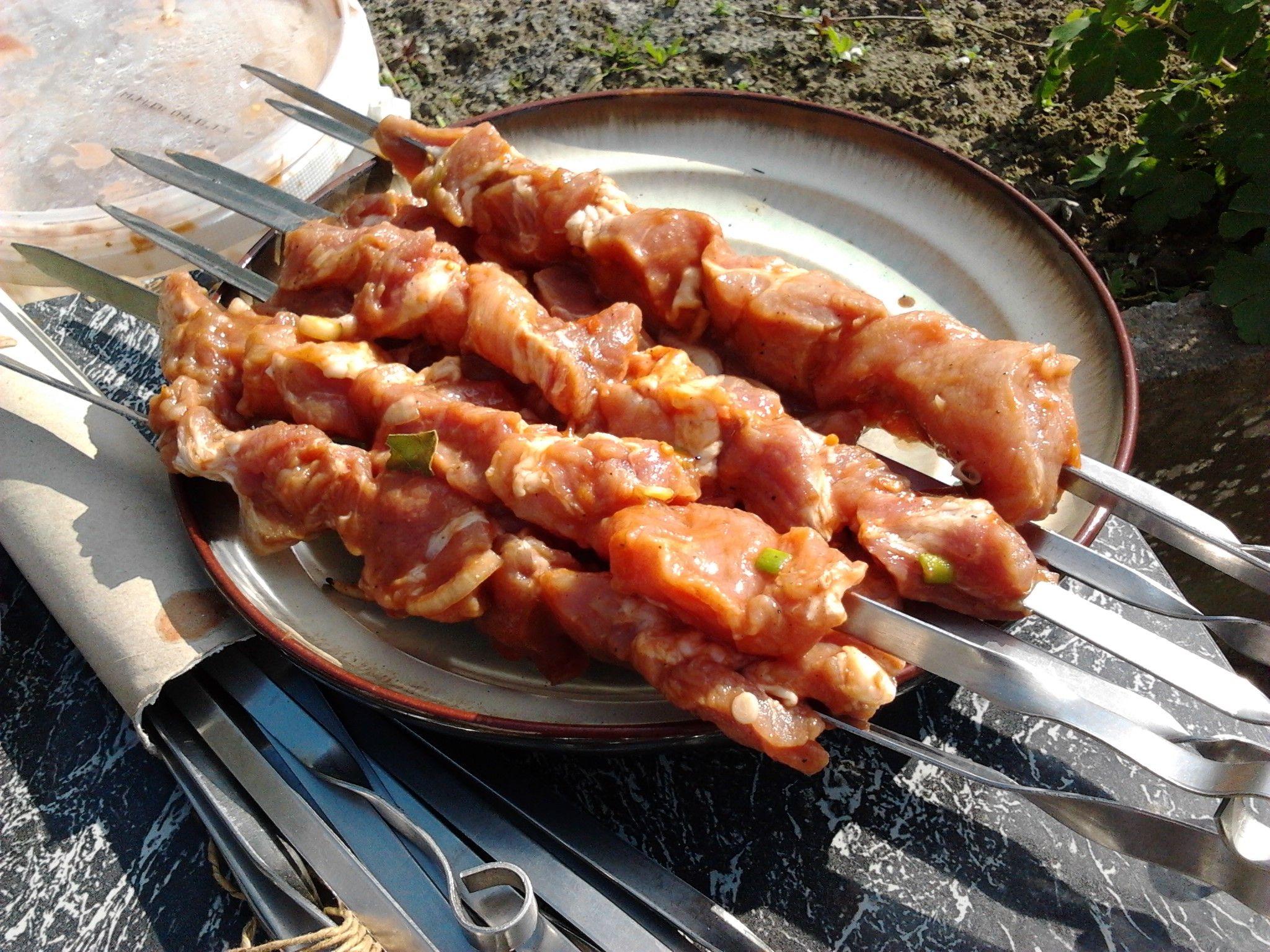
Table etiquette at a grill
Shashlik is informal food, and the etiquette is light. Bread is treated with respect in Uzbekistan, so do not put a loaf upside down or throw it away, and tear it rather than cut it. Wash your hands before eating, since most grills have a basin or a tap. Share the skewers and the salad from a central plate if you are in a group, and let the host or the eldest at the table start. Tea is poured for others before yourself, and a bowl that is filled only a third of the way is a courtesy, not meanness, since it means the host will pour again soon. To decline a refill, place a hand over the bowl.
Halal, vegetarian and dietary notes
Meat in Uzbek grills is halal as a matter of course, and pork is not part of the cuisine. Our halal travel guide explains what to check in Western-style cafes. Vegetarians have few options at a shashlik grill, though some places offer vegetable skewers, grilled tomatoes, peppers and aubergine, with bread and salad. Our vegetarian guide lists them. If you have an allergy or a dietary restriction, tell the cook before the meat goes on the coals.
Where to eat shashlik: Tashkent, Samarkand, Bukhara
- Tashkent. Neighbourhood grills and the stalls around Chorsu Bazaar are the places to try the full range.
- Samarkand. The streets around Siab Bazaar next to the Bibi-Khanym Mosque have grills that feed the market workers.
- Bukhara. Shashlik from the mangal is an everyday meal, and Gijduvan is the place for the town's own style.
We avoid naming individual restaurants because they change quickly. A guide can lead you to the grill that locals prefer on the day.
Doing it with TourEast
Our Flavours of Uzbekistan tour is built around the table, and we can add a grill lunch, a bazaar tasting or a stop in Gijduvan to any private itinerary. Tell us what you like to eat on WhatsApp or in our trip builder at /trip-builder, and we will plan the route.