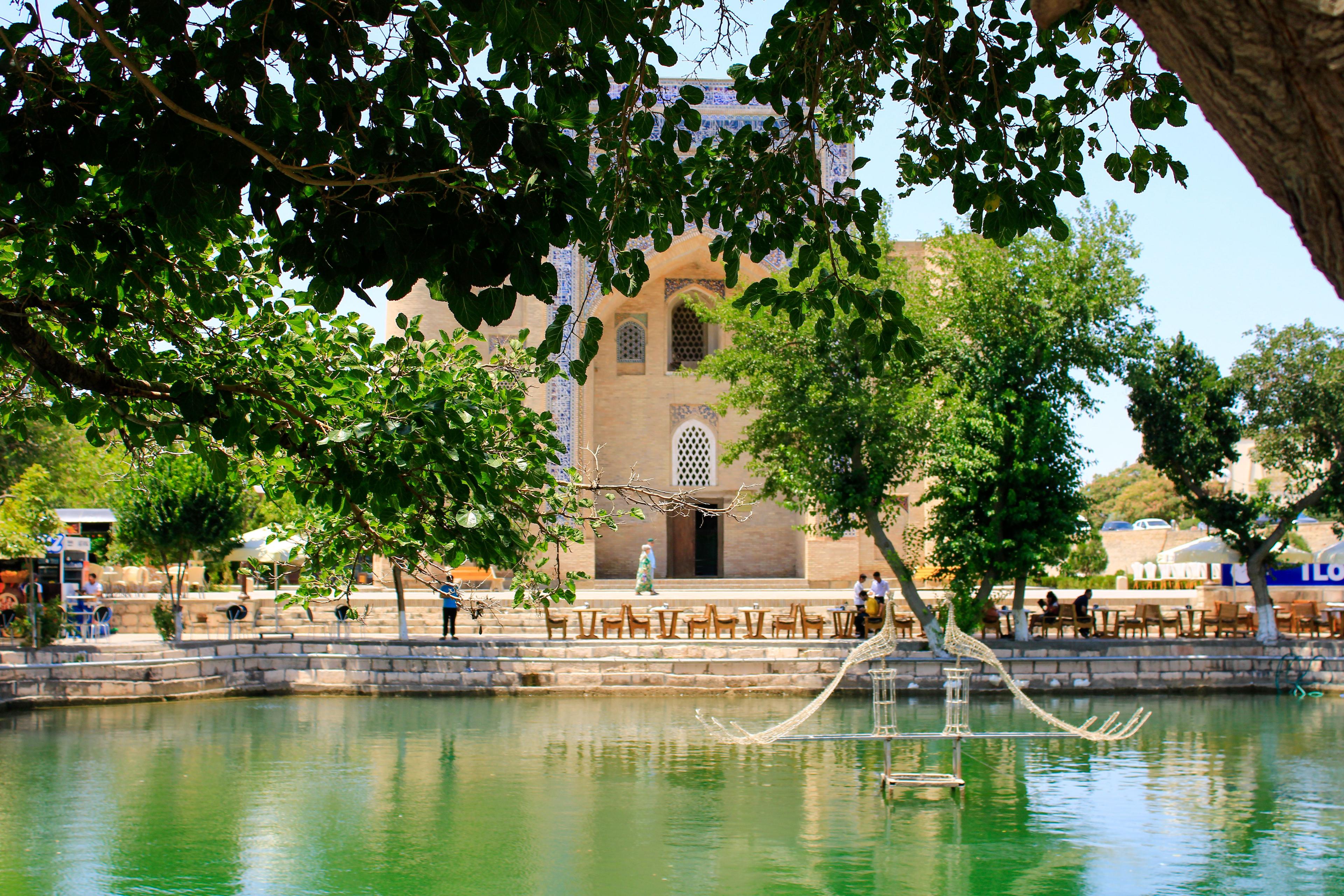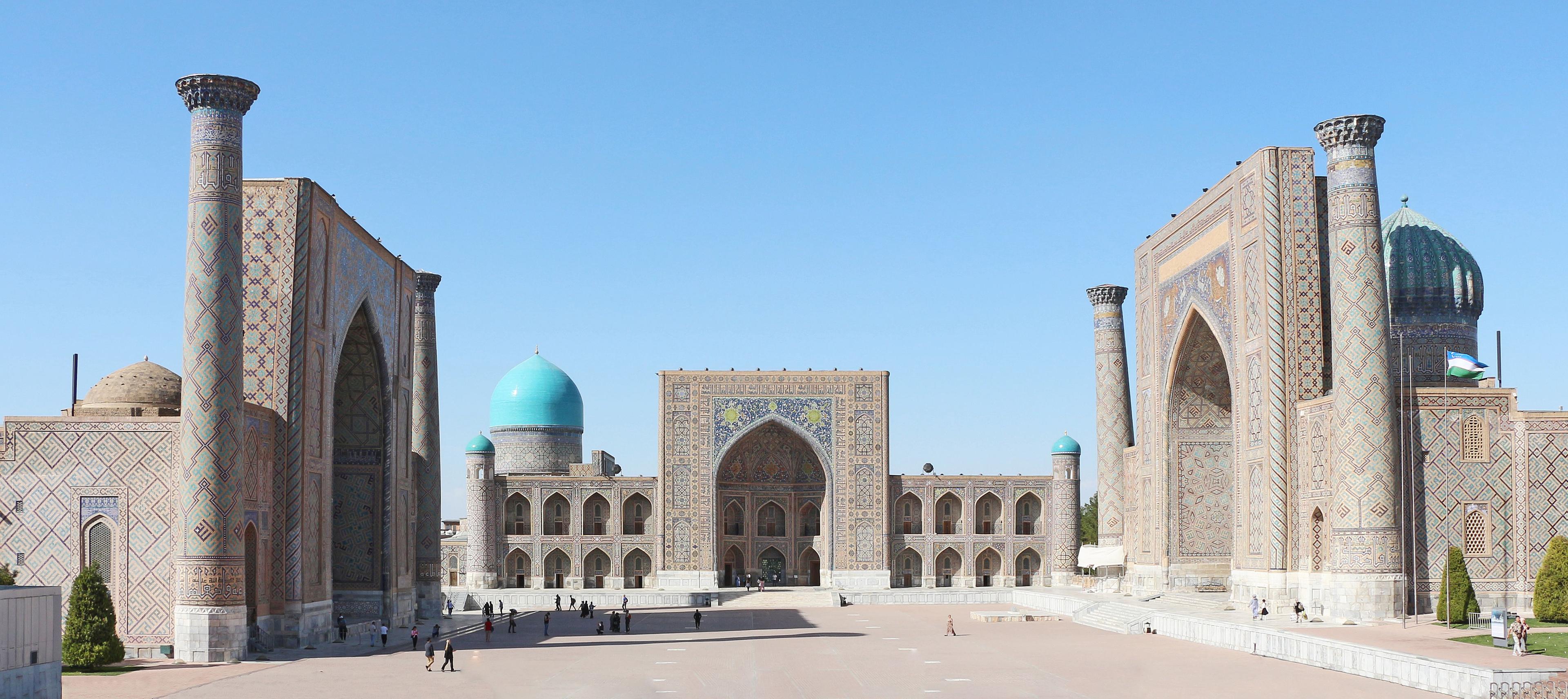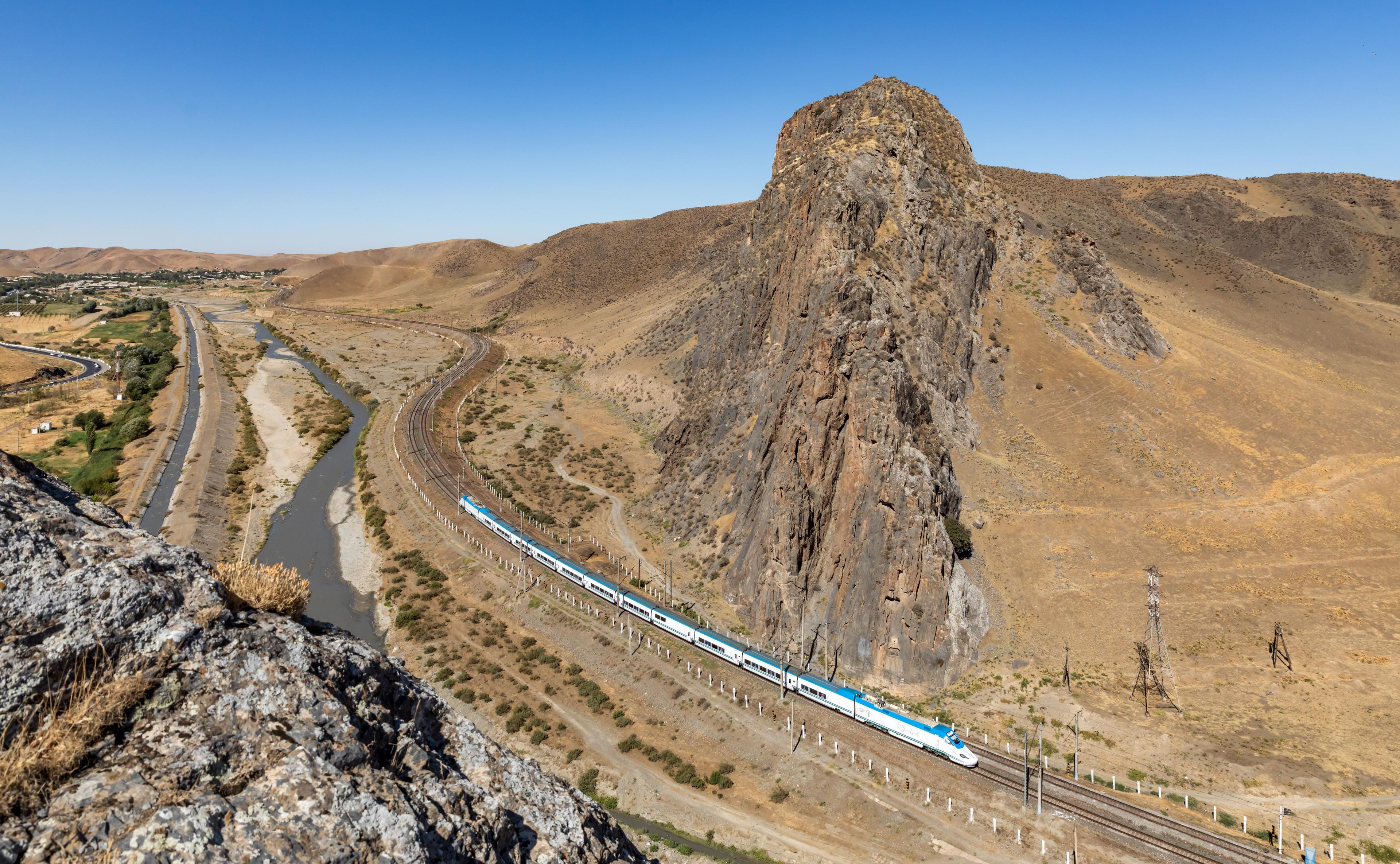
How to use Yandex Go and MyTaxi in Uzbekistan, what city rides cost in 2026, how to order without a local SIM, and the small tourist scams at airports and stations, with calm, practical ways to avoid them.
Facts, prices and schedules checked on November 4, 2026
Yandex Go is the taxi app almost everyone uses in Uzbekistan, and for a visitor it is the simplest way to get around a city: you see the fare before you book, the car arrives at your pin, and you do not have to negotiate. This guide explains how Yandex Go and the local rival MyTaxi work, what fares look like in 2026, how to use them without a local SIM card, and the handful of tourist scams to avoid at airports and railway stations.
The tone here is calm on purpose. Uzbekistan is a safe country for visitors, and most taxi drivers are ordinary people trying to earn a living. The problems are small and predictable: inflated prices for people who do not know the going rate, touts at arrival halls, and the occasional misunderstanding about where the car is waiting. Knowing the pattern is enough. For the bigger picture of city transport, including buses, trams and the metro, see our guide to getting around Uzbek cities and our Tashkent Metro guide.
Which taxi apps work in Uzbekistan?
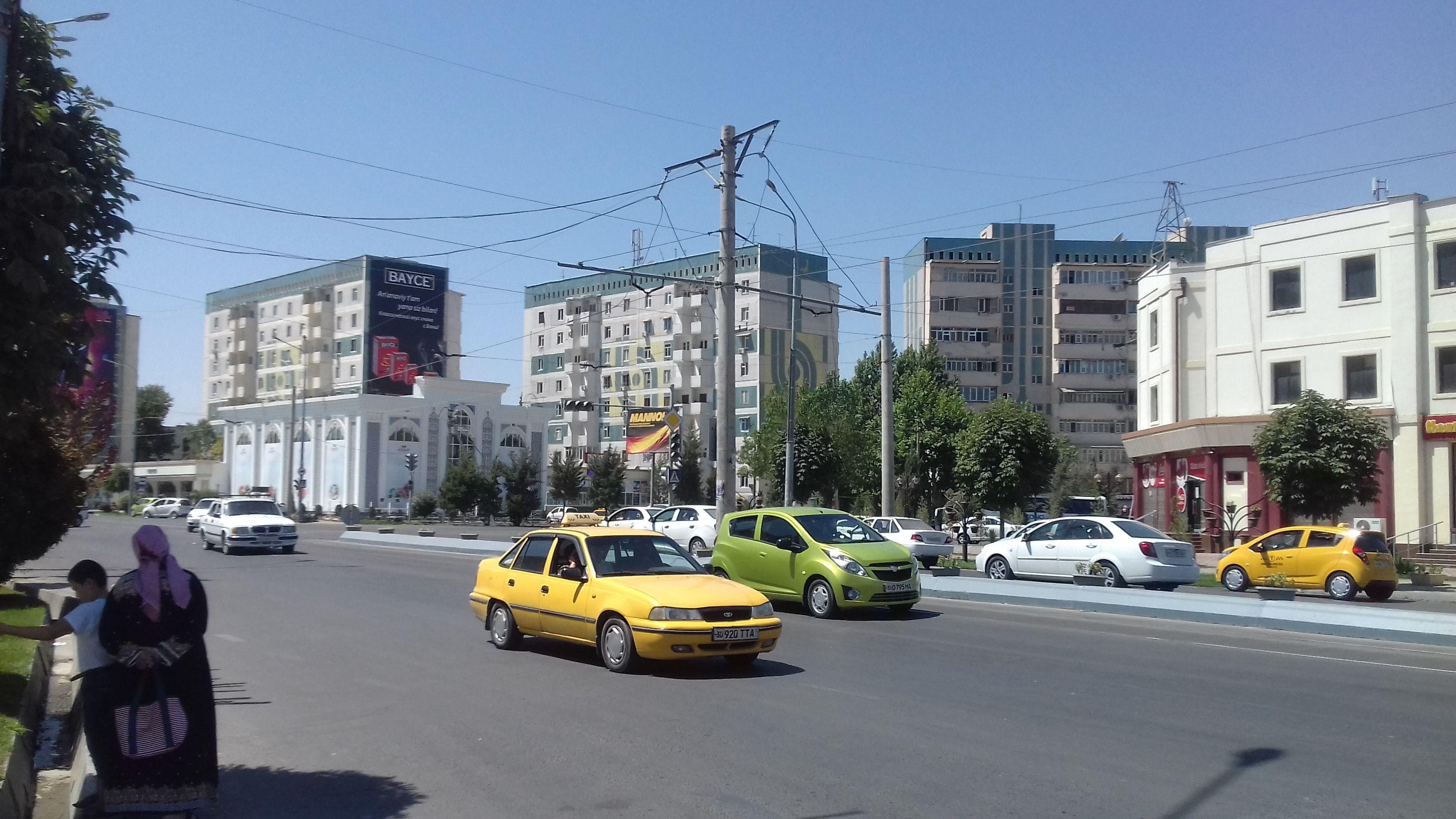
Two ride-hailing apps dominate: Yandex Go and MyTaxi. Both let you choose a car class, see an estimated price and follow the driver on a map. Yandex Go is the one most travellers install, because its interface is available in English and it covers the cities visitors use. Kun.uz has reported the service running in Tashkent, Samarkand, Bukhara, Fergana, Namangan, Andijan, Kokand, Margilan, Termez, Nukus and Karshi, and it launched in Urgench and Khiva in June 2024. In small towns and on rural roads, coverage thins out and drivers may be hard to find.
MyTaxi works in the same way, with cash and card options and a web booking form as well as the app. It is worth having as a second option when Yandex Go shows no cars or a high surge price, because the two services price differently from moment to moment.
Tashkent also has older phone-based taxi companies, and in every city you can flag down a private driver, as locals do. This is normal and usually fine, but you must agree the price first. For a first trip we recommend the apps, because they remove the haggling.
How to set up Yandex Go as a visitor
Install the app before you arrive, so that you are not working it out in an arrivals hall at midnight. You will need a phone number that can receive a verification message. We have not been able to confirm whether every foreign number registers without trouble, so test it at home, and consider a local eSIM or SIM on arrival; our guide to SIM cards and eSIM in Uzbekistan explains the options.
Payment is the part to test in advance. Yandex Go has accepted Uzcard, HUMO, Visa and Mastercard since 2021, but local guides warn that not every foreign-issued card links successfully. Cash in Uzbek som is always a fallback, and some drivers insist on it. Carry small notes, because drivers do not always have change for large ones. Our guide to money in Uzbekistan covers cash, ATMs and cards.
A few habits make the ride smoother. Put the pin exactly where you are standing, not on the other side of a road. Send the driver a message or call if you are in a station or a big hotel, because drivers often cannot see which entrance you mean. Check the car's number plate and colour against the app before you get in. Keep your phone at hand for the driver to call you; most do, and most speak a little Russian or Uzbek but little English, so a typed address in Latin script helps.
What do taxis cost?
Fares are low by European standards. For orientation, Voyage.uz published Yandex Go's basic Start class tariff for Tashkent on 20 October 2026 as a minimum fare of about 4,600 som, then roughly 1,050 som per kilometre and 500 som per minute. The same guide lists lower component rates for Samarkand and Bukhara and a boarding fee of 2,500 som in Khiva. These are tariff components rather than final prices, and the real fare changes with demand, time of day and traffic, so treat them as a rough map. At about 11,900 som to the US dollar in November 2026, a typical 10 to 15 minute city ride works out at a few US dollars or less.
Some practical benchmarks from 2026:
- Within Tashkent's centre, short rides cost around 10,000 to 25,000 som.
- Chorsu Bazaar to the Hazrati Imam complex is typically 20,000 to 40,000 som, according to our Hazrati Imam guide.
- In Samarkand, one scam-awareness guide gave about 20,000 to 30,000 som for a legitimate fare from the railway station to the Registan area.
- Airport rides cost more than city rides, and the official airport taxi has its own tariff.
Prices change, so confirm in the app. A comfort or business class costs more per kilometre than Start. On a late night, in rain, or when a train has just arrived, expect a surge. If the price looks high, wait a few minutes or try the other app. Tipping is not expected in taxis; rounding up is appreciated. Our tipping guide gives more detail.
Airports and railway stations: the tourist-scam hotspots
Almost all of the unpleasantness in Uzbek taxis happens in two places: arrival halls and station forecourts. A group of men call out "taxi, taxi, my friend" as you walk out, the first price is far above the going rate, and the driver may pick up your bag before you have agreed anything. It is rarely threatening. It is simply a high-pressure sale.
How to avoid it:
- Do not hand over your luggage before the price is agreed.
- Walk away from the crowd. In Bukhara and other cities, local advice is to walk 100 metres or so beyond the station or airport crowd, then order a car so that the driver can reach your pin.
- At Tashkent airport, the official airport taxi runs from the arrivals exit with branded cars, and was reported in 2022 to cost more than city taxis. Pay in som. Our Tashkent airport arrival guide covers the options in detail.
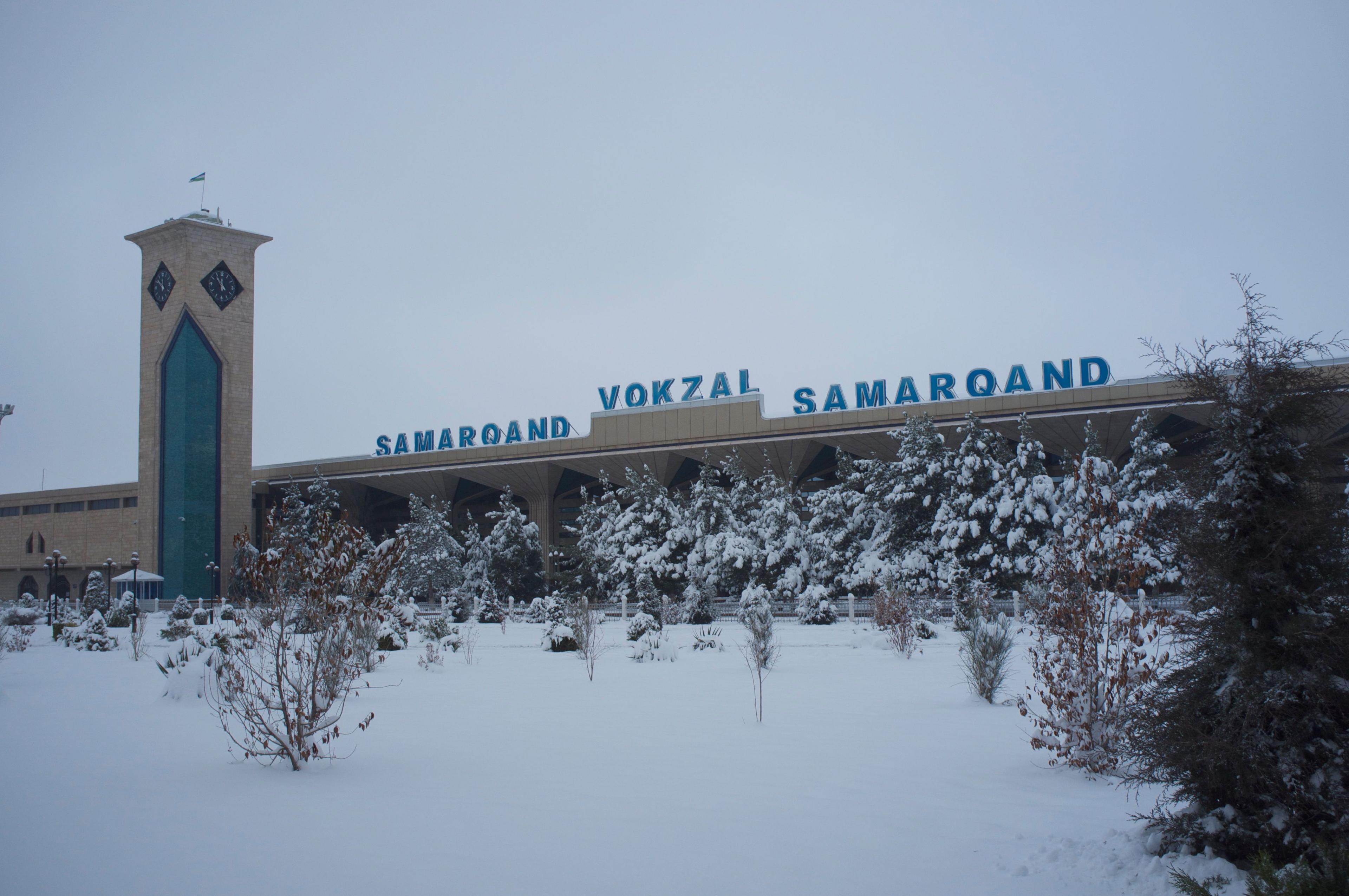
- Samarkand's station is about 6 km from the Registan, and Bukhara's is in the town of Kagan, about 12 to 15 km from the old town. These are long enough rides that the fare matters, so use an app or a pre-booked transfer.
- If you were pressured, you can report the time and details to the airport authority. Tashkent airport has asked travellers to do so.
If your flight or train arrives at night, in a group, or with children, pre-booking a transfer takes the whole question away.
The five common tourist scams, and what to do
- The inflated first price. A driver quotes ten times the normal fare. Say no politely or open the app.
- The meter that does not exist. Most street taxis have no meter. Agree the total before you move.
- The detour. On a long ride, check the route on your phone. App fares are fixed in advance, which is why they help.
- The wrong destination. A driver says your hotel is closed or full and offers another. Ignore it and show the booking.
- The change that never comes. Pay with small notes and count your change. In an app ride paid in cash, the fare is on the screen.
None of these require confrontation. A calm no, a firm hand on your bag and a step away is usually enough. A scam here is a sales technique, not a threat. For safety more generally, see our guide to whether Uzbekistan is safe and our emergency help guide. Women travelling alone will find our guide to solo female travel in Uzbekistan useful, with tips on late rides and sitting in the back.
Other ways to get around
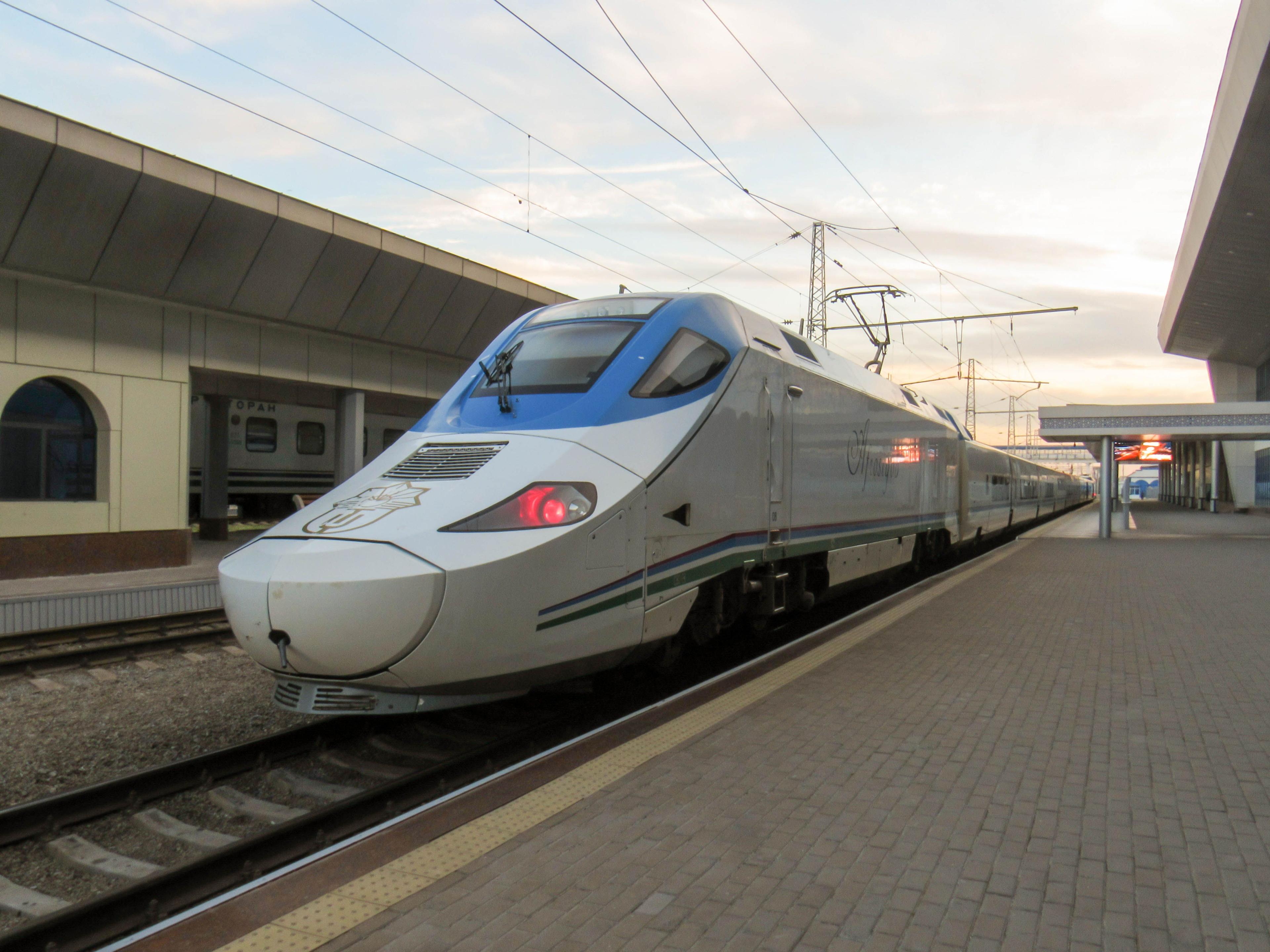
Taxis are not your only option. The Tashkent Metro is cheap, clean and beautiful, and a good way to avoid traffic. Samarkand has a tram near the railway station and buses, and the old towns of Bukhara and Khiva are best explored on foot. For intercity travel, the Afrosiyob train and other high-speed trains are the usual choice, and shared taxis run on popular routes between cities for a lower price.
For airport and station transfers, day trips and anything involving luggage, a pre-booked private car with a driver is the stress-free choice. Typical 2026 prices for a car with a driver run from around US$50 to 100 a day, depending on the vehicle and distance. This is a market range, not a fixed price. Our car rental and driving guide covers renting a car yourself.
When to use an app, and when to book ahead
A rule of thumb that works well:
- Use Yandex Go or MyTaxi for short rides inside a city when you have data and a working card or cash.
- Pre-book a transfer for late arrivals, early departures, group trips and any ride with heavy bags.
- Do not use unmarked cars at stations at night.
- Ask your hotel to call a trusted driver if the app does not work.
TourEast arranges airport and station transfers as part of our tours, with a driver waiting at arrivals, and we can plan the first and last hour of your trip so that you never have to bargain. If you prefer to keep things flexible, tell us which cities you will visit and we will suggest the best option for each transfer, through our trip builder or on WhatsApp.