How to buy a SIM card in Uzbekistan with your passport, Beeline vs Ucell vs Mobiuz vs Uzmobile, tourist tariffs and 2026 prices, airport kiosks, eSIM apps, the IMEI rule, coverage on trains and in the desert, Wi-Fi and VPNs.
Facts, prices and schedules checked on November 4, 2026
Should you buy a SIM card in Uzbekistan or set up an eSIM before you fly? Both work well, mobile data is cheap, and 4G covers every city and main road on the tourist route. The choice comes down to how long you are staying, whether you want a local phone number, and one local rule that surprises many visitors: Uzbekistan registers your phone, not just your SIM.
This guide covers the four mobile networks (Beeline, Ucell, Mobiuz and Uzmobile), how to buy a SIM card with your passport, tourist tariffs and typical prices in 2026, the airport kiosks, eSIM apps, IMEI registration, coverage on trains, in the desert and in the mountains, Wi-Fi, and VPNs. Prices change often, so we give ranges as of November 2026 and point you to the operators' own sites for the live figure.
The quick answer: SIM card or eSIM?
For most visitors on a one- or two-week trip, a travel eSIM bought before departure is the least effort: you land with data, there is no queue or paperwork, and you avoid the phone registration rule entirely. It costs more per gigabyte, but a typical trip needs only 5 to 10 GB.
A local SIM card is better if you:
- Stay longer than two or three weeks or use a lot of data
- Want a local +998 number, which makes Yandex Go, restaurant bookings and calls to guesthouses easier
- Prefer to pay local prices, which are among the lowest in the region
Many travellers do both: an eSIM for the first day, then a local SIM from an operator's office in town.

Which mobile network is best in Uzbekistan?
Uzbekistan has four main mobile operators. All four sell SIM cards to foreigners and run 4G networks across the cities on the tourist route.
- Beeline: a private operator and one of the two most popular choices with visitors, with good 4G in cities and along main roads, and a dedicated tariff for foreign guests called Hello
- Ucell: state-owned, widely used, with strong 4G and the largest 5G footprint, mainly in Tashkent
- Mobiuz: state-owned, good in cities and with many offices, though reports suggest coverage is thinner in remote areas
- Uzmobile: the mobile brand of the national telecom company Uztelecom, with very wide rural coverage and a tariff restricted to foreign tourists
There is no single best network everywhere. Ucell and Beeline are the usual recommendations for visitors who stay mainly in Tashkent, Samarkand, Bukhara and Khiva. If your trip includes long drives in Karakalpakstan or mountain villages, ask your guide or host which network works best locally; it can vary from valley to valley.
How to buy a SIM card in Uzbekistan
Buying a SIM card takes 10 to 20 minutes. You need:
- Your original passport; a copy is not accepted, because the SIM is registered in your name
- Your phone, unlocked to work with other networks
- Cash in som or a card, depending on the shop
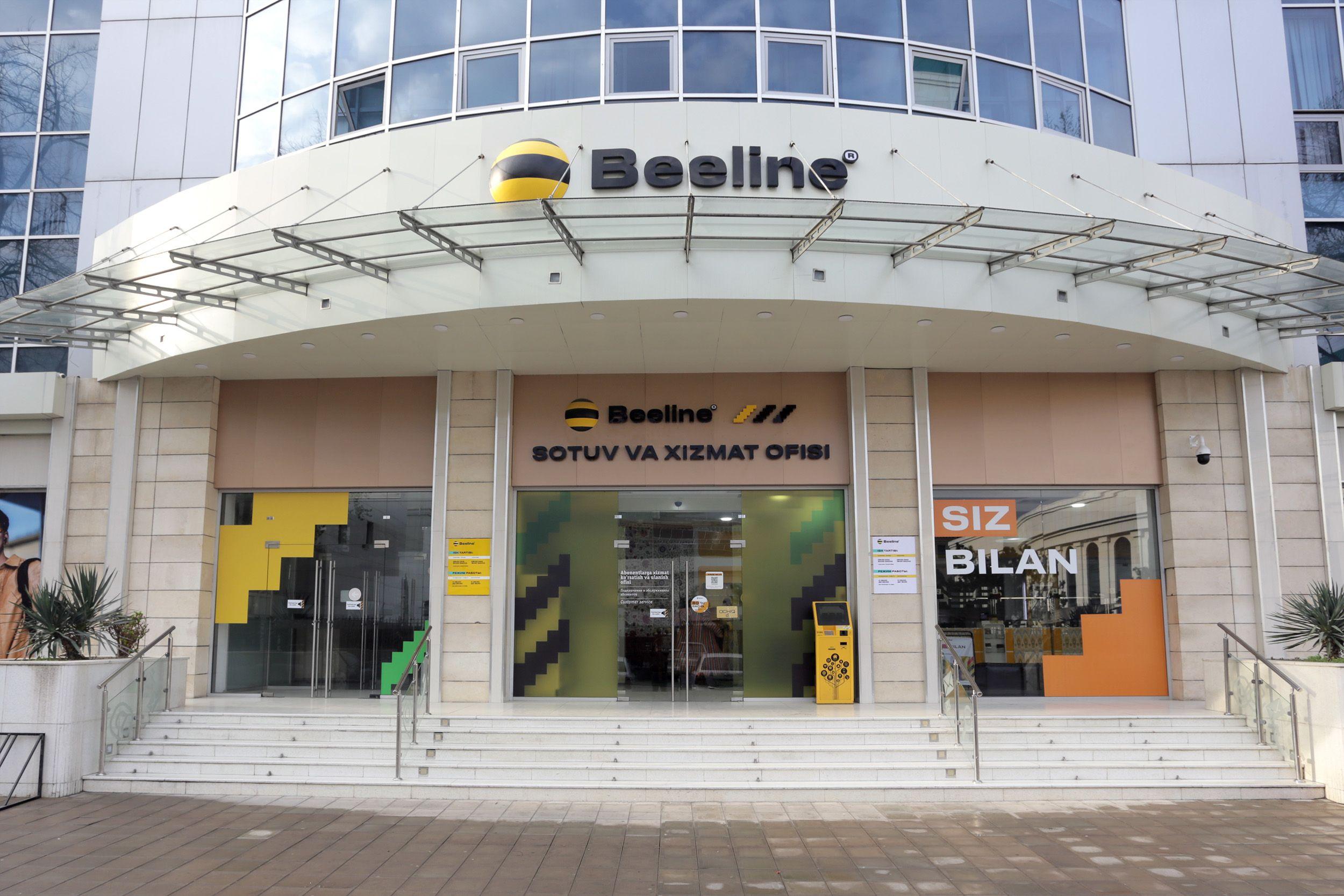
Buy from an official operator office (they are in every city centre, often with English-speaking staff in Tashkent) or the operator counters at Tashkent International Airport. Avoid street sellers offering SIMs without a passport: those cards are registered to someone else, which is illegal and can be cut off at any time.
Staff will register the SIM, activate a tariff and usually set up the data for you. Before leaving the counter, check that mobile data works, note your new number, and ask how to top up. Top-ups are easiest in the operator's app or at payment terminals (Paynet and similar) found in shops everywhere. Ucell has also introduced self-registration for foreign citizens in its app since June 2026, according to travel-SIM comparison sites; we have not tested it ourselves.
Tourist SIM tariffs and prices in 2026
Mobile data in Uzbekistan is very cheap by international standards. Operators change their tariffs every few months and the old tourist plans have been redesigned or withdrawn, so treat the figures below as typical prices in 2026 rather than a fixed price list.
- Beeline Hello: the plan for foreigners and guests, valid only inside Uzbekistan, with allowances valid for 90 days from activation. Data packs on Beeline's site range from 4 GB for one day at 10,000 som and 7 GB for seven days at 30,000 som to 10 GB for 30 days at 50,000 som and up to 150 GB for 150,000 som
- Ucell: visitors can take a regular monthly tariff; the Bor line, for example, starts at around 45,000 som for 45 GB plus calls
- Uzmobile Travel: tariffs restricted to foreign tourists, reported at around 55,000 som a month for about 6 GB, 500 local minutes and 500 SMS, valid for two months
- Mobiuz: sells regular tariffs to foreigners at its offices; its separate tourist SIM has reportedly been withdrawn for new customers in 2026
In practice, a month of 10 to 50 GB with local calls costs roughly 45,000 to 110,000 som (about 4 to 9 US dollars) in a city office, plus a small starter fee for the SIM itself in some shops. Some tariffs include extra TAS-IX traffic, which counts only for websites hosted in Uzbekistan, so look at the main data allowance when comparing.
Buying a SIM card at Tashkent airport
At Tashkent International Airport, operator counters are usually found in the arrivals area, some in the baggage hall before customs and some in the public hall. Bukhara airport has had a tourist service desk selling SIM cards too, but do not count on it.
Things to know:
- Counters are not always staffed for late-night arrivals, and many flights from Europe land between midnight and dawn
- Prices at the airport are often higher than in city offices; travellers regularly report paying up to twice as much, roughly 80,000 to 150,000 som for a month's data
- Queues can be long when several flights land together
If you arrive at night, use airport Wi-Fi or an eSIM to order a Yandex Go ride or contact your transfer, and buy a SIM in town the next day. When you travel with us, your driver meets you in the arrivals hall, so you do not need data to get to the hotel.

IMEI registration: the rule that catches visitors out
Uzbekistan runs a national register of phones, called UzIMEI. Every phone used with a local SIM card must eventually be registered in it, or the network blocks it. Registration is free and not needed if you only use roaming or a foreign eSIM.
For foreign visitors with a local SIM, there is a grace period. Operators and official guidance quote 30 days from the first use of a local SIM; Mobiuz and UzIMEI guidance state that foreign tourists get 60 days. For a typical holiday this means you can use a local SIM without doing anything, as long as you leave within the grace period.
If you stay longer:
- Register the phone at uzimei.uz, in the my.gov or Birda apps, at a UzIMEI office or at your operator's office
- The fee is 20 per cent of the base calculation amount, about 88,000 som from 1 September 2026, and higher if you register late
- A dual-SIM phone has two IMEI numbers, and both must be registered
- Registration requires the phone to have been declared at customs on arrival; travellers planning a long stay can declare their phone in the Yo'lovchi deklaratsiyasi (passenger declaration) app
Check a phone's status at any time by dialling *1170#. Rules have changed several times since 2019, so if you plan a long stay, confirm the current procedure on uzimei.uz or with your operator.
eSIM for Uzbekistan: apps, prices and networks
Uzbekistan is covered by all the major travel eSIM apps, including Airalo, Saily, Holafly, Yesim and Ubigi. You buy the plan online, scan a QR code at home, and switch the eSIM on when you land. Your phone must support eSIM and be unlocked.
Typical prices in 2026:
- 1 GB for 7 days: around 4 US dollars
- 5 GB for 30 days: around 11 to 14 dollars
- 10 GB for 30 days: around 18 to 20 dollars
- Unlimited data: from around 12 dollars for a few days to around 30 dollars for a week, usually with limits on hotspot use and speed after heavy use
Most travel eSIMs give you data only, with no local phone number, which is enough for WhatsApp, Telegram, maps and Yandex Go. They run on local networks, usually Beeline or Ucell; check which one before buying, especially if you will spend time in remote areas. Because the eSIM works as roaming, UzIMEI registration does not apply.
Local operators also offer their own eSIMs, but these are registered in person with a passport, just like a physical SIM, and the IMEI rule applies to them.
Coverage on trains, in the desert and in the mountains
In Tashkent, Samarkand, Bukhara, Khiva and the Fergana Valley, 4G is fast and reliable, and Ucell and Uzmobile offer 5G in parts of Tashkent.
Between cities, coverage depends on the route:
- Afrosiyob train from Tashkent to Samarkand and Bukhara: mostly good, with short gaps between towns; do not rely on onboard Wi-Fi
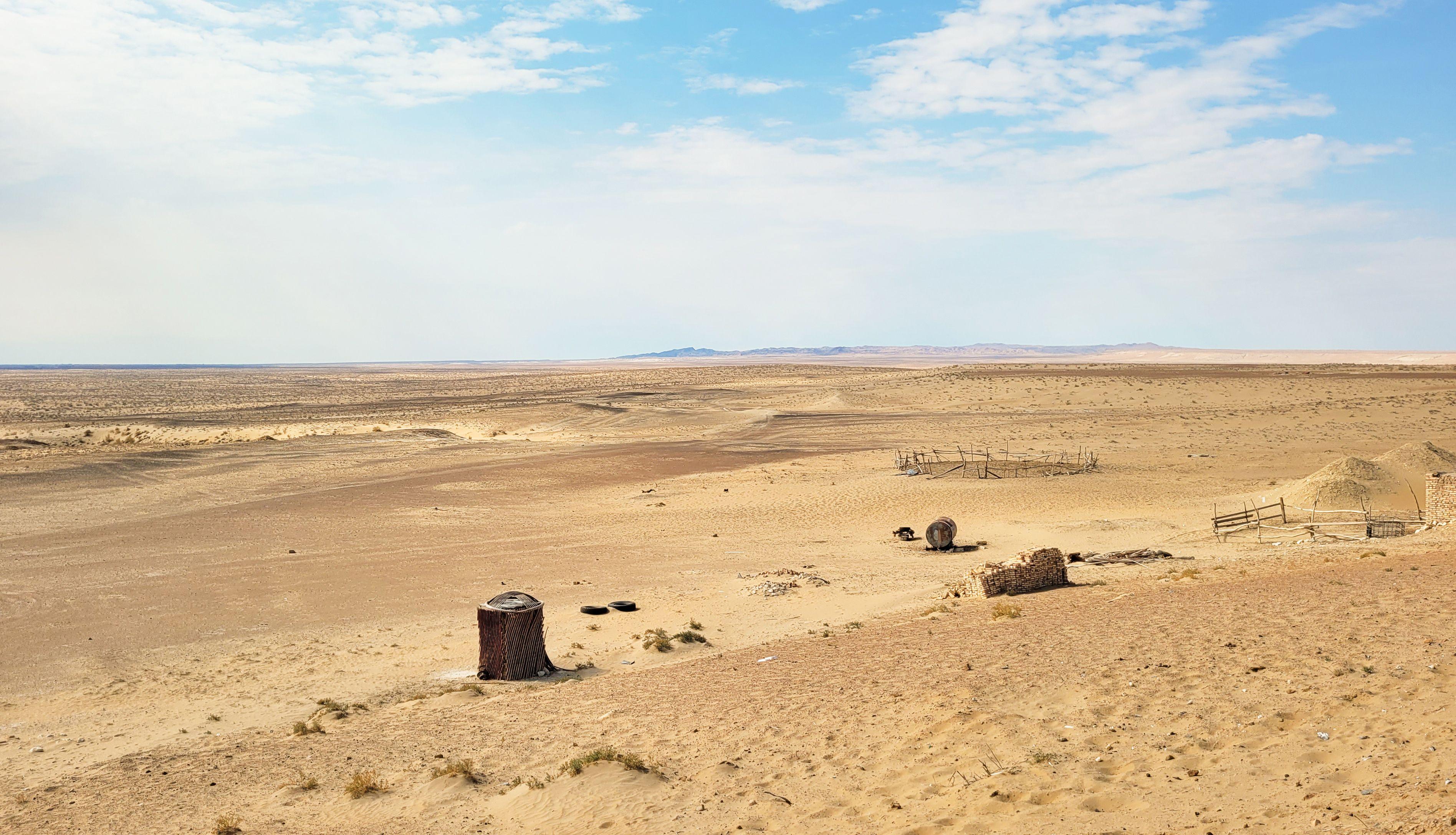
- Bukhara to Khiva by road or rail across the Kyzylkum desert: expect long stretches with weak or no signal, so download offline maps, tickets and music beforehand
- Karakalpakstan, the Aral Sea and Muynak: signal around Nukus and the towns, patchy on the long desert roads and at the desert fortresses
- Mountains near Tashkent (Chimgan, Amirsoy, Charvak): good at the resorts and villages, but weak in side valleys and on hiking trails
- Nuratau and the Aydarkul yurt camps: usually some 2G or 3G, sometimes 4G, but slow
If staying connected matters on a long desert drive, a second network (for example a local SIM plus an eSIM on a different operator) is a cheap insurance policy.
Wi-Fi in hotels, cafés and at the airport
Nearly all hotels and guesthouses offer free Wi-Fi. In modern city hotels it is fast; in family guesthouses in the old towns of Bukhara and Khiva, where thick mud-brick walls block the signal, it may reach the courtyard better than your room. Most cafés and restaurants in the cities have Wi-Fi too, with the password often printed on the menu or the table.
Tashkent International Airport has free public Wi-Fi with a short login, useful for ordering a taxi if your SIM or eSIM is not working yet. Public Wi-Fi is fine for maps and messaging, but avoid banking on open networks without a VPN.

VPNs, apps and blocked services
Most of the internet works normally in Uzbekistan: WhatsApp, Telegram (the country's favourite messenger), Instagram, Facebook, YouTube and Google services are all available. Some services have been restricted at times; TikTok, for example, has been blocked since 2021, with intermittent reports of access since.
There is no published law banning the use of a VPN, and many residents and visitors use one, mostly for privacy on public Wi-Fi or for streaming services from home. Using a VPN to reach content that is illegal in Uzbekistan is a different matter. If you want a VPN, install it before you travel, because some VPN providers' websites are hard to reach from inside the country.
Apps worth installing before you arrive:
- Yandex Go for taxis and Yandex Maps or 2GIS for maps, which are more detailed than Google Maps in Uzbekistan
- Telegram, which many guesthouses, drivers and guides use for messages
- The Uzbekistan Railways app or website for train tickets
- An offline translation pack for Uzbek or Russian
Roaming with your home SIM
Roaming in Uzbekistan is expensive for most visitors, as the country is outside the EU and most bundled roaming zones. Check your provider's price before you go, keep your home SIM active for bank SMS codes, and turn off data roaming on that line.
On a dual-SIM phone you can keep your home number active for calls and texts while using a local SIM or eSIM for data. International calls on local tariffs are not cheap, so most visitors call home over WhatsApp, Telegram or FaceTime instead. Uzbek mobile numbers start with +998 followed by a two-digit operator code, and drivers and guesthouses will often send you a Telegram message rather than call.
On our tours your guide has a local number, so you are never without a contact. We are also happy to advise on the best network for a custom itinerary that includes remote regions.