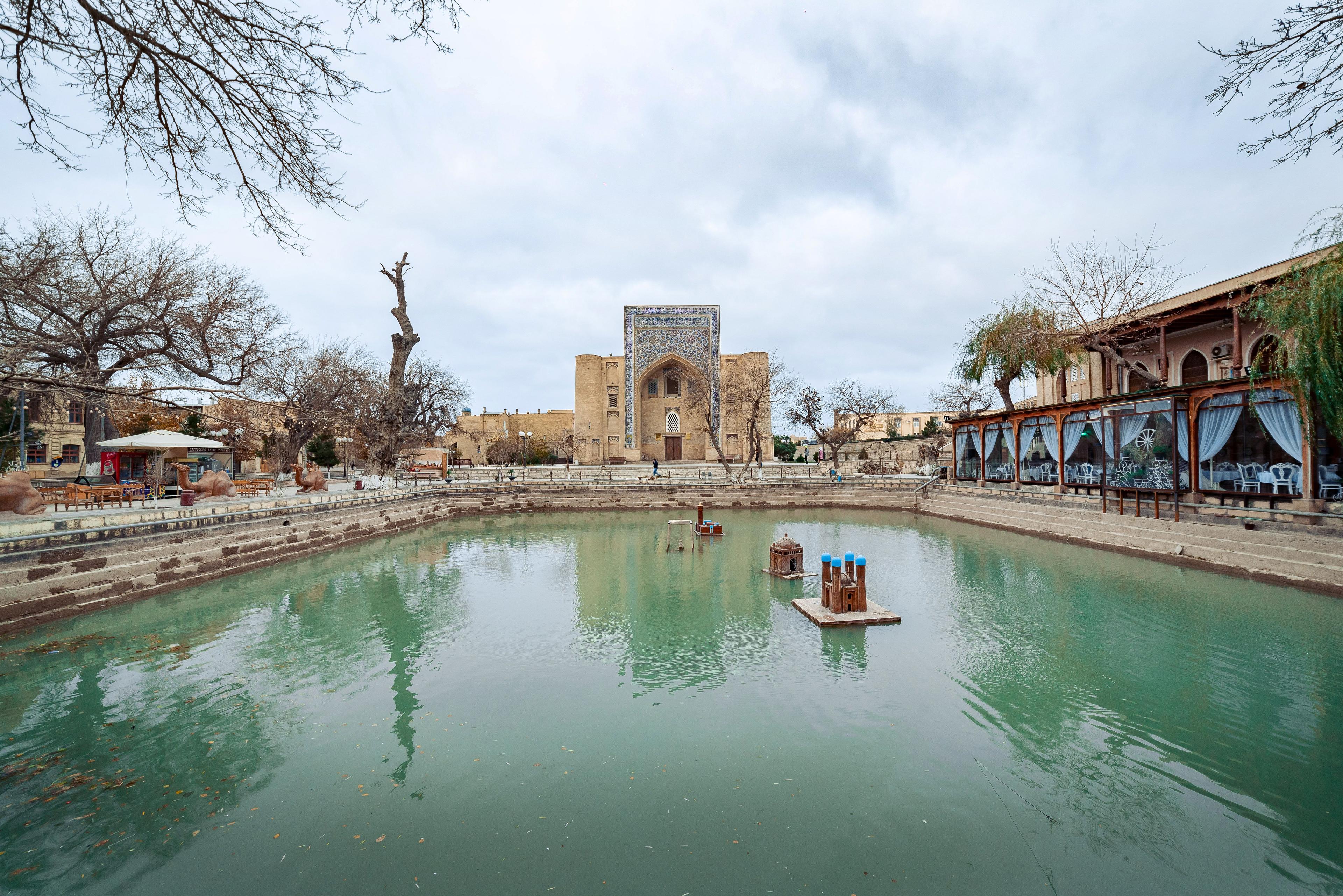
Registration, cash or card, SIM cards and Yandex Go, what to wear, bargaining, photography, tipping, alcohol, Friday prayers, toilets, plugs and the time zone: the practical things to know before your first trip to Uzbekistan, checked in November 2026.
Facts, prices and schedules checked on November 4, 2026
Planning your first trip and wondering what to know before you travel to Uzbekistan? Most of it is reassuring. The country is easy to visit, the people are hospitable, and the main cities are well connected by fast trains. But a handful of local habits and rules surprise almost every first-time visitor, from registering where you sleep to paying for a public toilet.
These are the things we would tell a friend before their first trip: paperwork, money, getting online, taxis, dress, bargaining, photography, tipping, alcohol, Friday prayers, toilets, plugs and the time zone. Where a topic already has its own detailed guide on our site (visas, money, safety, what to wear), we keep it short here and point you on. Everything was checked in November 2026.
Visa and registration: the paperwork to know about
Citizens of more than 90 countries, including the UK, the EU, the United States, Canada, Australia and Japan, can visit Uzbekistan without a visa for up to 30 days. Many others can apply for an e-visa online. Our visa guide covers who needs what; the only official e-visa site is e-visa.gov.uz.
What surprises people is registration. Every foreigner must be registered at their place of stay within three days of arrival, through the government's E-mehmon system. In practice this is invisible:
- Hotels, guesthouses and hostels register you automatically when you hand over your passport at check-in
- If you stay with friends or in a private flat, your host has to register you, or you can register yourself through E-mehmon
- Keep your booking confirmations until you leave; border officers rarely ask, but unexplained gaps can mean a fine
One more rule: carry your original passport at all times. Police checks are rare for tourists but legal, and you need the passport to buy train tickets, board the Afrosiyob train, check in at hotels and sometimes to buy a SIM card. A photocopy or phone scan is a useful backup, not a replacement.
Cash or card in Uzbekistan?
Both, but cash still matters more than in Western Europe. The currency is the som (so'm, UZS), and in November 2026 one US dollar buys roughly 12,000 som. Prices are written with many zeros, so a 200,000 note is worth about 17 dollars.
- Visa and Mastercard work in most mid-range and upscale hotels, modern restaurants, supermarkets and many shops in Tashkent, Samarkand and Bukhara
- ATMs that accept foreign cards are easy to find in every city on the tourist route
- Bazaars, small cafés, taxis, toilets and tips are cash, so keep 5,000 and 10,000 som notes handy
- Bring clean, recent US dollars or euros as a backup and change them at banks, never on the street
Our guide to money in Uzbekistan covers exchange, ATMs, card fees and typical prices in detail.
Getting online and getting around: SIM cards and Yandex Go
A local data connection makes everything easier, from maps to taxis to translating menus. You have two options: a local SIM card bought with your passport (cheap, typically well under 10 dollars for a month of data) or a travel eSIM set up before you fly. Our guide to SIM cards and eSIM in Uzbekistan explains the operators, prices and the phone registration rule that catches some visitors out.
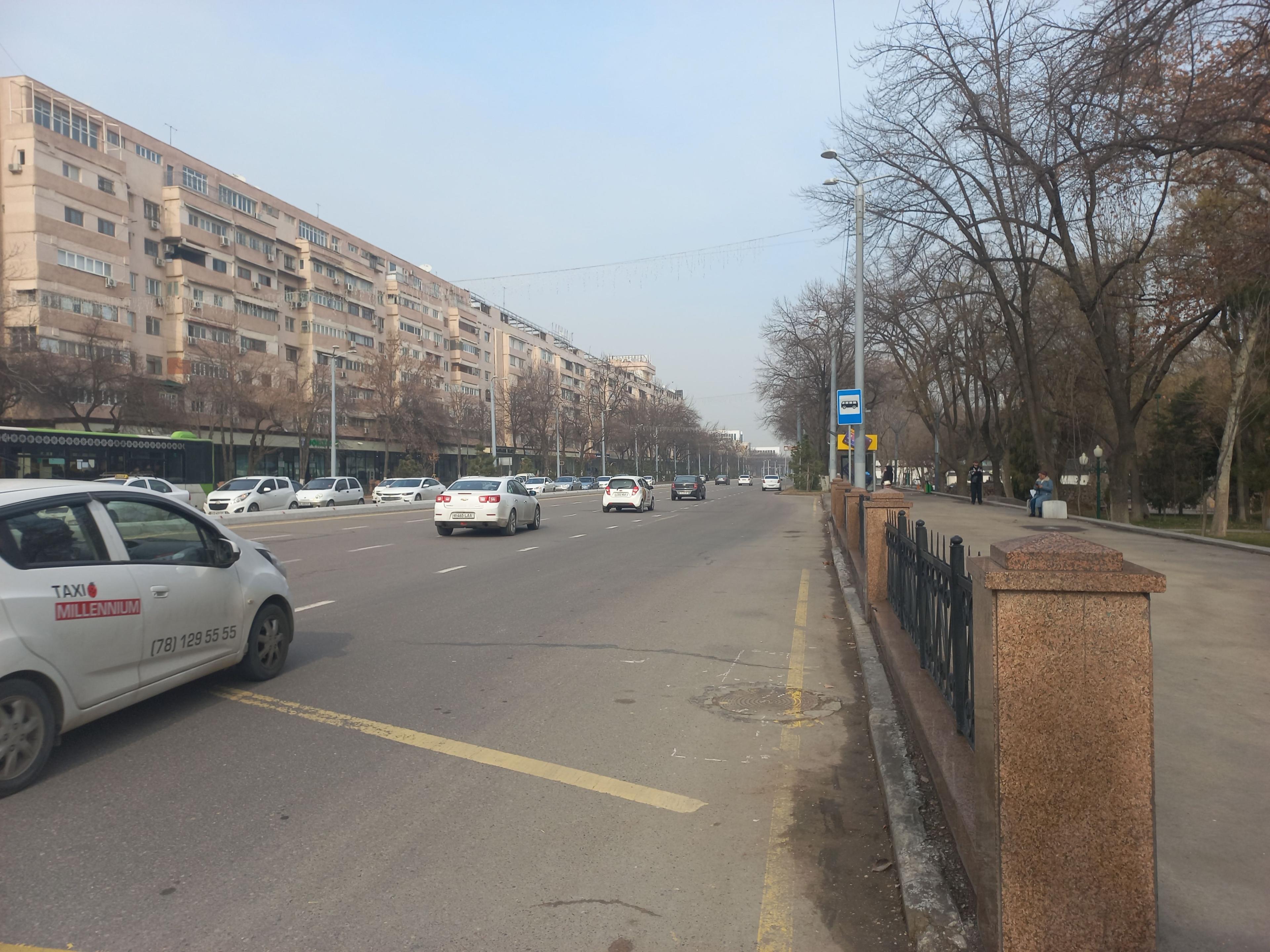
For city travel, the Yandex Go app is the norm in Tashkent, Samarkand, Bukhara, Khiva and most other cities. You see the fare before you book, the route is tracked, and there is no haggling. A typical ride across central Tashkent costs around 20,000 to 50,000 som in 2026. A few tips:
- Install Yandex Go and verify your phone number before you arrive
- Choose cash or a card in the app; cash is the most reliable option with foreign cards
- Check the number plate before you get in, and ask for a car with rear seatbelts if it matters to you
In Tashkent the metro is fast, cheap and beautiful, and photography in it has been allowed since 2018. Our guide to getting around Uzbekistan's cities covers the metro, buses and shared taxis.
Between cities, the fast Afrosiyob train links Tashkent, Samarkand and Bukhara, and seats sell out in spring and autumn. Tickets go on sale up to 60 days before departure on the Uzbekistan Railways website, and you need your passport details to book, so reserve as soon as your dates are fixed. Our Afrosiyob train guide explains classes and booking step by step.
What to wear in Uzbekistan
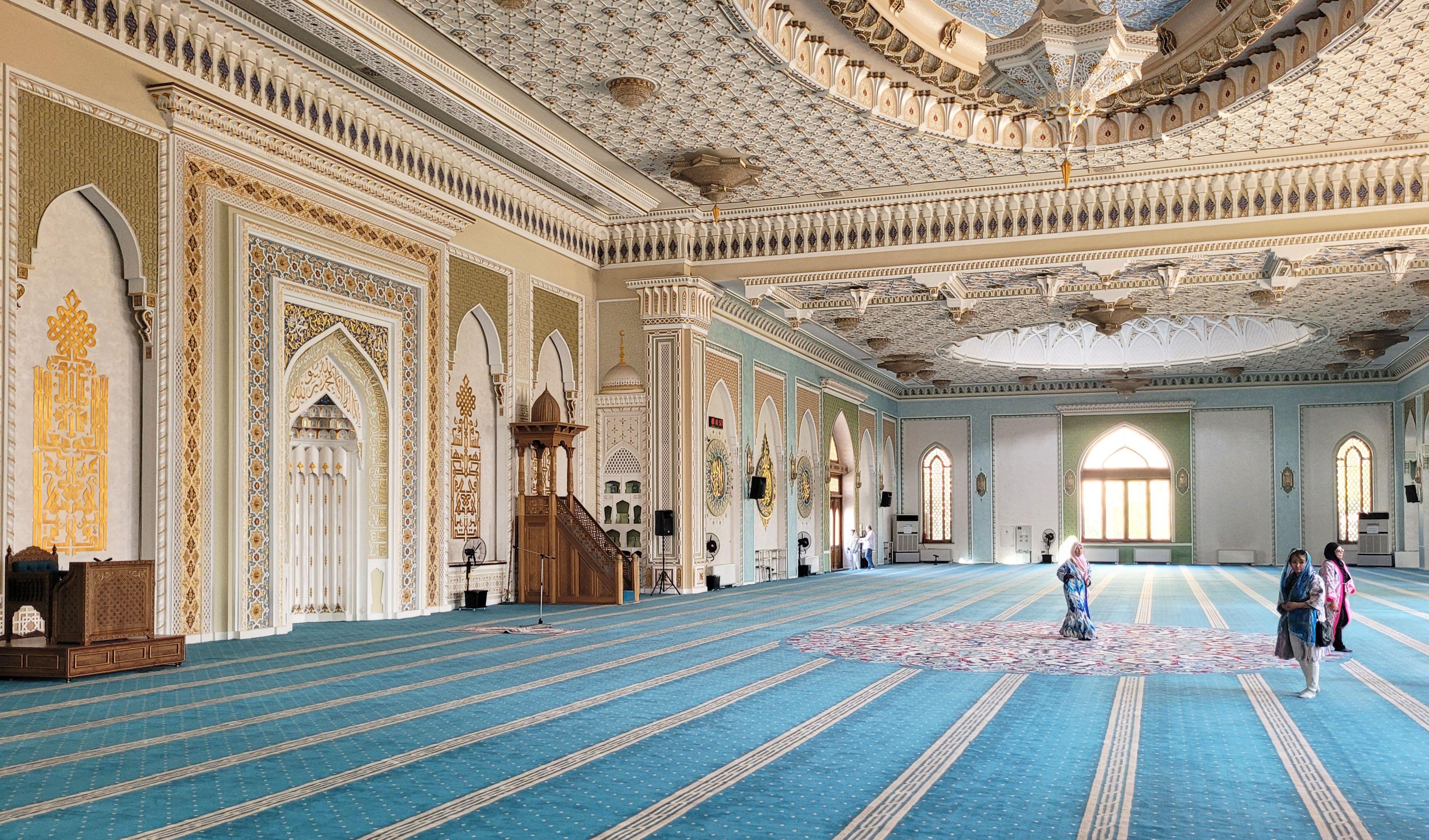
Uzbekistan is a secular country with a Muslim majority, and there is no legal dress code for visitors. In Tashkent you will see everything from business suits to summer dresses. In the old towns of Bukhara and Khiva, in villages, and above all in working mosques and shrines, modest clothes are expected and appreciated.
- For sightseeing, clothes that cover shoulders and knees work everywhere
- Women should carry a light scarf to cover their hair in active mosques and shrines
- Men in shorts are fine in Tashkent in summer but stand out in the old towns
- Comfortable, broken-in shoes matter more than anything else on the old stone streets
Our packing list and what to wear guide goes season by season, including the mosque dress code for women and men.
Bargaining at the bazaar
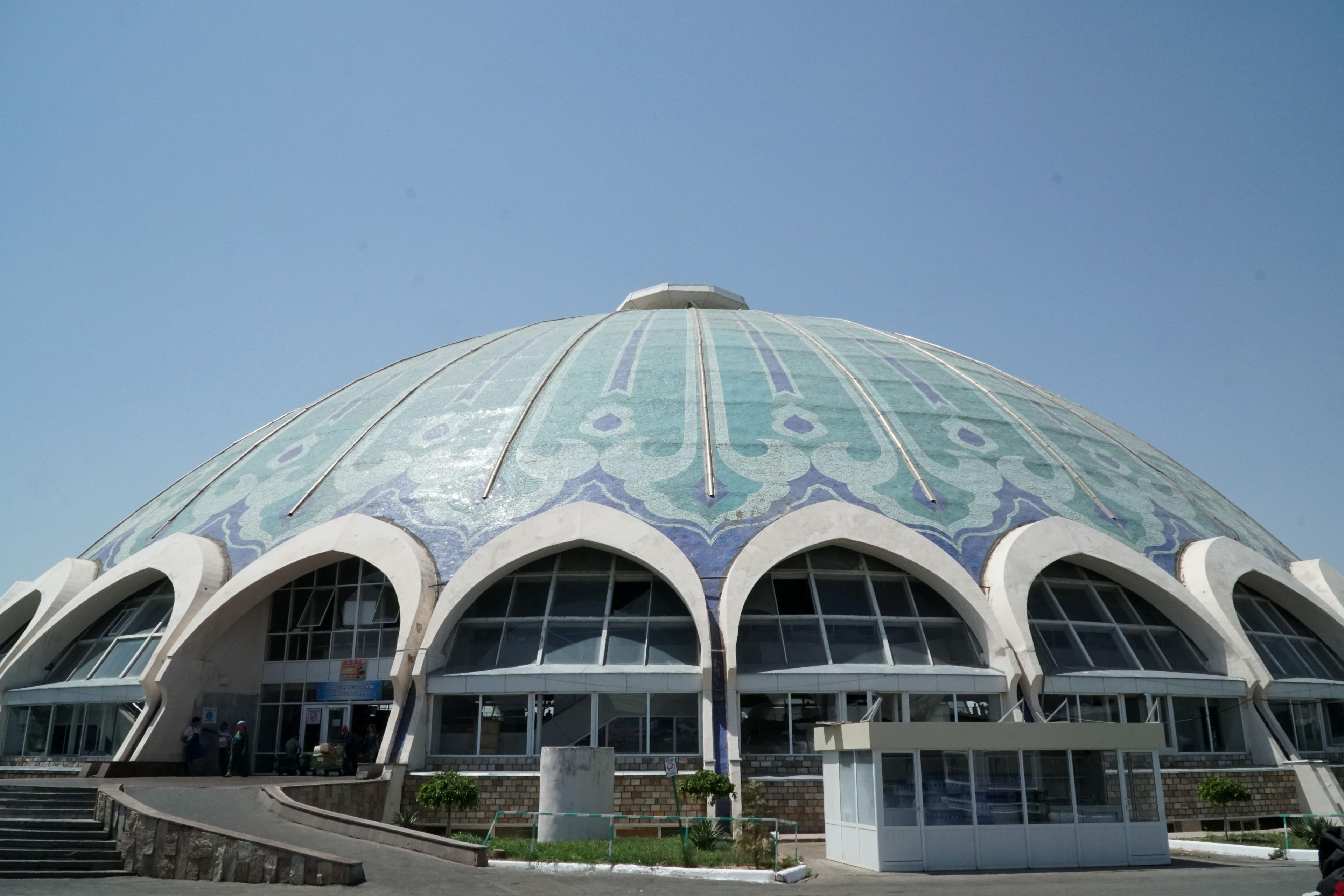
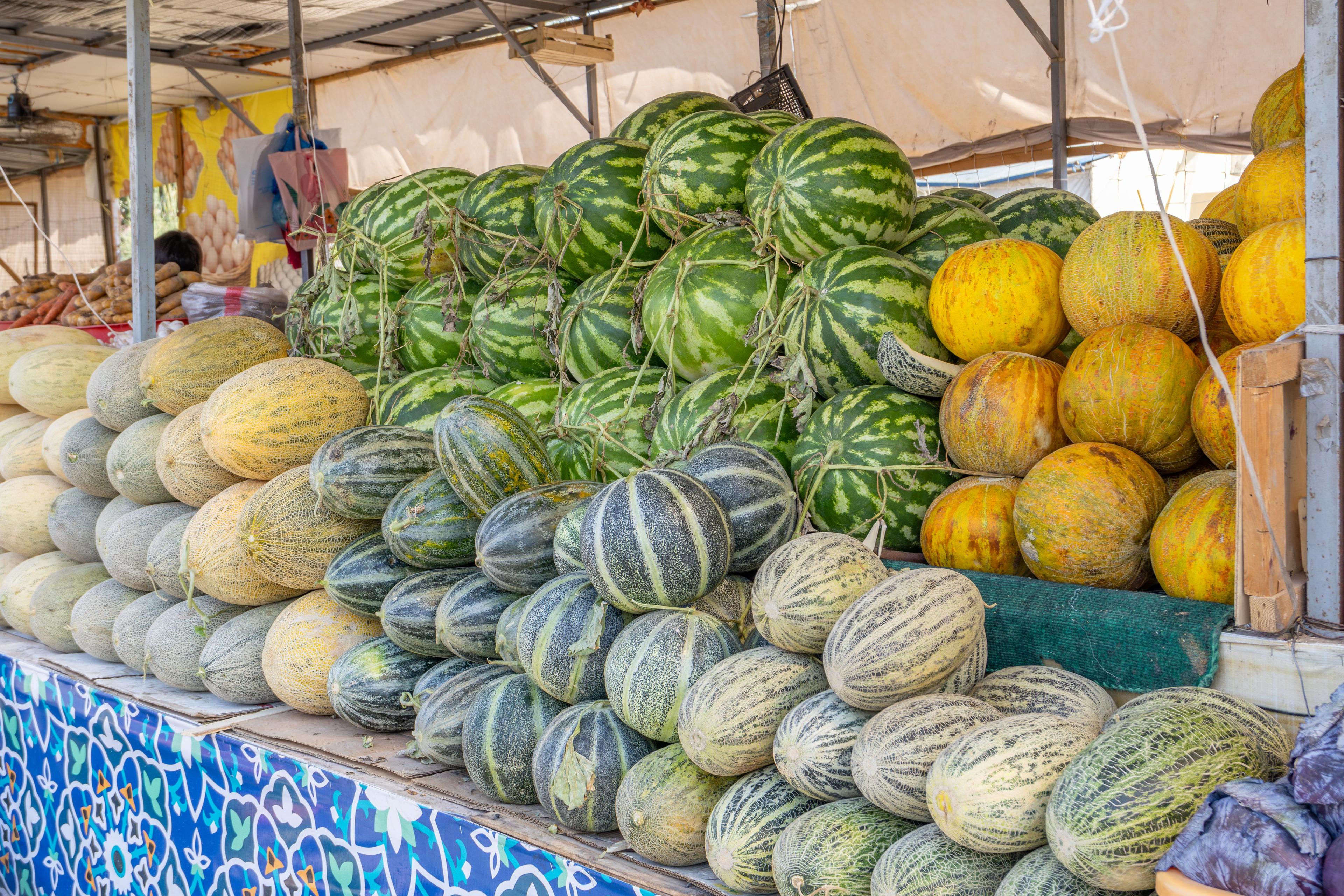
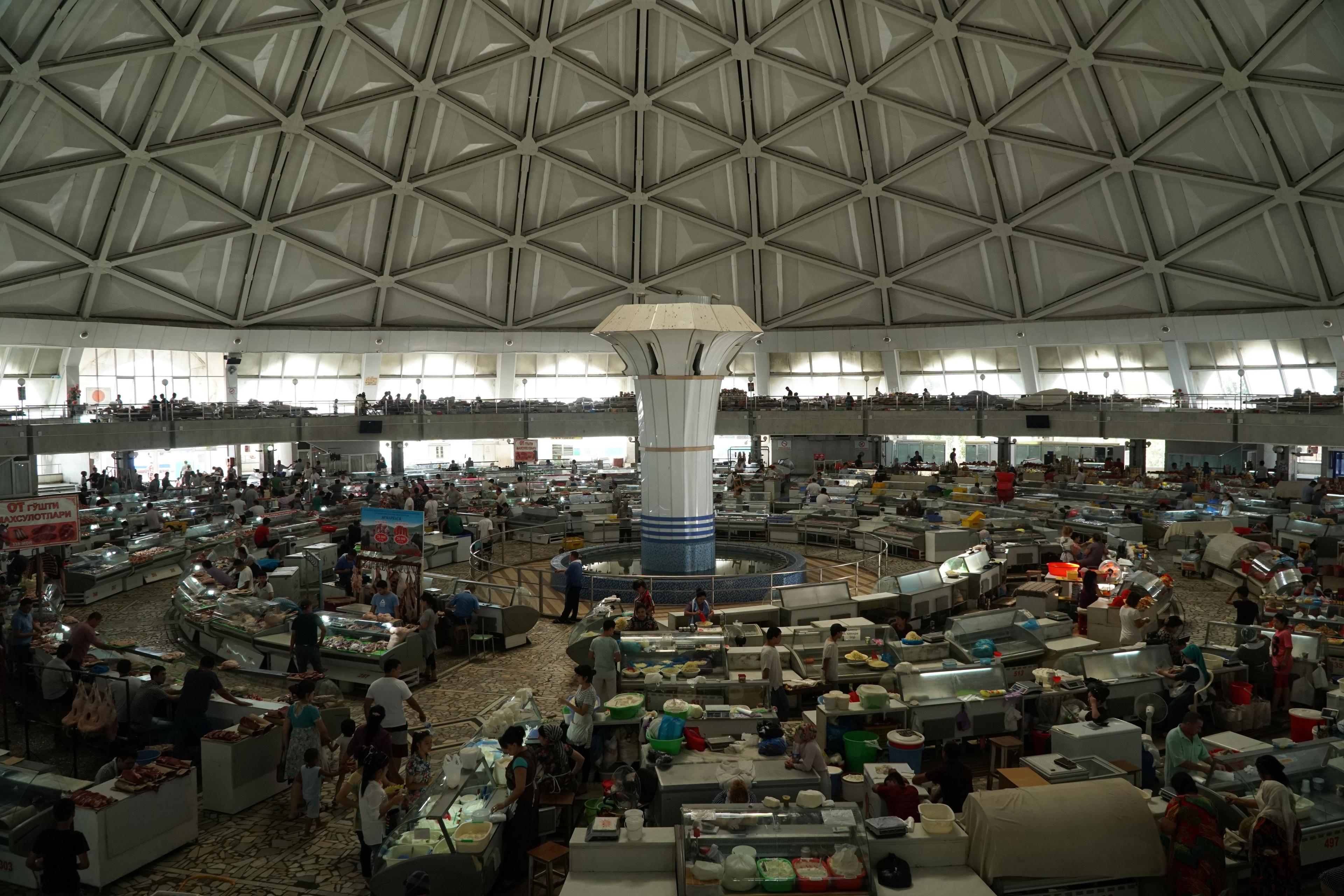
Bargaining is normal and expected at bazaars and in craft stalls, and it is part of the fun at Chorsu Bazaar in Tashkent or Siyob Bazaar in Samarkand. It is not expected in supermarkets, cafés, pharmacies, or anywhere with printed price tags.
How we suggest you do it:
- Ask the price first, then offer a little over half and meet somewhere in the middle; for souvenirs, a final price 20 to 30 per cent below the first one is common
- Keep it friendly and smiling; a long, cheerful negotiation is fine, an aggressive one is not
- For dried fruit, nuts and spices, ask to taste first, which is normal, and check the price per kilo
- If you agree a price, buy; walking away after the seller accepts your offer is considered rude
- Carry small notes, since stallholders often cannot change a 200,000 note
For carpets, suzani and ceramics, quality varies enormously. Our guide to Uzbek crafts and souvenirs explains what to look for and the export paperwork for older pieces.

Photography rules in Uzbekistan
Uzbekistan is very photogenic and largely relaxed about cameras, but there are rules worth knowing.
- Ask before photographing people, especially women and older people; a gesture to your camera and a smile is enough, and most people say yes
- Do not photograph police, soldiers, border posts, airports, bridges or government buildings; the UK Foreign Office singles out government buildings as a sensitive subject
- Do not photograph people praying inside mosques
- In museums and some monuments, flash or tripods may not be allowed; follow the signs
- Drones need prior permission and are effectively banned for tourists, so leave yours at home
In October 2025 the lower house of parliament approved a bill requiring consent before filming or photographing people in public. Whatever its final status, asking first is simply good manners.
Tipping in Uzbekistan
Tipping is not deeply rooted in Uzbek culture, but it has become customary in tourism and is always appreciated. As of November 2026:
- Restaurants: many restaurants and cafés add a service charge of 10 to 15 per cent to the bill. Check the bill; if it is there, extra tipping is optional. If not, rounding up or leaving 5 to 10 per cent for good service is usual
- Guides and drivers: on a private tour, travellers commonly give a guide around 10 to 20 US dollars per day and a driver 5 to 10 dollars per day, less per person in a group
- Hotel porters and housekeeping: 10,000 to 20,000 som is welcome but not expected
- Taxis: not expected; rounding up is a kind gesture
Uzbekistan's Competition Committee has warned restaurants against hidden charges, so if a service fee is not shown on the menu, you are entitled to ask about it politely.
Alcohol, smoking and vapes
Alcohol is legal and easy to find in restaurants, hotels and licensed shops. The country makes its own wine, beer and vodka, and the vineyards around Samarkand and Tashkent are worth a tasting. A few rules apply:
- The legal age to buy alcohol and tobacco is 21, and sellers may ask for ID
- Drinking in public places such as streets and parks is prohibited and can be fined
- Some restaurants, particularly near religious sites and in more traditional towns, do not serve alcohol; ask first, and do not bring your own unless invited
- Public drunkenness is frowned upon everywhere
Vapes and e-cigarettes are a different matter. A law signed in November 2025 bans their import and sale, and the Czech embassy in Tashkent warns that devices and liquids are confiscated at the border and that travellers can be fined. Leave them at home. Smoking ordinary cigarettes is banned in many public places, including restaurants' indoor areas, so look for designated outdoor spots.
Friday prayers, Ramadan and visiting mosques
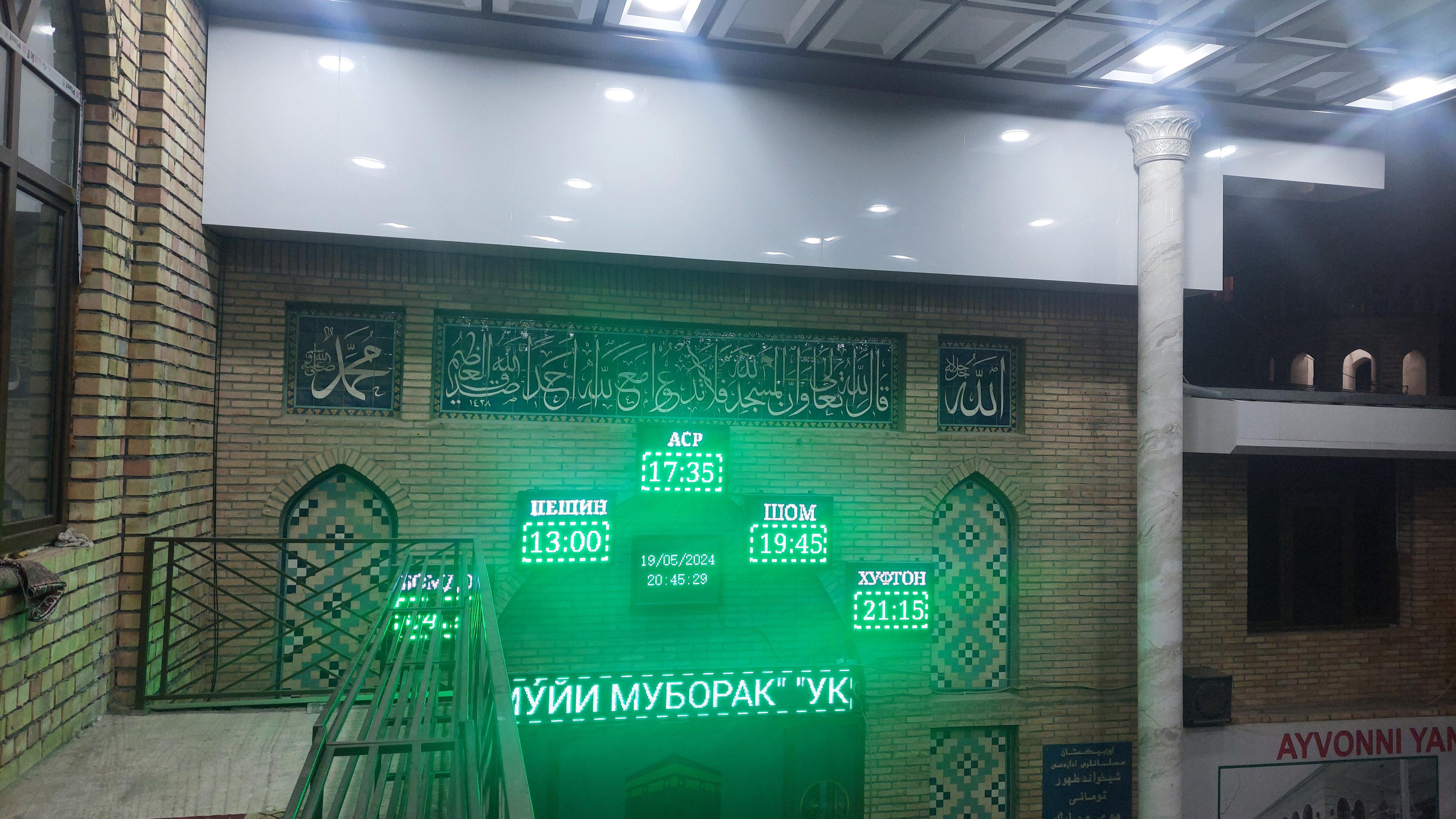
Friday is the main day of congregational prayer. Around midday and in the early afternoon, the large working mosques, such as the Hazrati Imam complex in Tashkent, fill with worshippers, and some are closed to sightseeing during the prayer. Plan mosque visits for the morning or late afternoon on Fridays, or simply admire the courtyards from a respectful distance while prayers take place.
Most historic monuments, including the Registan, Ichan-Kala and the Ark Fortress, are museums and open as usual on Fridays. The weekly rest day is Sunday, when bazaars are busiest and most museums stay open.
During Ramadan (in 2027, expected from mid-February to mid-March), restaurants, cafés and tourist services continue to operate normally. Many Uzbeks fast, and many do not; eating and drinking in public is acceptable, though it is courteous to be discreet near mosques. Evening iftar meals are a lovely time to be invited into a family home. Our guide to culture and etiquette covers mosque etiquette, hospitality and religious life in more depth.
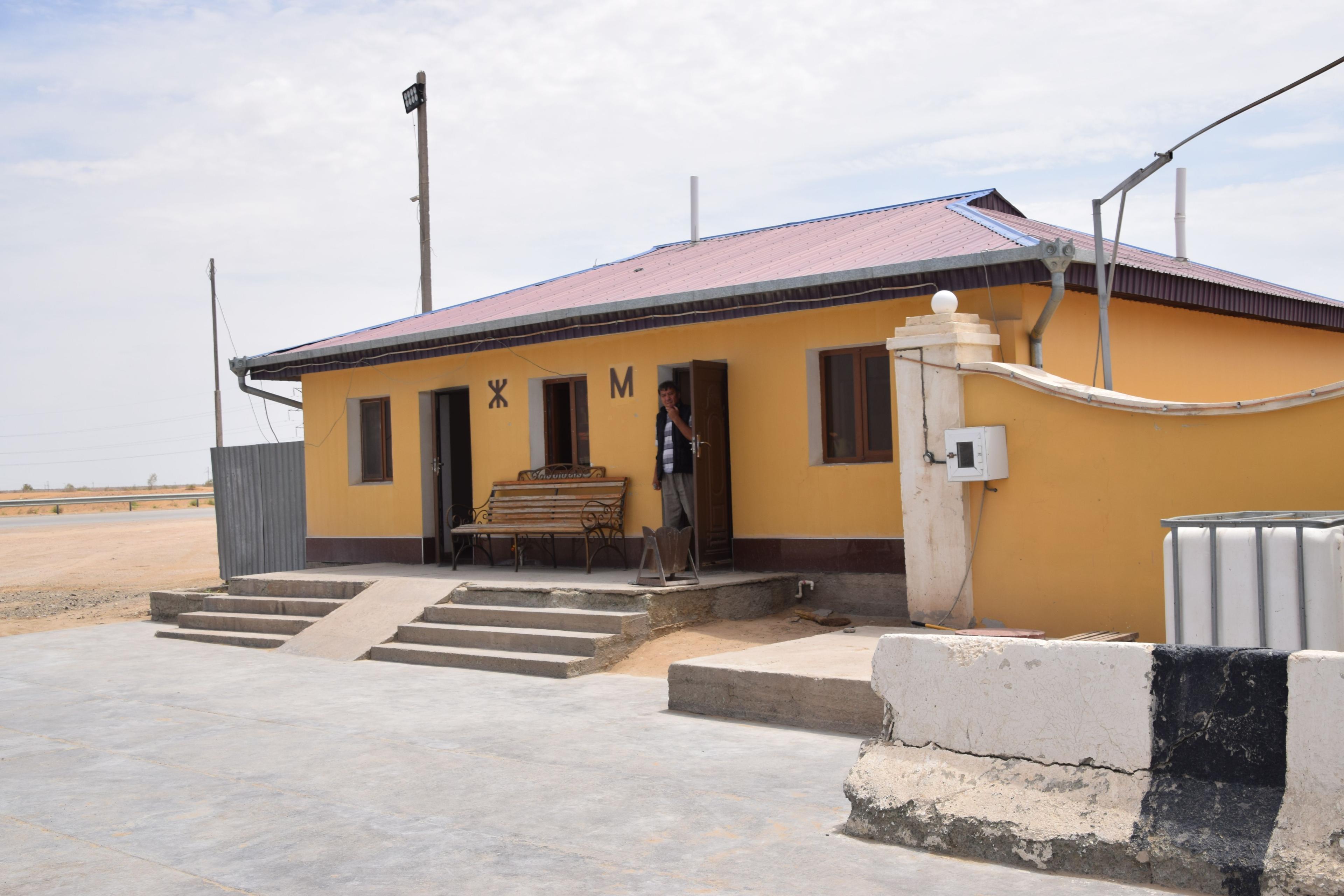
Toilets, plugs, time zone and other small things
These are the details that make a first trip smoother.
Toilets: public toilets in tourist areas, bazaars and train stations usually charge a small fee, typically 1,000 to 3,000 som in 2026, paid to an attendant. Squat toilets are still common in bazaars, roadside stops and older buildings, while hotels, modern restaurants and museums have Western-style toilets. Carry tissues and hand sanitiser, as paper is not always provided. On long drives across the Kyzylkum desert, rest stops are basic and far apart, so take the chance when you have it.
Power plugs: Uzbekistan uses type C and type F sockets (European two round pins) at 220 volts and 50 hertz. Travellers from the UK, Ireland, North America, Australia, China and Japan need an adapter.
Time zone: the whole country is on Uzbekistan Time, UTC+5, all year round, with no daylight saving. That is the same as Pakistan and Kazakhstan, one hour behind Kyrgyzstan, five hours ahead of London in winter and four in summer.
Tap water: drink bottled or filtered water. Bottled water is cheap and sold everywhere; our health guide explains why.
Emergency numbers: 112 is the unified emergency number, and the older numbers still work: 101 fire, 102 police, 103 ambulance. The tourist safety call centre on 1173 runs around the clock with English-speaking operators.
Language: Uzbek is the state language and Russian is widely spoken in cities. English is common in hotels and among younger people, less so with taxi drivers. A few words of Uzbek go a long way: assalomu alaykum (hello), rahmat (thank you) and qancha? (how much?).
Is Uzbekistan safe for first-time visitors?
Yes. Uzbekistan is one of the safest countries in Asia for travellers, with very little violent crime and a visible police presence in tourist areas. The usual precautions apply: watch your phone and wallet in crowded bazaars and on the rush-hour metro, use the Yandex Go app instead of unmarked street taxis, and keep valuables locked in your compartment on overnight trains. Our article on whether Uzbekistan is safe goes into detail, and we also have a guide for women travelling solo.
If you would rather not juggle registrations, tickets and taxis on your first visit, our private and small-group tours take care of the logistics, and our guides share all of the above on the ground. We can also build a custom itinerary from Tashkent with as much or as little support as you like.