How to add Tajikistan to an Uzbekistan trip: ancient Penjikent and Sarazm across the border from Samarkand, the Seven Lakes and Fann Mountains, Dushanbe, an overview of the Pamir Highway and its GBAO permit, and visa and e-visa rules as of November 2026.
Facts, prices and schedules checked on November 4, 2026
Tajikistan is Uzbekistan's mountainous Persian-speaking neighbour, and for a traveller in Samarkand it is remarkably close. The border is less than an hour from the Registan. Within another half hour you can be in Penjikent, a town with the ruins of a Sogdian city where Silk Road merchants lived 1,300 years ago, and by midday on the road into the Fann Mountains, towards the turquoise Seven Lakes.
This Tajikistan travel guide is written for travellers combining the two countries. TourEast is an Uzbekistan tour operator. We do not run tours inside Tajikistan, but we arrange transfers to the Penjikent border and help travellers plan how the Tajik part fits around Samarkand and Bukhara. Below: what to see, how the borders work, Dushanbe, an overview of the Pamir Highway, and the visa rules.
A reminder before you read on: visa and border rules in the region change often. We give dates and official sources; please check them before you book.
Is Tajikistan worth visiting from Uzbekistan?
Absolutely, especially if you are in Samarkand anyway. Tajikistan shares history, language and food with Uzbekistan: Samarkand and Bukhara were Persian-speaking cities for centuries, and many families on both sides of the border speak Tajik at home. What Tajikistan adds is mountains. More than 90 percent of the country is mountainous, and the Fann range starts just a couple of hours from Samarkand.
- A day trip from Samarkand: Penjikent, Sarazm and the first of the Seven Lakes. Long, but very doable.
- Two to three days: Penjikent, a night by the Seven Lakes, Iskanderkul, then on to Dushanbe or back to Samarkand.
- A week or more: trekking in the Fann Mountains, or the Pamir Highway, which is a trip of its own.
Our Central Asia itinerary guide shows how Tajikistan fits into longer routes with Kyrgyzstan and Kazakhstan.
Samarkand to Penjikent: the border crossing
The crossing between Samarkand and Penjikent is called Jartepa on the Uzbek side and Sarazm on the Tajik side. It is the most convenient border between the two countries for tourists.
- From Samarkand to the border is about 40 to 50 minutes by car.
- You cross on foot through both posts and the short neutral zone. Allow 30 minutes to an hour; occasionally longer if computer systems are slow.
- On the Tajik side, Penjikent town centre is about 15 to 20 minutes by taxi. Drivers wait at the border; agree the fare before you get in.
- Carry your passport, your Tajik e-visa printout if you need one, and some cash. Tajik somoni are easy to get at ATMs and exchange offices in Penjikent.
The crossing has had temporary closures in the past, and the exact opening hours are not officially published in English. It is regularly used by foreign tourists, but ask us or check shortly before you travel. We arrange the Uzbek leg: a car from your hotel in Samarkand to the border in the morning, and a pick-up at the border when you come back. On the Tajik side you will need a local driver, which your Tajik guesthouse or a Tajik tour company can arrange.
Penjikent and Sarazm: Sogdian and Bronze Age history
Penjikent is a calm provincial town on the Zarafshan river, the same river that waters Samarkand downstream. It has two layers of history worth your time.
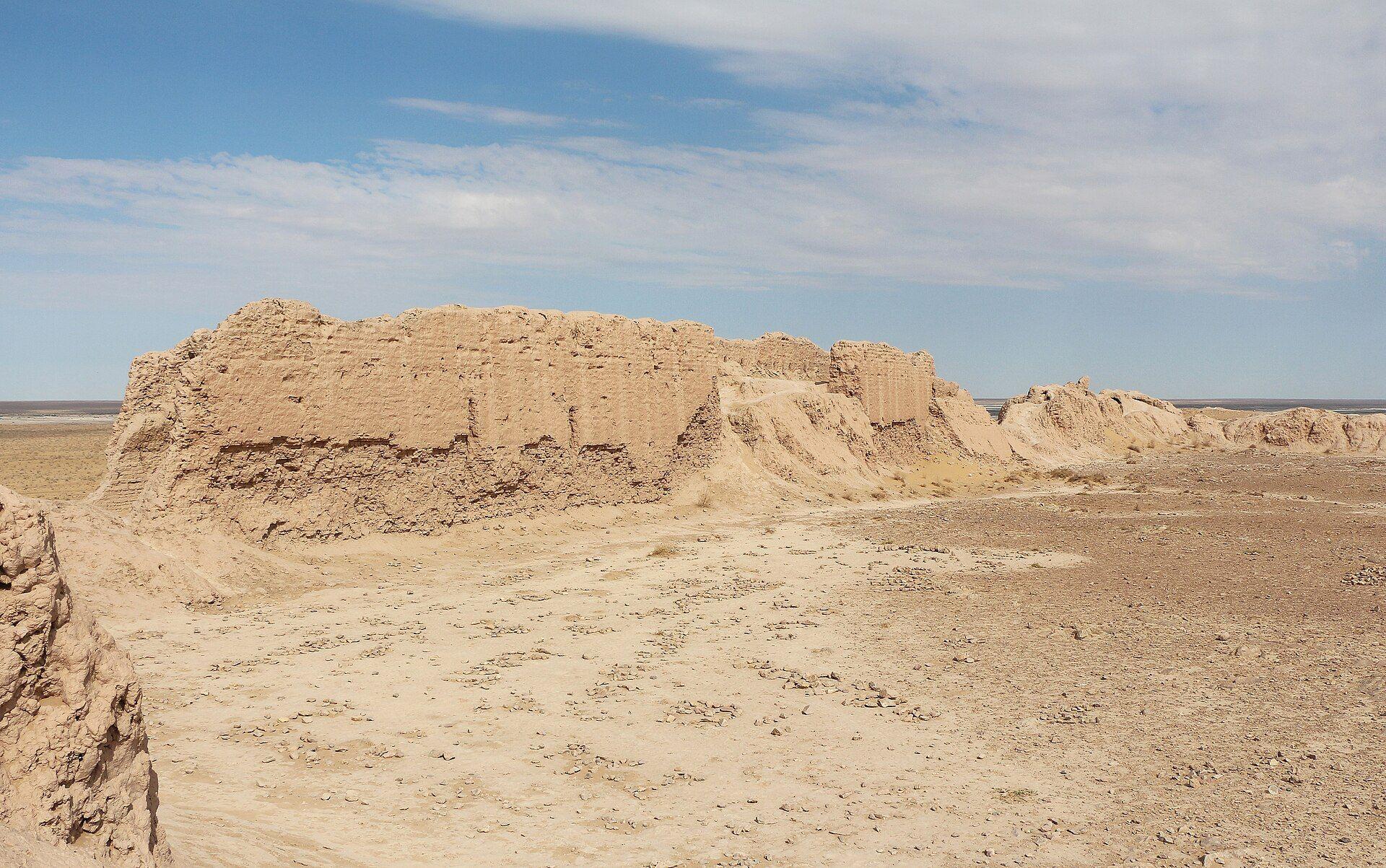
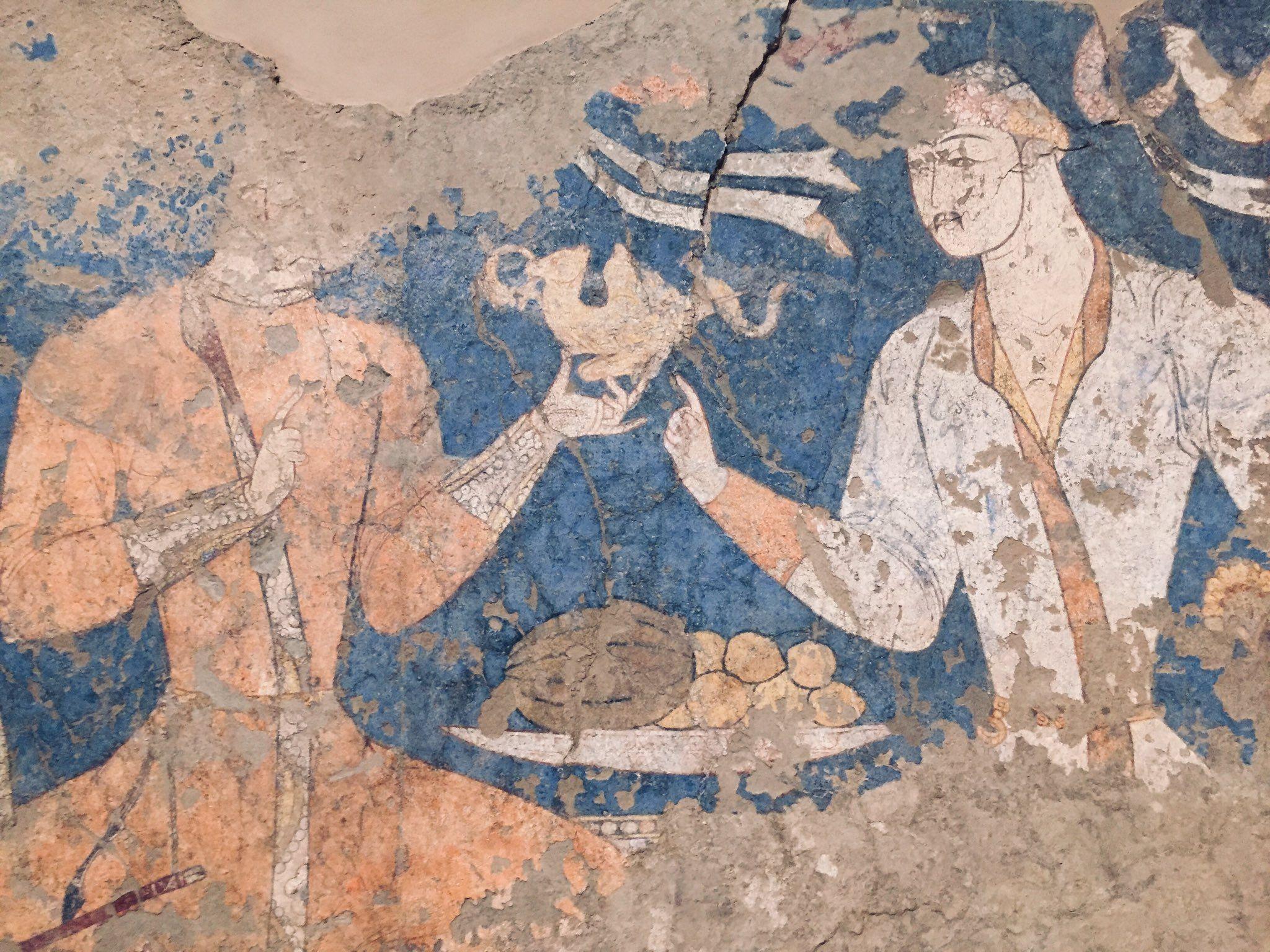
- Ancient Penjikent: on a terrace above the modern town lie the excavated ruins of a Sogdian city that flourished from roughly the 5th to the 8th century, before the Arab conquest. Archaeologists found houses, temples and a citadel, and walls covered with paintings of banquets, legends and battles. The best murals are now in the Hermitage in St Petersburg and the National Museum of Antiquities in Dushanbe, but walking the streets of the ruined city gives a rare sense of what a Sogdian merchant town looked like. The small Rudaki museum in town displays finds and copies of the murals.
- Sarazm: right next to the border, this is one of the oldest settlements in Central Asia, dating back to the 4th millennium BC. It was a centre of metalworking and trade linking the steppe, Iran and the Indus, and was listed as a UNESCO World Heritage Site in 2010. The excavated areas are under protective roofs, and a small museum shows finds including jewellery and seals.
- The Rudaki mausoleum, in the village of Panjrud east of Penjikent, honours the 10th-century poet considered the father of Persian literature.
Penjikent's market is also worth a look in the morning. If you have seen Siab Bazaar in Samarkand, you will notice the family resemblance.
The Seven Lakes (Haft Kul / Marguzor)
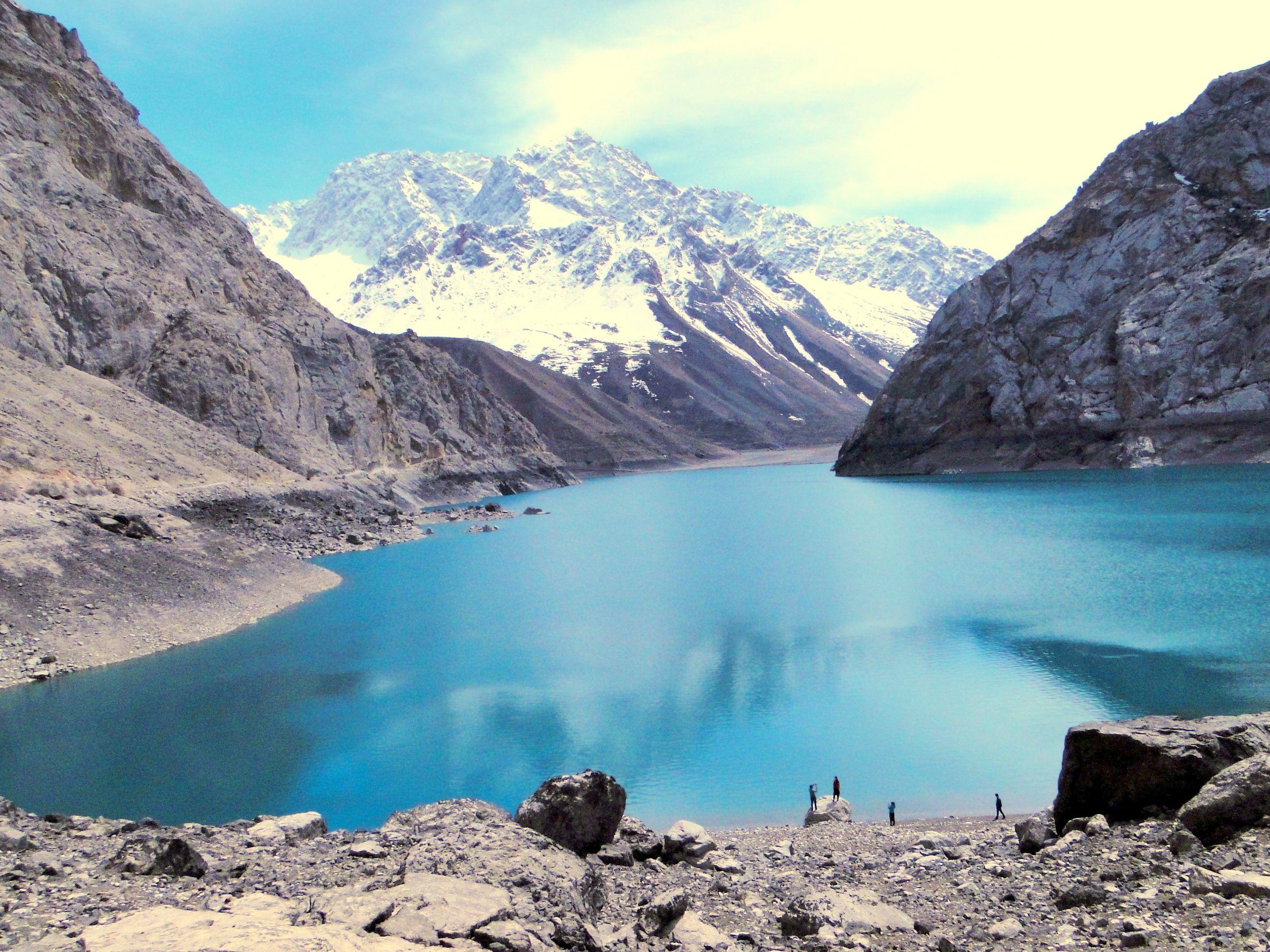
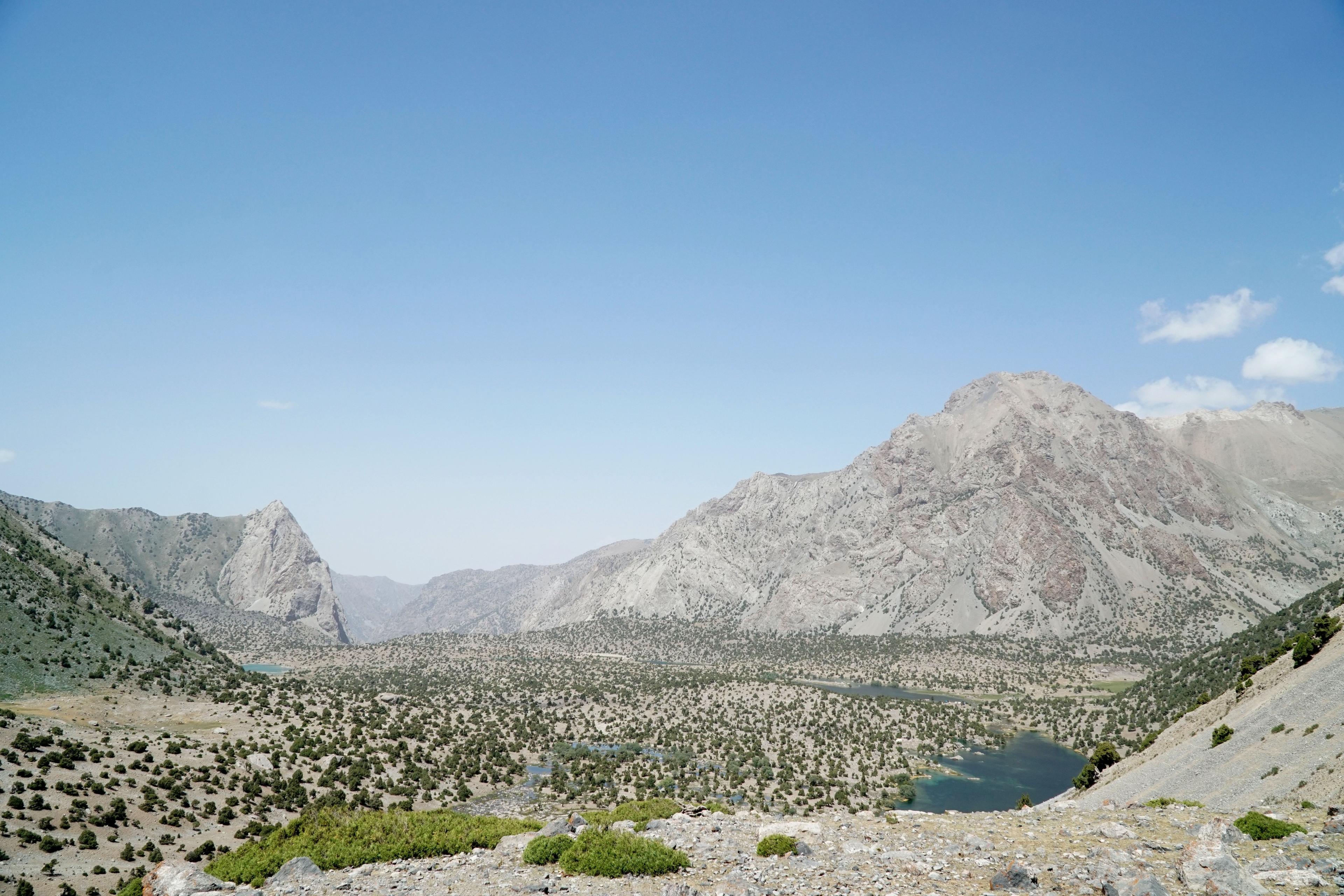
The Seven Lakes, known in Tajik as Haft Kul and often called the Marguzor lakes, are a chain of mountain lakes stepping up a narrow valley in the western Fann Mountains, south of Penjikent. Each has its own name and its own colour, from emerald to deep blue, depending on depth and light: Mijgon, Soya, Gushor, Nofin, Khurdak, Marguzor and, at the top, Hazorchashma.
- The road from Penjikent climbs along the valley past small villages, apricot orchards and terraced fields. It is unpaved in places, and the drive to the upper lakes takes two to three hours one way.
- Most day trips reach the fourth to sixth lakes by car and include short walks along the shore.
- To reach the seventh lake, Hazorchashma, you walk the last part. It is much better as an overnight.
- Guesthouses in the villages along the valley offer simple rooms, home cooking and a very warm welcome.
The lakes make a day trip from Samarkand possible, but it is a long day of 12 hours or more with the border both ways. With a night in Penjikent or by the lakes, you see them in the soft morning and evening light and do not spend the whole day in a car.
Iskanderkul and the Fann Mountains
The Fann Mountains are a compact, dramatic range of granite peaks, the highest of which, Chimtarga, rises to around 5,500 metres. They are one of the best trekking areas in Central Asia, and much easier to reach than the Pamirs.
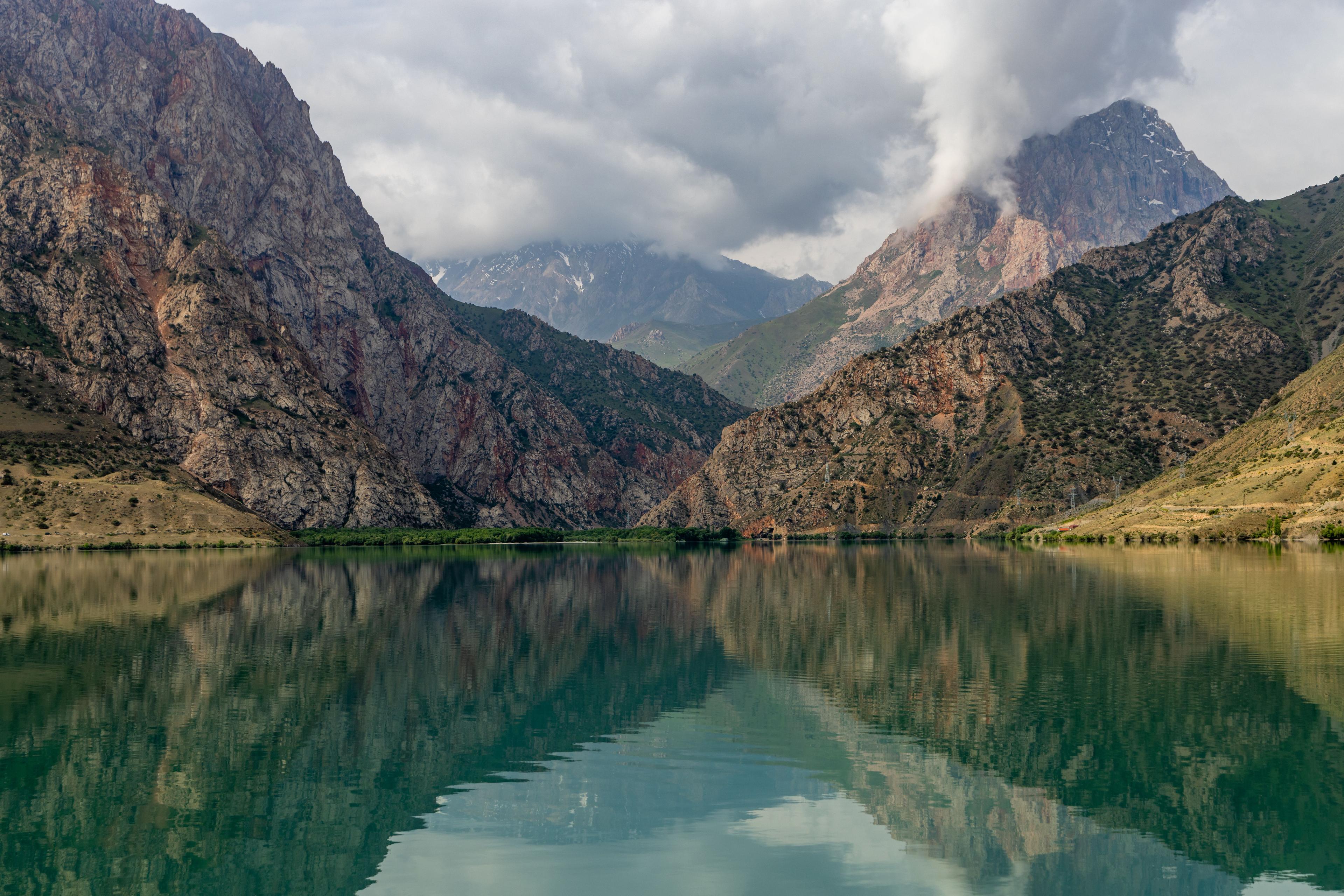
- Iskanderkul: a large turquoise lake at about 2,200 metres, named after Alexander the Great, who according to legend passed this way. It lies off the main road between Penjikent and Dushanbe, about an hour's detour, with a waterfall nearby.
- The Alauddin and Kulikalon lakes: classic trekking destinations deeper in the range, reached on foot over several days.
- The Yagnob valley: remote villages where an old language descended from Sogdian is still spoken.
The main road from Penjikent continues east along the Zarafshan valley and then south through the Anzob tunnel to Dushanbe. A shared or private car takes roughly four to five hours from Penjikent, longer with stops.
Dushanbe and other ways in from Uzbekistan
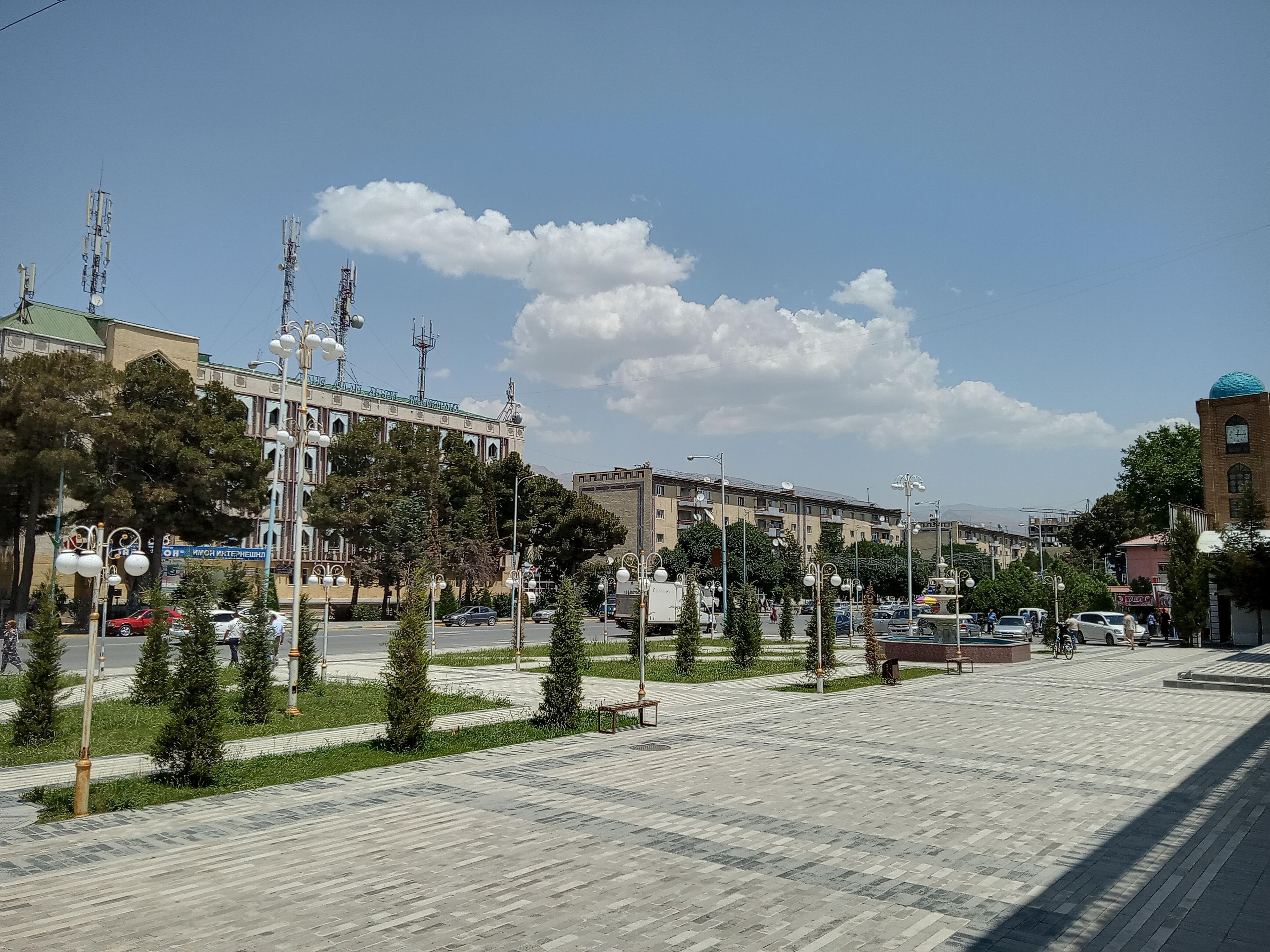
Dushanbe, the capital, is a young city built mostly in the 20th century, now full of new monumental buildings. It is not a reason in itself to visit Tajikistan, but it is worth a day.
- The National Museum of Antiquities, home to a large reclining Buddha from the Buddhist monastery of Ajina-Tepa and Sogdian murals from Penjikent.
- Rudaki Avenue and Rudaki Park, the city's tree-lined spine.
- The Hisor fortress, a short drive west, with its restored gate.
Other routes between Uzbekistan and Tajikistan, as of November 2026:
- Tashkent to Khujand: by road via the Oybek crossing, then on to Dushanbe over the Shahristan pass. Khujand, Tajikistan's second city, sits at the entrance to the Fergana Valley.
- Tashkent to Dushanbe by air: direct flights take a little over an hour. Check current schedules with the airlines.
- Tashkent to Dushanbe by bus: since February 2026 a state-run international bus runs between the two capitals via the Sariosiyo crossing in southern Uzbekistan.
- Termez to Dushanbe: by road via the southern border, useful if you are visiting the Buddhist sites of Termez.
The Pamir Highway: an overview
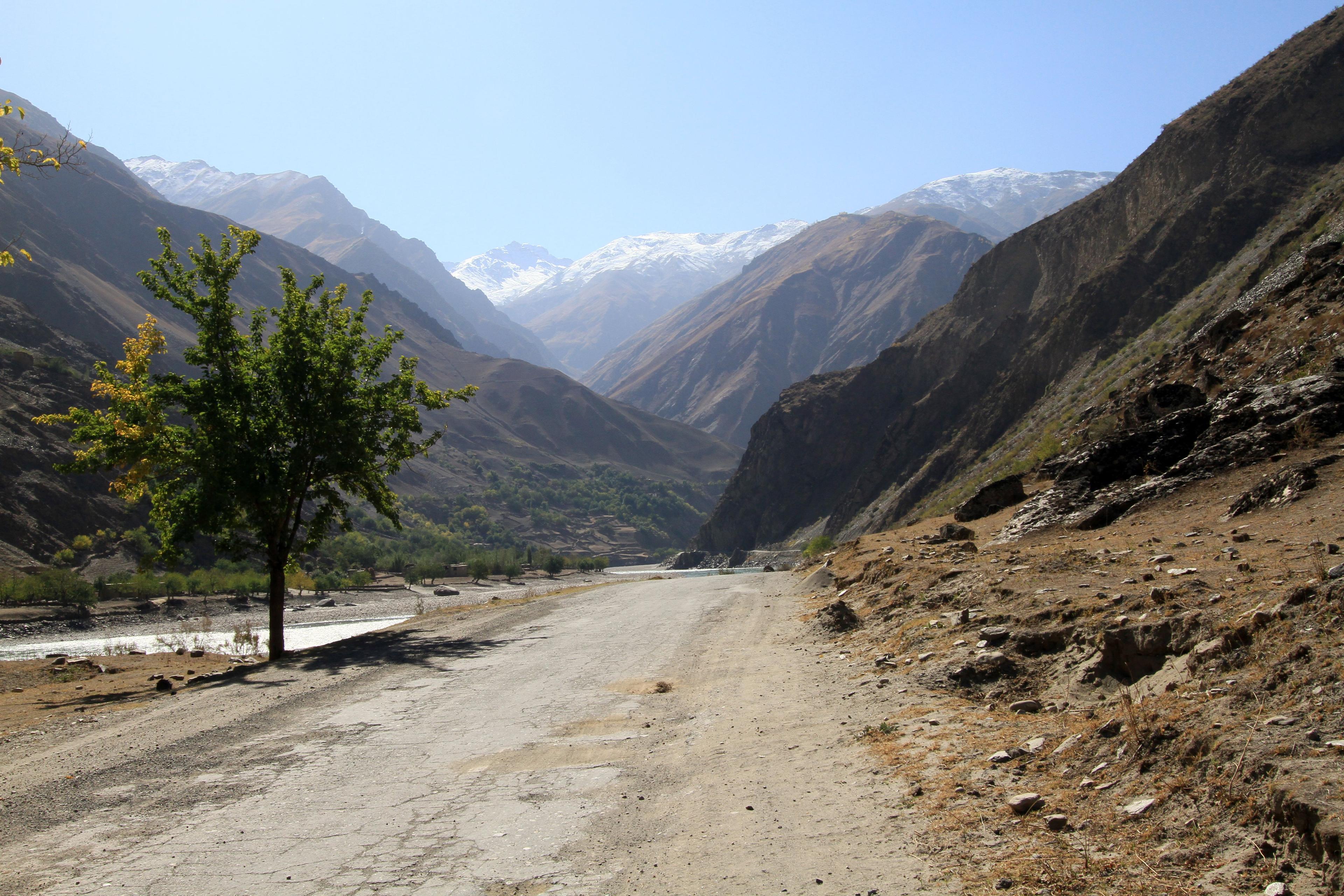
The Pamir Highway (the M41) is one of the world's great road journeys. It runs from Dushanbe along the Panj river and the Afghan border to Khorog, then across the high plateau of the eastern Pamirs via Murghab and the Ak-Baital pass, at over 4,600 metres, to the Kyrgyz border and Osh.
- It needs at least 8 to 12 days to do properly, usually in a four-wheel-drive vehicle with a driver.
- The best season is July to September. Outside these months high passes can be closed by snow.
- Accommodation is in simple homestays and guesthouses. The altitude is serious: much of the eastern section is above 3,500 metres, so allow time to acclimatise.
- The region is the Gorno-Badakhshan Autonomous Region (GBAO), and you need a GBAO permit in addition to your visa or visa-free entry. It can be requested with the e-visa at evisa.tj for an additional fee (20 USD as of recent reports).
The Pamir Highway combines naturally with Kyrgyzstan, since it ends in Osh, and from there with Uzbekistan through the Dostuk border to the Fergana Valley. Some areas near the Afghan border can be closed at short notice, so follow current travel advice from your government.
Tajikistan visa and e-visa rules
Tajikistan has one of the more relaxed entry regimes in the region, but it is also the one most often described wrongly online. As of November 2026:
- Visa-free for 30 days: citizens of a list of countries introduced from 2022 and expanded in May 2024, including the US, most EU countries, Japan, Australia, Canada, South Korea, Indonesia and Malaysia, can enter without a visa for up to 30 days.
- E-visa: other nationalities, and anyone staying longer than the visa-free period, apply online at the official portal evisa.tj. A single-entry e-visa is valid for up to 60 days. Fees quoted by sources range from about 30 to 50 USD depending on the type, so check the portal.
- UK citizens: the UK government's travel advice still says British passport holders need a visa, so apply for the e-visa.
- GBAO permit: needed for the Pamirs. Travellers entering visa-free who need the permit typically apply for an e-visa anyway, to get both together.
- Registration: longer stays may require registration with the migration authorities. Your guesthouse or local tour company can advise.
Because lists differ between websites, always check the rules for your passport on evisa.tj, the Tajik Ministry of Foreign Affairs or with the nearest Tajik embassy. If you cross from Uzbekistan to Tajikistan and back, check that your Uzbek entry rules allow re-entry; our Uzbekistan visa guide explains them.
Best time to visit Tajikistan
The answer depends on how high you plan to go.
- Penjikent, Sarazm and Dushanbe: April to June and September to October. Summers in the valleys are hot, though less so than in Bukhara.
- The Seven Lakes and Iskanderkul: roughly May to October. The lakes are at their most colourful in summer and early autumn; in spring the upper road can be affected by snowmelt and rockfall.
- Trekking in the Fann Mountains: late June to September.
- The Pamir Highway: July to September.
This fits well with Uzbekistan. Spring and autumn are perfect for Samarkand with a trip to Penjikent, while a summer trip can start in the Tajik mountains and finish in the Uzbek cities as the heat begins to fade in September.
Practical tips for Tajikistan
A few things that make a short Tajik trip smoother:
- Money: the currency is the Tajik somoni. ATMs work in Penjikent, Khujand and Dushanbe, but carry cash for the mountains, where cards are rarely accepted.
- Language: Tajik is a form of Persian; Russian is widely understood. In Penjikent many people also speak Uzbek.
- Food: the cuisine is close to Uzbek, with plov, shashlik, non bread and dried fruit, plus qurutob, a Tajik dish of bread soaked in a yoghurt sauce. Our guide to Uzbek food covers the shared dishes.
- Connectivity: buy a local SIM card in town if you need data; coverage disappears in the upper valleys.
- Dress: Tajikistan is conservative outside Dushanbe. Modest clothing is appreciated, as in rural Uzbekistan.
Planning the Uzbek side with TourEast
We arrange the Uzbekistan part of your journey and the transfers to and from the Jartepa border near Samarkand, the Oybek crossing near Tashkent, or Tashkent airport for a flight to Dushanbe. Tell us what you would like to see in Tajikistan and we will build a private or small-group Uzbek itinerary that leaves the right days free.