Samarkand or Bukhara? Bukhara or Khiva? A local comparison of grandeur, lived-in old town and museum city: how many days each deserves, distances and trains, how each feels at night, who should skip which, and sample 3-, 5- and 7-day combinations.
Facts, prices and schedules checked on November 4, 2026
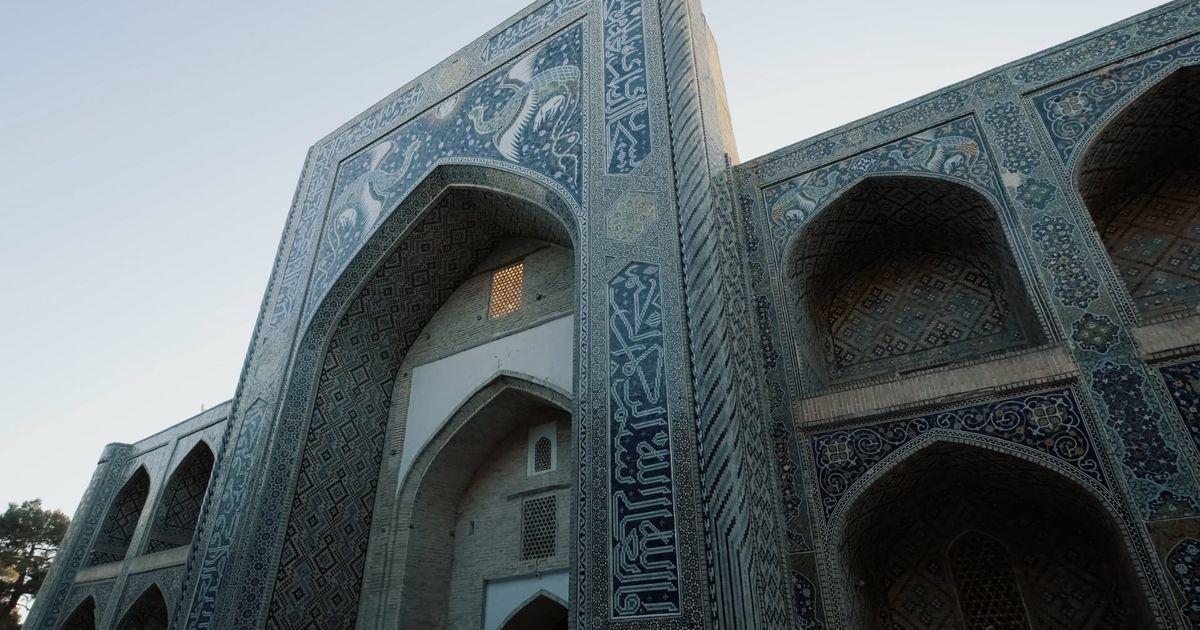
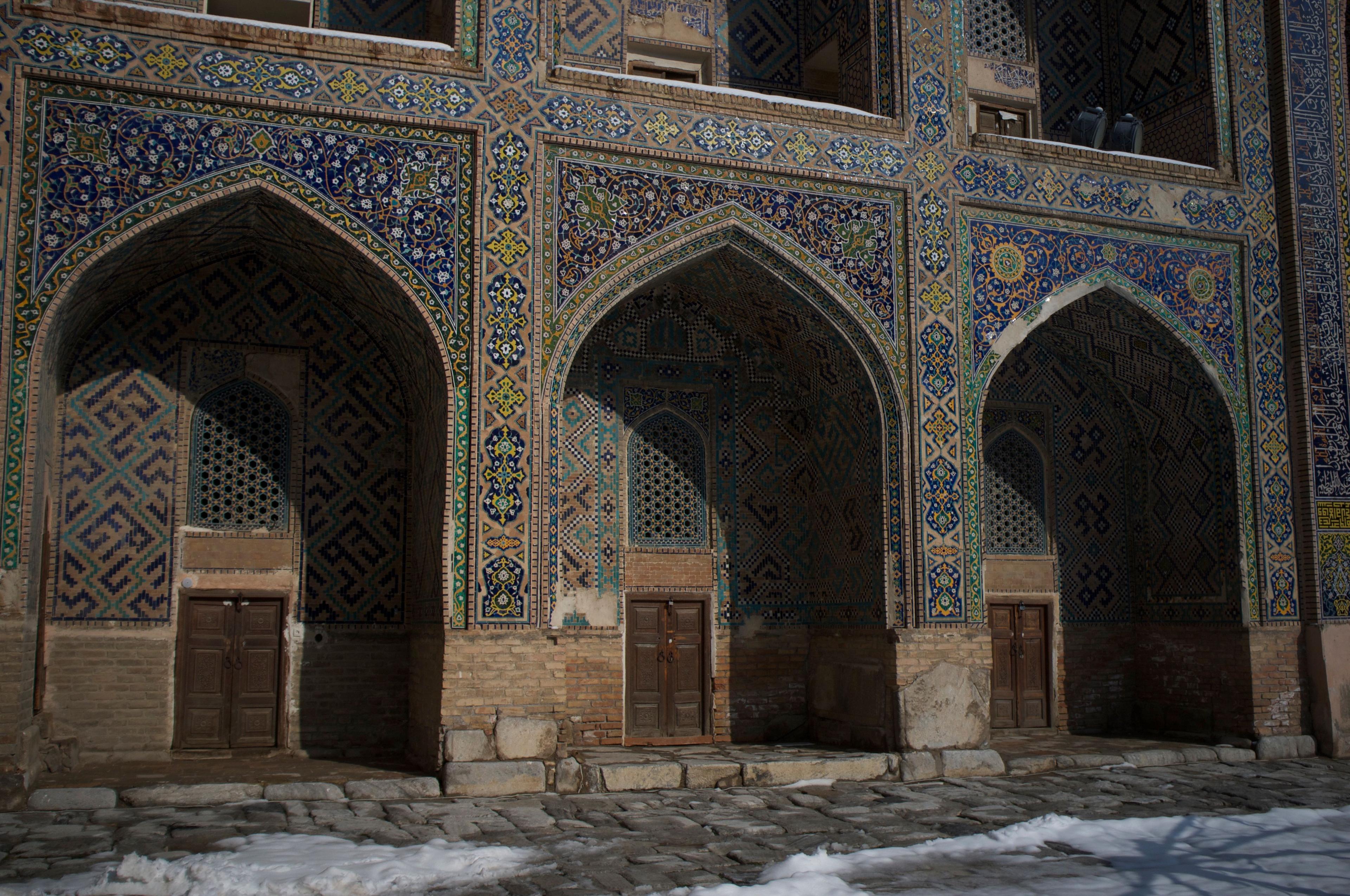
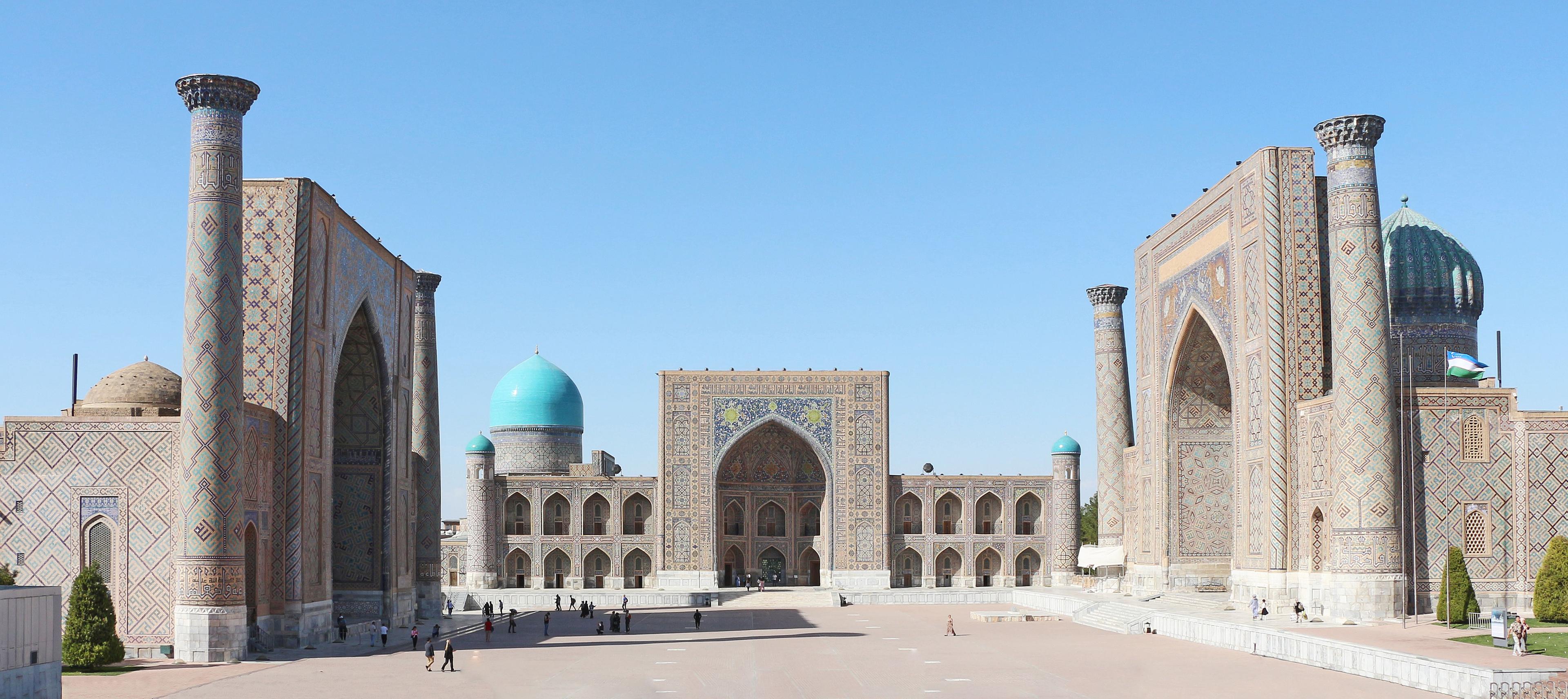
Samarkand or Bukhara? Bukhara or Khiva? It is the question travellers argue about on every forum, and the honest answer depends on what you came for. Samarkand is the city of grand set pieces: the Registan, Shah-i-Zinda, Gur-e-Amir, each on a scale that stops you in the street. Bukhara is a living old town where the monuments are the backdrop to daily life. Khiva is a walled museum city, small enough to walk around in an hour and strange enough to hold you for a day.
We live in Tashkent and Bukhara and we take guests to all three every week. This guide compares them frankly: how many days each deserves, the distances and trains between them, how they feel after dark, who should skip which, and sample combinations for 3, 5 and 7 days. It ends, predictably, with the case for seeing all three.
The three cities in one paragraph each
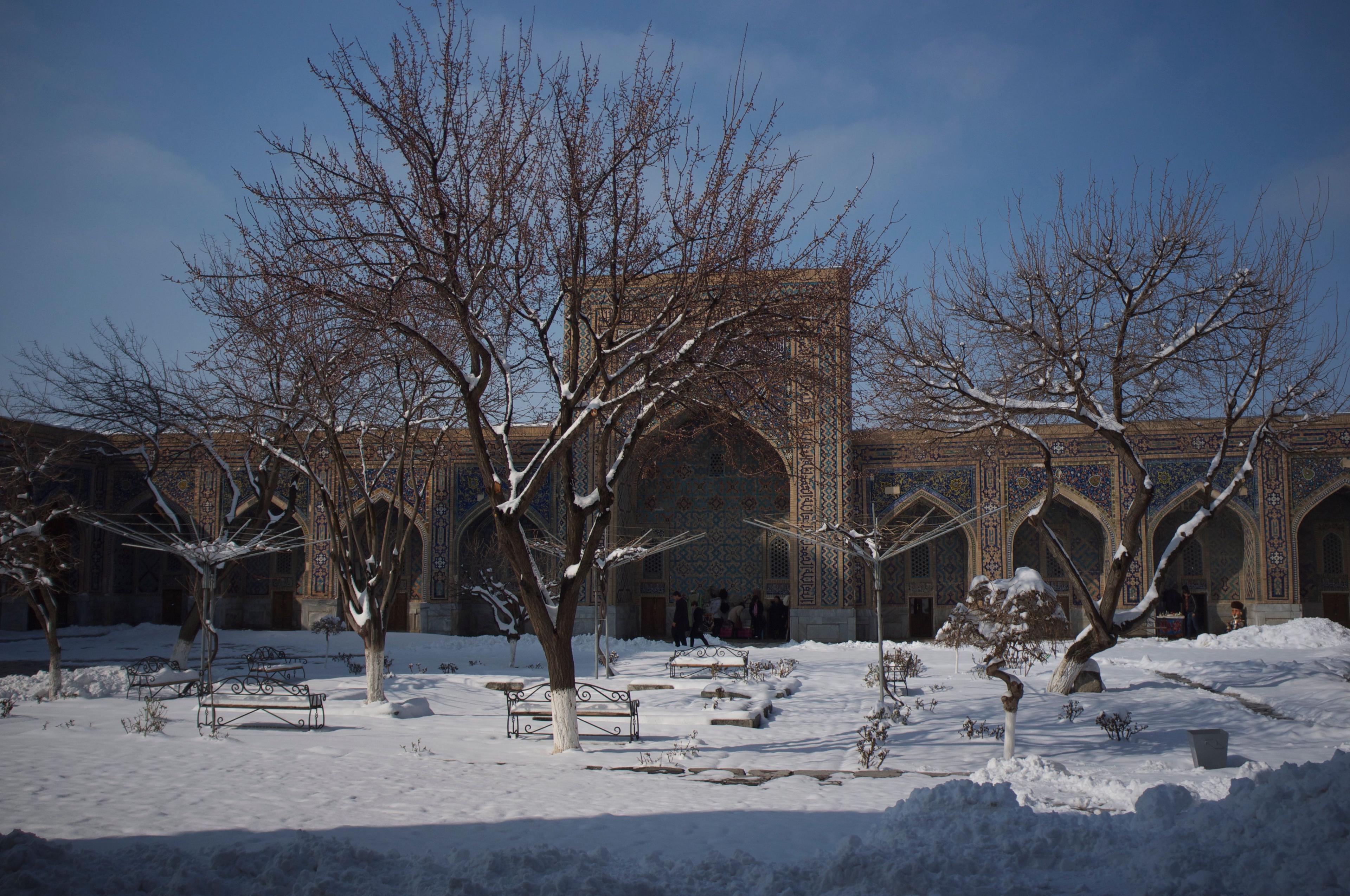
Samarkand is Timur's capital, a city of around half a million people where the Timurid monuments stand in open parkland between modern avenues. It is the most photographed, the most restored and the most visited. The Registan at dusk is the single image most people carry home from Uzbekistan. Between the sights you are in a lively provincial city with a Russian-era centre, good wine and the best bread in the country.
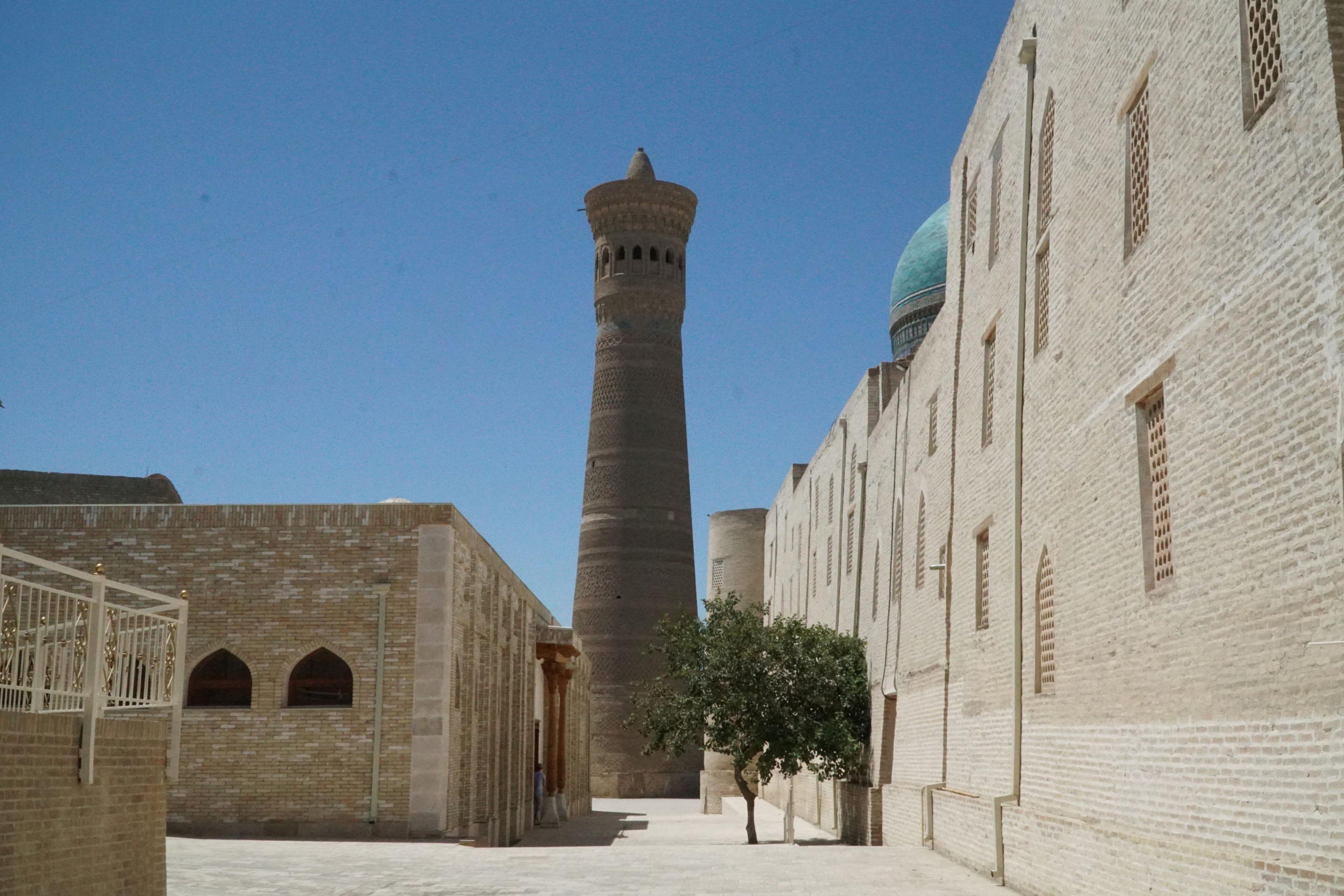
Bukhara is older, smaller in its historic core and intact in a way Samarkand is not. Hundreds of monuments from the 9th to the 19th centuries stand within a walkable old town of mud-brick lanes, trading domes, madrasahs and pools. People still live there. You can walk from the Samanid Mausoleum, among the earliest brick masterpieces of the Islamic world, to the 12th-century Kalyan Minaret and the Ark Fortress without crossing a main road.
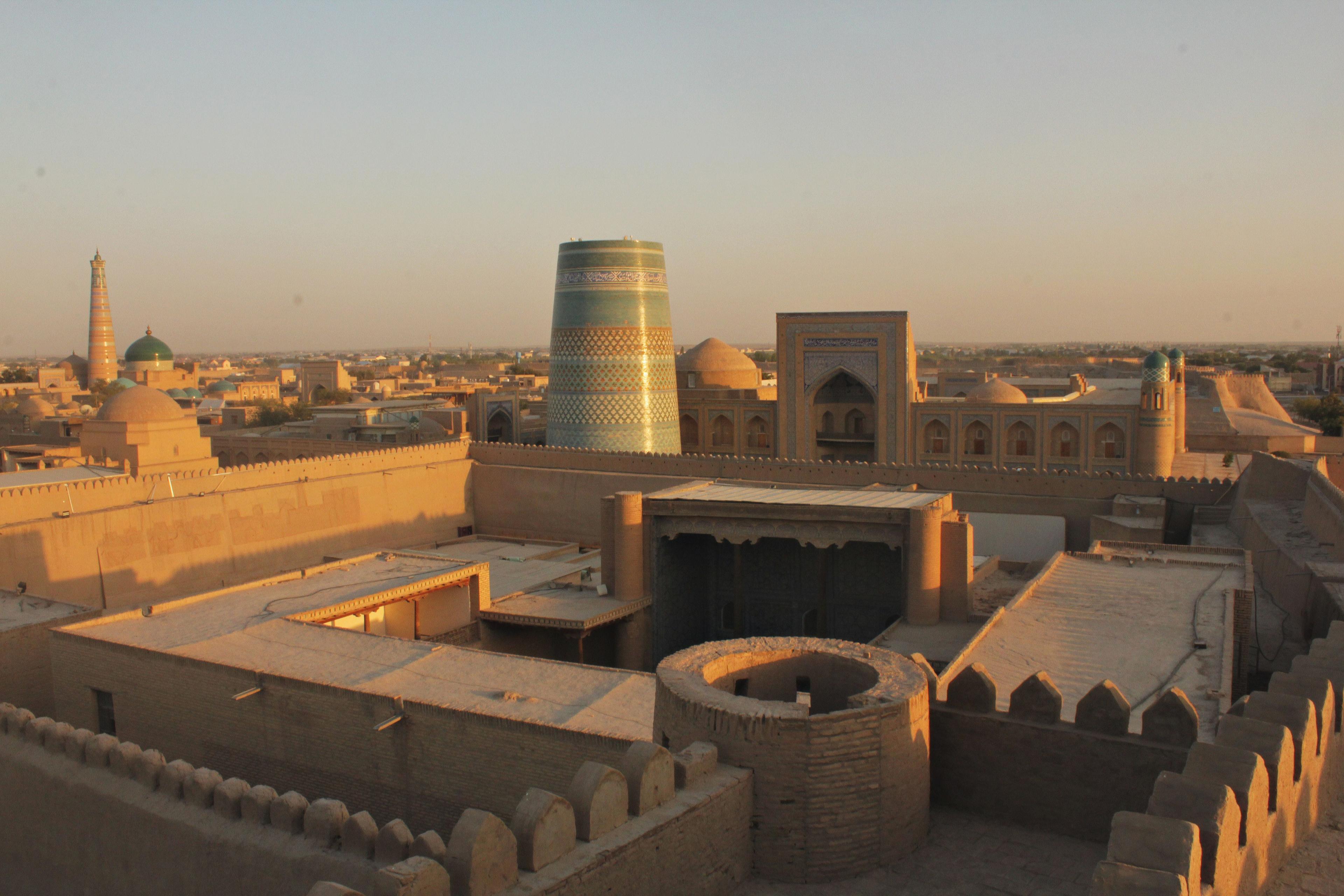
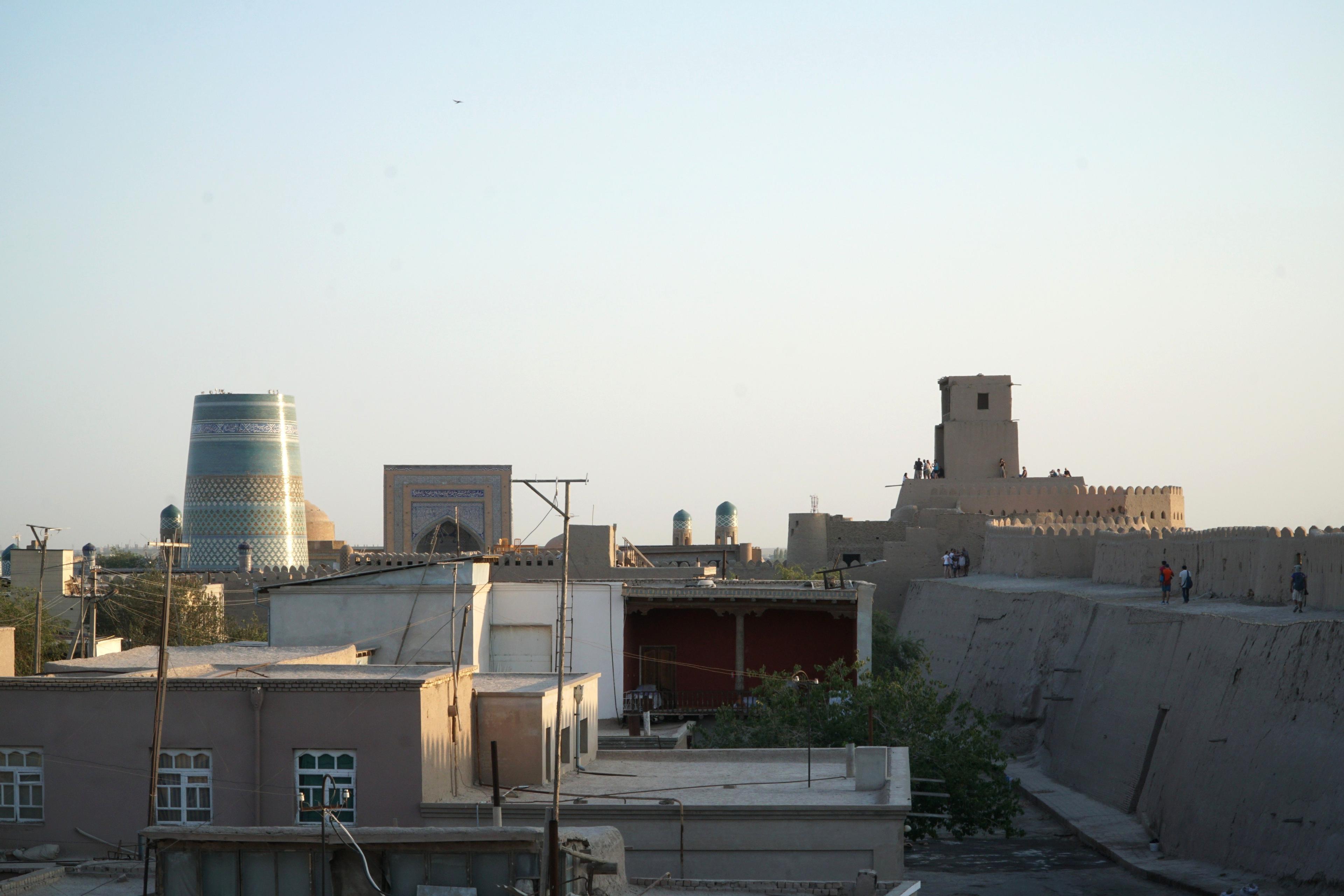
Khiva is the far-western outpost in the Khorezm oasis, a walled inner city, Ichan-Kala, that was preserved almost whole from the 19th century. It is compact, dreamlike and sometimes criticised as a museum without residents; the better view is that its emptiness after the day-trippers leave is exactly its appeal. The desert fortresses of Khorezm are an hour away.
Samarkand vs Bukhara: grandeur or atmosphere?
This is the comparison most people are really making, because most trips include Samarkand anyway.
Choose Samarkand if:
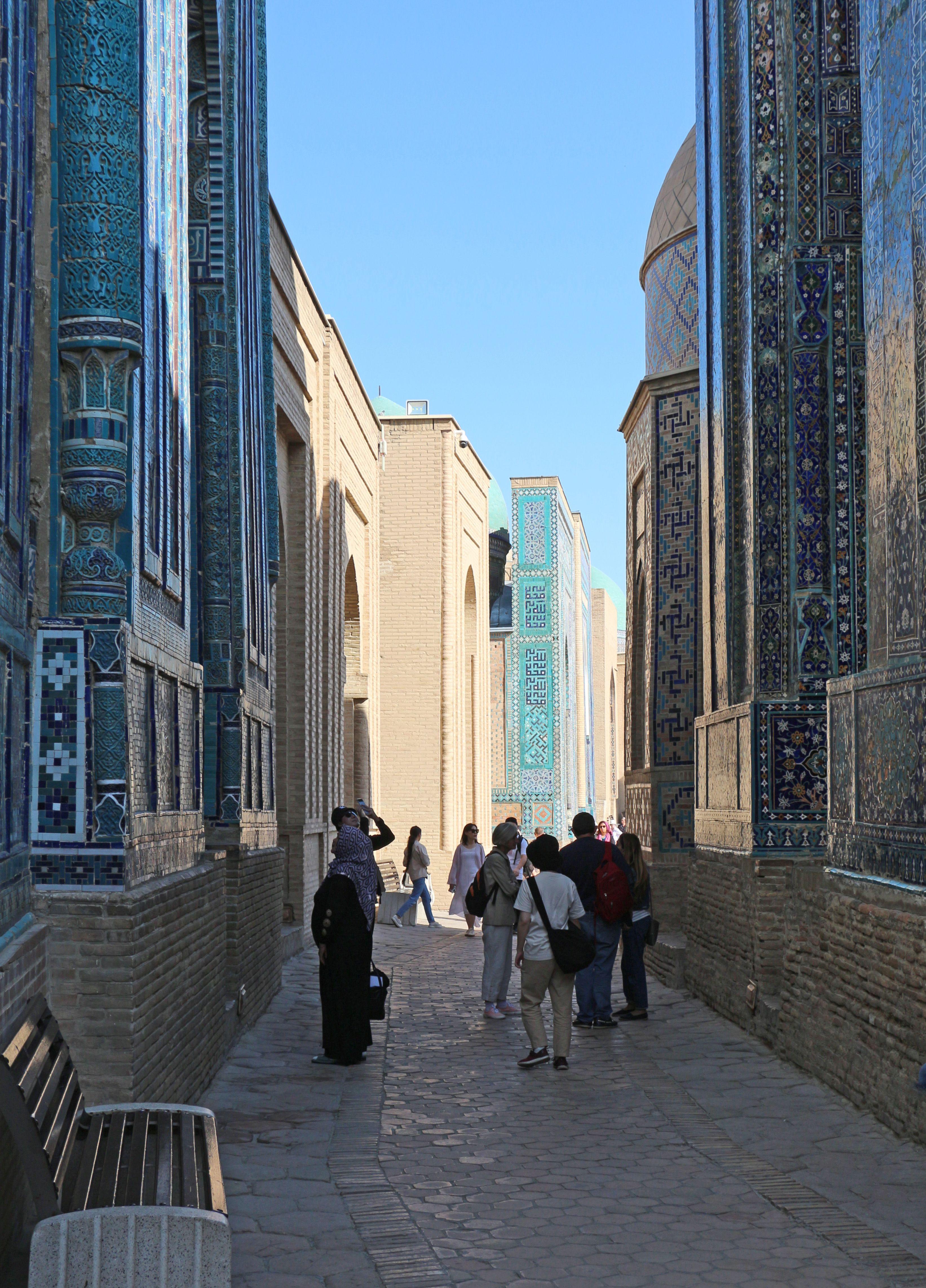
- You want the monuments that made Uzbekistan famous. Nothing in Bukhara matches the Registan's scale or the tilework of Shah-i-Zinda.
- You have two days and want them full. Samarkand's sights are spread out and each takes time.
- You are interested in Timur, Ulugh Beg and the Timurid story; the Gur-e-Amir, the observatory and the Afrasiyab Museum tell it in sequence.
- You want the easiest logistics: two hours from Tashkent by high-speed train, an international airport and the widest choice of hotels.
Choose Bukhara if:
- You prefer wandering to ticking off. Bukhara rewards walking without a plan.
- You want to stay inside the old town, in a converted merchant's house with a courtyard, and step out into lanes that have not changed in a century.
- Depth of history matters more than spectacle. Bukhara's monuments span a thousand years, from the Samanids to the last emir.
- You like evenings. Bukhara after dark, with dinner beside the Lyabi-Hauz pool, is the most pleasant night in Uzbekistan.
Most travellers who see both say Samarkand impressed them more and Bukhara charmed them more. The two cities are 270 km apart and the Afrosiyob train links them in under two hours, so the real answer, with four days or more, is both.
Bukhara or Khiva: is Khiva worth visiting?
Khiva's problem is distance. It is about 450 km west of Bukhara across the Kyzylkum desert, and for years the choice was a six-hour drive, a slow train or a flight via Tashkent. That changed in 2026 with a high-speed train across the desert, which has made the question fairer.
Choose Khiva, or add it, if:
- You have at least six days in the country. With fewer, the journey eats too much of the trip.
- You want the one place in Uzbekistan that feels completely of another time. Within the walls there are no cars and the skyline is minarets, domes and mud brick.
- You are interested in the Khorezm desert fortresses, Ayaz-Kala and Toprak-Kala, which are an easy half-day from Khiva and reachable from nowhere else.
- You are continuing to Turkmenistan, Nukus and the Savitsky Museum, or the Aral Sea; Khiva is the gateway to all of them.
Skip Khiva if:
- You have five days or fewer. Spend them on Samarkand and Bukhara.
- You dislike restored, tidy historic centres. Ichan-Kala is a UNESCO site maintained as a whole, and some find it too neat.
- Heat is an issue. Khorezm is the hottest region in summer, often above 40 degrees in July.
Is Khiva worth visiting? Yes, for most travellers with a week. It is the city people are least sure about beforehand and most surprised by afterwards. Our Khiva travel guide and our one-day Khiva itinerary show what a day there looks like.
How many days does each city deserve?
Our standard advice, after many years of watching guests arrive tired or leave wishing for more:
- Samarkand: two full days. One day covers the Registan, Gur-e-Amir, Bibi-Khanym and the Siab Bazaar; the second takes in Shah-i-Zinda, the Ulugh Beg Observatory, the Afrasiyab Museum and the Konigil paper mill. A third day allows Shakhrisabz over the pass. One rushed day is possible but you will only see the Registan and Shah-i-Zinda properly.
- Bukhara: two days, ideally two nights. The old town can be walked in a day, but the point of Bukhara is to slow down. The second day adds the Sitorai Mohi-Hosa summer palace, Chor-Bakr and the Bahauddin Naqshband shrine outside town.
- Khiva: one full day inside the walls, plus a morning or afternoon for the desert fortresses if you have it. Two nights is comfortable because of the travel time either side.
Add Tashkent, your probable arrival city, at one day, and the arithmetic gives the classic seven-day loop. Our 7-day Uzbekistan itinerary and 10-day itinerary lay this out day by day.
Distances and trains between Samarkand, Bukhara and Khiva
Trains are the backbone of any combination, and as of November 2026 they are better than ever.
- Tashkent to Samarkand: about 300 km; the Afrosiyob high-speed train takes a little over two hours, several times a day.
- Samarkand to Bukhara: about 270 km; under two hours on the Afrosiyob, or a day's drive with stops at the Rabat-i-Malik caravanserai and the potters of Gijduvan.
- Bukhara to Khiva: about 450 km; the new high-speed service across the Kyzylkum takes around three and a half to four and a half hours, slower trains six to seven hours, and the road about six hours with a stop at the Amu Darya.
- Khiva to Tashkent: fly from Urgench, 30 km from Khiva, in about 1 hour 40 minutes, or take the overnight train.
Book high-speed trains as soon as your dates are fixed; they sell out days ahead in April, May, September and October. Our guides to the Samarkand to Bukhara and Bukhara to Khiva journeys and to booking Uzbekistan train tickets have the details.
How each city feels at night
Evenings separate the three cities more sharply than the daytime sights.
Samarkand is lit for show. The Registan glows after dark and is open to walk around until late, with a sound-and-light performance on many evenings. Restaurants cluster away from the monuments, so the square itself is quiet apart from visitors and local families taking photographs.
Bukhara is lived in at night. The lanes around Lyabi-Hauz fill with diners, musicians and children on bicycles; the Kalyan Minaret is floodlit and the square beneath it is empty enough to hear your footsteps. It is the city where an evening walk feels most natural.
Khiva is silent. Once the day-trippers and tour groups leave for Urgench, Ichan-Kala belongs to the handful of guesthouses inside the walls. Climb to the city wall at sunset, watch the light go off the Kalta Minor minaret, and you understand why people stay two nights.
Who should skip which city
A few honest matches between traveller and city:
- First-time visitors with three days: Samarkand only. Our 3-day Uzbekistan itinerary explains how.
- Architecture and photography enthusiasts: Samarkand first, then Bukhara. Khiva for the skyline shots.
- Travellers who hate crowds: Bukhara and Khiva, with Samarkand done early in the morning.
- Families with young children: Bukhara and Khiva are walkable and car-free in the centre; Samarkand needs more transport. Our guide to Uzbekistan with kids has more.
- Travellers with limited mobility: Samarkand's sights have flatter access and vehicles get closer; Bukhara's lanes and Khiva's steps are harder. See our guide for senior travellers.
- Pilgrims and those interested in Sufism: Bukhara, home of the Naqshbandi order and the Seven Pirs.
- Those continuing to Turkmenistan or Karakalpakstan: Khiva is unavoidable and worth it.

Sample combinations: 3, 5 and 7 days
Three days: Samarkand only, or Tashkent plus Samarkand. Fly into Samarkand if you can and leave Bukhara for next time.
Five days: Tashkent (1), Samarkand (2), Bukhara (2). Arrive Tashkent, train to Samarkand the next morning, train to Bukhara on day four, fly back to Tashkent from Bukhara on day six or overnight by train. This is the most popular five-day shape and it has no wasted day.
Seven days: Tashkent (1), Samarkand (2), Bukhara (2), Khiva (1.5). Take the high-speed train west from Bukhara on the morning of day six, see Ichan-Kala that afternoon and the following morning, then fly from Urgench back to Tashkent for your departure. The variant we prefer runs the other way round, flying Tashkent to Urgench on arrival and travelling east by train with the monuments getting grander each day, ending in Samarkand.
Eight to ten days: the same loop with the desert fortresses, a yurt night at Aydarkul or a day in Shakhrisabz added. Our classic 8-day group tour follows this shape.
The case for all three
Each city answers a question the others cannot. Samarkand shows what the Timurid empire wanted the world to see. Bukhara shows how a Central Asian trading city actually worked, from the bazaar to the emir's throne room. Khiva shows what a khanate looked like at the moment the modern world arrived. Seen in sequence, they read like three chapters, and the trains between them have never been faster.
If your time is genuinely limited, pick Samarkand for impact or Bukhara for atmosphere, and do not feel you have made the wrong choice. If you can stretch to a week, see all three; almost no one who does regrets it.
Choosing with TourEast
We run small-group tours that cover Samarkand, Bukhara and Khiva in eight days, and private itineraries that weight the cities however you like: three nights in Bukhara for the slow travellers, an extra Samarkand day for the photographers, Khiva and the fortresses for the desert-minded. Tell us how many days you have and what you want from them, and we will tell you honestly which cities fit.
Frequently asked questions
Watch
Photo gallery