Where and when to see reliable snow near Tashkent, how cold Uzbekistan gets, what to wear and how to fit a gentle snow day at Amirsoy or Chimgan into a Silk Road trip, written for travellers from warm climates.
Facts, prices and schedules checked on November 4, 2026
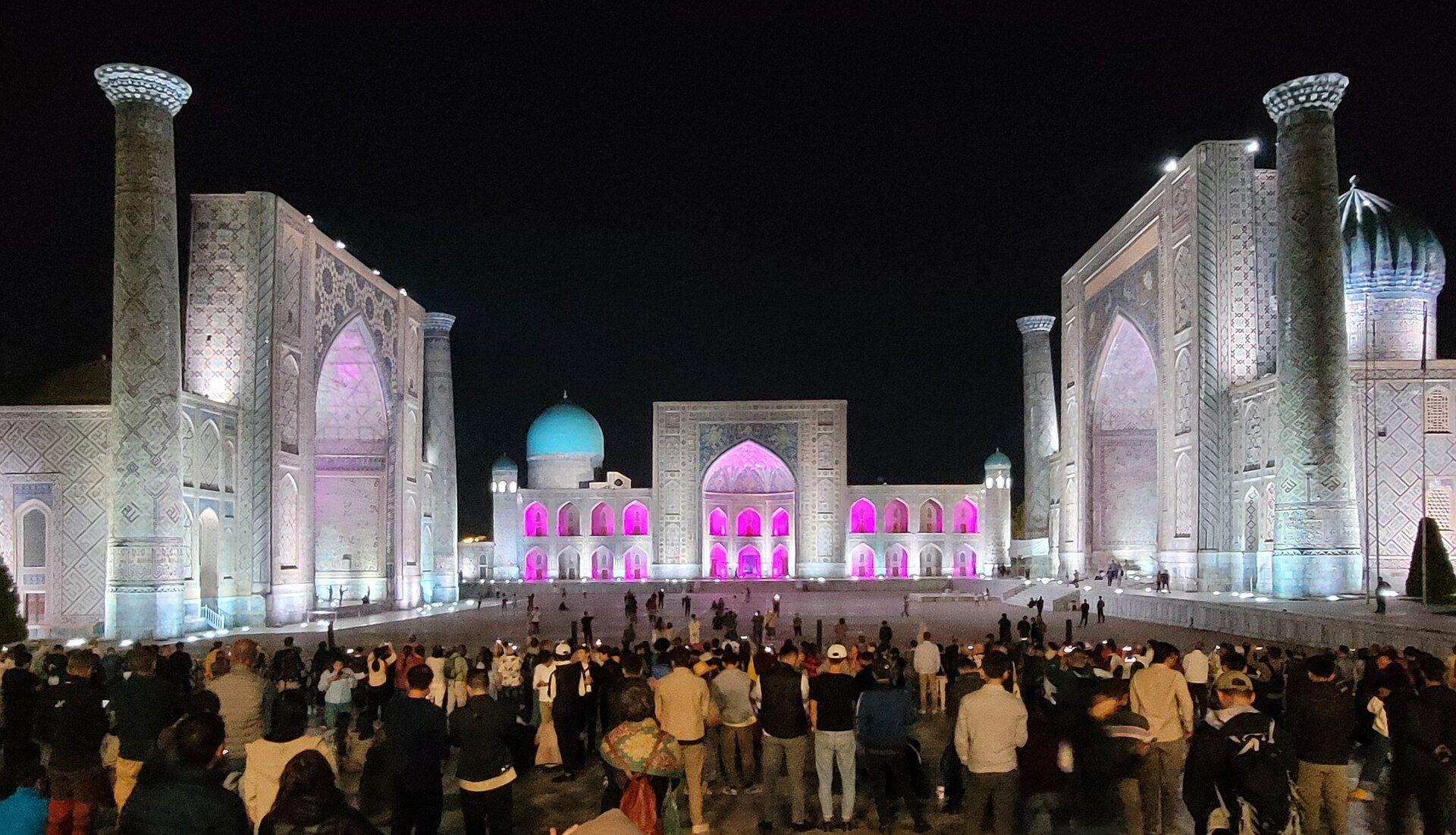
If you have never seen snow, Uzbekistan is a surprisingly good place to do it. In December and January the mountains an hour and a half from Tashkent are white, the sun is bright, and you can reach a ski resort by morning and be back in the capital by evening. The country also offers a cultural bonus that few snow destinations can match: you can follow a morning in the snow with an afternoon at the Hazrati Imam square or the Registan.
This guide is written for travellers from warm climates, including visitors from Indonesia, Malaysia, Singapore, Brunei and other tropical countries, who want to see snow for the first time. It explains where and when snow is reliable, how cold the cities get, what to wear and how to fit a gentle snow day into a Silk Road trip. Snow depends on the weather, so we are honest about uncertainty. Where we can only give approximate dates, we say so.
Where can you see snow in Uzbekistan?
Snow is not reliable in the cities, and it is reliable in the mountains. The best places for a first snow experience are:
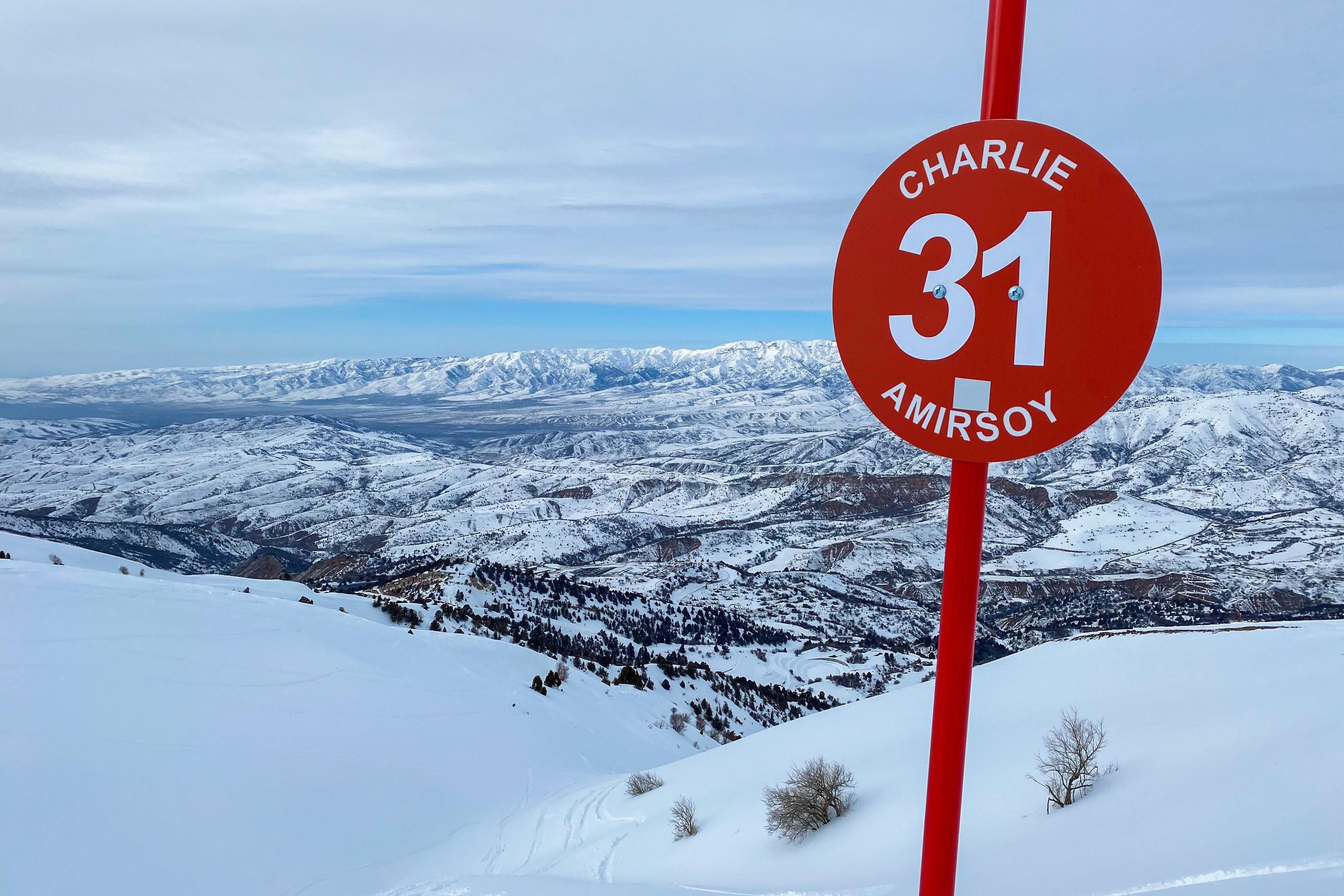
- Amirsoy Mountain Resort, about 65 km from Tashkent in the Chatkal Range. It is the most reliable, with snowmaking, gondolas, tubing and easy slopes. The upper gondola station is at about 2,290 metres.
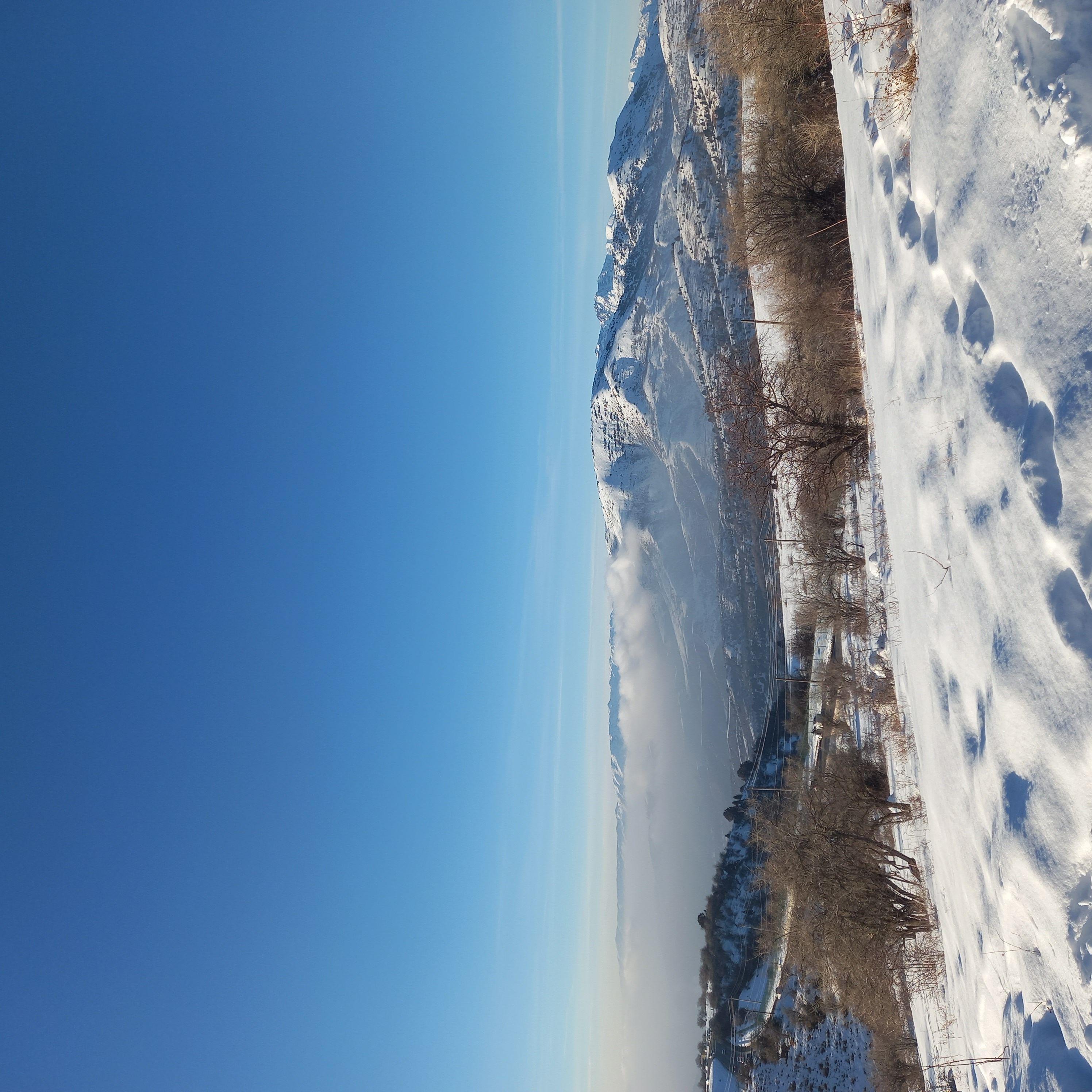
- Chimgan and Beldersay, about 80 km from Tashkent. Chimgan has snowy meadows, short beginner slopes and views of Big Chimgan, at 3,309 metres. Beldersay is steeper and more for confident skiers.
- Zaamin National Park, in the Jizzakh region, at about 2,000 metres, with juniper forests and a cable car. Snow lies there in winter, but the park is a long drive from Tashkent or Samarkand and suits a longer stay.
- The cities themselves. Tashkent and Samarkand get snow a few times in most winters, but it rarely lasts more than a few days. Bukhara and Khiva are drier and see it less often.
For a first-time snow visit, Amirsoy is the easiest choice: you can ride the gondola, play in the snow, drink tea at a panoramic restaurant, try tubing and go back the same day. Our guides to skiing in Uzbekistan and to Chimgan and Charvak give more detail on each area.
When is the snow reliable?
The ski season near Tashkent runs from roughly December to March, according to resort and operator sources. Amirsoy's season is typically given as mid-December to late March, and snowmaking fills the gaps in a thin year. Chimgan's is reported as December to mid-March. January and February are the safest months for deep snow; December can be thin early on, and March snow is melting by midday.
Because snow is weather, dates are never guaranteed. Resorts post opening dates and daily conditions on their websites and social channels, and a good guide will check before you set out. Weekends and the New Year holidays are busy, with queues for the gondola and traffic on the mountain road; on a weekday the slopes can be pleasantly quiet. Winter days are short, so start in the morning and be back before dark.
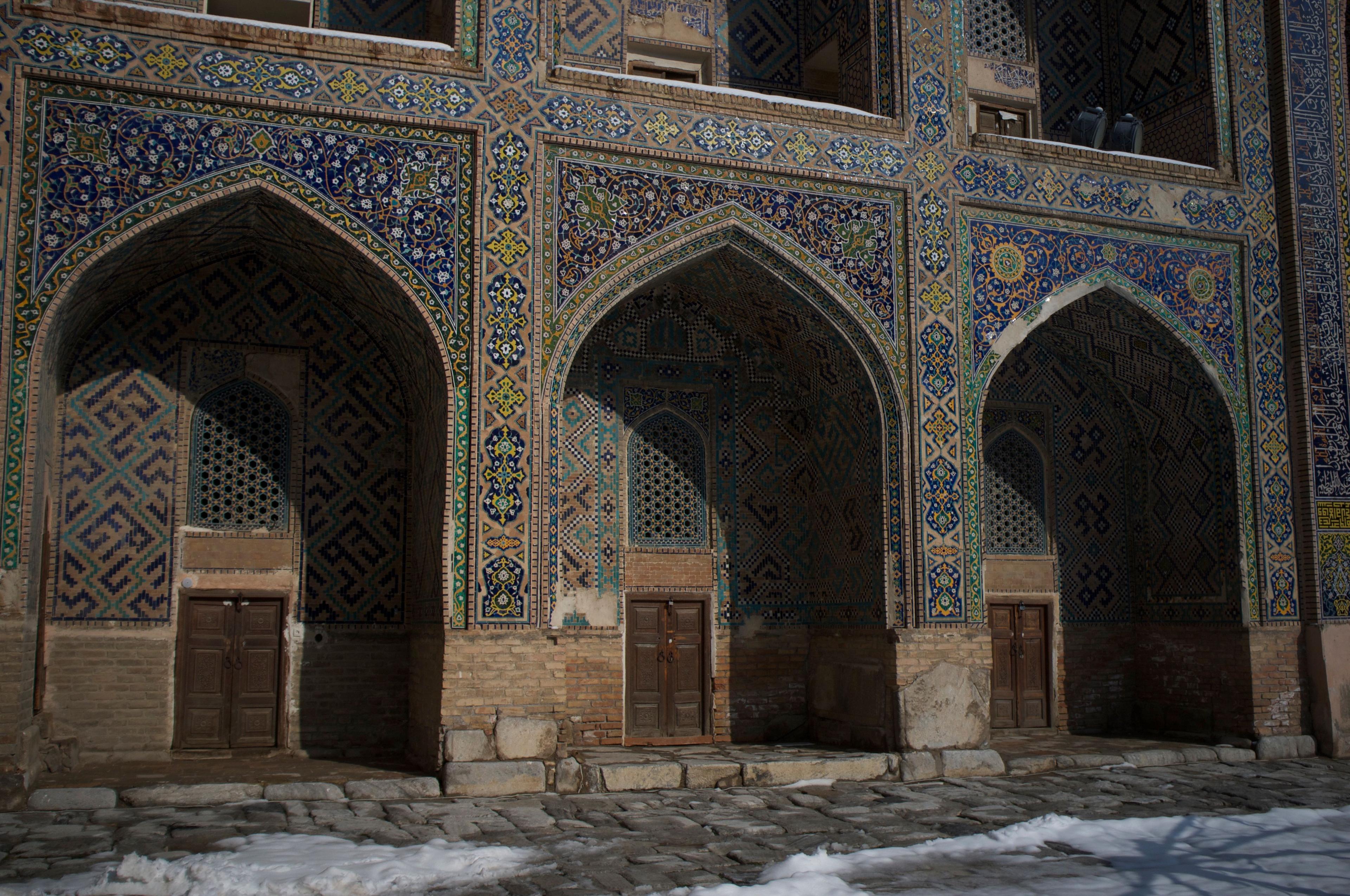
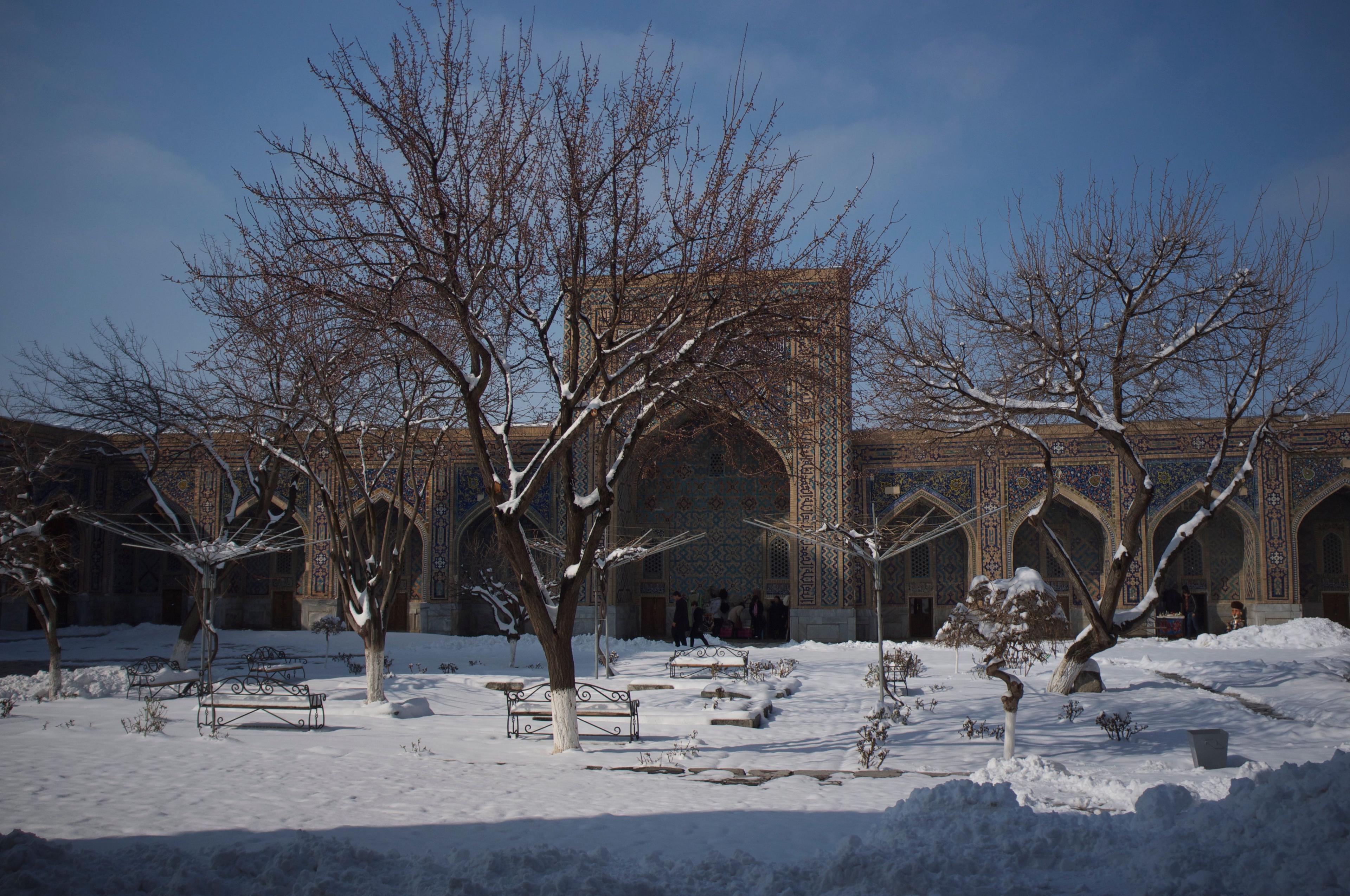
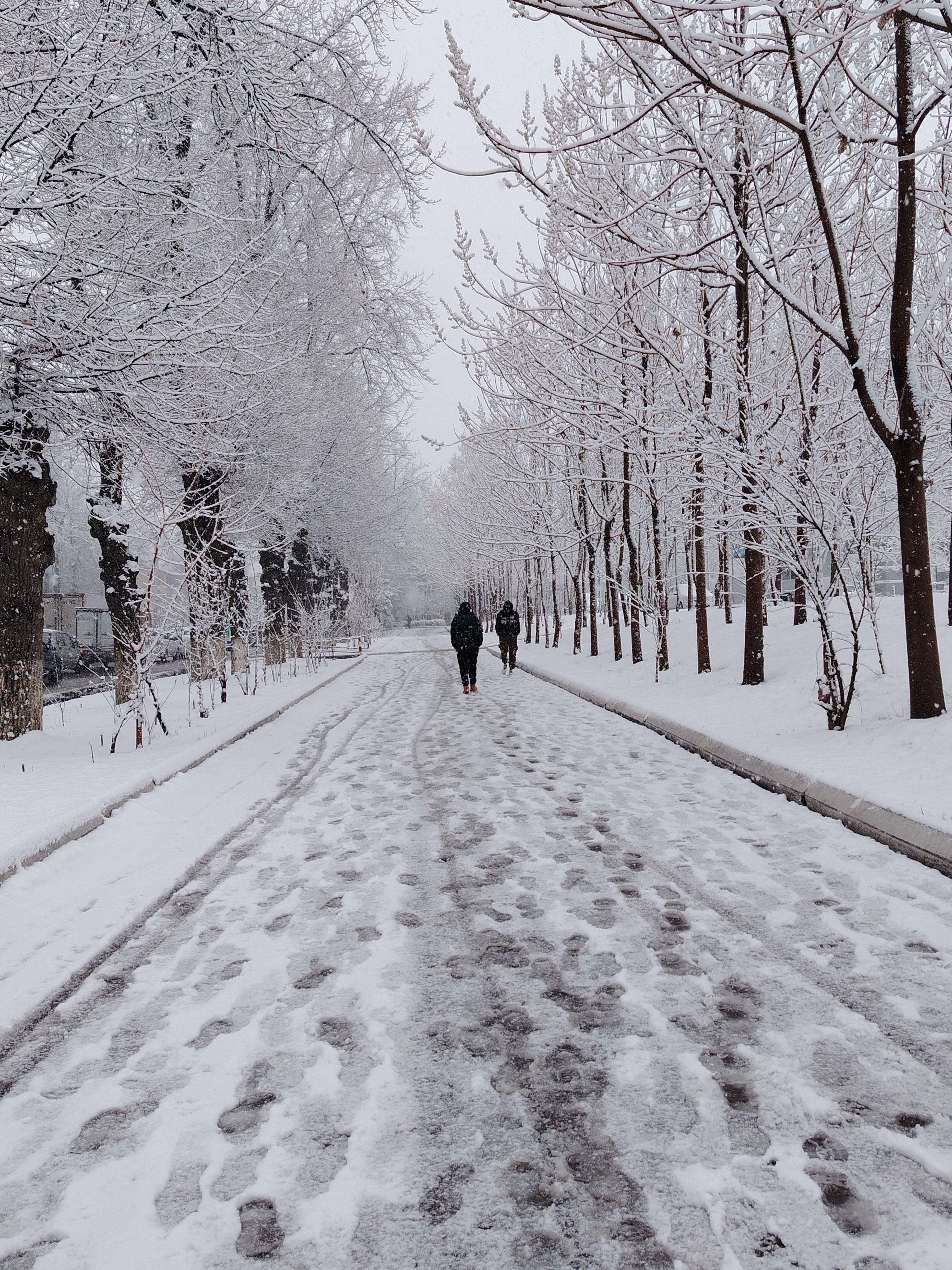
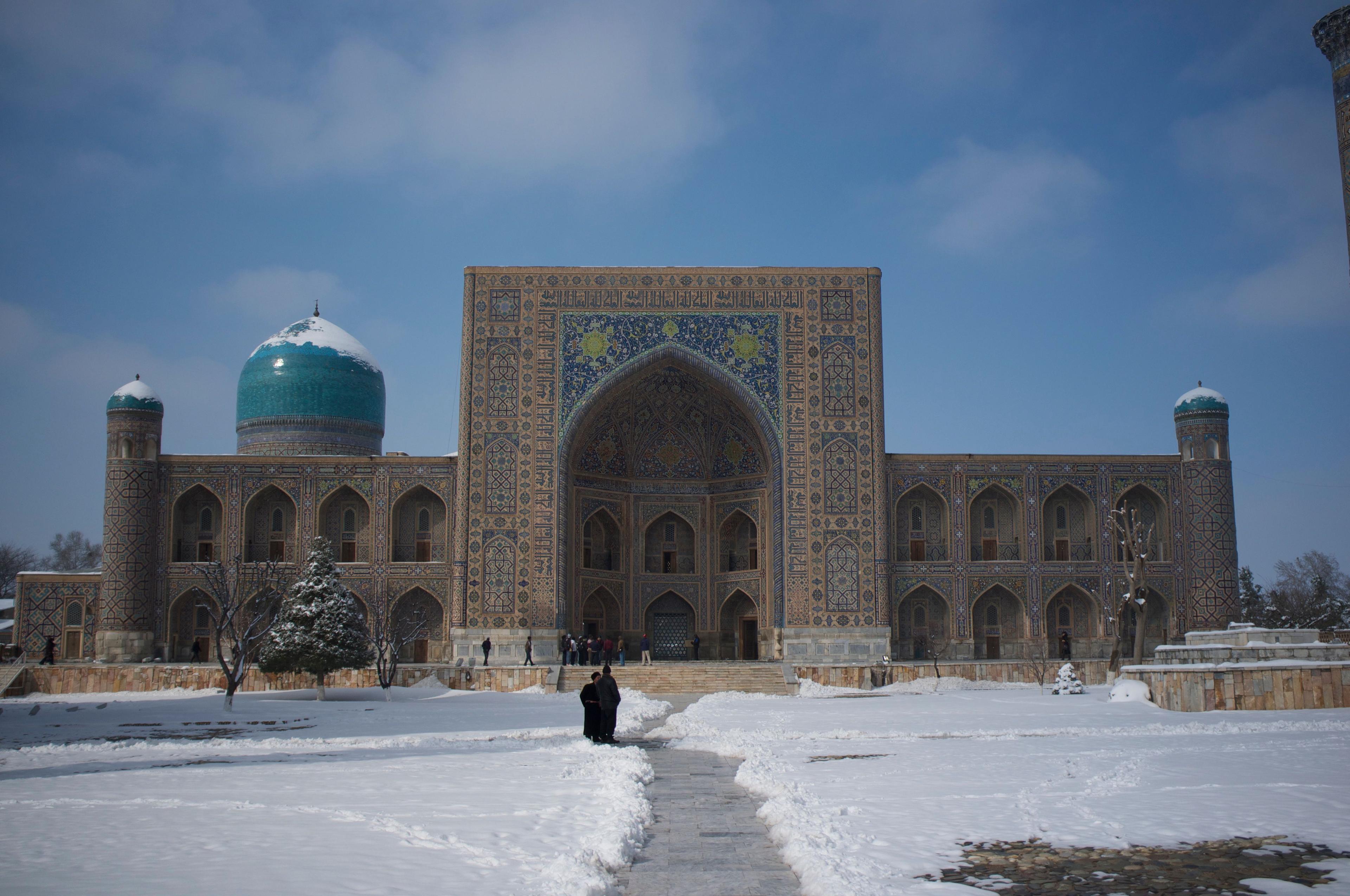
If you want snow in a city, be prepared for luck rather than a plan. In the cities snow often falls at night and has turned to slush by afternoon. If you wake up to it, go to the Registan or Shah-i-Zinda early; the blue tiles against white are one of the most beautiful sights in the country.
How cold does Uzbekistan get?
Colder than many tropical visitors expect. Typical winter averages are 7 to 10 degrees Celsius by day in Tashkent and Samarkand and around freezing at night, with colder spells possible. Khiva, in the north-west, is the coldest city, with January daytime averages around 3 degrees and nights near minus 6. Cold snaps can push nights in Khiva and the desert well below minus 10. In the mountains, temperatures can be several degrees lower than in Tashkent, and the wind chill makes the gondola station feel colder than the number suggests.
For people from the tropics, 5 degrees feels very cold, and minus 5 feels extreme. That is normal, and the right clothes make it comfortable. The air is dry, so lips and skin crack, and the sun is strong at altitude, so sunglasses matter. Our guide to Uzbekistan in winter gives month-by-month detail for each city.
What to wear for your first snow
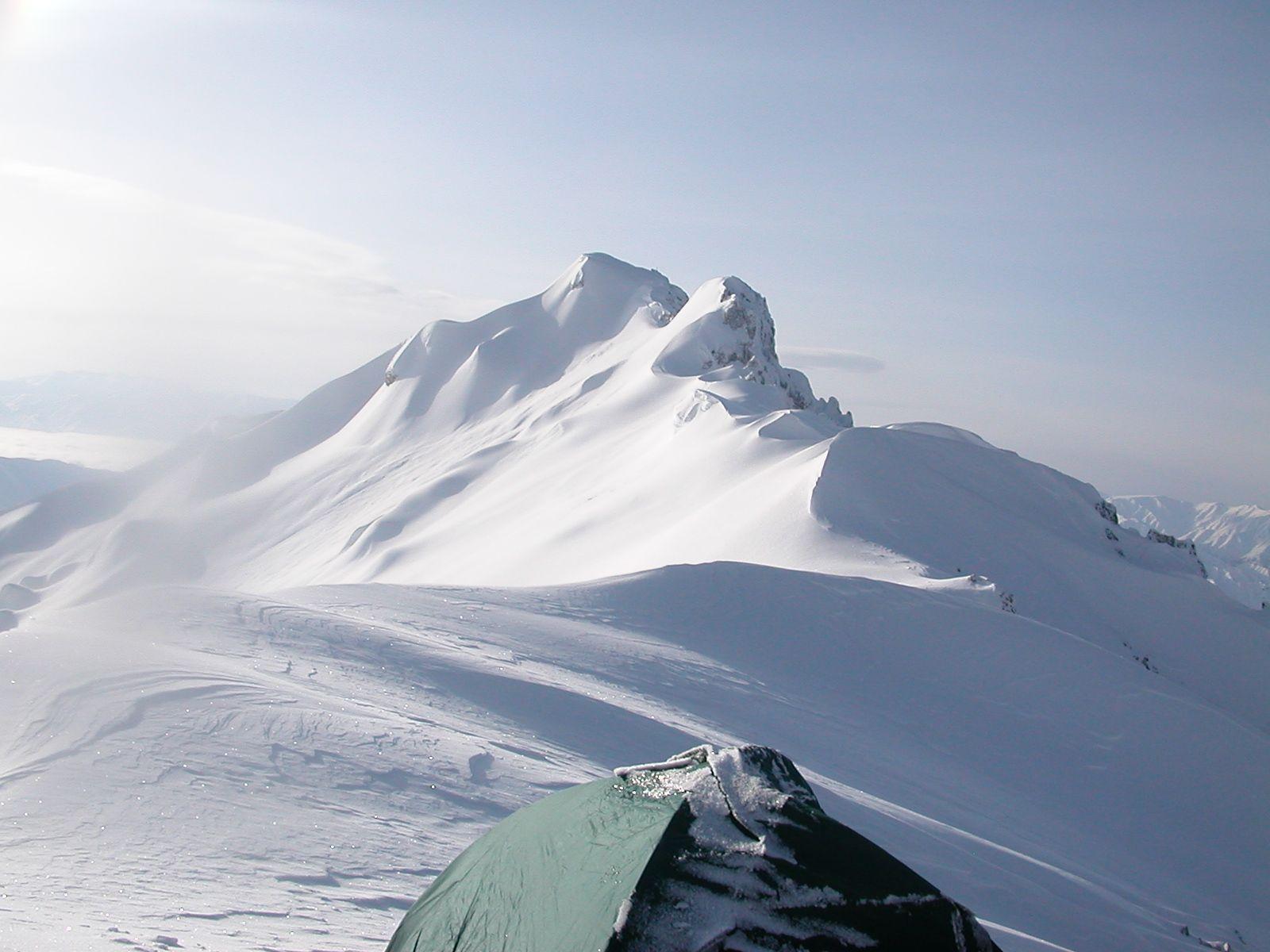
You do not need expensive gear, but you do need layers, and waterproof outer layers matter more than anything else.
- Base layer: thermal top and leggings. Avoid cotton, which stays wet and cold.
- Mid layer: a fleece or wool jumper, and a second if you feel the cold.
- Outer layer: a waterproof, windproof jacket, ideally insulated and hooded, and waterproof trousers if you plan to play in the snow.
- Feet: waterproof boots with good grip and thick wool socks. Spare socks are worth carrying.
- Hands and head: warm gloves, preferably waterproof, a hat that covers the ears and a scarf.
- Eyes and skin: sunglasses or goggles, sunscreen and lip balm.
At Amirsoy you can rent ski jackets and trousers, helmets and boots at the resort, with 2025/26 prices for a jacket or trousers around 65,000 to 85,000 som each, so you do not have to buy anything. Rental shops in Tashkent are cheaper but vary in quality. Bring a spare set of dry clothes in the car, a thermos, snacks and a plastic bag for wet items. For the cities, our packing list and what-to-wear guide explain the rest.
If you wear a hijab, it can sit under a hat or a hooded layer; long sleeves and trousers suit snow days anyway. If you pray during the day, ask your guide about a quiet place at the resort or arrange stops on the road in advance.
A gentle snow day from Tashkent
A sample day with a driver, which also works for families, older travellers and people who do not ski:
- 08:00, leave Tashkent with a private car. The drive takes 1.5 to 2 hours, through Charvak.
- 10:00, arrive at Amirsoy. Park at the free lower car park and ride the Amirsoy Express gondola up to the resort, which saves the steepest part of the road.
- 10:30, walk in the snow, take photographs, build a snowman and try tubing. Non-skiers can ride the sightseeing gondola to about 2,290 metres, with 2025/26 tickets roughly 65,000 som for children to 250,000 som for adults depending on which lifts you take.
- 12:30, lunch at the resort with a view.
- 14:00, a beginner lesson if you want one, or tea and rest.
- 15:30, head back to avoid the dark and the weekend traffic.
- Evening, a hot bath or a hammam in Tashkent.
Prices change each season; check the live tariff on amirsoy.com before you go. If Amirsoy is closed for weather, Chimgan is an alternative, with horse rides and mountain views. Some mountain roads need chains or winter tyres, and drivers know when. Altitude at the upper gondola station is modest, but dress warmly, as the wind picks up.
Combining snow with a Silk Road trip
January and February are quieter for sightseeing, and hotels are cheaper outside the New Year period. A winter route could be Tashkent for two nights with a snow day, an Afrosiyob train to Samarkand and Bukhara, and an optional extra in Khiva if you do not mind the cold. Our winter group tour follows this pattern, with a day in the snow in the Chimgan mountains. Cities are less busy, the monuments photograph beautifully, and cafés and teahouses are warm and welcoming. Some small guesthouses and desert camps close in winter, so book in advance.
Think about the order of the trip. A snow day soon after arrival helps you adjust to the cold. Leave a free day after it in case of weather, and do not schedule a tight connection on the day you return from the mountains. The Kamchik Pass to the Fergana Valley may close briefly after heavy snow, so keep the valley for a different season.
Safety and health on a snow day
Mountain weather changes quickly. Dress for the coldest hour, not the warmest, and drink water. Take care on icy steps and paths, particularly in the city, where the paving of old towns can be slippery. Children and first-timers should not go on steep slopes alone, and a ski instructor or guide is worth hiring for a first lesson. Cable cars stop in strong wind and storms, so keep a flexible plan.
Travel insurance should cover winter activities if you plan to ski or snowboard; check the policy. For general health advice, see our guide to health and tap water in Uzbekistan.
Plan your first snow with TourEast
We can add a snow day at Amirsoy, Chimgan or Beldersay to any winter itinerary, with a private car and driver from Tashkent, help with clothing rental and lift tickets, and a guide for non-skiers. Guides in Indonesian or Malay are available on request. Tell us your dates and who is travelling, and we will suggest the best day for it through our trip builder or on WhatsApp.
Frequently asked questions
Photo gallery