
Nature · Fortresses and shrines from antiquity to the medieval period
Wakhan Valley
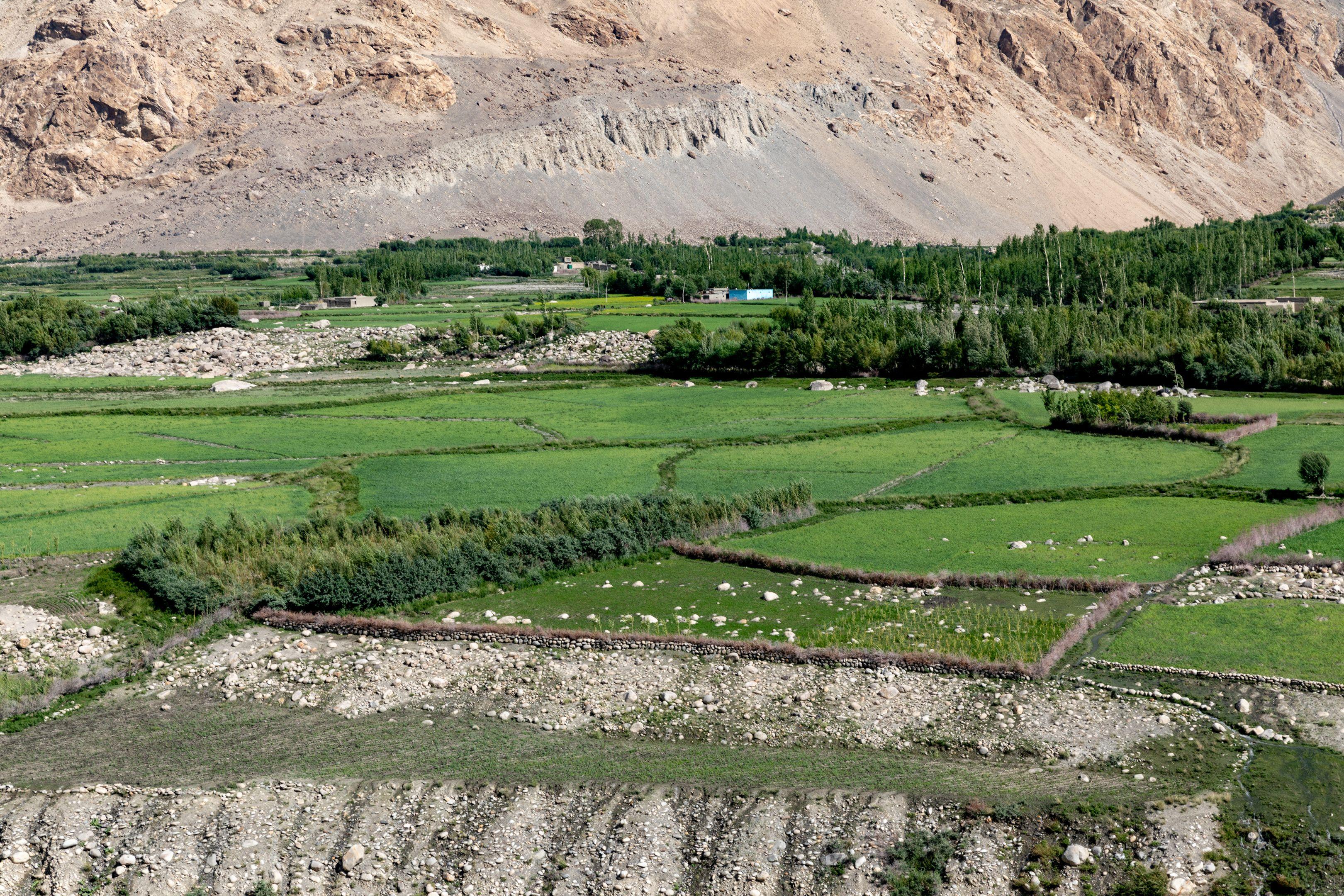
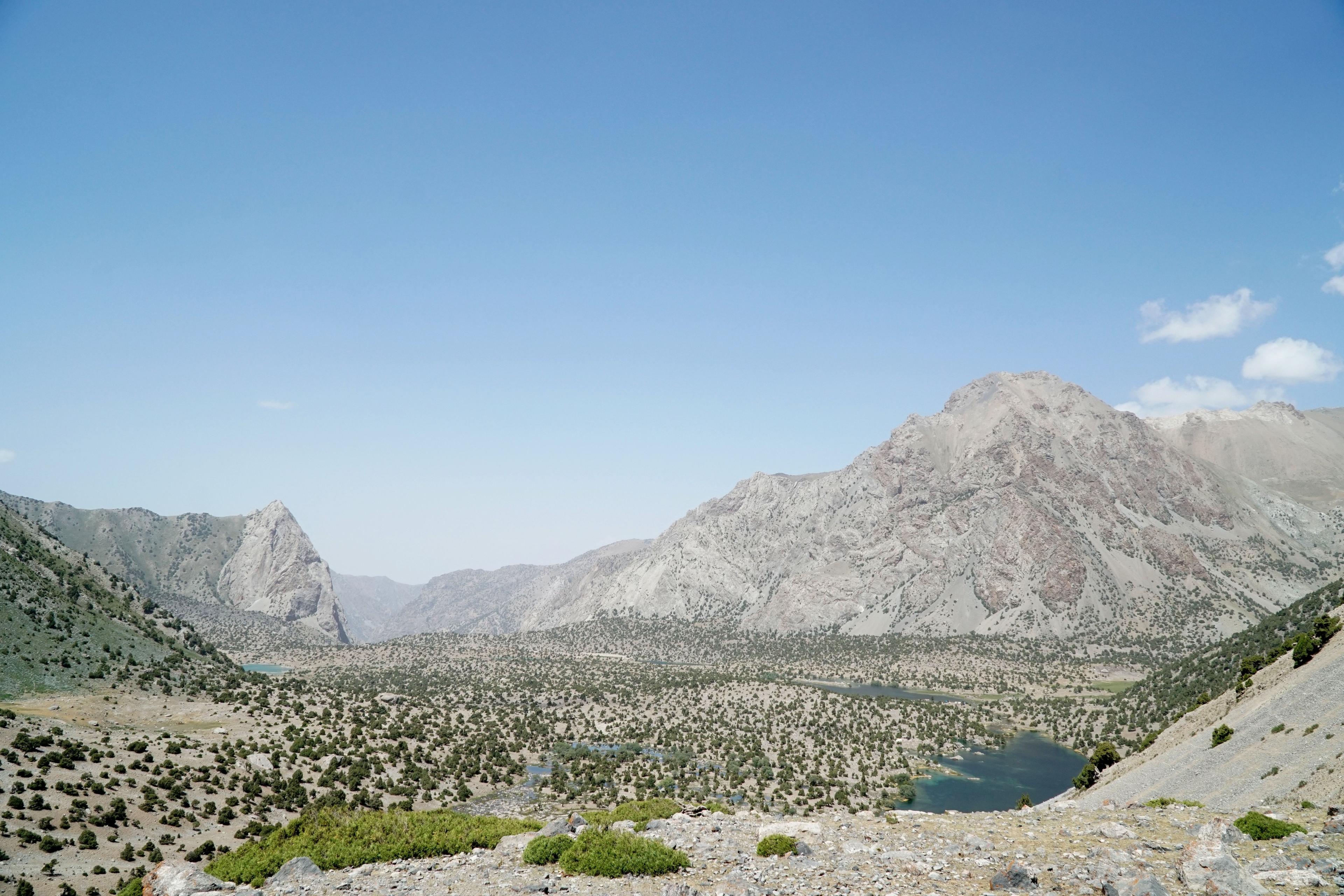
A narrow green valley along the Panj river, facing the snow peaks of Afghanistan's Hindu Kush. Ruined fortresses, a Buddhist stupa, hot springs and Pamiri homestays make it the highlight of most Pamir journeys.
About
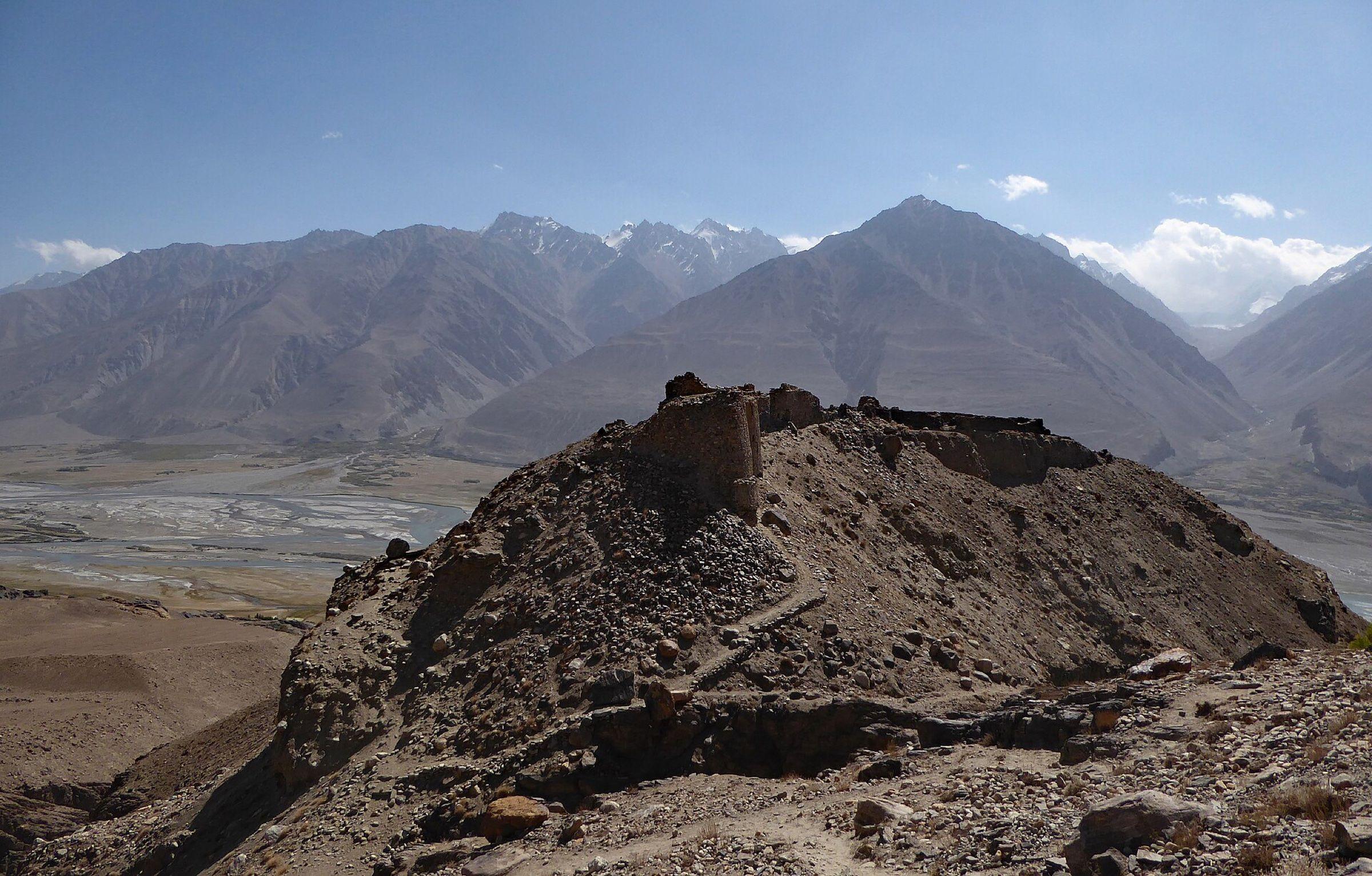
The Wakhan is the valley of the upper Panj river, which here forms the border between Tajikistan and Afghanistan. On the Tajik bank a string of villages stretches roughly from Ishkashim to Langar, with poplars, apricot trees and small terraced fields of barley and wheat watered by glacier streams. On the far bank, across a river you could almost throw a stone over, rise the peaks of the Hindu Kush, many above 6,000 metres; further south, beyond them, lies Pakistan. Few landscapes in Asia feel so remote and yet so lived-in.
A corridor of history
The Wakhan was a branch of the Silk Road between the Tarim basin and Bactria, and Buddhist pilgrims and traders passed this way. In the 19th century it became a buffer in the Great Game between the Russian and British empires, which is why a thin strip of Afghan territory still separates Tajikistan from Pakistan. The local people are Pamiris, speaking Wakhi and other Eastern Iranian languages, most of them Ismaili Muslims who follow the Aga Khan.
What to see
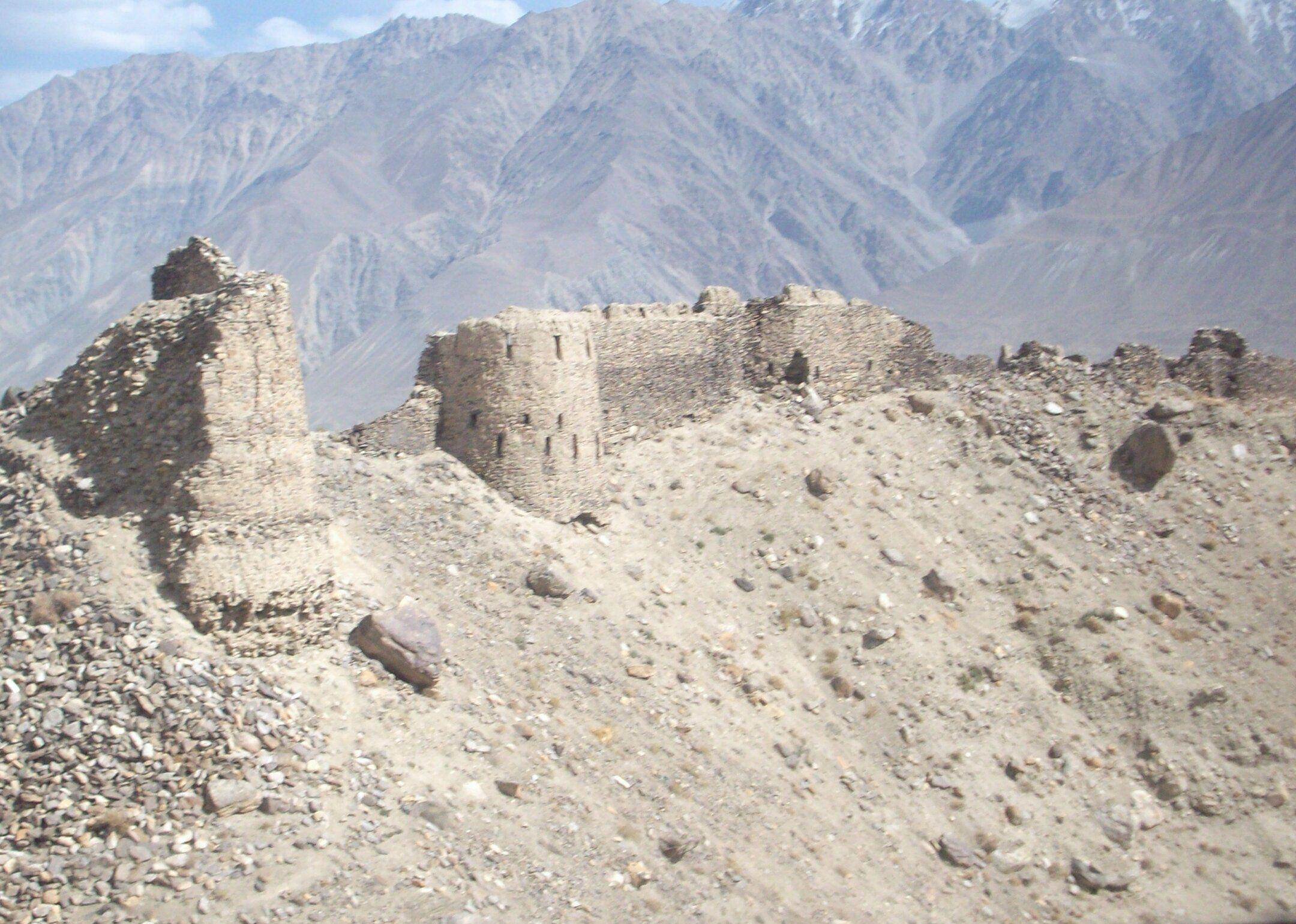
- Yamchun fortress: the ruins of a large mud-brick and stone fortress on a spur high above the valley, with towers along its walls; its origins are thought to be very ancient.
- Bibi Fatima springs: hot springs above Yamchun, venerated especially by women, with simple bathing pools.
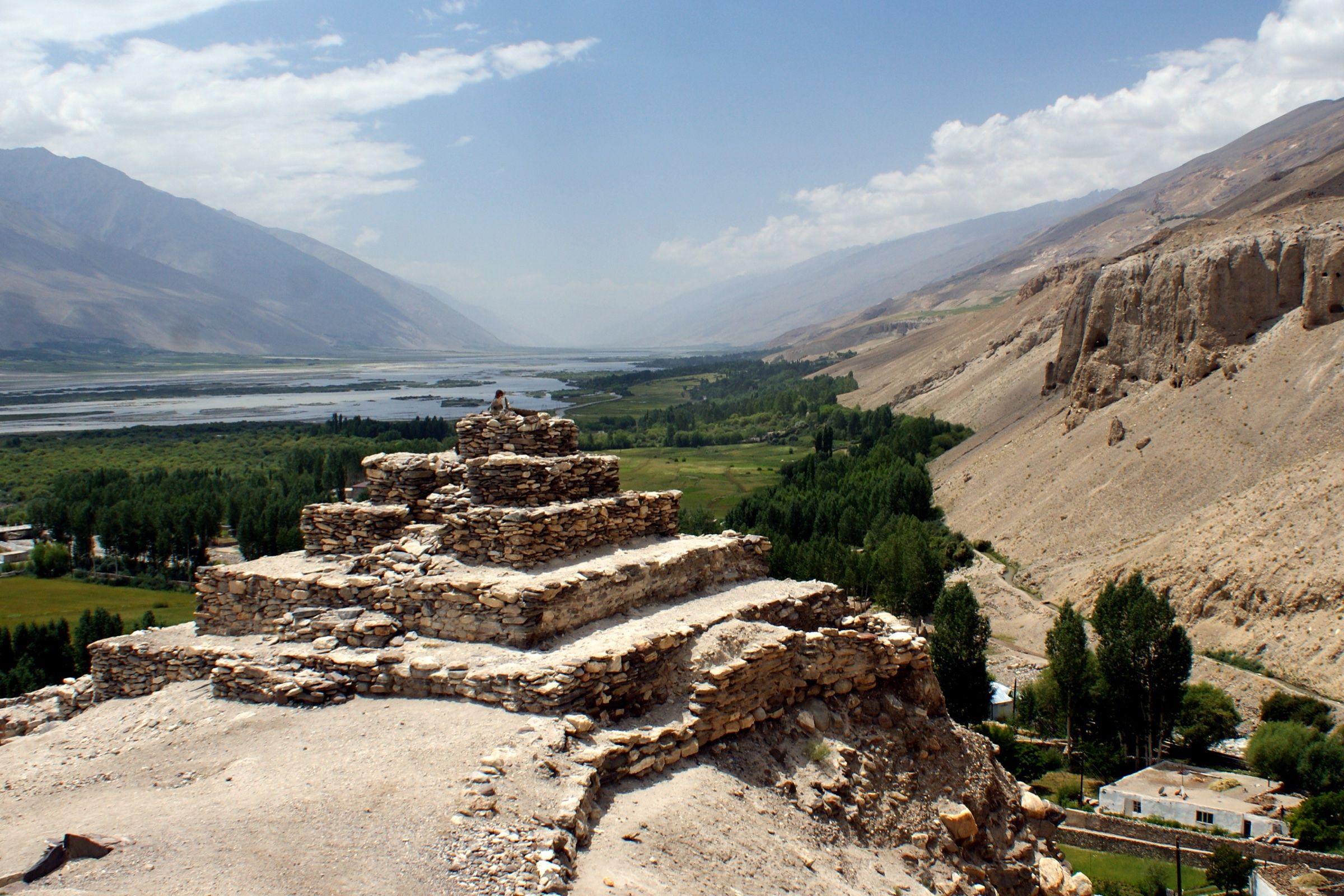
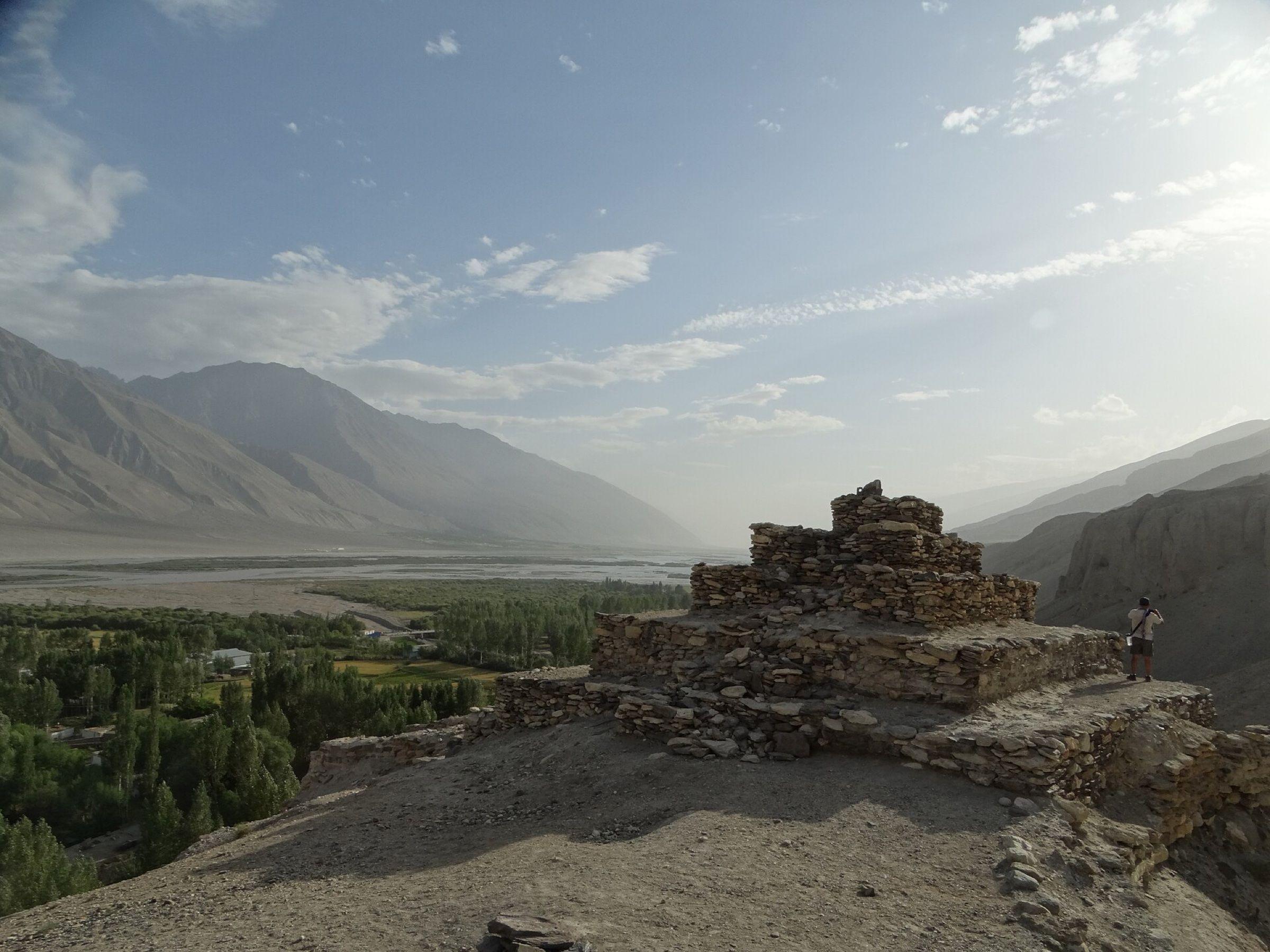
- Vrang: a stepped structure on the hillside, generally interpreted as a Buddhist stupa, with caves nearby once used by monks.
- Kaakha (Qahqaha) fortress near Namadgut, on a bluff above the river.
- Yamg: the small house-museum of the 19th-century Sufi scholar Mubarak Kadam, with a stone he is said to have used as a solar calendar.
- Langar: petroglyphs on the slopes above the village and views up the Pamir river towards the Pamir plateau.
Staying in the Wakhan
Nights are spent in family homestays in traditional Pamiri houses, built around a central room with five pillars, each traditionally linked to a member of the Prophet's family, and a skylight in a stepped wooden ceiling. Meals are simple and home-cooked. Allow two to three days for the valley, travelling slowly between Ishkashim and Langar before climbing to the eastern Pamir. A GBAO permit is required, and the best months are June to September.
What to see
- Hindu Kush peaks across the Panj river in Afghanistan
- Yamchun fortress high above the valley
- The Bibi Fatima hot springs
- The Buddhist stupa at Vrang
- Kaakha fortress and the Mubarak Kadam museum at Yamg
- Petroglyphs above Langar and homestays in Pamiri houses
Gallery
More sights in Tajikistan
All of Tajikistan
See Wakhan Valley with a local guide
We build private and small-group trips around the places you want to see — with guides who grew up here.