Most Uzbek food is halal by default, but alcohol, pork and certification need a few questions. A city-by-city guide for Muslim travellers: what to order, where to be careful, how chaikhanas work and how to ask.
Facts, prices and schedules checked on November 4, 2026
Halal food in Uzbekistan is easy to find, because most traditional cooking is halal by default. Uzbekistan is a majority-Muslim country, the national dishes are built on lamb, beef, chicken, bread, rice and vegetables, and pork is not part of the traditional kitchen. The practical questions are narrower: where alcohol is served, which modern or Russian-style dishes may contain pork or wine, and how to choose a restaurant in Tashkent, Samarkand or Bukhara if you follow strict halal rules.
This guide is written for Muslim travellers, including visitors from Indonesia, Malaysia and the Gulf, and for anyone cooking for them. It explains what is halal by default, where to be careful, which dishes are a safe order, how a chaikhana works, and how to ask. It is not a certification list. Formal halal certification of restaurants is still patchy in the country, so we say clearly what we have been able to confirm and what you should check yourself. For the wider picture of prayer, dress and ziyarat, see our guide to Muslim-friendly and halal travel in Uzbekistan.
Is food in Uzbekistan halal?
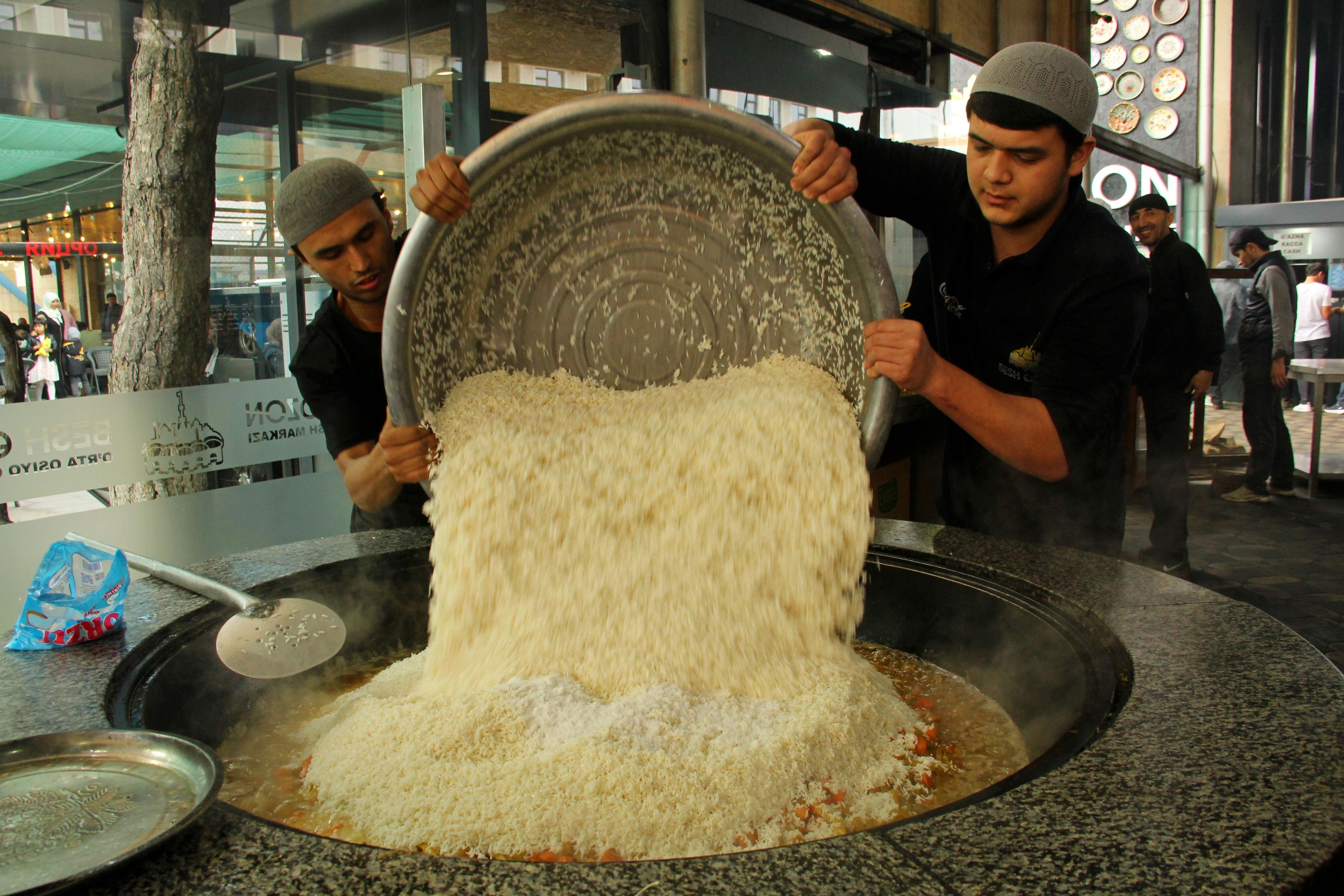
For the most part, yes, in the sense that matters to most travellers. Surveys and travel guides put the Muslim share of the population at more than 90 per cent, and everyday Uzbek food contains no pork. Lamb and beef are the main meats, with chicken, horse meat in some dishes, and the fat of the fat-tailed sheep used for flavour. Plov, lagman, shurpa, manti, samsa, shashlik and kebab are all made from halal-type meats in traditional restaurants and home kitchens.
Two cautions apply. First, halal by tradition is not the same as halal certified. Most meat comes through ordinary local butchers, and many Uzbek Muslims regard this as acceptable, but a traveller who requires zabiha, meat slaughtered by a specific method and verified, should ask each venue directly. Second, Uzbekistan is secular. Alcohol is legal and sold widely, Soviet-era habits persist in some restaurants, and cosmopolitan venues in Tashkent and the tourist districts of Samarkand and Bukhara serve wine, beer and spirits and may use them in sauces.
On certification, Uzbekistan has been moving. A Kun.uz report from February 2025 said the government had approved rules allowing certified products and services to carry an official Halal mark from 1 May 2025, and the testing body UzTest has since been reported as accredited by a Turkish halal accreditation authority. Restaurants displaying that mark are likely to become easier to find, but as of November 2026 we would not assume it, and we have not been able to confirm which restaurants hold it.
Where alcohol and pork can appear
You do not need to avoid restaurants because they have a bar, but it helps to know where the grey areas are.
- Alcohol on the menu. Many mid-range and upmarket restaurants list wine, beer, vodka and local cognac. If this bothers you, choose a chaikhana, an oshxona or a plov centre, where the focus is food and tea. Some places do not serve alcohol at all, and in Tashkent a few have been rated halal-friendly by third parties.
- Alcohol in cooking. Fusion and European-style restaurants may use wine, brandy or beer in sauces, marinades and desserts. Traditional Uzbek dishes rarely do. Ask, and say it plainly: no alcohol in the cooking.
- Pork. It is not an Uzbek ingredient, but it appears in the Russian, Korean, Georgian and European dishes served in cities. Hotel breakfast buffets can include sausages. Salads such as the Soviet-era Olivier may contain boiled sausage, which can be pork. Pizza, burgers and pasta need the same question.
- Shared grills and fryers. Where a restaurant serves both halal-type meat and other dishes on one grill, strict travellers may prefer to eat elsewhere.
- Packaged and imported food. Check labels on sweets, biscuits and snacks for gelatine and alcohol-based flavourings, as you would at home.
A simple way to ask is in Uzbek or Russian. "Cho'chqa go'shti bormi?" in Uzbek or "Svinina yest?" in Russian means "is there pork?". The word halol, spelled halal in English, is understood everywhere, and a shopkeeper or waiter will usually tell you honestly if a dish is not suitable. Our guide to useful Uzbek and Russian phrases has more.
Safe orders in any city
These dishes are traditional, meat-based and normally prepared without alcohol or pork, which makes them a reliable choice in any Uzbek restaurant.
- Plov, the national rice dish with carrot, onion and lamb or beef, cooked in a kazan. Our plov guide explains the regional styles.
- Shurpa, a clear lamb soup with potato and carrot, and mastava, a rice soup.
- Lagman, hand-pulled noodles in a meat and vegetable sauce.
- Manti, steamed dumplings with lamb and onion, and chuchvara, small boiled dumplings in broth.
- Samsa, baked in a tandoor, with lamb, beef, chicken or pumpkin. See our samsa guide.
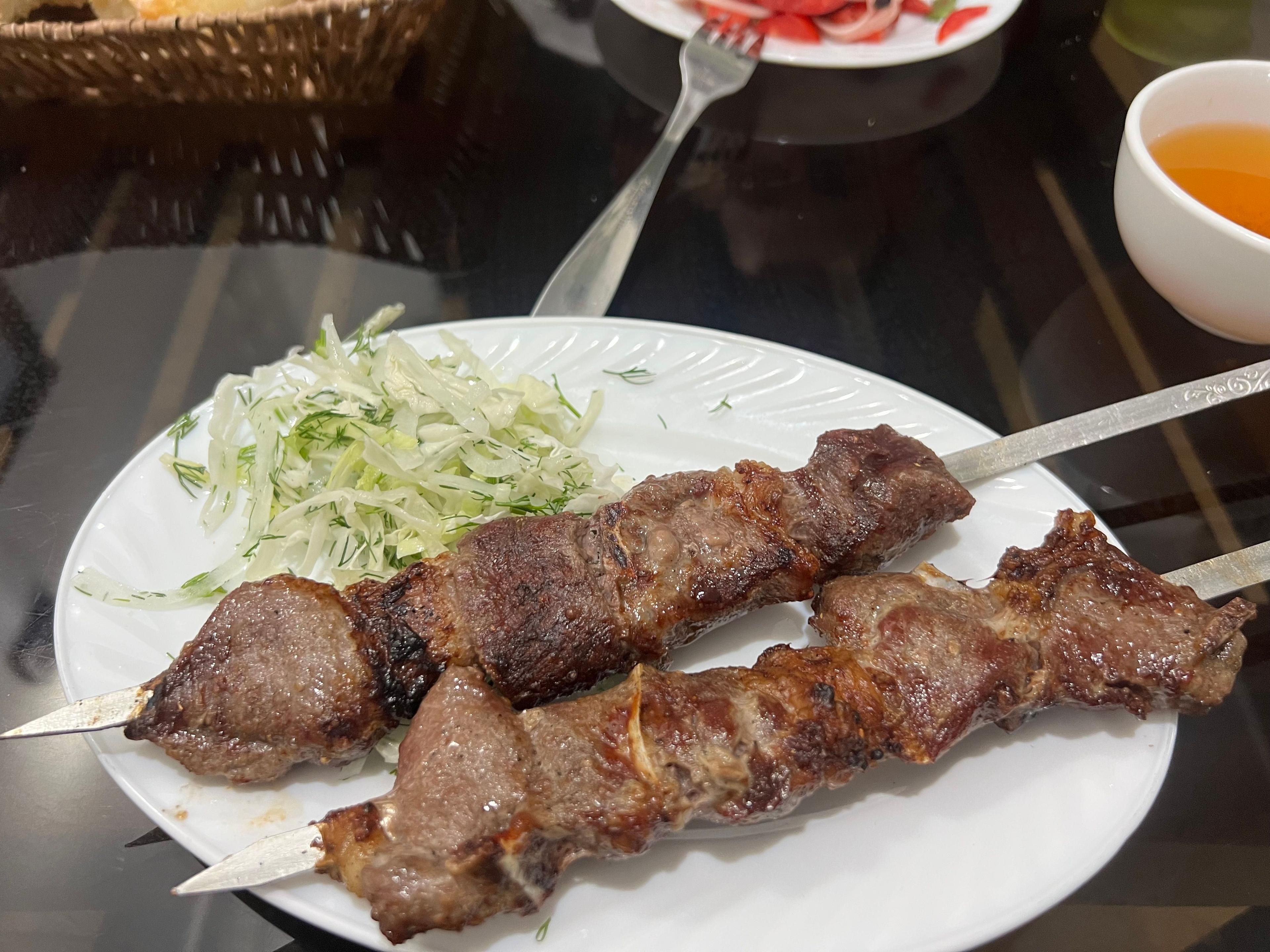
- Shashlik and lyulya kebab, skewered meat grilled over charcoal. Our shashlik and kebab guide covers cuts.
- Bread, salads of tomato and cucumber, fresh fruit, dried fruit, nuts, halva and tea. Our guides to Uzbek bread and tea and to Uzbek desserts show the range.
Vegetarian dishes are another safe route. Many Muslim travellers who want certainty choose vegetable samsa, vegetable shurpa and salads, and our guide to vegetarian and vegan food in Uzbekistan lists options. Ask for oil rather than animal fat if that matters to you.
Halal eating in Tashkent
Tashkent has the widest range, from bazaar stalls to international hotels. The old-town food around Chorsu Bazaar and the Hazrati Imam square is traditional and halal in character; Chorsu is a good place for samsa, plov and shashlik. The Central Asian Plov Centre is the best-known place to eat plov at lunchtime, and the city has many oshxonas with cheap, quick Uzbek meals.
For certified or rated halal-friendly dining, the CrescentRating platform, a private rating service rather than a government body, lists a handful of Tashkent restaurants with its highest AAA grade. At the time of writing these included a shashlik restaurant called Shashleek Eco Park, a restaurant named Aksu in the Chilanzar district and a casual place called Halol Noz-Ne'mat. We have not inspected them and ratings can lapse, so treat this as a starting point and confirm on the day. Modern fusion and international restaurants in the business district are where wine in sauces and pork dishes are most likely, so ask before you order.
Prayer is easy in Tashkent: the Hazrati Imam complex and the large mosques are in the old town, and our half-day guide to Islamic Tashkent shows how to combine them with lunch.
Halal eating in Samarkand
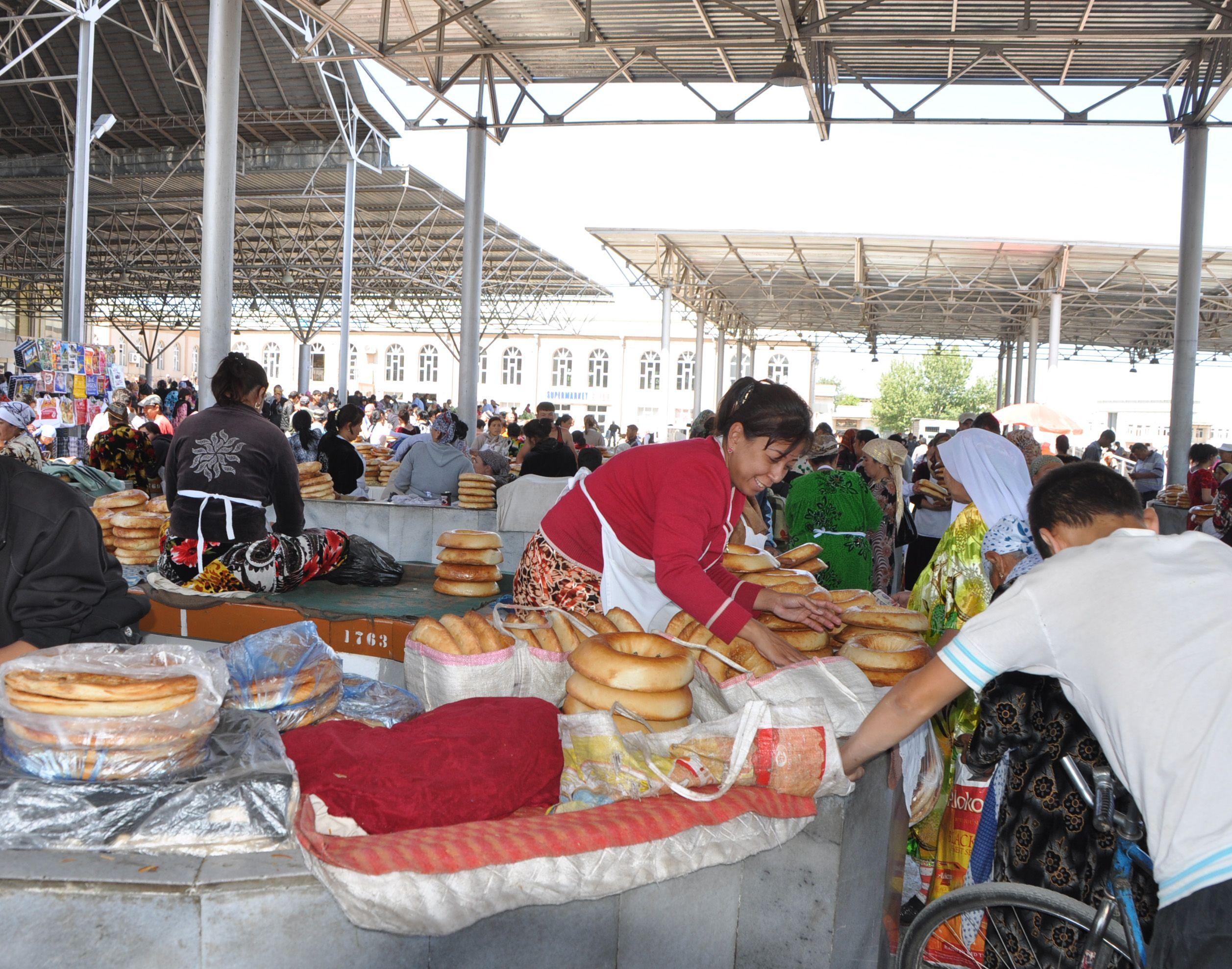
Samarkand is a city of chaikhanas, bakers and plov. The Samarkand style of plov is layered rather than stirred and is usually made with beef or lamb, and the city's bread is famous: round, thick, stamped non, baked in a tandoor and sold warm in Siyob Bazaar. Eat it with tea, fruit and local sweets and you have a halal-safe breakfast.
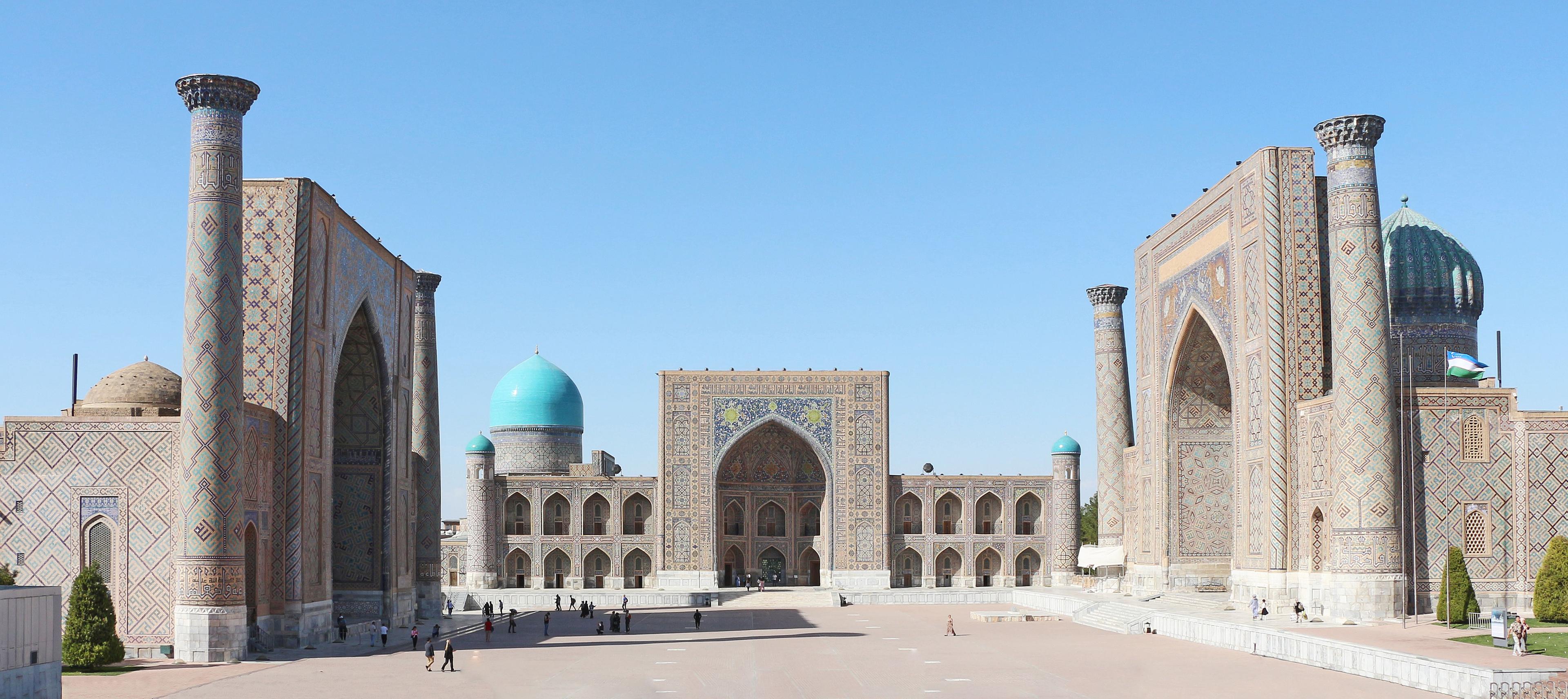
Near the Registan and Gur-e-Amir there are restaurants for tour groups and for locals. Courtyard restaurants in the old town often serve wine and beer as well as national dishes, so the choice is more about atmosphere than about the meat. Lunch in a chaikhana or at an oshxona where families eat is the easiest way to avoid alcohol. In our research we did not find a verified, independently certified halal restaurant in Samarkand, so we would not promise one. A guide who knows the city can point you to places that do not serve alcohol.
On the road to Samarkand day trips, village homes and roadside restaurants cook plov, shashlik and fresh bread in the same traditional way, which makes them a good option for halal-minded travellers. Our guide to Uzbek bread, tea and chaikhana culture is the place to start when you are choosing where to graze.
Halal eating in Bukhara and Khiva
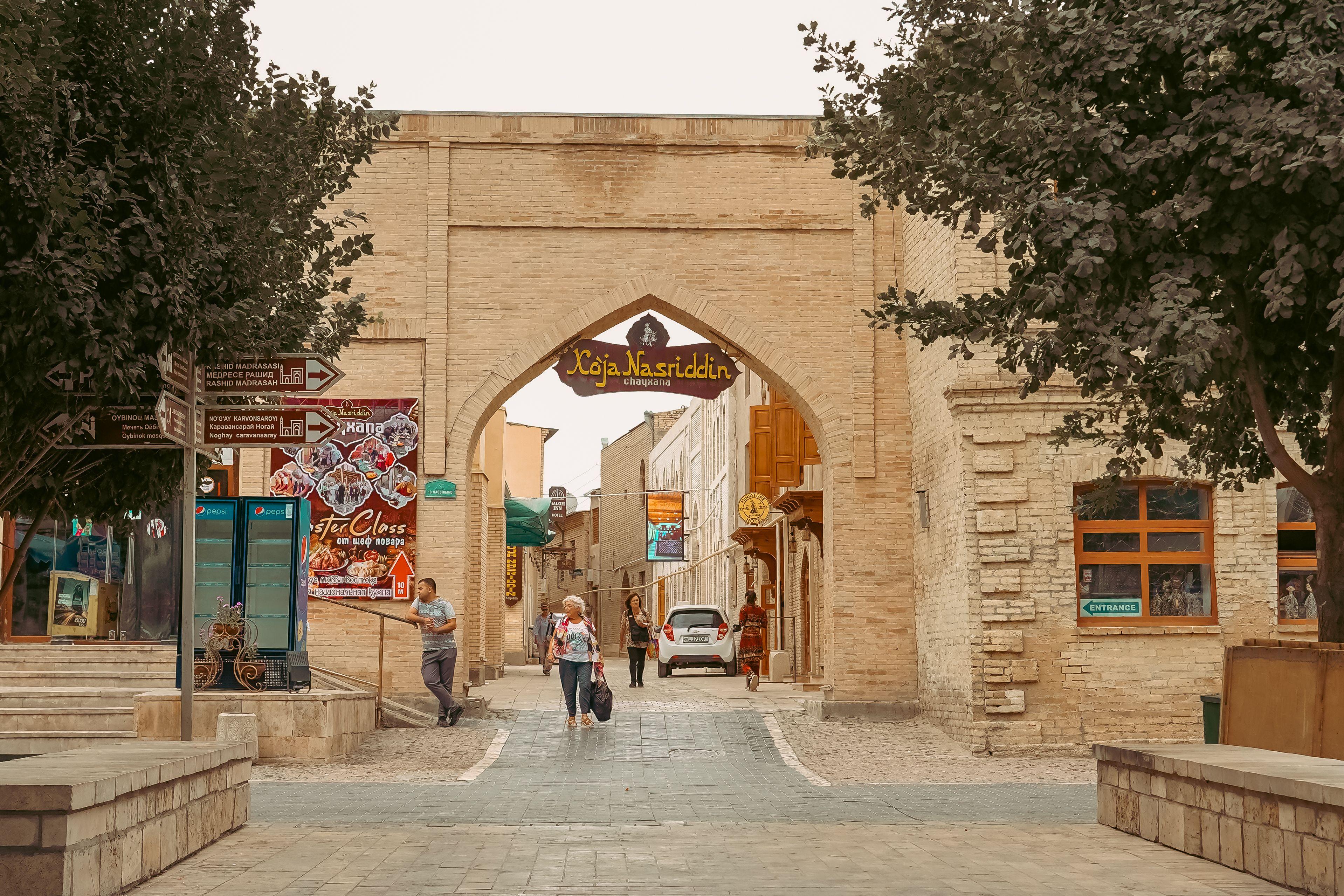
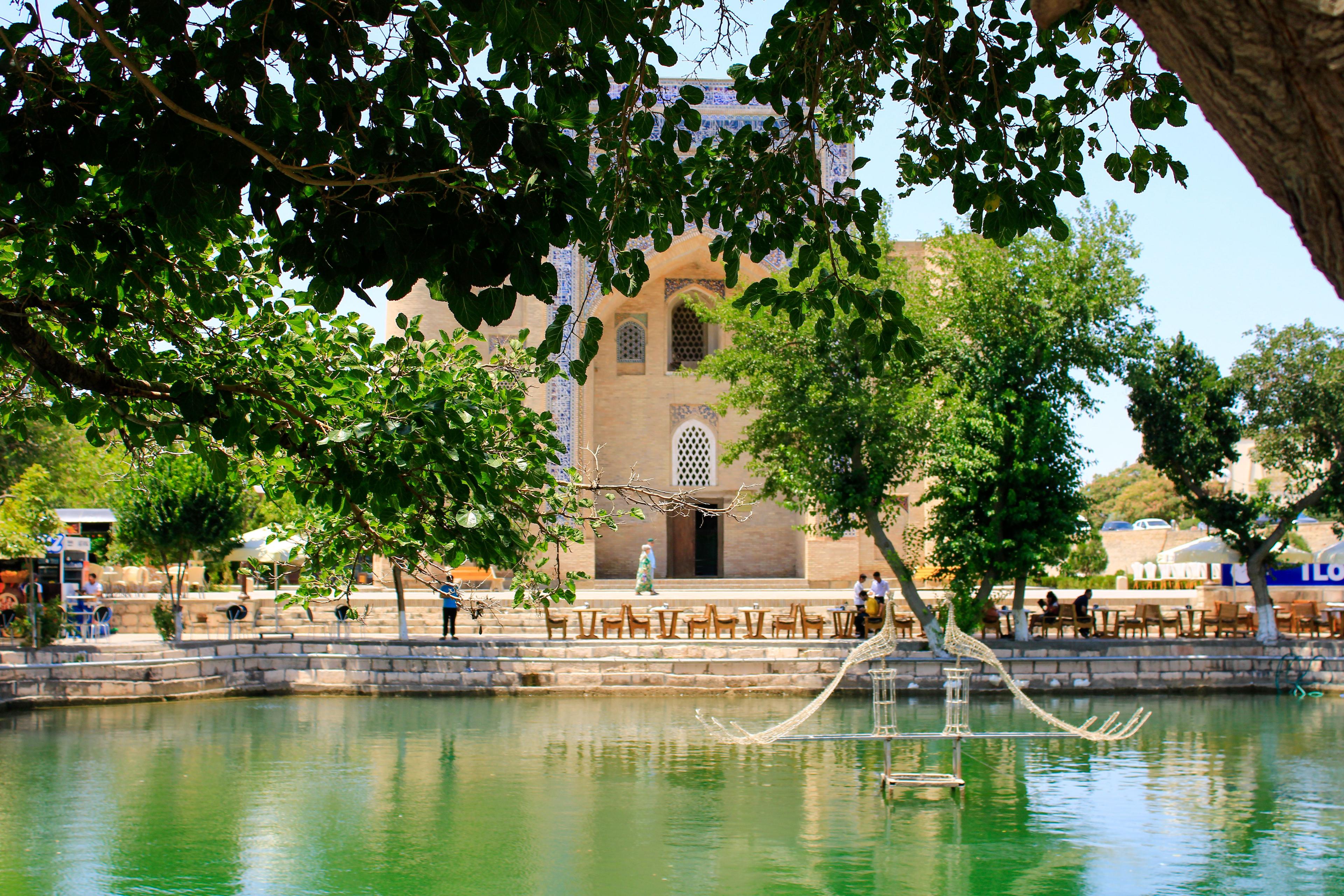
Bukhara is calmer and more traditional in its eating than Samarkand. Around Lyabi-Hauz, the pool and square at the heart of the old town, you will find chaikhanas on raised platforms called tapchans, where tea and food arrive in a steady procession. The Bukhara plov is often darker and may include raisins, and shurpa and lamb dishes are served in many courtyard restaurants. Some Lyabi-Hauz terraces serve alcohol; others do not. Look at the table next to you or ask at the door.
For a quieter choice, a meal in a family-run courtyard hotel or guesthouse is usually the best halal option, because the cook decides the menu and you can ask about the ingredients. Bukhara's non, a flat, crusty bread, and its sweets are excellent, and the trading domes are good places for a snack of dried fruit and nuts.
Khiva is smaller still. Inside Ichan-Kala, the old fortified town, restaurants and teahouses serve plov, samsa, manti and the local specialty shivit oshi, noodles coloured with dill. Several places do serve alcohol, so ask if it matters to you. Evenings in Khiva are quiet, and many visitors eat early and return to their hotel for tea.
Ramadan, hours and prayer
If you travel during Ramadan, daytime life changes but it does not stop. Many restaurants in cities and tourist areas stay open, though some close or adjust hours, and iftar, the meal that breaks the fast, is a social occasion that varies by region. The month is based on the lunar calendar, so its dates move each year; our Ramadan in Uzbekistan guide covers hours, iftar and what to expect. Eid dates are also lunar estimates and are confirmed locally, as our guide to Eid in Uzbekistan explains.
Prayer times follow the usual calendar and mosques are open to Muslims in every city. Many hotels will give you a prayer mat and the qibla direction on request. For mosque etiquette and what to wear, see our guide to mosque etiquette and prayer times and our packing list. Tell your guide on day one if you want to pray at set times, and itineraries can be planned around them: a late start on Fridays, a lunch stop near a mosque, a quiet afternoon.
Tips for eating halal on your trip
- Tell your operator or hotel about your requirements before arrival: no pork, no alcohol in cooking, zabiha meat if you need it. Good hotels and guides can pass the message to the kitchen.
- Choose chaikhanas, oshxonas, bazaar stalls and plov centres for everyday meals. They are cheap, quick and traditional.
- At weddings, home visits and village meals, plov and lamb are the norm and hosts are used to dietary questions from guests.
- Order bottled water and tea, and carry fruit and nuts for long drives.
- Check hotel breakfast labels, or ask what the sausages are made of.
- Use a halal-friendly app or CrescentRating listing as a lead, then confirm by phone or at the door.
- Prices are modest. A simple lunch in an oshxona is typically a few US dollars; restaurants for tourists cost more. Our guide to travel costs gives current ranges.
We can arrange lunches and dinners in venues that do not serve alcohol where possible, and our guides can help you ask the right questions. Guides in Indonesian, Malay or Arabic are available on request, and you can start a trip plan with our trip builder or by sending us a WhatsApp message.