
Fortress · Tradition: 4th century BC
Nur Fortress (Alexander's Fortress)
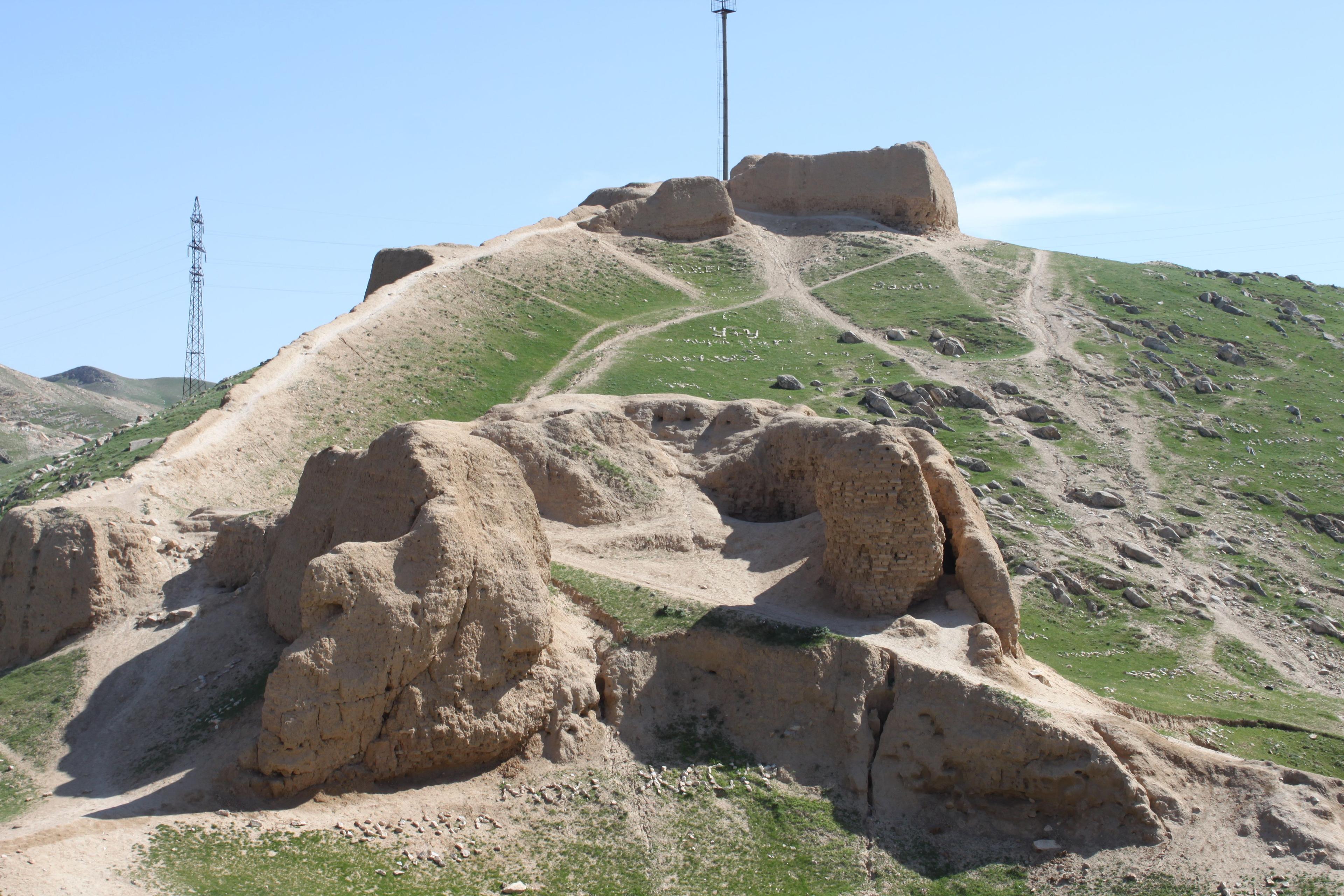
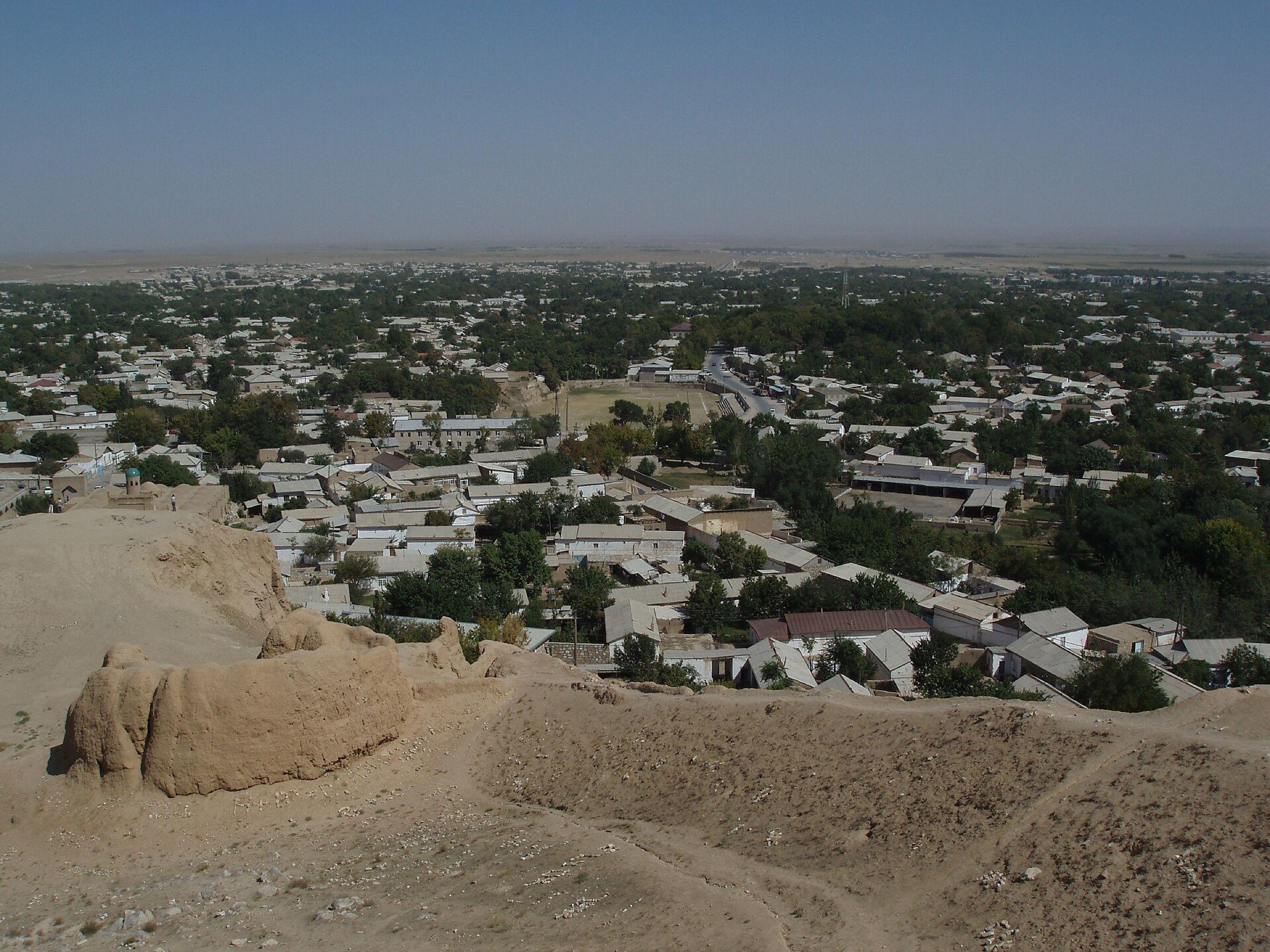
The eroded mud-brick ramparts above Nurata's holy spring, traditionally identified with a fortress founded by Alexander the Great in the 320s BC, with wide views over the town and the desert edge.
About
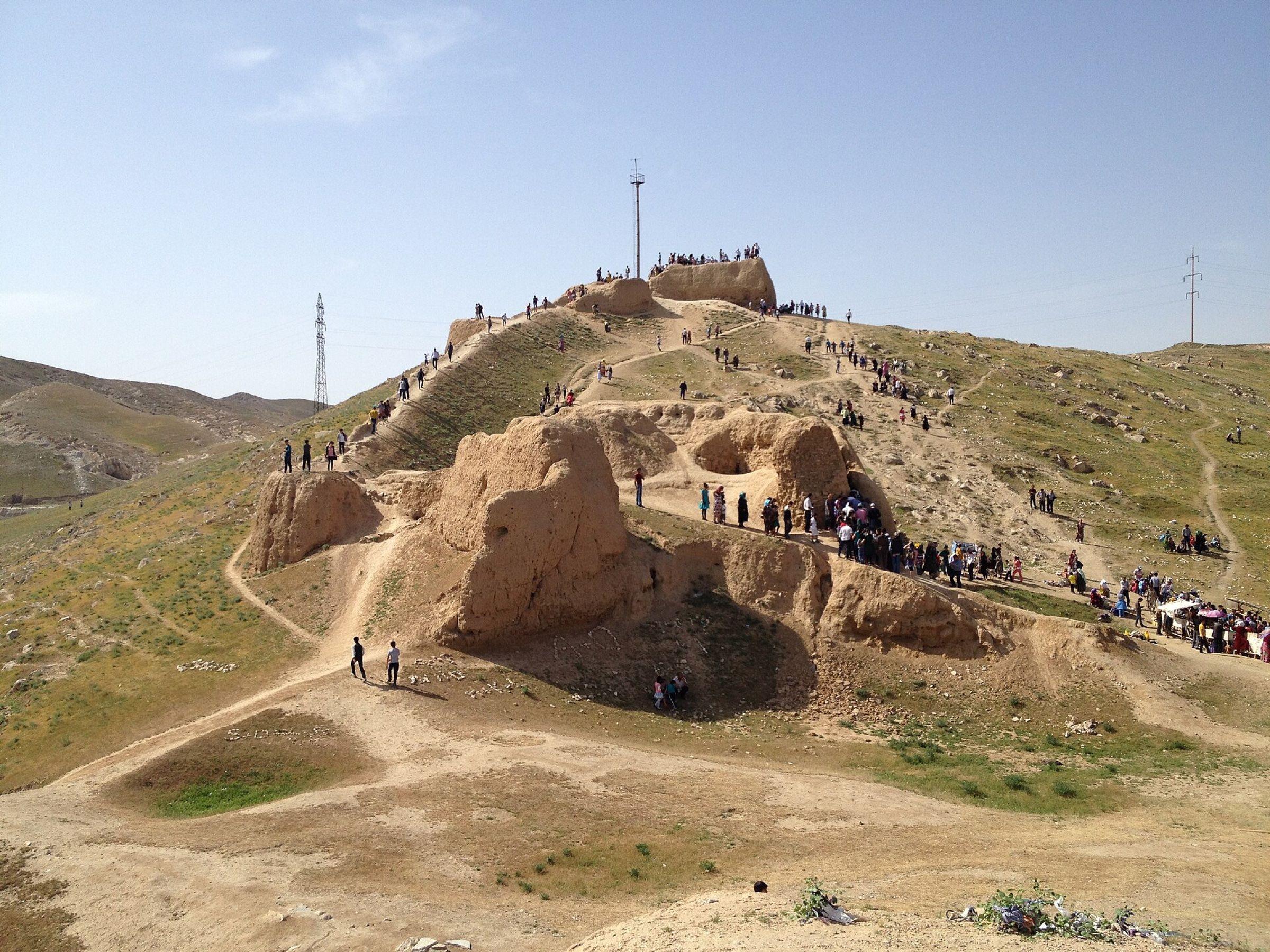
On the hill above the Chashma spring stand the worn ramparts of a large fortress. Local tradition, repeated in every guidebook, holds that it was founded by Alexander the Great during his campaign in Sogdiana in 327 BC, and that the town took its first name, Nur, from it. The link with Alexander cannot be proved, but the site was clearly fortified for many centuries to guard the spring and the route between the oases and the steppe.
What you see
The walls are made of rammed earth and mud brick, now softened into long ridges and mounds that follow the shape of the hill. Paths lead up from the spring to the highest point, where the plan of the citadel can still be traced. Below the fortress, archaeologists have identified traces of kariz, underground water channels that once carried water from the hills to the fields.
Visiting
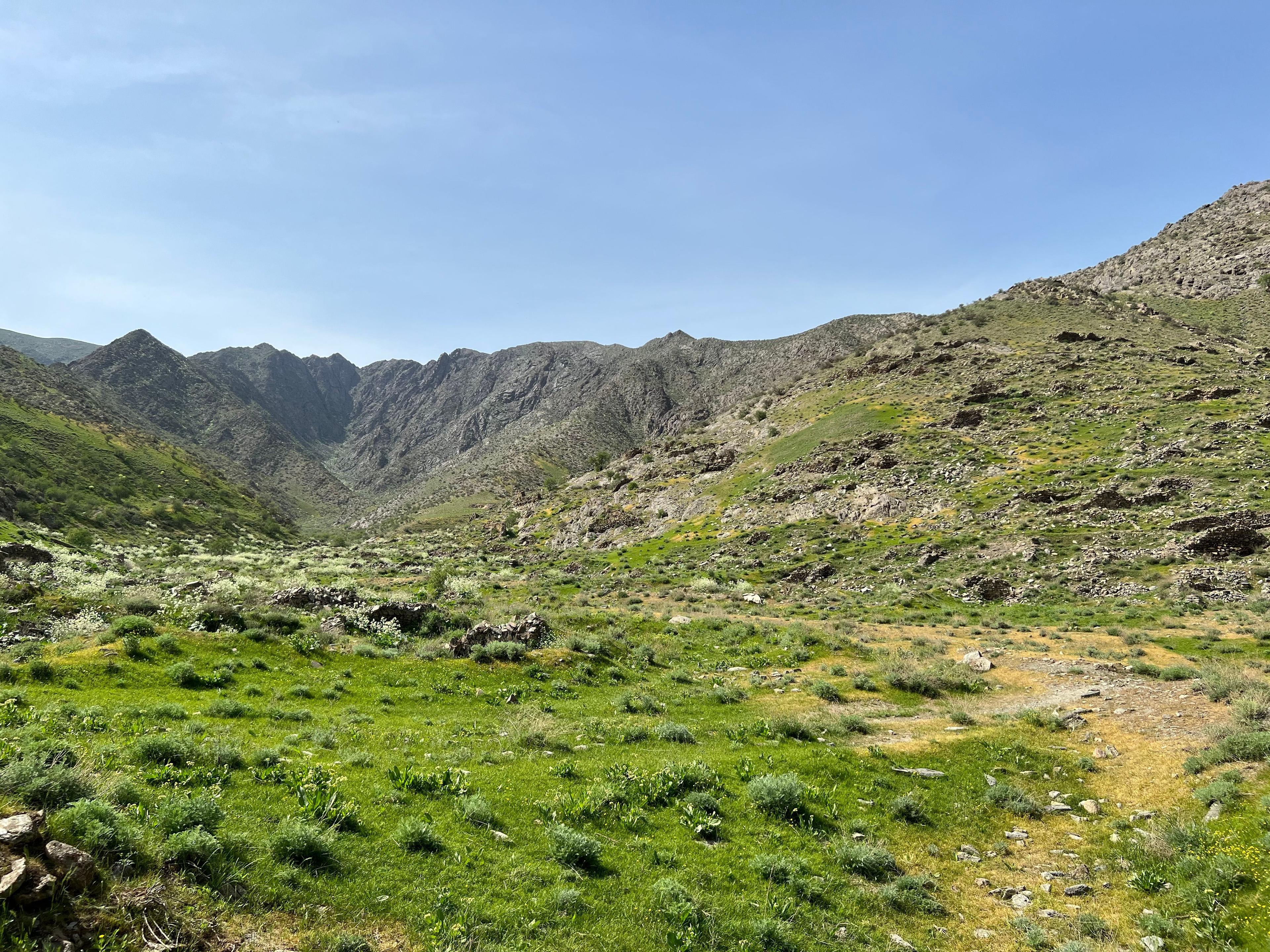
The climb is short but steep in places, on loose ground. From the top you look down on the domes of the spring complex, the flat roofs of Nurata and the Nuratau ridge stretching east; in the late afternoon the light over the desert edge is beautiful. Combine it with the spring, which you pass on the way up.
What to see
- Mud-brick ramparts following the contours of the hill
- The view over the Chashma complex and Nurata
- The Nuratau ridge and the desert edge on the horizon
- The story of Alexander's campaign in Sogdiana
Gallery
More sights in Nurata & Lake Aydarkul
All of Nurata & Lake Aydarkul
See Nur Fortress (Alexander's Fortress) with a local guide
We build private and small-group trips around the places you want to see — with guides who grew up here.