
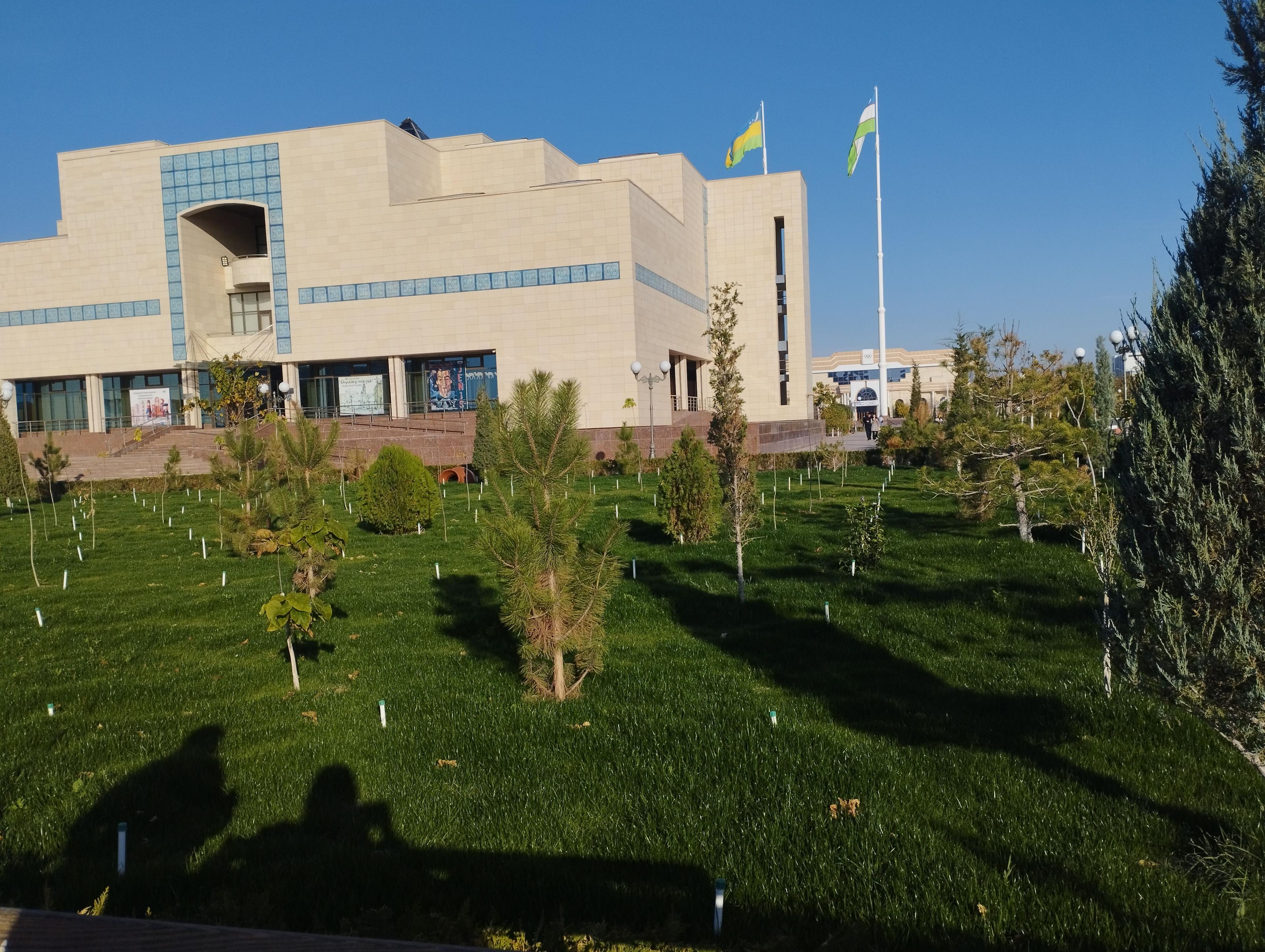
Museum · Founded 1966; current buildings from 2003
Savitsky Museum (State Museum of Arts of Karakalpakstan)
In Nukus, far from any art capital, stands one of the world’s great collections of Russian and Central Asian avant-garde painting, saved from Soviet censorship by one obsessive collector, Igor Savitsky. More than 100,000 items in all.
About
Igor Savitsky (1915–1984), a Kyiv-born painter trained in Moscow, first came to Karakalpakstan in 1950 as an artist with the Khorezm archaeological and ethnographic expedition led by Sergei Tolstov. He stayed. Through the 1950s and 1960s he collected Karakalpak jewellery, textiles, carpets and costume, and persuaded the authorities to found a museum in Nukus, which opened in 1966 with him as its first director.
The forbidden art
Savitsky then turned to something riskier. He sought out painters of the 1910s–1930s whose work had been condemned under Stalin as formalist or decadent: the Russian avant-garde, and the remarkable “Turkestan school” of artists who had worked in Uzbekistan, among them Alexander Volkov, Ural Tansykbaev, Mikhail Kurzin and Nikolai Karakhan. He bought canvases from widows and heirs, often on credit or with museum funds approved by sympathetic officials, and carried them by train to a remote provincial capital where few censors looked. Many of the artists had been imprisoned or exiled; some of the works survive nowhere else.
The collection today
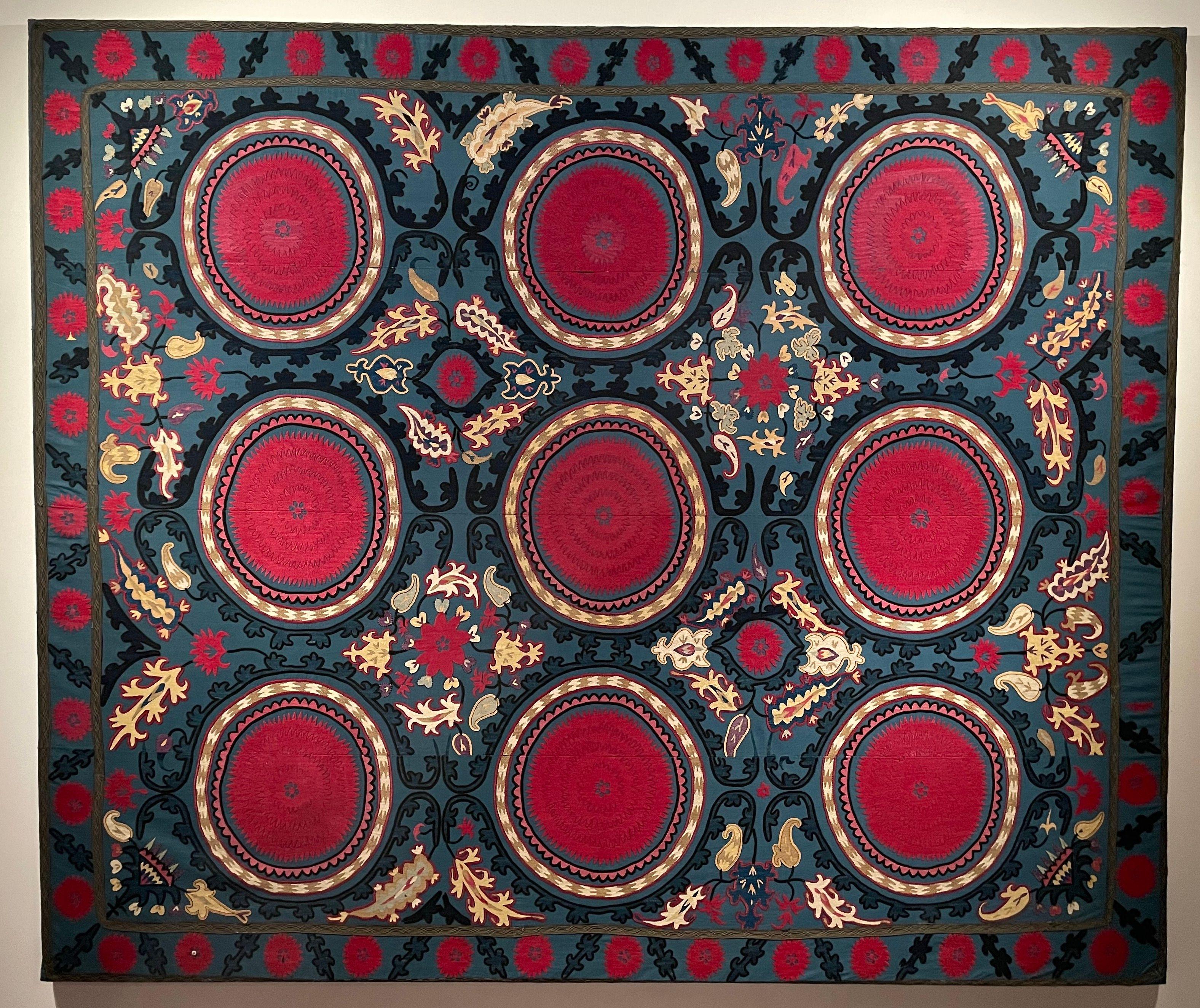
The museum holds more than 100,000 items. Its avant-garde collection is often described as the second largest in the world after the State Russian Museum in St Petersburg. Alongside it are archaeological finds from the fortresses of ancient Khorezm, including ossuaries, terracottas and fragments of wall painting, and a superb ethnographic section of Karakalpak jewellery, embroidered robes, yurt hangings and carpets. In 2025 part of the display was redesigned with specialists from Ca’ Foscari University of Venice.
Visiting
Only a part of the collection is on show at any time, and exhibitions rotate. Allow at least two hours, and consider booking a museum guide: the stories behind the paintings are half the experience. The 2010 documentary “The Desert of Forbidden Art” is good preparation.
What to see
- Paintings by Alexander Volkov and the Turkestan school
- Russian avant-garde works from the 1910s–1930s
- The Bull by Vladimir Lysenko, the museum’s emblem
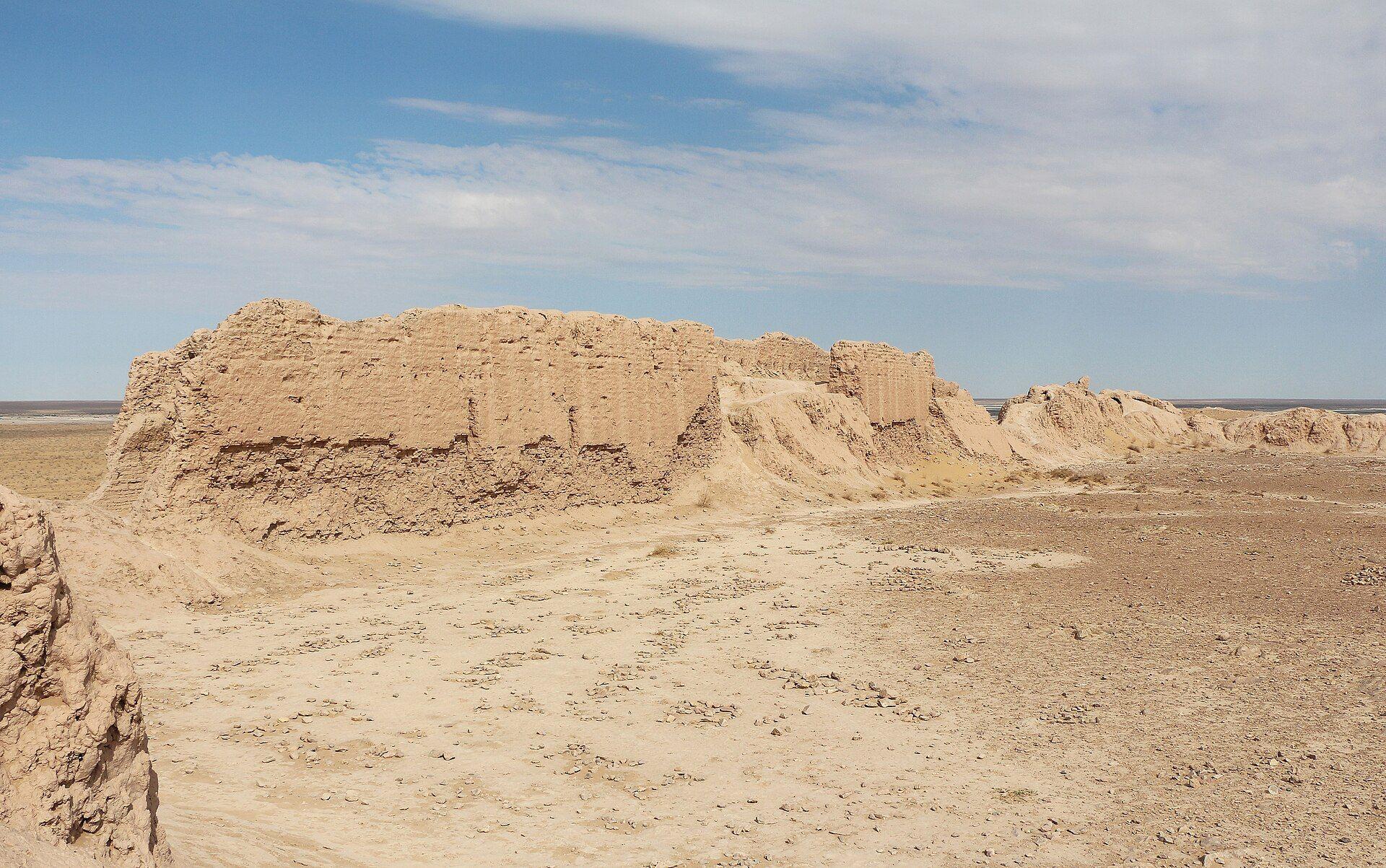
- Archaeological finds from the fortresses of ancient Khorezm
- Karakalpak jewellery, embroidered robes and yurt textiles
- The redesigned 2025 galleries
Gallery


Tours that visit Savitsky Museum (State Museum of Arts of Karakalpakstan)
More sights in Karakalpakstan
All of Karakalpakstan
See Savitsky Museum (State Museum of Arts of Karakalpakstan) with a local guide
We build private and small-group trips around the places you want to see — with guides who grew up here.