
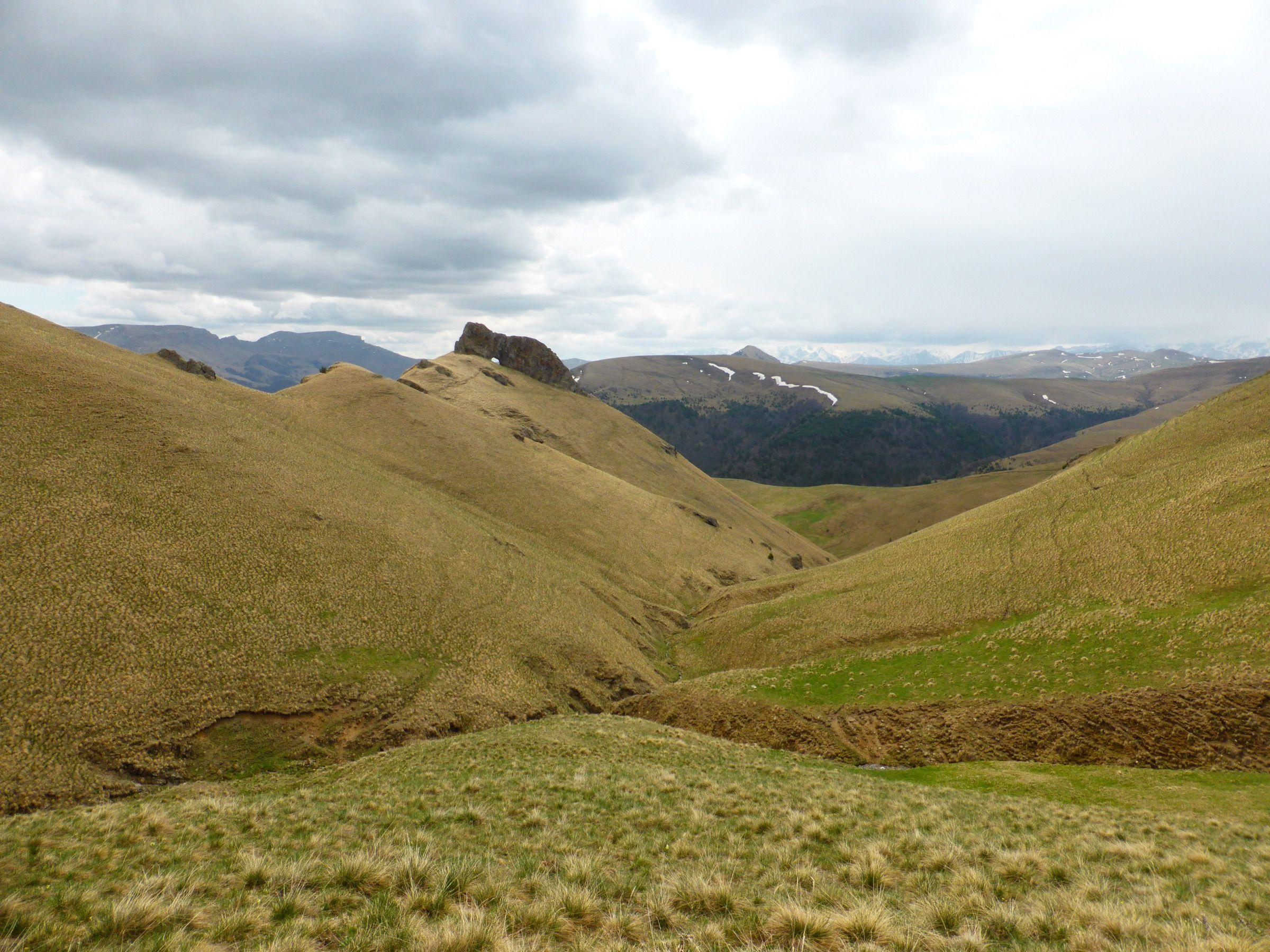
Nature · Teshik-Tash occupied c. 70,000 years ago; Dark Star explored since 1984, Boy-Bulok since the 1980s
Caves of Boysun: Teshik-Tash, Dark Star and Boy-Bulok
The limestone of the Boysuntau hides a Neanderthal burial, Asia's deepest known cave and an ice-filled system entered through a cliff. Teshik-Tash can be walked to; the deep caves are for expeditions, but their story belongs to any visit to Boysun.
About
The Boysuntau range, the limestone wall that rises west of Boysun, is one of the great cave regions of Asia. Its karst has produced three places of world standing: a small grotto where a Neanderthal child was buried, a vertical cave system that is the deepest known on the continent outside the Caucasus, and a high cliff cave whose chambers are lined with ice. Only the first is a conventional excursion, but together they explain why scientists keep returning to these mountains.
Teshik-Tash: the Neanderthal child
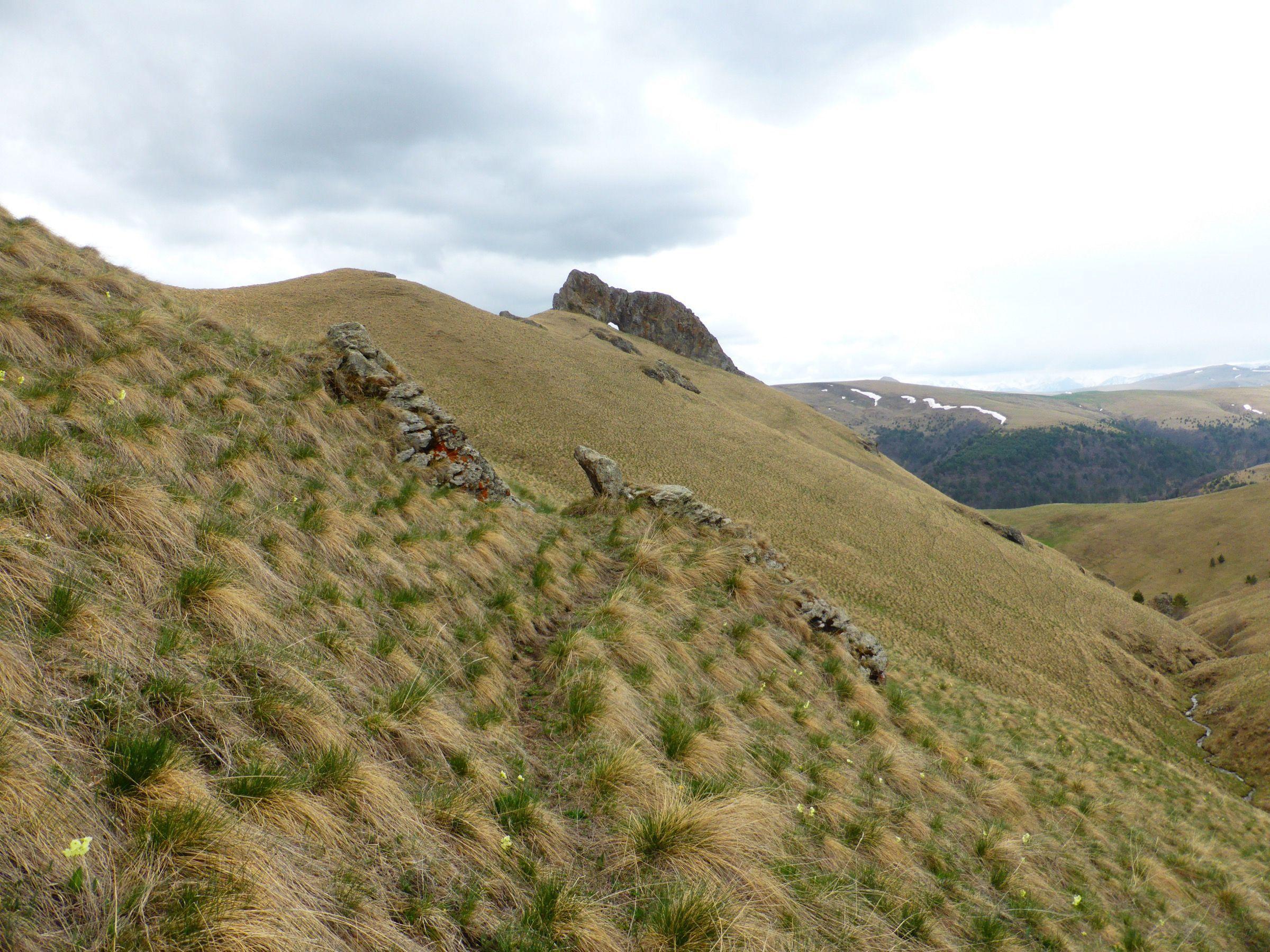
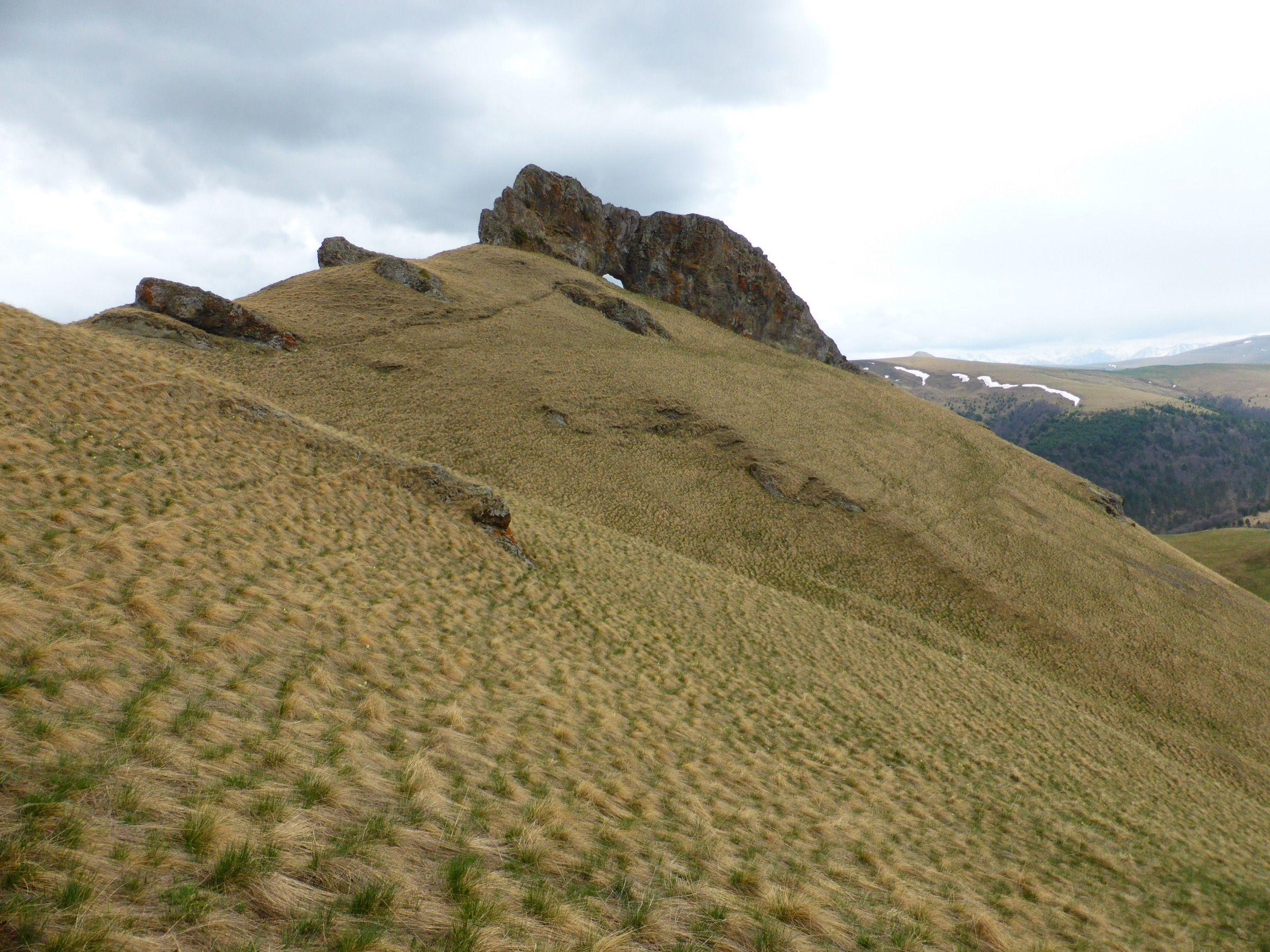
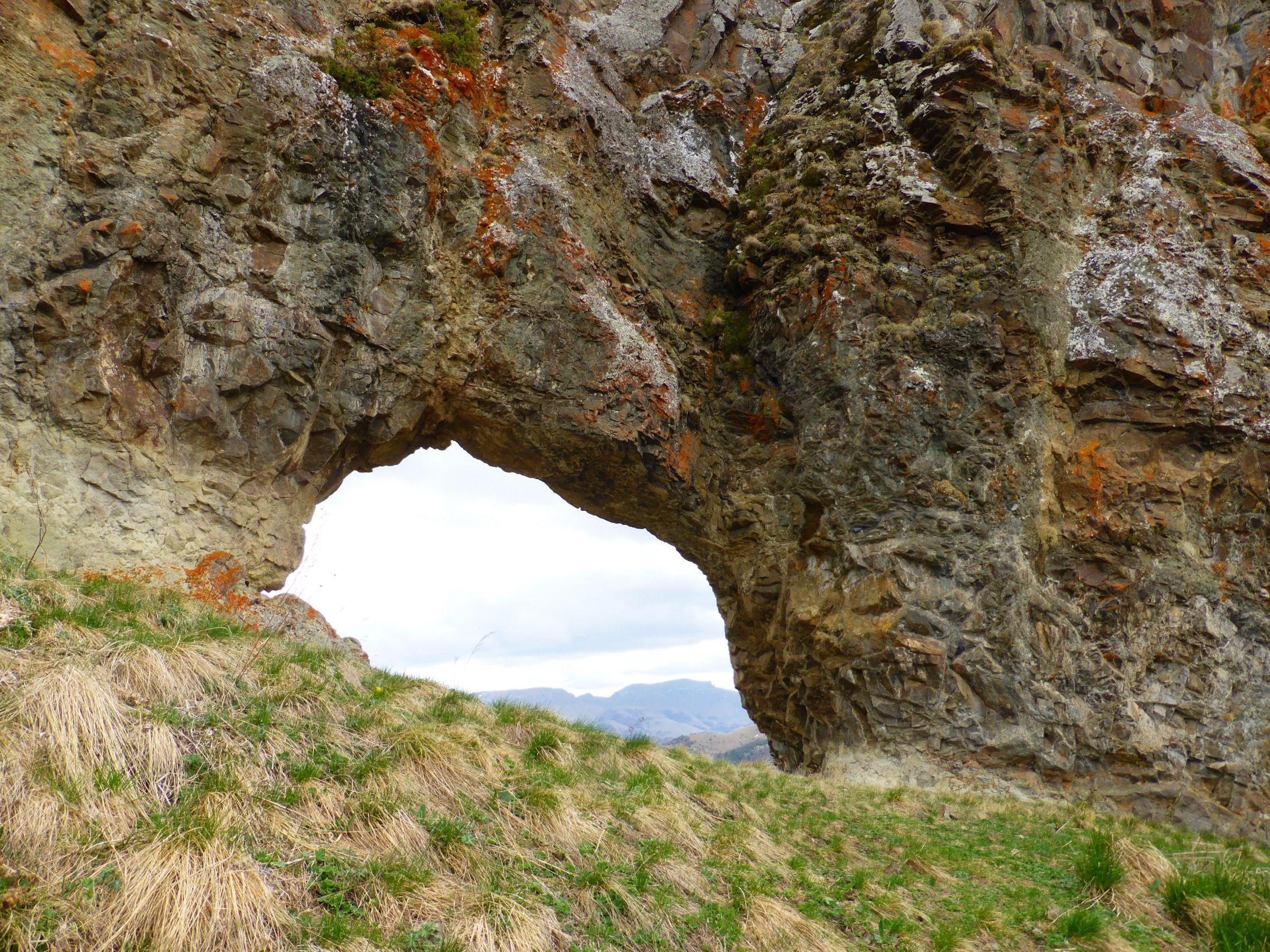
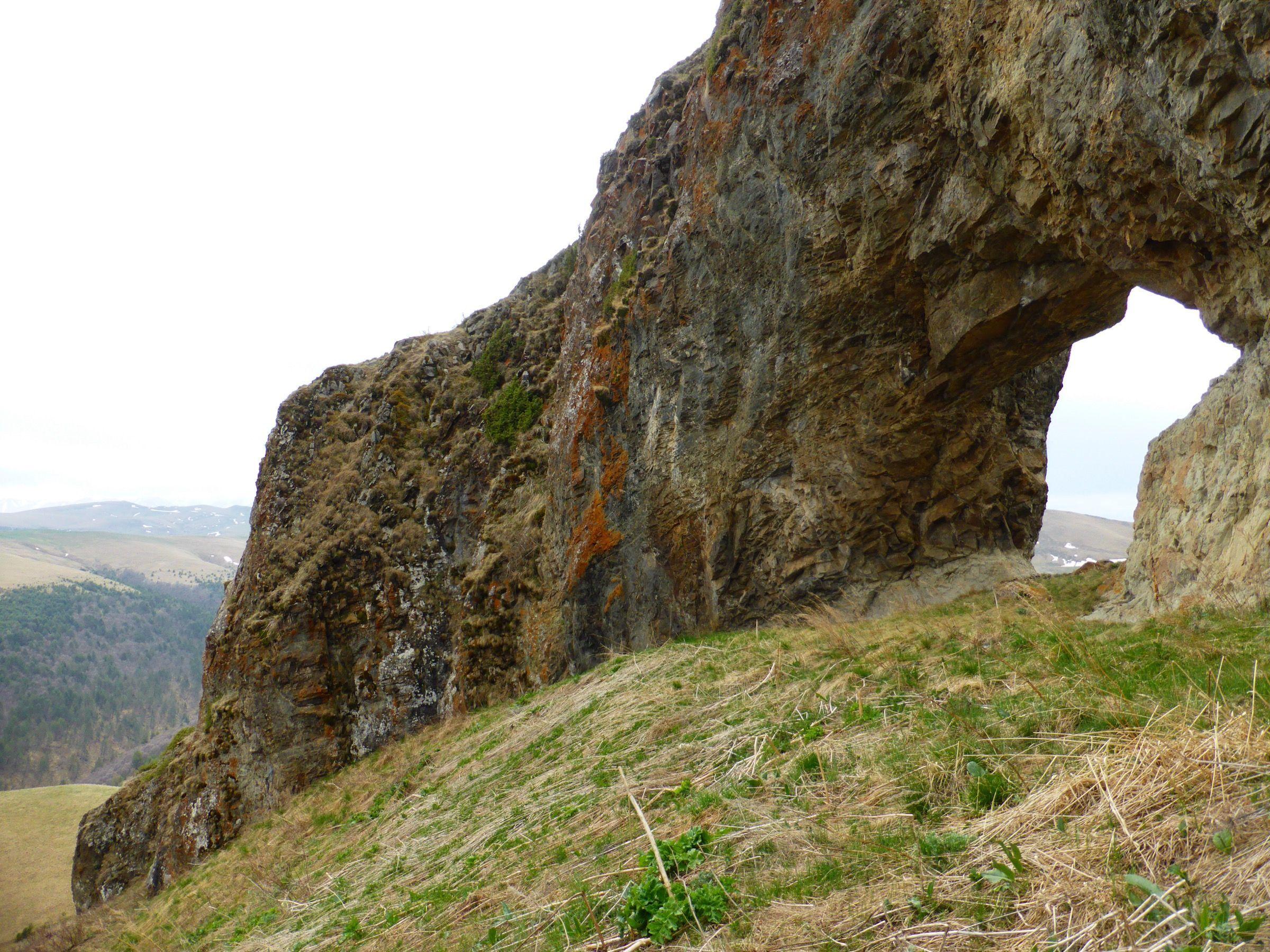
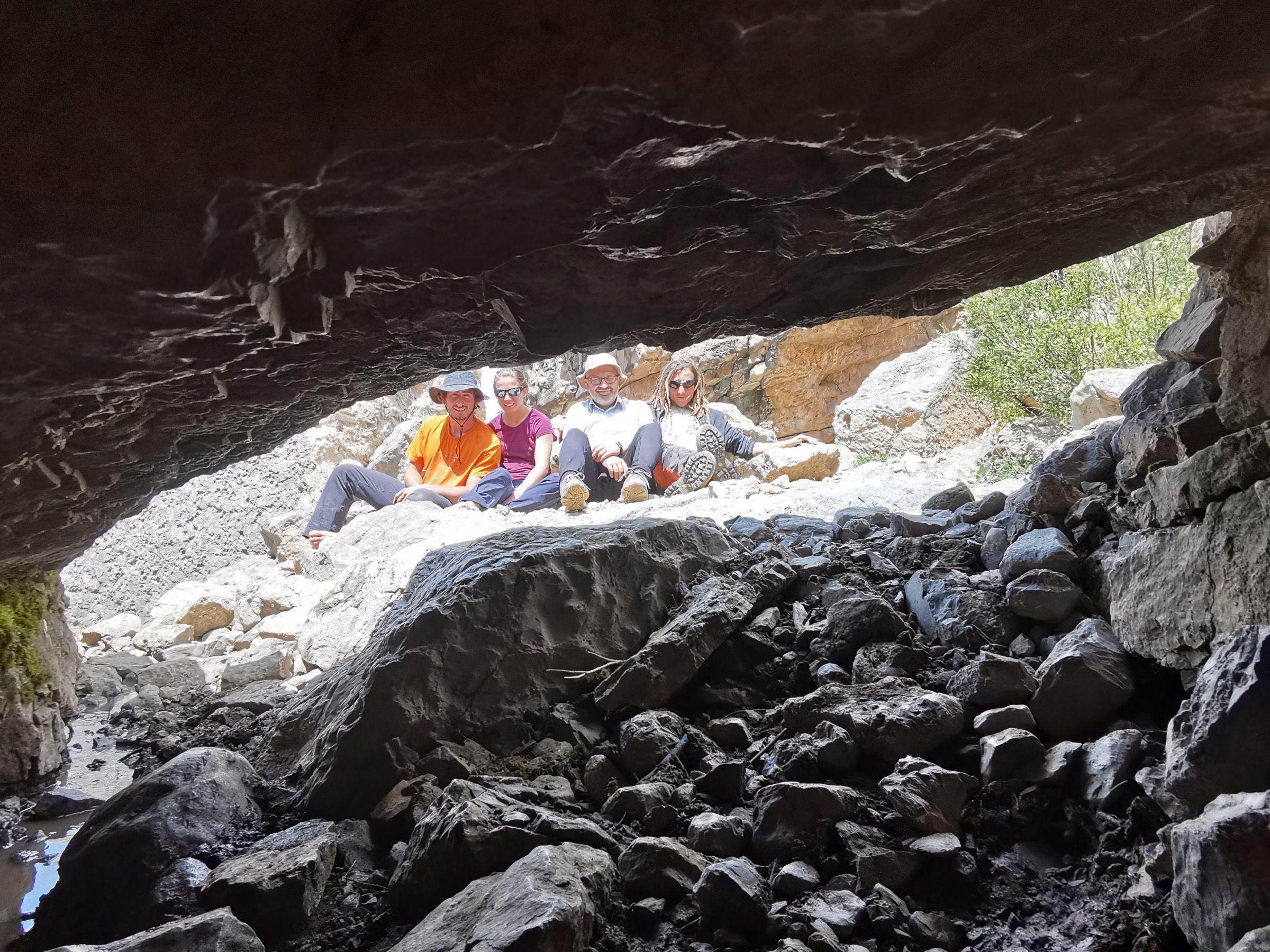
Teshik-Tash, 'the pierced stone', is a grotto at about 1,500 metres in the Zovtalashsay gorge above the village of Machay. In 1938 the archaeologist Alexei Okladnikov found here the skeleton of a Neanderthal child aged roughly eight to eleven, lying in a shallow pit with several pairs of Siberian ibex horns arranged around it. The arrangement was read as a deliberate burial, one of the earliest signs of ritual behaviour known at the time, although some scholars now question whether the horns were placed on purpose. Thousands of Mousterian stone tools came from the same layers. The skull is kept in Moscow; a cast and Mikhail Gerasimov's reconstruction of the child's face are shown in the Termez Archaeological Museum. The grotto itself is an empty rock shelter today, since the deposits were fully excavated, but the walk to it through the gorge is the attraction.
Boy-Bulok: the deepest cave in Asia
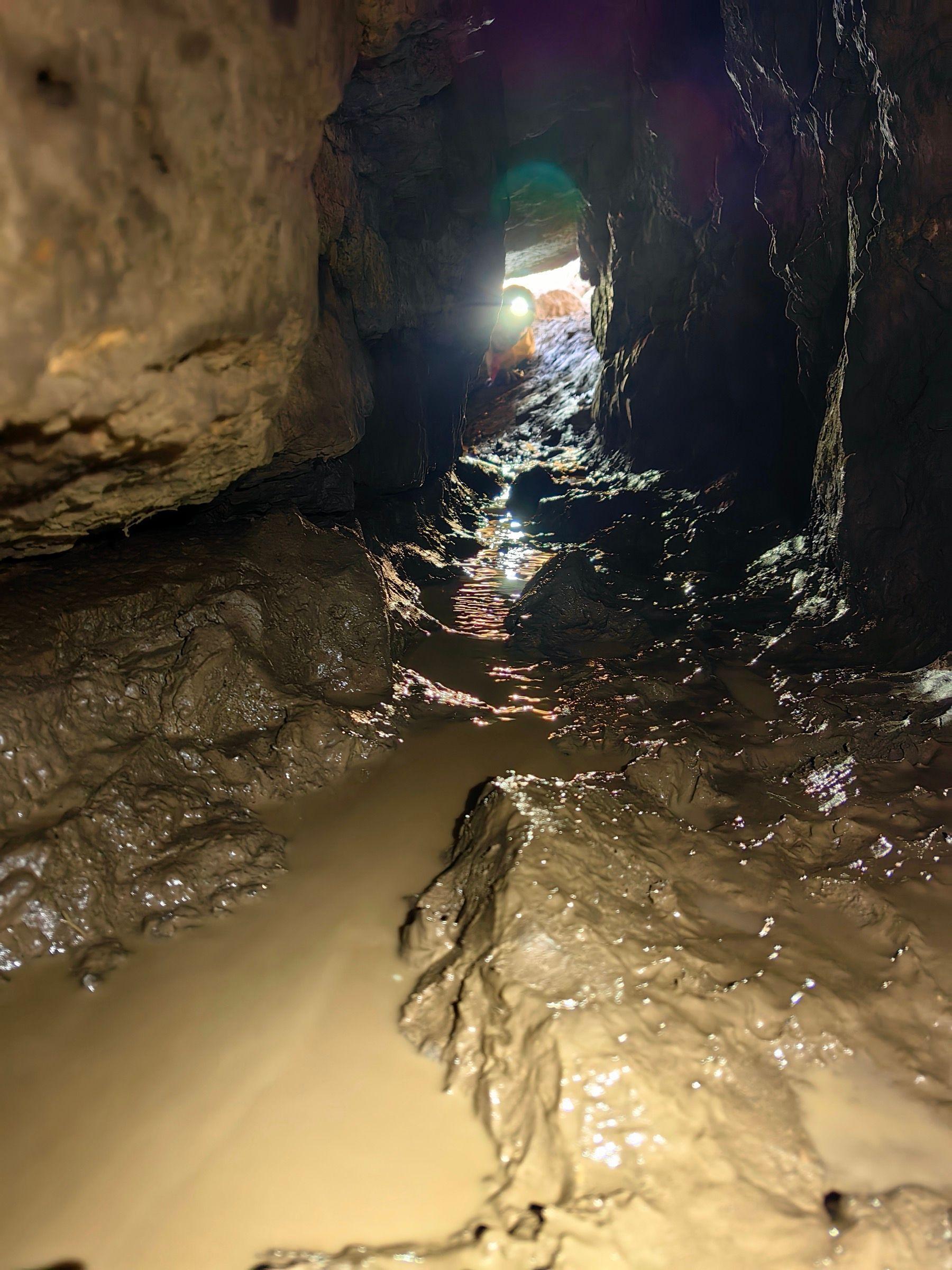
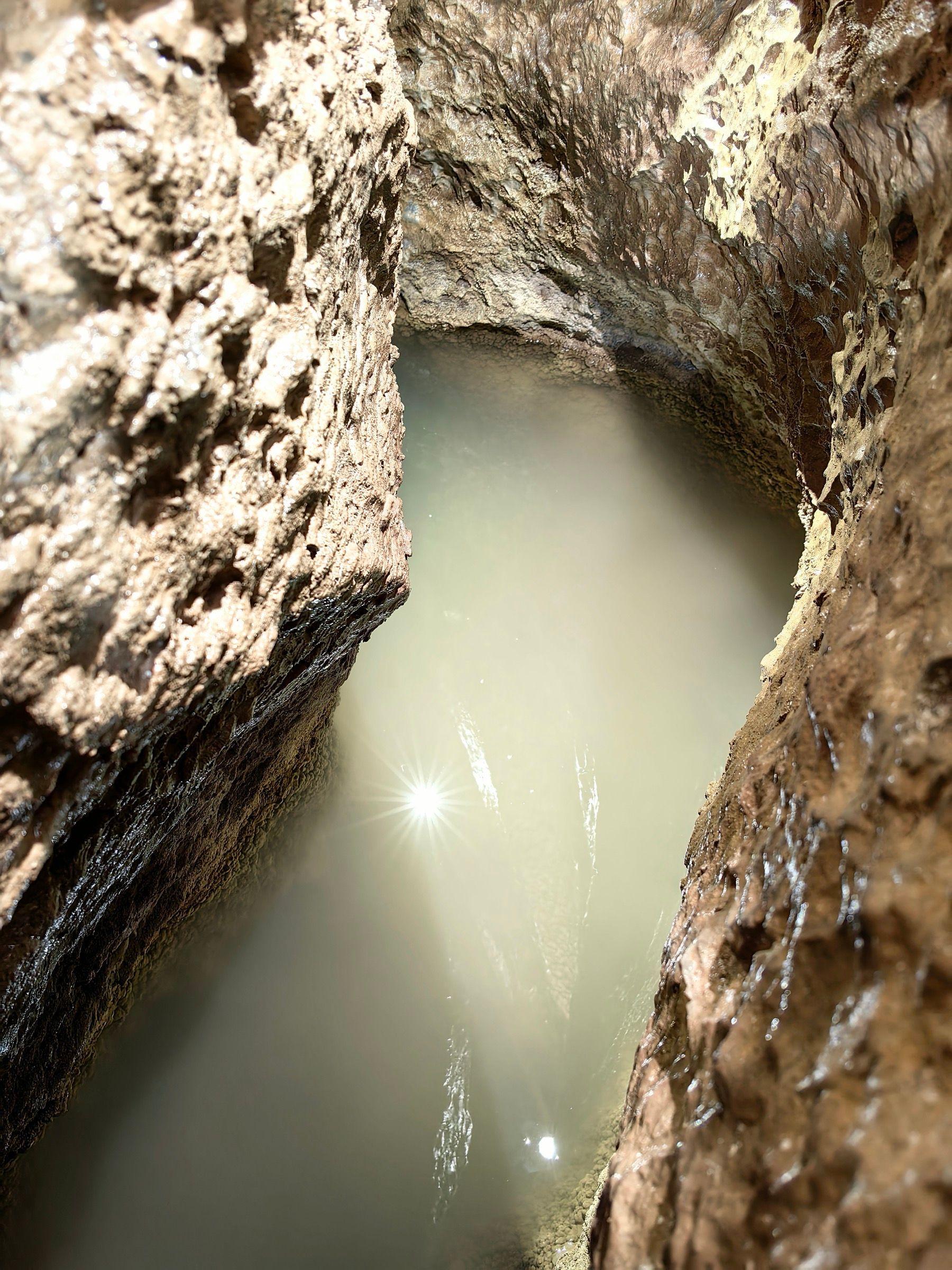
Boy-Bulok, on the slopes of the Surkhantau near the village of Dekhibolo, is a narrow cave that descends for 1,415 metres, a figure reached by Soviet and British cavers in 1990–92 and still the deepest in Asia away from its western edge. Later expeditions have mapped around 15 km of passage, and work continues on linking it with the neighbouring Vishnevsky cave, which would create one of the deepest systems in the world. The cave is tight, wet and technical and is entered only by expedition teams.
Dark Star: the ice cave in the cliff
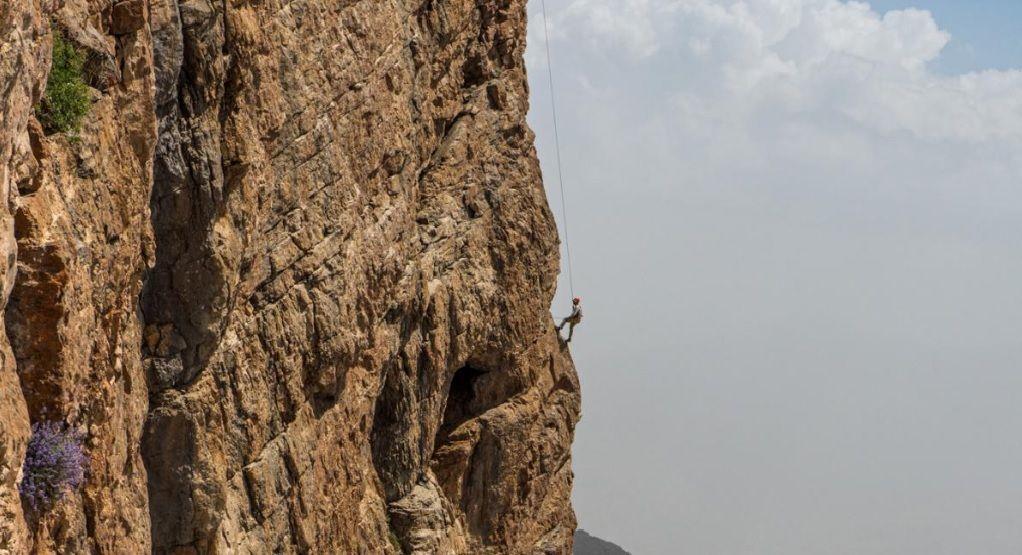
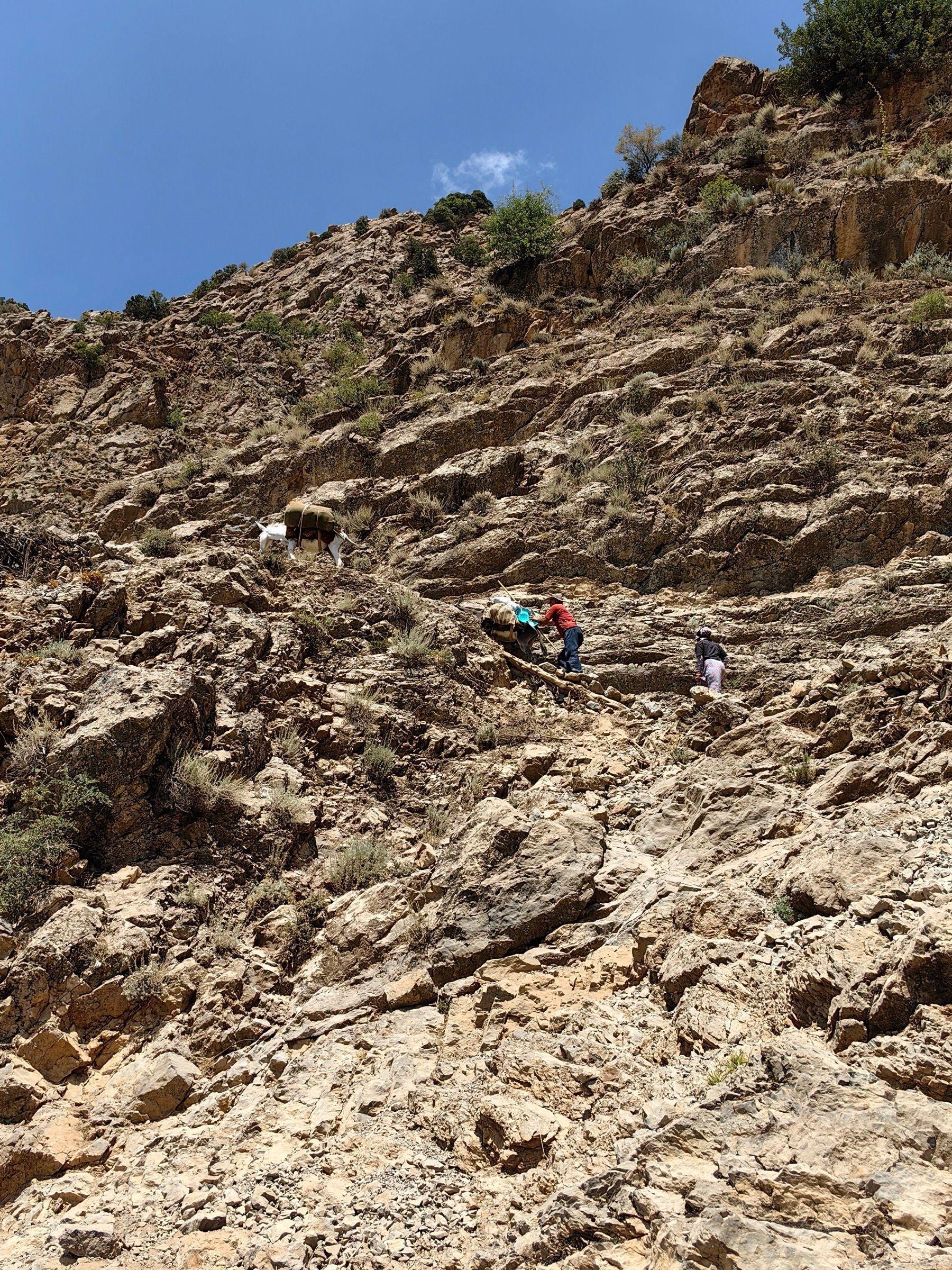
Higher up, in the 400-metre cliff of the Khoja Gur-Gur-Ota massif, lie the entrances of Dark Star. A Soviet team found the first entrance in 1984; British and later international expeditions have explored it since 1990, reaching more than 900 metres of depth and over 17 km of passages, many of them floored and roofed with ice that never melts. Cavers rope down the cliff face to reach the entrances, which gives the cave its reputation as the 'underground Everest'. It is not visitable, but the cliff where it hides can be seen from the Gur-Gur-Ota plateau walk.
Planning a visit
Teshik-Tash is reached from Boysun by car to Machay (about 40 minutes) and then a walk of one to two hours up the gorge; a local guide is needed to find the shelter. Combine the day with Sayrob's ancient plane trees or the Derbent gorge. For the deep caves, the realistic experience is the museum in Termez, a talk with a Boysun guide, and the mountain landscape itself.
What to see
- Teshik-Tash grotto, site of the 1938 Neanderthal child burial
- The walk up the Zovtalashsay gorge from Machay village
- The skull cast and Gerasimov's reconstruction in the Termez Archaeological Museum
- The cliff of Khoja Gur-Gur-Ota that hides the Dark Star ice cave
- Boy-Bulok, Asia's deepest cave at 1,415 metres (expedition access only)
- Juniper slopes and limestone scenery of the Boysuntau
Gallery
More sights in Termez & Surkhandarya
All of Termez & Surkhandarya
See Caves of Boysun: Teshik-Tash, Dark Star and Boy-Bulok with a local guide
We build private and small-group trips around the places you want to see — with guides who grew up here.