
Fortress · Founded 3rd century BC; flourished 1st–3rd centuries AD under the Kushans
Dalverzintepa
A walled Kushan city near Denau where excavations produced the largest gold hoard ever found in Central Asia, early Buddhist temples with clay sculpture, and ivory game pieces believed to be the oldest chess figures known.
About
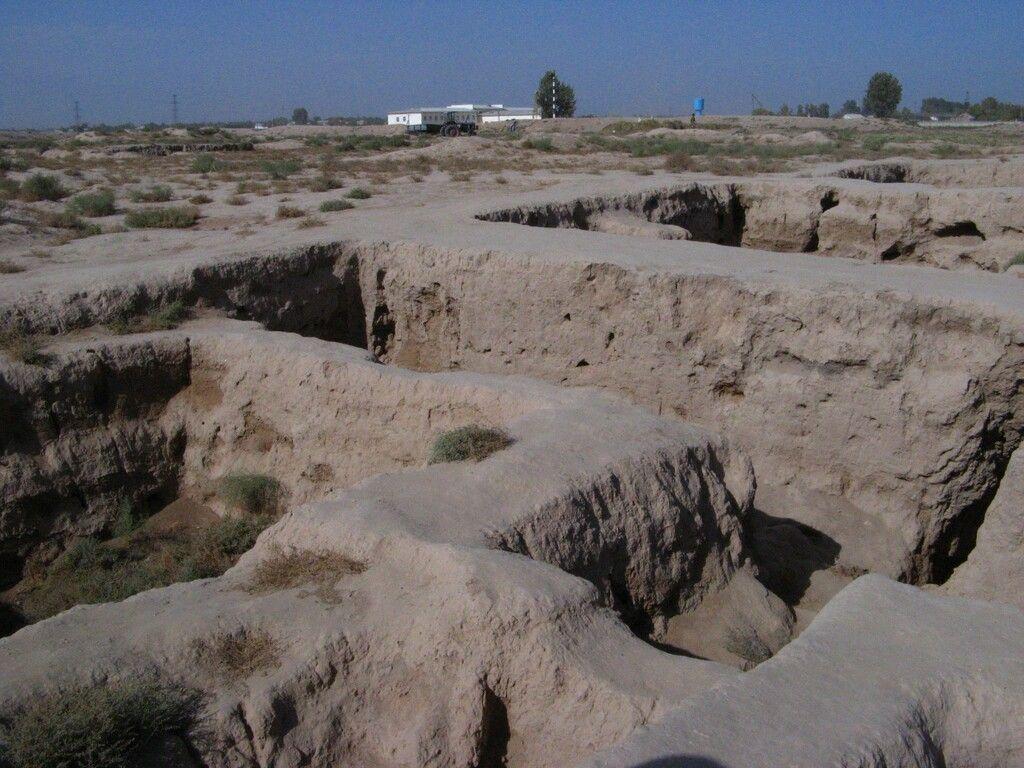
Dalverzintepa is a large mud-brick city mound in the Surkhan valley, close to the town of Shurchi and about 60 km north-east of Termez on the road to Denau. The settlement was founded in the 3rd century BC under the Graeco-Bactrian kings and reached its peak in the 1st–3rd centuries AD, when the Kushan empire linked northern India, Bactria and the Silk Road. Galina Pugachenkova, who led the first systematic excavations here from the 1960s, believed it may have been the Kushans' original capital; most scholars treat it as one of their principal cities in the north.
A rich city and its hoard
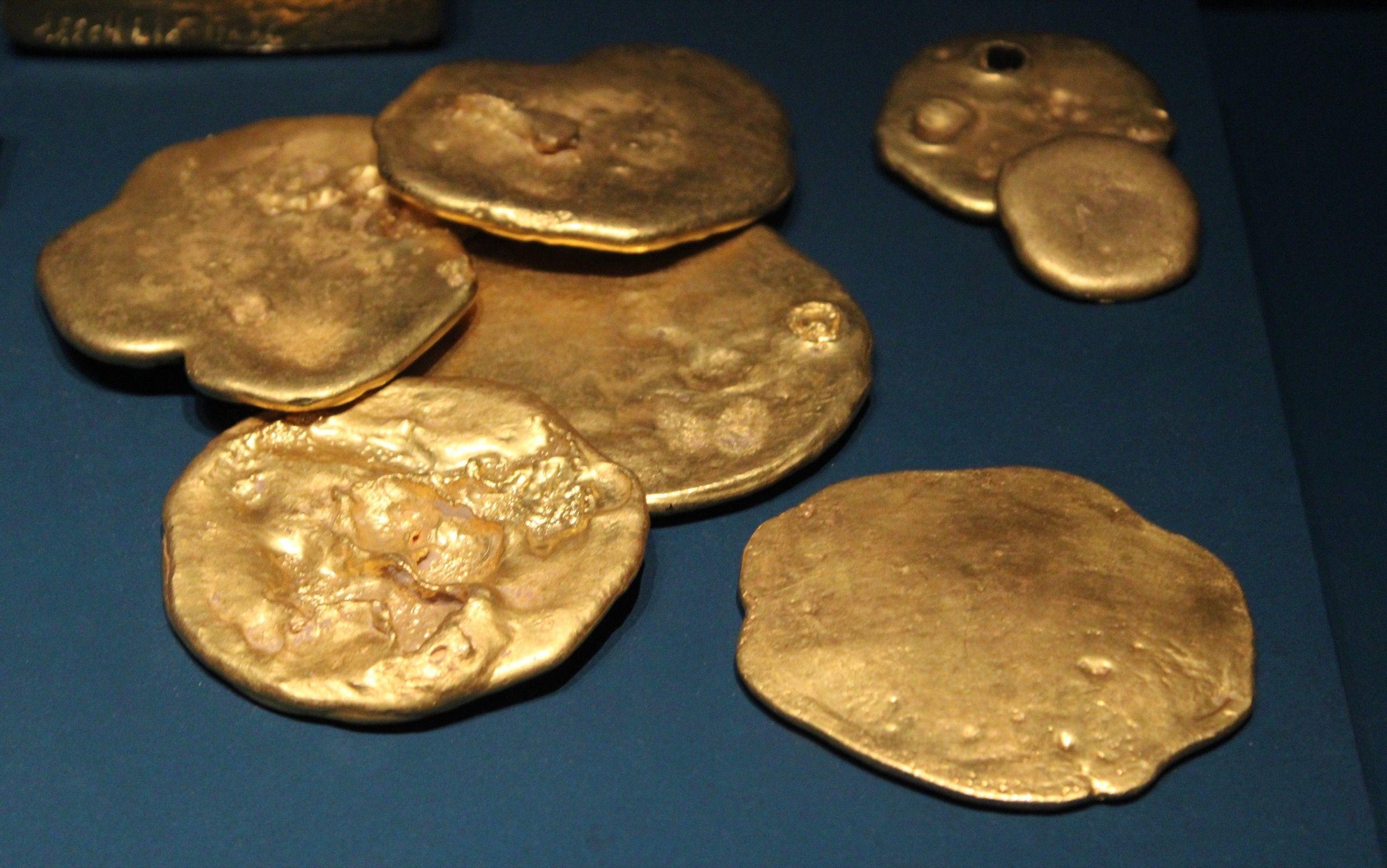
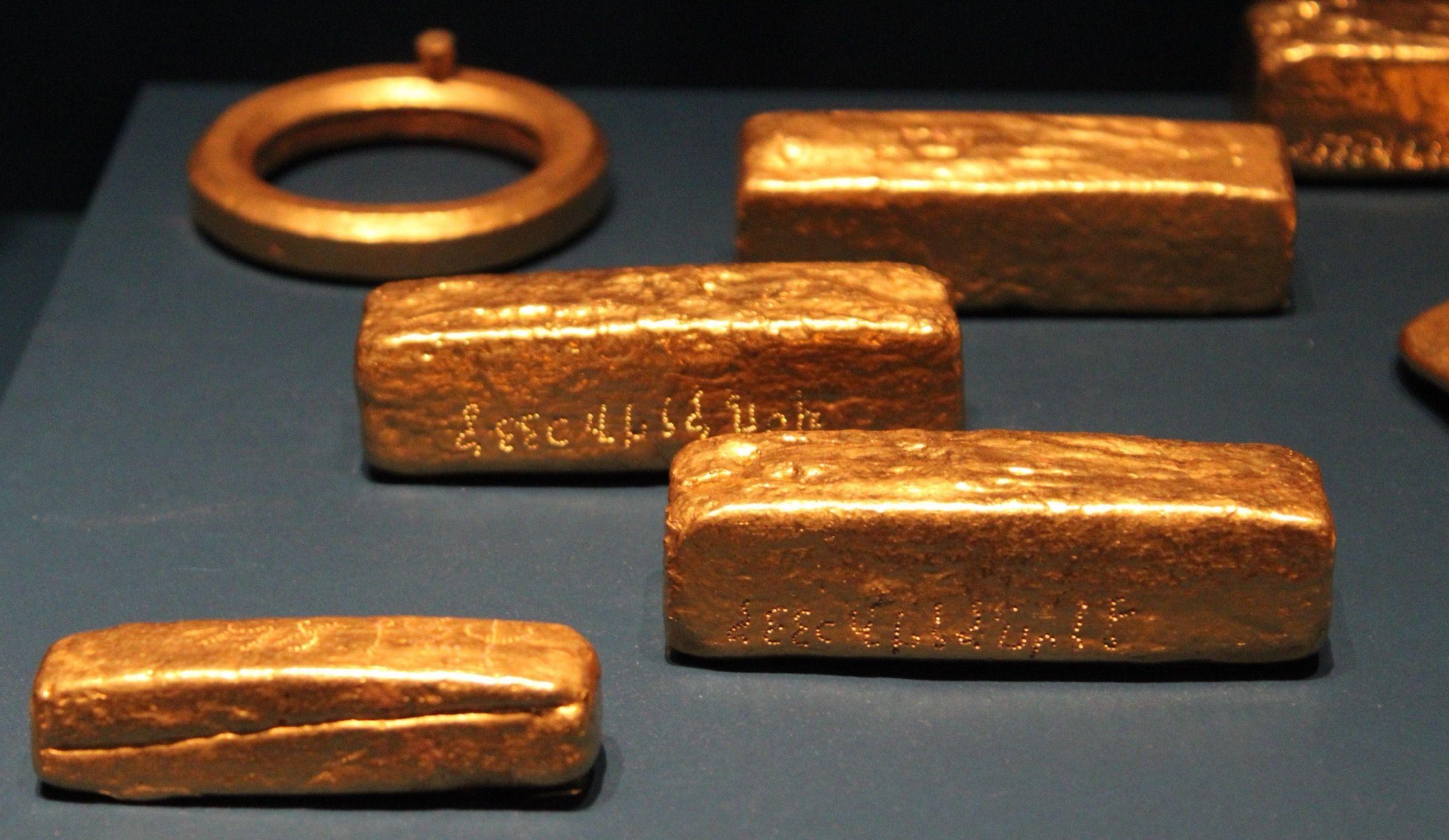
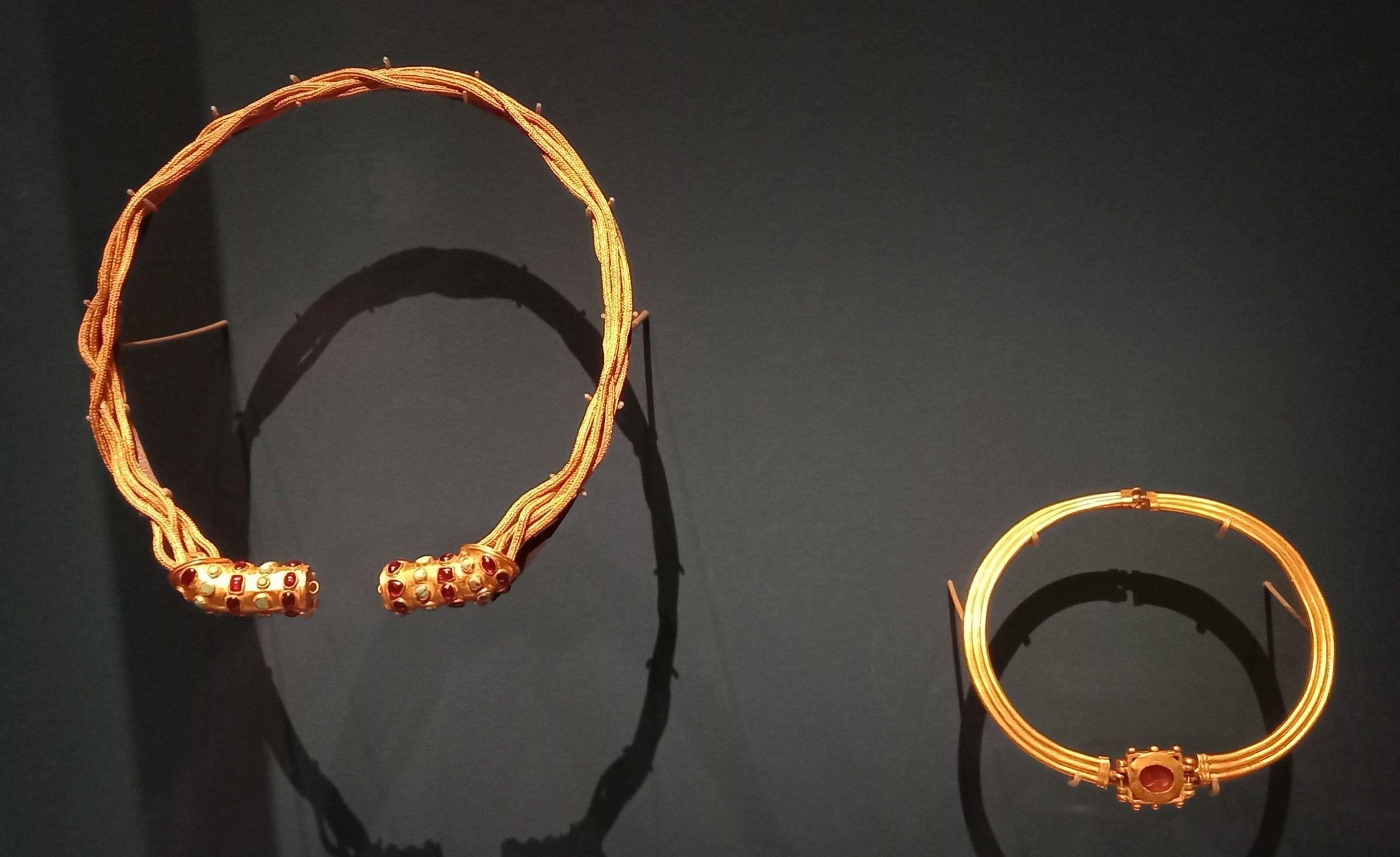
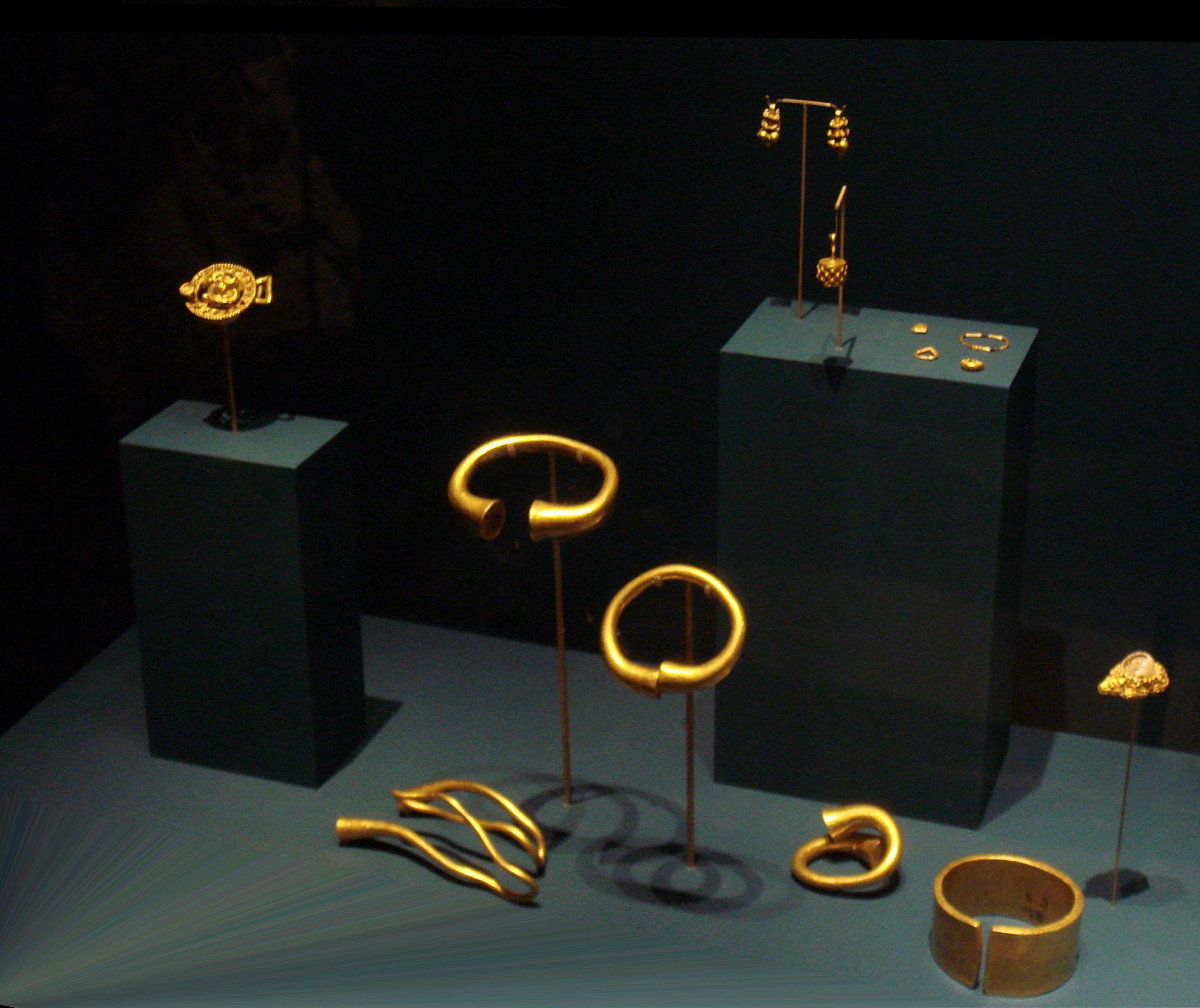
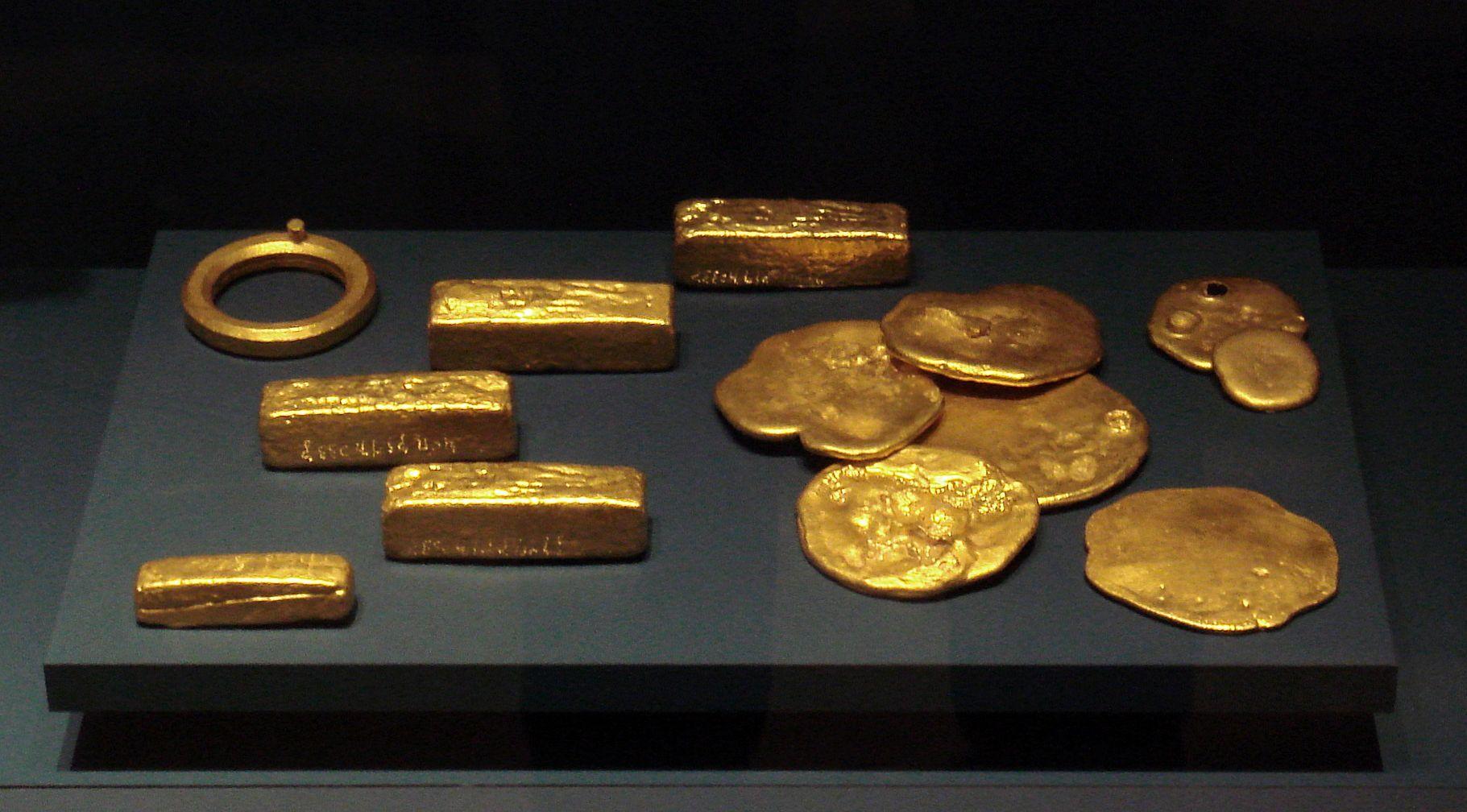
The city consisted of a citadel and a walled town of about thirty hectares with streets, quarters of artisans and the mansions of the wealthy. In 1972 excavators found, beneath the floor of a room in one of these mansions, a hoard of 115 gold objects weighing about 36 kg: ingots marked with Kharoshthi inscriptions, bracelets, torques, earrings and Indian-style jewellery, buried in the 1st century AD. It remains the largest gold treasure discovered in Central Asia. In a neighbouring house came ivory figurines of an elephant, a zebu bull and other pieces, dated to the 2nd century AD and interpreted as pieces of chaturanga, the Indian ancestor of chess, which would make them the oldest chess figures known.
Buddhism in Bactria
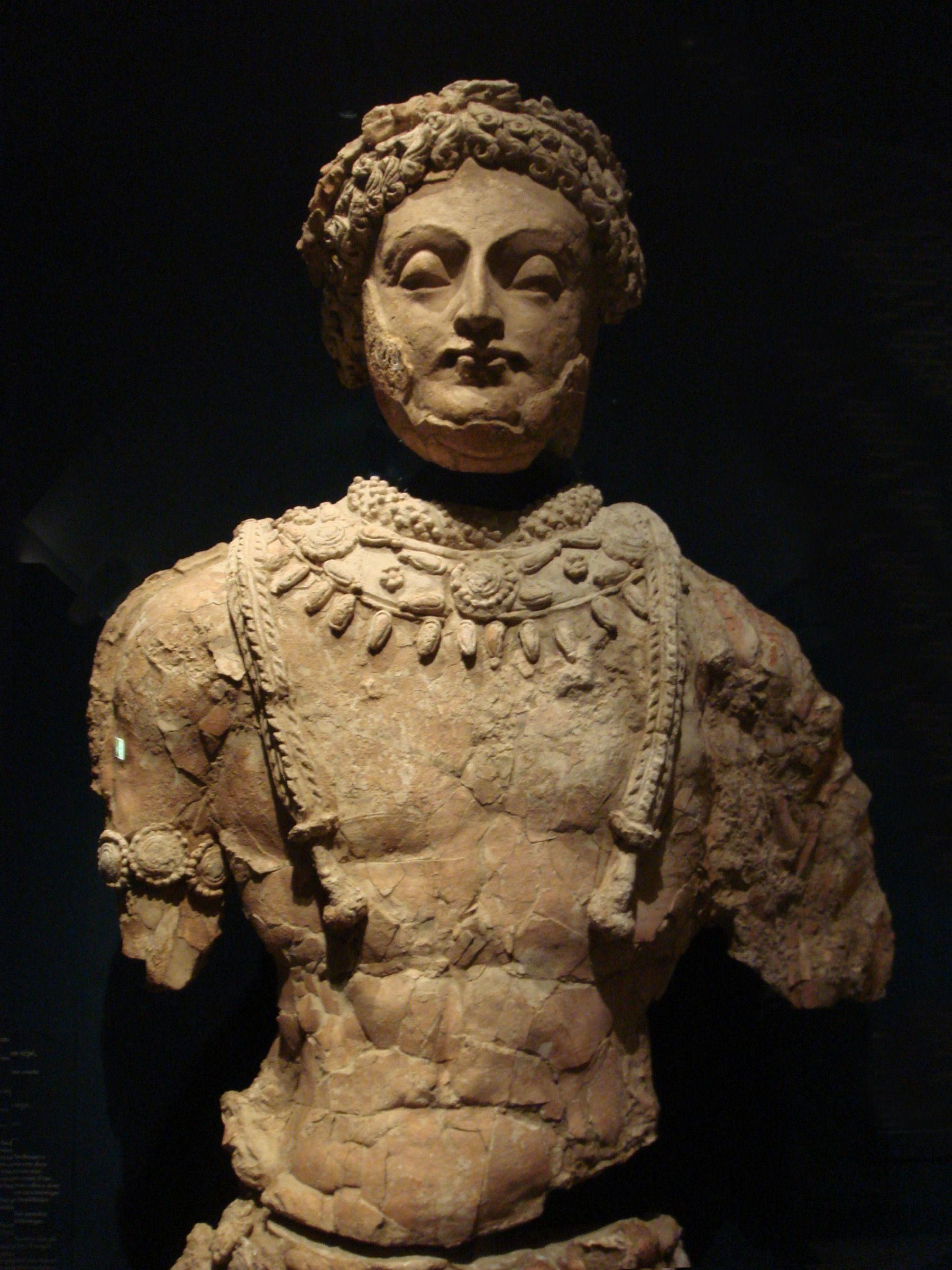
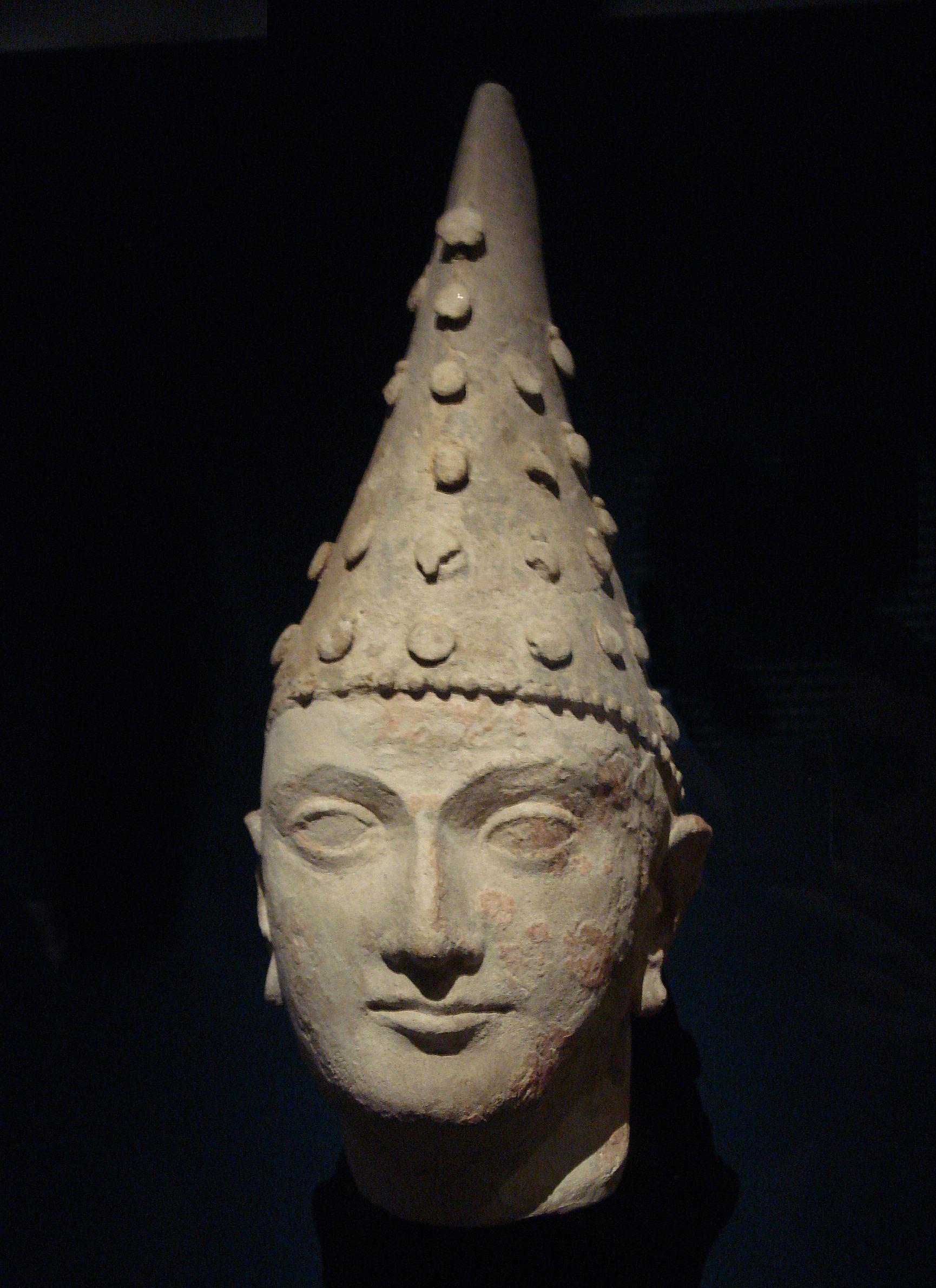
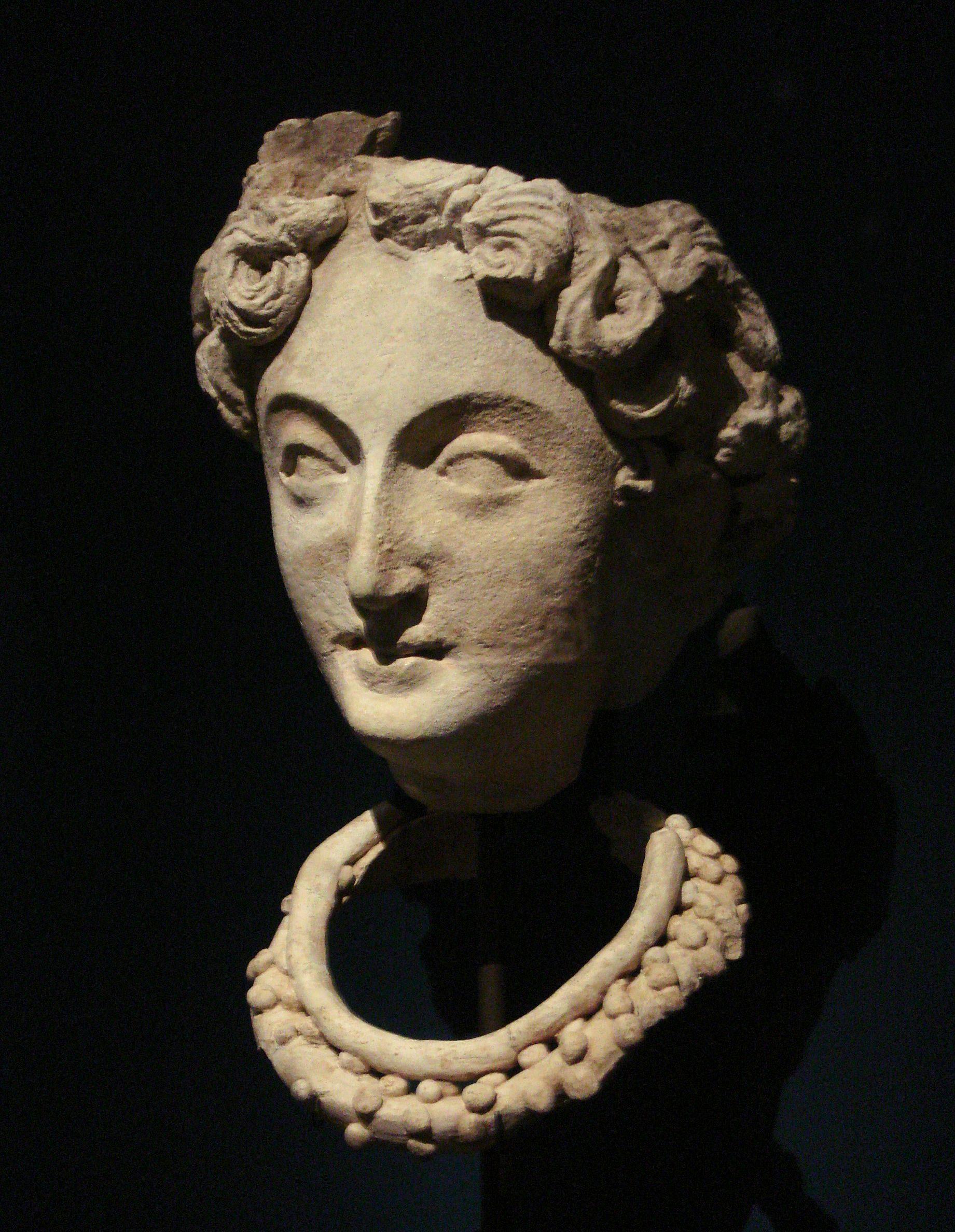
Two Buddhist temples stood at Dalverzintepa, one of them among the earliest found in Uzbekistan. Their walls were lined with painted clay sculpture: a serene Buddha, bodhisattvas with Hellenistic drapery, and heads of Kushan nobles in tall headdresses, the last a rare portrait gallery of the ruling class. A Bactrian temple to a local goddess and a fire sanctuary show that several religions lived side by side in the city. The site was excavated by Pugachenkova, Edvard Rtveladze and Bakhtiyor Turgunov, and from the 1990s by a joint Uzbek-Japanese team.
What to see
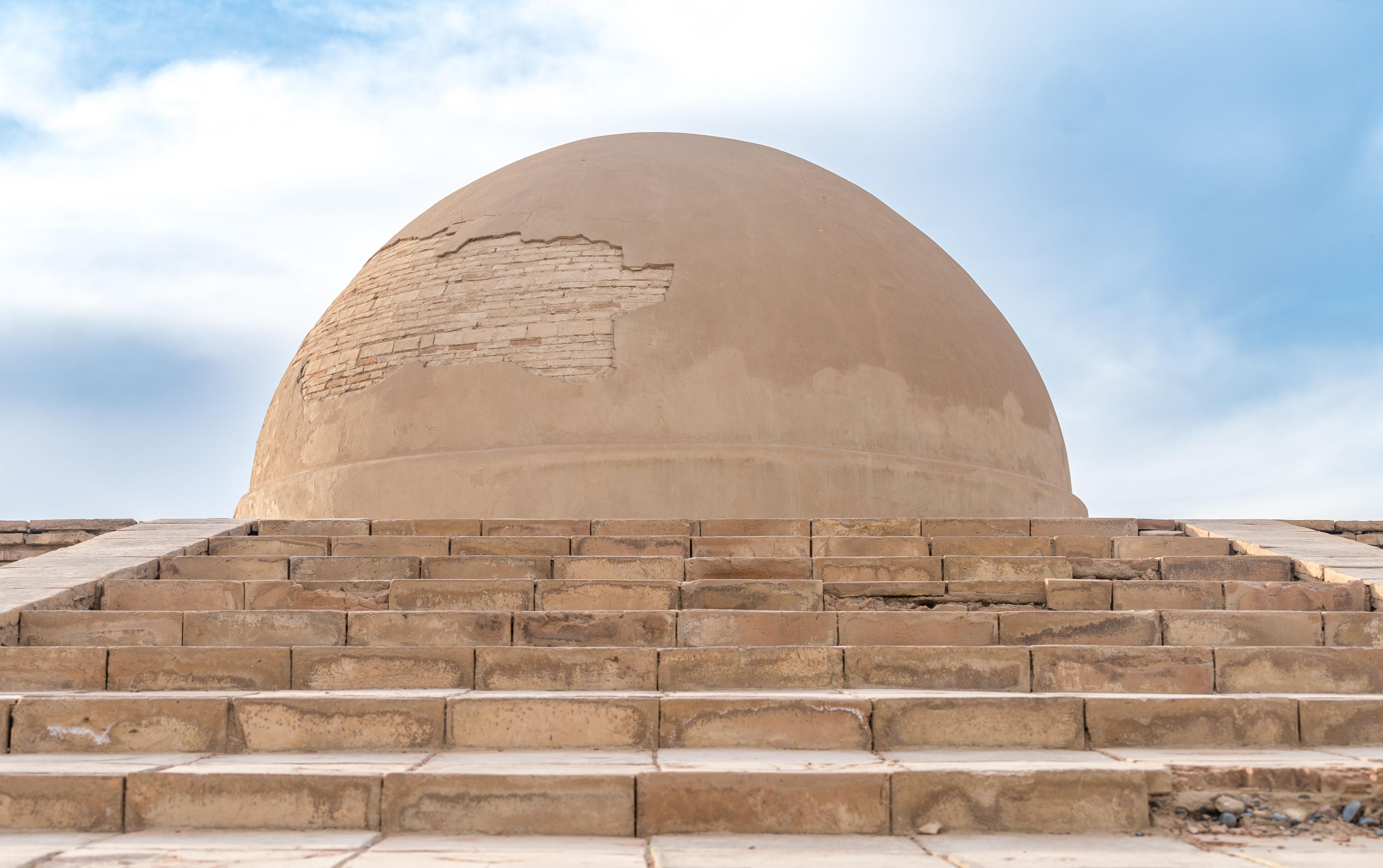
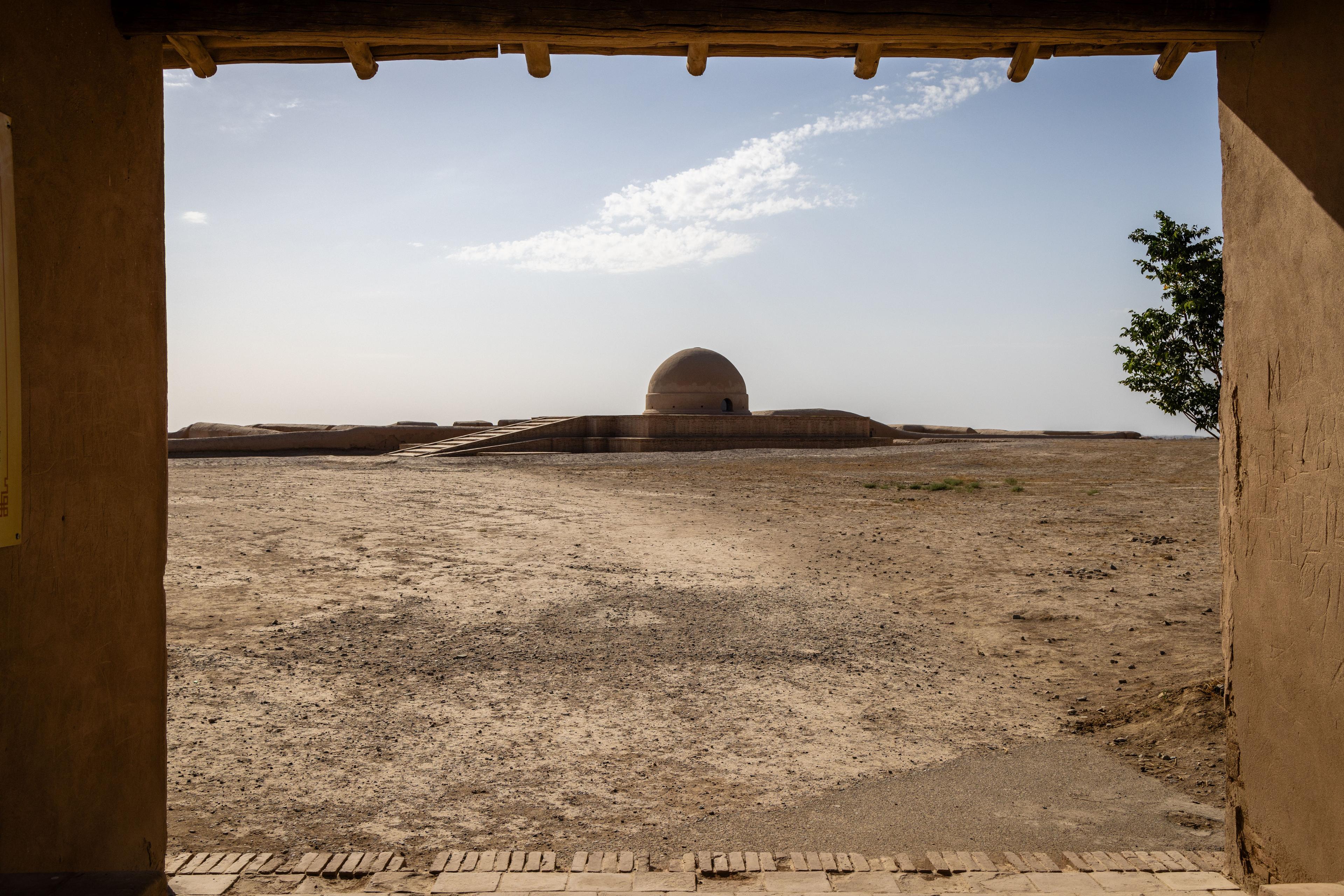
The mound itself is an open landscape of grassed-over ramparts and excavated trenches; the structures are not restored, so the visit is about reading the plan with a guide and imagining the city from the height of the citadel. The sculpture, the hoard and the ivory pieces are not on site: the best pieces are displayed in the Termez Archaeological Museum and in museums in Tashkent, so the trip works best as a pairing of the ruin with the museum.
Practicalities
Dalverzintepa is about an hour and a half from Termez by car and is a natural stop between Termez and Denau or Boysun. There is no infrastructure at the site; bring water and a hat. Spring, when the valley is green, is the most pleasant season.
What to see
- The citadel mound and the line of the Kushan city walls
- Excavated quarters where the 36 kg gold hoard was found in 1972
- The site of the early Buddhist temple with its clay sculptures (now in museums)
- The find-spot of ivory chaturanga pieces, the oldest known chess figures
- Heads of Kushan nobles and Buddhist images in the Termez Archaeological Museum
- Views across the Surkhan valley towards the Hissar range
Gallery
More sights in Termez & Surkhandarya
All of Termez & Surkhandarya
See Dalverzintepa with a local guide
We build private and small-group trips around the places you want to see — with guides who grew up here.