
Fortress · 3rd century BC – 3rd century AD
Nisa, Parthian Fortresses
The mud-brick citadel of the early Parthian kings, the dynasty that challenged Rome, on a spur below the Kopet Dag just west of Ashgabat. A UNESCO site since 2007, famous for its carved ivory drinking horns.
About
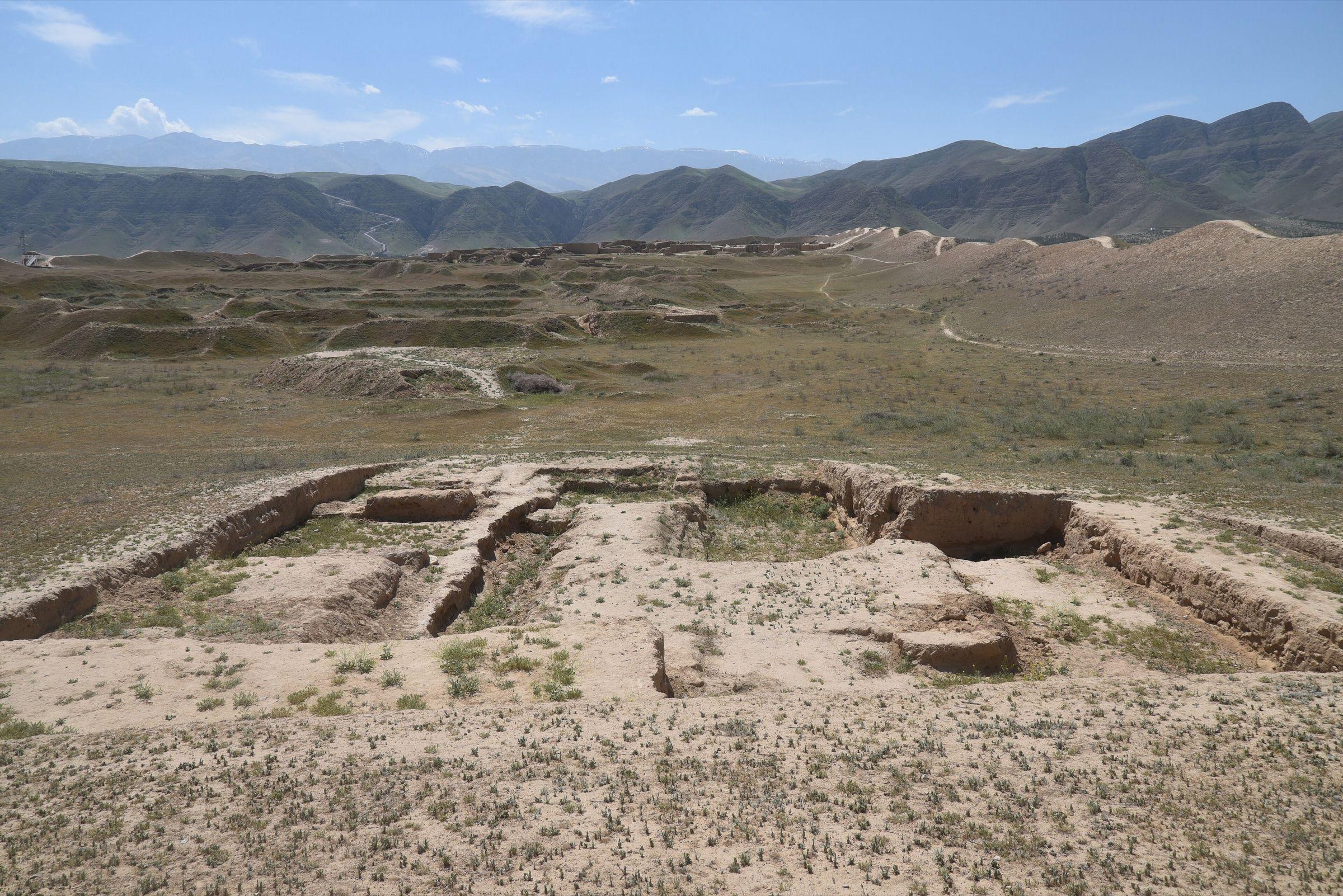
Nisa lies about 18 km west of central Ashgabat, near the village of Bagyr, where the Kopet Dag foothills meet the plain. It is in fact two sites. Old Nisa, a fortified hill of some 14 hectares, was a royal and ceremonial complex of the Arsacid dynasty, the Parthian kings who rose here in the 3rd century BC and went on to rule an empire from the Euphrates to the Indus. New Nisa, a larger walled town a short distance away, was where people actually lived. Together they were listed by UNESCO in 2007 as the Parthian Fortresses of Nisa.
A Parthian royal seat
Documents found on the site give Old Nisa the name Mithradatkirt, 'fortress of Mithradates', after one of the early kings, probably Mithradates I in the 2nd century BC. It was not a capital in the everyday sense but a place of royal ceremony, storehouses and probably dynastic cult. The Parthians were famous horsemen and archers, and in 53 BC their army destroyed the Roman legions of Crassus at Carrhae; Nisa is the closest surviving link to their homeland. The site declined in the early centuries AD, and the Sasanians, who overthrew the Parthians in 224, did not keep it up.
What you see
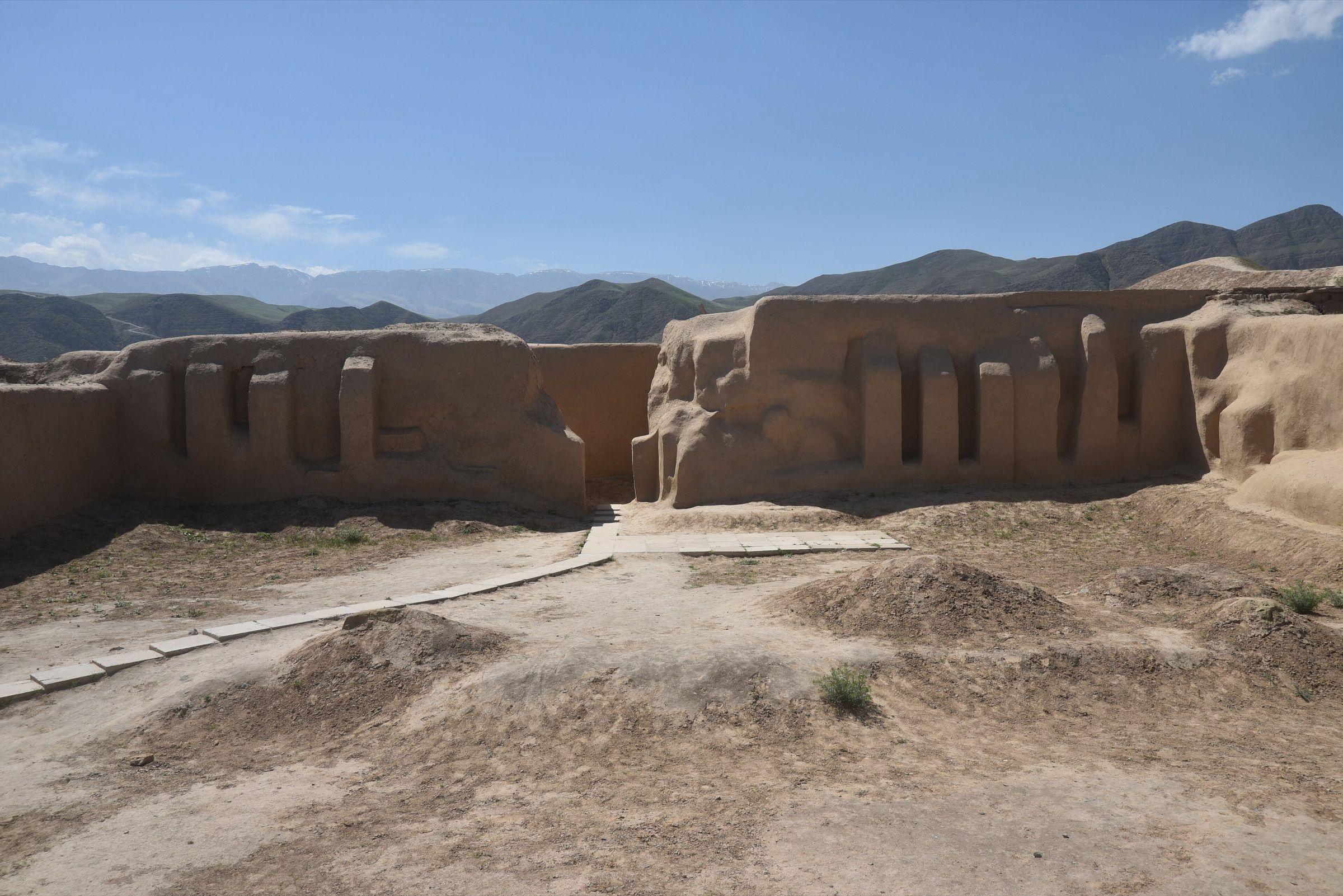
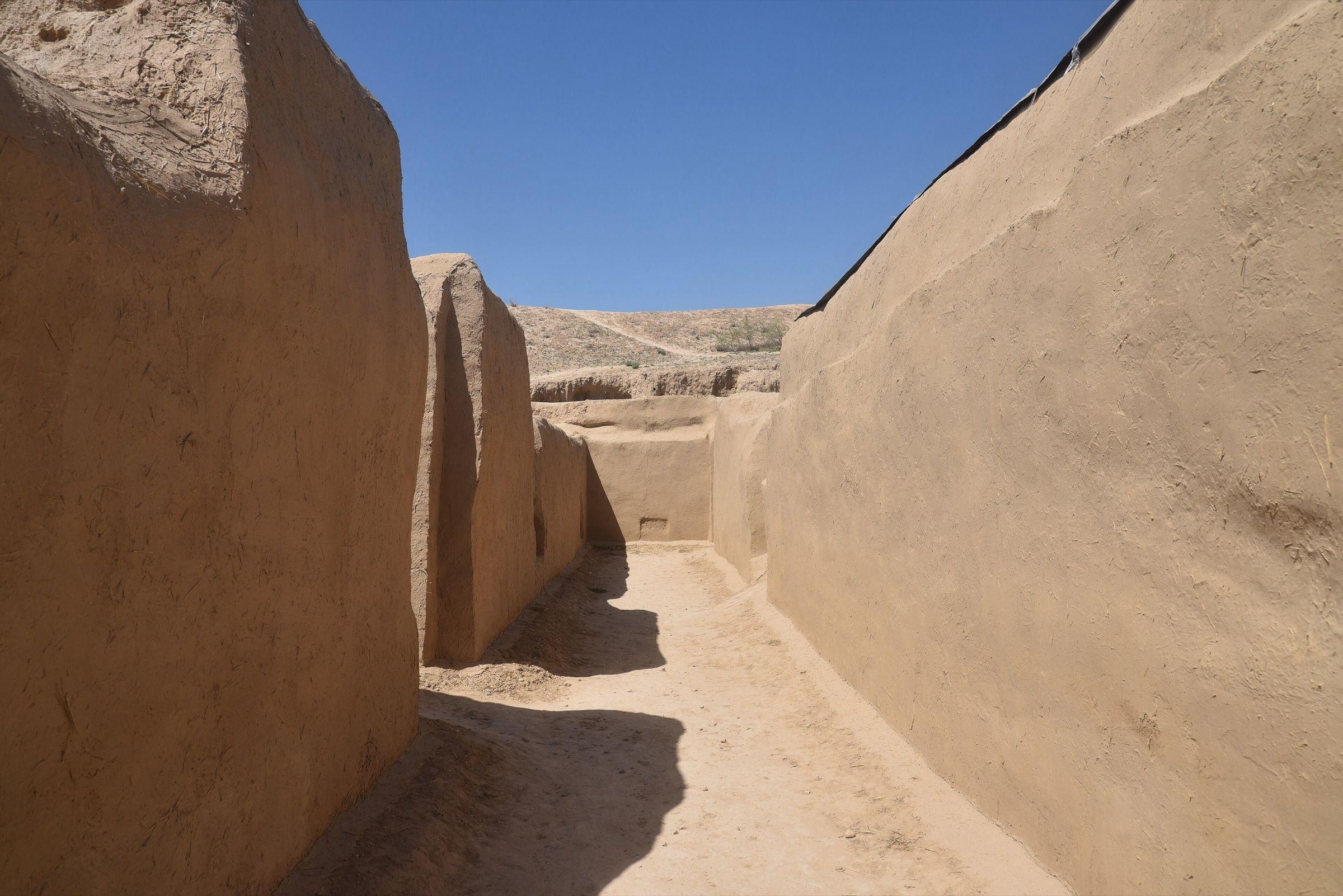
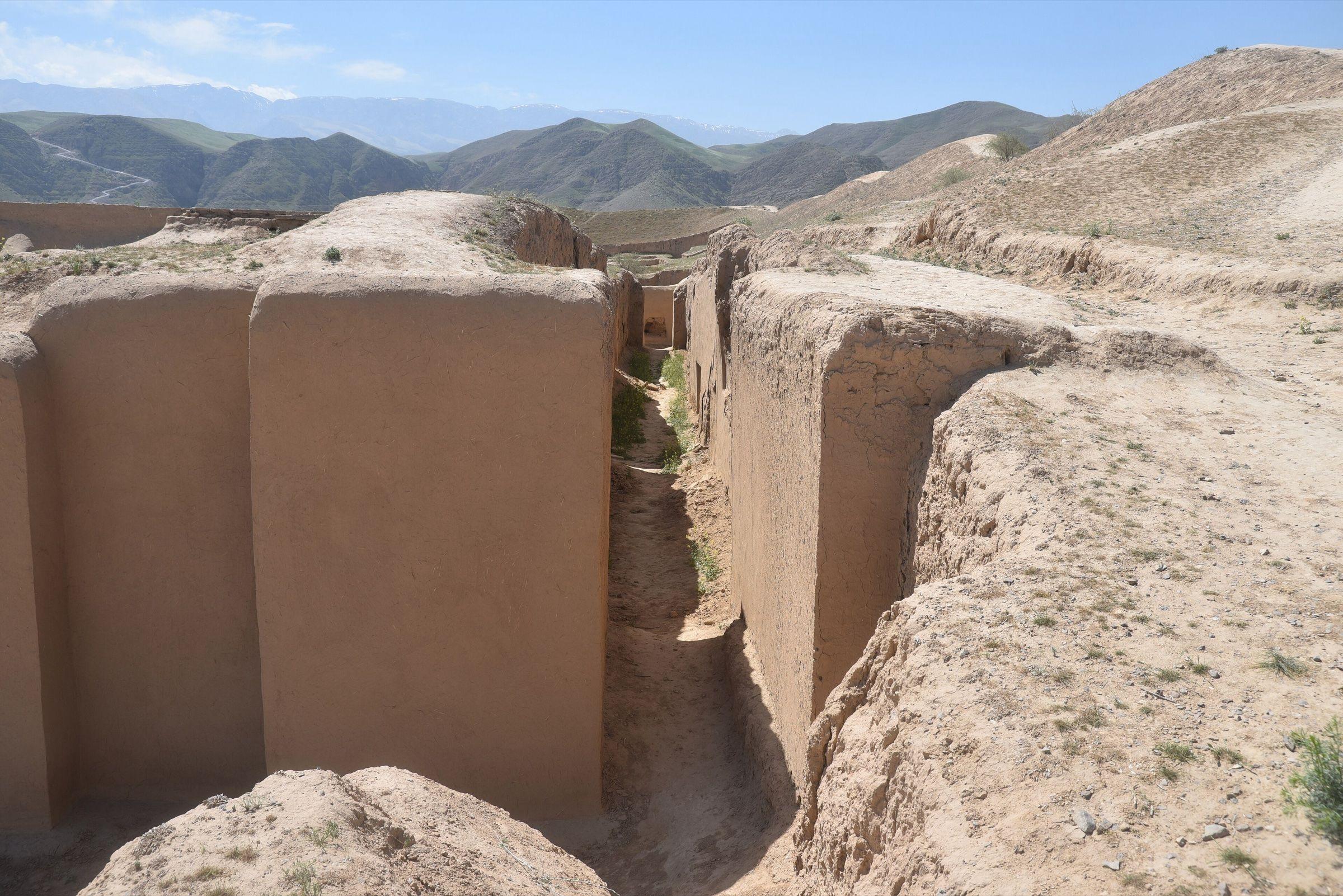
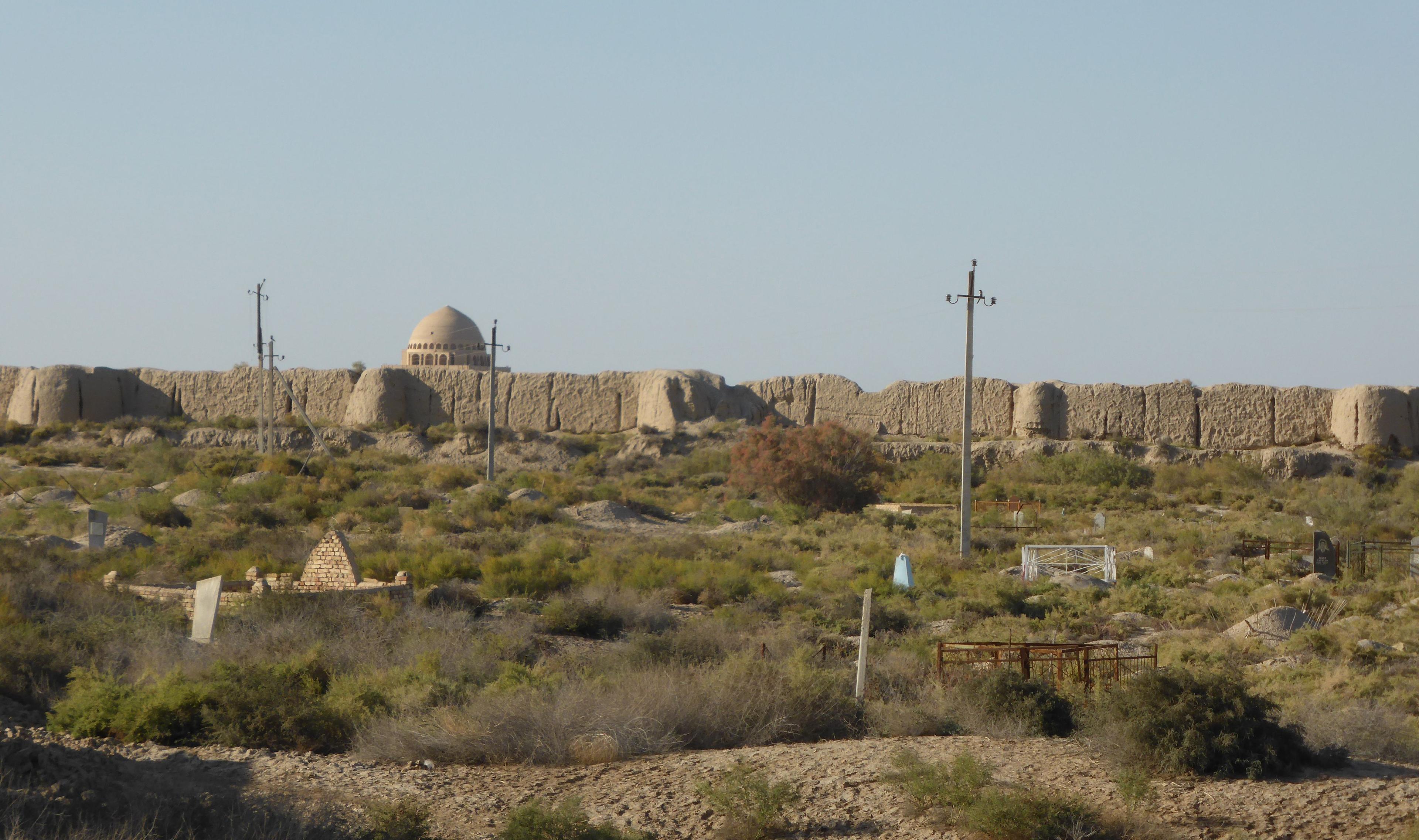
The walls, of rammed earth and mud brick, still enclose the hilltop on a broken pentagonal plan with traces of towers. Inside, excavations have exposed the Square Hall, about 20 metres a side, which once had a roof carried on four great columns; the Round Hall, a domed space thought to have had a religious or memorial purpose; and the long storehouses. Soviet archaeologists working here from the 1930s found more than two thousand inscribed potsherds recording wine deliveries, Hellenistic-style statues of painted clay, and some forty ivory rhyta, carved drinking horns that mix Greek and Iranian imagery. Many of the rhyta are now in the National Museum of History in Ashgabat, with others in museums abroad.
How to experience it
Old Nisa is reached by a short climb from the car park, and a path loops around the excavated halls. There is little shade, so come early or late, when the low sun brings out the texture of the walls and lights the Kopet Dag behind. Allow time for the view across the plain towards Ashgabat. Visiting the National Museum first helps the ruins make sense.
What to see
- The ramparts and tower bases of Old Nisa
- The Square Hall and its column bases
- The Round Hall, a domed ceremonial space
- The long Parthian storehouses
- Views of the Kopet Dag and the Iranian border range
- Parthian ivory rhyta in the National Museum in Ashgabat
Gallery
More sights in Turkmenistan
All of Turkmenistan
See Nisa, Parthian Fortresses with a local guide
We build private and small-group trips around the places you want to see — with guides who grew up here.