
Craft workshop · Pottery tradition over many centuries; World Craft City since 2025
Rishtan Ceramics Workshops
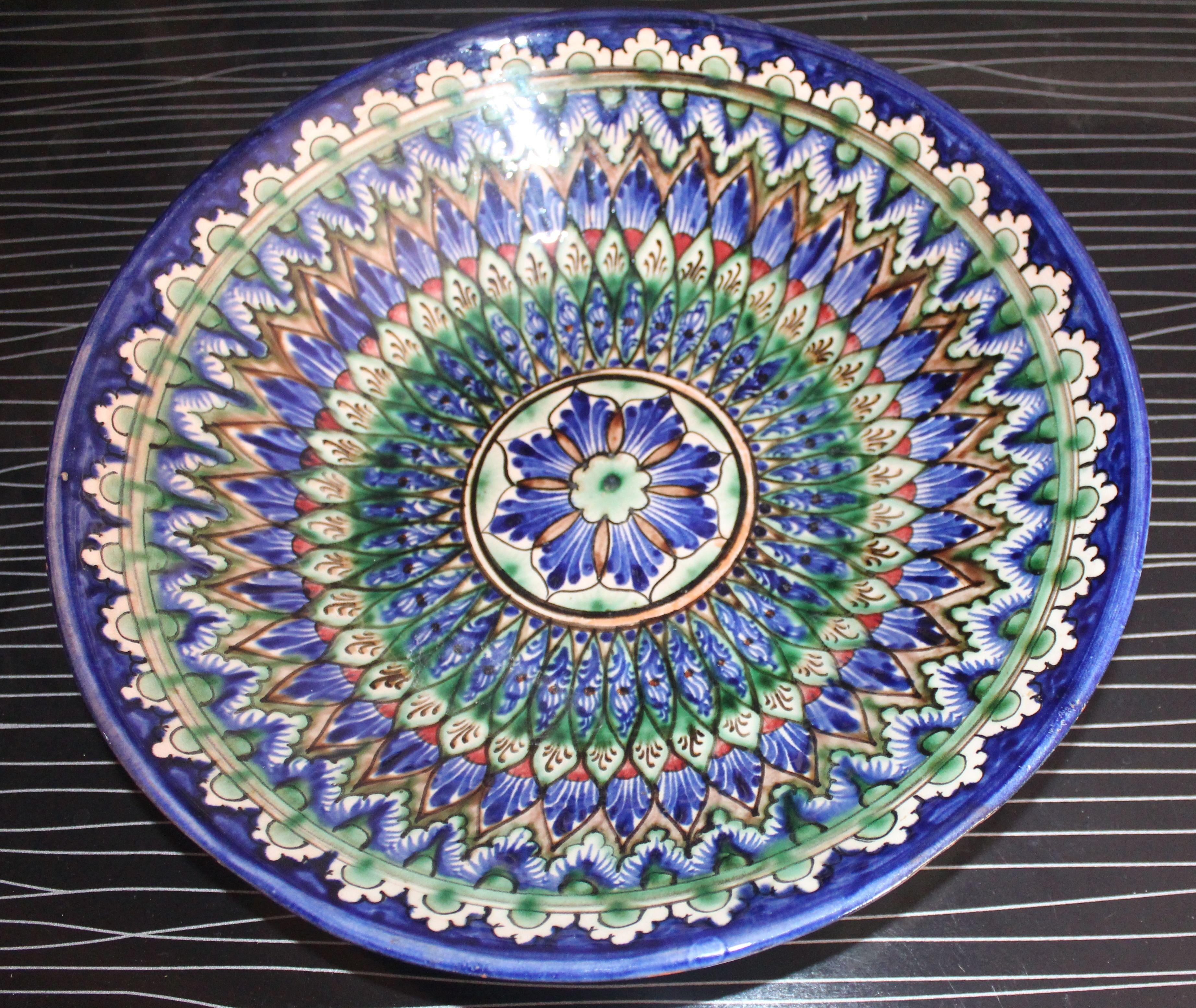
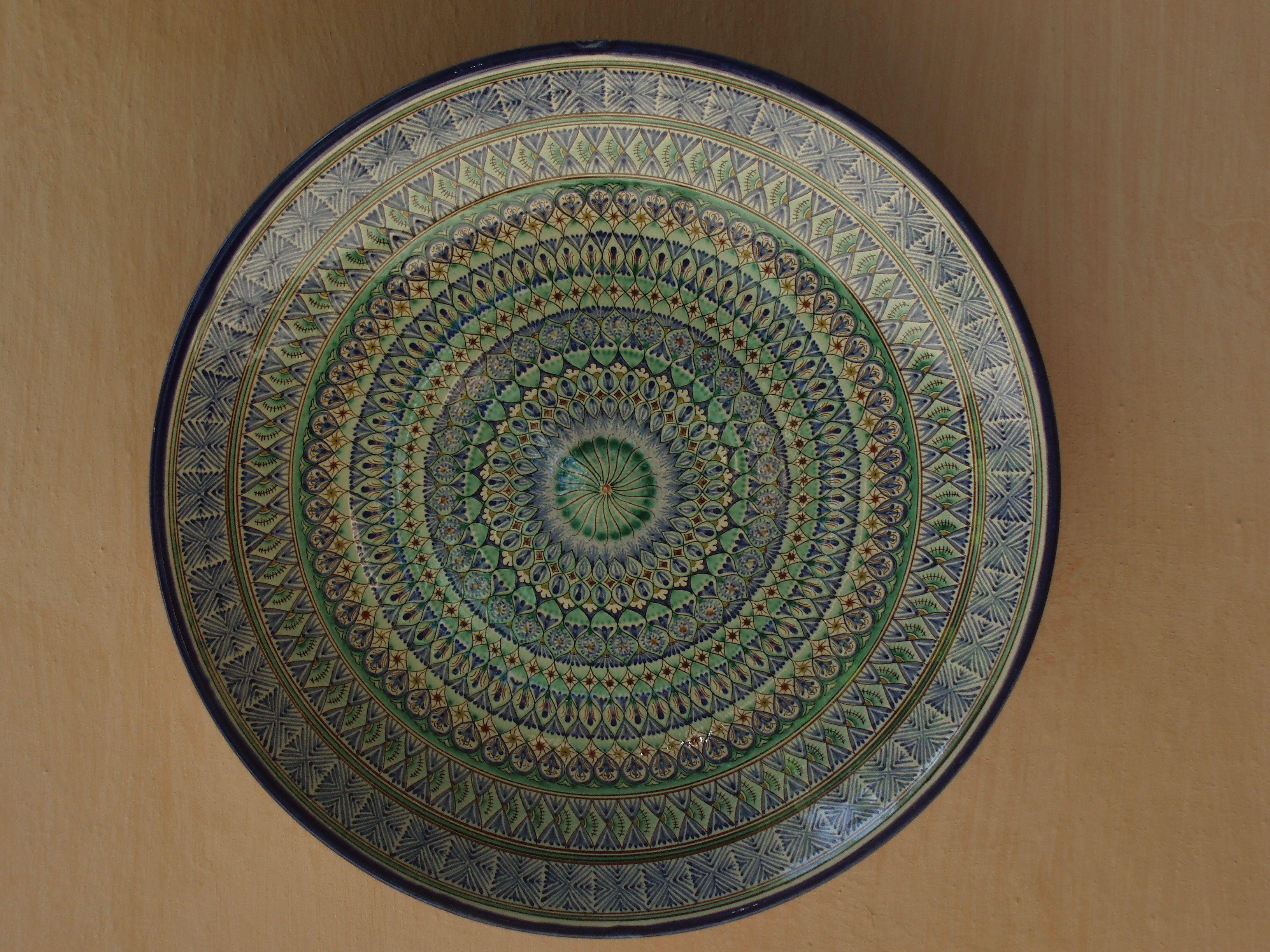
The pottery town of the Fergana Valley, where family workshops shape local red clay and glaze it with ishkor, a plant-ash glaze that gives Rishtan ceramics their deep turquoise and cobalt.
About
The blue and turquoise plates you see on walls from Tashkent teahouses to the souvenir stalls of Bukhara come, more often than not, from one small town on the southern edge of the Fergana Valley. Rishtan, or Rishton in Uzbek, owes its pottery to the ground beneath it: a fine red clay that local potters say needs little preparation. The craft is handed down inside families, and estimates of the number of people in the trade run from a few hundred hereditary masters to around a thousand. In September 2025 the World Crafts Council named Rishtan a World Craft City.
Ishkor, the glaze that makes the colour
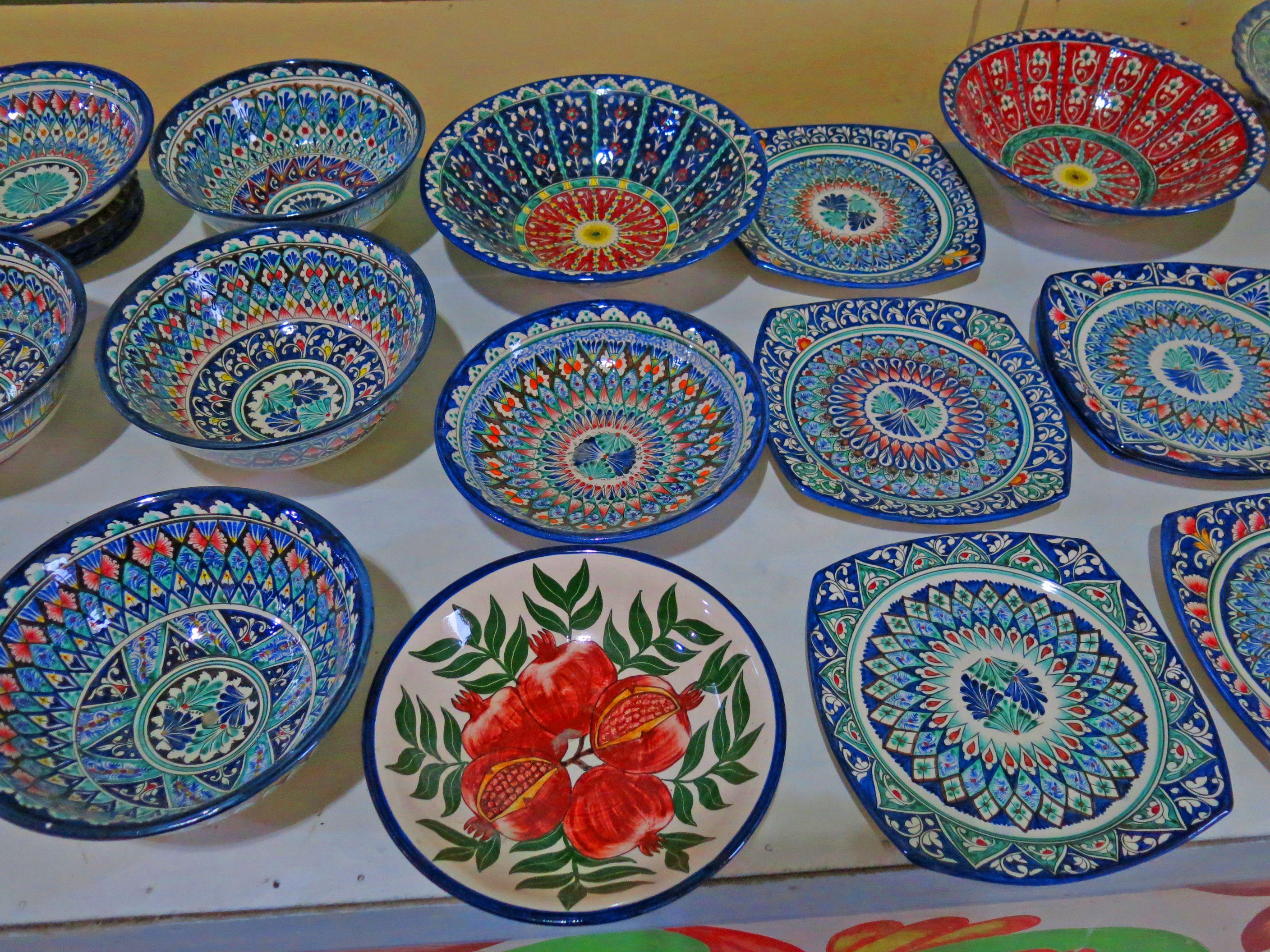
The defining word in Rishtan is ishkor, a traditional alkaline glaze made from the ash of wild steppe plants mixed with quartz sand and mineral colourants. Masters collect and burn the plants themselves, and every workshop's recipe is slightly different, which is why one master's turquoise is greener and another's bluer. Fired over painted decoration, ishkor gives a glassy depth in which the blue seems to sit inside the glaze rather than on it. The technique nearly disappeared in the Soviet period, when the town's ceramics factory switched to industrial glazes, and was revived by masters who had kept the old recipes.
In the workshop
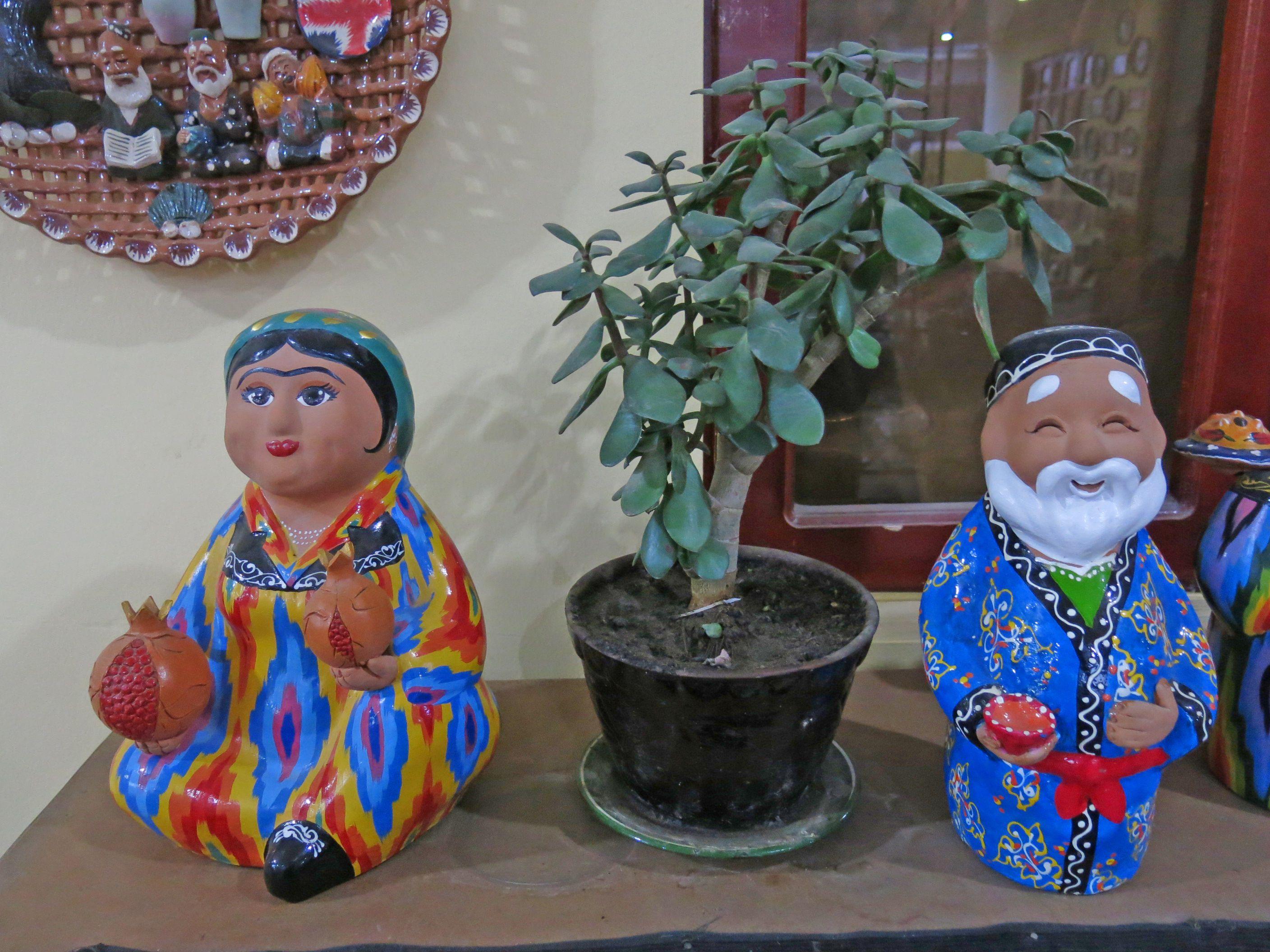
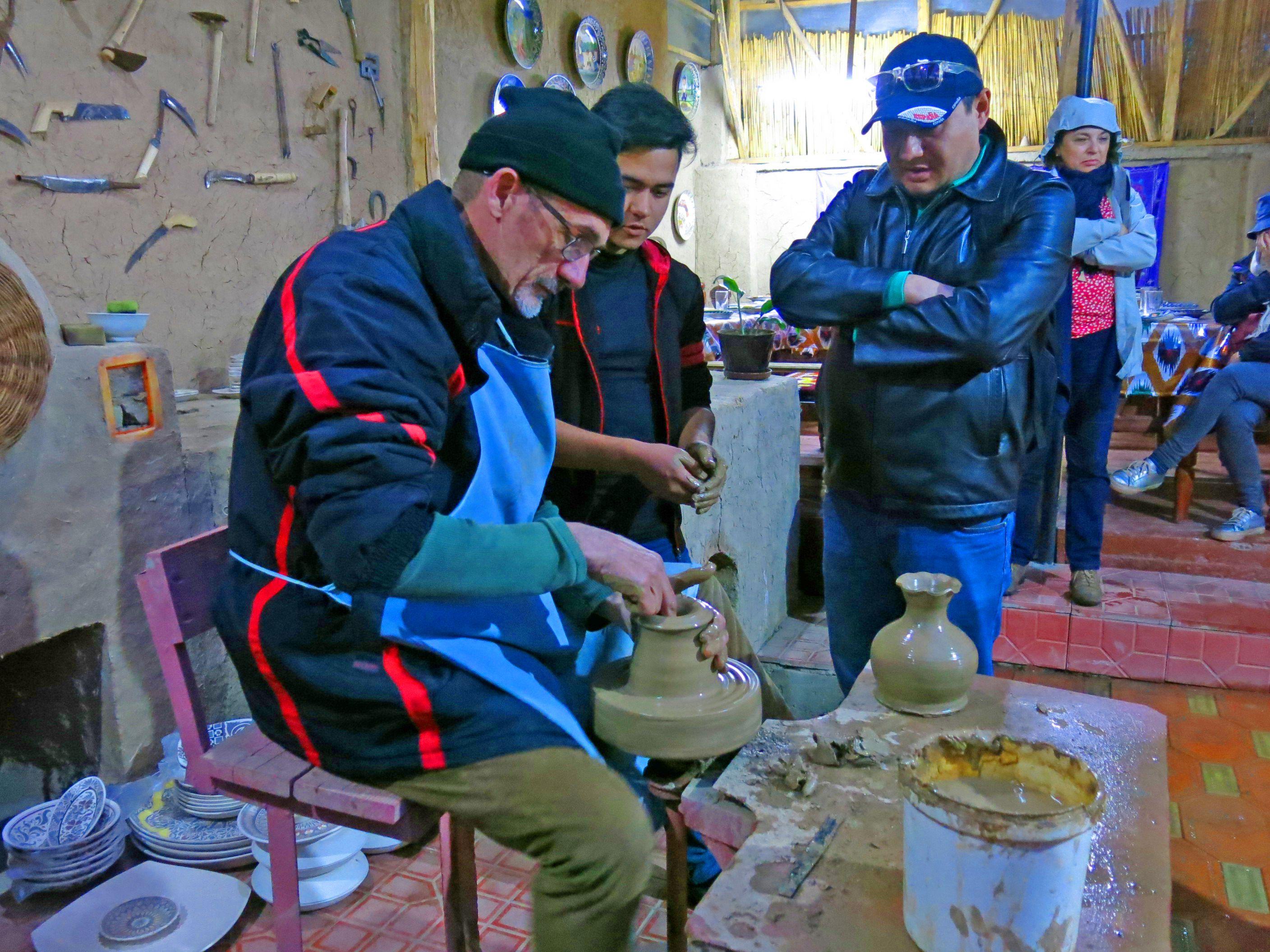
A visit follows a piece through the yard: clay kneaded and thrown on the wheel or pressed over a mould for large lagan dishes; a coat of white slip; freehand painting with fine brushes, in motifs such as pomegranates, fish, almonds and dense floral scrolls; then glazing and firing in the kiln. Two workshops have the longest record of receiving visitors:
- Rustam Usmanov's home workshop, with a small private museum of older Rishtan ware and a team of artisans who work largely on commission.
- Alisher Nazirov's studio and school on Bobur street, one of the best-known names in Uzbek ceramics, where he trains students and regularly runs master classes.
Buying and visiting
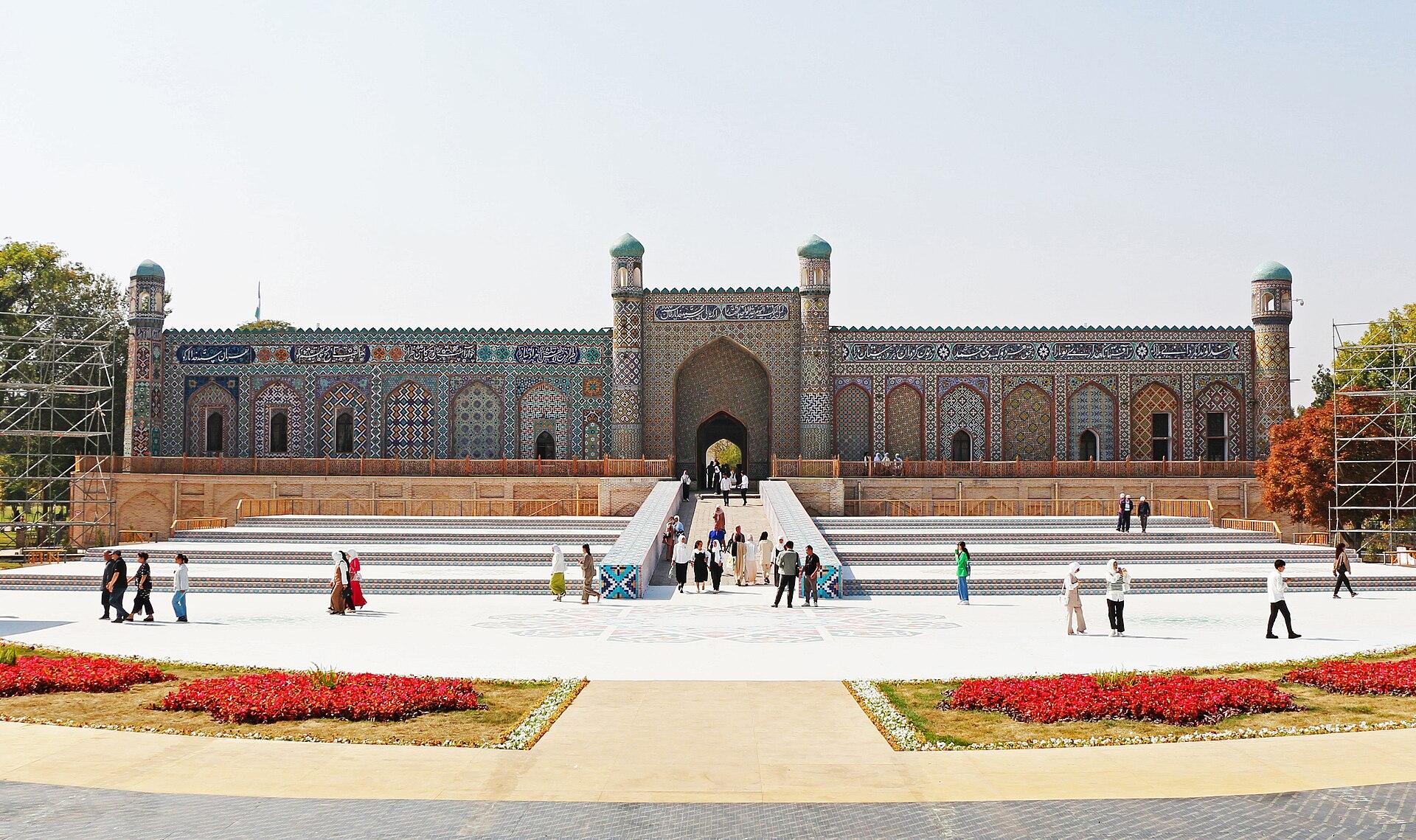
Allow an hour for a workshop visit, two to three if you want to try the wheel or a brush and stay for lunch; calling ahead, or going with a guide who does, means the master will be there. Workshop prices are fixed or close to it. Ask for double wrapping for flights and carry pieces in your cabin bag. Rishtan lies on the road between Kokand and Margilan, so it fits naturally into a valley day with the Khudayar Khan Palace or the Yodgorlik silk factory.
What to see
- Turquoise and cobalt ishkor glazes made from plant ash
- Potters throwing on the wheel and shaping large lagan dishes
- Freehand painting of pomegranate, fish and floral motifs
- Rustam Usmanov's private museum of older Rishtan ware
- Alisher Nazirov's studio and school
- Master classes in painting a tea bowl or throwing a pot
- Buying directly from the potter who made the piece
Gallery


More sights in Fergana Valley
All of Fergana Valley

See Rishtan Ceramics Workshops with a local guide
We build private and small-group trips around the places you want to see — with guides who grew up here.