
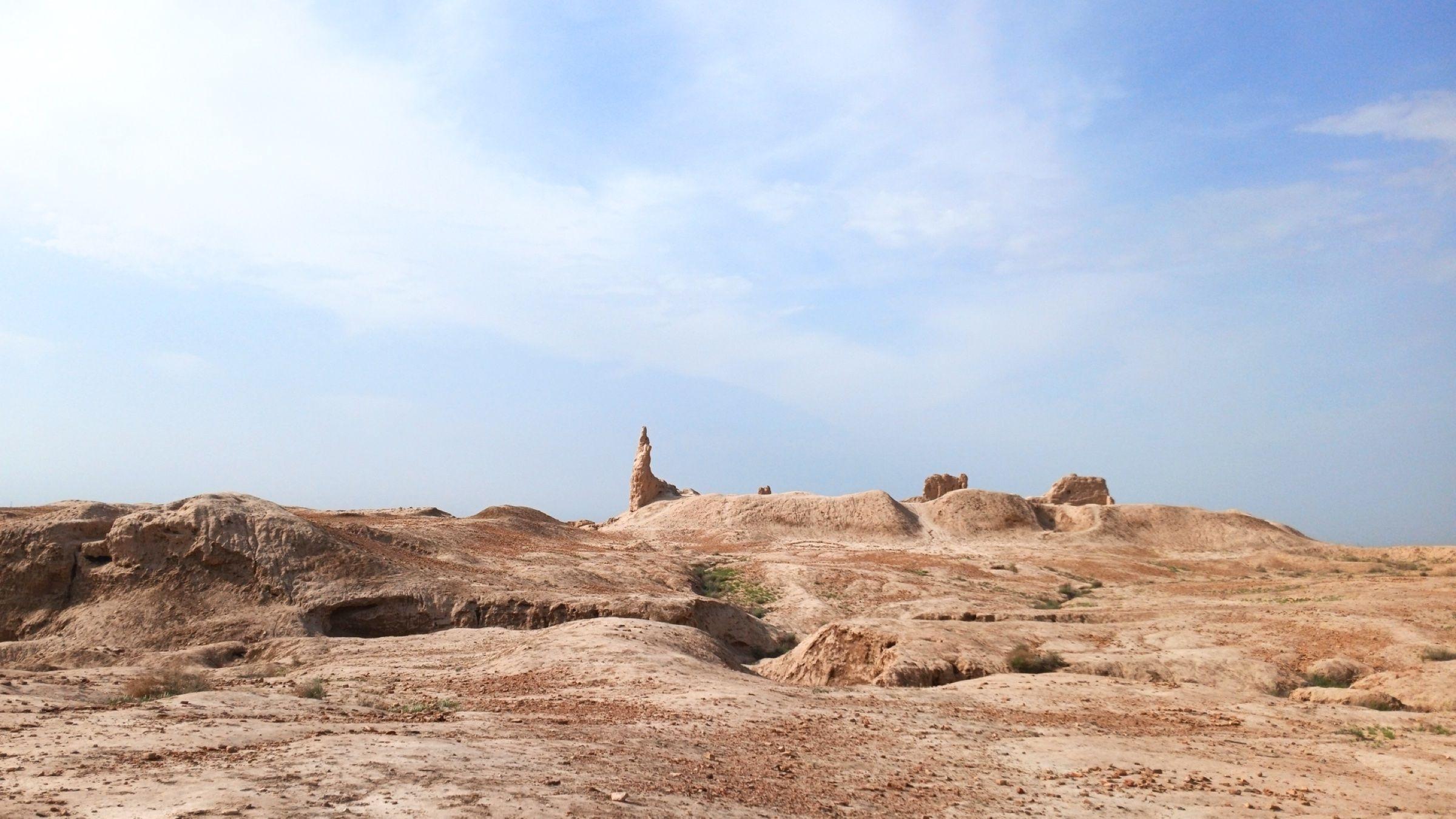
Fortress · From the 4th c. BC; rebuilt 9th–12th c.
Gyaur-Kala at Mizdakhan
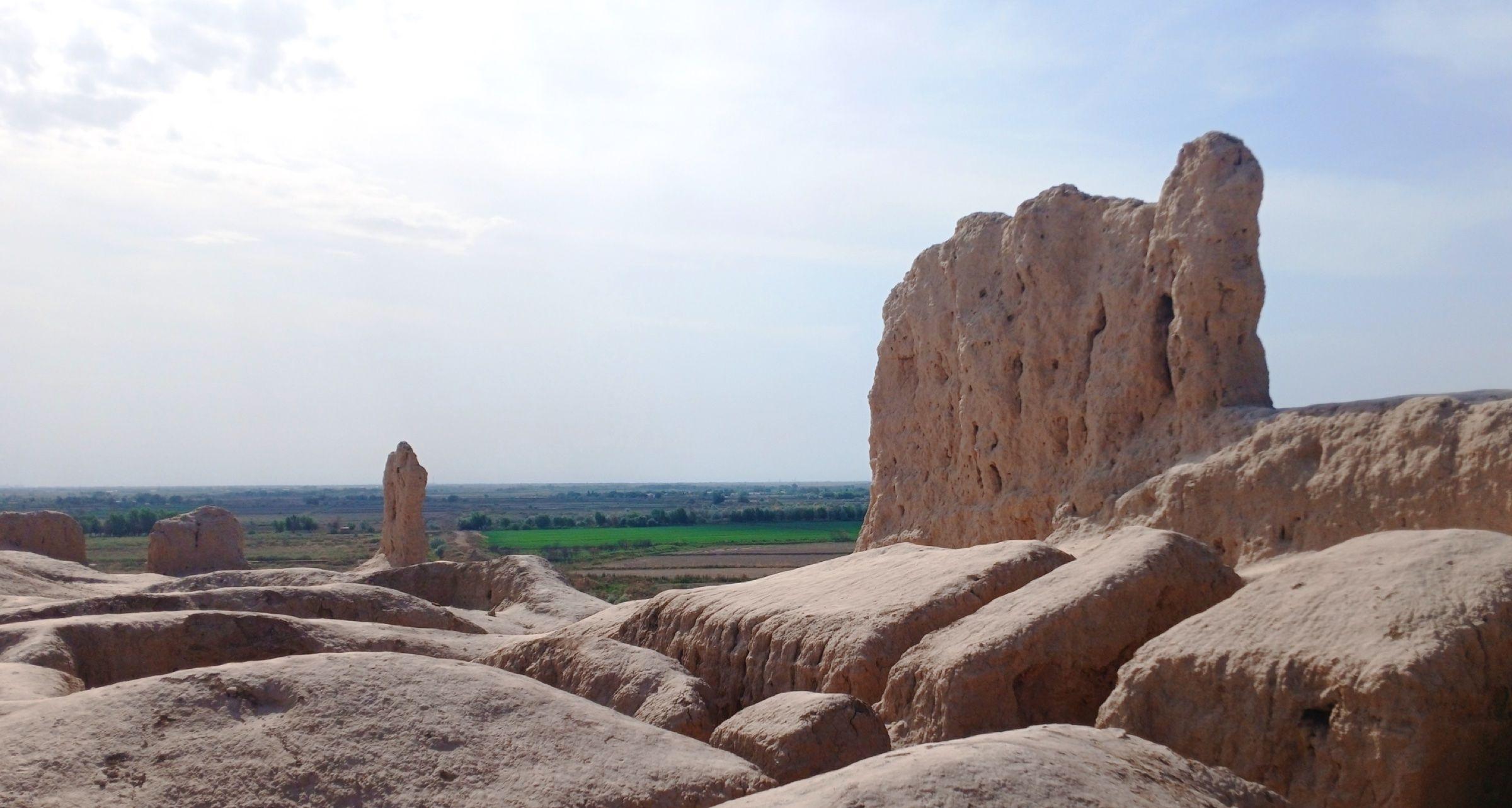
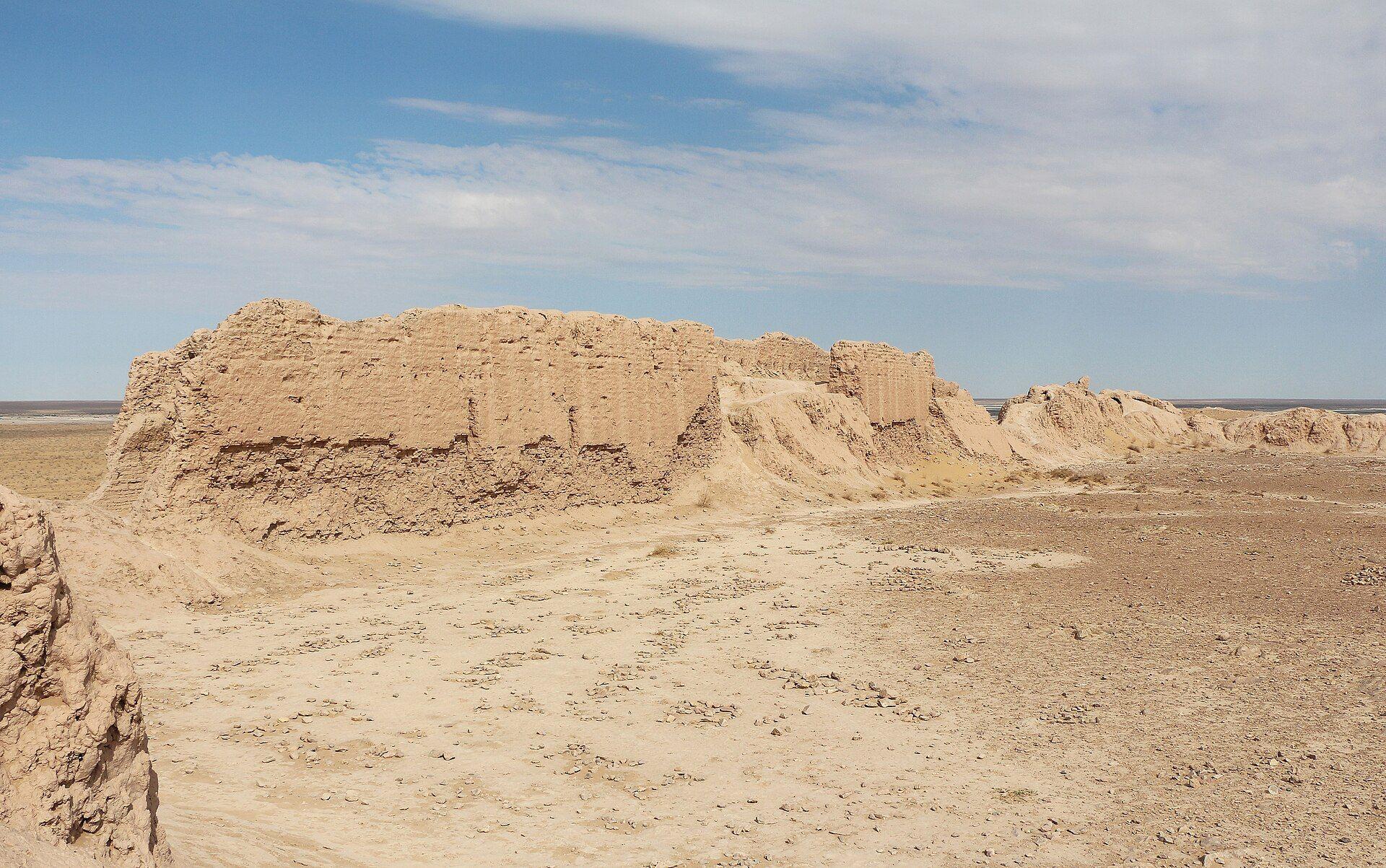
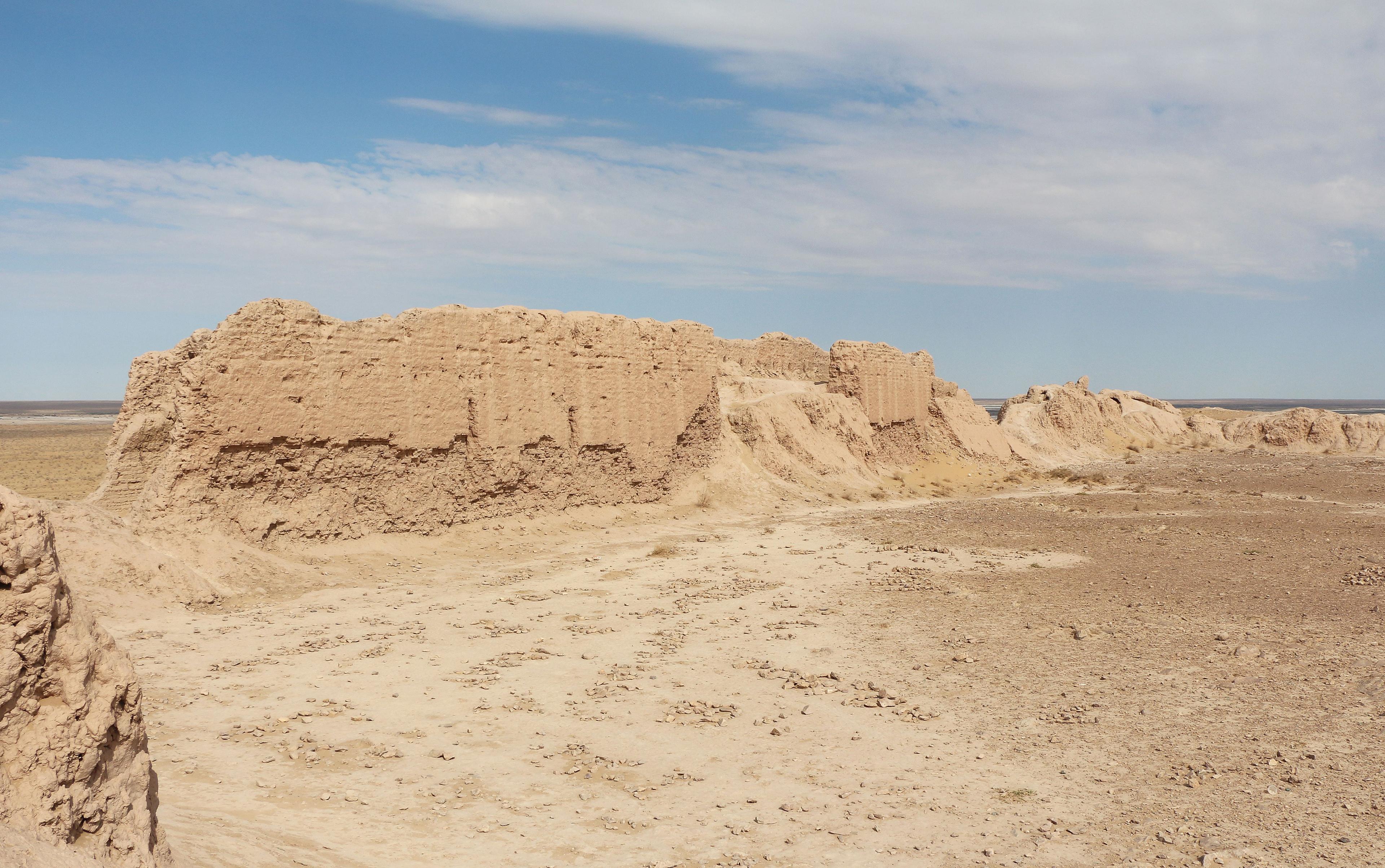
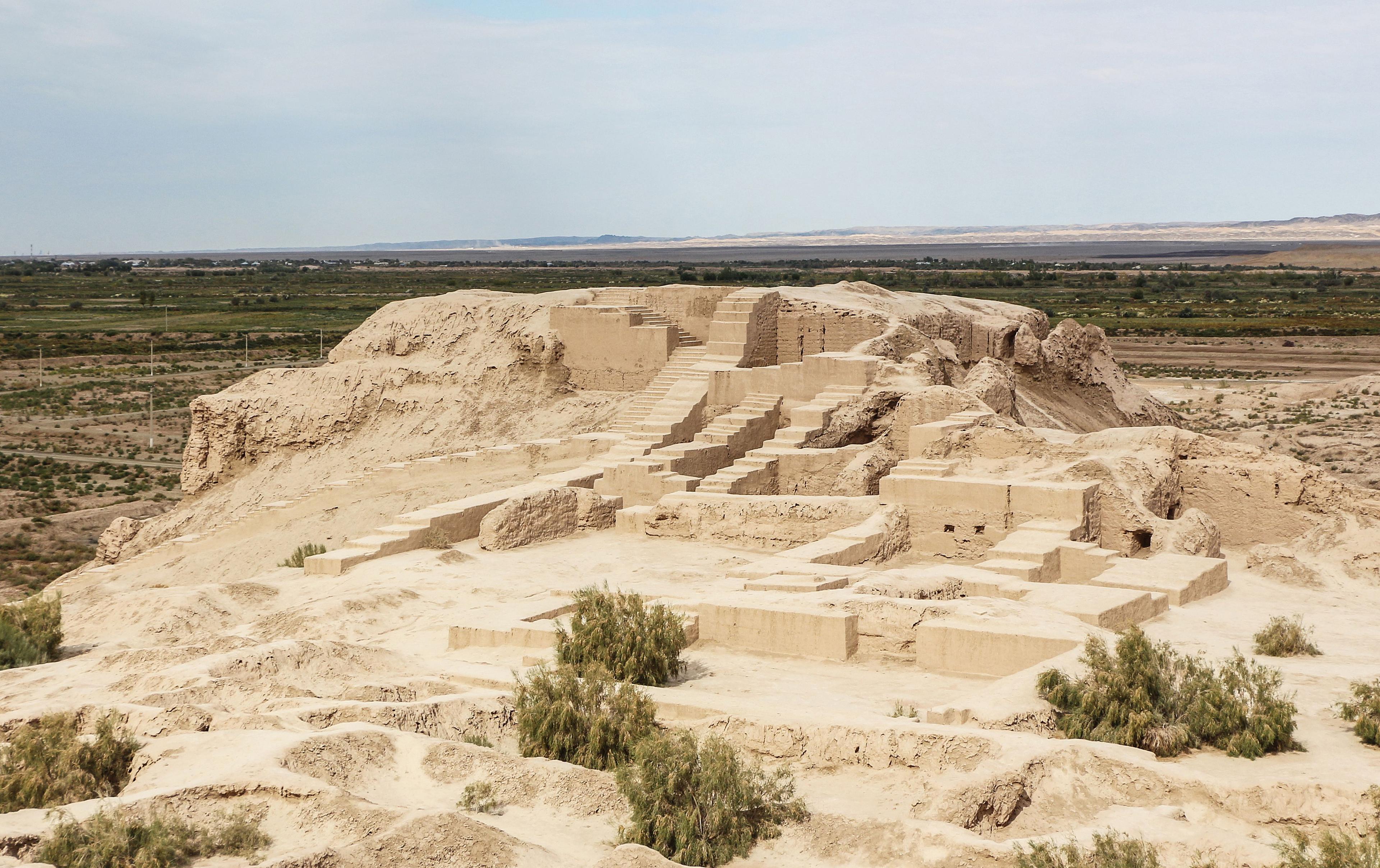
The ruined fortress of the ancient city of Mizdakhan, on a hill facing the necropolis near Khodjeyli. Crumbling walls, the outline of a citadel and wide views to the Turkmen border.
About
Gyaur-Kala, “fortress of the unbelievers”, is a name given to several pre-Islamic ruins in Khorezm; the name reflects the later Muslim view of the people who built them. This one is the fortress of Mizdakhan, standing on a hill just south of the necropolis near Khodjeyli, west of Nukus.
History
The oldest remains here are dated to around the fourth century BC, when Mizdakhan was growing into one of the main towns of the lower Amu Darya. The fortress was rebuilt and expanded between the ninth and twelfth centuries, when the city prospered on trade and the river; excavations have uncovered the remains of a palace and a fire temple inside the walls. Mizdakhan suffered in the Mongol invasion of the early thirteenth century and again in Timur’s campaigns against Khorezm in the late fourteenth, after which the town was largely abandoned.
What you see
Little stands to full height. The site is a large enclosure of eroded mud-brick walls with traces of towers, a raised citadel and scattered pottery on the ground. It is the setting and the view that make the visit: from the top you look across to the domes of the necropolis, the town of Khodjeyli and the fields running to the border with Turkmenistan.
Experiencing it
Visit together with the Mizdakhan necropolis, ideally in the late afternoon. The ground is uneven, so wear proper shoes, and do not take pottery fragments: removing finds from archaeological sites is prohibited.
What to see
- Eroded walls and towers of the ancient fortress
- The raised citadel mound
- Views over the Mizdakhan necropolis
- The landscape towards the Turkmen border
- Easy combination with the necropolis
Gallery
More sights in Karakalpakstan
All of Karakalpakstan
See Gyaur-Kala at Mizdakhan with a local guide
We build private and small-group trips around the places you want to see — with guides who grew up here.