A day-by-day Karakalpakstan itinerary that ties Nukus, the Savitsky Museum, Mizdakhan, Muynak, a night in a yurt at the Aral Sea, the Ustyurt cliffs, Sudochye and the Chilpik and Elliq-Qala fortresses into one four-day plan ending in Khiva, with vehicle, distances, seasons, costs and 2- and 6-day variants.
Facts, prices and schedules checked on November 4, 2026
Karakalpakstan is the far north-west of Uzbekistan, an autonomous republic the size of a mid-sized European country with fewer than two million people, a capital called Nukus that most travellers have never heard of, and three of the most extraordinary things in Central Asia: a museum of banned Soviet art, the dried bed of the Aral Sea, and the mud-brick fortresses of ancient Khorezm.
We have written about each of them separately: the Savitsky Museum, the Aral Sea and Muynak, and the Khorezm desert fortresses. This article ties them together into one Karakalpakstan itinerary. The core plan is four days, starting in Nukus and ending in Khiva, with a night in a yurt at the edge of what remains of the sea. We also give a two-day version for those short on time and a six-day version for those who want the Ustyurt Plateau properly, and we cover the vehicle, the distances, the season when the tracks become impassable, and what it all costs as of November 2026.
Why Karakalpakstan deserves four days
Most visitors give Karakalpakstan a single day: a morning at the Savitsky Museum and a drive to Khiva past two fortresses. That is better than nothing, but it leaves out the Aral Sea, which is the reason to come this far, and it turns the fortresses into a blur of brown walls.
Four days changes the experience:
- Day 1: Nukus, the Savitsky Museum, and the necropolis of Mizdakhan with the fortress of Gyaur-Kala beside it.
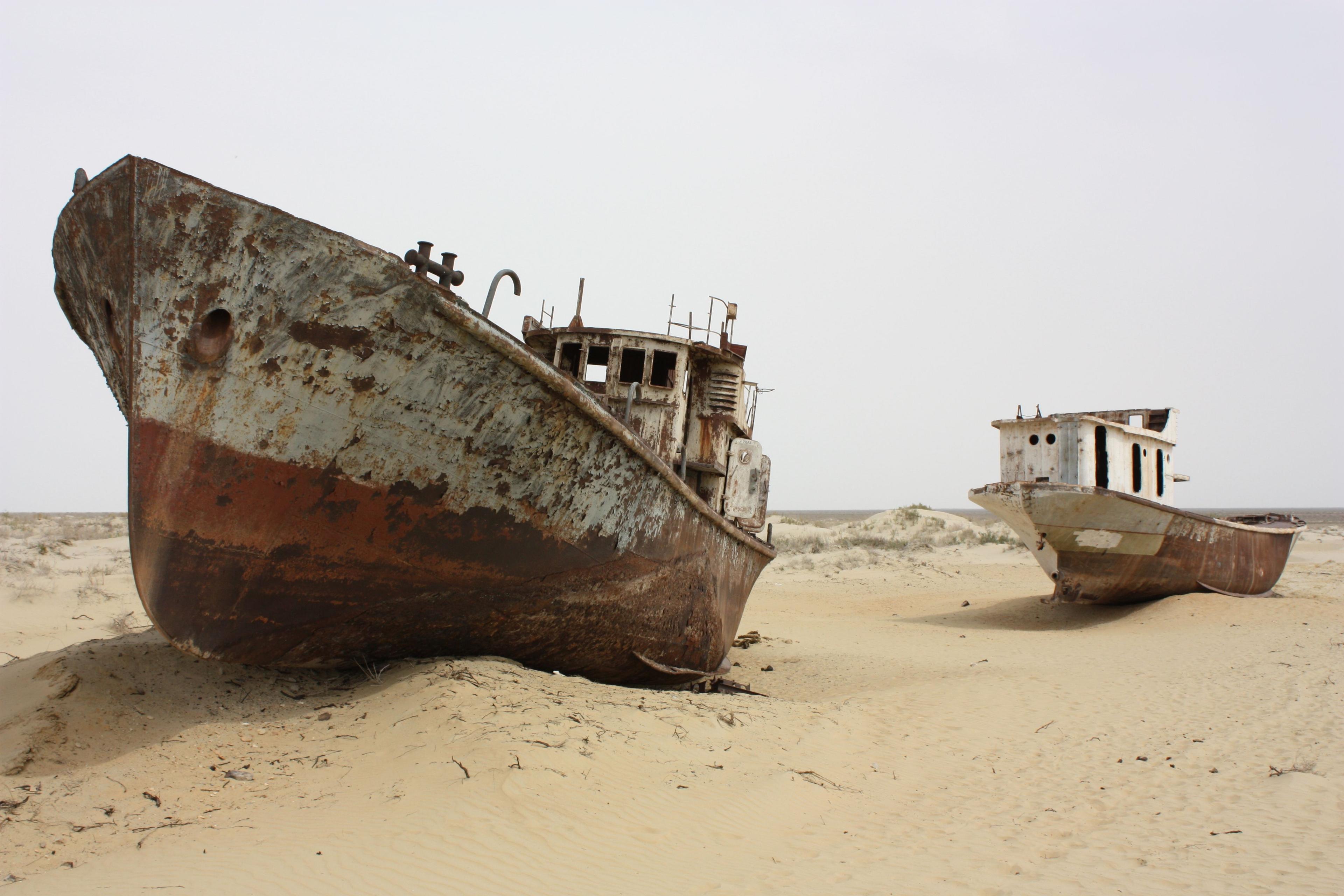
- Day 2: north to Muynak and its ship cemetery, then across the dry seabed and up onto the Ustyurt Plateau to a yurt camp above the shore of the Aral Sea.
- Day 3: sunrise over the water, the canyons of the Ustyurt edge, the Sudochye wetlands and the ruined fortress of Kurgancha-Kala, then back to Nukus.
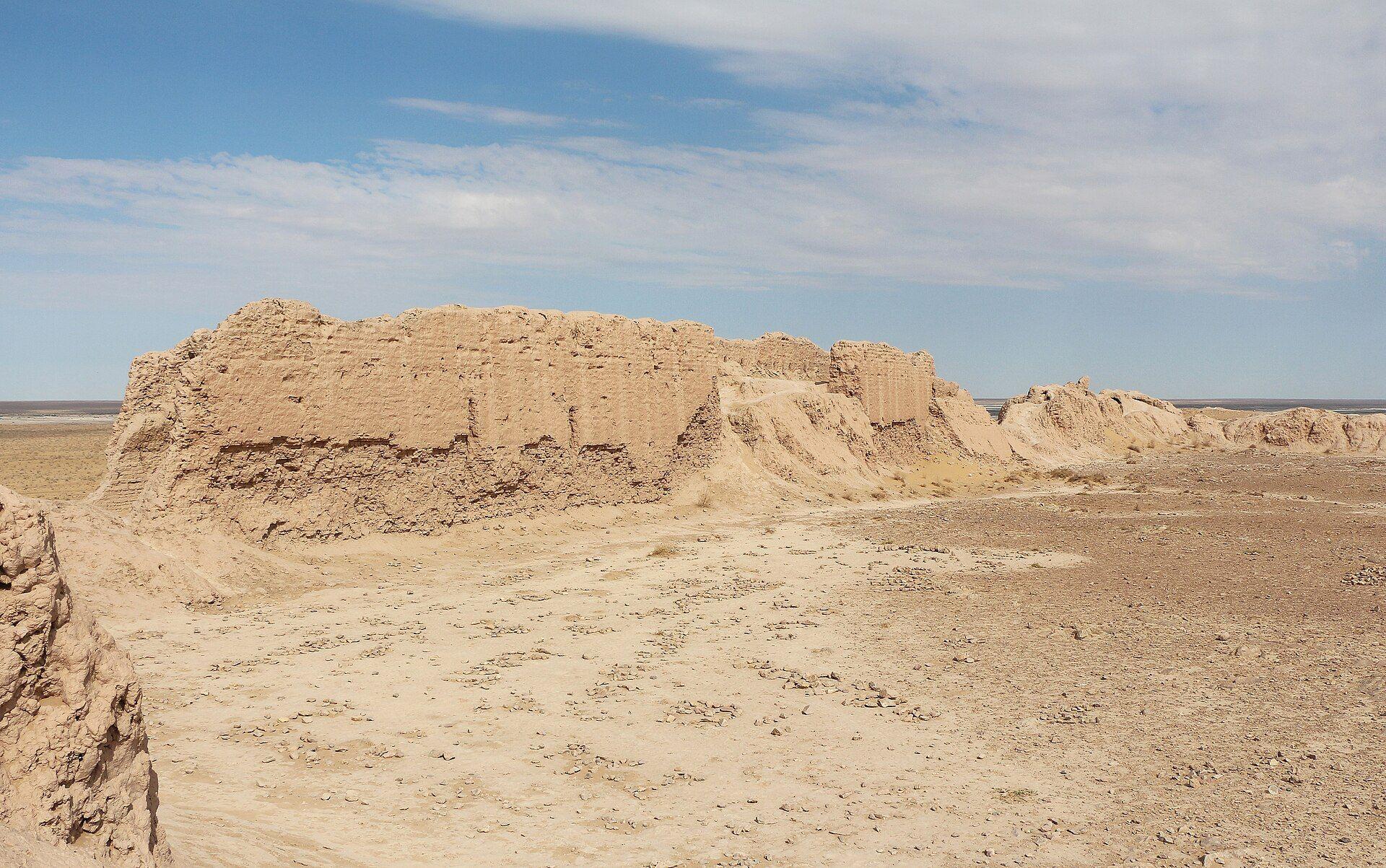
- Day 4: south-east to the Chilpik tower of silence, into the Elliq-Qala fortress country (Toprak-Kala, Kyzyl-Kala, Ayaz-Kala), and on to Khiva by evening.
It is a loop of roughly 1,000 km, much of it on tracks. It is tiring and it is unforgettable.

Getting to Nukus and choosing a vehicle
Nukus has an airport with daily flights from Tashkent (about 1 hour 40 minutes) and an overnight train from Tashkent that takes around 16 hours; the day train from Khiva and Urgench is shorter. Our domestic flights and train ticket articles explain booking. Most travellers fly in, do the loop, and leave by train or road from Khiva.
The vehicle is the single most important decision. Days 1 and 4 can be done in an ordinary saloon on paved roads. Days 2 and 3 cannot: beyond Muynak there is no road, only tracks across the former seabed, a steep climb onto the plateau and a long run along the cliff edge. You need a 4x4 with a driver who knows the tracks, and in practice that means a Toyota Land Cruiser or a Russian UAZ van arranged through a Nukus operator. Self-driving a hire car onto the seabed is not sensible: there is no signage, no mobile coverage for long stretches, and a stuck vehicle may wait hours for help.
Operators in Nukus run the two-day Aral leg as a package with driver, fuel, the yurt night and meals. We arrange the whole four-day loop, including the Nukus city day and the fortress day, as one itinerary with one driver.
Day 1: Nukus, the Savitsky Museum, Mizdakhan and Gyaur-Kala
Start at the Savitsky Museum, the State Museum of Art of Karakalpakstan, which holds the second-largest collection of Russian avant-garde art in the world, gathered by Igor Savitsky in the 1960s and 1970s when such work was unexhibitable elsewhere in the Soviet Union. Allow two to three hours; the Karakalpak jewellery, textiles and archaeology on the lower floors deserve time too. Our Savitsky Museum guide gives opening hours and ticket prices.
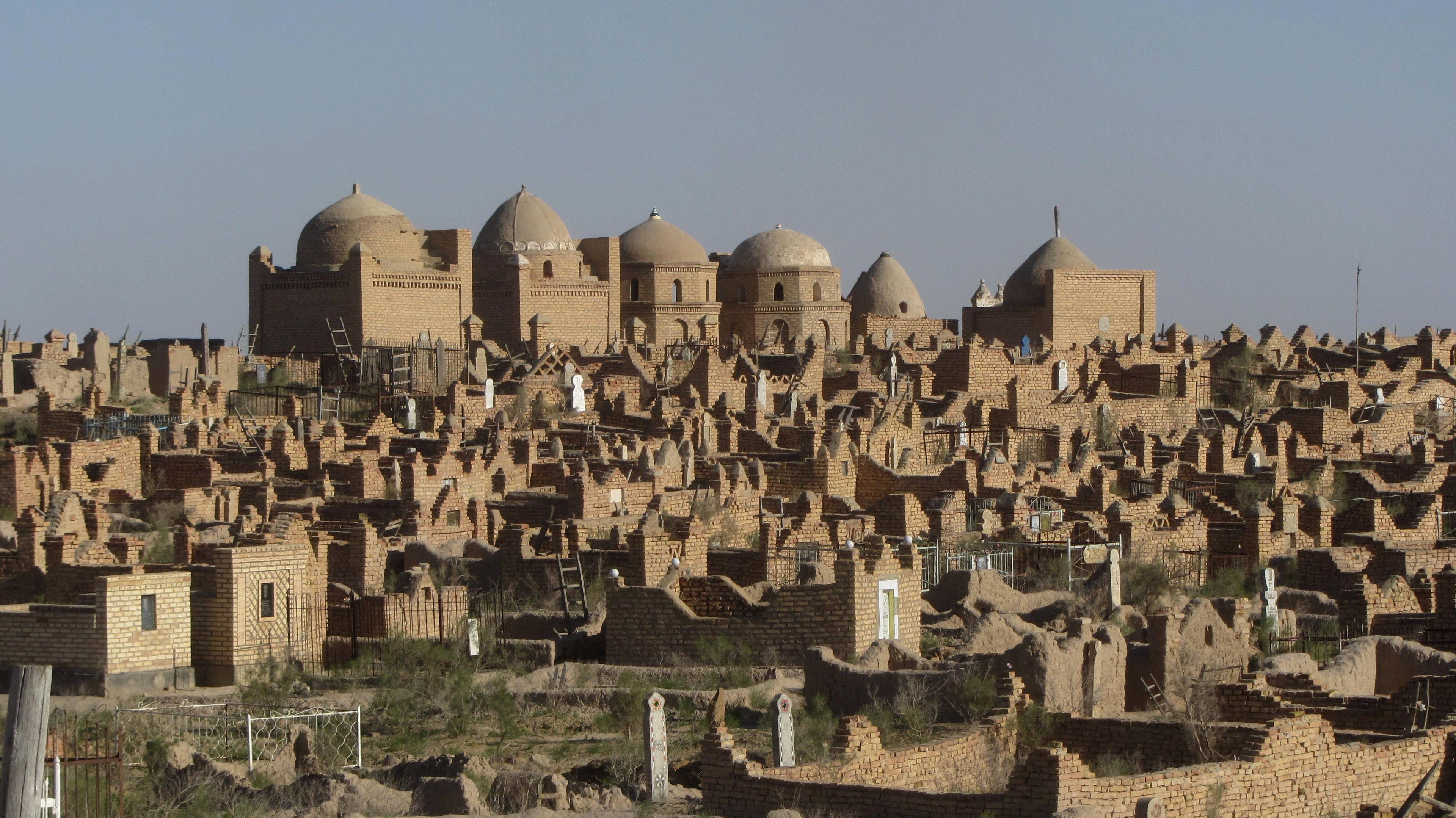
After lunch, drive about 20 km west toward the town of Khojeyli to Mizdakhan, a hillside necropolis that has been a burial ground for more than two thousand years. Among thousands of graves stand the Mazlumkhan-Sulu mausoleum, a half-underground building of the Golden Horde period with glazed tilework, the ruined mausoleum of Shamun Nabi, and the structure locals call the World Clock: a crumbling mausoleum from which, according to legend, one brick falls each year, and when the last falls the world will end. Pilgrims stack seven small stones here and make a wish. The views over the steppe at sunset are wide and empty.
A kilometre away is Gyaur-Kala, the fortress of the infidels, a Khorezmian stronghold of the 4th century BC onward whose name recalls the Zoroastrian fire-worshippers who lived here before Islam. The walls, in places 10 to 15 metres high, stand on a hill above the road to the Turkmen border.
Return to Nukus for the night. The city is Soviet-planned, wide and quiet, with a handful of decent hotels and restaurants serving Karakalpak and Uzbek dishes; try the local fish if it is on the menu.
Day 2: Muynak, the ship cemetery and a yurt at the Aral Sea
Leave early. The road north to Muynak is about 200 km and takes around three hours, through Kungrad and across flat irrigated land that slowly gives way to saltbush.
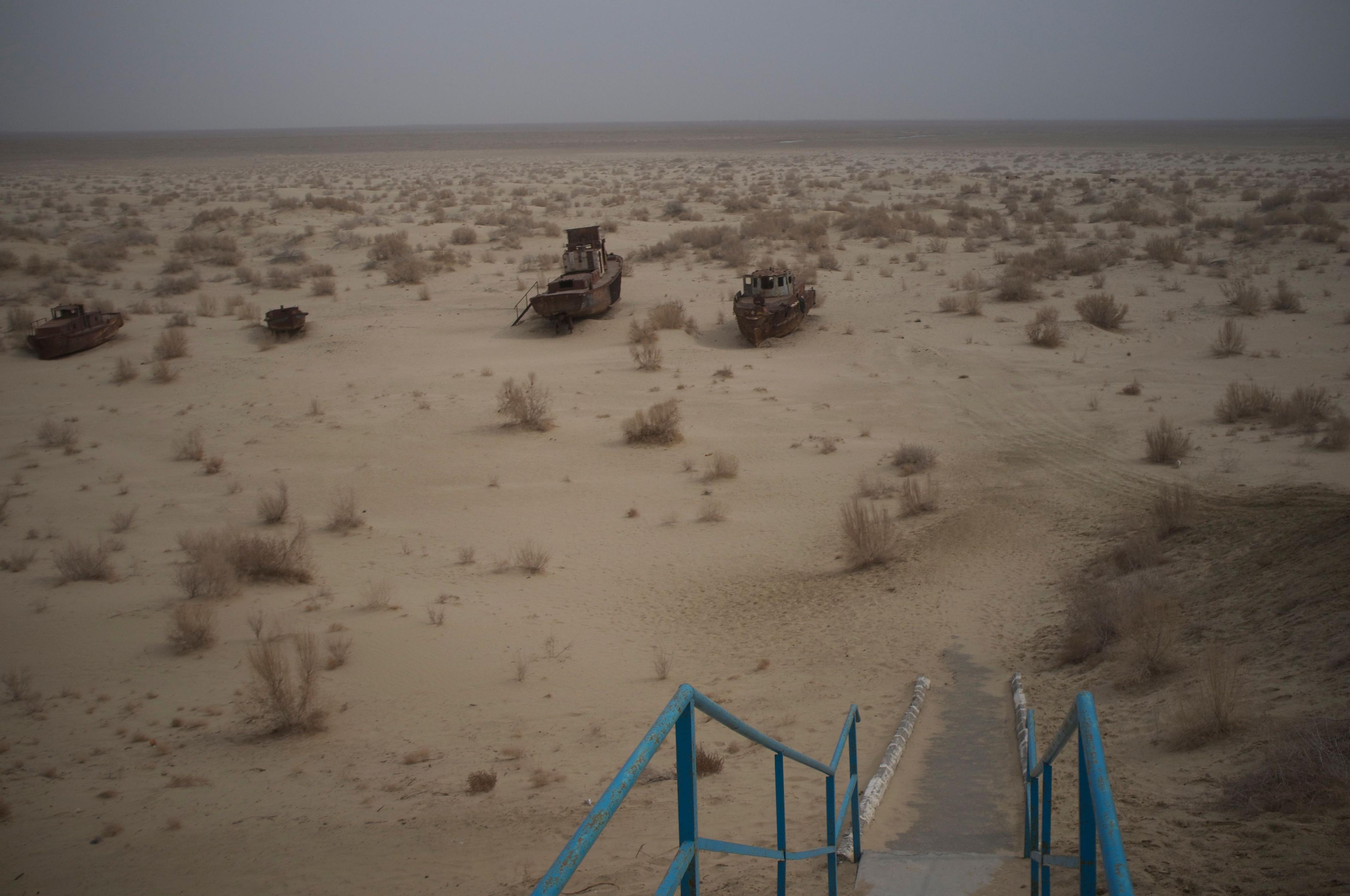
Muynak was a fishing port with canneries until the 1980s; today the sea is more than 100 km away. Visit the ship cemetery, where a dozen rusting trawlers lie in the sand below the old harbour cliff, and the small museum of the town's fishing past with its paintings and cannery labels. Lunch in Muynak, then the vehicle leaves the asphalt.
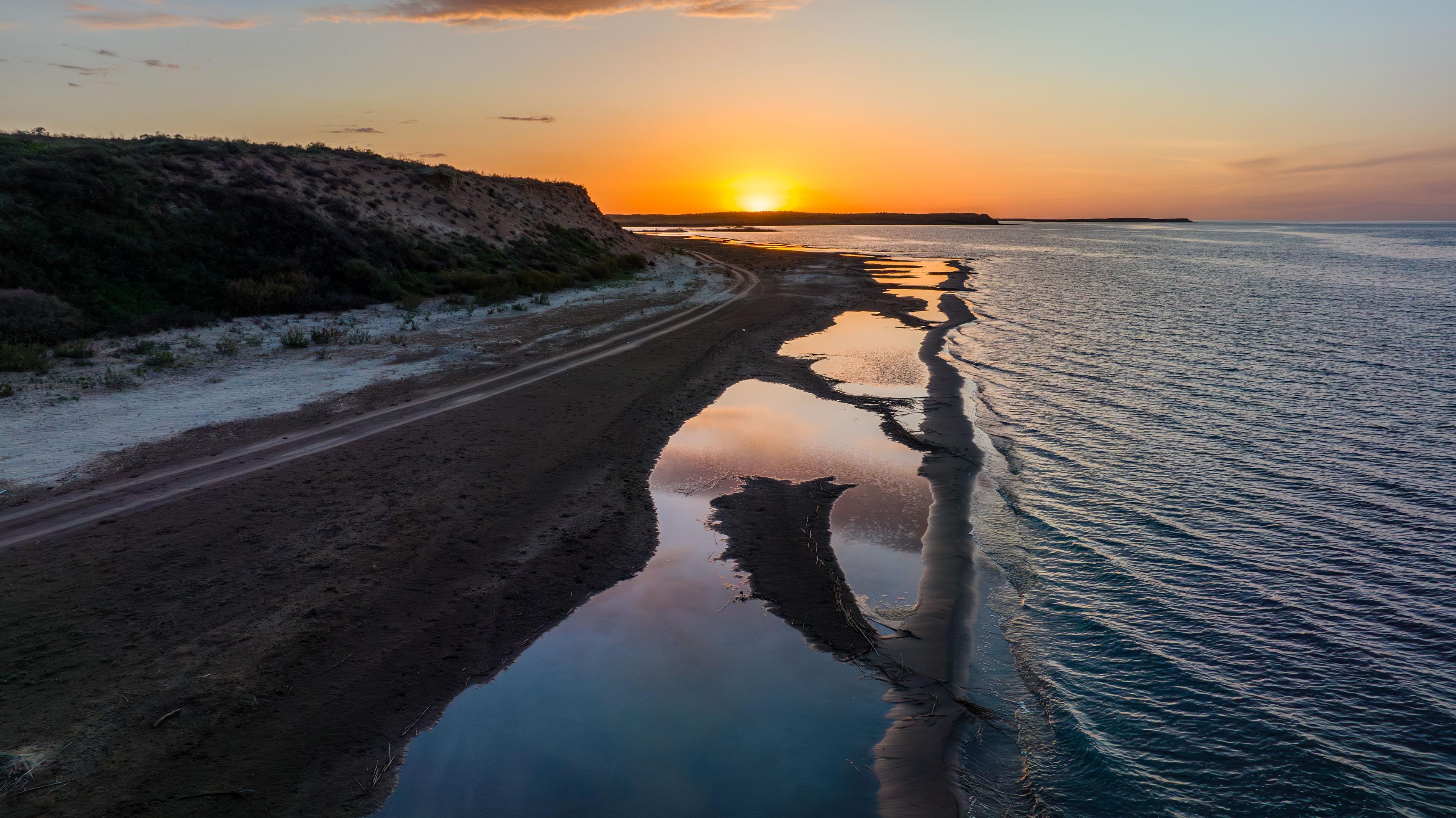
The afternoon is a four- to five-hour crossing of the dry seabed, around 200 km of tracks through shell-strewn sand, saltbush and gas installations, then a climb onto the Ustyurt Plateau and a run along its edge. The camps are set on the cliff top or on the shore where the plateau meets the remaining western basin of the sea. Most are simple: felt yurts with mattresses, a dining yurt, a basic toilet block, dinner of soup, bread and tea cooked by the camp family. The reward is the evening: the water a long green-blue line below the chalk cliffs, silence, and a sky full of stars.
Some itineraries reverse Days 2 and 3, going up onto the plateau first and coming down to Muynak on the way back; either direction works.
Day 3: Ustyurt cliffs, Sudochye, Kurgancha-Kala and back to Nukus
Rise for sunrise over the sea. If the camp allows, walk down to the water; it is intensely saline, and nothing lives in it.
The return follows a different route. The Ustyurt edge is cut by canyons of white, pink and ochre chalk, and the driver will stop at the best of them. The plateau beyond is a near-featureless steppe, home to saiga antelope that you are unlikely to see, and to the Barsakelmes salt flat, a glittering white depression whose name means the place from which one does not return. Deep Ustyurt trips reach it; the four-day loop usually does not.
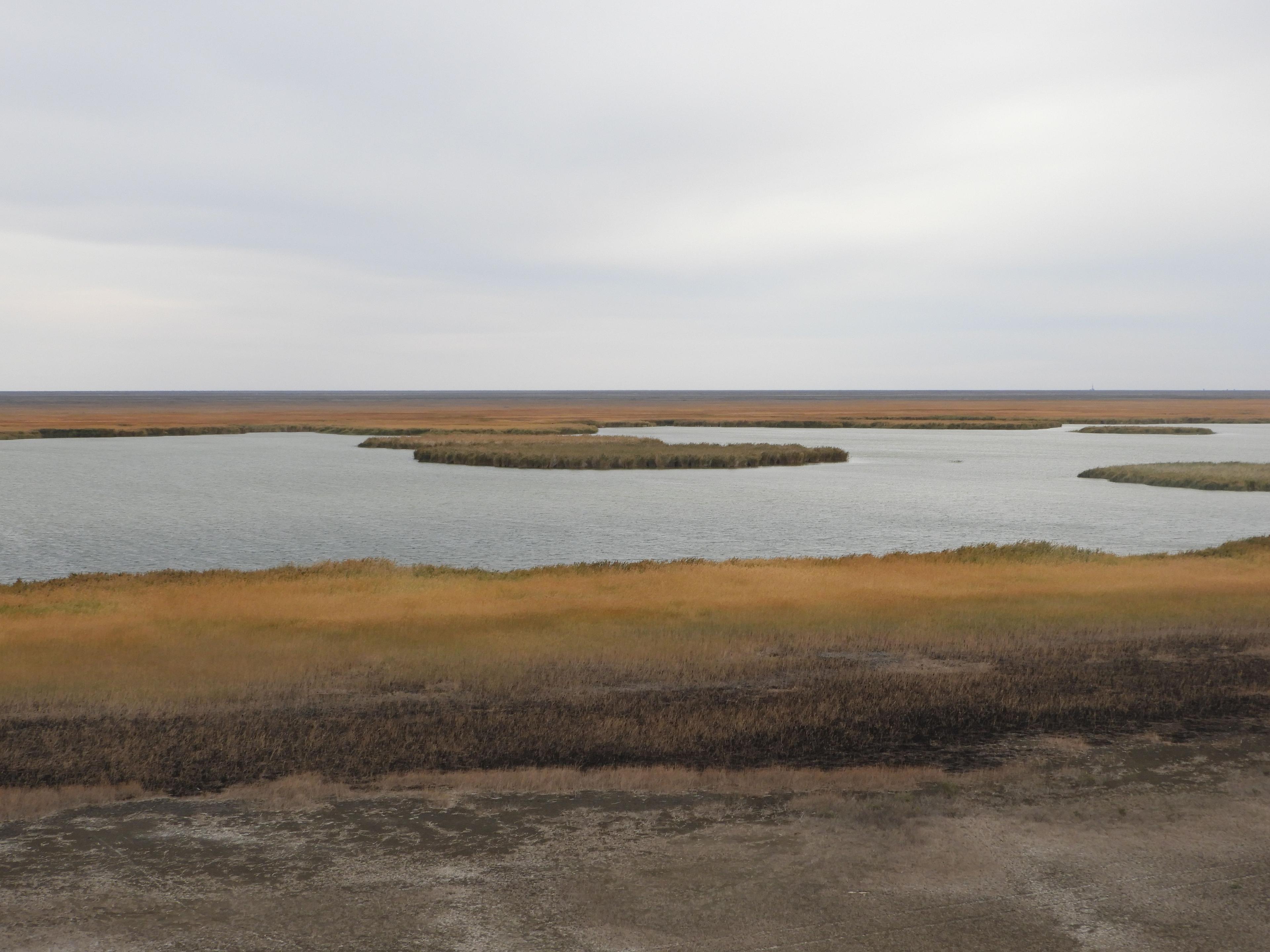
Descending from the plateau, the track reaches Sudochye, a system of lakes and reedbeds fed by drainage water that has become the most important wetland left in the delta, with pelicans, flamingos and thousands of other birds in spring and autumn. Nearby stands Kurgancha-Kala, a ruined fortress of the Khorezmian period on the old shoreline, and a former fishing village abandoned when the water left.
From Sudochye the route returns through Kungrad to Nukus, arriving in the evening. It is a long day, nine to ten hours in the vehicle, and dusty. Tell the driver if you want more stops and fewer kilometres; the alternative is to spend Day 3 night at a second camp and stretch the loop to five days.
Day 4: Chilpik and the Elliq-Qala fortresses to Khiva
The final day crosses from Karakalpakstan into the Khorezm region, ending inside the walls of Ichan-Kala in Khiva, about 200 km away by the direct road but closer to 280 km with the fortress detours.
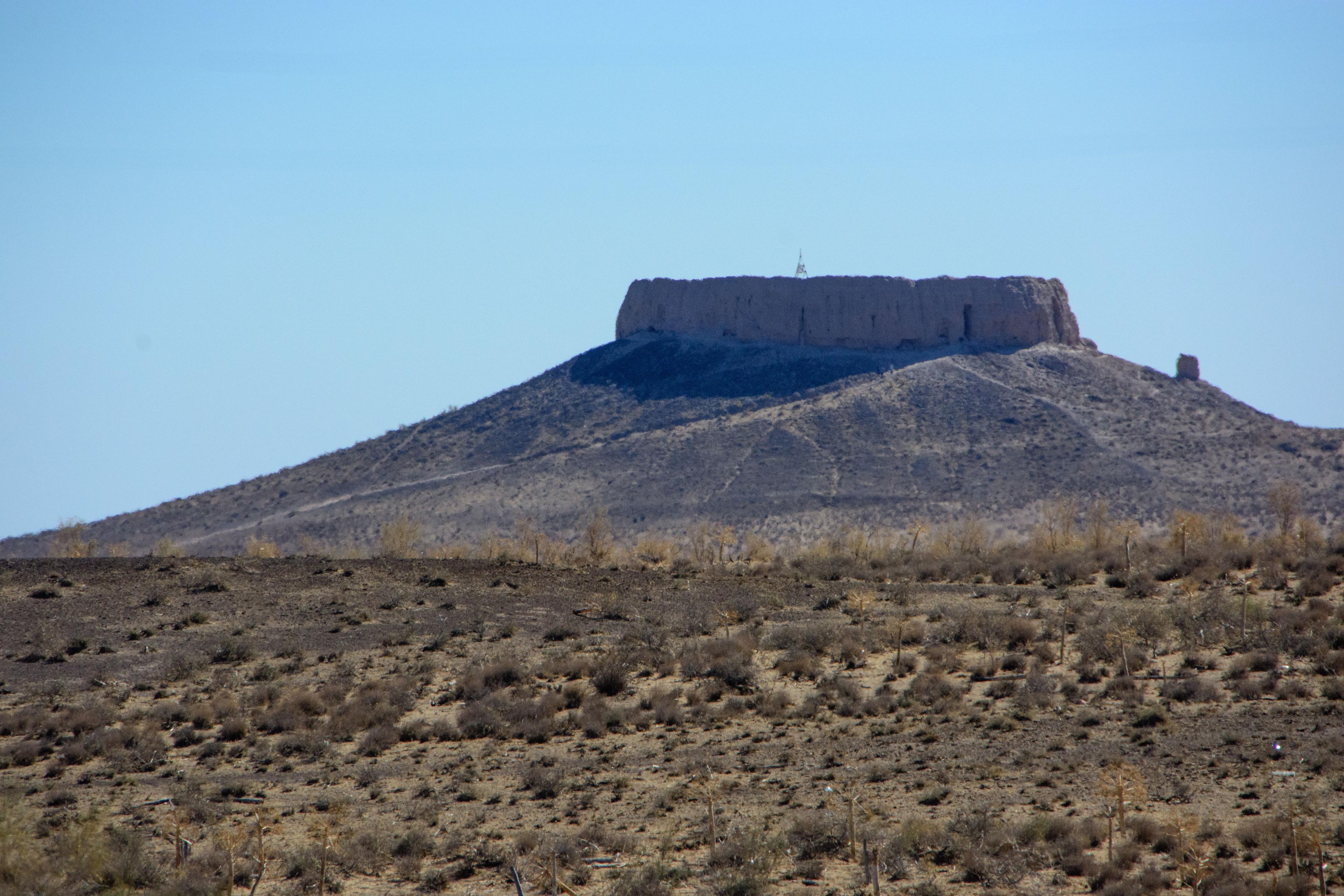
First stop, about 43 km south-east of Nukus on the Turtkul road: Chilpik, a ring of mud-brick walls on a natural hill above the Amu Darya floodplain. It is a dakhma, a Zoroastrian tower of silence, built around the turn of the first millennium, where the dead were exposed to birds before their bones were gathered into ossuaries. It takes ten minutes to climb and the view across the river to the desert explains why it was built here. Chilpik appears on the coat of arms of Karakalpakstan.
Then the Elliq-Qala, the fifty fortresses of the Khorezm oasis, of which three are the usual visit:
- Toprak-Kala, a 1st- to 4th-century AD royal city and palace whose wall paintings and sculpture are in museums in Tashkent and St Petersburg.
- Kyzyl-Kala, a compact fortress heavily reconstructed in recent years, a short drive from Toprak-Kala.
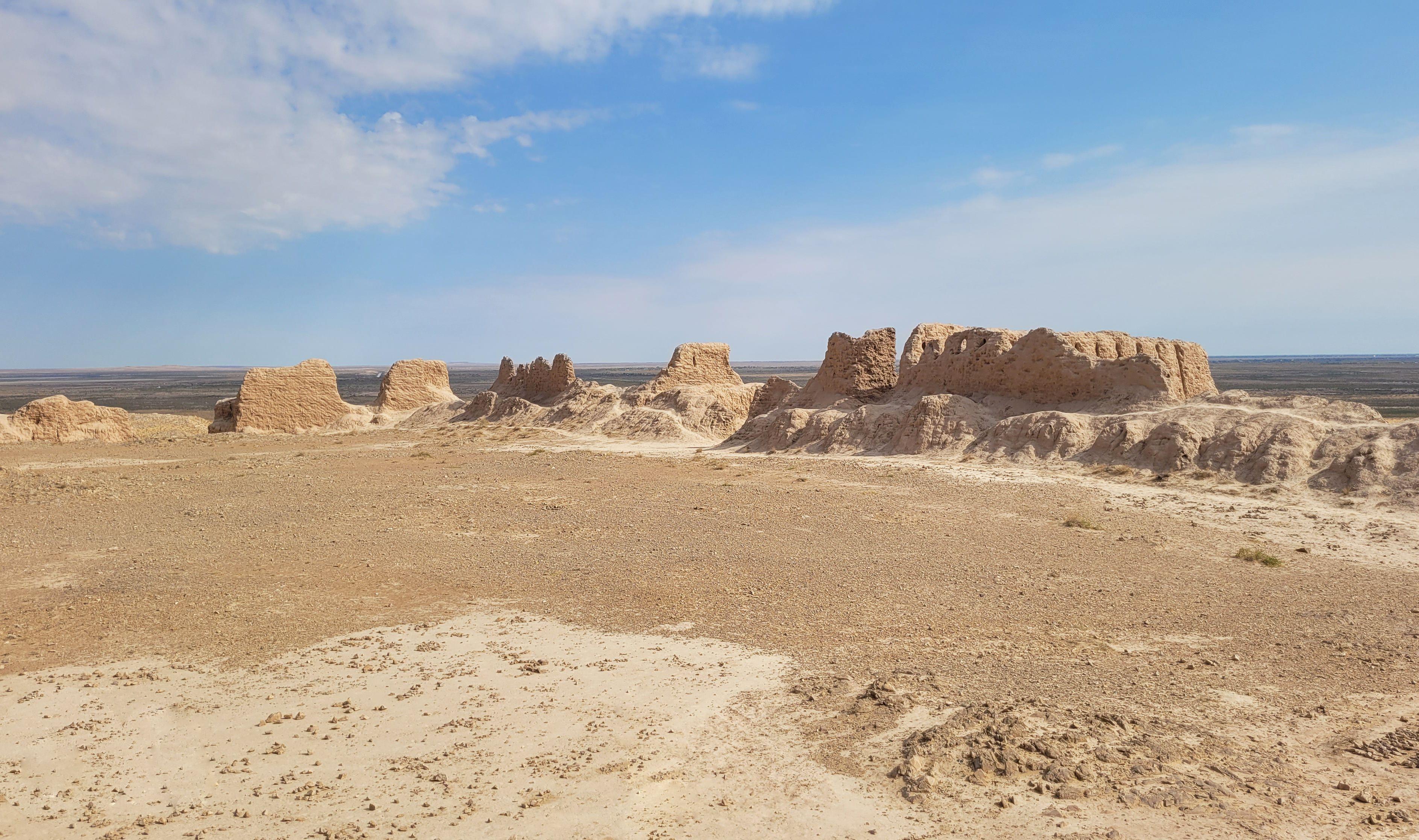
- Ayaz-Kala, three fortresses on a ridge above a yurt camp, the most dramatic of the group, with the Kyzylkum dunes to the east. The climb to the upper fortress takes 15 minutes and the view is the best in Khorezm.
Koy-Krylgan-Kala, the circular temple-fortress of the 4th century BC further east, and Guldursun-Kala can be added for those with a strong interest in archaeology; both are eroded and need imagination. Our Khorezm fortresses article has the detail.
Cross the Amu Darya at Beruni and continue to Khiva, arriving in the late afternoon. If the schedule allows, the day train from Urgench or the Khiva to Bukhara route continues the journey next morning.
Two-day and six-day variants
Two days (Aral Sea only). Fly into Nukus in the morning, see the Savitsky Museum, and leave for Muynak after lunch; sleep at the yurt camp; return to Nukus the next evening, or continue straight to Khiva with a stop at Chilpik. This drops Mizdakhan and most of the fortresses but keeps the essentials. It is the itinerary most operators sell as the classic Aral Sea tour.
Three days. The four-day plan without the Nukus city day: arrive on an early flight, Savitsky in the morning, Muynak and the yurt in the afternoon, return via Sudochye, fortresses to Khiva on the third day. Only for those happy with long days.
Six days (the Ustyurt in depth). Add two nights on the plateau: a second camp further north along the cliffs, a day driving to the Barsakelmes salt flat and the canyon systems of the eastern Ustyurt, and time at Sudochye for birds. This is a genuine expedition, with everything carried in the vehicles, and suits photographers and travellers who have seen the main Silk Road cities already. Some six-day routes also include the Khojeyli crossing into Turkmenistan to Konye-Urgench, which requires a Turkmen visa; our Khiva to Turkmenistan article explains the process.
When to go and when the tracks are impassable
The best months are April to early June and September to October: daytime temperatures of 20 to 30 degrees, cold nights on the plateau, birds at Sudochye and clear skies.
- July and August: temperatures regularly above 40 degrees on the seabed; trips run, but the midday hours are brutal and the camps are hot. Start before dawn.
- November to March: cold, with the plateau below freezing at night and down to minus 20 in January. Snow and, more often, rain turn the seabed tracks into mud; operators suspend the Aral leg for days at a time. The Savitsky Museum, Mizdakhan and the fortresses remain fine in winter and are empty of visitors.
- After heavy rain in any season the seabed can be impassable for one to three days. Build a spare day into a spring itinerary.
Wind is constant on the plateau, and dust storms are possible in spring. Bring a scarf, sunglasses, a warm layer for the night even in May, a head torch, and all the water you need; the camps have limited supplies.
What a Karakalpakstan itinerary costs in 2026
Costs are dominated by the 4x4 and driver, so the price per person falls fast as the group grows. Typical market prices in November 2026 for the two-day Aral Sea leg from Nukus, with driver, fuel, the yurt night and meals:
- One traveller: roughly US$450 to US$900
- Two travellers: roughly US$270 to US$450 per person
- Three or four travellers: roughly US$180 to US$300 per person
Add for the full four-day loop: a city day in Nukus with a car and guide (US$60 to US$120 for the car, plus museum tickets), two nights in a Nukus hotel (US$40 to US$100 a night), and the fortress day to Khiva with a car (US$80 to US$150 for the car, plus the yurt camp at Ayaz-Kala if you choose to sleep there instead of in Khiva). A guide for the whole loop adds US$50 to US$100 a day. Entry fees at the fortresses and Mizdakhan are small, in the range of 20,000 to 50,000 som where charged.
A realistic total for two people for four days, with a private 4x4, a guide, hotels and meals, is US$1,000 to US$1,600 per person as of 2026. Group departures that fill a vehicle bring it well below that.
Planning the loop with TourEast
Our Desert Fortresses and Aral tour follows this route, and our 12-day extended group tour includes Nukus and the fortresses on the way to Khiva. For a private trip we arrange the flight into Nukus, a 4x4 and driver for the seabed, a guide who knows the Savitsky collection and the fortresses, and the onward connection from Khiva to Bukhara, with the spare day built in where the season demands it.