For birders and nature travellers: the Jeyran Ecocentre near Bukhara with its gazelles, kulan and Przewalski's horses, flamingos on the Sudochye wetlands, Bukhara deer in the Zarafshan park, saiga on the Ustyurt, mountain birds of Chatkal and Zaamin, migration months, day-trip logistics and a nine-day wildlife route.
Facts, prices and schedules checked on November 4, 2026
Uzbekistan is known for its cities, but between them lie landscapes that birders and wildlife travellers are only beginning to discover: the red sands of the Kyzylkum, the reed lakes of the Amu Darya delta, the tugai forests along the Zarafshan, the Ustyurt plateau above the dead Aral Sea and the western Tien Shan an hour from Tashkent. More than 460 bird species have been recorded in the country, and a handful of mammals, goitered gazelle, kulan, Przewalski's horse, Bukhara deer and saiga, are being brought back from the edge in reserves that welcome visitors.
This guide, written by our team in Bukhara and Tashkent and updated in November 2026, covers the Jeyran Ecocentre forty kilometres from Bukhara, the flamingos of Sudochye in Karakalpakstan, the Zarafshan National Park, the Ustyurt saiga, the mountain birds of Chatkal and Zaamin, the months when migration is at its best, how to reach each place from the Silk Road cities and a nine-day route that weaves wildlife into a classic Uzbekistan itinerary.
The Jeyran Ecocentre near Bukhara
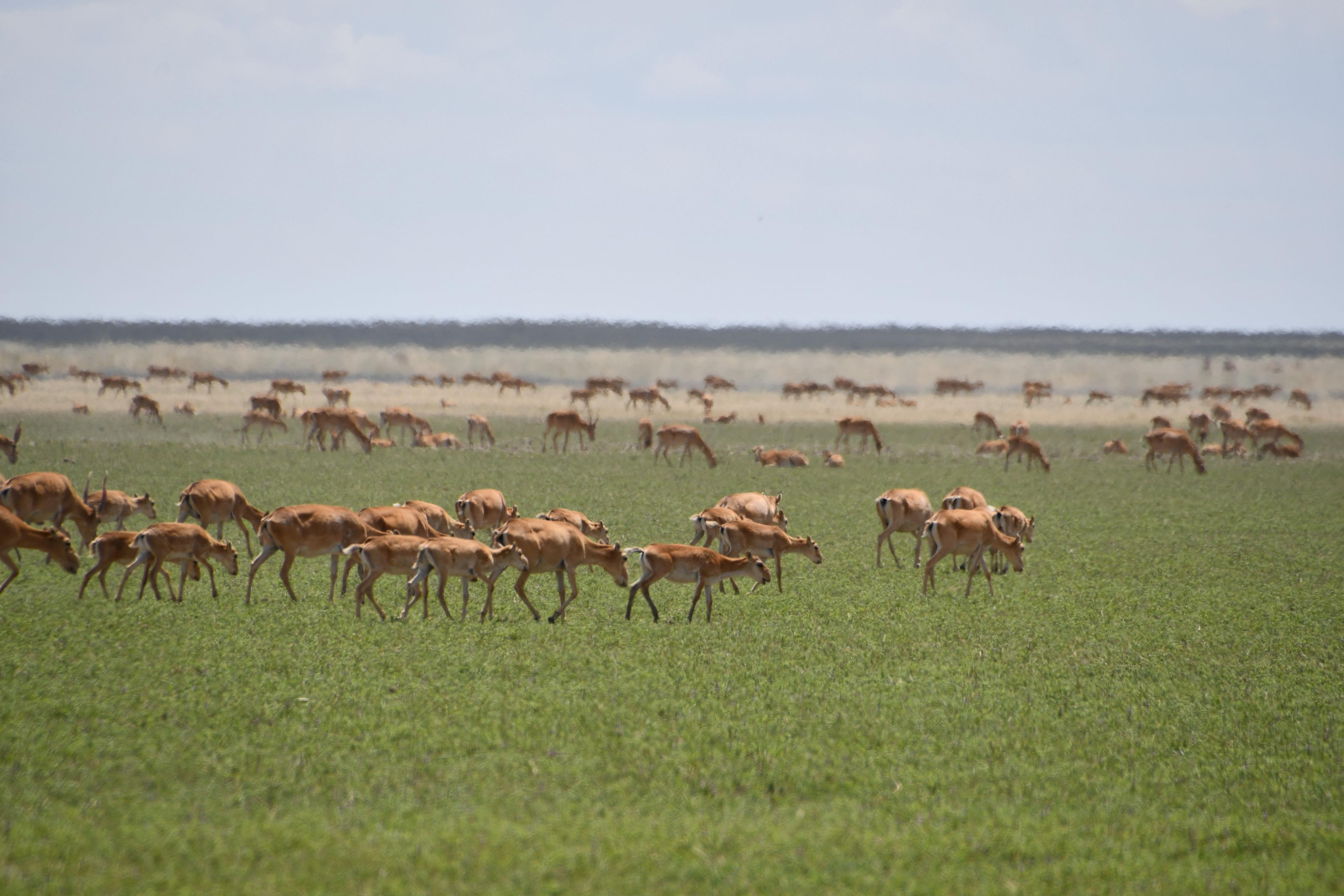
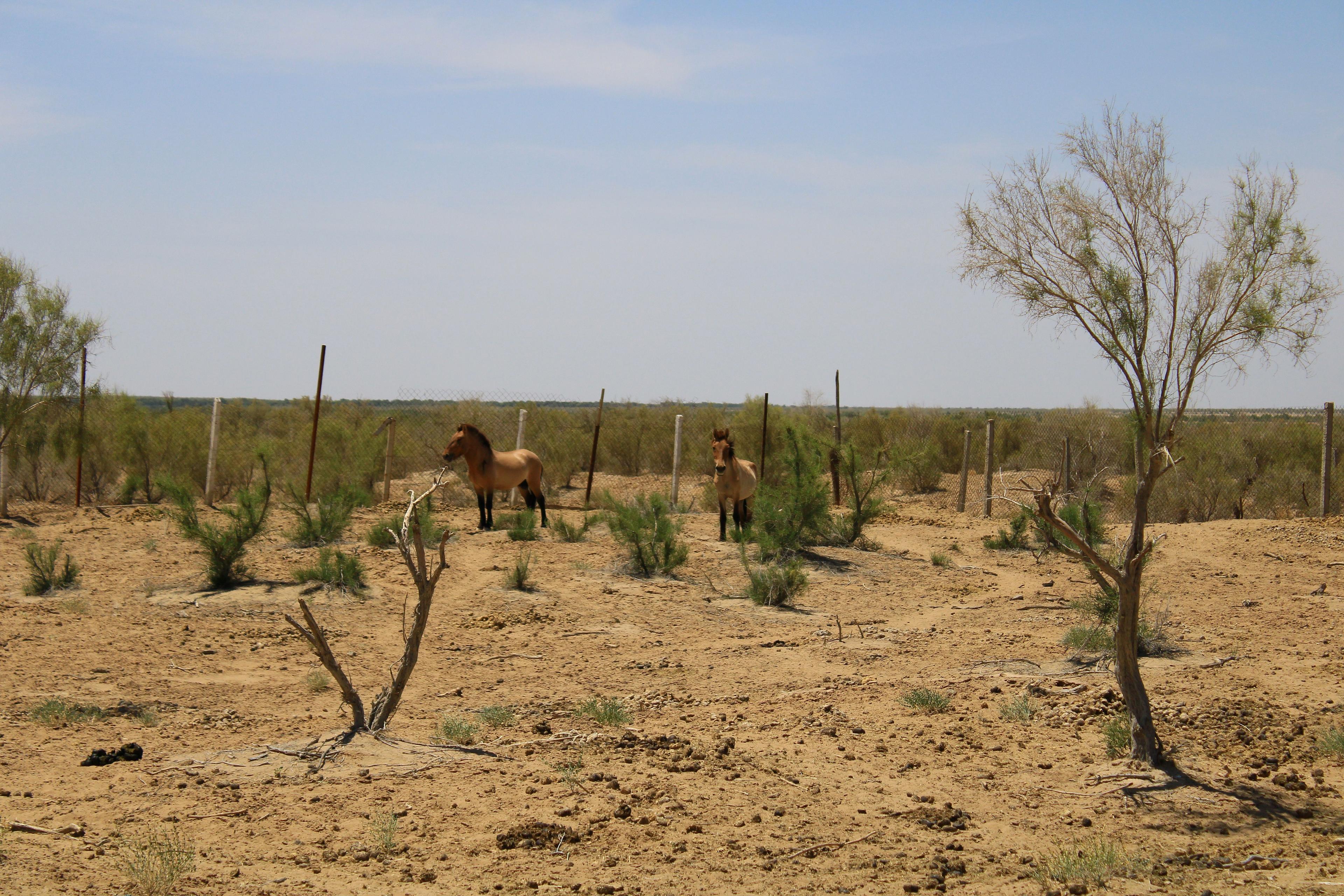
The Bukhara specialised nursery Jeyran, usually called the Jeyran Ecocentre, is the easiest wildlife visit in the country and the one we recommend to everyone with a spare half day in Bukhara. It lies between Kagan and Karaulbazar on the A-380 highway, about 40 to 42 kilometres south-east of the city, on the edge of the Kyzylkum. Founded in 1977 to save the goitered gazelle, the jeyran, it covers 16,500 hectares, of which 5,100 are enclosed by a fence and the rest is open desert.
The numbers in 2025, from the state ecology committee: 1,086 jeyran, 76 Turkmen kulan (the Asiatic wild ass), 22 Przewalski's horses and 38 Bukhara urial, the wild mountain sheep, with a single Bukhara deer in the breeding programme. Houbara bustards have been bred here in past programmes with Gulf partners. The centre is also an Important Bird Area, listed by BirdLife in 2008, with 257 bird species recorded around its artificial lake and saltmarsh: pelicans and herons in season, marsh harriers, see-see partridge on the slopes, and in winter flocks of ducks and the occasional eagle.
Visits are by guided excursion only, lasting about two hours, in the centre's own vehicle or yours with a ranger. You will see gazelles at close range from the hides, the kulan herd in the open and the horses near the water. The best hours are early morning and late afternoon, when the animals move; in summer go before 09:00. Opening hours are long but check ahead, since the office closes earlier in winter. A visit costs a modest entrance fee plus the excursion; as of 2026 budget around US$10 to 20 per person including a guide. Our Bukhara office can book it and provide the car.
Sudochye: flamingos on the edge of the Aral
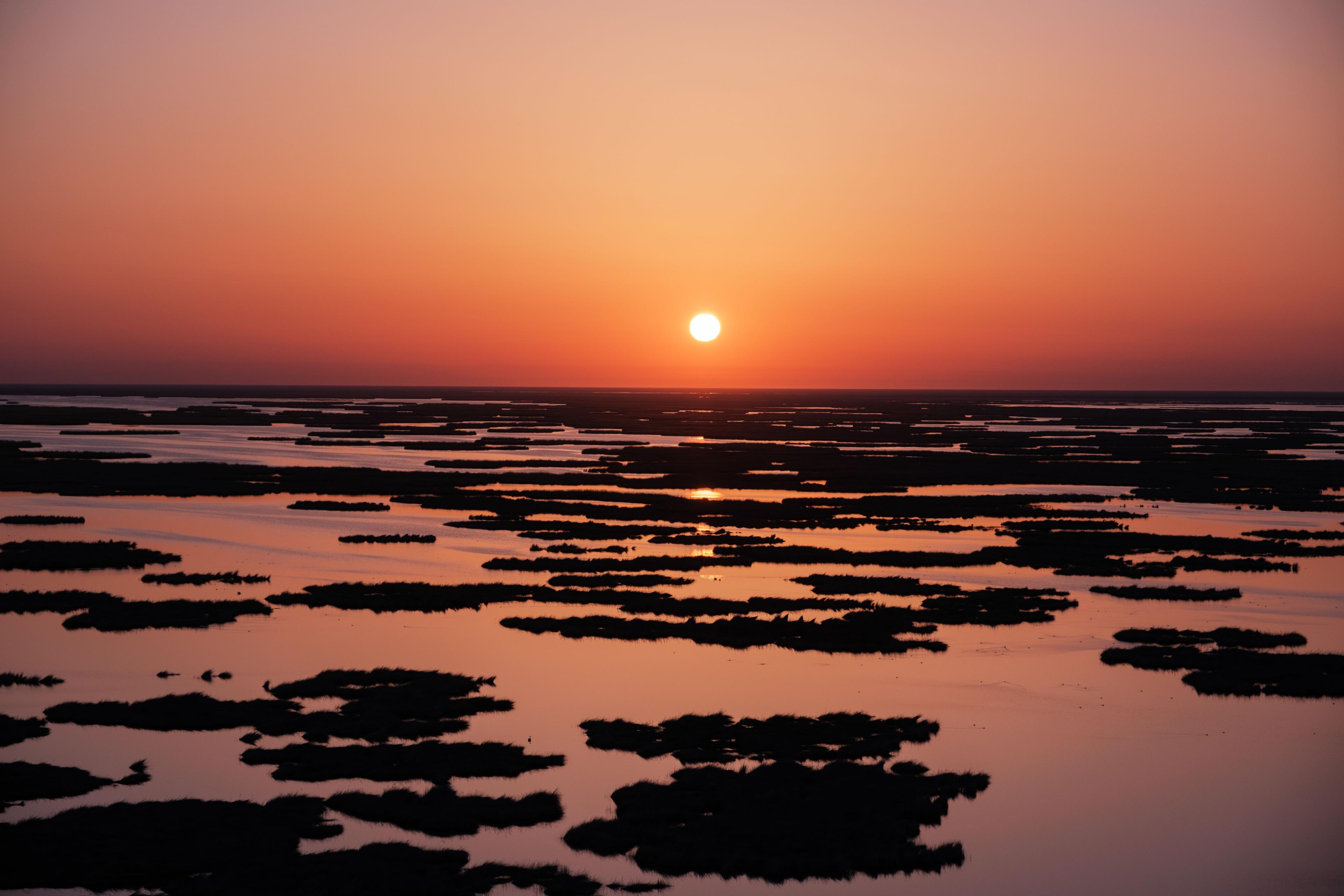
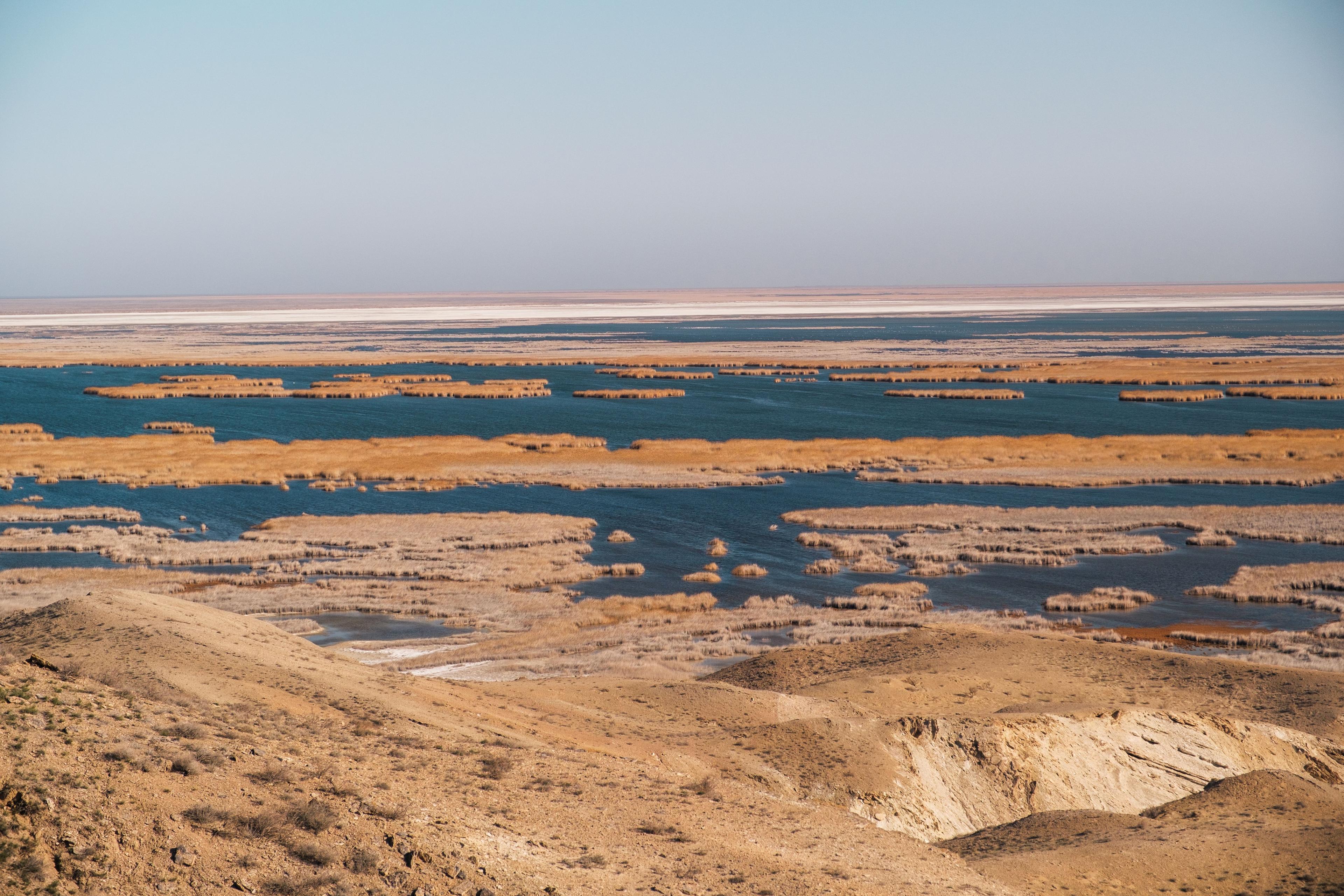
In the far north-west, where the Amu Darya once reached the Aral Sea, the Sudochye lake system is the richest wetland in Uzbekistan. It is a Ramsar site and an Important Bird Area, and since 2021 the core of the Sudochye-Akpetki state nature reserve, which protects more than 280,000 hectares of lakes, reedbeds and desert. A 2014 to 2015 survey recorded 240 bird species; 117 of them nest. The famous residents are greater flamingos, which arrive in March and stay until November, feeding on brine shrimp in the shallow saline lakes; in good water years they have nested in their thousands. Dalmatian and great white pelicans, pygmy cormorants, white-headed ducks, marbled teal and large colonies of herons and egrets share the lakes, with golden eagles and saker falcons over the cliffs.
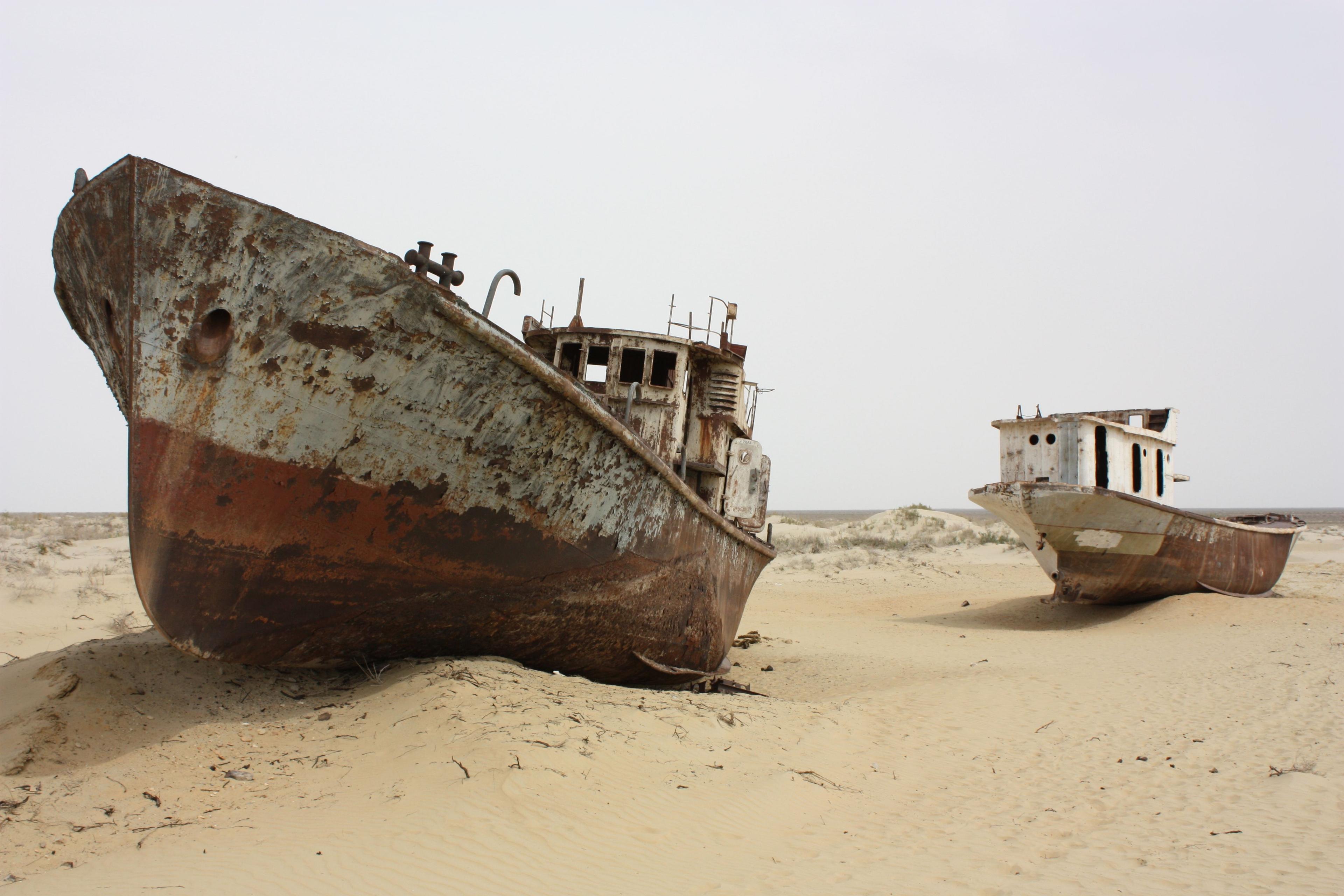
Getting there is the adventure. Sudochye lies west of Muynak on the road to the Ustyurt, two to three hours from Nukus by four-wheel drive on tracks that change with the water levels. There is no infrastructure beyond the ranger posts, so visits are day trips from Nukus or Muynak with a packed lunch, or an overnight in a yurt or tent arranged in advance. Combine it with the Muynak ship graveyard and the Savitsky Museum in Nukus. Best months are April and May for breeding plumage and September and October for passage migration; July and August are brutally hot.
Zarafshan National Park: Bukhara deer and tugai forest
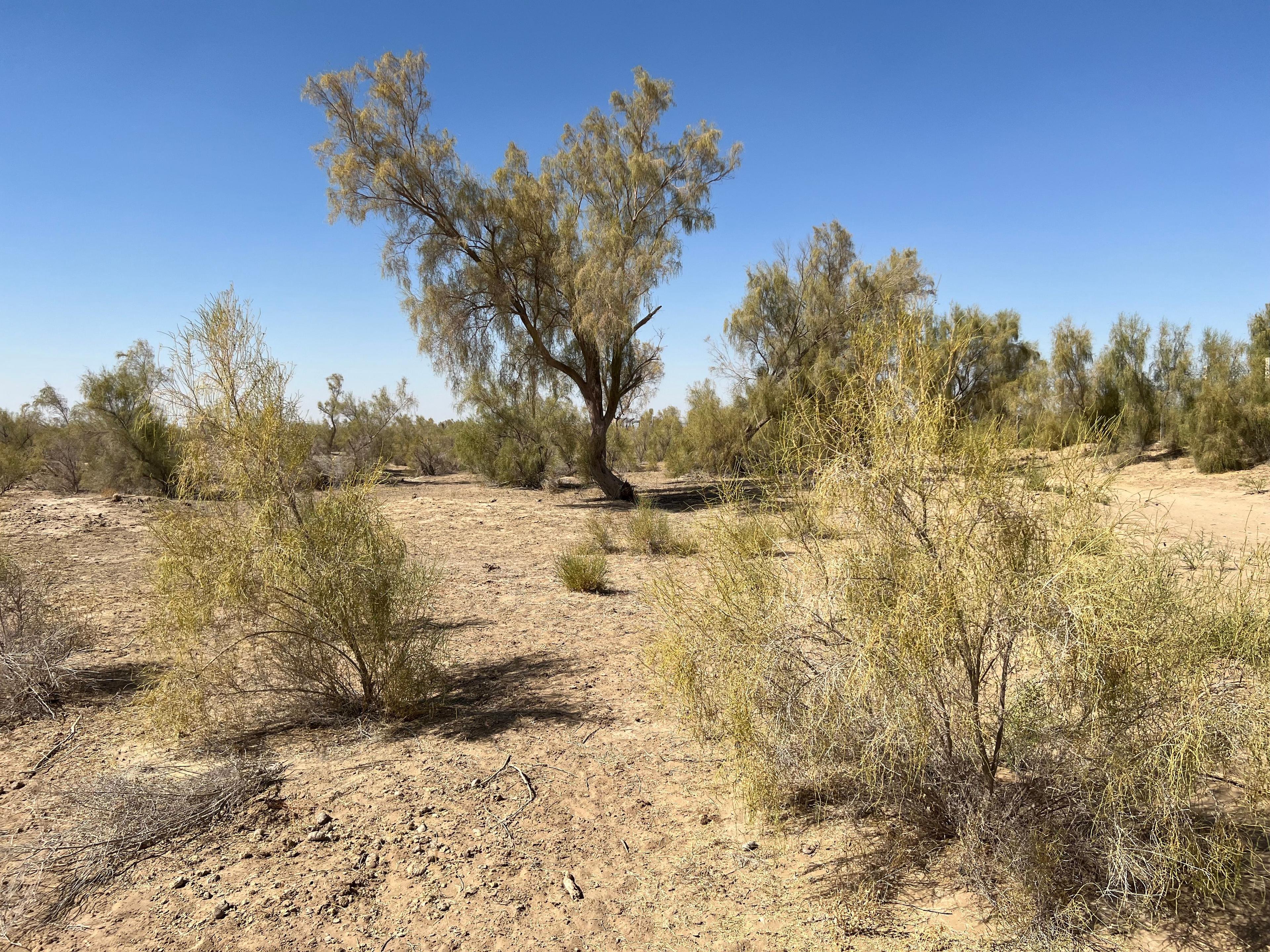
Just east of Samarkand, along the Zarafshan river, a strip of tugai, the riverside forest of poplar, willow and tamarisk that once lined every Central Asian river, has been protected since 1975 and was raised to a national park in 2018. It is the last stronghold of the Bukhara deer, the pale Central Asian subspecies of red deer that was down to a few dozen animals in the 1990s. The 2025 census counted 150 in the park, up from 105 two years earlier, and more than 700 Zarafshan pheasants, the local subspecies of the common pheasant with its distinctive white neck ring.
More than 218 bird species have been recorded here, among them white-winged woodpecker, Turkestan tit, Sykes's warbler, pied bushchat and, in winter, flocks of finches and the occasional Pallas's fish eagle on the river. The park is a short drive from Samarkand's centre, which makes it a dawn excursion before the Registan opens; access is by arrangement with the park office, and a local ranger is needed to find the deer, which keep to the thickets. Spring and autumn are best; in May the forest is loud with birdsong.
Ustyurt: saiga and the great emptiness
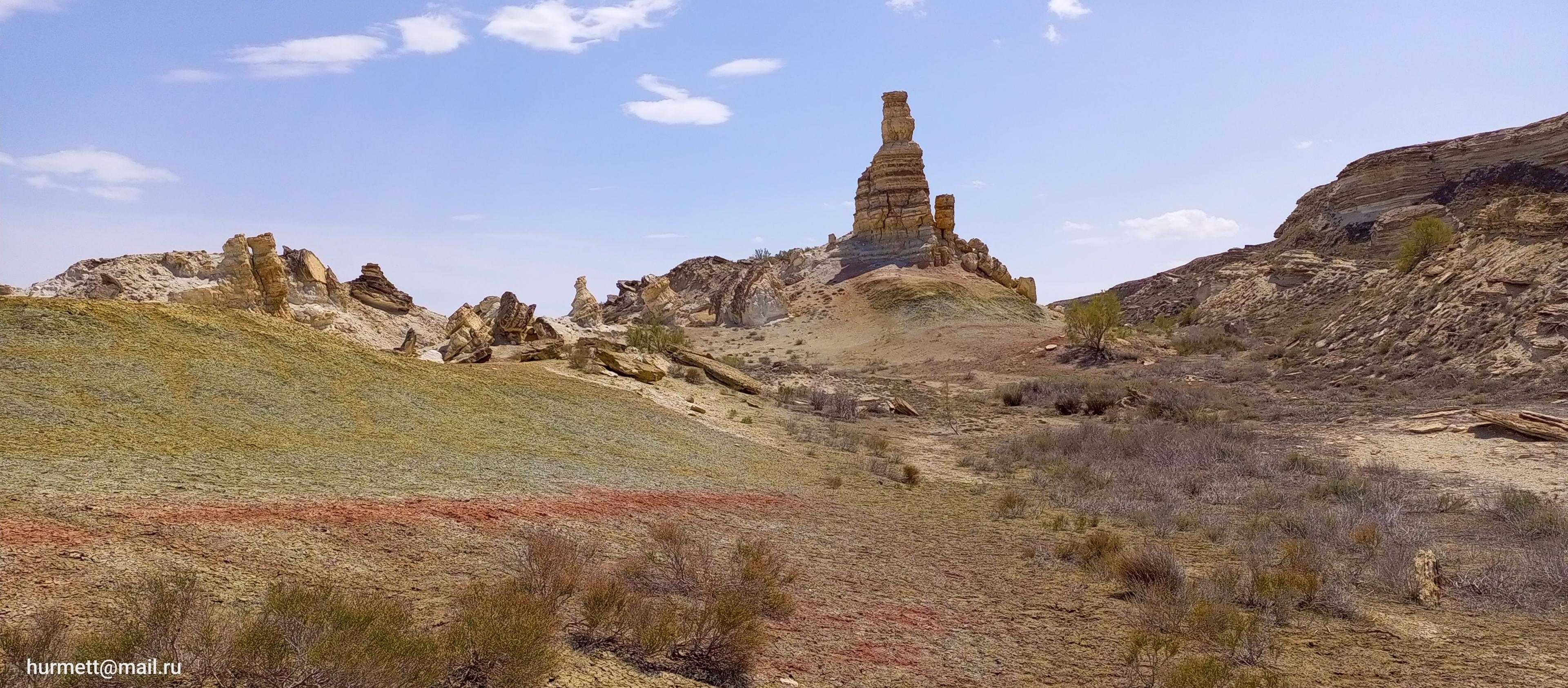
The Ustyurt plateau, a limestone tableland that drops in 150-metre cliffs to the former Aral seabed, is the hardest wildlife destination in Uzbekistan and the most rewarding for travellers who like space. It is the southern range of the Ustyurt saiga population, the antelope with the strange swollen nose. The transboundary herd was estimated at about 1,900 animals in 2016, most of them migrating from Kazakhstan in winter; a few hundred live on the Uzbek side year-round, and in 2025 camera traps recorded saiga on the dried seabed of the Aralkum. Uzbekistan and Kazakhstan signed a joint conservation agreement in 2025 and plans exist to translocate several hundred animals.
Seeing saiga is never guaranteed; the Saigachy sanctuary covers a million hectares and the animals move with the weather. What the Ustyurt offers reliably is landscape, with the cliffs above the Aral, the chinks and canyons, and desert birds: houbara bustard, cream-coloured courser, Pander's ground jay, desert wheatear and, around any water, sandgrouse at dawn. Trips run from Nukus or Muynak with experienced drivers and camping gear, three to five days, between April and early June or September and October. Our Aral Sea article covers the logistics of the Ustyurt crossing.
Mountain birds: Chatkal, Chimgan and Zaamin
Ninety minutes from Tashkent, the Chatkal range of the western Tien Shan, part of a UNESCO World Heritage site since 2016, gives a mountain birding day without an expedition. Around Chimgan and the Beldersay valley, and in the Chatkal Biosphere Reserve itself, the species that draw visiting birders are white-capped bunting, blue whistling thrush, Himalayan rubythroat, white-winged grosbeak, rufous-naped tit, wallcreeper on the gorges, and lammergeier, golden eagle and Himalayan griffon overhead. Himalayan snowcock call from the ridges at dawn. Mammals are shy, but ibex, wild boar and marmots are seen, and the reserve holds snow leopard and brown bear.
Zaamin National Park, four hours from Tashkent in the Turkestan range, is Uzbekistan's oldest protected area, with juniper forest, Eversmann's redstart, Hume's leaf warbler and raptors; it is less visited than Chimgan and a good overnight. The best months in the mountains are late April to June, when migrants arrive and the alpine flowers are out, and September. Our hiking article and the Chimgan and Charvak day-trip article explain access.
When to go: migration months and seasons
Uzbekistan sits on the Central Asian flyway between Siberia and India, and timing is everything:
- March to May: spring migration and breeding. Flamingos return to Sudochye, waders and ducks pass through every wetland, larks sing over the Kyzylkum, and the mountains fill with warblers from late April. The best all-round period, and the busiest for the cities too.
- June to August: hot and quiet in the lowlands, though the Jeyran Ecocentre is good at dawn and the mountains are at their best above 2,000 metres.
- September to October: autumn passage, raptors moving south, flamingos still on the lakes, pleasant temperatures everywhere. Our second recommendation.
- November to February: wintering ducks, geese and eagles on the lakes and reservoirs, gazelles easy to see in the cold, snow in the mountains. Cold on the Ustyurt and in Karakalpakstan.
Bring binoculars; a telescope is useful at Sudochye and the Ecocentre lake. Field guides to the birds of Central Asia cover the region well, and bird-identification apps work offline. Uzbekistan has an active bird conservation society whose records are the best source for recent sightings.
A nine-day wildlife and Silk Road route
Wildlife and the cities fit together more easily than most people expect, because the reserves sit near Samarkand, Bukhara and Nukus:
- Day 1: Tashkent. Arrive; afternoon at the botanical garden and the Anhor canal for city birds.
- Day 2: Chimgan and the Chatkal foothills. Mountain birding day trip; return to Tashkent.
- Day 3: Train to Samarkand. Registan and Shah-i-Zinda.
- Day 4: Dawn in the Zarafshan National Park for Bukhara deer and pheasants; afternoon at Gur-e-Amir and Bibi-Khanym.
- Day 5: Train to Bukhara. Old town at sunset.
- Day 6: Jeyran Ecocentre at dawn; afternoon Ark, Samanid Mausoleum and the trading domes.
- Day 7: Drive across the Kyzylkum towards Khiva with a night at a desert yurt camp near the Khorezm fortresses, scanning for desert birds and gazelle.
- Day 8: Khiva, then drive to Nukus via the Savitsky Museum.
- Day 9: Four-wheel-drive day to Sudochye and Muynak for flamingos and pelicans; fly Nukus to Tashkent.
Add three days for an Ustyurt saiga expedition, or two for Zaamin. Dedicated birders can drop a city or two; most travellers find the mix is the point.
Wildlife travel with TourEast
We arrange the Jeyran Ecocentre and Zarafshan visits from Bukhara and Samarkand with cars, rangers and early starts, and build Sudochye, the Ustyurt and the mountains into private itineraries with drivers who know the tracks. Our Desert Fortresses and Aral tour already covers the Karakalpakstan leg, and a custom wildlife route can be shaped around the months and species you care about.
Frequently asked questions
Watch
Photo gallery