
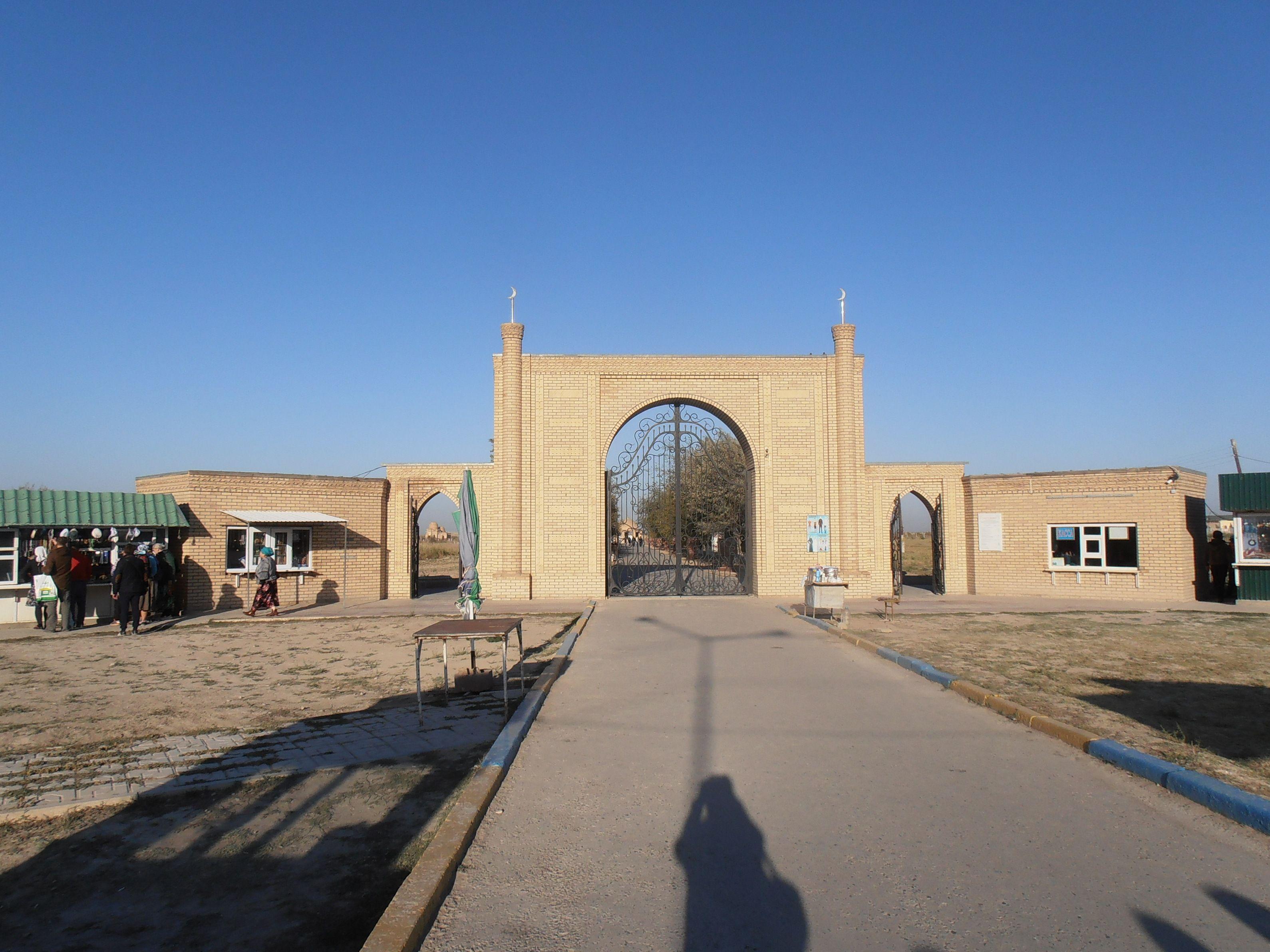
Architectural ensemble · Otrar: c. 1st–18th centuries; Arystan Bab mausoleum: rebuilt 1909
Otrar and Arystan Bab
The mound of Otrar, the Silk Road city whose massacre of a Mongol caravan brought Genghis Khan west and where Timur died, beside the shrine of Arystan Bab, teacher of Khoja Ahmed Yasawi and the first stop of every Turkestan pilgrimage.
About
South of Turkestan, where the Arys river meets the Syr Darya, two places a few kilometres apart tell two sides of the region's history. The earthen mound of Otrar is what remains of one of the great trading cities of medieval Central Asia. Beside it, the green-domed mausoleum of Arystan Bab draws pilgrims every day of the year.
Otrar
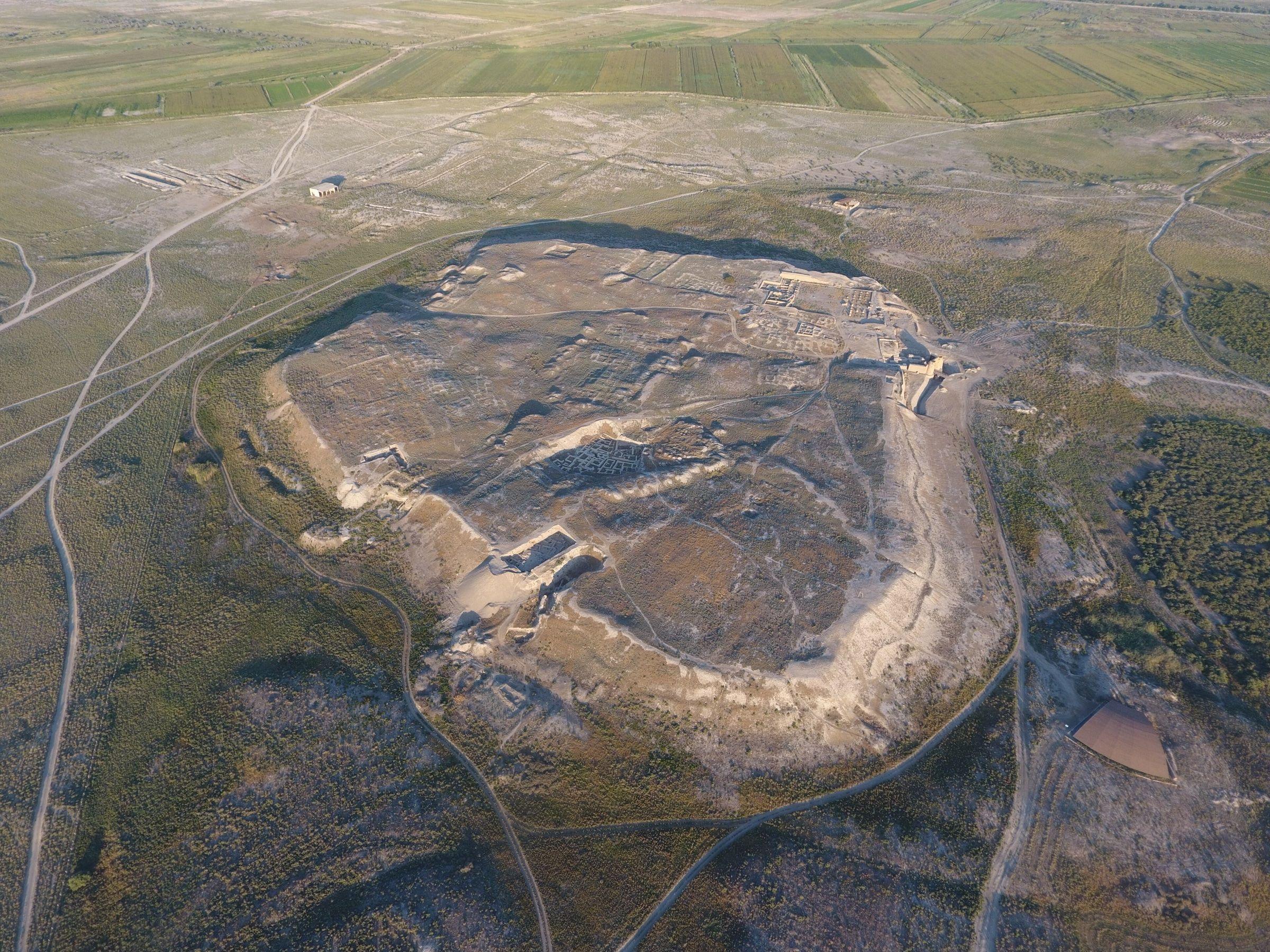
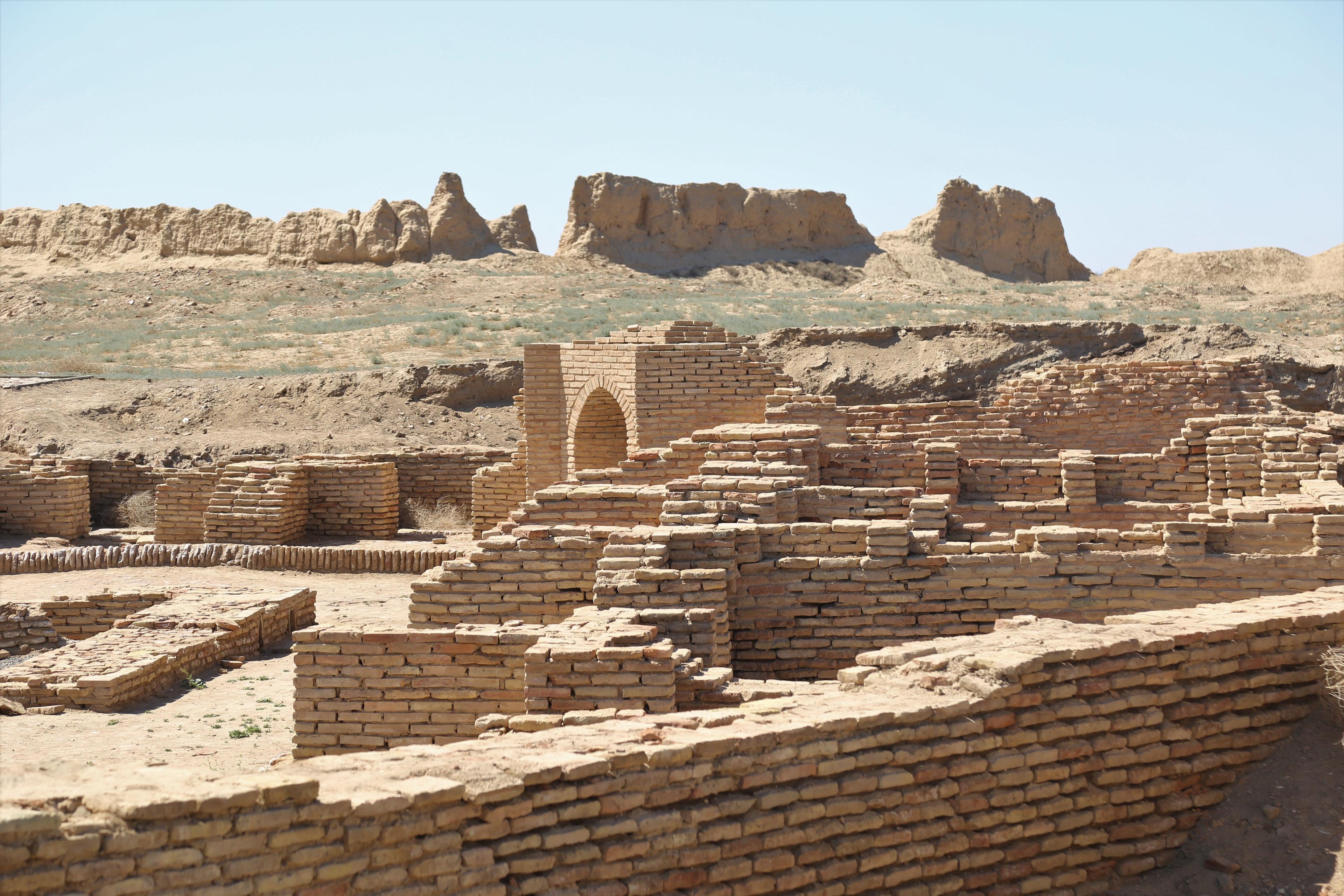
Otrar, also called Farab or Otyrar, controlled the crossing of the Syr Darya and flourished from around the 9th to the 12th century. Tradition makes it the birthplace of the philosopher al-Farabi, known in the Islamic world as 'the Second Teacher' after Aristotle. In 1218 its governor, Inalchuq, a kinsman of the Khorezmshah, seized a caravan sent by Genghis Khan and had its merchants killed. The Mongol response was the invasion of 1219: Otrar fell after a siege of several months and the conquest of Central Asia followed. The city recovered, and in February 1405 Amir Timur died here in winter quarters while leading his army towards China. It declined in the 17th and 18th centuries as the river channels moved and trade routes changed.
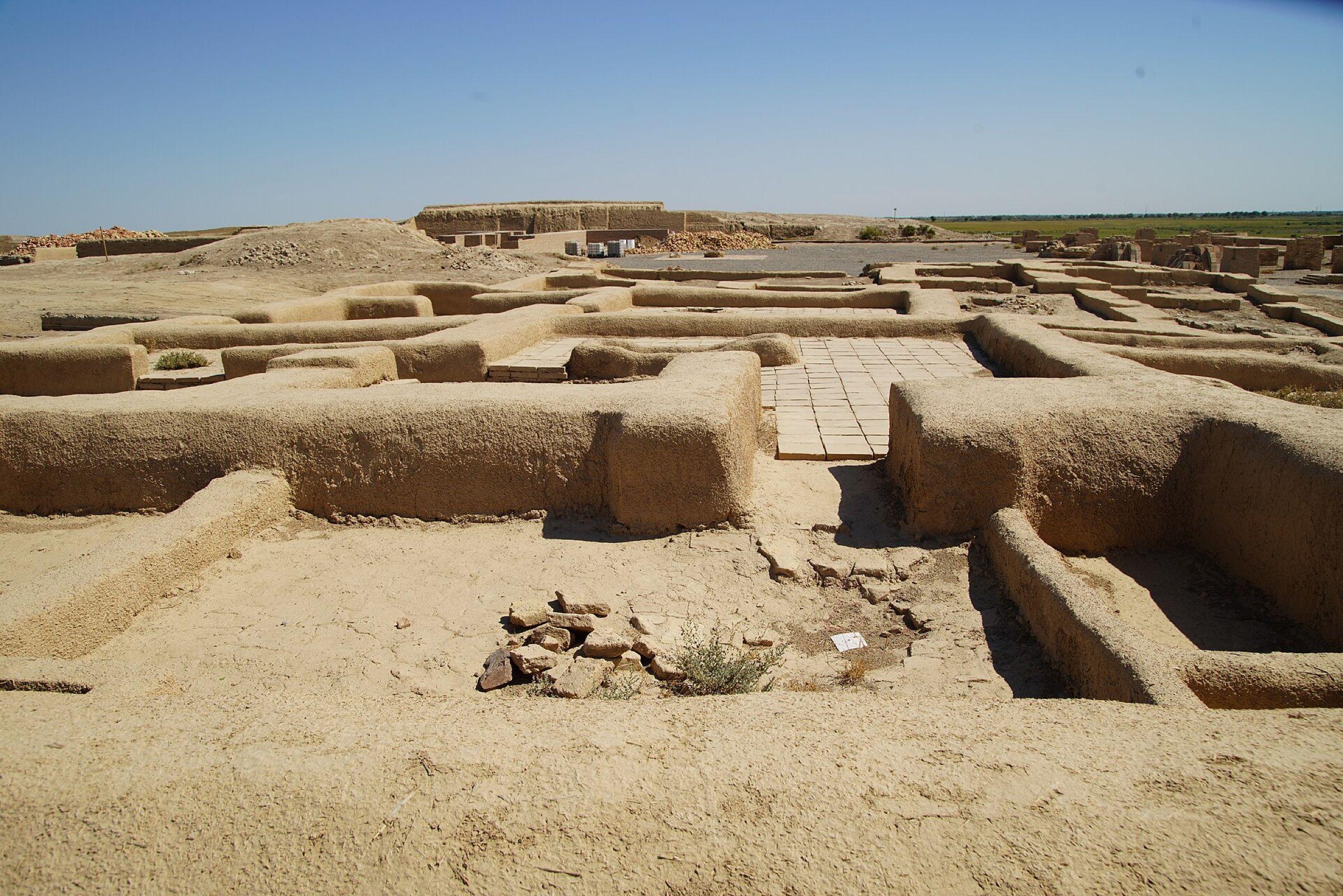
Today the main mound, Otyrar-tobe, rises some 18 metres above the plain, its slopes eroded into gullies. Excavations have opened parts of the citadel, streets, a bathhouse, workshops and the foundations of a mosque, and from the top the view takes in the green line of the Syr Darya and the empty steppe. A small museum in the nearby village of Shauildir displays finds.
Arystan Bab
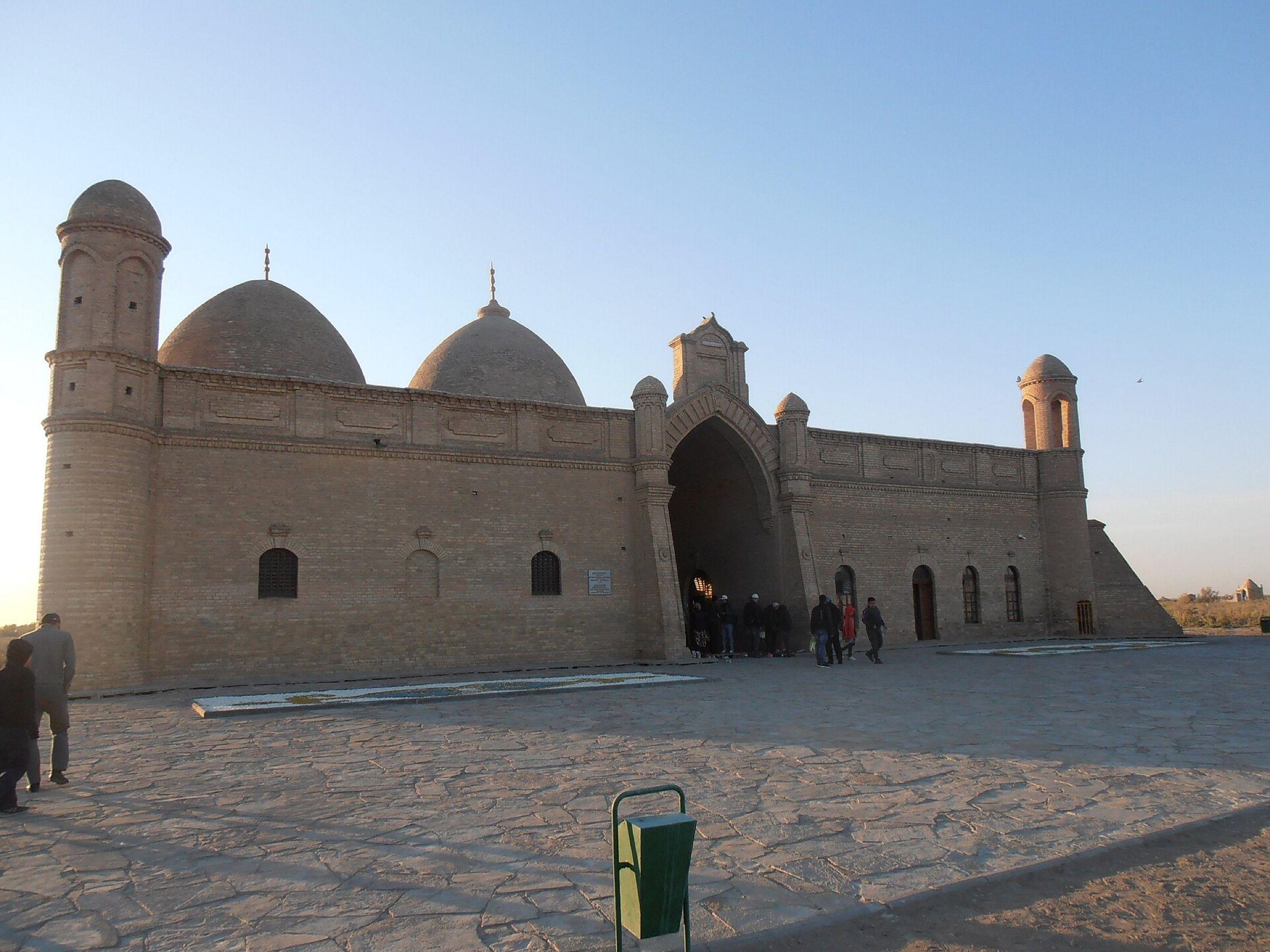
Arystan Bab is honoured as the spiritual teacher of Khoja Ahmed Yasawi. A legend tells that the Prophet Muhammad entrusted a date stone, or in other versions a persimmon seed, to his companion Arystan Bab to hand on to a worthy successor, and that he kept it for centuries until he met the young Ahmed in Yasi. For this reason pilgrims traditionally come here first, before going on to Turkestan. The present mausoleum, with its twin minarets and carved wooden doors, dates from 1909 and was restored in the 1970s and later, on a site occupied by earlier shrines.
How to experience it
Visit Arystan Bab in the morning, dressed modestly, and expect to see families drinking from the well and sharing food in the courtyard. Then climb Otyrar-tobe, which has no shade, before the midday heat. Both sit comfortably on a day between Shymkent and Turkestan.
What to see
- The mausoleum of Arystan Bab and its carved doors
- Pilgrims at the well and in the courtyard
- The great mound of Otyrar-tobe and its excavated streets
- The view over the Syr Darya plain from the citadel
- Finds from Otrar in the village museum
Gallery
More sights in Kazakhstan
All of Kazakhstan

See Otrar and Arystan Bab with a local guide
We build private and small-group trips around the places you want to see — with guides who grew up here.