How to cross from Bukhara into Turkmenistan at the Alat–Farap border in 2026: the transfer to Alat, the crossing step by step, visa and letter of invitation, fees in dollars, onward travel to Turkmenabat, Merv, Mary and Ashgabat, and the mirror route from Iran.
Facts, prices and schedules checked on November 4, 2026
Bukhara sits closer to Turkmenistan than most visitors realise. The Alat border post, on the Uzbek side, is about 100 km south-west of the old town, and beyond it lies Farap, the Amu Darya, the city of Turkmenabat and the long desert road to Merv, Mary and Ashgabat.
This is the southern of the two crossings between Uzbekistan and Turkmenistan. The northern one, from Khiva via Shavat and Dashoguz, is covered in a separate guide. The Farap route is the one to use if you want to end a Turkmen trip in Bukhara, or to leave Uzbekistan heading for Ashgabat and Iran.
This guide explains the Bukhara to Turkmenistan crossing at Alat and Farap as it works in November 2026: the transfer, the procedure on both sides, the visa and letter of invitation you need before you arrive, the fees paid in dollars at the border, and how many days to allow for the Turkmen leg. Rules at this border change without much notice, so check the current position with your Turkmen agency before you travel.
Where is the Farap border and who uses it?
The crossing has two names, one for each side:
- Alat (Olot in Uzbek) is the Uzbek town and border post, in the Bukhara region, about 100 km from Bukhara on the main road towards the Amu Darya.
- Farap (Farab in older spellings) is the Turkmen post, about 45 km from Turkmenabat, the first large city across the river.
Agencies and travellers call it Alat–Farap, Farap–Alat or simply the Farap crossing. It is the busiest of the Uzbek–Turkmen land borders, used by Turkmen residents shopping in Uzbekistan, by freight, and by the steady trickle of foreign travellers combining the two countries.
Who uses it:
- Travellers on a Turkmen tourist visa whose itinerary ends or begins in Bukhara.
- Overlanders on a transit visa between Uzbekistan and Iran, for whom this is the standard route in both directions.
- Travellers doing the classic Turkmen loop: enter at Dashoguz from Khiva, see Konye-Urgench, Darvaza and Ashgabat, then Merv, and leave at Farap towards Bukhara.
It is officially listed as open around the clock, but in practice the Turkmen side processes foreigners in daytime hours. Plan to arrive in the morning.
Turkmenistan visa from Uzbekistan: LOI, tourist visa or transit visa
This is the step that takes the longest, so start here. Turkmenistan requires almost every foreign visitor to hold a visa arranged in advance.
Tourist visa with a letter of invitation (LOI). This is the standard route:
- A licensed Turkmen travel agency applies to the State Migration Service on your behalf, using your passport scan and a day-by-day itinerary.
- Approval typically takes two to four weeks; allow six to eight weeks before travel. Refusals are not explained.
- The LOI names your entry and exit points. If you enter at Farap and leave at Dashoguz, or the reverse, both must be on the letter.
- With the LOI you collect the visa at the border on arrival and pay the fees there in US dollars.
- On a tourist visa you travel with the agency's guide or driver for the entire stay. Independent travel is not allowed.
Transit visa. For travellers crossing from Uzbekistan to Iran or back, a transit visa allows up to five days to cross the country without a guide. It is applied for at a Turkmen embassy, usually in Tashkent, with proof of the onward visa. Fees start at around US$20 and vary by nationality; processing can take up to 15 days, and refusals are common. Do not build a tight schedule around it.
E-visa. Turkmenistan announced an electronic visa in October 2026. In its first weeks it was not clear which nationalities were eligible or whether it could be used at land borders. Check the official migration service site before relying on it, and keep the LOI route as a fallback.
We do not arrange Turkmen visas or Turkmen tours. What we can do is align the Uzbekistan side of your trip with the dates on your LOI, which is more important than it sounds, because the entry date on the letter cannot be moved at the last minute.
Bukhara to Alat: the transfer
The drive from Bukhara to the Alat border post takes about an hour and a half on a good road through cotton country and then scrub. There is no useful public transport timed for the border, so most travellers take a car.
- Private transfer: typical 2026 prices are US$25 to 40 for the car, more for a minivan. Your driver waits for nothing at the border, so there is no need to pay for a return.
- Shared taxi: cars to Alat leave from the outskirts of Bukhara when full, with a short local hop to the border gate at the other end. Cheaper, slower and only worth it for budget travellers with time.
- Agency transfer: if a Turkmen agency is meeting you at Farap, they will tell you the time to be at the Uzbek gate. Build in a margin of an hour.
Leave Bukhara by 07:30 or 08:00. That puts you at Alat before the morning queue of local traders and gives the Turkmen side a full working day to process you. Carry your passport, the printed LOI, enough US dollars in small, clean notes for the border fees, and some som for the shuttle and snacks.
The Alat–Farap crossing step by step
The crossing is in three parts: the Uzbek exit, the no-man's-land between the posts, and the Turkmen entry. Allow two to four hours in total, longer if a bus of traders arrives at the same time.
Uzbek side (Alat):
- Passport control stamps you out. If you stayed in licensed hotels, your registration slips are in the system; keep the paper copies anyway.
- Customs is usually brief for foreigners leaving. Declare cash above the threshold if you are carrying it; see our Uzbekistan customs guide for the current figures.
No-man's-land:
- The two posts are about 2 km apart. A marshrutka or minibus runs between them for a small fee, around US$1 or less, paid in som or dollars. You can also walk, but in summer heat with luggage it is not pleasant.
Turkmen side (Farap):
- Medical check. A sanitary or medical control point looks at your passport and may take your temperature. In 2025 travellers still reported a paid test at some Turkmen borders, around US$35; by late 2026 reports are mixed, so ask your agency what to expect.
- Bank window. You pay the visa fee if you are collecting a visa on the LOI, plus a migration or registration fee and a small bank charge. Reported 2025 figures were around US$85 for a standard tourist visa, US$14 for the migration fee and US$2 for the bank. Only US dollars are accepted, and notes must be undamaged.
- Passport control and customs. Your visa is issued, your passport stamped, and your bags are x-rayed or opened. Officers may ask to see photos on your phone and check for drones, medicines and alcohol above the allowance.
Your Turkmen guide or driver should be waiting on the far side of the Farap post. On a transit visa you walk out to the taxi rank.
Farap to Turkmenabat and the road to Mary and Merv
From Farap it is about 45 km to Turkmenabat, across the modern bridge over the Amu Darya. Shared taxis and minibuses make the run in under an hour; agree the fare before you get in, and expect to wait for the car to fill.
Turkmenabat is Turkmenistan's second city, a Soviet-planned town on the river with a railway station and an airport. Few travellers stay. The main reasons to pause are lunch and the bazaar.
From Turkmenabat to Mary:
- By road: about 250 km across the Karakum, three and a half to four hours. On a tourist visa this is your agency's car.
- By train: Turkmen railways run a few services a day on the Turkmenabat–Mary–Ashgabat line, about four to five hours to Mary. Tickets are cheap but go on sale locally, and foreigners on tourist visas need their guide to arrange them.
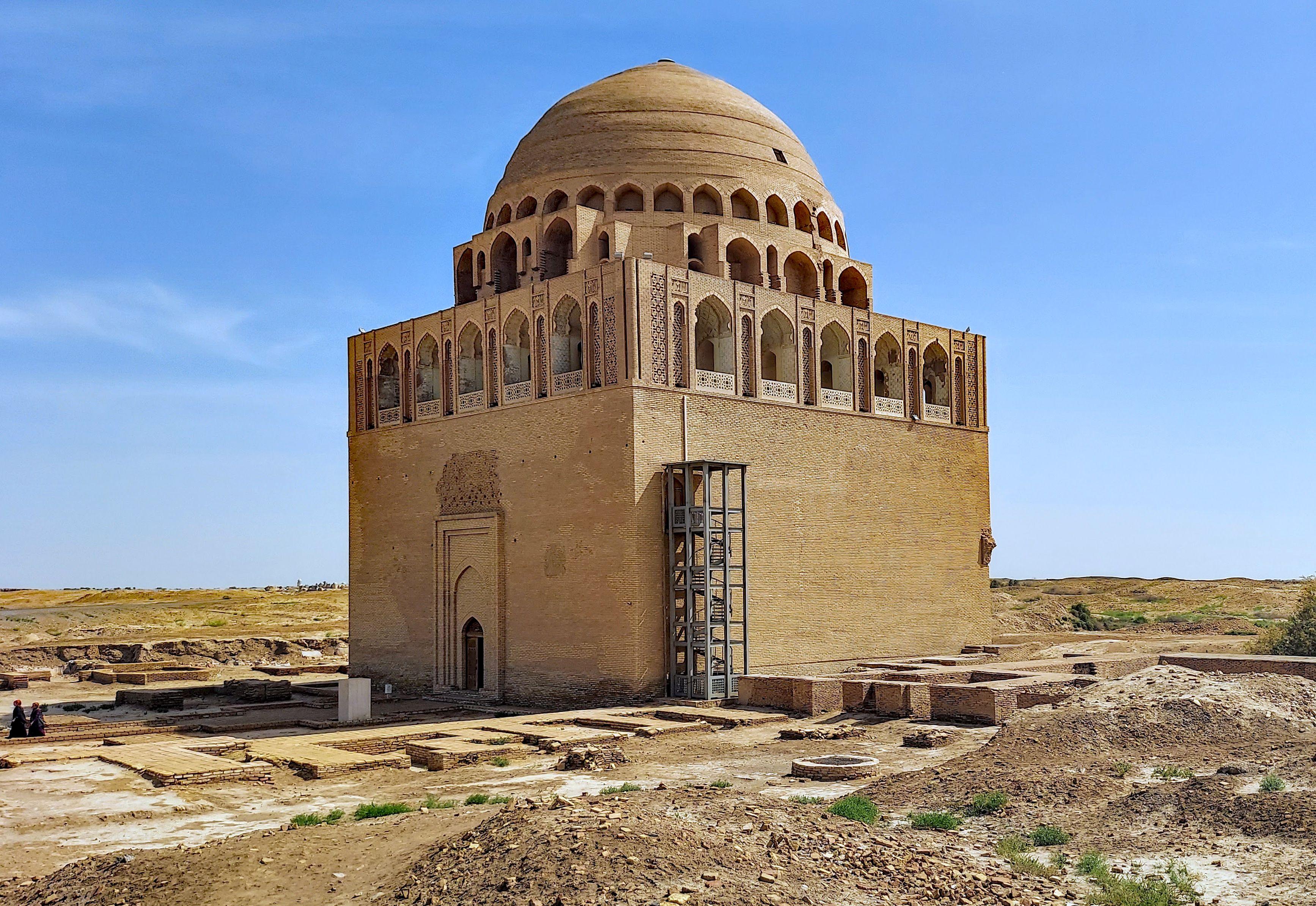
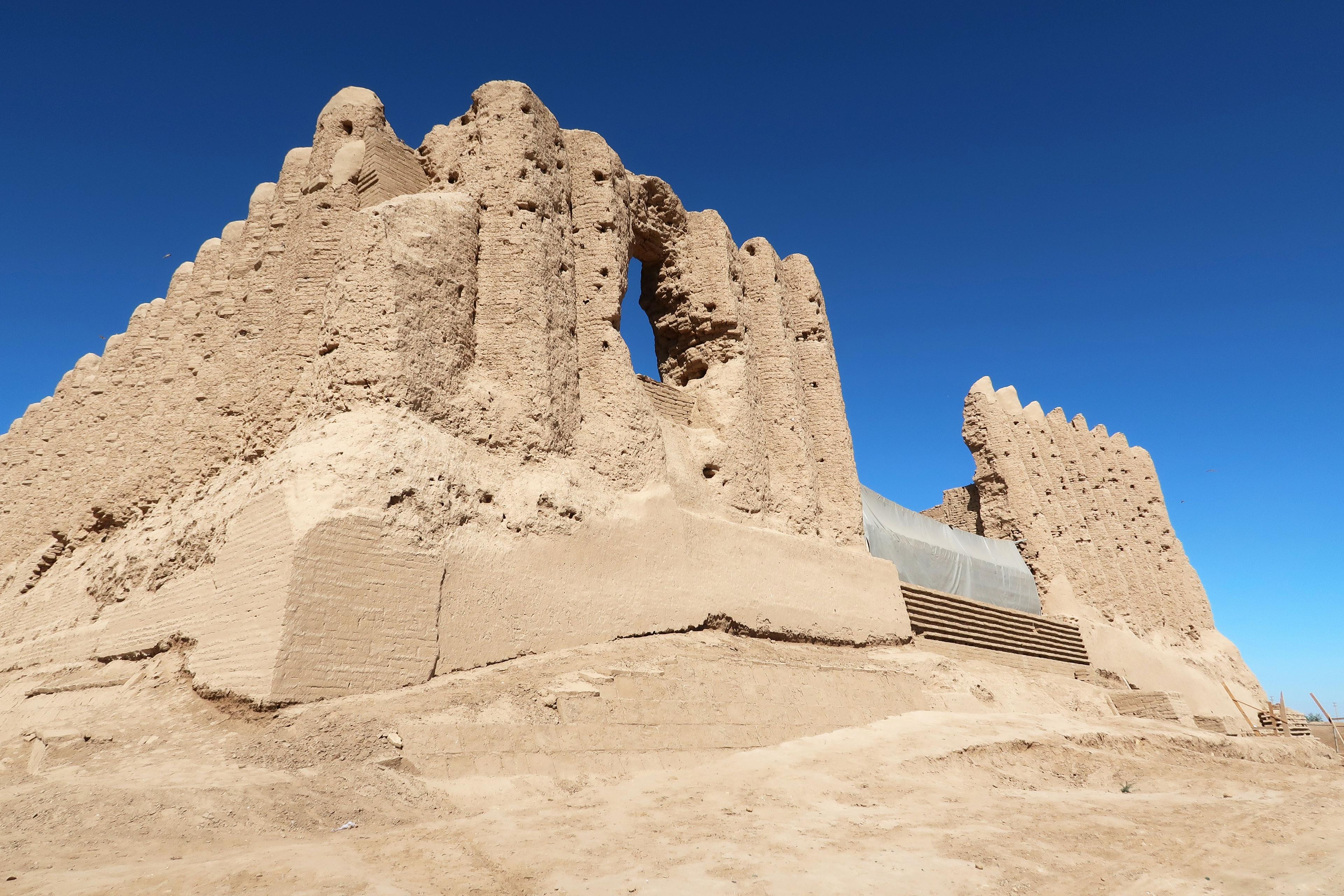
Mary is the base for ancient Merv, about 30 km east. Merv was one of the great cities of the Islamic world until the Mongols destroyed it in 1221, and its sprawling site has been on the UNESCO World Heritage List since 1999. Plan at least half a day for the Sultan Sanjar Mausoleum, the Great and Little Kyz Kala with their corrugated mud walls, the walls of Gyaur Kala and the Mohammed ibn Zeid shrine. The Bronze Age site of Gonur Depe, north of Mary, is a separate, long day on desert tracks and worth it if archaeology is your reason for coming.
From Mary to Ashgabat is roughly 350 km, four to five hours by road, or about seven hours by train. Most itineraries sleep in Mary and drive on the next morning.

Bukhara to Ashgabat: how many days do you need?
The minimum is three days from Bukhara to Ashgabat, and four or five is more comfortable:
- Day 1: Bukhara to Alat, cross at Farap, drive to Mary. Sleep in Mary.
- Day 2: Merv in the morning, drive to Ashgabat in the afternoon. Sleep in Ashgabat.
- Day 3: Ashgabat, with the Parthian ruins of Nisa and the marble city itself.
- Day 4 (optional): Darvaza gas crater, now much reduced, or the Kow Ata underground lake.
- Day 5 (optional): return to Uzbekistan via Dashoguz and Khiva, which turns the trip into a loop.
If you only want Merv, a two-night excursion from Bukhara is possible: cross in the morning, Merv the next day, return to the border on the third. The visa paperwork is the same as for a longer trip, so most people make it worth the effort.
Turkmen hotels charge a tourist tax of around US$2 per person per night, paid in cash, and your agency will build its own daily rate around the guide, car and permits. Typical 2026 packages run from US$150 to 250 per person per day for a private tour, less in a group. These are third-party prices and change often.
Arriving from Iran or Ashgabat into Bukhara: the mirror route
The crossing works the same way in reverse, and for overlanders coming from Iran it is the natural way into Uzbekistan.
- From Iran, you enter Turkmenistan at Bajgiran, near Ashgabat, or at Sarakhs, further east. Both lead to Ashgabat or directly towards Mary.
- Travel Ashgabat to Mary to Turkmenabat, by road or rail, then take a taxi to the Farap post.
- Turkmen exit control is usually quicker than entry, but allow two hours. Your agency guide leaves you at the gate.
- Shuttle across no-man's-land, then Uzbek entry at Alat. Most Western, East Asian and many other passports enter Uzbekistan visa-free for 30 days; others use the e-visa, which must be approved before you arrive. See our visa guide for the current list.
- From Alat to Bukhara is about an hour and a half by car.
Two things matter on the Uzbek side. First, the five-day transit visa for Turkmenistan starts on the day you enter, so a delay at Sarakhs eats into your time; leave a day spare. Second, once in Uzbekistan you must be registered at your accommodation within three days; licensed hotels do it automatically, and the registration guide explains the rules for private stays.
We can have a driver waiting at the Alat gate with your name, which removes the one uncertain moment of the day, and from there your Uzbekistan itinerary begins: Bukhara first, then Samarkand on the Afrosiyob train, or west to Khiva.
Practical details for the Farap crossing
Money:
- Bring US dollars for all Turkmen border fees. Euros are sometimes accepted, but do not count on it. Cards are useless at the border.
- Turkmen manat cannot be bought abroad. Change a small amount at the border or in Turkmenabat; your agency will advise on the rate.
- Spend or change your som before you leave Uzbekistan; it is worthless on the other side.
Timing:
- Arrive at Alat before noon and never after 16:00. Officers on the Turkmen side may stop processing foreigners in the late afternoon even if the post is nominally open.
- Avoid Turkmen public holidays, when the border can be very slow or shut to foreign traffic.
- Fridays and the days before Uzbek holidays bring more trader traffic.
What to carry:
- Passport with at least six months' validity and a blank page.
- Printed LOI, hotel confirmations and your agency's contact number.
- Medicines in original packaging with a prescription; strong painkillers and some sleeping tablets are controlled in both countries.
- No drone, and no vape or e-cigarette: vapes are banned in Uzbekistan and are confiscated on entry.
Photography: do not photograph either border post, officers or the bridge. On the Turkmen side, photographing government buildings is also restricted, and your guide will tell you where cameras are unwelcome.
Is it worth crossing at Farap, or should you fly?
There are no direct flights between Bukhara and any Turkmen city, and Tashkent to Ashgabat flights are infrequent, so for most travellers the land border is the practical way to combine the two countries. The crossing itself is not difficult; it is slow and bureaucratic, and the long drive across the Karakum is part of the experience rather than an obstacle.
Choose Farap if:
- Your main interest in Turkmenistan is Merv and Ashgabat rather than Darvaza and Konye-Urgench.
- You are continuing to Iran, or arriving from it.
- You want to finish or start the Uzbek part of your trip in Bukhara, which is a better base than Khiva for onward trains.
Choose Dashoguz if Khiva is your last Uzbek stop and Konye-Urgench is high on your list. Many travellers use both, entering at one and leaving at the other; just make sure both posts are written on the LOI.
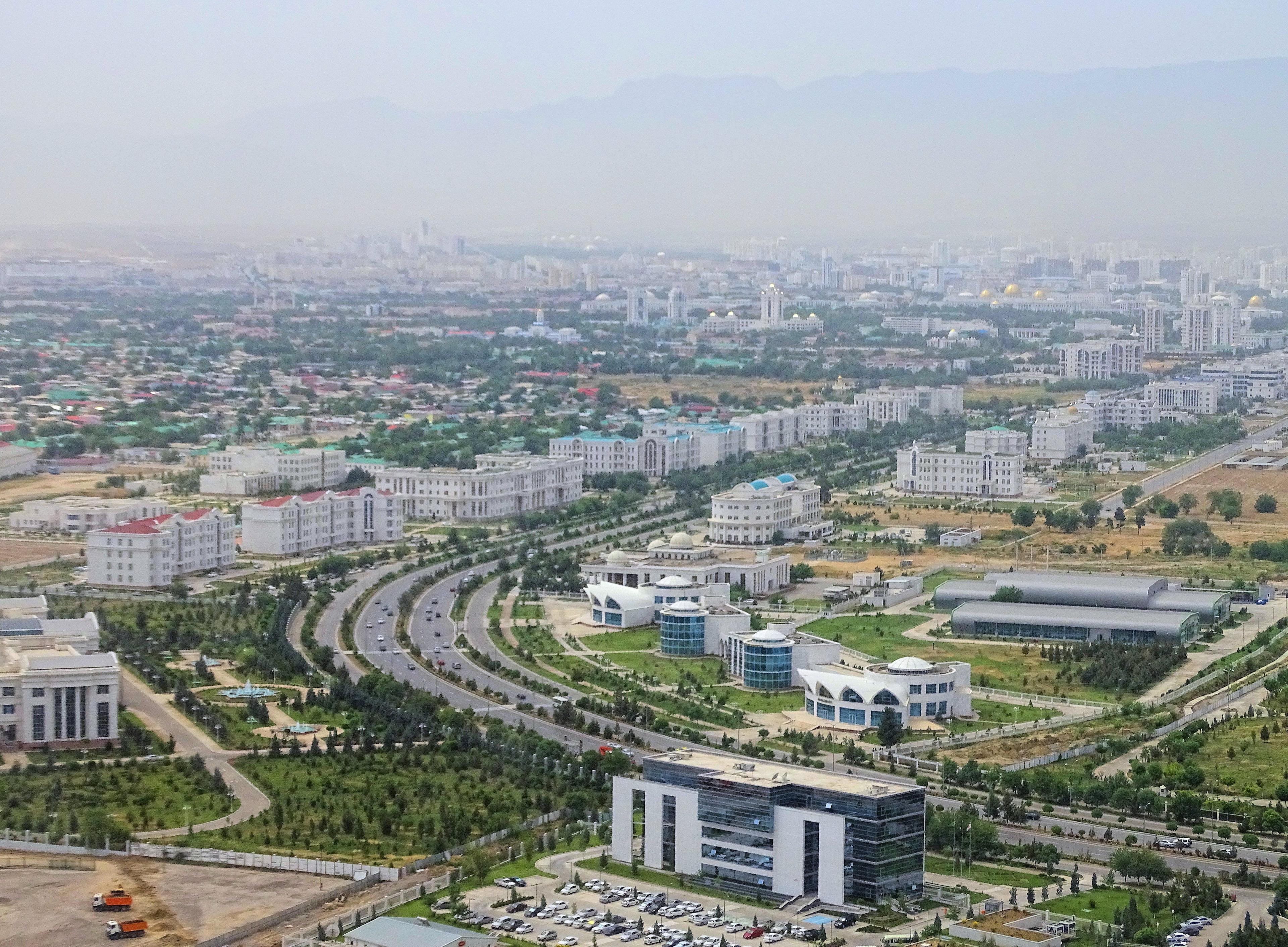
If you are deciding whether Turkmenistan is worth the paperwork at all, our Turkmenistan and Darvaza guide weighs it up. The short version: Merv alone justifies the detour for anyone interested in the Silk Road, and the contrast between Bukhara's living old town and Ashgabat's white marble is one of the stranger journeys in Central Asia.
How TourEast can help
We do not operate in Turkmenistan and do not issue Turkmen letters of invitation, but we plan the Uzbekistan side around your Turkmen dates: nights in Bukhara, a timed transfer to the Alat gate or a driver waiting there on your return, and a private or small-group itinerary through Samarkand, Tashkent, the Fergana Valley or Khiva before or after the crossing. Tell us your LOI dates and we build the rest to fit.