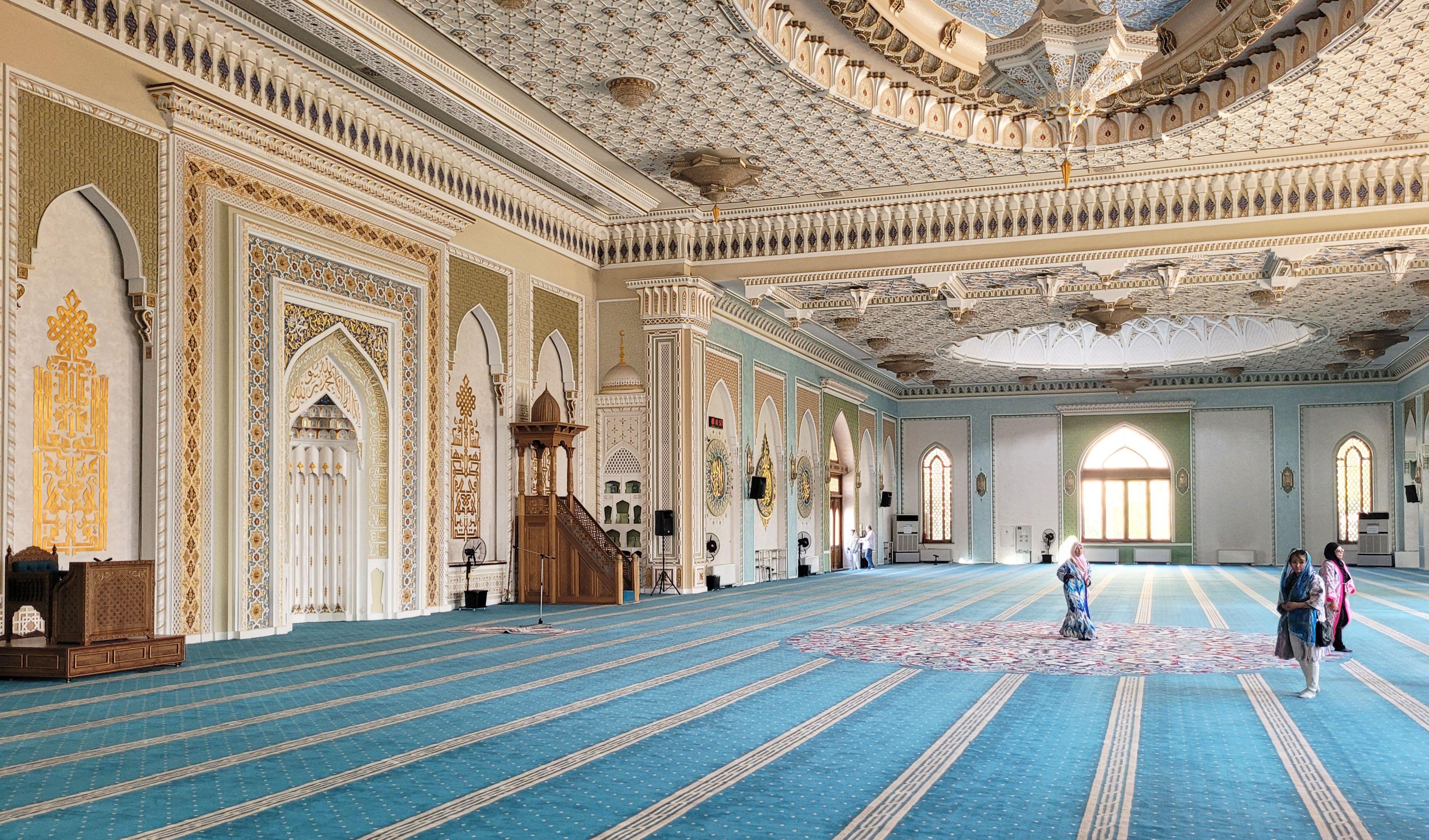
How to cross from Khiva to Turkmenistan at Shavat and Dashoguz in 2026: the Turkmen visa and LOI, border fees in dollars, the crossing step by step, Konye-Urgench, Darvaza and the best routes.
Facts, prices and schedules checked on November 4, 2026
Khiva is the natural jumping-off point for Turkmenistan. The Shavat border post, on the Uzbek side, is about an hour's drive from the walls of Ichan-Kala, and on the other side lies Dashoguz, the gateway to the ruins of Konye-Urgench and the road south through the Karakum Desert to the Darvaza gas crater and Ashgabat.
This is a practical guide to that crossing: how to get from Khiva to Turkmenistan via Shavat and Dashoguz, which visa and letter of invitation you need, what happens at the border step by step, and how to plan the days on either side. It is current as of November 2026.
First, an honest note about what we do. TourEast is an Uzbekistan operator. We arrange the Uzbek side of the journey: your time in Khiva, the transfer to Shavat at the right hour, and the pick-up when you come back. Everything inside Turkmenistan, including your visa support, guide, driver and hotels, must be organised by a travel agency licensed in Turkmenistan.
Can you travel from Khiva to Turkmenistan?
Yes. The Shavat–Dashoguz crossing is the usual land border between north-west Uzbekistan and northern Turkmenistan, and it is open to foreign tourists. But you cannot simply turn up. Turkmenistan requires almost every visitor to have a visa arranged in advance, and on a tourist visa you travel with a licensed agency for your whole stay.
The names can be confusing:
- Shavat (Shovot in Uzbek) is the Uzbek town and border post, in the Khorezm region.
- Dashoguz (Daşoguz in Turkmen, formerly Tashauz) is the Turkmen city just across the border, and many maps and agencies call the crossing "Dashoguz".
- Konye-Urgench (also Kunya-Urgench or Köneürgenç) is the UNESCO-listed ruined city about 100 km north-west of Dashoguz.
Do not confuse Shavat with the Khojeli crossing near Nukus, which leads more directly to Konye-Urgench. That crossing is quieter, but sources disagree on whether it is reliably open to foreigners in both directions, so for most travellers starting in Khiva, Shavat is the practical choice.
Turkmenistan visa in 2026: LOI, e-visa and transit visa
This is the step that takes the longest, so start here.
The letter of invitation (LOI) route is the standard way to get a tourist visa:
- A Turkmen travel agency applies to the State Migration Service on your behalf, using a passport scan and your planned itinerary.
- Approval typically takes two to four weeks. Allow six to eight weeks before travel to be safe. Refusals come without explanation.
- The LOI names your entry and exit points. If you enter at Dashoguz (Shavat) and leave at Farap (towards Bukhara), both must be listed. You cannot change crossings at the last minute.
- You collect the visa on arrival at the border by showing the approved LOI and paying the fees.
The new e-visa. On 1 October 2026 Turkmenistan launched an e-visa portal (evisa.migration.gov.tm) with a tourist category that, according to early reports, does not list a letter of invitation as a required document. In its first weeks, applicants and operators reported problems registering, and fees and eligible nationalities were not clearly published. It is also unclear whether e-visa holders can enter at land borders such as Dashoguz. Until it is proven to work for land crossings, plan on the LOI route and ask your Turkmen agency whether the e-visa is an option for your dates.
The transit visa is designed for travellers crossing from one neighbour to another, for example from Uzbekistan to Iran. It is issued by Turkmen embassies, usually for up to five days on a fixed route, and needs the onward visa already in your passport. It does not require a guide, but it is unpredictable and often refused, and it leaves little time for Konye-Urgench or Darvaza.
Our guide to Central Asia visas compares the rules for all five countries.
Turkmen border fees and what to bring
At the Turkmen post you pay the visa and entry fees at a bank window, in US dollars only. Reported figures from 2025 were around 85 USD for a standard tourist visa (more for some nationalities and longer stays), a 14 USD migration or registration fee and a 2 USD bank charge. Some travellers were also charged for a medical check. The LOI fee and your tour package are paid to your Turkmen agency, not at the border. Fees change without notice, so ask your agency for the current amounts the week before you travel.
Bring:
- Clean, recent, undamaged US dollar notes in small denominations. Old, torn or marked notes are often refused, and change can be short.
- Your passport, valid for at least six months, and a printed copy of the approved LOI.
- Prescriptions for any medicines, in English or Russian. Turkmen customs examine medicines closely, and some common drugs are restricted.
- Enough cash for your whole stay. International cards work in very few places in Turkmenistan.
- Offline maps and downloaded documents. The internet in Turkmenistan is slow and heavily filtered, and many apps and VPNs do not work.
Before you leave Khiva: the Uzbek side
A few things to check on the Uzbek side make the morning of the crossing much easier.
- Registration. Foreigners in Uzbekistan must be registered at their accommodation. Hotels and guesthouses do this electronically, but keep any registration slips or confirmations in case an officer asks at exit.
- Coming back. If you plan to re-enter Uzbekistan later, check your status. Visa-free visitors normally receive a new period of stay on each entry, but a single-entry e-visa ends when you leave, so you will need a new one. Our Uzbekistan visa guide explains the rules.
- Cash. Large amounts of foreign currency must be declared to Uzbek customs on exit; check the current limit before you go. Change any spare Uzbek som in Khiva, as it is hard to exchange in Turkmenistan.
- SIM cards. Your Uzbek SIM will not work across the border, and Turkmen SIM cards are hard for tourists to obtain. Tell family you may be offline for a few days.
- Timing. Leave Khiva early, ideally by 8:00, so you reach the border soon after it opens.
- Insurance. Check that your travel insurance covers Turkmenistan as well as Uzbekistan; some policies list it separately. Our guide to health and travel insurance in Uzbekistan has more on what to look for.
- Luggage. Pack light for the crossing. You may carry your bags across the gap between the posts, and every bag can be opened at Turkmen customs.
Khiva to the Shavat border: the transfer
The drive from Khiva to the Shavat border post is about 60 km and takes roughly one hour on a flat road through cotton fields and villages of the Khorezm oasis. From Urgench the distance is similar.
The crossing operates in daytime only, roughly 9:00 to 18:00, and some reports mention a lunch break around 13:00 to 14:00. Turkmen agencies usually ask you to be at the border by mid-morning so their guide can meet you and still reach Konye-Urgench or Darvaza in daylight.
Public transport to the border is limited, and a shared taxi to Shavat town still leaves you short of the post. A private transfer is the simplest option, and it is what we arrange: your driver collects you at your hotel in Khiva, waits while you clear Uzbek exit formalities if needed, and on your return meets you at the Uzbek side at the agreed time.
Crossing the Shavat–Dashoguz border step by step
Here is what to expect on the day. Allow one to three hours for the whole crossing, sometimes more.
- Uzbek exit. Your driver drops you at the Uzbek post. You go through passport control, show your passport and possibly your registration, and pass through customs, where bags are usually X-rayed.
- No man's land. Between the two posts there is a stretch of about 1.5 km. Depending on the day, you walk it with your luggage or a shuttle runs between the gates. Bring luggage you can carry or wheel.
- Turkmen health and document check. On arrival you may be asked about your health and, in some cases, charged for a medical test.
- Visa and fees. Show your LOI, pay the visa, migration and bank fees in dollars at the bank window, and receive your visa sticker.
- Immigration and customs. Expect a thorough check: bags opened, medicines looked at, sometimes questions about phones, laptops, books or drones. Answer calmly and keep your documents together.
- Meet your guide. Your Turkmen agency's guide or driver waits on the Turkmen side and takes you on to Dashoguz.
Do not photograph border buildings or officers on either side, and do not bring drones. Uzbekistan has its own strict rules on drones, and in Turkmenistan they are effectively off-limits for tourists.
Dashoguz, Konye-Urgench and Darvaza: what lies beyond
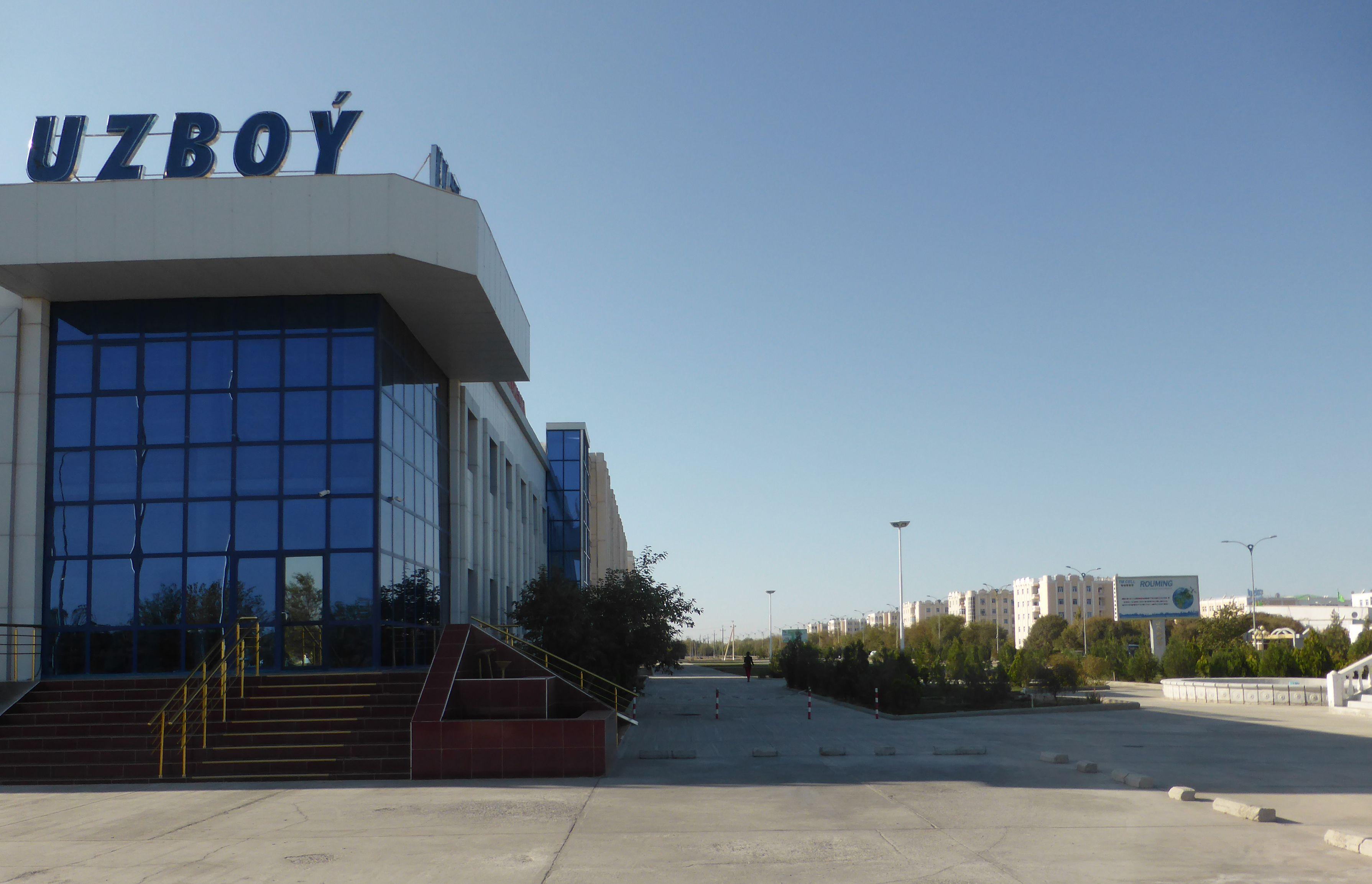
Dashoguz is a modern provincial city with wide streets, a bazaar and a few hotels. Most travellers pass straight through, but it is a useful base, and there are domestic flights from Dashoguz to Ashgabat if your agency prefers to fly part of the route.
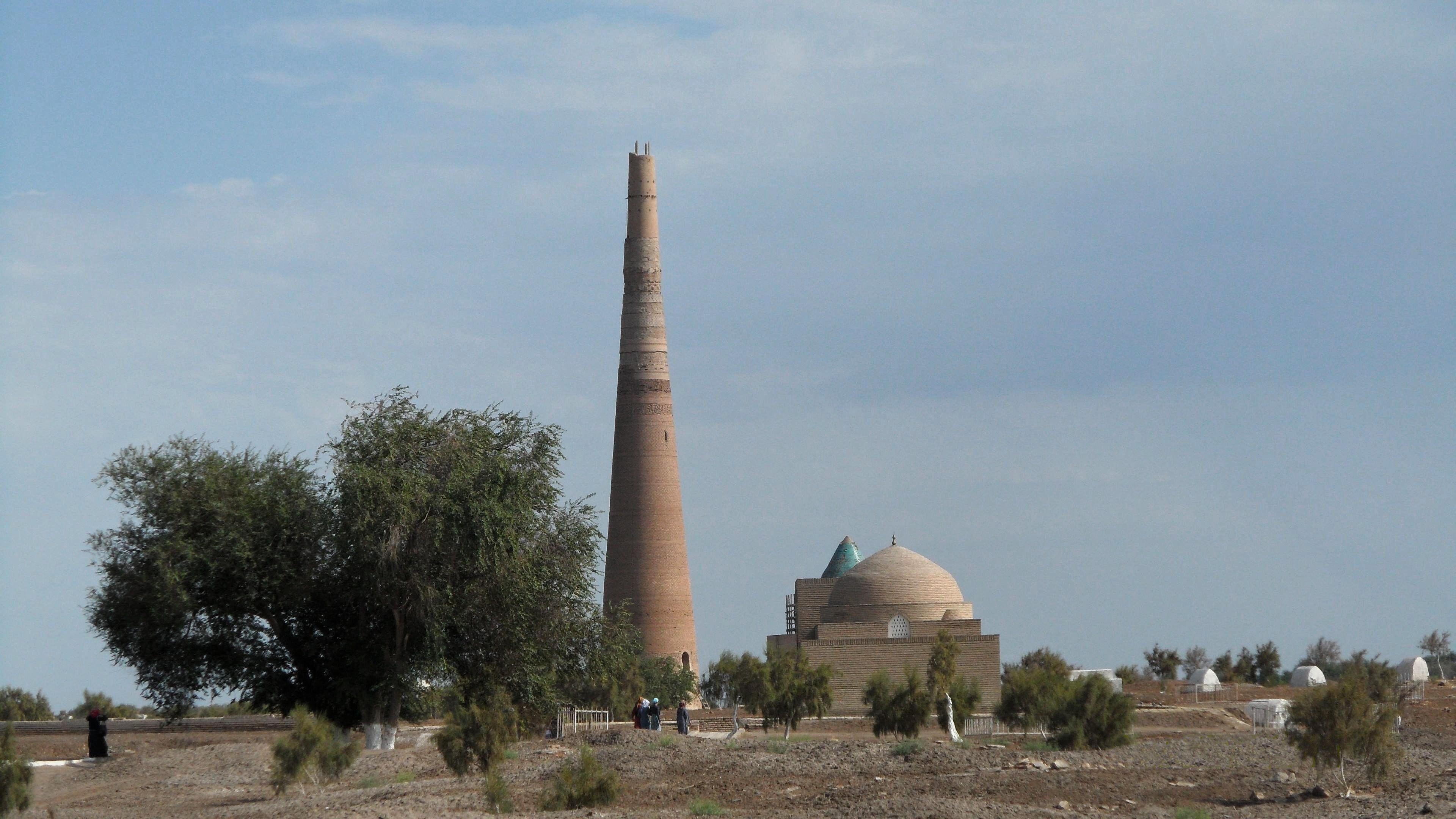
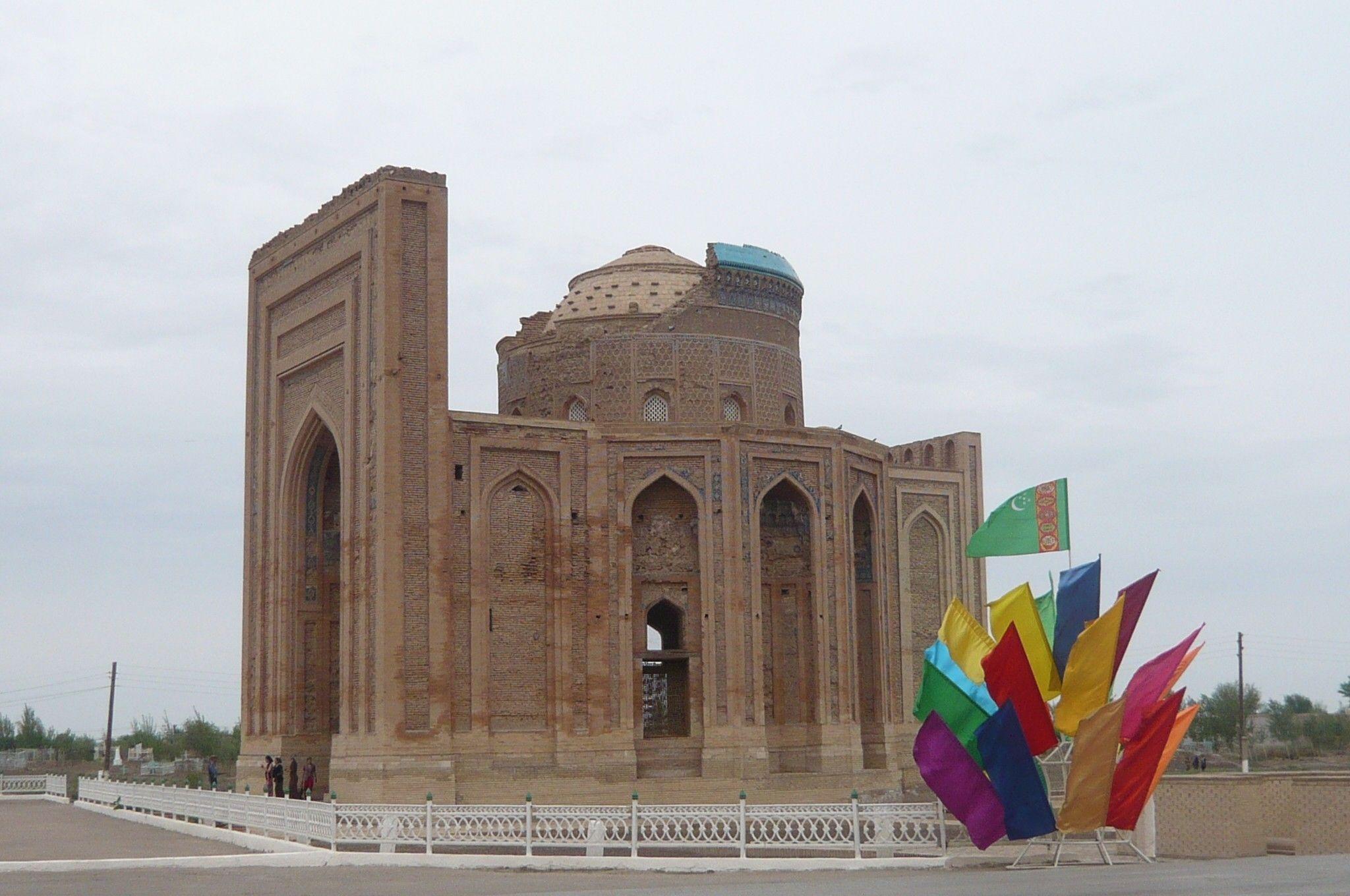
Konye-Urgench, about 95 to 110 km north-west of Dashoguz (roughly 1.5 to 2 hours by road), was the capital of Khorezm until the Mongols destroyed it in 1221. Its scattered monuments, including the 60-metre Kutlug-Timur Minaret, the tiled dome of the Turabeg Khanym Mausoleum and the conical tomb of Sultan Tekesh, have been a UNESCO World Heritage Site since 2005. The Mausoleum of Najm ad-Din Kubra, a Sufi master, is an active place of pilgrimage. If you have already seen Ichan-Kala, the contrast is striking: the same Khorezm culture, centuries older and left as ruins.
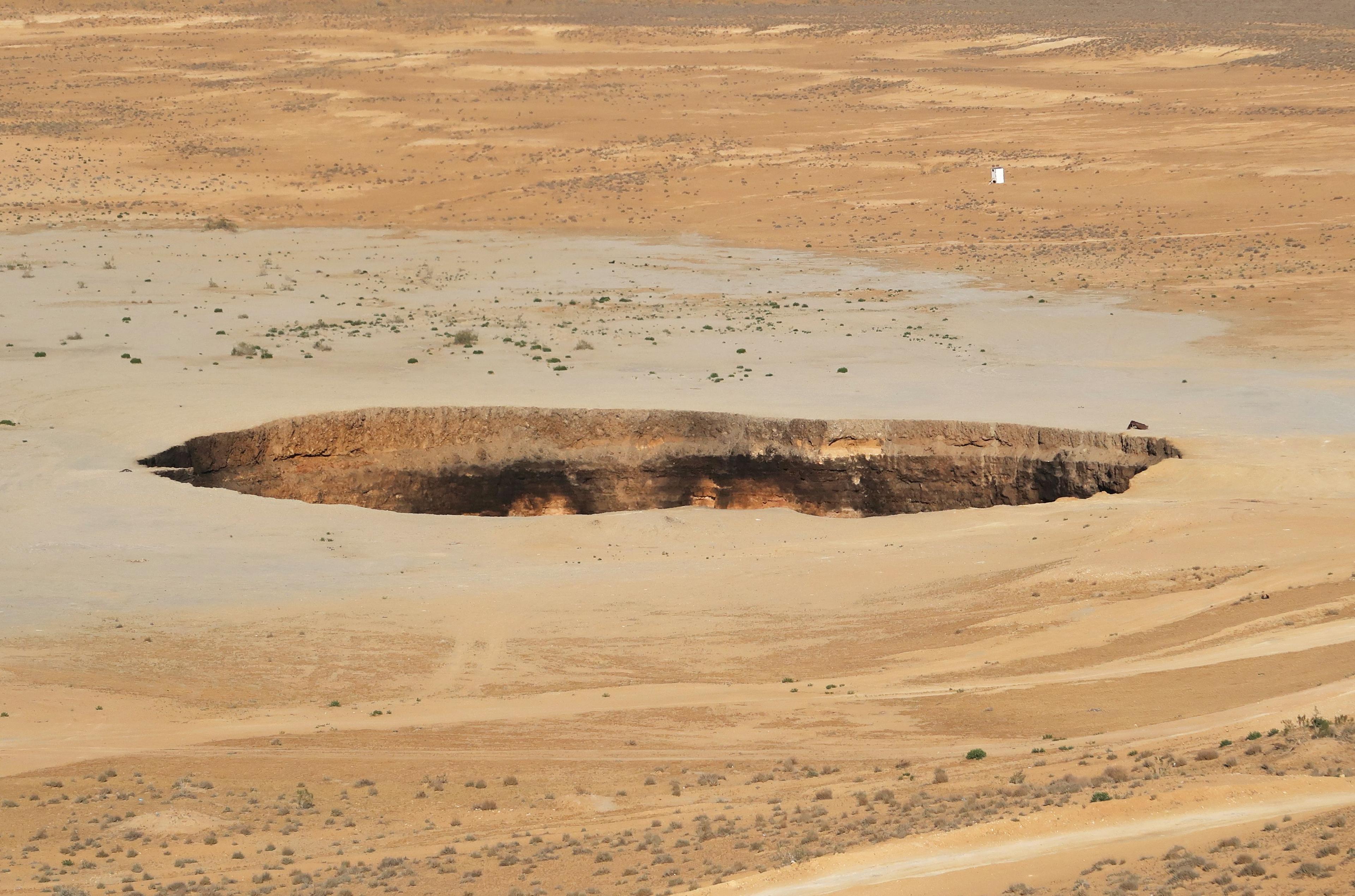
The Darvaza gas crater lies about 270 to 300 km south of Dashoguz, four to five hours on a road that is rough in places. Its fires have dimmed considerably since 2024, after new wells were drilled to capture the gas. Our guide to the Darvaza gas crater and Turkmenistan explains what you will see today, and how a Darvaza trip works.

Routes and how many days to plan
These are the shapes most travellers choose when combining Khiva with Turkmenistan:
- Out and back, two days. Khiva to Shavat in the morning, Konye-Urgench, the drive to Darvaza and a night in a yurt camp near the crater, then back to Shavat the next day and on to Khiva. It needs an LOI with the same entry and exit point.
- Khiva to Bukhara through Turkmenistan, four to five days. Enter at Shavat, see Konye-Urgench and Darvaza, spend two nights in Ashgabat, visit ancient Merv near Mary, and exit at Farap, crossing at Alat for Bukhara. This is the most popular loop and avoids retracing your steps.
- The reverse. Start in Ashgabat or Bukhara and finish at Shavat, where our driver meets you on the Uzbek side and takes you to Khiva in about an hour.
In Uzbekistan, it makes sense to spend at least one full day in Khiva before crossing, and to add the desert fortresses of Karakalpakstan if you have time. If you are flying out of Uzbekistan afterwards, Urgench airport, about 30 km from Khiva, has flights to Tashkent.
The best months for the whole journey are April to May and September to October. Summer in the Karakum regularly passes 40°C, and winter nights fall well below freezing at Darvaza.
Is the Turkmenistan detour worth it?
For travellers who enjoy unusual places, it can be the most memorable part of a Central Asia trip: the empty desert, the ruins of Konye-Urgench, the white marble of Ashgabat and the scale of Merv. The paperwork is real, though. You need weeks of lead time, a full package from a licensed agency and around 100 USD or more in border fees on top.
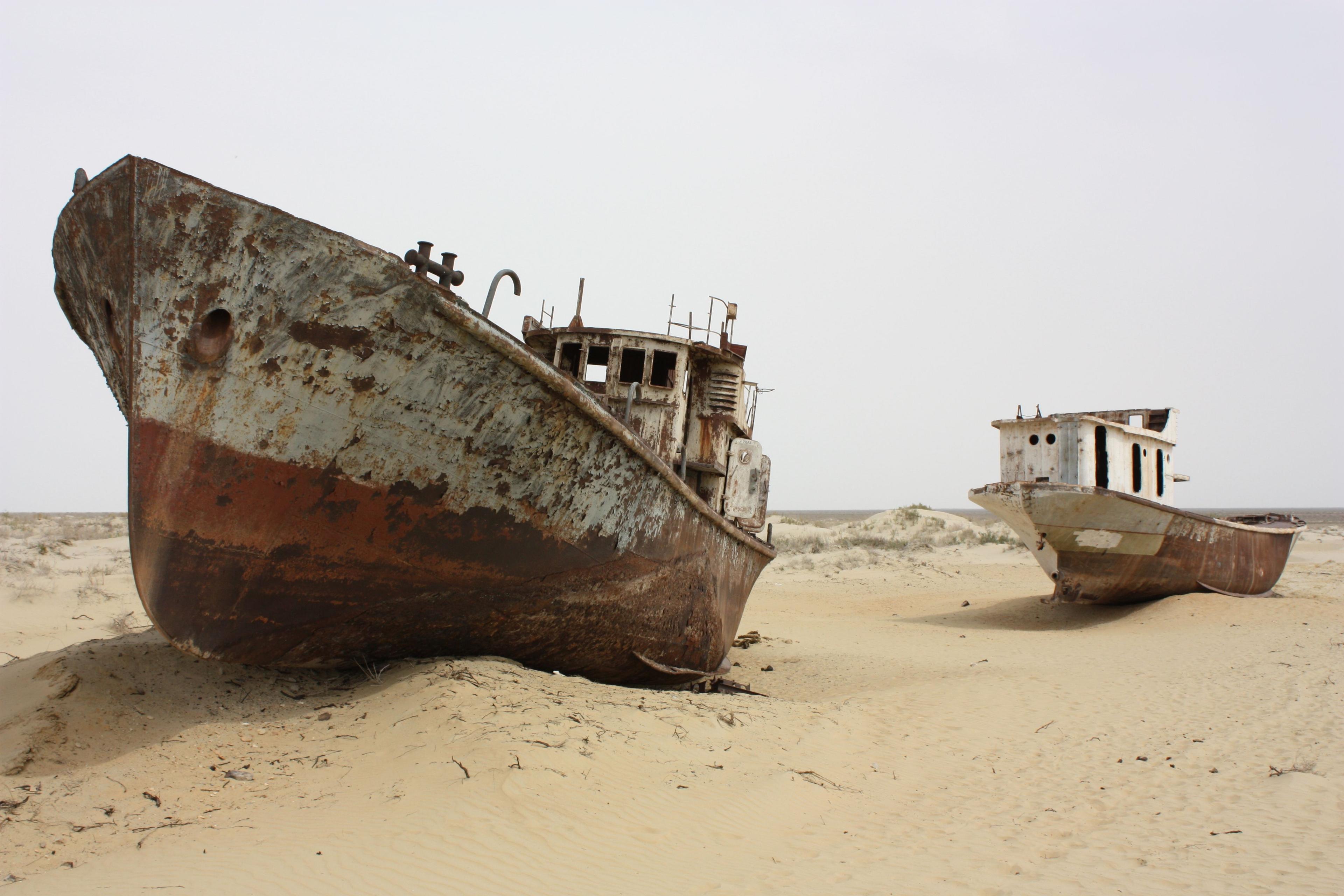
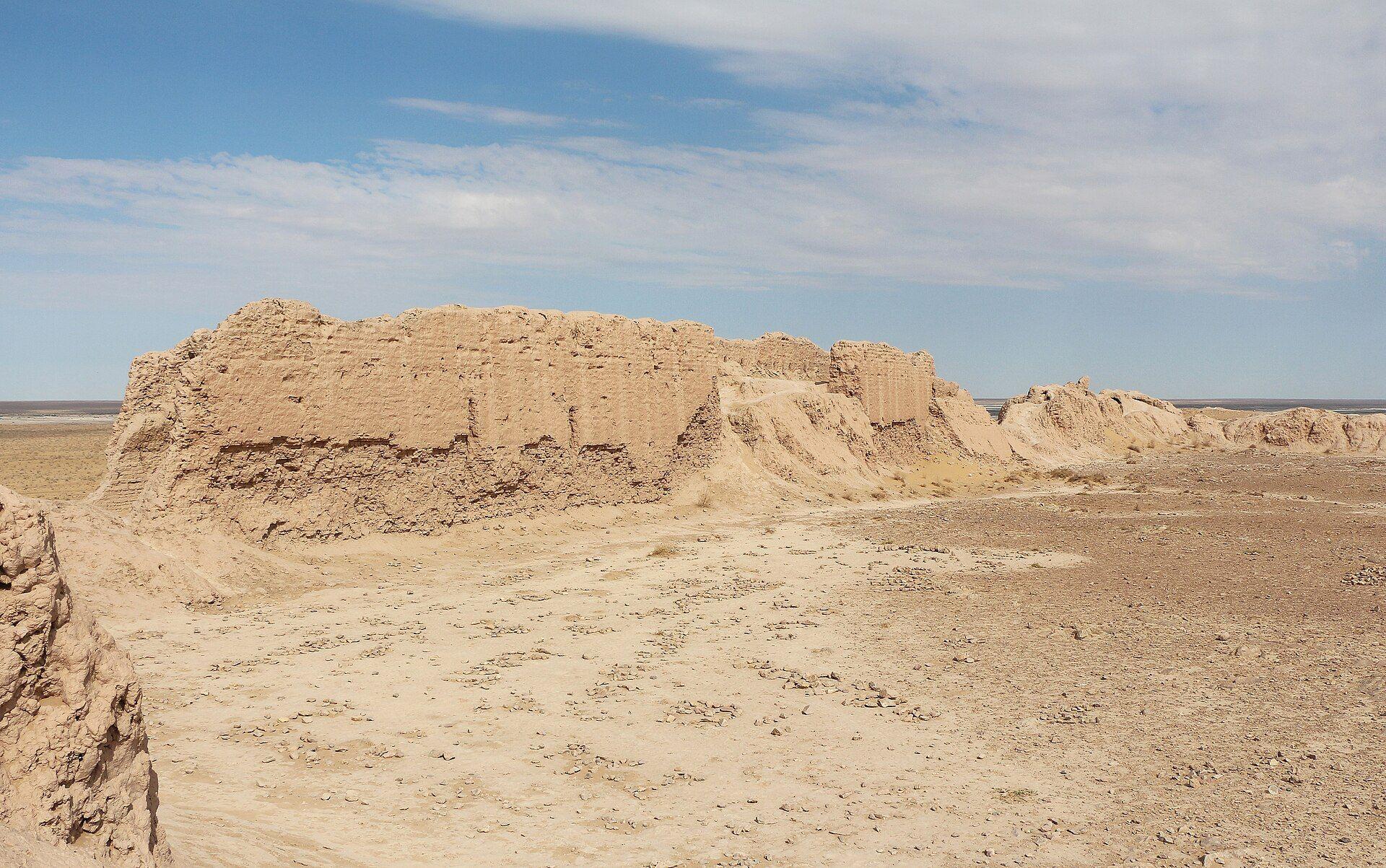
If time or budget is tight, Karakalpakstan offers a similar sense of desert and history without a second visa: the Khorezm fortresses of Ayaz-Kala and Toprak-Kala, the Savitsky Museum in Nukus and the shrinking Aral Sea.
How TourEast can help
We do not run tours in Turkmenistan, but we plan the Uzbekistan side around your Turkmen dates: nights in Khiva, timed transfers to Shavat and pick-ups on your return, and the rest of a private or small-group itinerary through Uzbekistan.