
Nature · Khojaikon salt cave opened for therapy in 1989; Omonkhona sanatorium built in the late 20th century
Khojaikon and Omonkhona: Boysun's Healing Places
Two places where southern Uzbekistan goes to get well: a natural salt cave in the Kugitang hills used for breathing therapy, and a cold mineral spring at Omonkhona, drunk for the liver and visited as a shrine. Both are easily added to a Boysun journey.
About
Surkhandarya has a long tradition of treating illness with what the mountains provide. Two sites stand out and are open to travellers: the Khojaikon salt cave in the Sherabad district and the mineral spring of Omonkhona near Boysun. Neither is a conventional sight, but both show a side of the region that tour itineraries rarely touch, and both sit on the way to places you would visit anyway.
Khojaikon salt cave
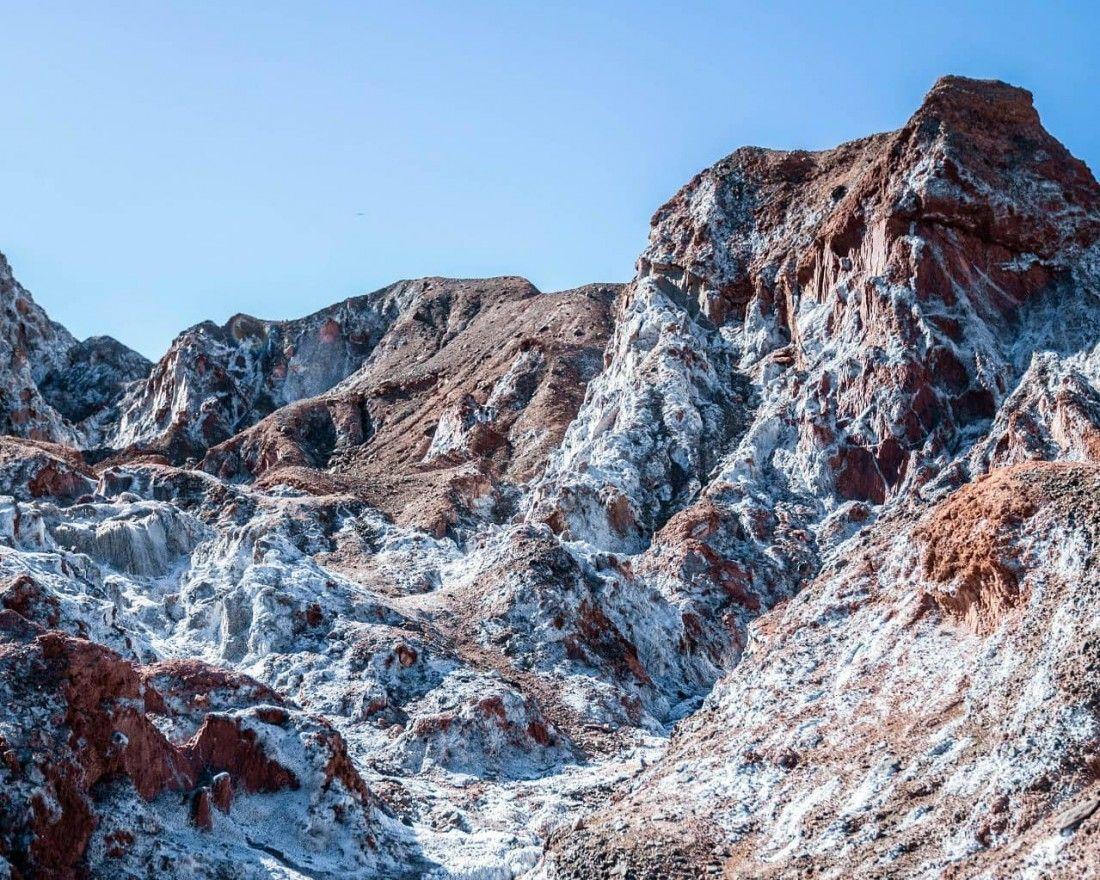
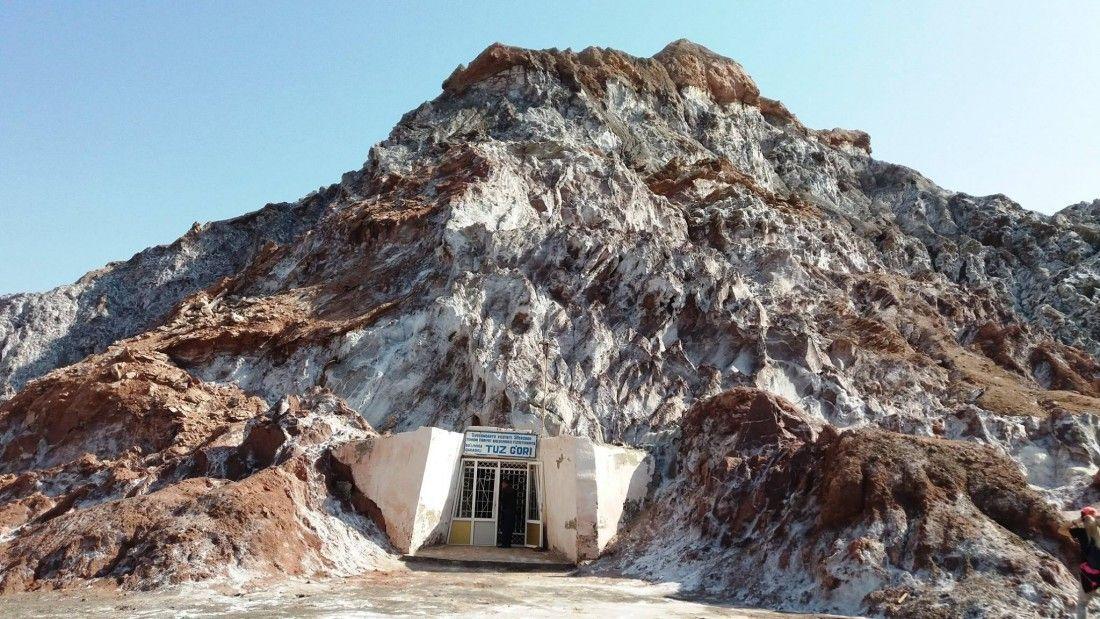
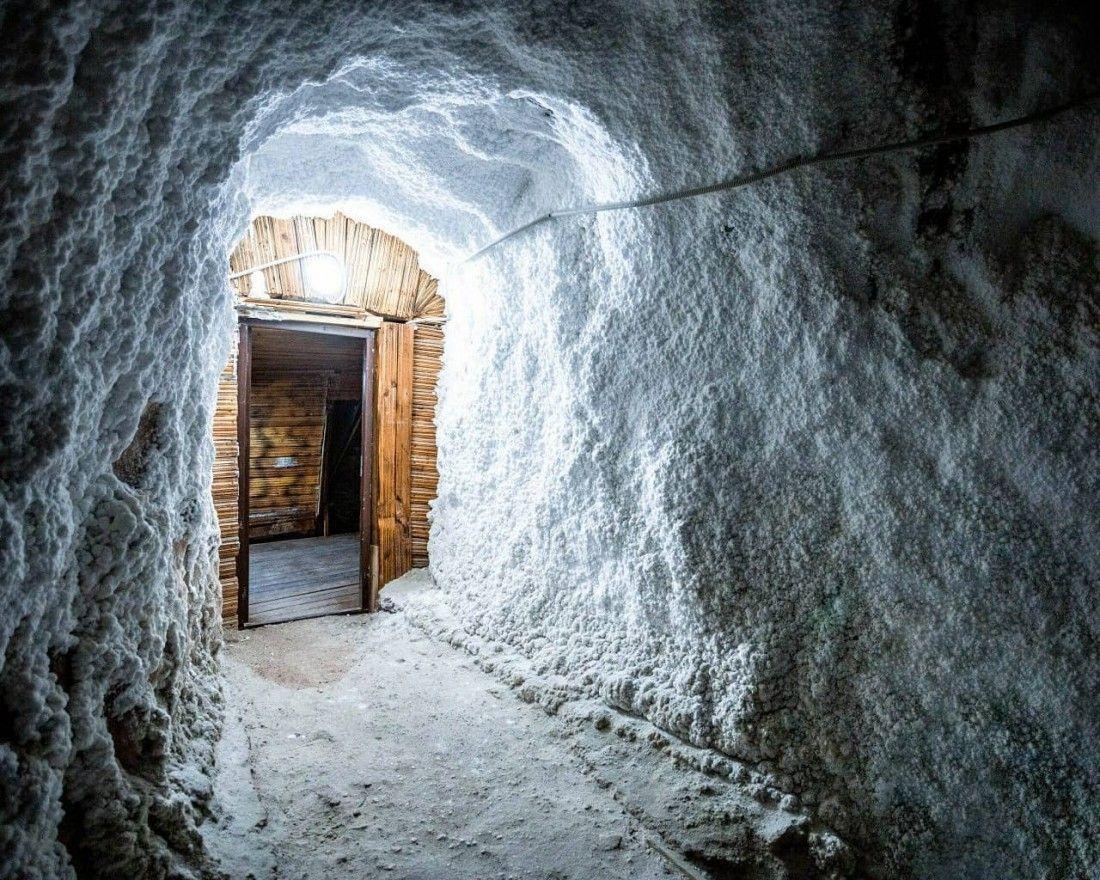
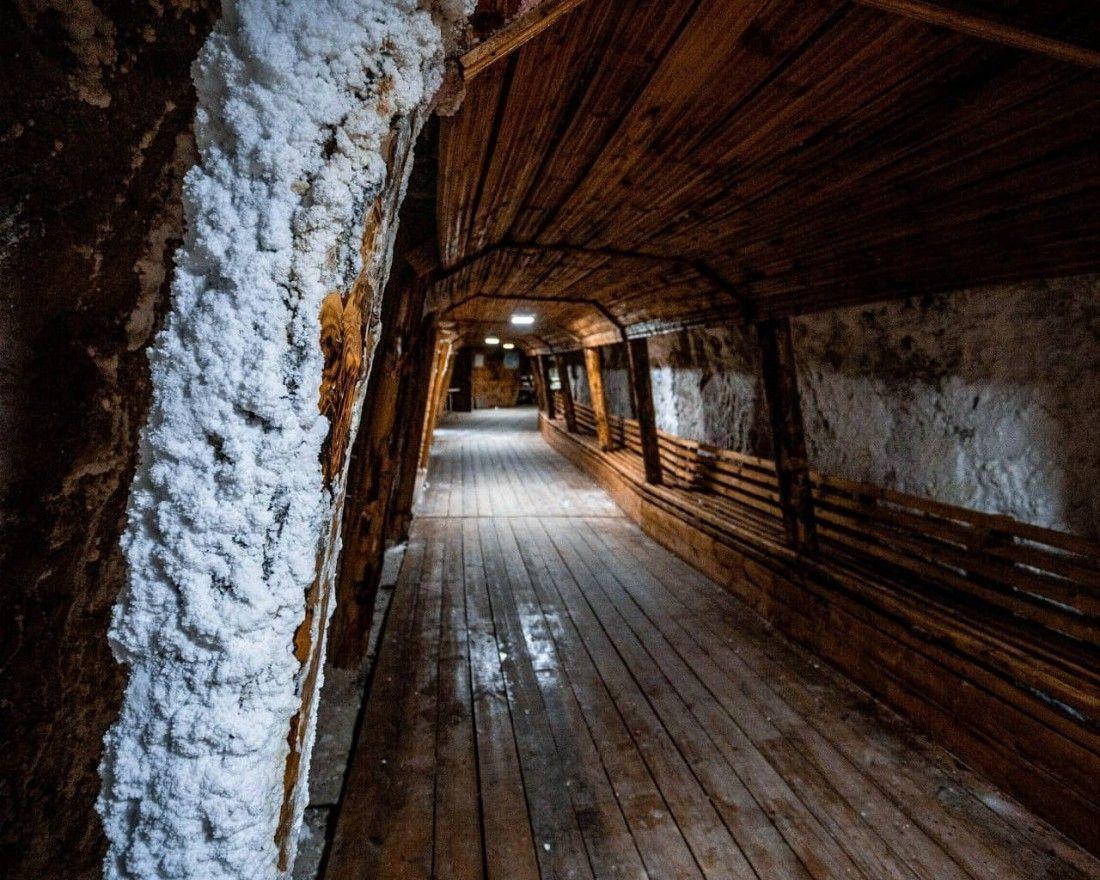
Khojaikon (Xo'jaikon, 'the salt mine of the Khoja') is a hill of rock salt in the foothills of the Kugitang range at about 1,200 metres, some 80 km north-west of Termez. The salt shows on the surface as streaks of white and pink on the red slopes, and inside the hill a natural cave with around 155 metres of galleries and five chambers was opened for speleotherapy in 1989. The walls are coated with a crust of salt one to three centimetres thick and a brine spring runs through one passage. Patients with asthma, bronchitis and allergies spend sessions of two to two and a half hours a day in the constant cool, salt-laden air, in courses of two to three weeks, under the care of a small clinic at the entrance. Casual visitors can walk in for a short time to see the glittering walls; the surface landscape of salt cliffs is itself worth the stop. A large health-tourism development has been announced for the site in 2025, so the facilities may change.
Omonkhona
Omonkhona lies in a side valley of the Boysuntau about 20 km from Boysun. A cold spring (around 13 °C) rises here with a high content of sulphates and magnesium, and for generations people have come to drink it in a course of a week or ten days for the liver, gall bladder and digestion. The spring is also a ziyaratgoh with a small shrine, and the two traditions, medical and devotional, coexist without friction: pilgrims pray, then fill their bottles. A state sanatorium of about 160 beds was built beside the spring in the late 20th century and has since been renovated; the village around it has developed homestays and craft workshops as part of a tourism-village programme. Locals point out a small cave nearby that stays cold in summer and mild in winter, which adds to the sense of a place with its own rules.
How to include them
Khojaikon is best seen on a day from Termez together with Zarautsay or the Sherabad valley; Omonkhona fits a Boysun stay, as a half-day with a walk up the valley and lunch in a village house. Neither requires a medical booking for a short visit, but anyone wanting a treatment course should arrange it through the sanatorium or the cave clinic in advance.
What to see
- The salt-crusted galleries and brine spring of Khojaikon cave
- Red and white salt cliffs on the surface of the Khojaikon hill
- Speleotherapy sessions for asthma and bronchitis, by arrangement
- The cold mineral spring of Omonkhona, drunk for the liver
- The shrine and pilgrim life around the Omonkhona spring
- Village homestays and walks in the Omonkhona valley near Boysun
Gallery
More sights in Termez & Surkhandarya
All of Termez & Surkhandarya
See Khojaikon and Omonkhona: Boysun's Healing Places with a local guide
We build private and small-group trips around the places you want to see — with guides who grew up here.