Traditional hammams, hotel spas and Soviet-style sanatoriums in Uzbekistan: Zaamin, Humson and Chartak, what we could confirm, and how to build rest days into a cultural trip, especially for older travellers.
Facts, prices and schedules checked on November 4, 2026
Uzbekistan is not usually sold as a wellness destination, yet it has a long tradition of bathing, mineral water and mountain air, and a growing number of places where you can rest properly between sightseeing days. This guide looks at four kinds: traditional hammams in old towns, spas in modern hotels and resorts, mountain sanatoriums of the Soviet type, and simple rest days built into a cultural itinerary.
It is written with older travellers in mind, though anyone who finds a Silk Road trip tiring will benefit. We are candid about what we could confirm. Sanatoriums in Uzbekistan are largely aimed at local and regional guests, English information is limited, and prices and rules for foreigners are not always published. Treat this as an orientation, check with the facility before you plan around it, and speak to your doctor about any treatment. Nothing here is medical advice.
The hammam: Uzbekistan's traditional bath
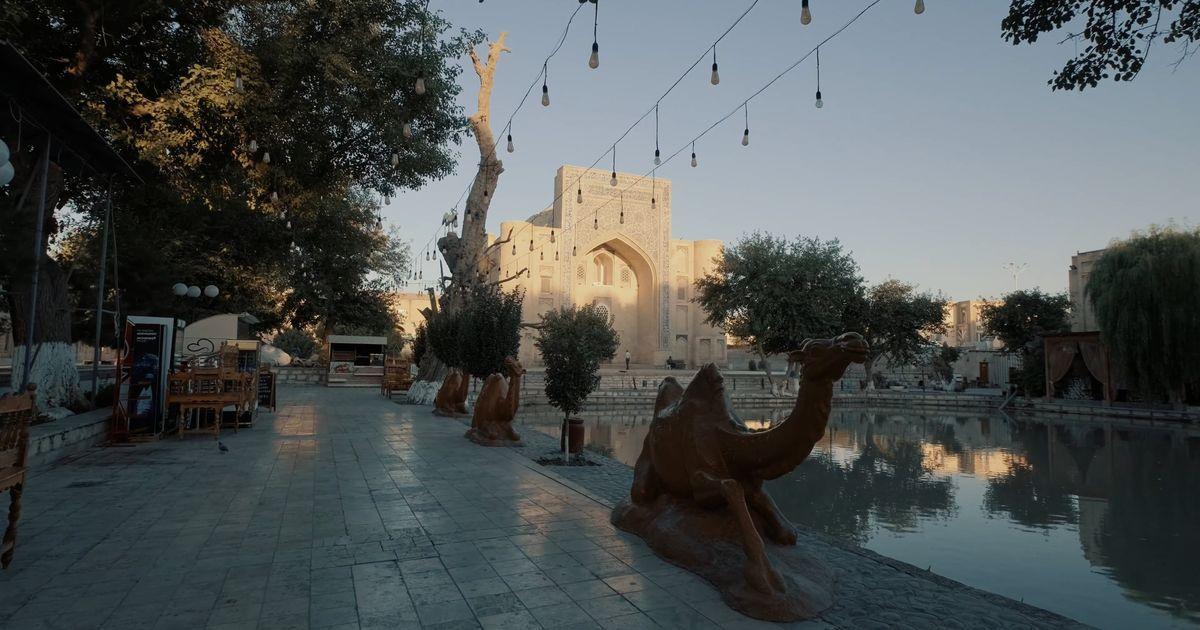
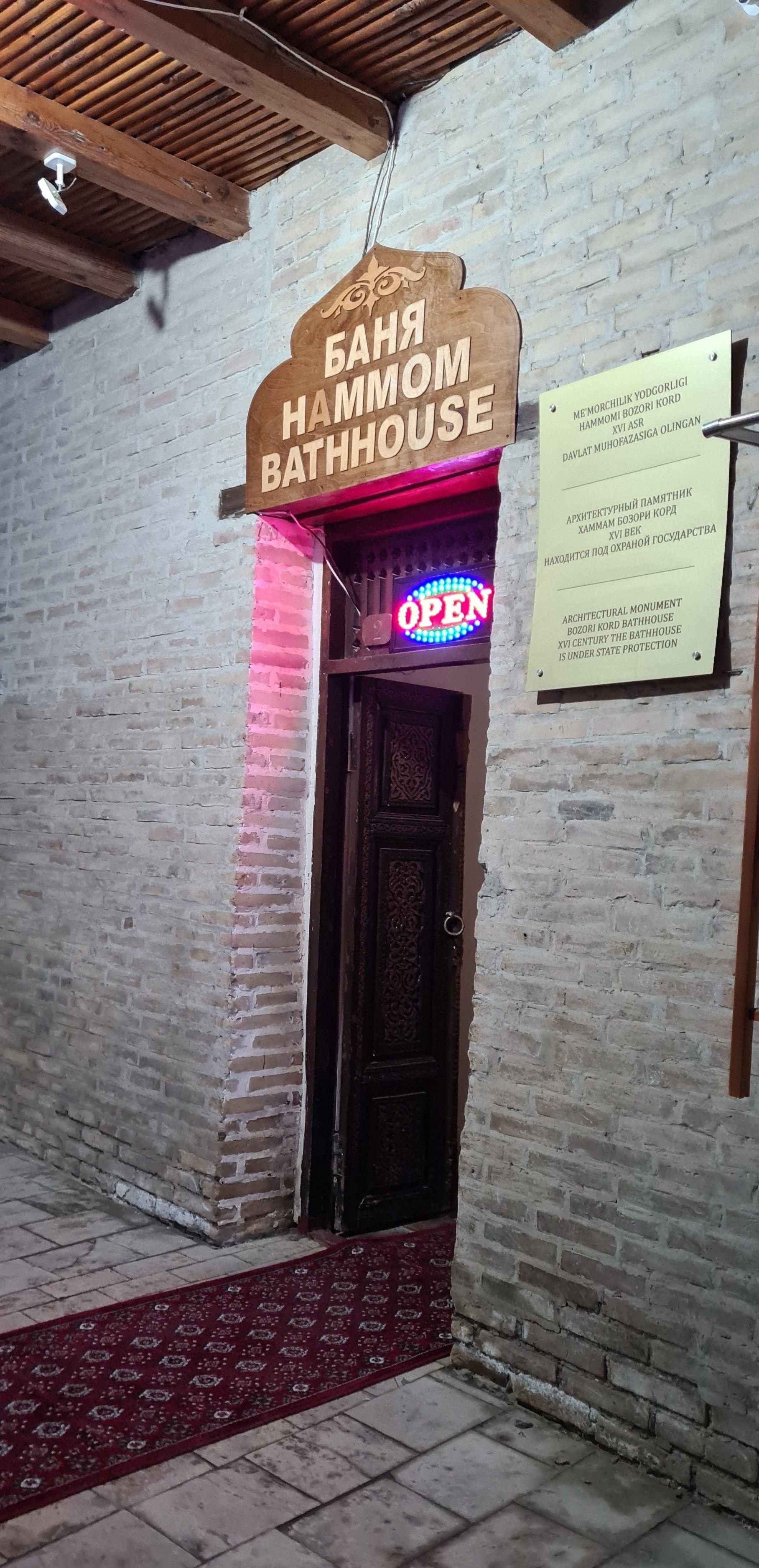
The oldest wellness tradition in the cities is the public bathhouse. Bukhara still has working historic hammams in the old town, and visitors can go for a bath, a scrub and a massage, often followed by tea and sweets. One historic hammam, Bozori Kord, is described by visitor guides as dating back to the 14th century and still in regular use. Sessions are often single-sex or at set times, last around an hour and a half, and are far more relaxing than a day of cobblestone walking. Our Bukhara hammam guide explains how to book, what to bring, what happens inside and which hours are for women.
Modern hotels in the main cities also have hammams and saunas. The Red Rock hammam and spa at Amirsoy in the mountains near Tashkent is one example. If you want a hammam after a day on foot, tell your hotel or guide, because many traditional venues have fixed hours and some need booking.
Hotel spas and massage
The larger international and resort-style hotels in Tashkent and Samarkand typically have spas with massage rooms, pools, saunas and steam baths. Hotel booking sites list spa hotels in both cities, but the treatments on offer differ, so ask before you book if a massage or pool is important. Prices are generally lower than in Western Europe, but vary widely by hotel. A traveller in Samarkand can also find independent day spas offering hammam-style treatments with scrub and massage; one is listed on Yandex Maps with a recommendation to book in advance.
If you have a particular need, such as a pool for gentle exercise, a quiet room or a hotel with a lift, say so when you book, and see our guides to where to stay and to Uzbekistan for senior travellers.
Soviet-style sanatoriums: what they are
A sanatorium in the Soviet tradition is a health resort where guests stay for a week or two, usually after a medical consultation, and follow a programme of treatments, meals and rest. Typical elements are mineral water, mud, baths, physiotherapy, inhalations and massage, together with a structured daily timetable and simple rooms. They suit people who want a quiet, supervised break rather than a luxury spa. Staff often speak Russian or Uzbek, and English may be limited.
Uzbekistan still has many such places. Most of their guests are Uzbek and regional visitors, and the country reports large numbers of foreigners coming for treatment: official figures reported by news outlets mention about 35,400 foreign patients in the first half of 2026 and more than 46,000 by August, although such statistics are debated. For a leisure traveller, think of a sanatorium stay as a rest block on a longer trip or as a separate week, not as a stop on a rapid Silk Road tour.
Zaamin: mountain air and a high-altitude sanatorium
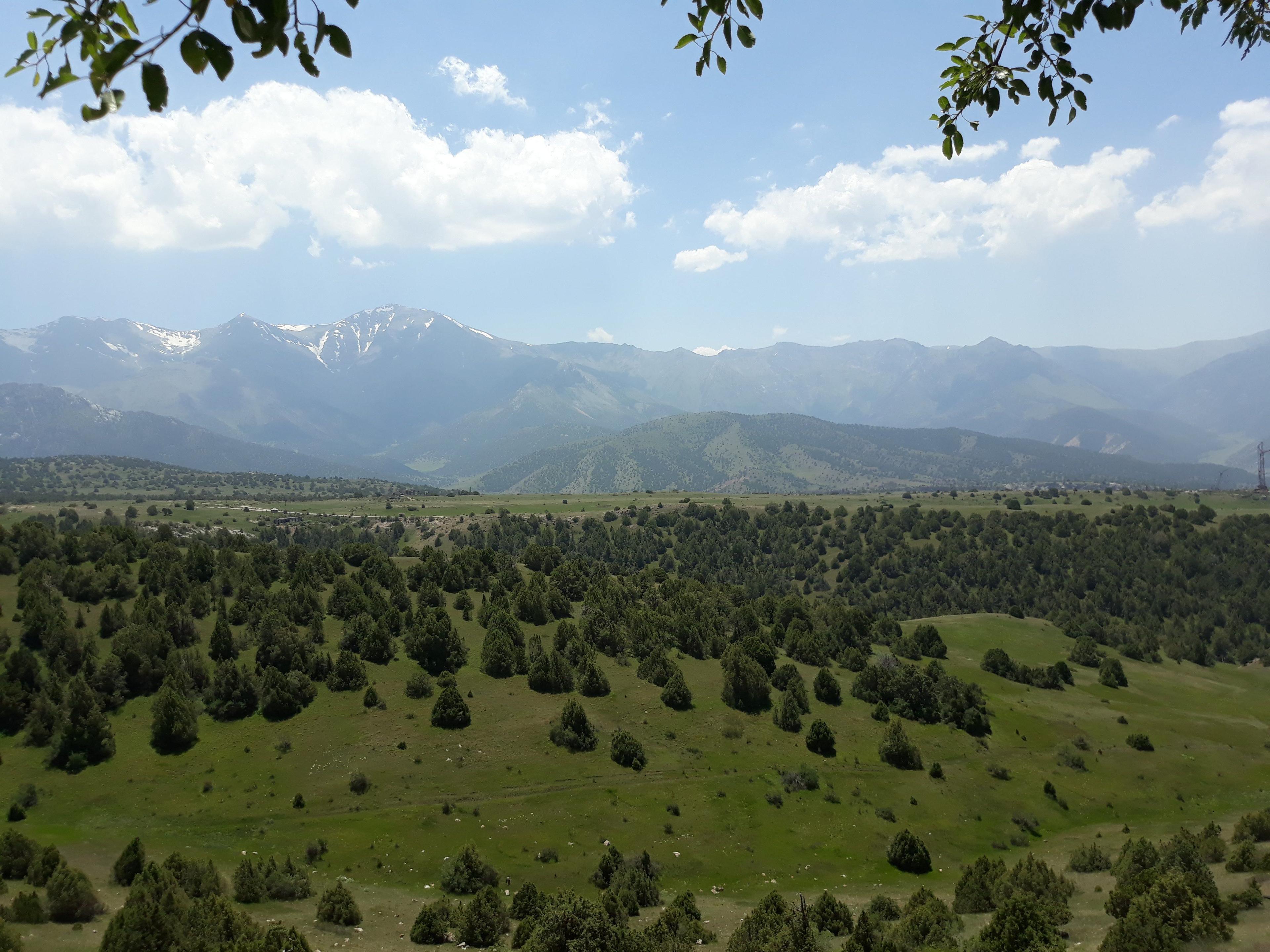
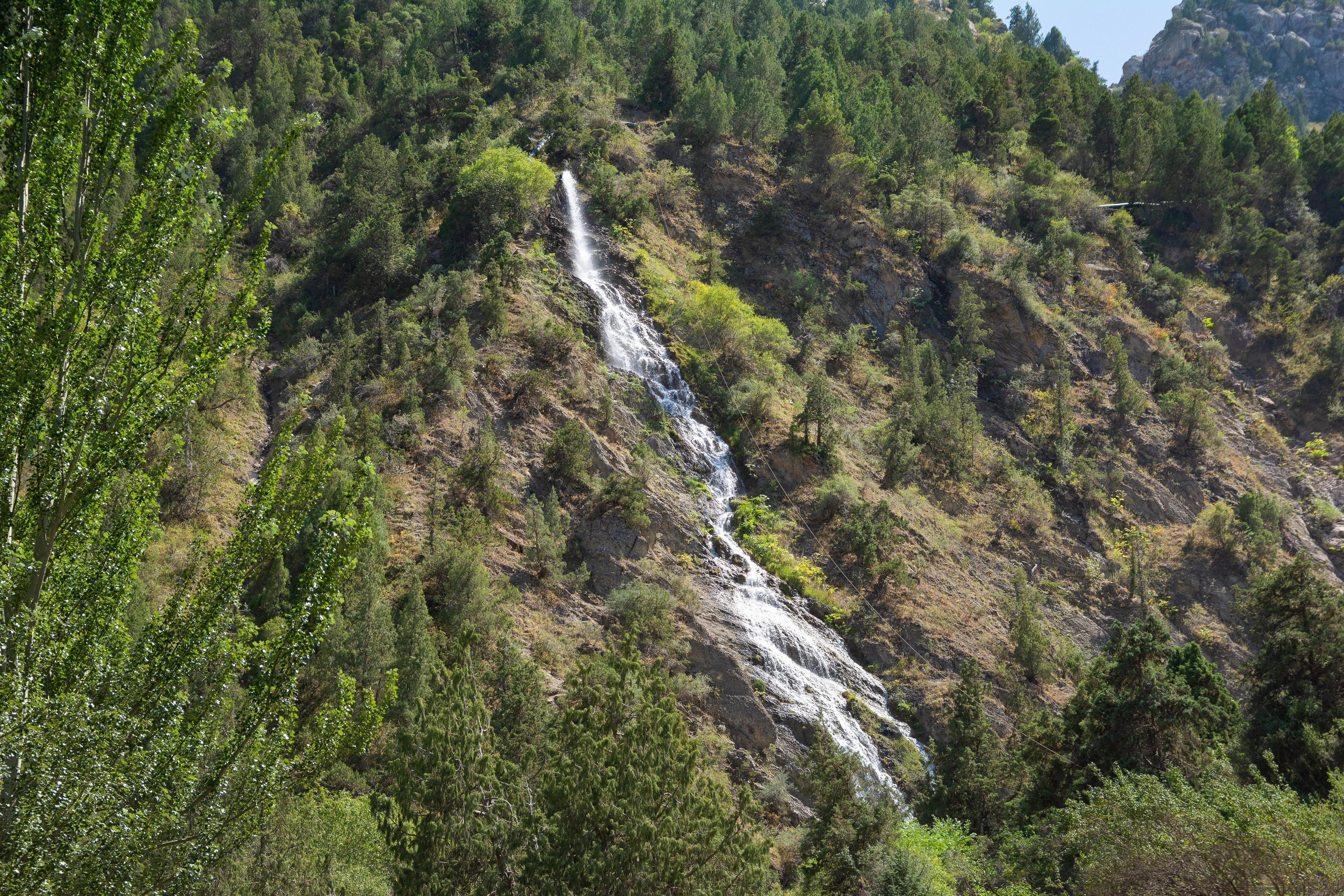
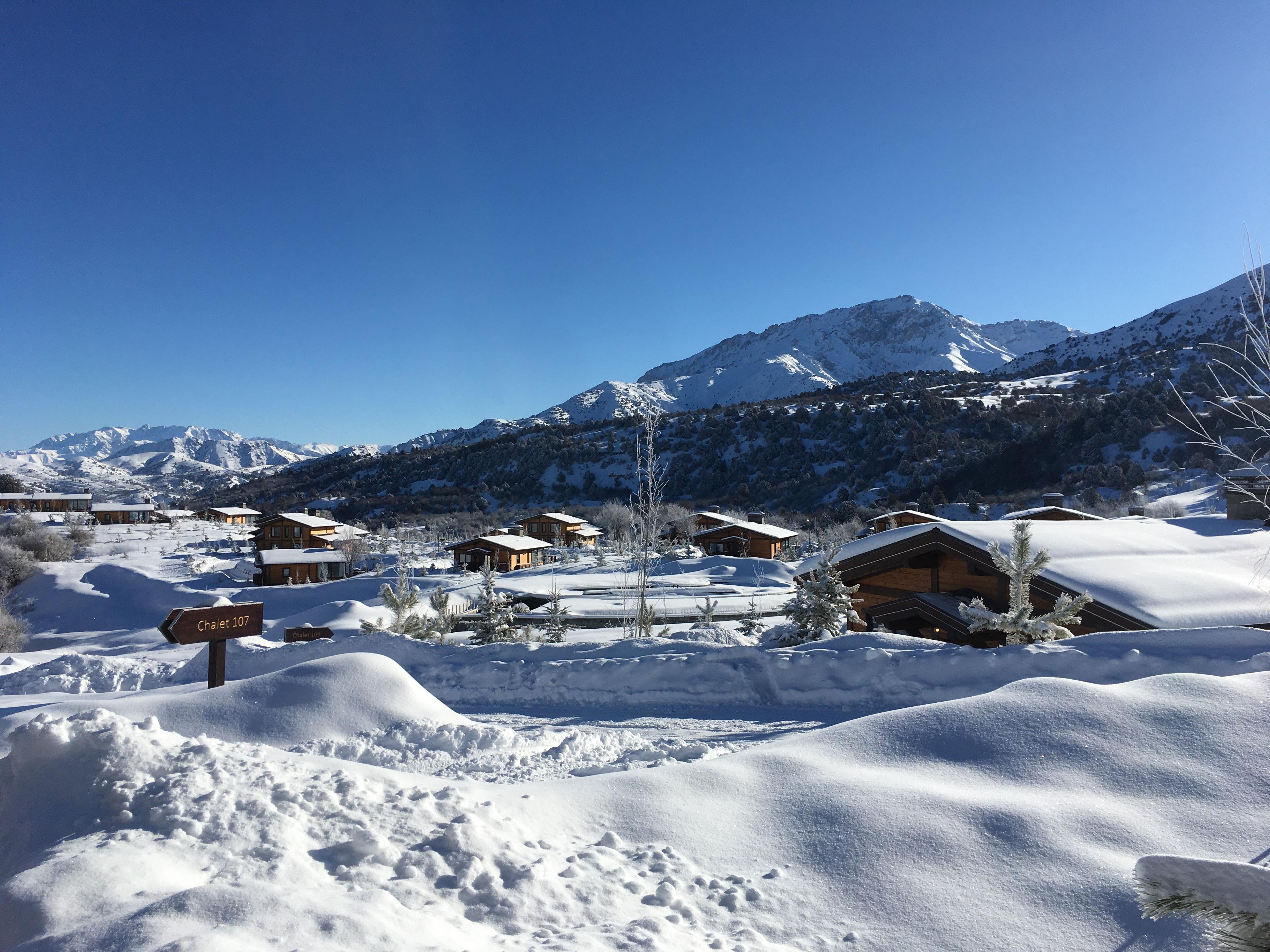
Zaamin National Park, in the Jizzakh region, is the best-known mountain setting. A sanatorium there sits at about 2,000 metres among juniper forest. The Uzbekistan tourism portal lists mud treatment, sodium-chloride salt therapy, massage and inhalation, two swimming pools, a sauna and diagnostic departments including ECG and ultrasound, with a medical check first and treatment according to the results. Our Zaamin National Park guide describes the setting, the new cable car, hikes and where to stay, and notes that the national sanatorium focuses on health stays, mostly for Uzbek guests, with simpler guesthouses nearby.
Why Zaamin? In summer the air is much cooler than in Samarkand or Tashkent, and many Uzbeks believe the juniper air is good for the lungs, which is why a sanatorium was built here in the 1970s. The drive from Samarkand is about 200 km and takes 3 to 3.5 hours; from Tashkent it takes 4 to 5 hours. Altitude is modest but worth mentioning to your doctor if you have heart or breathing problems.
Humson and the Tashkent mountains
In Bostanlyk district, in the mountains of Tashkent Region, about 80 km from the capital, the Humson health resort on the bank of the Ugam river opened in 1972. The tourism portal says it has traction medicine, climate therapy, hydrotherapy including pearl and herbal baths and Charcot showers, physiotherapy, massage and spa procedures, on 16 hectares, with guided hikes to Chimgan, Beldersay and Charvak. Prices vary by treatment and room, and the total includes treatment, three meals a day and accommodation. We have not been able to confirm current prices or how foreigners book, so ask the resort or your operator.
For a gentler mountain day without a stay, the Amirsoy gondolas, the Chimgan meadows and the Charvak lake shore are easier to visit from Tashkent. See our Chimgan and Charvak guide.
Chartak, in the Namangan region
The best-known sanatorium district in the east is Chartak, in the Namangan region of the Fergana Valley, where mineral waters and muds became famous in the 1960s. Several sanatoriums operate in the town, and a large resort project called Chartak Resorts was begun after 2019, with a management agreement announced with a hotel group in 2022 and a further wellness retreat announced in 2024. We could not confirm the current opening status or whether the resort welcomes foreign visitors, so do not plan a trip around it without checking. We also found no evidence that Chartak offers oil treatments; those are associated with other countries.
If you are travelling in the Fergana Valley for crafts and markets, a Chartak stop may suit you, but see our Fergana Valley guides for the main route.
How to approach a sanatorium stay
If a sanatorium appeals, treat it like a medical booking rather than a hotel booking. Ask these questions before you commit:
- Is the stay open to foreign guests, and in which languages are consultations given?
- What does the price include: room, three meals, a doctor's consultation, a set number of treatments?
- What is the minimum stay? Many programmes run for 7 to 14 days.
- Which treatments are suitable for your condition, and who decides?
- What are the meals like, and can the kitchen cater for halal, vegetarian or other needs?
- How far is it from a hospital and from the nearest city?
- What is the season? Mountain resorts can be cold and snowy in winter and cool in summer.
A tour operator can ask these questions in Russian or Uzbek and confirm the answers in writing, which is often the main practical barrier for a visitor. We can also build the stay into a trip, for example a quiet week after a Silk Road circuit.
Rest days within a cultural itinerary
Most travellers do not need a sanatorium. They need a rest day. A multi-day Silk Road trip can be tiring, and wellness is often as simple as building in a slow morning. Ideas:
- A free afternoon after lunch, when the heat is highest, with a nap or a pool.
- A hammam in Bukhara in the evening after a day on foot.
- A massage at your hotel's spa, booked in advance.
- A half-day in the mountains, such as Chimgan, Zaamin or Nuratau.
- Tea in a chaikhana, which costs little and restores a great deal.
- A late start the day after a long train or flight.
Our guides to travelling as a senior, with kids and as a multi-generational group explain how to pace a trip. As a rule, two nights per city, a free afternoon each day or two and one long journey every two or three days is kind to older travellers.
Health notes
Check with a doctor before any treatment, particularly if you have a heart, blood pressure, circulation or skin condition, if you are pregnant or if you are on regular medication. Hammams are hot, and the combination of heat, dehydration and altitude can be a strain. Drink water, avoid alcohol before a bath, and leave if you feel dizzy. Bring a copy of your prescriptions and keep medicines in hand luggage. Read our guide to health, tap water and travel insurance.
Wellness with TourEast
We can add a hammam in Bukhara, a spa afternoon, a mountain day at Zaamin or Chimgan, or a rest block with a sanatorium stay to a private itinerary, and we can plan the pace of a trip around your needs. Tell us what you are looking for and any medical constraints through our trip builder or on WhatsApp, and we will check availability with the venues directly.