
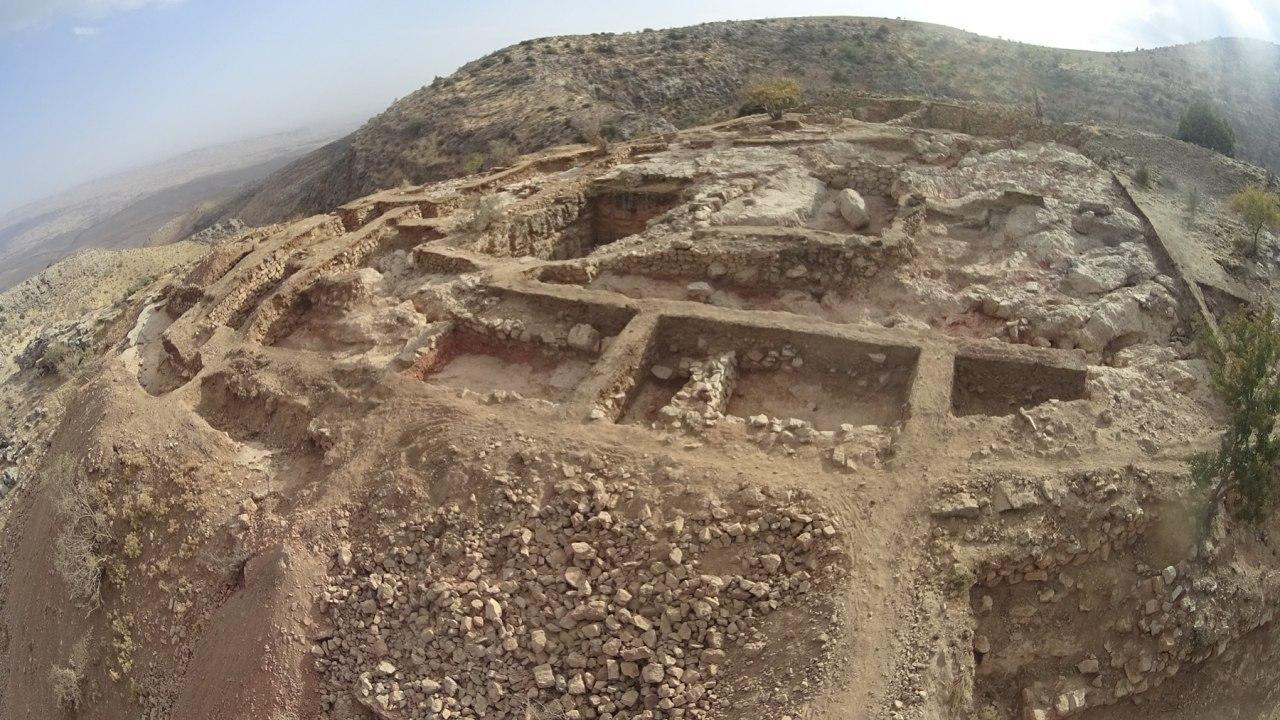
Fortress · Uzundara c. 300 BC – mid-2nd century BC; Iron Gates pass used from antiquity, described in AD 630
Uzundara Fortress and the Iron Gates
A Greek border fortress on a ridge above Derbent, excavated since 2013, and the narrow gorge below it where Xuanzang saw iron-bound gates in 630. Together they mark the ancient frontier between Bactria and Sogdiana.
About
South of Boysun the road to Termez squeezes through the Derbent gorge, a slot in the limestone that for two thousand years was the only convenient passage between the Sogdian north and the Bactrian south. The Persians called it Darband, the Turks Temir Qapig and the Chinese Tiemen, all meaning the Iron Gate. Above the gorge, on a ridge at about 1,700 metres, lies Uzundara, a Hellenistic fortress that guarded the same frontier when it was the northern limit of the Greek kingdom of Bactria.
Uzundara: a Greek garrison in the mountains
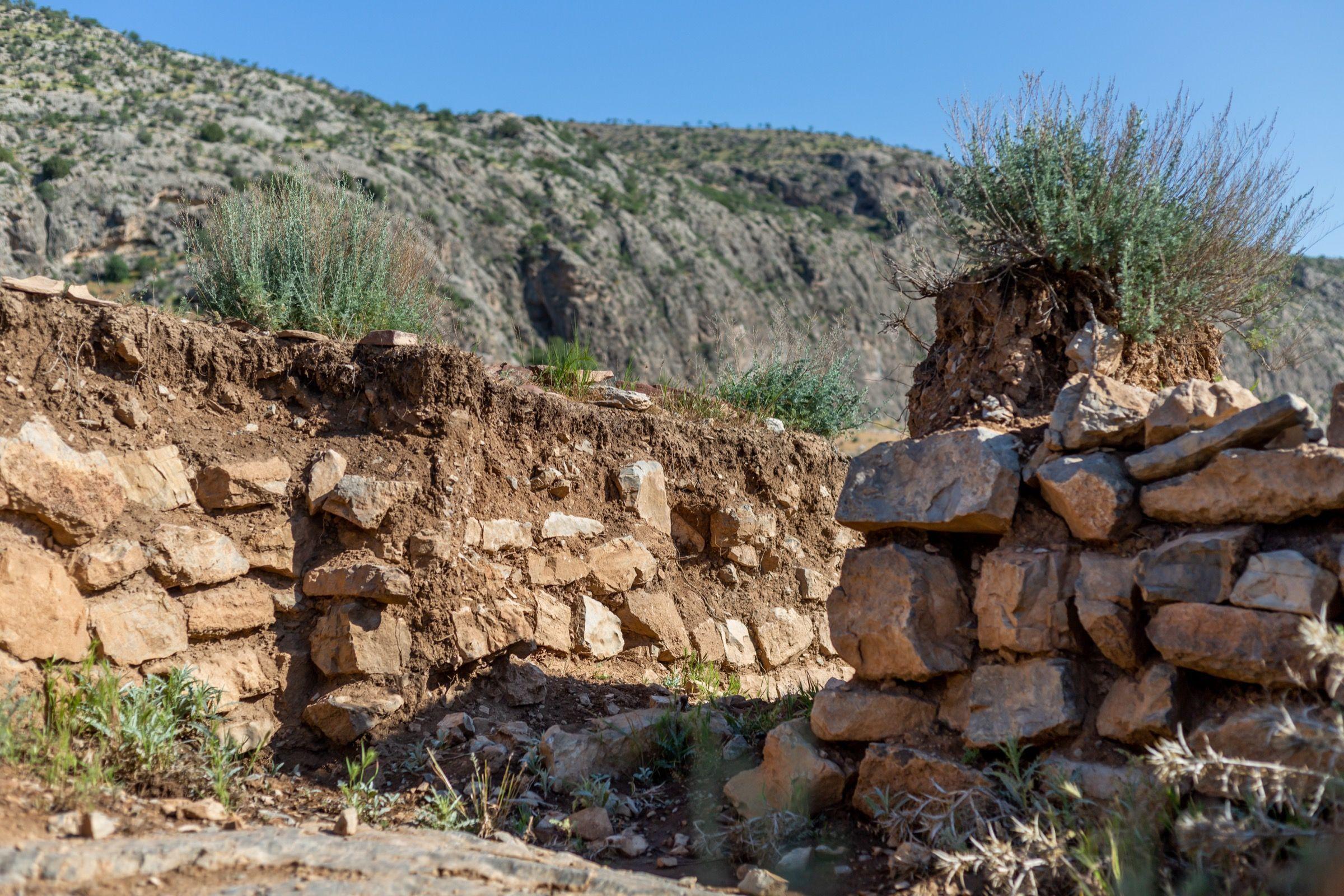
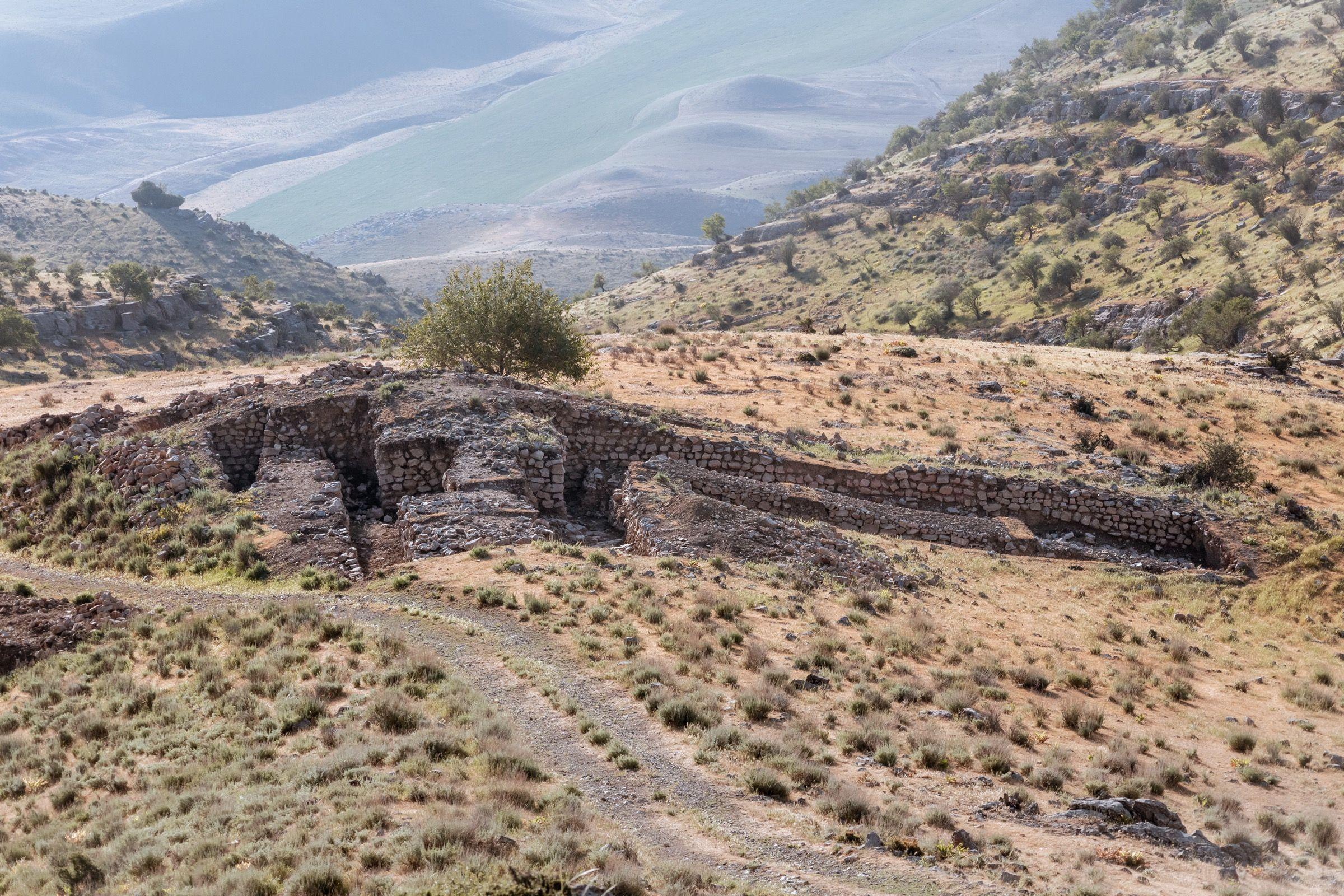
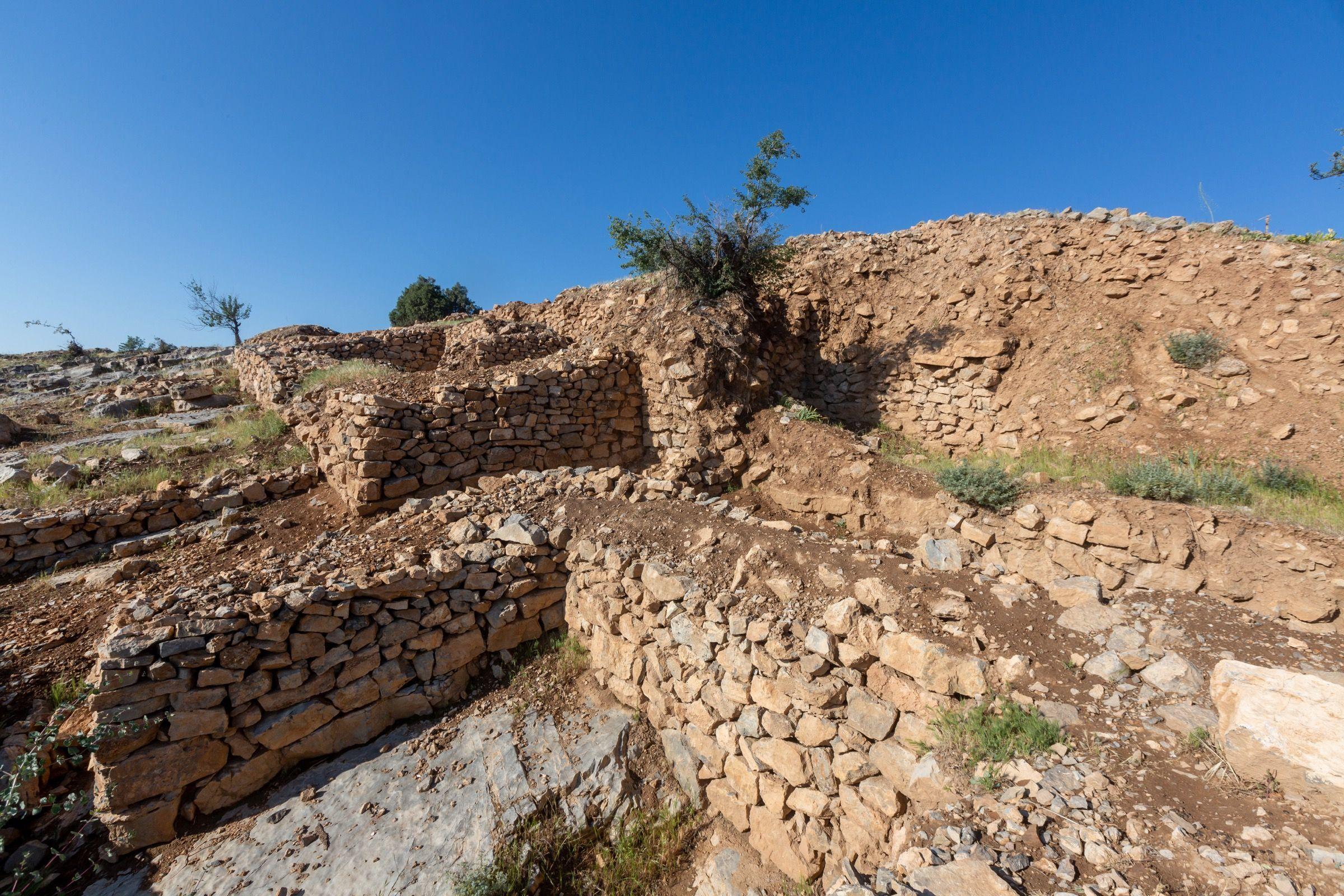
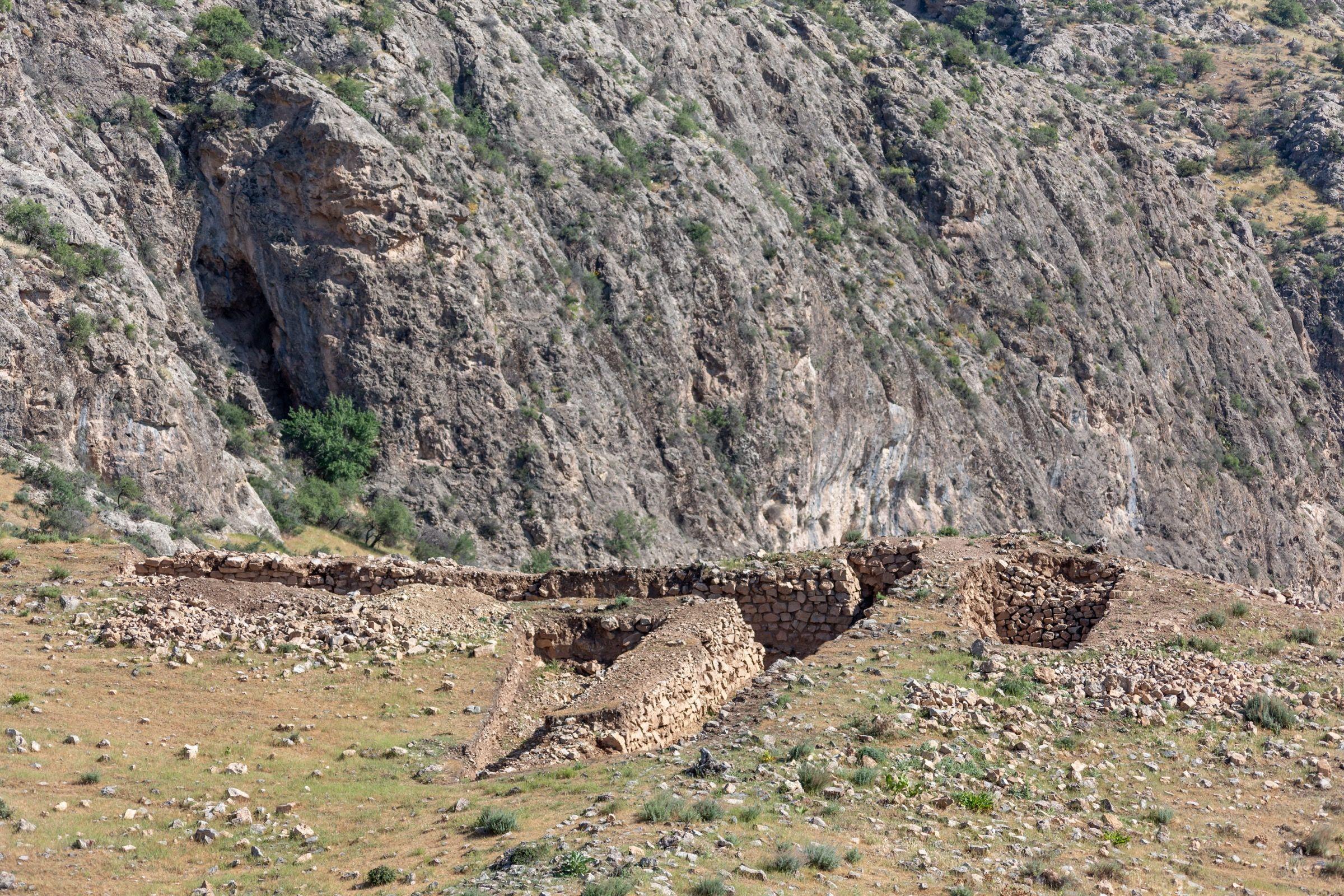
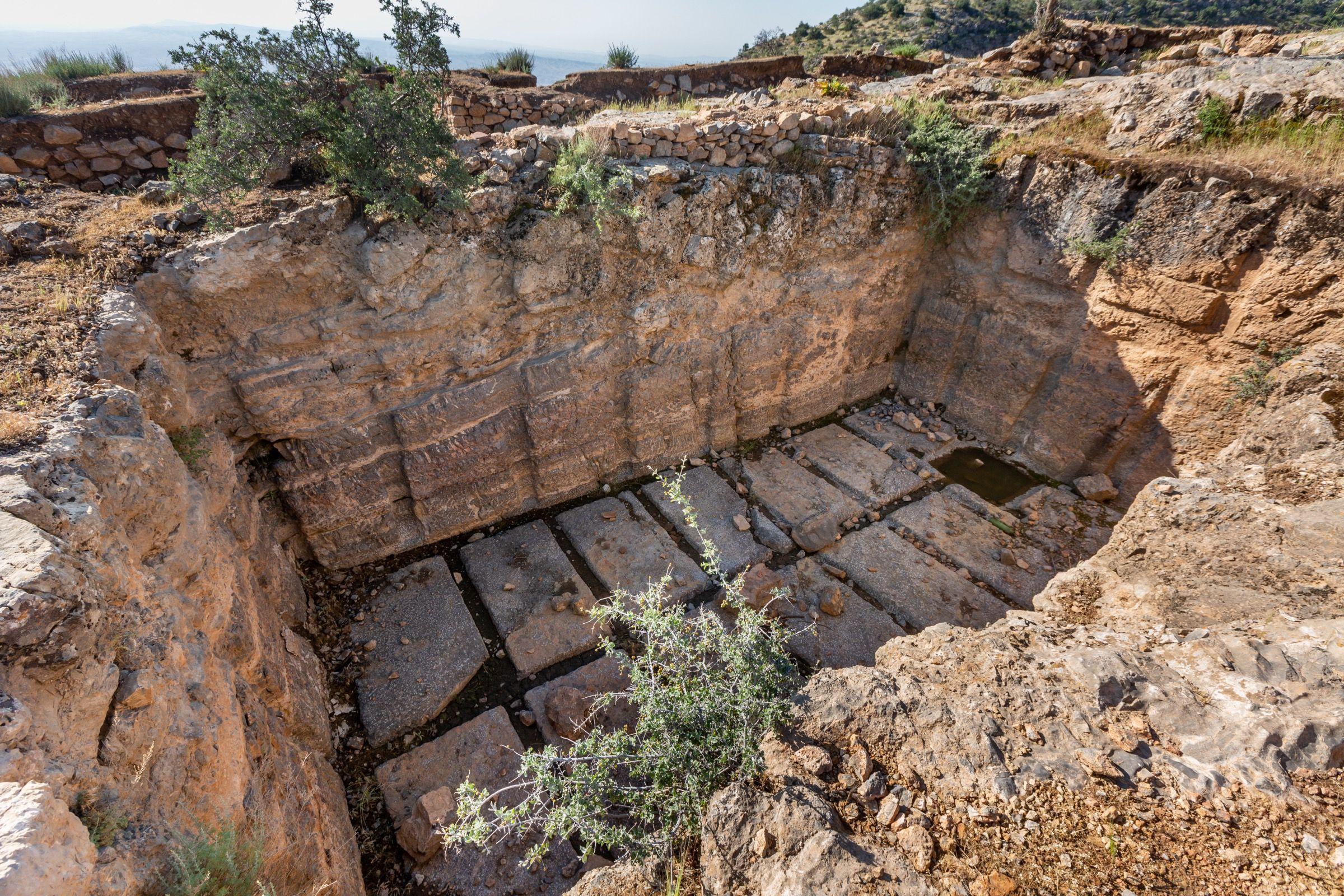
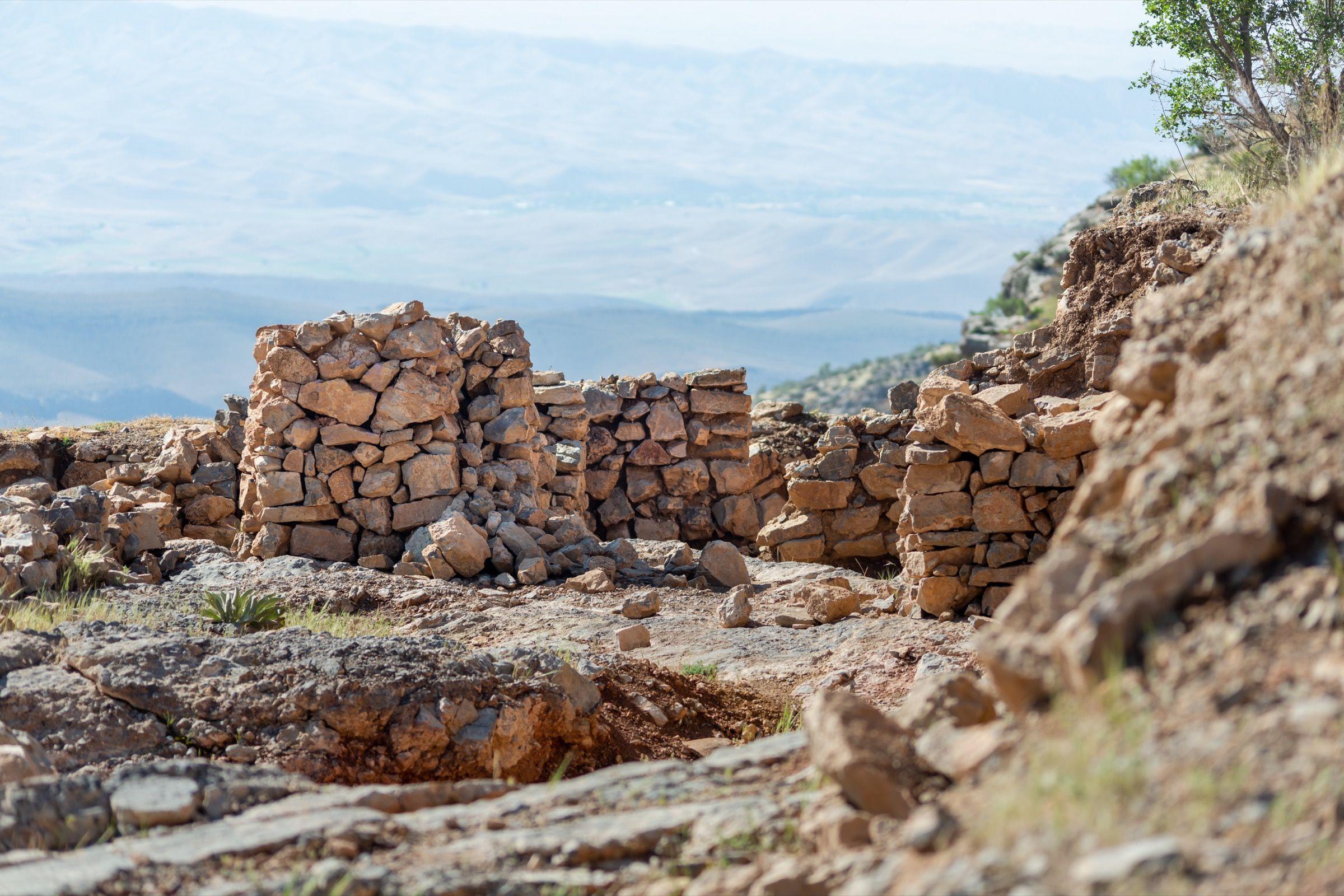
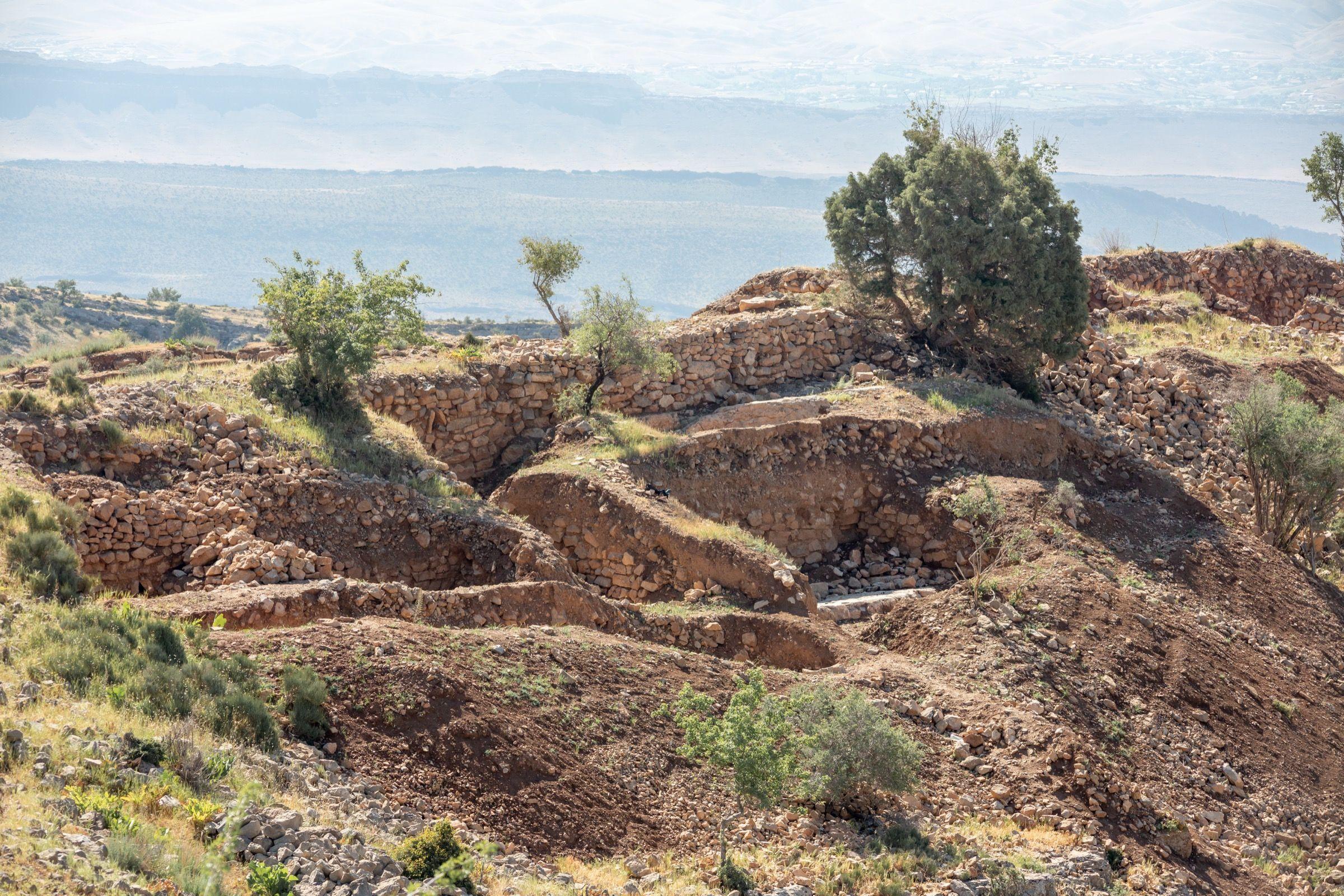
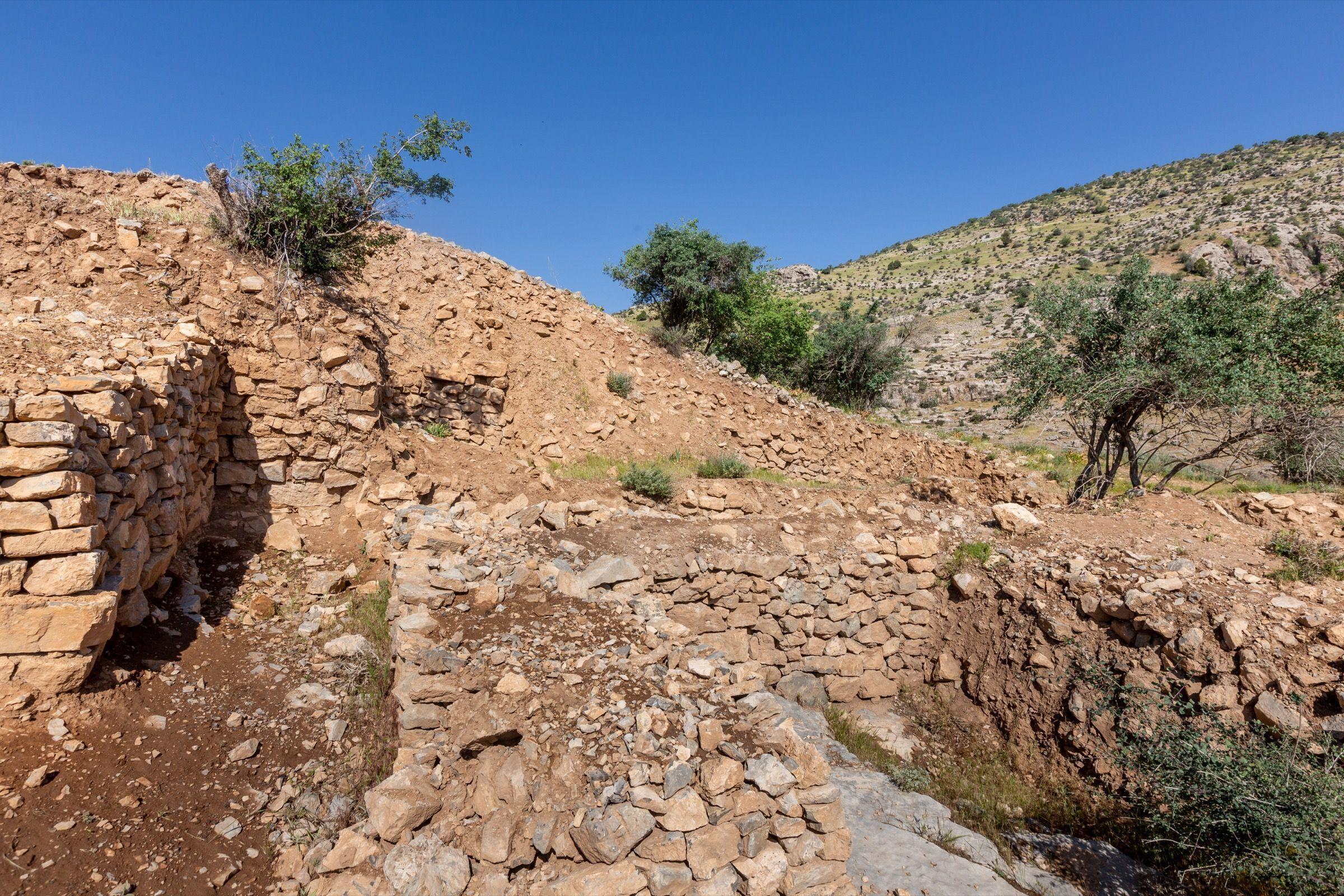
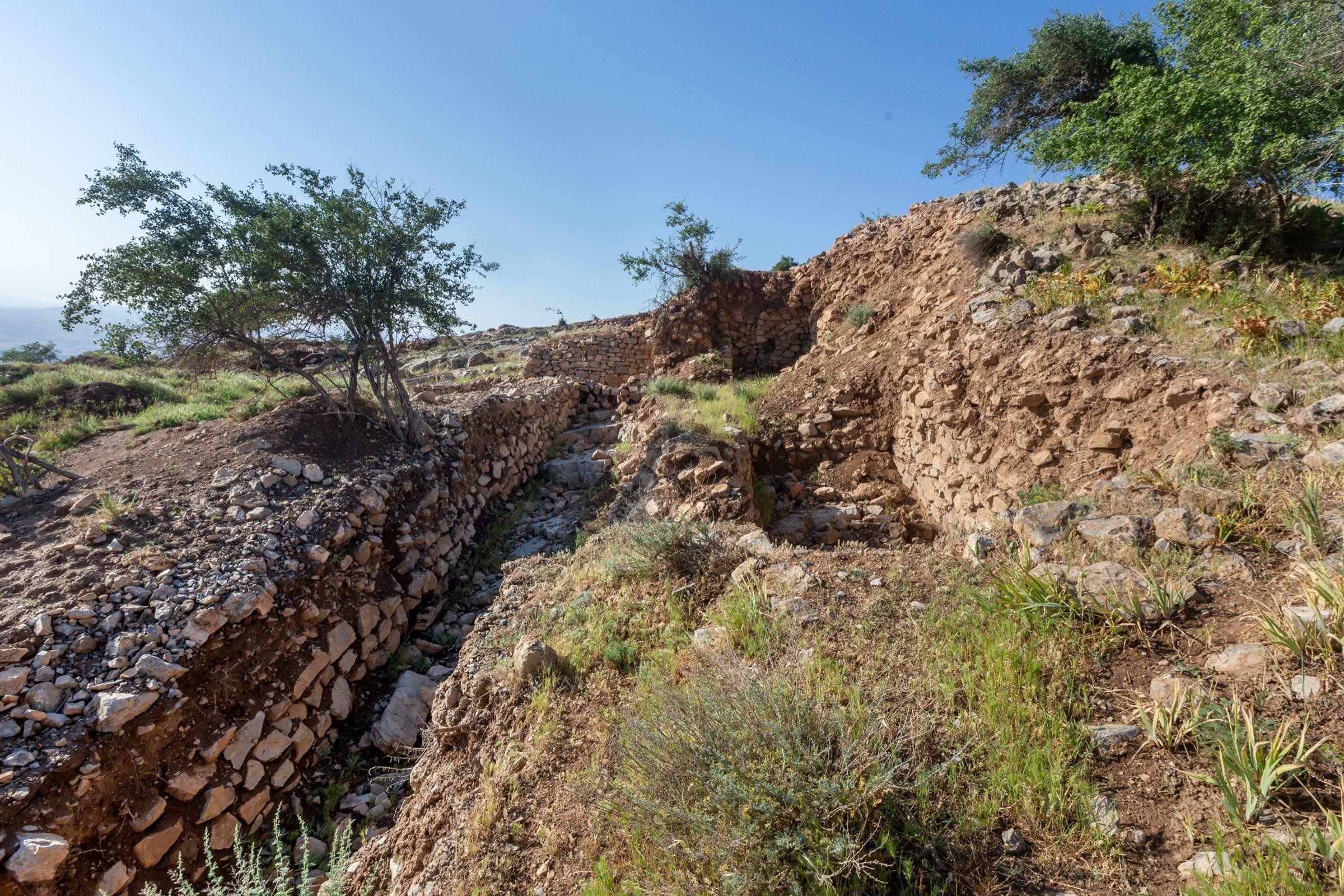
The fortress was identified in 1991 by Edvard Rtveladze and has been excavated since 2013 by a joint Russian-Uzbek expedition led by Nigora Dvurechenskaya. It consists of a main quadrangle, a triangular citadel on the high point and an outer wall reinforced with thirteen rectangular towers, built with double walls of stone and mud brick. The founding date is placed around 300 BC, in the reign of Seleucus I or Antiochus I; coins of the Seleucid and Graeco-Bactrian kings, Greek-style armour, arrowheads and weights have come out of the rooms. Uzundara was stormed and burnt around the middle of the 2nd century BC, when nomadic Yuezhi and Saka groups broke into Bactria, and it was never resettled. The excavation is one of the very few places where an intact Hellenistic military site can be seen in Central Asia.
The Iron Gates
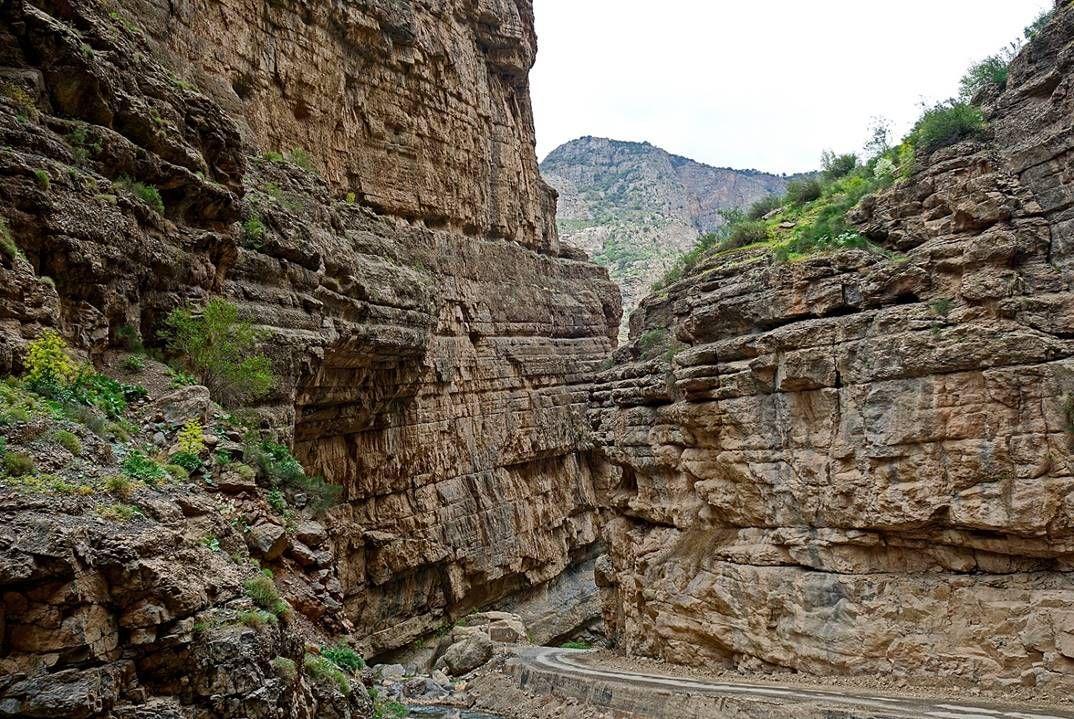
The gorge itself is a short, dramatic defile with vertical walls a few metres apart in places. The Chinese pilgrim Xuanzang passed through in 630 on his way to India and described a fortified pass with a double gate reinforced with iron and hung with bells. In 1404 the Castilian ambassador Clavijo, travelling to Timur's court, recorded a customs post here where the lord of Samarkand taxed everything that came up from India. Remains of a long wall across the valley, the Darband wall, have been studied by Czech and Uzbek archaeologists; its oldest phase is Hellenistic and it was rebuilt under the Kushans, confirming that the frontier was deliberately closed.
Visiting
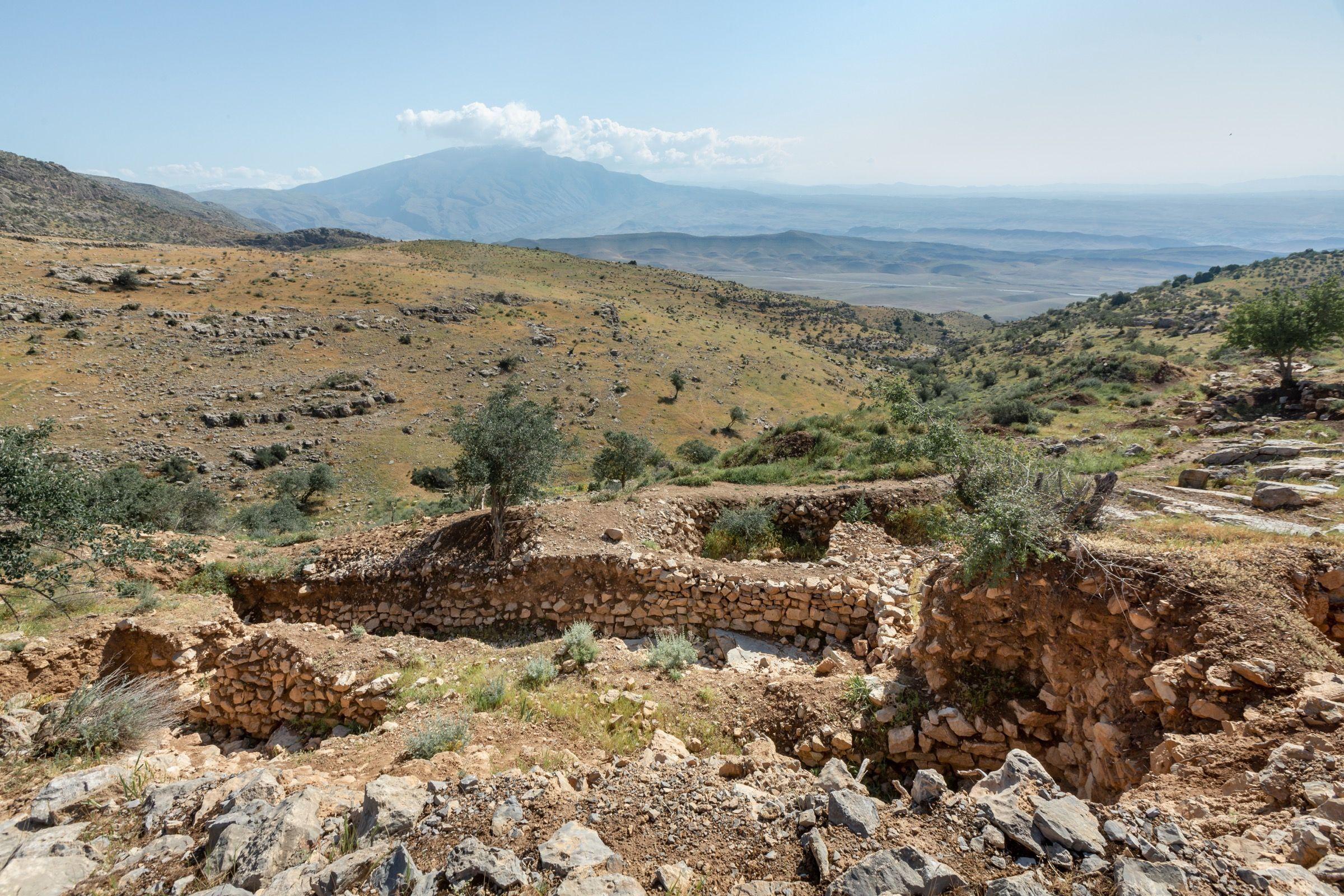
The gorge is seen from the road: every car between Boysun and Termez passes through it, and it is worth stopping on the Boysun side to walk a few hundred metres between the walls. Uzundara requires more effort: a rough track from Derbent village followed by a walk on the ridge, best done with a local guide who knows the way to the excavation. The reward is the fortress plan laid out in stone and a wide view over the Sherabad valley towards Afghanistan. Allow half a day for both and combine them with Boysun, Sayrob and Teshik-Tash.
What to see
- The excavated citadel and tower walls of Uzundara, a Hellenistic frontier fortress
- Finds of Greek coins, weapons and armour from the garrison
- The Derbent gorge, the Iron Gate described by Xuanzang in 630
- Traces of the Darband wall that closed the Bactria–Sogdiana frontier
- Mountain views over the Sherabad valley from the ridge
- A natural stop on the Termez–Boysun–Shakhrisabz road
Gallery
More sights in Termez & Surkhandarya
All of Termez & Surkhandarya
See Uzundara Fortress and the Iron Gates with a local guide
We build private and small-group trips around the places you want to see — with guides who grew up here.